What’s the deal, world travelers? Ryo here, coming at you straight from the heart of Japan’s creative scene. Today, we’re diving deep into a place that’s literally legendary. A spot that went from low-key industrial island to a global pilgrimage site for anyone who gets hyped about modern art and mind-bending architecture. We’re talking about Naoshima, the crown jewel of the Seto Inland Sea in Kagawa Prefecture. This isn’t just a place with a few museums; it’s a full-blown experience, an entire island transformed into a living, breathing canvas. It’s where nature, art, and brutalist concrete structures collide in the most epic way possible. Forget what you think you know about gallery hopping. Naoshima is a whole other level. It’s the kind of place that recharges your creative batteries and leaves you seeing the world a little differently. It’s a proper journey, a testament to the idea that art can genuinely change a place, a community, and maybe even you. Before we get into the nitty-gritty of what makes this island so fire, get your bearings and peep the map. This is where the magic happens.
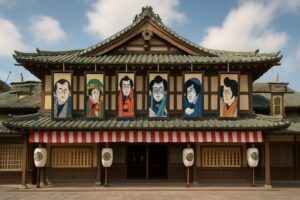
Naoshima is just one highlight of the region’s vibrant cultural scene, which also includes incredible historical experiences like the Edo-era Kabuki theater, Kanamaru-za.
The Origin Story: From Industrial Coast to Art Mecca
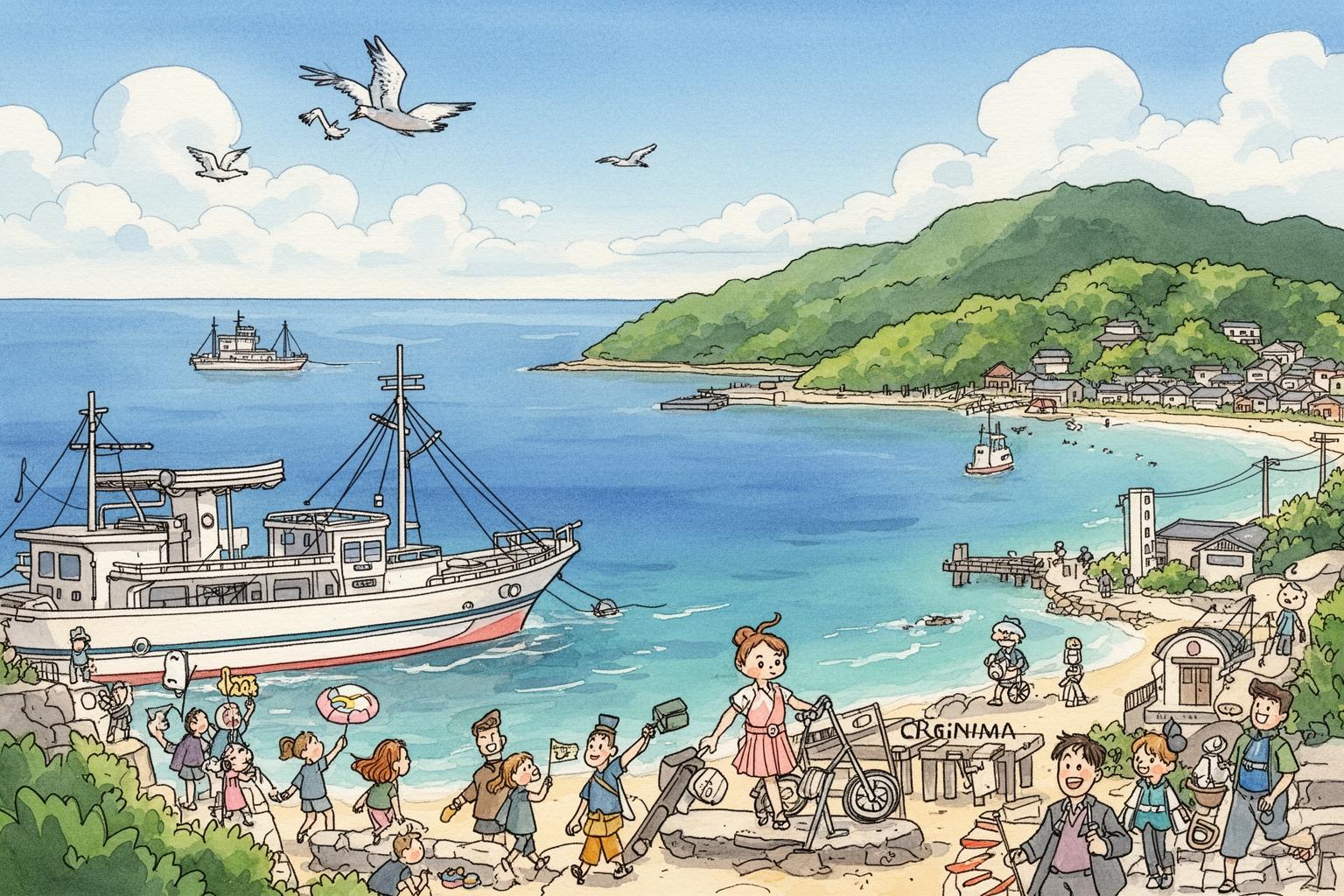
So, how did this incredible transformation actually happen? You have to go back to the late 1980s. Naoshima was, to be honest, a pretty quiet island struggling with the aftermath of industrialization. It wasn’t exactly a tourist destination. Then, a visionary man, Soichiro Fukutake, the head of Benesse Corporation (which you might recognize from their education and language learning ventures), came up with a bold idea. He partnered with the legendary Japanese architect Tadao Ando to create a space where art and nature could harmonize perfectly. Their philosophy, ‘Benesse,’ translates to ‘well-being,’ and their aim was to revitalize the area and deeply inspire people. They didn’t just want to build a museum; they aimed to weave art into the very essence of the island—its landscape and its communities. They began with the Benesse House Museum, an innovative concept that combined a luxury hotel with a world-class art museum. From there, the project grew, attracting more artists, architectural masterpieces, and eventually global attention. This wasn’t a corporate takeover; it was a gradual, thoughtful partnership with the locals, breathing new life into old homes and vacant spaces. The outcome is what you see today: a place that feels curated yet wild, deliberate yet full of surprises. It’s a masterclass in cultural revival, and honestly, it’s a story that gives you chills when you’re there, witnessing it all firsthand.
Getting the Lay of the Land: Your Naoshima Game Plan
Alright, let’s dive into logistics, because navigating an island requires a bit of planning. Naoshima is divided into several key zones, each with its own unique character. First up is Miyanoura Port on the west coast, likely where your ferry will arrive, giving you your first glimpse of the island’s art-filled vibe. It hosts some iconic works and serves as a major transit hub. Next is the Honmura area on the east coast, a quiet, traditional village home to the remarkable Art House Project. It’s a maze of narrow streets and old wooden houses, offering a sharp contrast to the modern museum district. Finally, the southern coast is the museum-rich zone, featuring the Benesse House complex, Chichu Art Museum, and Lee Ufan Museum. Here, you’ll find grand architectural masterpieces seamlessly integrated with the natural surroundings. Knowing this layout is essential for planning your day—you can’t just wander and expect to see it all. You need to consider how you’ll move between these areas, whether by bus, bike, or on foot. Each mode of transport gives you a different view of the island’s unique charm, which we’ll explore shortly. For now, imagine this: a bustling port alive with artistic energy, a tranquil village concealing world-class art, and a coastline where nature and architectural poetry exist side by side. That’s the landscape you’re about to explore.
The Journey Is the Destination: Accessing the Art Island
First off, you can’t simply drive to Naoshima. As an island, your journey starts on the water. The main departure points are Uno Port in Okayama Prefecture (on Japan’s main island, Honshu) and Takamatsu Port in Kagawa Prefecture (on the island of Shikoku). Which one you pick likely depends on your broader Japan itinerary. If you’re coming from major cities like Osaka, Kyoto, or Tokyo, taking the Shinkansen (bullet train) to Okayama, then a short local train to Uno, is a smooth option. The ferry from Uno to Miyanoura Port on Naoshima takes just 20 minutes and runs frequently. Uno Port itself has an artsy vibe, with outdoor sculptures setting the mood before you board. Alternatively, Takamatsu is a larger city and the capital of Kagawa. The ferry from there is longer at around 50 minutes but offers stunning views of the Seto Inland Sea and its many tiny islands. There’s also a high-speed boat that cuts this to about 30 minutes. Pro tip: check ferry schedules online ahead of time, as they vary seasonally, and you don’t want to get caught off guard. The ferry ride is part of the experience—standing on deck, feeling the sea breeze, watching Naoshima’s coastline approach, and catching sight of the iconic Red Pumpkin at the port—this is the moment your art pilgrimage officially begins.
Island Mobility: Conquer Naoshima Like a Pro
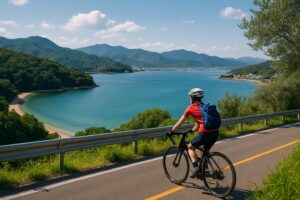
Once on the island, you have several options for getting around. Naoshima isn’t large, but it’s hilly, so walking the whole island is a real challenge best suited for avid hikers. The most popular choices are rental bikes and the local bus system. Let’s break it down. Renting a bike is, in my view, the best way to experience Naoshima. It lets you explore at your own pace, stop for perfect photos, and discover hidden beaches and cafes. Here’s the key advice: opt for an electric-assist bicycle. Seriously, the hills on the way up to the southern museums can be tough. An e-bike turns those climbs into effortless rides, leaving you with plenty of energy to enjoy the artwork. You can rent these near Miyanoura Port. If cycling isn’t your thing, the town bus is a dependable choice. It runs between Miyanoura Port, Honmura, and the Tsutsuji-so bus stop near the Benesse area. From Tsutsuji-so, you can catch the free Benesse Art Site shuttle bus, which circulates between Benesse House Museum, Lee Ufan Museum, and Chichu Art Museum. The bus schedules are generally well coordinated with the ferry times but can get crowded, especially in peak season or on weekends, so grab a timetable when you arrive and plan accordingly. A mixed approach can work well too: take the bus to the museums, explore that area on foot using the shuttle, then rent a bike for touring Honmura and the coastline. Whatever way you get around, exploring Naoshima is part of the adventure, offering breathtaking coastal views and unexpected art encounters at every turn.
The Museum Zone: Where Architecture Becomes Art
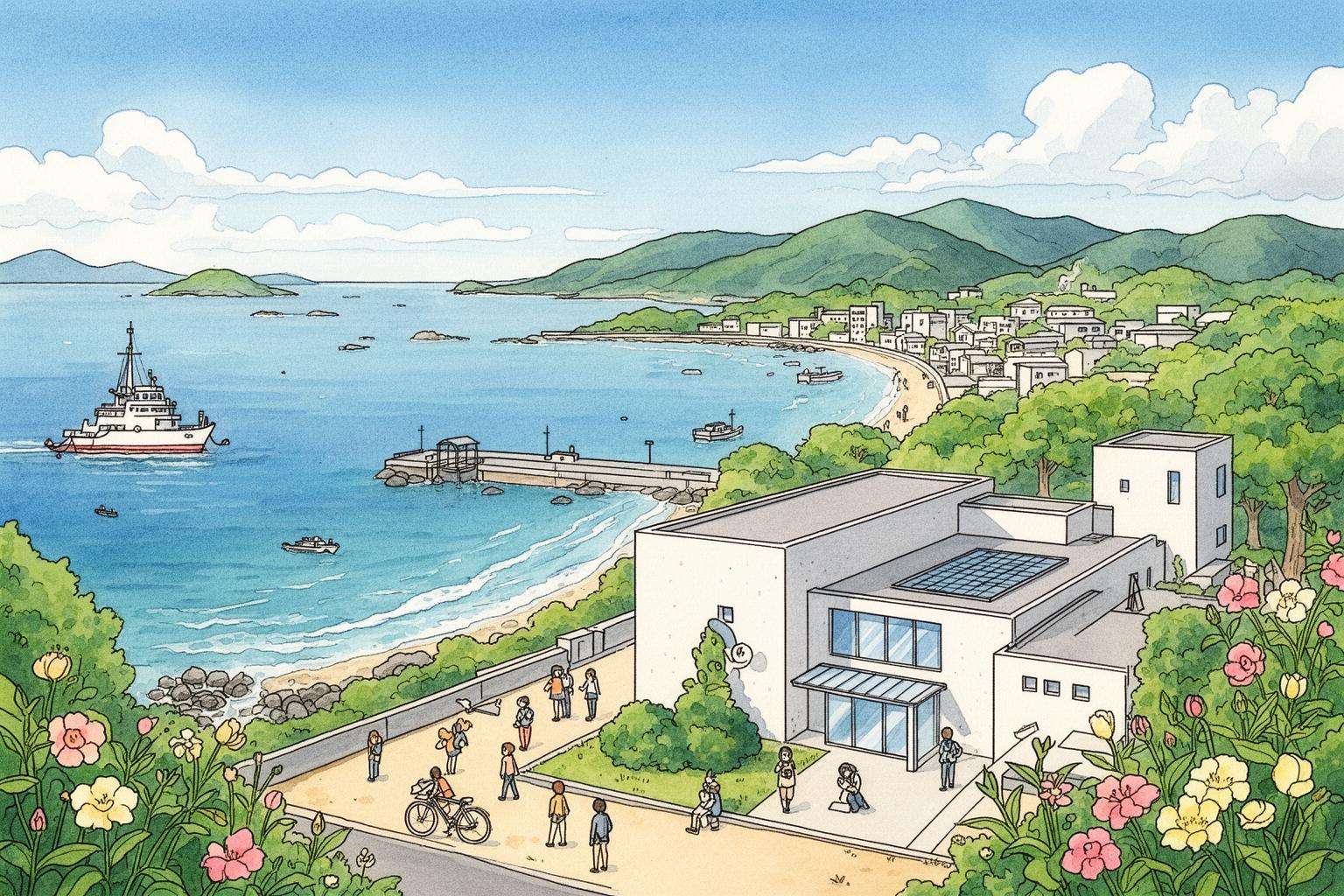
This is the highlight for many visitors. On the southern coast of Naoshima, Tadao Ando’s architectural brilliance is showcased spectacularly. Here lies a trio of world-class museums that emphasize the space they occupy just as much as the art within. This is far from the usual white-walled gallery experience. These museums create immersive environments meant to evoke emotions and invite contemplation on your relationship with nature, light, and art itself. Get ready for an unforgettable experience.
Chichu Art Museum: An Underground Sanctuary of Light
If there’s one place on Naoshima you absolutely cannot miss, it’s the Chichu Art Museum. ‘Chichu’ means ‘in the earth,’ which perfectly describes the museum itself. To protect the natural beauty of the Setouchi landscape, Tadao Ando designed it entirely underground. From the outside, it barely reveals itself—only a few geometric openings and skylights break through the green hillside. The concept is pure genius. Natural light alone illuminates the artworks, so your perception shifts with the time of day, weather, and seasons. It’s a living, breathing museum. You’ll move through stark, silent concrete corridors that feel more like a modern temple than a typical gallery. The museum houses works by only three artists permanently. You’ll encounter an extraordinary collection of Claude Monet’s ‘Water Lilies’ in a bright, white room with rounded walls, where natural overhead light makes the paintings glow. It’s an incredible way to experience Monet. Then there’s Walter De Maria’s installation, an immense, awe-inspiring space featuring a giant granite sphere and gold-leafed wooden sculptures meticulously arranged on a grand staircase. The scale is breathtaking. Finally, you will experience James Turrell’s light sculptures—artwork that manipulates light itself. One piece involves stepping into what looks like a solid blue screen, but is actually a room filled entirely with light, altering your perception in the most delightful way. Note: booking your ticket online well in advance is essential, often weeks or months ahead. Tickets are for specific entry times and strictly enforced. You can’t just show up and get in. Plan ahead; missing Chichu would be a true loss.
Benesse House Museum: The Birthplace of the Art Island
This is where the journey started. Opened in 1992, Benesse House is the original blend of museum and hotel. It perfectly captures the Naoshima ethos of art, nature, and architecture coexisting harmoniously. Perched on a hill with stunning views over the Seto Inland Sea, the building—another Tadao Ando design—is a masterpiece with its clean lines, expansive open spaces, and large windows framing the landscape like artwork. The collection is outstanding, featuring international and Japanese artists such as Andy Warhol, David Hockney, Jackson Pollock, and Yukinori Yanagi. What sets it apart is how the art is curated—there are no confines to galleries. Installations appear along the coastline, inside hotel rooms, and in unexpected nooks throughout the building. The most famous outdoor pieces populate the nearby park and shoreline. Here, you’ll find Yayoi Kusama’s iconic Yellow Pumpkin boldly positioned on a pier stretching into the sea (more on that legend later). Colorful animal sculptures by Niki de Saint Phalle and other thought-provoking works invite close interaction. Even if you’re not staying at the hotel, you can visit the museum and its grounds. The seamless flow from indoor galleries to the fresh sea air where more sculptures await is what makes Benesse House truly unique. It dissolves the barrier between viewer and art, integrating it with your journey and the surrounding environment. Don’t miss the museum’s restaurant and café, which offer excellent cuisine alongside spectacular views.
Lee Ufan Museum: A Conversation Between Nature and Creation
Another remarkable collaboration between artist and architect, the Lee Ufan Museum is a semi-underground space designed by Tadao Ando to exhibit the work of Korean contemporary artist Lee Ufan. The museum is a minimalist’s haven and offers a profoundly meditative experience. Lee Ufan’s art frequently explores the interplay between natural materials like stone and steel and human-made elements. His work focuses on presence, the space between objects, and the relationship between creation and emptiness. Ando’s architecture offers a serene and perfect setting for these concepts. The approach to the museum is part of the experience—a long, concrete-walled corridor that calms your thoughts and prepares you for the interior. The museum consists of a series of intimate, geometric spaces where you might contemplate a single stone carefully positioned against a steel plate or paintings that subtly fade into the canvas. It’s not loud or flashy art; it’s quiet, powerful, and deeply thoughtful. It invites you to slow down, breathe, and genuinely engage with the work. The outdoor installations are equally impactful, using the sky, sea, and green hills as elements of the artwork. Though the Lee Ufan Museum may lack the immediate ‘wow’ moments of Chichu’s light effects, its impact is just as deep. It’s a sanctuary of minimalism and reflection that lingers in your mind long after your visit.
Honmura and the Art House Project: Art in an Old Town’s Veins
If the south coast is characterized by grand architectural statements, the Honmura area emphasizes subtlety, community, and discovery. This is where the true spirit of Naoshima shines. The Art House Project is a unique initiative that transformed empty, abandoned houses in this traditional village into permanent art installations by entrusting them to artists. To visit, you stroll through the charming, narrow streets of a genuine, living neighborhood. It’s an art treasure hunt. You purchase a combination ticket granting access to six of the seven houses (Minamidera is separate), and explore on foot. The experience is intimate, connecting you to the island’s history and daily life.
Kadoya, Minamidera, and Go’o Shrine: The Must-See Trio
While all the Art Houses are worthwhile, a few stand out as absolute highlights. Kadoya was the very first project—a 200-year-old house restored and reimagined with a contemporary touch by artist Tatsuo Miyajima. Inside, a dark pool of water reflects a series of LED counters flashing numbers from 1 to 9 at varying speeds, a rhythm set by local townspeople. It’s a mesmerizing meditation on time and life. Then there’s Minamidera, on an entirely different scale. This is another collaboration between Tadao Ando and James Turrell. From outside, it appears as a simple, dark wooden building erected on the former site of a temple. Inside, you enter total darkness. You find your way to a bench and sit, your eyes straining to see anything. Gradually, after several minutes, a faint, ethereal rectangle of light emerges at the far end of the room. It’s not a projection; it’s your eyes adjusting to the extremely subtle light. The experience alters your perception and teaches patience. Since you need a numbered ticket with a specific entry time for Minamidera, make it your first stop in Honmura to secure your spot. Lastly, Go’o Shrine is a stunning reinterpretation of a Shinto shrine by renowned photographer Hiroshi Sugimoto. The main hall is classic and elegant, but the true wonder is a polished glass staircase seeming to descend from the hall into the earth below, linking the world of gods above to the underworld. You can enter a narrow underground stone chamber from the side and gaze up at light filtering through this mystical staircase. It’s an incredible fusion of ancient tradition and contemporary artistic vision.
Exploring the Rest of the Village: Haisha, Ishibashi, Gokaisho, and Kinza
Don’t stop there. The other houses are equally captivating. Haisha, meaning ‘dentist,’ was once the home and office of a local dentist. Artist Shinro Ohtake has transformed it completely, covering walls, floors, and ceilings with a chaotic, scrapbook-like collage of signs, pictures, and found objects. It feels like stepping inside a vast, surreal sculpture—you can even spot a giant Statue of Liberty replica inside. Ishibashi was the home of a wealthy salt merchant, and artist Hiroshi Senju has painted large-scale waterfall scenes directly onto traditional sliding doors (fusuma), contrasting the dynamic energy of his art with the serene stillness of the old house and its beautiful garden. Gokaisho offers a more contemplative space, centered on camellia flowers, with a beautiful design by Yoshihiro Suda. Then there’s Kinza, the only Art House requiring a private, 15-minute reservation for one visitor at a time. This intricate and traditional work by Rei Naito demands a special booking and separate fee. The project as a whole is a brilliant way to experience art—it encourages slowing down, walking, observing village details, and engaging with local staff, many elderly residents who share stories about the houses. It’s art that truly lives within and belongs to the community.
The Icons of the Port: Kusama’s Pumpkins and More
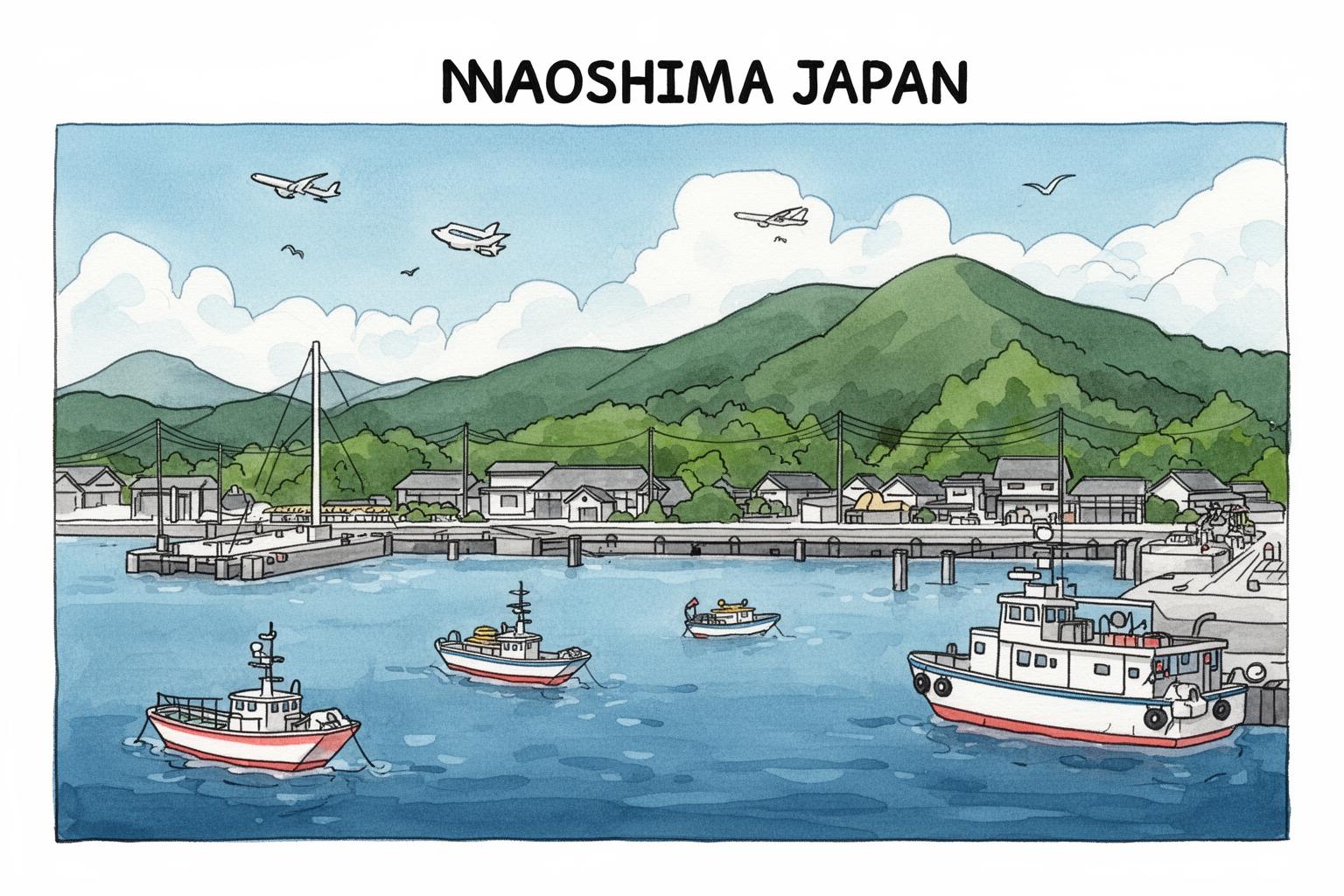
Even before you enter a museum, Naoshima welcomes you with art. The port areas are more than just practical entry points; they serve as open-air galleries that set the mood for your entire visit. These iconic works have become symbols of the island itself, instantly familiar to art enthusiasts worldwide.
The Red and Yellow Pumpkins: A Tale of Two Gourds
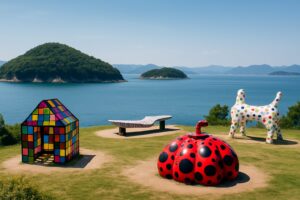
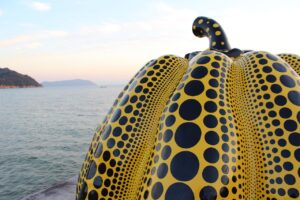
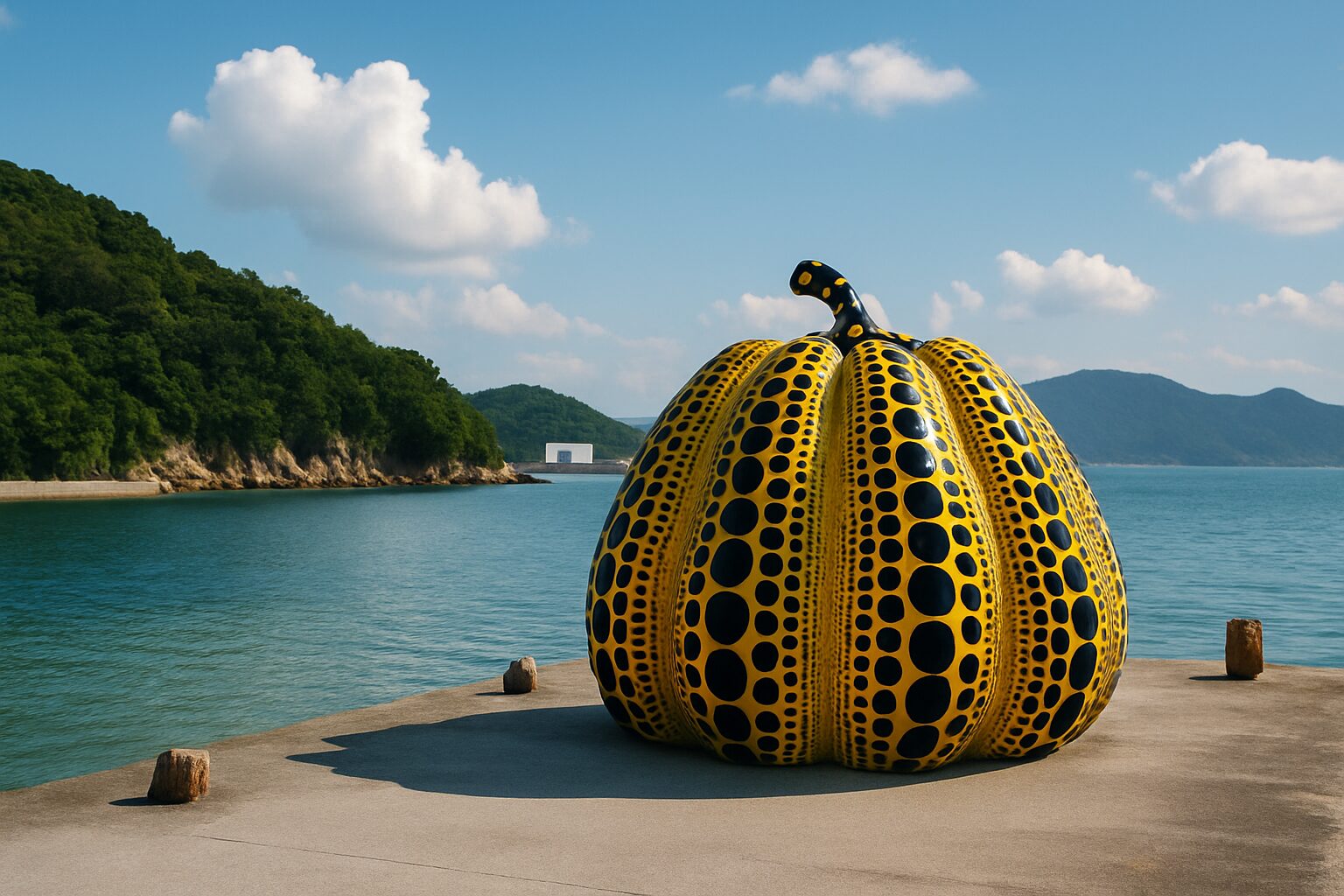
Let’s be honest: for many, Naoshima is synonymous with Yayoi Kusama’s pumpkins. These polka-dotted masterpieces are the ultimate photo spots and the island’s unofficial mascots. At Miyanoura Port, you’ll find the Red Pumpkin. It’s massive, bright red with large black polka dots, and you can actually go inside it. The light filtering through the holes creates a mesmerizing, almost psychedelic effect. It’s playful, inviting, and the perfect introduction to the island’s creative vibe. However, the most legendary of the two was the Yellow Pumpkin. Situated on a pier near the Benesse House Museum, this one was smaller, more secluded, and stunningly photogenic against the blue sea and sky. It came to symbolize Naoshima’s harmony of art and nature. Sadly, the original Yellow Pumpkin was destroyed during a typhoon in 2021, a heartbreaking loss for the art community. Yet, in a story of resilience that perfectly embodies Naoshima’s spirit, a new, slightly larger version was installed in the exact same spot in October 2022. It’s back, poised for the spotlight, a powerful emblem of rebirth and the lasting impact of art. Seeing it at the pier’s end, with waves gently lapping the shore, is a truly special experience. It feels both strong and fragile, a fitting metaphor for the island itself.
Naoshima Pavilion and the I♥︎湯 Sento
Beyond the pumpkins, Miyanoura Port offers more artistic treasures. The Naoshima Pavilion, designed by architect Sou Fujimoto, is a striking, diamond-shaped structure made of white stainless steel mesh. It’s a lightweight, almost translucent installation you can walk inside. It feels like stepping into a futuristic crystal. It’s especially stunning at night when illuminated, resembling a floating gem on the waterfront. A short walk from the port leads to another must-see: the I♥︎湯 (I Love Yu) bathhouse. This fully functioning public bath, or ‘sento,’ doubles as a wildly creative art installation by Shinro Ohtake. The exterior is a chaotic collage of neon signs, retro posters, and a giant elephant statue perched on the roof. Inside is just as eclectic, with vibrant tile mosaics, paintings, and sculptures filling every corner of the men’s and women’s bathing areas. It’s a one-of-a-kind experience to soak in a hot bath surrounded by contemporary art. It’s a place where locals and tourists alike can literally immerse themselves in creativity. Don’t forget to bring your own towel or buy a souvenir one there. It’s the perfect way to unwind and refresh after a long day of walking and cycling around the island.
Island Life: Fueling Your Art Adventure
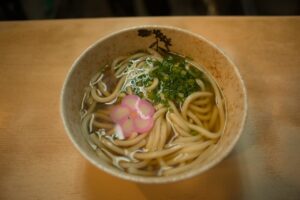
Exploring all this art and architecture will surely build up your appetite. Naoshima boasts a surprisingly vibrant food scene, emphasizing local ingredients and cozy, creative spaces. You won’t find large chain restaurants here; instead, the focus is on charming cafes, family-run eateries, and stylish museum restaurants. In the Honmura area, there are plenty of excellent lunch options while you explore the Art House Project. Spots like Aisunao serve healthy, delicious brown rice set meals in a traditional Japanese house. Cafe Salon Naka-Oku, a local favorite tucked away up a hill, offers home-style Japanese curry in a beautifully rustic setting. Miyanoura Port also features a good variety of cafes and restaurants, ideal for a bite before or after your ferry ride. For a more upscale experience, the restaurants at Benesse House Museum are outstanding, offering exquisite French and Japanese cuisine with stunning sea views. Keep in mind, many smaller cafes and restaurants have limited seating and irregular hours, especially in the off-season, so having a plan B is wise. Convenience stores are also handy; there’s a 7-Eleven near Miyanoura Port perfect for grabbing drinks, snacks, and even decent meals on the go. Be sure to stock up on water, especially during summer—staying hydrated is essential for a successful art pilgrimage.
A Place to Rest: Staying on the Island
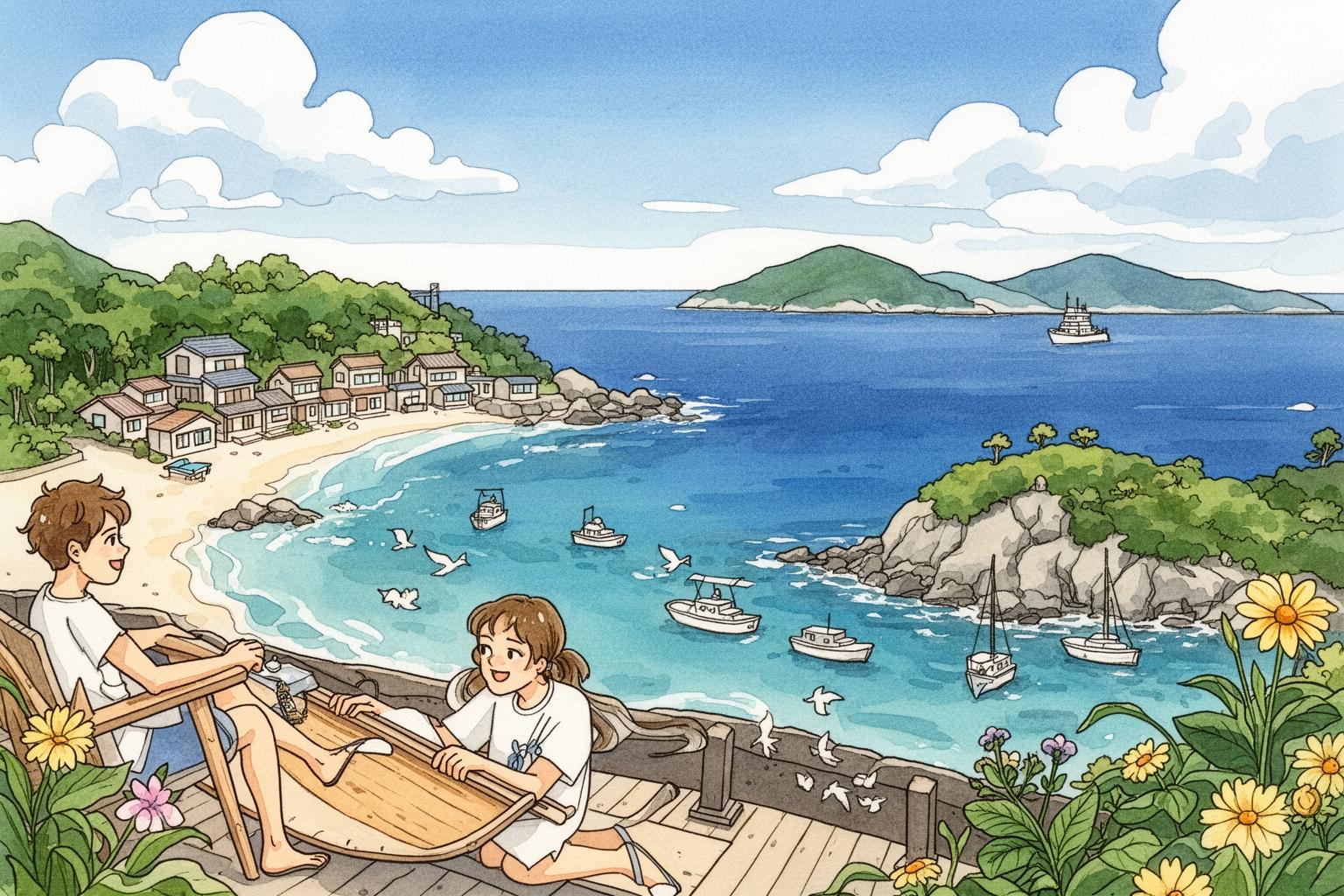
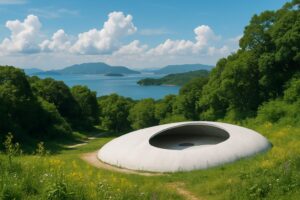
To truly absorb the Naoshima atmosphere, I strongly suggest staying overnight. While a day trip is doable, it tends to feel rushed. Waking up on the island and watching the morning light touch the sea is an enchanting experience. The ultimate accommodation is, naturally, Benesse House. Although it’s a splurge, having the chance to explore the museum after hours is unparalleled. The hotel is divided into four distinct wings: Museum, Oval, Park, and Beach. The Museum rooms are located within the main museum building, the Oval is an ultra-exclusive six-room wing perched atop the hill, accessible only by a private monorail, while Park and Beach lie closer to the sea, offering a more resort-like atmosphere. If Benesse House is beyond your budget, don’t worry—there are many wonderful and more affordable alternatives. The island is sprinkled with ‘minshuku’ (family-run guesthouses) and small inns, particularly in the Miyanoura and Honmura areas, providing a more authentic, local experience. You’ll enjoy a simple tatami mat room and often a delicious homemade Japanese breakfast. It’s a fantastic way to support the local community and truly experience island life. Like museum tickets, accommodations on Naoshima fill up quickly, especially during the Setouchi Triennale art festival years and weekends, so book as early as possible. Alternatively, you can stay in Uno or Takamatsu and make a day trip, which is a perfectly fine option if you can’t secure a room on the island—though you’ll miss the quiet magic of Naoshima in the early morning and late evening.
Timing Is Everything: When to Visit Naoshima
So, when is the ideal time to visit this art paradise? Honestly, Naoshima is wonderful throughout the year, but each season has its own unique charm. Spring (March to May) and autumn (September to November) are generally regarded as the best times to go. The weather is mild and comfortable, perfect for cycling and walking. In spring, you might catch the tail end of cherry blossoms, while in autumn, the colorful foliage enhances the scenery beautifully. Summer (June to August) can be hot and humid, yet it’s also a lively period to visit—just be sure to bring sunscreen, a hat, and plenty of water. Winter (December to February) is the quietest season, with crisp, clear air and many art sites nearly to yourself. However, some smaller cafes and shops may have shorter hours or be closed, and the days are shorter. One important thing to remember is that most museums and Art Houses close on Mondays (or Tuesdays if Monday is a national holiday). Always check the official Benesse Art Site Naoshima calendar online before planning your trip to avoid any surprises. The biggest event to keep in mind is the Setouchi Triennale, a massive art festival held every three years across a dozen islands in the Seto Inland Sea, with Naoshima as the main hub. During the Triennale, the island is full of energy, special exhibitions, and a large influx of visitors. It’s an amazing time to visit, but you’ll need to book accommodations, ferries, and museum tickets well in advance. If you prefer a more tranquil experience, it’s best to steer clear of the main festival periods.
The Spirit of Naoshima: More Than Just Art
What makes Naoshima so unforgettable isn’t just the individual artworks or the striking buildings. It’s the underlying philosophy, the cohesive vision that connects everything. It’s the sensation you experience while cycling along the coast, feeling a fresh sea breeze as you spot a sculpture against the water. It’s the quiet reverence inside the Chichu Museum, watching the light shift over a Monet. It’s the delight of uncovering a mind-bending installation inside a simple wooden house in Honmura. The island invites you to engage, to slow down, to observe more closely, and to reflect on the world around you. It’s a powerful reminder that art doesn’t need to be confined to sterile galleries in major cities. It can be part of nature, part of a community, and a catalyst for positive change. This entire project has not only placed Naoshima on the global map but also revived a region that was in decline, bringing new life and economic opportunities. It serves as a blueprint for how thoughtful, long-term cultural investment can create something truly meaningful and sustainable. You leave Naoshima feeling inspired, not only by the beauty you’ve witnessed but by the profound idea behind it all.
Final Pro-Tips for Your Pilgrimage
Before you start packing, here are a few final pieces of advice from me to you. First, wear comfortable shoes, as you’ll be walking a lot, even if you rent a bike or take the bus. Second, bring cash. While major establishments accept cards, many smaller local cafes and shops only take cash. Third, respect the community. Remember that people live here—be mindful of noise, avoid trespassing on private property, and be polite when taking photos. The islanders are a big part of what makes this place special. Lastly, my most important tip: let go of the checklist mentality. Sure, there are famous sights to see, but some of the best moments on Naoshima come when you get a bit lost, discover a quiet beach, or strike up a conversation with a local. Give yourself time to simply be there. Sit on a bench and watch the boats drift by. Find a peaceful spot and listen to the island’s sounds. Naoshima isn’t a place to rush through—it’s a place to experience. It’s a vibe, a mood, a feeling. So go, explore, and let its unique magic work on you. It’s a trip you’ll carry with you, I promise. Peace out.