Yo, let’s get real for a sec. When you picture Japan, what’s the first thing that pops into your head? Is it the electric buzz of Tokyo’s Shibuya Crossing, the serene temples of Kyoto, or maybe a steaming bowl of life-changing ramen? All solid choices, for sure. But what if I told you there’s another Japan? A Japan that’s tucked away, a place where time doesn’t just slow down, it straight-up moves to a different beat. A place so epic, so profoundly disconnected from the 21st century, that it feels like you’ve glitched into a Hayao Miyazaki film. I’m talking about the Iya Valley (祖谷渓) in Tokushima Prefecture, deep in the mountainous heart of Shikoku island. This isn’t just off the beaten path; it’s a whole other dimension. And the ultimate way to experience it? By ditching the hotel and crashing in a traditional thatched-roof farmhouse, a kominka (古民家). This isn’t just a stay; it’s a full-blown immersion, a legit cultural deep dive that will recalibrate your soul. It’s the kind of travel story that gives you main character energy for life. Prepare to get lost in the mists of time.
For a completely different take on Japanese accommodations, discover how Tokyo’s hotels are embracing AI and smart technology for a futuristic guest experience.
The Vibe Check: What’s Iya Valley Even Like?

First things first, let’s set the scene. The atmosphere in Iya Valley is, simply put, immaculate. Forget the constant buzz of city life. Here, the soundtrack is the rush of the emerald-green Iya River carving through deep, dramatic gorges, the whisper of wind through ancient cedars, and the cry of a hawk soaring high above. The air itself feels different—cleaner, heavier, scented with damp earth and woodsmoke. Mornings bring a whole mood, with a thick blanket of fog (kiri) settling in the valley, making the mountains appear as islands floating in a sea of white. It’s so quiet you can hear your own thoughts, which can be both unsettling and utterly liberating.
Historically, Iya’s isolation was its defining trait. Tucked away in one of Japan’s “three hidden regions,” it was notoriously difficult to access, making it an ideal refuge. Legend has it that defeated warriors of the Heike clan fled here after the Genpei War in the 12th century, seeking a place so remote their enemies, the Genji clan, would never find them. Whether that’s entirely true or a legendary boast, it highlights the valley’s character. This place has always been a sanctuary for those living outside the mainstream. That spirit of resilience and independence is woven into the very landscape. You feel it in the steep, terraced fields carved into the mountainsides, in the solid-as-a-rock farmhouses, and in the warm yet stoic smiles of the few locals you meet. This isn’t a tourist trap; it’s a living, breathing community holding onto its heritage with a quiet strength that’s deeply humbling.
My Home for a Few Nights: Crashing in a 300-Year-Old Kominka
Booking a stay in a restored kominka is undoubtedly the best way to immerse yourself in the Iya vibe. I’m not referring to a rustic shack without plumbing. Thanks to remarkable preservation efforts, like those led by author and Japanologist Alex Kerr through the Chiiori Trust, many of these centuries-old farmhouses have been beautifully renovated. They retain their soul, history, and breathtaking architecture while incorporating 21st-century comforts you actually want, such as a sleek modern bathroom and a fully equipped kitchen. It’s the perfect blend of historical immersion and cozy convenience.
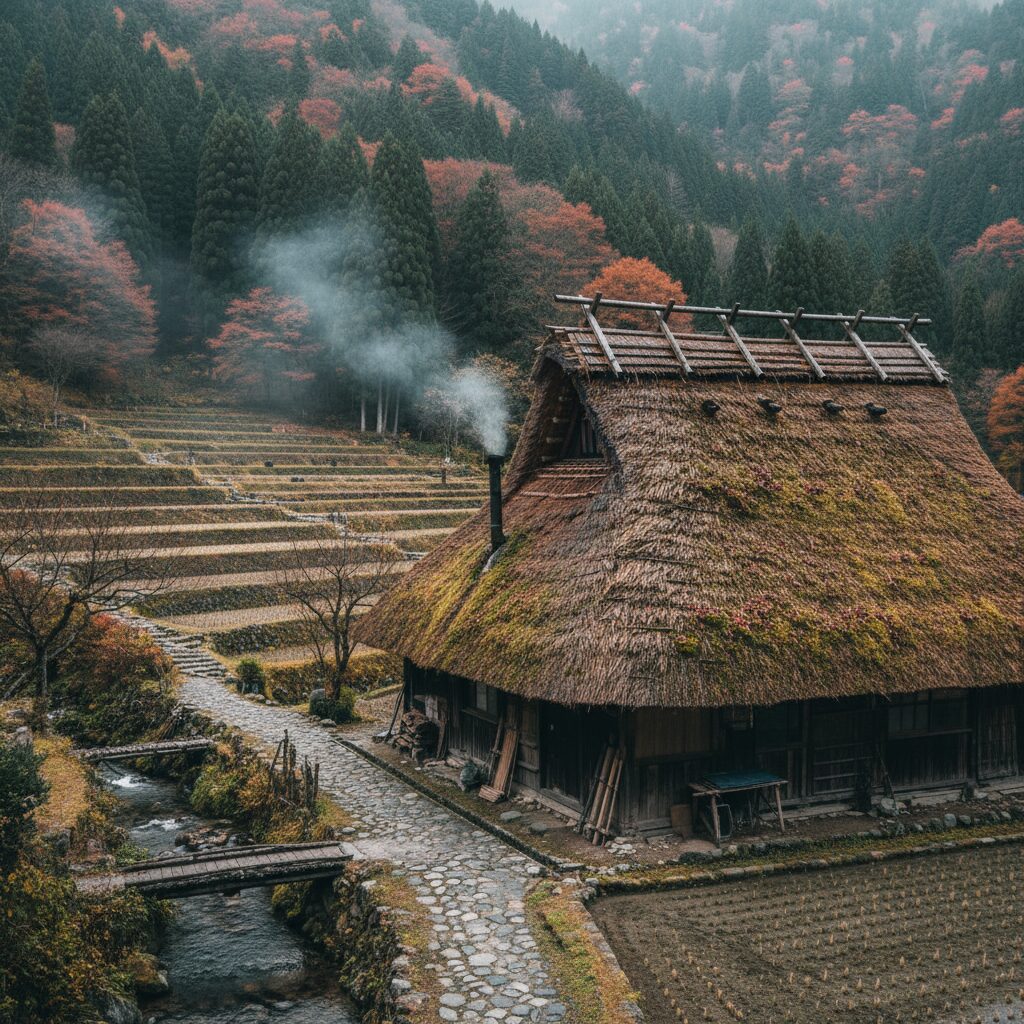
Walking into my rented farmhouse for the first time was an unforgettable moment. The sheer size of the space was impressive. The roof, a thick, sloping masterpiece made of thatched pampas grass (kayabuki), soared above, supported by massive, smoke-darkened wooden beams (hari) crisscrossing the ceiling. These beams, some as wide as a person, were installed centuries ago without any nails, using astonishingly complex joinery. You can even see the adze marks left by the craftsmen who shaped them by hand. It’s a testament to an almost extinct level of artistry.
The heart of the home, both literally and figuratively, is the irori, a traditional sunken hearth in the center of the main room. This wasn’t just decoration; it was the house’s lifeblood. For centuries, families gathered around its gentle flames to cook, eat, stay warm, and share stories. The rising smoke would treat the wood of the house, protecting it from insects and decay, while also filtering through the thatched roof to keep it dry and healthy. Sitting by the irori at night, with a pot of tea gently warming on a hook above the glowing charcoal, you feel deeply connected to the generations who did the exact same thing in the exact same spot. It’s a profoundly grounding experience. The smell of woodsmoke seeps into your clothes and hair, honestly the best souvenir you could ask for. Sleeping on a futon on the tatami mat floor, with the silence of the mountains pressing in on all sides, brings a sleep so deep it feels like hibernation.
These thatched roofs are more than just shelter; they are living, breathing ecosystems that regulate temperature and humidity, keeping the house cool in humid summers and warm during biting winters. Maintaining them is a highly specialized craft passed down through generations. Seeing one up close, you gain a true appreciation for the artistry—the perfectly aligned layers of straw, the intricate bamboo framework beneath, and the moss that begins to grow on its surface, adding character. It stands as a powerful symbol of a sustainable lifestyle, one that worked in harmony with nature rather than against it.
Beyond the Farmhouse: What to Do When You’re Not Chilling
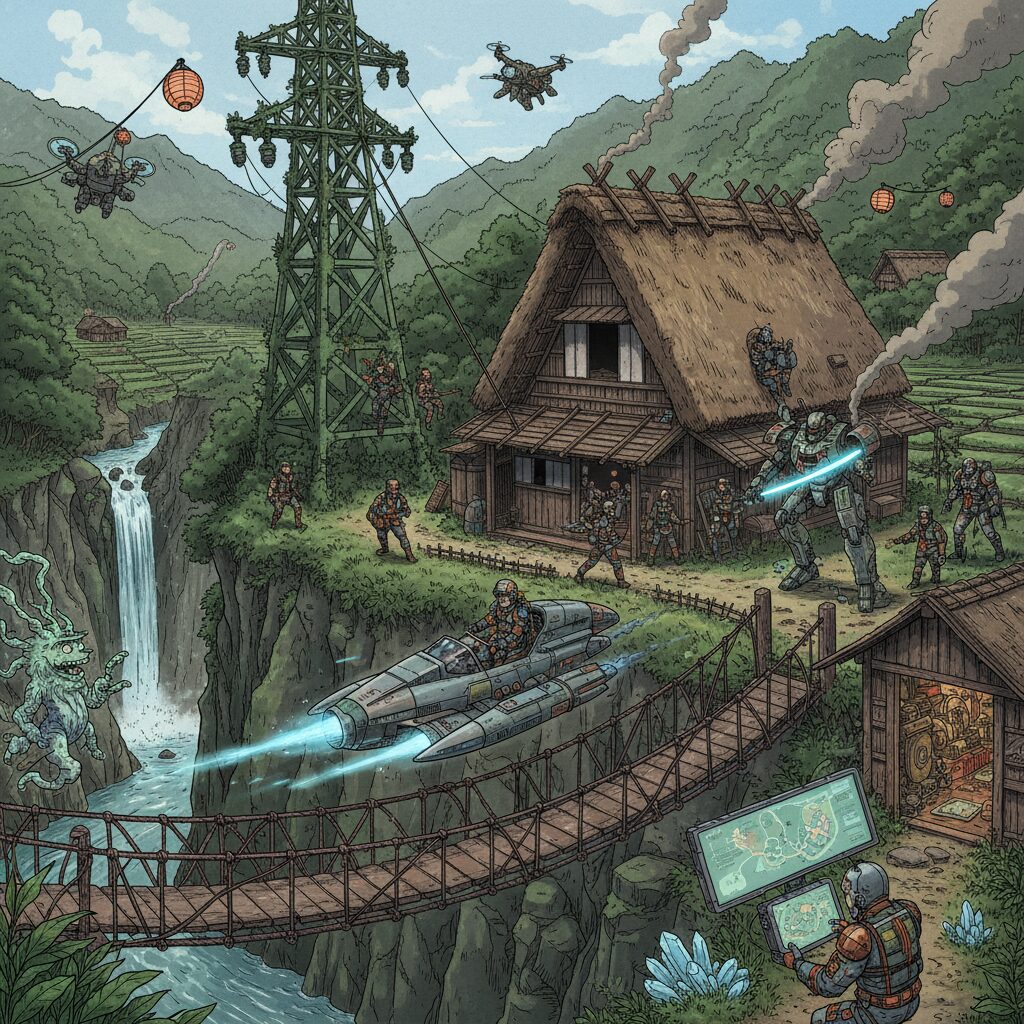
As tempting as it is to just relax at the farmhouse all day, the valley is calling, and you must answer. Renting a car is absolutely essential. The roads are narrow and winding, making the drive an adventure in itself, but it gives you the freedom to explore at your own pace. Just take it slow and honk before going around blind corners—it’s the local way.
The Kazurabashi Vine Bridges
This is the quintessential Iya Valley experience. There are two sets of these bridges, but the main one in Nishi-Iya is the most famous. Woven from sturdy mountain vines (with hidden steel cables for safety these days, thankfully), these bridges sway and creak with every step you take. Looking down through the wide gaps between the slats to the rushing river far below is an exhilarating thrill. Legend has it that the Heike warriors built them so they could be cut down instantly to trap any pursuers. Crossing one feels like walking through history. It’s a bit nerve-racking, a lot of fun, and the photo opportunities are, of course, incredible.
Ochiai Village
For a view that will leave you questioning reality, drive up to the viewpoint overlooking Ochiai Village (落合集落). This entire hamlet is constructed on a steep, cultivated mountainside, with traditional farmhouses seemingly defying gravity as they cling to the slope. It’s a stunning example of how people adapted to challenging terrain, and it’s so historically important that it’s designated as a National Important Preservation District. Seeing it at dusk, as lights begin to twinkle in the old houses, is pure magic. It looks like a secret village straight out of a fantasy novel.
Nagoro Scarecrow Village
Prepare to visit one of the most surreal and oddly moving places you’ll ever encounter. The village of Nagoro is inhabited by more scarecrows than people. An artist named Ayano Tsukimi began making these life-sized dolls modeled after her former neighbors who had either passed away or moved on. Now, hundreds of them are scattered throughout the village—waiting for a bus, working in the fields, sitting in the abandoned schoolhouse. It’s a poignant, slightly eerie, and incredibly powerful statement about rural depopulation in Japan. It’s a must-see. It resonates deeply, and you’ll be thinking about it long after you leave.
The Peeing Boy of Iya Gorge
Yes, you read that correctly. Perched on the edge of a dramatic 200-meter cliff is a statue of a small boy, peeing into the gorge below. It might seem random, but it’s a tribute to the local kids and construction workers of the past who supposedly proved their courage by standing on this very rock. It’s a quirky and beloved landmark, and the view from this spot is absolutely breathtaking. You’ll find yourself holding your breath as you gaze down into the deep, V-shaped valley.
Oboke and Koboke Gorges
At the entrance to Iya Valley are the Oboke and Koboke Gorges. Their names mean “big dangerous steps” and “small dangerous steps,” giving you a sense of the rugged landscape. The best way to experience them is on a sightseeing boat that glides along the turquoise river. You get an up-close view of the stunning crystalline schist rock formations lining the gorge, shaped by the river over 200 million years. It’s a relaxing and informative way to appreciate the geological forces that carved this region.
Fueling Up: The Iya Valley Food Scene is Low-Key Gourmet
Forget upscale dining. The cuisine in Iya focuses on simple, hearty, and deeply local ingredients. It’s mountain fare, shaped by necessity and refined over centuries. This is nourishment for the soul.
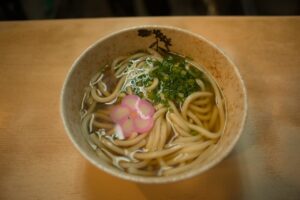
The undeniable highlight is Iya Soba. Because the steep landscape wasn’t ideal for rice cultivation, buckwheat became the main grain. The soba noodles here differ from those found elsewhere in Japan—they’re thicker, shorter, and have a more rustic, earthy flavor. Enjoying a bowl of hot soba in a small, family-run shop with a view of the mountains is a quintessential Japanese experience.
Another must-try local specialty is Dekomawashi. This fun and tasty snack consists of skewered, grilled pieces of Iya’s firm tofu, konnyaku (devil’s tongue jelly), and local potatoes called goishi-imo. The whole skewer is coated in a sweet and savory yuzu-miso paste and roasted over an open flame. The name means “spinning puppet,” because you rotate it over the fire like spinning a traditional doll.
If you spot Amego on the menu, order it. It’s a freshwater river fish, typically grilled whole with just a sprinkle of salt. It’s incredibly fresh and delicate. You’ll also find dishes featuring wild boar and venison, reflecting the valley’s rich hunting heritage. And don’t forget the sansai, or wild mountain vegetables. Depending on the season, you’ll enjoy tender bamboo shoots, bracken ferns, and numerous other foraged greens, each with a unique, slightly bitter flavor that evokes the wild terrain they come from.
The Nitty-Gritty: How to Actually Get to This Hidden Gem
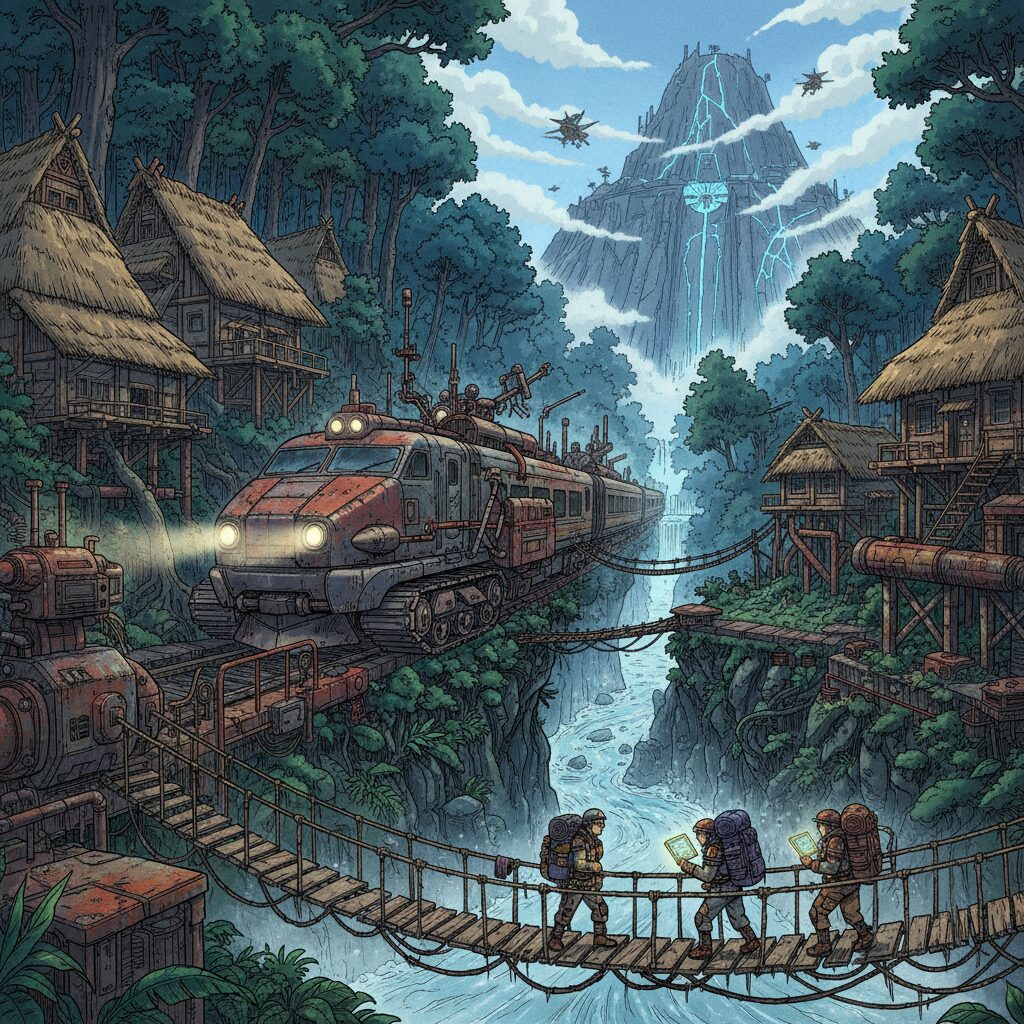
Alright, let’s cover the logistics. Iya’s magic lies in its seclusion, so reaching it takes a bit of planning.
Your primary access point is Oboke Station on the JR Dosan Line, which links to major cities like Okayama on Honshu’s main island. From Oboke, options are limited. Local buses do run into the valley, but they’re infrequent and the schedules can be confusing. Honestly, they’re not the best choice if you want to explore freely.
The real hero for any trip to Iya is a rental car. You can hire one in bigger cities like Takamatsu or Tokushima, or even near Oboke Station. A car lets you explore hidden spots in the valley, stop at every breathtaking viewpoint, and move at your own pace. But a warning: the roads are not for the faint-hearted. They’re extremely narrow, often just a single lane with passing areas, and packed with hairpin turns. It’s slow, careful driving—but the views make every tense moment worth it.
When it comes to timing your visit, each season offers something special. Spring (April-May) brings a burst of vibrant greens to the mountains. Summer (June-August) is lush and lively, ideal for cooling off in the river, though it can be hot, humid, and buggy. Winter (December-February) can be stunning with snow, but many roads become impassable, so it’s only suited to very experienced winter drivers. The undeniable GOAT, however, is autumn (late October-November). The autumn foliage (koyo) here is truly next level. The whole valley lights up in fiery reds, oranges, and yellows. No exaggeration—it’s one of the most breathtaking sights in all of Japan.
Pro Tips for Your Iya Valley Glow-Up
- Cash is King: This is remote countryside, so don’t expect to use your card everywhere. Visit an ATM in a larger town and withdraw enough cash to cover a few days of expenses.
- Pack Smart: Dress in layers. Even during summer, mountain nights can get quite chilly. Durable walking shoes are essential—the terrain is challenging.
- Book Everything in Advance: Iya Valley isn’t a place to improvise. Accommodations, especially the sought-after kominka stays, fill up months in advance. The same applies to rental cars, particularly in busy seasons like autumn.
- Learn a Little Japanese: English is rarely spoken here. Knowing a few basic phrases such as “Konnichiwa” (Hello), “Arigatou gozaimasu” (Thank you), and “Sumimasen” (Excuse me) will be very helpful. The locals are warm and will appreciate your effort.
- Embrace the Disconnect: Cell phone signal will be unreliable at best and nonexistent at worst. Don’t resist it—consider it a feature rather than a flaw. This is your opportunity for a genuine digital detox. Download maps offline and let the outside world fade away for a while.
Iya Valley is more than just a destination; it’s an experience that lingers with you. Staying in a thatched-roof farmhouse offers more than novelty—it’s a way to connect with a deeper, older, and more sustainable vision of Japan. It reminds us that in today’s hyper-connected world, the greatest luxury might be the freedom to unplug. The valley challenges you with its ruggedness and rewards you with a deep sense of peace. So, if you want a trip that goes beyond ticking boxes and are ready for a truly authentic adventure, it’s time to set your sights on the misty mountains of Iya. Get lost, discover a fresh perspective, and soak up an atmosphere that stays with you long after you return to the digital world. This is a side of Japan you won’t forget once you experience it. IYKYK.