Welcome to the Land Where Legends Breathe
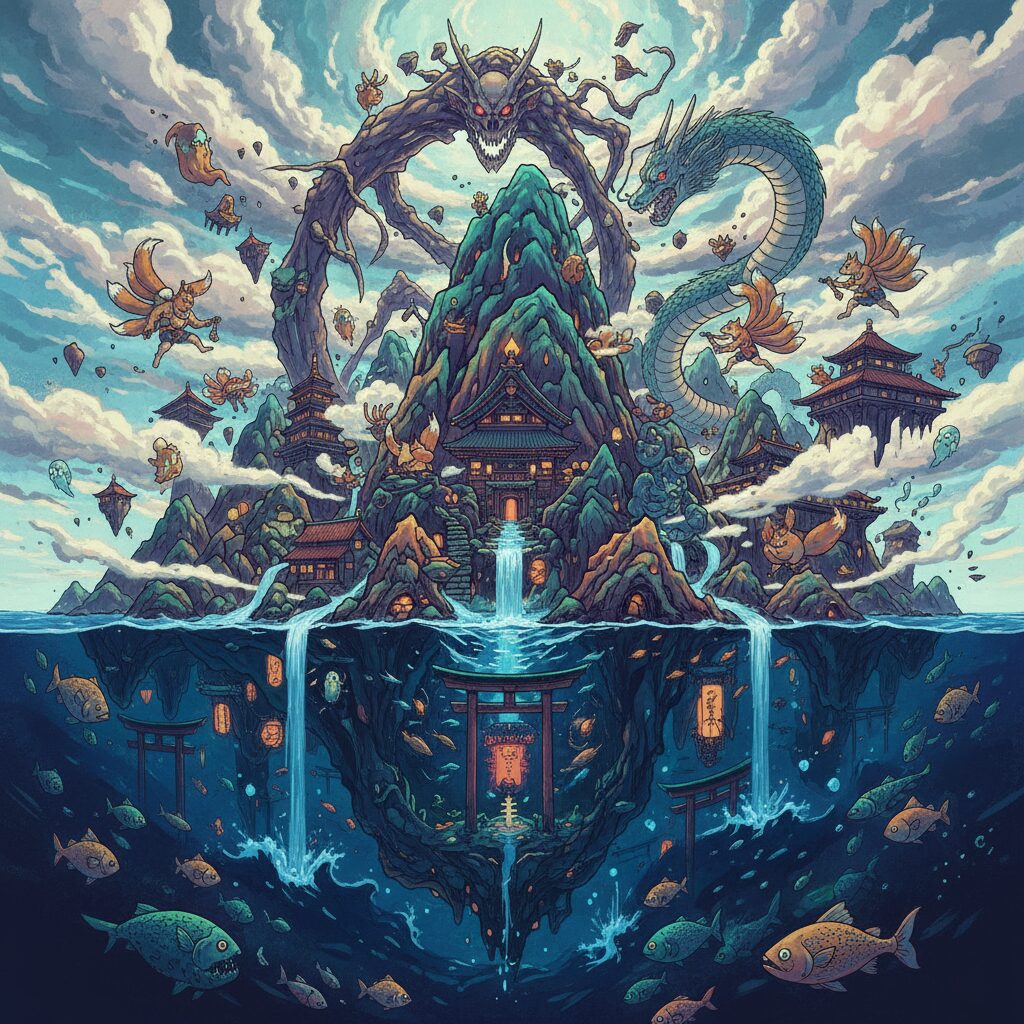
Yo, let’s talk about a real journey. Not just a trip around the world, but a trip back in time, into the misty, moss-covered pages of Japan’s most surreal fairy tales. Forget the neon lights of Tokyo for a moment. We’re diving deep, deep into the heart of Iwate Prefecture, to a place called Tono. This isn’t your typical tourist destination. Tono is, no lie, the living, breathing essence of Japanese folklore. It’s a place where the stories you hear aren’t just stories; they’re the town’s operating system, its history, its spirit. This is the spot that gave birth to the legendary book, the “Tono Monogatari” or “Tales of Tono,” written over a century ago by the father of Japanese folklore studies, Kunio Yanagita. He didn’t invent these tales; he simply listened to locals and recorded the mind-blowing, eerie, and sometimes downright bizarre stories passed down through generations. Visiting Tono is like stepping onto the set of a Studio Ghibli film that never came to life—a world filled with mischievous water spirits, lucky house ghosts, and mysterious mountain dwellers. It’s a place that invites you to slow down, open your ears, and listen to the whispers of the land. It’s an IYKYK kind of destination, a pilgrimage for anyone wanting to connect with the deep, raw magic of rural Japan. So pack your curiosity and let’s get lost in the fog.
The Vibe Check: What Tono Actually Feels Like
So, what is the Tono experience truly like? First and foremost, it’s relaxed. Life here follows the rhythm of the seasons, not train timetables. When you arrive, the air is the first thing that strikes you—different, cleaner, denser, carrying the scent of damp earth, pine needles, and perhaps a faint trace of woodsmoke from a nearby farmhouse. The town lies nestled in a basin surrounded by grand, rolling mountains, often cloaked in a low mist, especially during the mornings. This mist lends the place a dreamlike, almost surreal atmosphere, making it easy to imagine how, centuries ago, people believed that beyond the fog lay a hidden realm of spirits and gods. The landscape is a vibrant mosaic of green rice paddies, dark forests, and crystal-clear, winding rivers. Scattered across this scenery are the iconic `magariya`—L-shaped farmhouses with steep, thatched roofs, once home to families and their treasured horses under one roof. Seeing them up close, with their dark, weathered wood and quiet presence, feels like stepping back in time. The silence here is distinct—not empty, but alive, filled with the buzzing of dragonflies, frogs croaking in the paddies, and the rustling wind through bamboo groves. It’s a silence that invites you to listen closely, to immerse yourself. The overall vibe is subtly mystical. Small, unattended shrines line the roadside, or a stone `jizo` statue draped in a little red bib and partially covered in moss. Every part of Tono seems steeped in secrets. It’s not a land of grand monuments but rather one of intimate, sacred spaces. The locals embody this spirit. They’re warmly welcoming yet quietly reserved, carrying the stories of this land in their very being. This isn’t theater for tourists; it’s their heritage, shared with sincere pride and careful stewardship. Being here feels less like visiting and more like being entrusted with a beautiful, ancient secret. The atmosphere is flawless—a perfect harmony of natural splendor and deep cultural richness that resonates profoundly.
Meeting the Masters: The Katari-be Storytellers
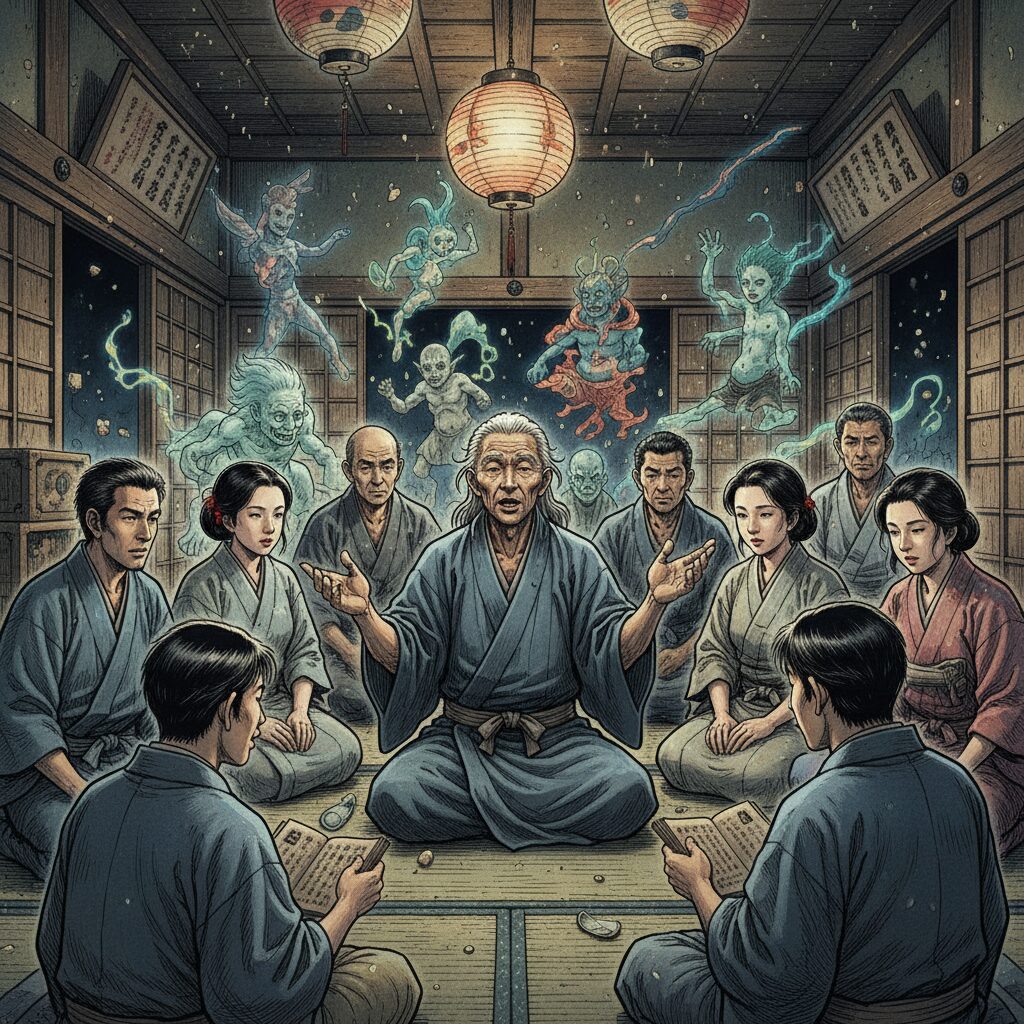
Now for the main event—the very reason you came to Tono: the storytelling itself. This isn’t a theatrical show on a grand stage; it’s the real thing, an authentic cultural tradition passed down through the centuries. You’ll meet the `katari-be`, Tono’s official storytellers. Often elderly residents—grandmothers and grandfathers—they serve as living guardians of the oral tradition. Their duty is to convey the `mukashi-banashi` (tales of long ago) in their original form, spoken in the rich, melodic Tono dialect (`Tono-ben`). Finding them is part of the journey. You can enjoy storytelling sessions at places like the Tono Monogatari no Yakata (The Tono Folktale Museum), Denshoen Park, or the Tono Furusato Village. The setting is always perfect. Picture yourself seated on a `tatami` mat floor inside a centuries-old `magariya` farmhouse. The only light filters in through the windows, complemented by the soft glow of the `irori`, a traditional sunken hearth in the center of the room where a small fire crackles, sending delicate puffs of smoke toward the high, soot-darkened ceiling. The `katari-be`, a woman whose face is carved by the years of a well-lived life, sits beside the fire and begins to speak. Her voice isn’t loud, yet it fills the entire space. Even if you don’t know a word of Japanese—much less the local dialect—you find yourself drawn in. The magic isn’t just in the words; it’s in the rhythm, the cadence, the rise and fall of her voice. It’s in her expressive hands, meaningful glances, and the pauses she takes for dramatic effect. She’s not merely reciting a story—she’s reliving it. You feel a chill when she tells of a mountain god, laugh at the antics of a clumsy Kappa, and sense wonder when she describes the fleeting appearance of a Zashiki-warashi. It’s an intimate and powerful experience. You’re not a passive listener; you become part of a ritual, sharing a communal space where the boundary between the human and spirit worlds feels incredibly thin. This is what makes Tono truly special. The stories aren’t confined to books; they live and breathe in the voices of the `katari-be`.
Where to Find the Stories
To be sure you don’t miss out, keep a few key locations in mind. The Tono Furusato Village is a must-visit. This open-air museum preserves several `magariya` farmhouses from the Edo period, which have been relocated here. You can step inside these remarkable buildings and see how people once lived. In some houses, `katari-be` hold scheduled storytelling sessions. Sitting there, in that authentic space, listening to tales likely first told in rooms just like it, is an unforgettable experience. Another prime spot is Denshoen Park, home to the former Kikuchi family residence—another stunning example of `magariya` architecture. Here, you can hear stories and explore exhibits on Tono’s farming life. Importantly, Denshoen also houses the Oshira-do hall, which contains a thousand silk-clad horse-and-maiden figures representing Oshira-sama, the god of sericulture. His origin story is one of Tono’s most famous and tragic folktales; seeing all these figures is both beautiful and somewhat eerie. Lastly, the Tono Monogatari no Yakata offers a more structured museum experience with interactive displays and exhibits that help bring the tales to life. They often have a resident `katari-be` who tells stories in a dedicated theater space, providing a great introduction to the legends before you explore the sites yourself.
The Legends Themselves: Meet the Kappa and Zashiki-warashi
So, who exactly are these characters you’ll be hearing about? Tono’s folklore is filled with a fascinating—and sometimes frightening—cast of creatures. These beings aren’t just ordinary monsters; they are intricately connected to the unique landscape and lifestyle of the region. They embody the people’s relationship with nature—its hazards, its blessings, and its deep mysteries.
The Elusive Kappa
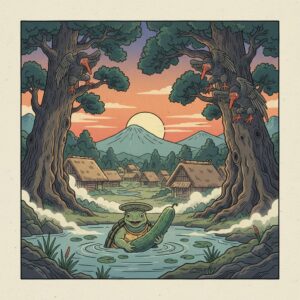
The most renowned figure in Tono’s supernatural realm is the Kappa. This is far from the cute, cartoonish turtle-like creature you might find on souvenirs. The Kappa in Tono folklore is a far more complex and perilous being. Picture a creature roughly child-sized, with green, scaly skin, a beak-like mouth, and a shell on its back. Its most crucial feature is the `sara`, a dish-like indentation on top of its head that holds water. This water is the source of the Kappa’s power; if it spills, the creature becomes weak and defenseless. Kappa are water spirits, lurking in rivers and ponds, known for their serious mischief. Legends tell of their love for challenging people to sumo wrestling and their peculiar obsession with cucumbers. However, they also have a darker side, known to drag horses and even children into the water to drown them. Why are they so central to Tono? Because Tono’s life depends on its rivers and rice paddies. The Kappa symbolizes the inherent danger of water—a source of life but also of death. These stories served to teach children caution near water. Yet, the Kappa isn’t entirely malevolent. There are tales of Kappa who, once defeated or shown kindness, use their profound knowledge of medicine to aid humans or honor a promise. The ultimate Kappa pilgrimage site in Tono is the Kappa-buchi, a small pool on a bend of a stream behind Jokenji Temple. The atmosphere there is surreal—quiet and shaded, with a small shrine dedicated to the Kappa. Visitors leave offerings of cucumbers, hoping to catch a glimpse. This practice shows how real these legends feel in Tono—people continue to leave gifts for a water monster. It’s whimsical but also deeply spiritual.
The House Spirit, Zashiki-warashi
While the Kappa represents the dangers beyond the home, the Zashiki-warashi embodies the fortune and fragility within it. This spirit is essentially the ultimate good luck charm. The Zashiki-warashi is a `yokai` (spirit) that appears as a child, often with bobbed hair and a red face, residing in old, long-established houses. Typically invisible to adults, sometimes the children of the household can see and play with it. You may not see it, but you sense its presence—you might hear its footsteps in an empty room or the rustling of paper when no one else is around. As long as the Zashiki-warashi dwells in your home, the family will enjoy great prosperity and happiness. Businesses flourish, harvests thrive, and joy fills the house. But—and this is a crucial but—if the Zashiki-warashi departs, the family’s fortune collapses. Prosperity vanishes, and the home falls into decline. The spirit’s leaving is a grave omen. This legend speaks volumes about the precariousness of rural life, where a single failed harvest or disaster could wipe out a family’s survival. The Zashiki-warashi symbolizes this delicate prosperity—a benevolent yet unpredictable spirit whose presence is a blessing not to be taken lightly. Some old `ryokan` (traditional inns) in the Iwate region are famous for being home to Zashiki-warashi, with visitors booking rooms years in advance, hoping for a lucky encounter. In Tono, the spirit reminds everyone that each home has its own soul and fortune to cherish.
Otherworldly Encounters and Mountain Gods
The lineup of Tono’s supernatural beings doesn’t end there. The “Tono Monogatari” is full of stories about encounters with `Yama-otoko` or `Yama-onna`—wild mountain folk, taller and stronger than average humans, who dwell deep in the forests. These tales reflect the awe and fear the people of Tono hold for the vast, untamed mountains surrounding them. The mountains were a source of sustenance but also a place where one could easily get lost and disappear. This gave rise to the concept of `kamikakushi`, being ‘spirited away’ by mountain gods or spirits, a common theme in these stories. Then there are the more somber, historical legends. A short bike ride from town center leads to the Gohyaku Rakan (the 500 Arhats). Carved into moss-covered rocks beside a river are the weathered faces of 500 Buddhist disciples. The story says they were carved by a lone priest to comfort the souls of many who died in a great famine centuries ago. It’s a hauntingly beautiful and deeply moving site. Standing there, you feel the connection between folklore and the often harsh realities of the land. Tales of ghosts and spirits offered a way for people to understand and cope with the tragedies and hardships they endured.
Beyond the Stories: Soaking Up Tono’s Soul
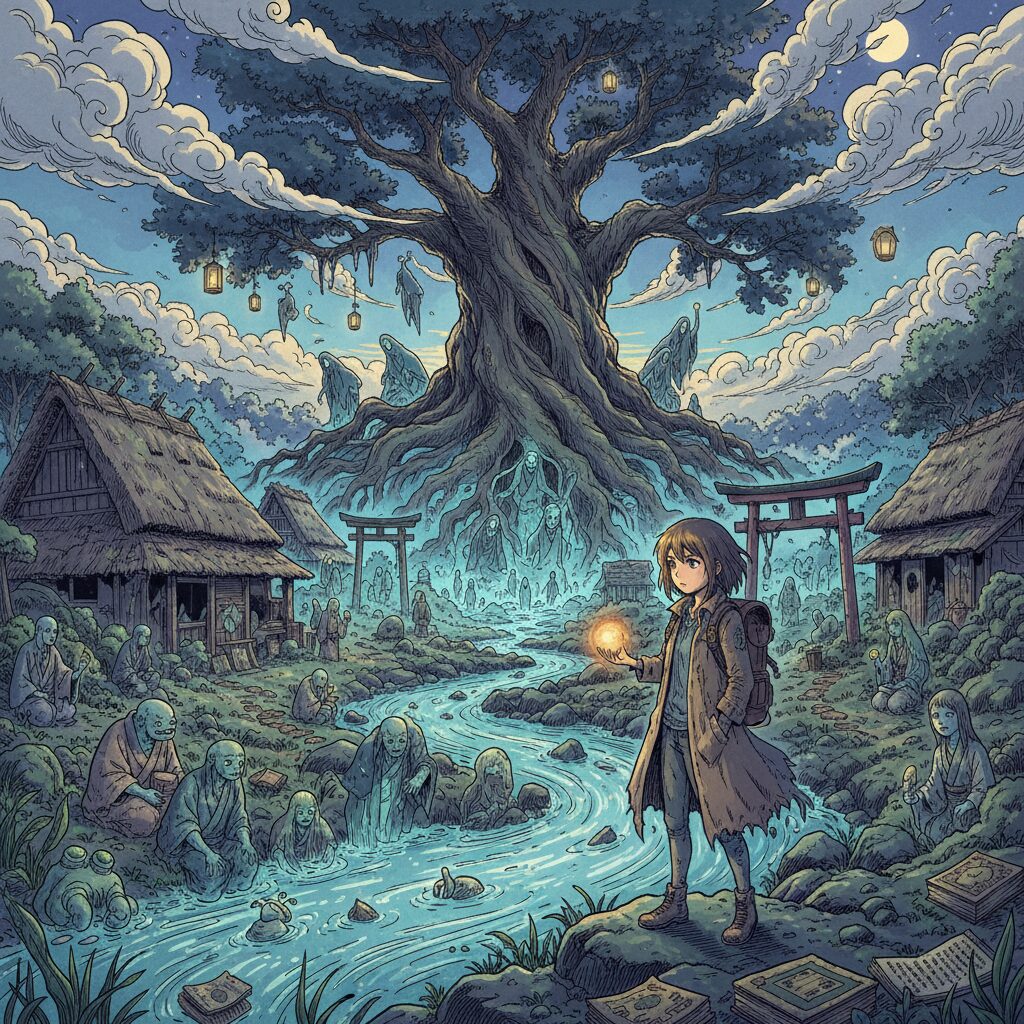
While folklore is the primary attraction, the best way to truly experience Tono is by immersing yourself in the atmosphere that inspired it. The entire region is like an open-air museum, and you should definitely venture out to explore its legendary landscape.
Exploring the Landscape of Legends
The absolute best way to get around Tono is by bicycle. The main valley is fairly flat, and there’s an excellent network of cycling routes connecting all the key locations. You can rent a bike right near Tono Station. Riding through the rice paddies, with mountains as your backdrop, is an experience in itself. You can design your own folklore tour, starting by cycling to Kappa-buchi and Jokenji Temple. From there, it’s a scenic ride to Denshoen Park and Tono Furusato Village. Another remarkable spot to discover is Unedori-sama Shrine. Though it’s a matchmaking shrine, its visual impact is what truly stuns. It’s known for a tradition where visitors write their wishes on pieces of red cloth and tie them with their left hand. As a result, the entire shrine area is adorned with thousands upon thousands of red cloths, creating a surreal and vividly colorful spectacle in the quiet woods. Biking offers the freedom to stop anytime—to visit a small shrine, capture a perfect view, or simply pause and absorb the incredible tranquility. It’s on these quiet country roads, between main attractions, that the magic of Tono truly comes alive.
Tono’s Culinary Scene: Fuel for Your Folklore Hunt
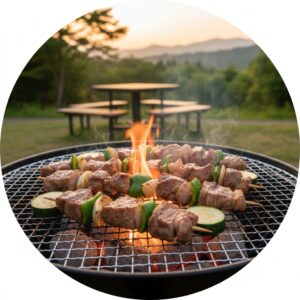
Exploring all day will surely work up an appetite, and Tono’s local food scene is the ideal way to recharge. The cuisine here is hearty, unpretentious, and deeply rooted in the land. You have to try Hittsumi-jiru, a soul-warming soup with a savory broth filled with vegetables and hand-pulled, chewy flour dumplings that have a texture somewhere between noodles and gnocchi. It’s the kind of dish a grandmother would make and offers pure comfort in a bowl. Another local specialty, which might surprise you, is Genghis Khan (Jingisukan), a dish of grilled mutton and vegetables cooked on a special domed skillet. It became popular in Tono due to the area’s history of sheep farming. It’s a fun and social meal to share with friends. And, of course, no discussion of Tono is complete without mentioning its drinks. The region is famous for its sake but is also well-known for doburoku, a rustic, unrefined, often homemade style of sake that is milky and sweet. It feels ancient, like something straight out of the folktales. Adding a modern twist, Tono has also become one of Japan’s leading producers of beer hops. Visiting the Tono Brewing taproom for a craft beer made with local hops is a fantastic way to end a day of folklore exploration. It’s a delicious example of how Tono honors its traditions while embracing the new.
The Nitty-Gritty: Your Tono Trip Playbook
Ready to book your ticket? Bet. Here’s some handy info to help you plan your mystical journey into the heart of Japanese folklore. This is the rundown on how to make your trip smooth so you can focus on soaking in the vibes.
Getting There and Around
Tono’s beautiful remoteness is part of its charm. Getting there takes some effort, but the journey is scenic. From Tokyo, your best option is the Tohoku Shinkansen (bullet train) to Shin-Hanamaki Station. This part of the trip is fast and efficient. At Shin-Hanamaki, transfer to the JR Kamaishi Line. This is where the adventure truly begins. The Kamaishi Line is a local train that winds through mountains and along rivers. The views are spectacular, and with every stop, you feel more removed from the modern world. The train ride itself sets the perfect tone for the Tono experience. The entire trip from Tokyo takes about 3 to 4 hours. Once in Tono, renting a bicycle is the way to go. The rental shop is conveniently located just outside Tono Station. For destinations farther out, or if cycling isn’t your preference, local buses and taxis are available. However, buses can be infrequent, so it’s smart to pick up a timetable at the tourist information center near the station.
When to Go
Truth be told, Tono is stunning all year, with each season offering a distinct atmosphere. Spring (April-May) is gorgeous, with cherry blossoms framing old thatched-roof houses and the landscape bursting with fresh, vibrant green. Summer (June-August) is prime folklore season. The rice paddies turn a lush deep green, cicadas fill the air with their song, and the misty mountains feel especially mysterious. The Tono Tanabata Festival in early August is a fantastic local event to experience. Autumn (October-November) is arguably the most breathtaking. The mountains burst into vivid reds, oranges, and yellows. It’s harvest time, and the golden rice fields set against colorful mountains create a sight you won’t forget. The crisp, cool air is perfect for cycling. Winter (December-February) turns Tono into a quiet, snow-covered wonderland. Seeing the `magariya` farmhouses blanketed in snow is incredibly atmospheric. This season is ideal for cozy indoor storytelling around a warm `irori`, just as locals have done for centuries. Snow can make travel trickier, but the reward is a truly magical and intimate experience.
Pro Tips for First-Timers
A few last tips to make your Tono trip unforgettable. First, if you want to attend a storytelling session and don’t speak Japanese, check at the tourist information center about sessions with an interpreter or English guide. These are rare, so booking ahead is essential. Even without an interpreter, the experience is powerful, but context enhances appreciation. Second, bring cash. While some larger places accept cards, Tono remains largely cash-based, especially at smaller shops, restaurants, and rental outlets. Third, be a respectful visitor. When exploring places like Kappa-buchi or the Gohyaku Rakan, remember these aren’t just tourist attractions; they’re sites of deep spiritual and historical significance to the local community. Be quiet, respectful, and don’t leave trash. Finally, embrace the quiet. Tono’s magic comes alive when you slow down. Don’t rush from one place to another. Take time to sit by the river, walk through the forest, and listen to the countryside’s sounds. This isn’t a destination for a packed itinerary; it’s a place for the soul.
The Takeaway: Why Tono Sticks With You

Leaving Tono feels like awakening from a strange and beautiful dream. You return to the world of bullet trains and bustling cities, yet a part of you remains in that misty valley. A journey to Tono is far more than mere sightseeing. It’s a deep immersion into the very heart of the Japanese imagination. The tales of the Kappa, the Zashiki-warashi, and the mountain spirits aren’t simply charming folklore. They embody a profound respect for nature, a recognition of life’s fragility, and a way to keep the memory of ancestors alive. They form the cultural DNA of the land. In Tono, you come to understand that the world is far more magical and mysterious than we often acknowledge. If you listen carefully, you can still hear the whispers of ancient gods in the rustling leaves and babbling streams. It’s a journey that’s truly special—a low-key spiritual pilgrimage reminding you of the power of a great story. Visit Tono. Listen deeply. And let its timeless magic transform you.