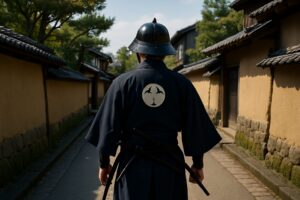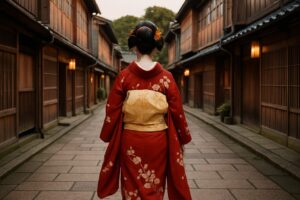
Yo, let’s spill the tea on a place that’s seriously slept on. When people think of old-school Japan, their minds usually jump straight to Kyoto. And yeah, Kyoto is the queen, no doubt. But what if I told you there’s a city that dodged the WWII bombs, keeping its historic drip completely intact? A place where you can literally walk from a legit samurai neighborhood into a geisha entertainment district in, like, fifteen minutes? That’s Kanazawa, fam. It’s the capital of Ishikawa Prefecture, and it’s not just a city; it’s a whole mood. Tucked away on the coast of the Sea of Japan, this spot was the home base of the Maeda clan, who were basically the second most powerful fam in feudal Japan after the shogun. They were rolling in dough and had a major glow-up, investing heavily in arts and culture instead of just warfare. The result? A city that’s an absolute masterpiece of preserved history, art, and aesthetics. We’re talking about a living museum where you can feel the echoes of sword-wielding warriors and the soft shuffle of a geisha’s footsteps. It’s a place to slow down, get lost in ancient alleys, and soak in a vibe that’s 100% authentic. So, if you’re ready to ditch the main character tourist spots for something with a bit more soul, Kanazawa is where it’s at. Get ready to step back in time, for real.
Nagamachi: Where the Samurai Legacy is Straight-Up Fire

First on our time-travel itinerary is the Nagamachi district. This isn’t some theme park replica; it’s the genuine article, where Kanazawa’s samurai and their families truly lived. The moment you leave the main road and enter its maze of narrow paths, the 21st century fades away. It’s understated, peaceful, and feels unique. The atmosphere here exudes quiet strength and dignity. The standout feature? The ochre-colored mud walls, known as tsuchi-kabe. These walls aren’t merely decorative; they served as original privacy fences, topped with tiles to shield them from Kanazawa’s heavy winter snow. In winter, they’re wrapped in straw mats called komo to prevent frost cracks—a practical tradition that’s also incredibly photogenic. Running alongside these streets are the original canals, part of the Onosho-yosui system, among Japan’s oldest. The gentle sound of flowing water is a constant companion, creating a calming backdrop that transports you far from anywhere. You can almost sense the spirits of these warriors going about their daily lives—the soft whisper of their hakama trousers, the faint clink of a sword. This place commands respect, not through grand temples, but through its beautifully preserved, humble yet sturdy residential architecture. It was home, a refuge from the battlefield and castle politics just nearby. The Maeda lords were strategic; they kept their most trusted retainers close, and Nagamachi was prime territory for the highest-ranking samurai.
The Heart of the District: Nomura-ke Samurai Residence
No visit to Nagamachi is complete without the Nomura-ke Samurai Residence. This isn’t merely a house; it’s a gateway. The Nomura family served as senior officials to the Maeda clan for generations, and their home offers an incredible glimpse into samurai elite life. From the outside, it appears modest, just another beautiful walled compound. But step inside, and you’ll be amazed. The interior is a showcase of Japanese aesthetics—fusuma sliding doors painted with delicate landscapes by the Maeda family’s personal artist, intricate woodwork, and history woven into every tatami mat. You’ll see the family’s personal belongings, including a full set of samurai armor that looks both terrifying and fascinating. The highlight—the thing that will linger in your mind—is the garden. Not large, but a perfect jewel-box example of a traditional Japanese garden. A tiny waterfall, ancient moss-covered stone lanterns, and a winding stream filled with striking, colorful koi carp that swim right up to the veranda. The house is designed so nearly every room overlooks this tranquil scene. The best spot is the veranda, where you can sit, breathe, and let the peace wash over you. Upstairs, there’s a tea room where you can enjoy a cup of matcha. Sipping frothy green tea while gazing at a 400-year-old samurai garden? That’s a memory to treasure. It’s a powerful reminder that these warriors were not just fighters; they were men of culture, art, and deep nature appreciation. Visiting Nomura-ke is not just about seeing history—it’s about experiencing it.
Living the Nagamachi Vibe
Beyond Nomura-ke, Nagamachi’s real charm lies in aimless exploration. Leave the main paths. Slip into the smaller alleys. The district is a labyrinth, and every turn reveals another stunning scene. You’ll discover quieter spots like the Kanazawa Shinise Kinenkan Museum, which highlights the merchant class who supported the samurai—a fascinating contrast to the warrior lifestyle. Watch for the Ashigaru Shiryokan, a museum displaying the humble living quarters of the ashigaru, or foot soldiers. Witnessing their simple, practical homes after seeing Nomura-ke’s elegance really highlights the strict feudal hierarchy. It’s these layers of history that make Kanazawa so captivating. A tip: visit early in the morning. Before the tour groups arrive, you can have the streets almost to yourself. The soft morning light hitting the mud walls and reflecting in the canals is magical. It’s the perfect moment for photos and quiet reflection. Wear comfortable shoes, as you’ll walk on uneven stone paths, and prepare to fully immerse yourself. This isn’t a place to hurry—it’s a place to stroll, notice the small details, and let your imagination wander.
The Chaya Districts: Geisha Aesthetics on Fleek
Alright, let’s change the subject. From the reserved world of the samurai, we move into the vibrant, elegant, and slightly enigmatic realm of the geisha. Just a short walk or bus ride from Nagamachi lie Kanazawa’s three chaya districts. While ‘chaya’ literally means teahouse, these were far from ordinary cafés. These exclusive, upscale venues hosted wealthy guests entertained by geisha (known locally as geiko in the Kanazawa dialect) through traditional music, dance, and clever conversation. During the Edo period, these districts were officially designated entertainment zones, and stepping into them today feels like discovering a hidden level in a video game. Their architecture starkly contrasts with Nagamachi’s, featuring two-story wooden buildings adorned with intricate latticework facades called kimusuko. These elaborate wooden screens provided privacy while letting those inside see out, adding to the districts’ air of mystery and exclusivity. When night falls and paper lanterns illuminate the streets, the entire area glows with a warm, ethereal light. If you’re lucky, you might hear the faint, haunting notes of a shamisen (a three-stringed instrument) being played behind a screen. The atmosphere is simply unforgettable. Kanazawa boasts three such districts, each with its own distinct character.
Higashi Chaya: The Star Attraction
Higashi Chaya is the largest, most famous, and most glamorous of the three—truly the star of the show. Its streets are lined with beautifully preserved chaya, many of which now serve as cafés, restaurants, and high-end craft shops. During the day, the district buzzes with energy. Visitors dressed in rented kimonos add vibrant splashes of color against the historic backdrop, and everyone flocks to sample the district’s signature treat: gold leaf ice cream. Yes, seriously. Kanazawa produces 99% of Japan’s gold leaf, and they use it on just about everything. Enjoying a soft-serve cone wrapped entirely in a delicate, shimmering sheet of edible gold is a quintessential Kanazawa experience. Does it have much taste? Not particularly. Is it extra and perfect for social media? Absolutely. But Higashi Chaya’s appeal extends well beyond ice cream. It’s home to two incredible historic teahouses you can actually enter.
Shima Teahouse: A Step Back in Time
Shima is a must-visit. It’s a nationally designated Important Cultural Asset preserved just as it was in the 1820s. No longer an active teahouse, it now functions as a museum—and it’s fascinating. Visitors remove their shoes and explore the rooms where geiko once performed for their guests. You see the waiting areas, the surprisingly steep and narrow staircases, and the main tatami rooms upstairs. The performance stage still remains, alongside vintage shamisens, drums, and other instruments. The kitchen downstairs is surprisingly tiny, giving a real sense of the effort required to support these elaborate gatherings. The highlight is sitting in the main room, gazing out through the latticework at the street below, imagining the music, laughter, and influential men that once filled this space 200 years ago. It’s a quiet, contemplative experience that offers a genuine glimpse into the world of the geisha.
Kaikaro Teahouse: A Living Legacy
Just down the street stands Kaikaro, which differs as it remains an active, functioning chaya. Over 200 years old, it’s managed by a charismatic okami-san (proprietress). By day, you can pay to enter and enjoy tea in a stunning room featuring a unique golden tatami mat. It feels more lived-in and grander than Shima. But the true enchantment happens at night. Kaikaro hosts exclusive dinner parties where you’re entertained by real Kanazawa geiko. It’s a premium experience, but an exceptionally rare and authentic cultural opportunity. Even if you don’t attend the evening show, visiting during the day reveals the grandeur of these places. The artistry and craftsmanship on display—from lacquered pillars to painted screens—is simply outstanding.
Kazuemachi and Nishi Chaya: Hidden Gems
Though Higashi Chaya steals the spotlight, the other two districts are treasures for those who like to explore off the beaten path. Kazuemachi Chaya is my favorite. Nestled along the banks of the Asano River, its main street is an incredibly narrow, atmospheric alley running parallel to the water. It is much quieter and feels more residential than Higashi. At night, the lantern light from traditional restaurants and bars reflects on the river, creating a cinematic ambiance perfect for a romantic stroll—like stumbling upon a local secret. There are some fantastic small restaurants here that require advance reservations. On the opposite side of town is Nishi Chaya. Smaller and more compact, it’s often called the ‘cutie’ of the districts. Though a quick visit, it offers a lovely, tranquil atmosphere and its own museum, the Nishi Chaya Shiryokan, displaying historical items related to the area. It’s a great choice if you want the chaya vibe without the crowds of Higashi.
Beyond the Districts: Leveling Up Your Kanazawa Game

The samurai and geisha districts are at the heart of Kanazawa’s historic charm, but the city’s lesser-known attractions are just as remarkable. You simply can’t visit without stopping by Kenrokuen Garden. Consistently ranked among Japan’s top three most beautiful landscape gardens, it truly lives up to the reputation. Once the outer garden of Kanazawa Castle and the private domain of the Maeda lords for centuries, this expansive garden is meticulously designed. Every tree, rock, and pond is placed with artistic precision. It’s a garden for every season: breathtaking plum and cherry blossoms in spring, a lush green paradise in summer, fiery red and orange maples in autumn, and winter, perhaps its most iconic season, features pine trees protected from heavy snow with intricate rope canopies called yukitsuri, creating stunning conical sculptures. The garden is filled with famous sights like the Kotoji-toro, a two-legged stone lantern that symbolizes Kanazawa, and Kasumigaike Pond, its largest body of water. Allow yourself a few hours to wander and lose track of time. Right next door is Kanazawa Castle Park. Although the castle itself is largely a modern, high-quality reconstruction (the original having burned down multiple times), the grounds are expansive, and impressive original structures like the Ishikawa-mon Gate remain. It’s an excellent spot to explore Japanese castle architecture and grasp the scale of the Maeda clan’s former power.
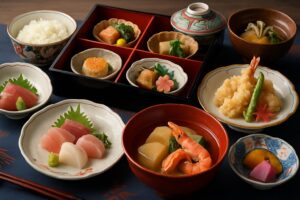
For a completely different atmosphere, you must visit Omicho Market. This has been Kanazawa’s main fresh food market since the Edo period and offers a full sensory experience in the best way. It’s a covered network of over 170 stalls—loud, crowded, and bursting with life. The main attraction is the incredible seafood, freshly brought in from the Sea of Japan. Expect to see giant crabs, glistening oysters, uni (sea urchin), and every kind of fish imaginable. The absolute must-try is a kaisendon (a bowl of rice topped with a mountain of fresh sashimi) for breakfast or lunch. Find a small counter restaurant, point to what looks good, and get ready for one of the best meals of your life. But it’s not just seafood—you’ll also find stalls selling local Kaga vegetables, pickles, sake, and a variety of snacks. It’s a fantastic place to feel the city’s heartbeat and eat like a local.
The Deets: Your Kanazawa Survival Guide
So, you’re convinced. You’re ready to soak up the vibe in Kanazawa. Here’s the essential info to make it happen.
Getting There
Kanazawa was once off the beaten path, but the Hokuriku Shinkansen changed everything. From Tokyo, it’s now an incredibly easy and comfortable 2.5 to 3-hour bullet train ride directly to Kanazawa Station. If you’re arriving from Kyoto or Osaka, the Thunderbird Limited Express is your best option, also taking about 2.5 hours. It’s easily reachable from Japan’s major tourist hubs.
Getting Around
Once in Kanazawa, the city is quite compact. The main attractions are close together, making it very walkable. For traveling between districts, the Kanazawa Loop Bus is ideal. It runs two routes—a right loop and a left loop—covering all the key tourist spots like the station, Nagamachi, Kenrokuen, and the Chaya districts. A day pass is affordable and lets you hop on and off at your convenience. It’s a total lifesaver.
When to Go
Kanazawa is a great destination year-round. Spring (late March to April) is peak cherry blossom season, with the city looking stunning but busy. Autumn (October to November) is another prime time, offering spectacular fall colors and pleasant weather. Summer (June to August) can be hot and humid, but it’s festival season. Winter (December to February) is the underrated choice. Though cold with heavy snow, the historic districts and Kenrokuen Garden covered in white create a magical, almost otherworldly scene. The yukitsuri ropes are in place, and winter seafood like snow crab and yellowtail is at its finest.
Pro Tips for First-Timers
First, wear shoes you can easily slip on and off since you’ll be removing them frequently when entering samurai houses, teahouses, and temples. Second, while credit cards are becoming more widely accepted, Japan remains a cash-driven society, especially in smaller shops, markets, and restaurants. Always carry some yen. Third, a key etiquette tip for the Chaya districts: be respectful. These aren’t just tourist spots—they are active places of business, home to geiko who live and work here. In the evening, you might see a geiko rushing to an appointment. It’s a remarkable sight, but please don’t behave like a paparazzo. Avoid chasing them, blocking their way, or thrusting a camera in their face. Keeping a respectful distance is essential. They are artists, not tourist attractions. Lastly, book early! Kanazawa is popular, so reserve your accommodation and any special experiences like workshops or upscale dinners well ahead of time, especially during peak seasons.
The Final Take: Kanazawa’s Got Soul
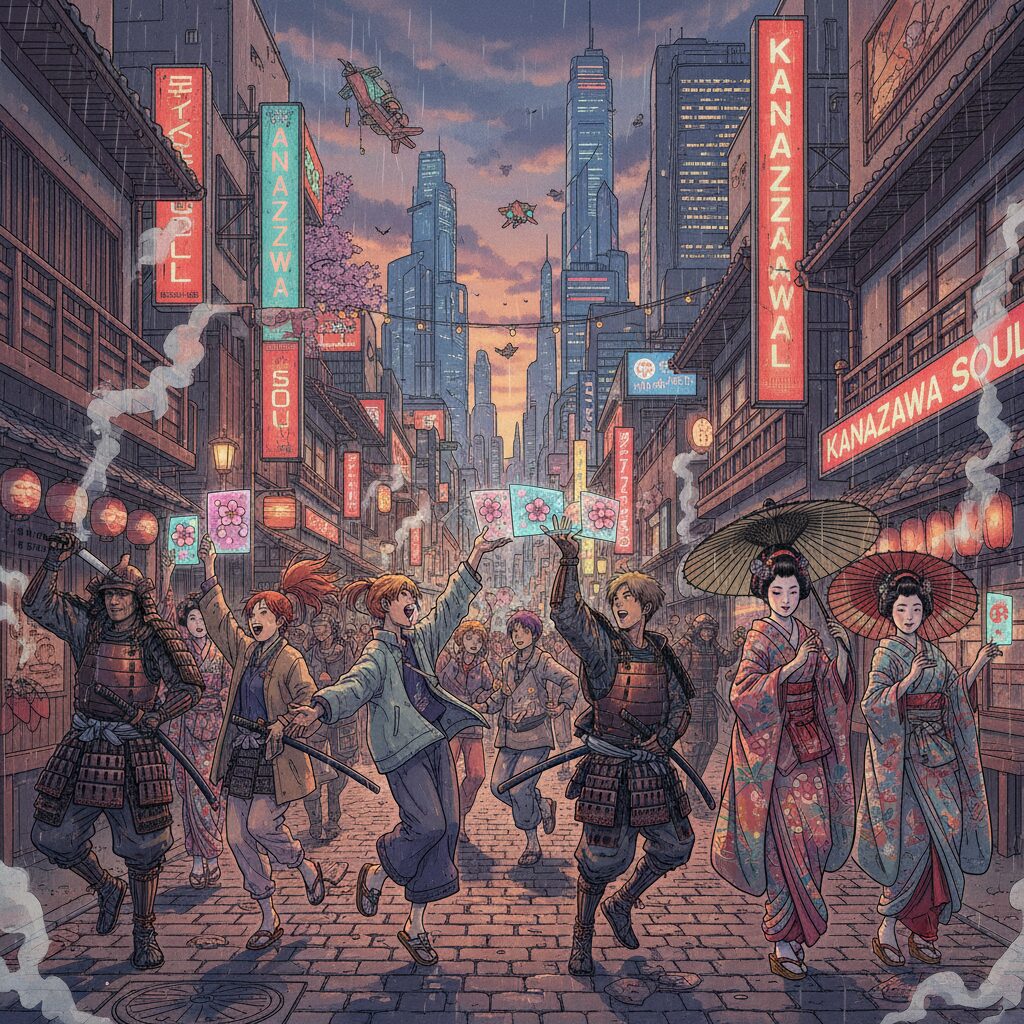
Kanazawa is more than just a list of beautiful sights; it’s a city with a deep, tangible soul. It’s the sensation of walking on the same cobblestones once tread by samurai, the quiet reverence of a 400-year-old garden, and the glowing lanterns illuminating a street that has witnessed centuries of art and music. It’s a city that has preserved its story, character, and beauty throughout the ages. It rewards the curious traveler—the one willing to put down the map and simply wander, to peek into a narrow alley, to sit and listen to the sound of water. It’s a journey through time, a mood, a connection to a version of Japan that feels both grand and intimately human. Forget what you think you know about Japanese cities; visit Kanazawa and let it reveal a different side of the story. You won’t regret it.