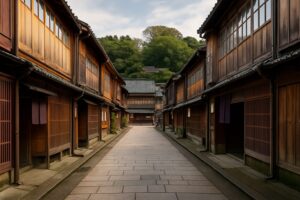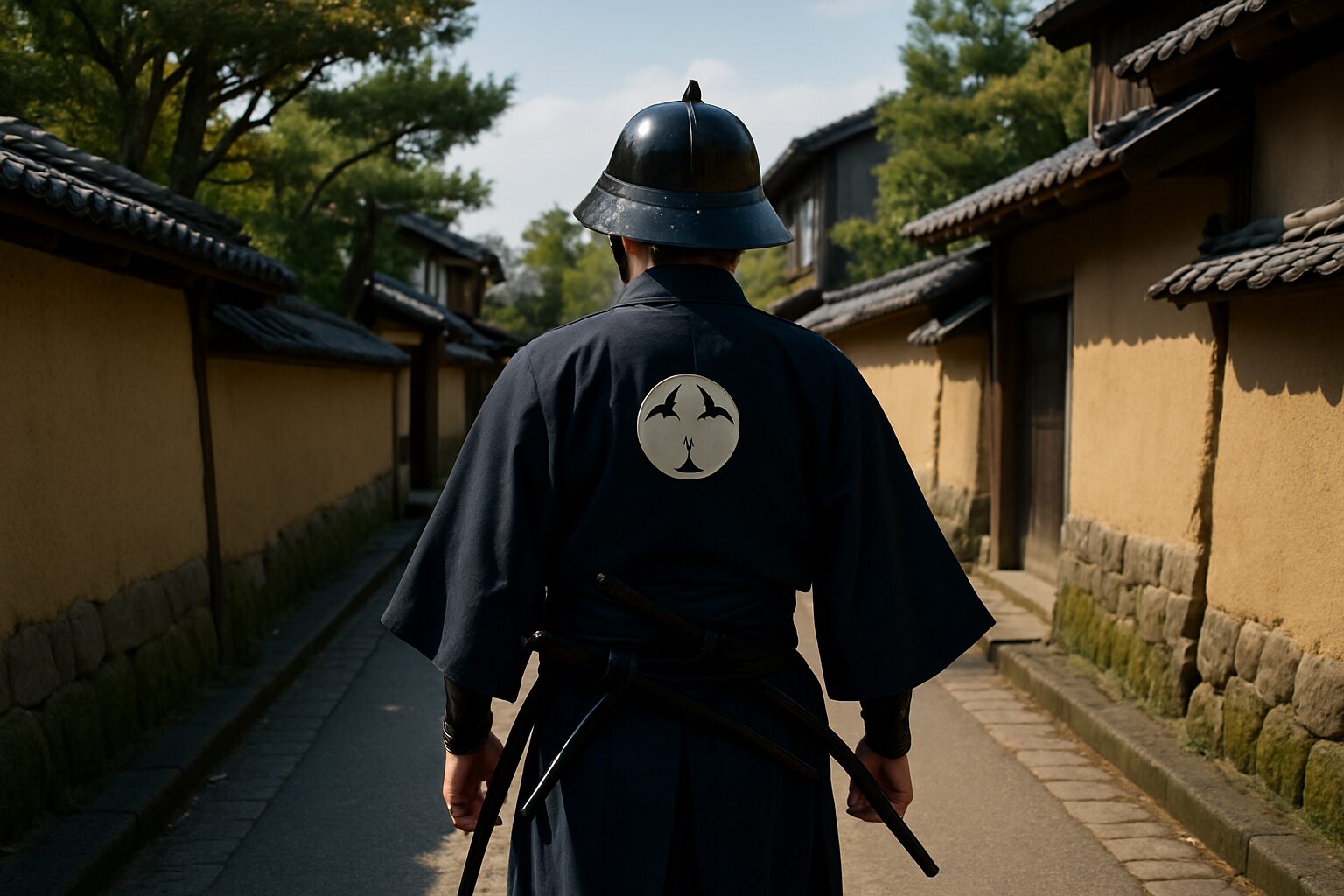
OMG, you guys, let’s spill the tea on a place that literally sent me. We’re talking about Kanazawa, a city that’s seriously the whole package, but today we’re deep-diving into one specific spot that had me feeling like I’d walked straight onto a movie set: the Nagamachi Samurai District. Forget everything you think you know about city travel, because this little corner of Ishikawa Prefecture is a full-on time machine. It’s where the samurais, Japan’s legendary warriors, actually lived, worked, and walked. We’re not talking about a theme park, this is the real deal, a preserved neighborhood where the echoes of swords and stoic honor still linger in the air. Walking through its narrow, stone-paved lanes, flanked by these incredible earthen walls and ancient canals, is a vibe that’s impossible to capture on just any camera—but bet, we’re gonna try. This isn’t just a sightseeing spot; it’s a journey into the very soul of feudal Japan, a place where every corner has a story, every stone has a secret, and the aesthetic is just next-level. It’s the kind of place that gives you main character energy, making you feel the weight and beauty of history with every single step. So grab your comfiest shoes, clear your camera roll, and get ready to explore the world of the samurai in a way you’ve never imagined. Nagamachi is calling, and it’s an adventure you absolutely don’t want to miss.
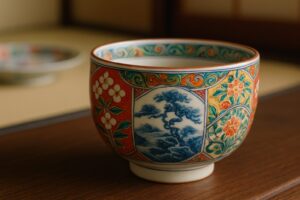
After immersing yourself in the samurai spirit, you can continue your journey into the region’s rich culture by exploring the exquisite Kutani ware crafted in nearby Kaga Onsen.
The Vibe Check: Stepping into a Living History Book
Honestly, the moment you leave the main road and step into Nagamachi, the atmosphere shifts completely. It’s an immediate change in vibe. The city noise quiets to a respectful hush, replaced by the soft murmur of water flowing through the Onosho Canal. This canal isn’t merely decorative; it was once part of the city’s original defense and transport system, and now it provides a peaceful, soothing soundtrack to your entire stroll. The streets themselves are like a piece of art. They’re narrow and winding, paved with rough, uneven stones that encourage you to slow down and truly notice where you’re walking. Rushing here is impossible—and that’s exactly the point.
The most iconic feature, the one that will fill your camera roll, is the tsuchi-kabe, the traditional mud walls. These aren’t just simple earthen walls; they’re thick, textured creations made from a mix of mud and straw that have protected samurai homes for centuries. They’re capped with elegant, curved black tiles, creating a striking contrast of earthy brown and sleek black. In winter, the scene transforms completely. From December to March, the walls are wrapped in straw mats called komo. This protects the delicate mud from harsh snow and ice, while giving the walls a cozy, rustic appearance. It’s a seasonal tradition that’s both practical and incredibly photogenic—a genuine symbol of Kanazawa’s winter charm. Walking between these straw-covered walls, with a light snow dusting the ground, feels like stepping into a classic samurai movie. It’s quiet, dignified, and carries a sacred feeling. You’ll see the large wooden gates, known as nagaya-mon, which served as entrances to the samurai estates. Through them, you catch glimpses of manicured gardens and the dark wood of the houses inside. The air feels different here—cleaner, older, and infused with a calm, stoic energy. It’s a place that demands respect effortlessly. You find yourself speaking in whispers, not out of necessity, but because it just feels right. The experience engages all your senses—from the earthy scent of the walls after a light rain to the cool touch of the stone beneath your feet. This atmosphere is less a tourist spot and more a living neighborhood, rich in deep history.
Level Up Your History Game: The Kaga Clan Saga
So, why is this seemingly random corner of Kanazawa so significant? To understand fully, you need a bit of background, but don’t worry, we’ll keep it interesting. Kanazawa was the capital of the Kaga Domain during the Edo Period, which spanned from roughly 1603 to 1868. This domain was governed by the Maeda clan, essentially the second most powerful family in Japan after the shogun himself. They were incredibly wealthy, with a territory that produced an enormous amount of rice, the currency of that era. Because of their great wealth and influence, they had to be cautious. They couldn’t flaunt their military strength too much without raising concerns from the shogun in Edo (now Tokyo), so instead, they invested heavily in arts and culture. This is why Kanazawa became a powerhouse of traditional crafts like gold leaf, Kutani ware pottery, and kimono dyeing. They transformed their city into a cultural capital, and that heritage is visible everywhere today.
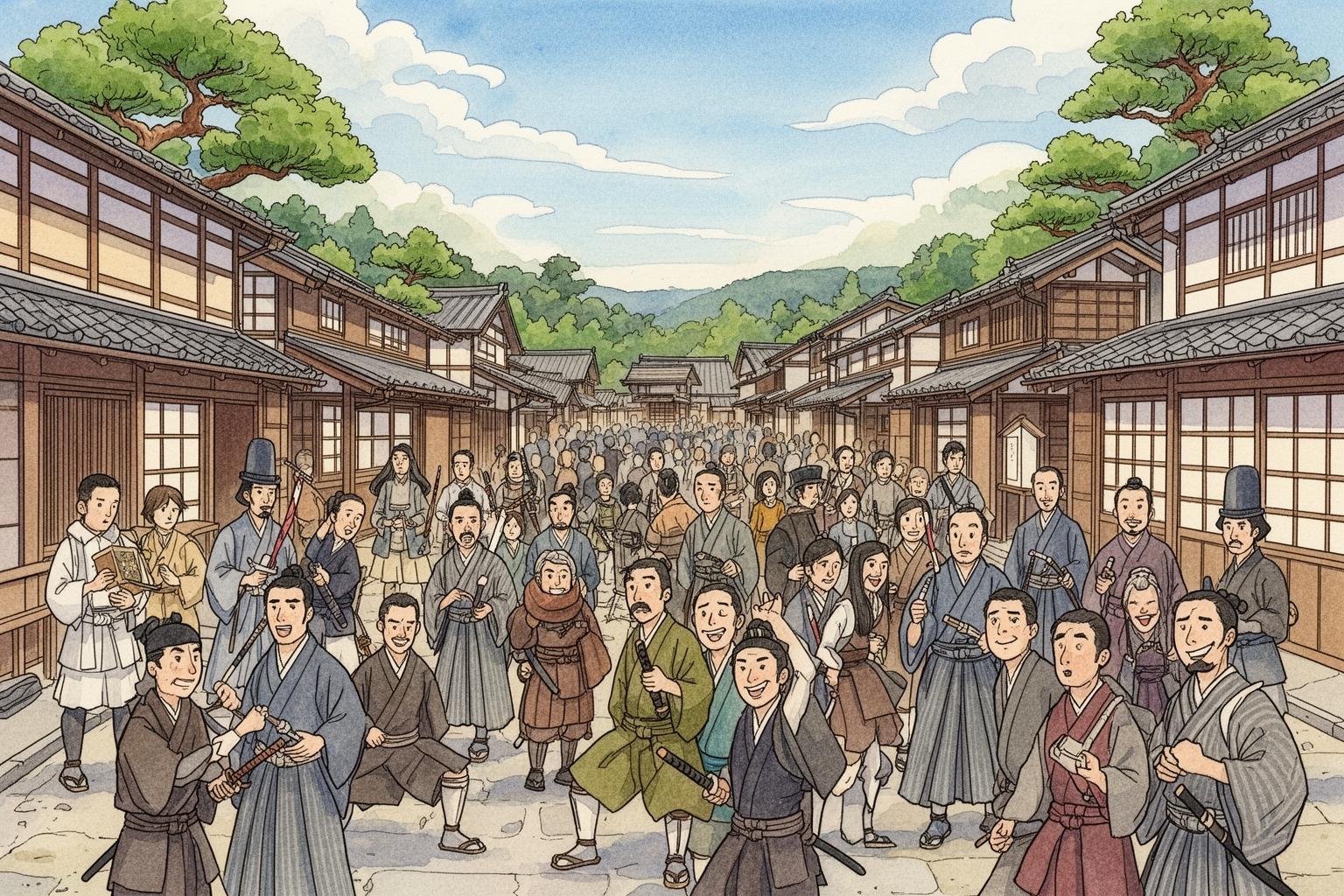
Nagamachi was the neighborhood where their loyal retainers, the samurai, lived. It wasn’t just a district for elite, high-ranking warriors; it was a mixed community, housing samurai of various ranks, from middle-tier officers to lower-ranking foot soldiers. This diversity is what makes Nagamachi so intriguing—it offers a cross-section of the entire samurai society. The size of a samurai’s property and the grandeur of his gate directly reflected his rank and stipend. So, as you stroll through the streets, you can literally see the social hierarchy carved into the architecture. The Maeda clan carefully designed this district. The winding, narrow streets and canals were not merely decorative; they were strategic defenses meant to confuse and slow potential invaders. It was a fortress city disguised as an elegant residential area. When the samurai era ended with the Meiji Restoration in 1868, Japan underwent rapid modernization. Many samurai districts nationwide were demolished. However, Kanazawa was spared from heavy bombing during World War II and preserved large portions of its historic cityscape, including Nagamachi. That’s why walking here is so special. It’s not a reconstruction; it’s an authentic survivor—a direct connection to the world of the people who shaped Japan.
Main Quest: Inside the World of the Samurai
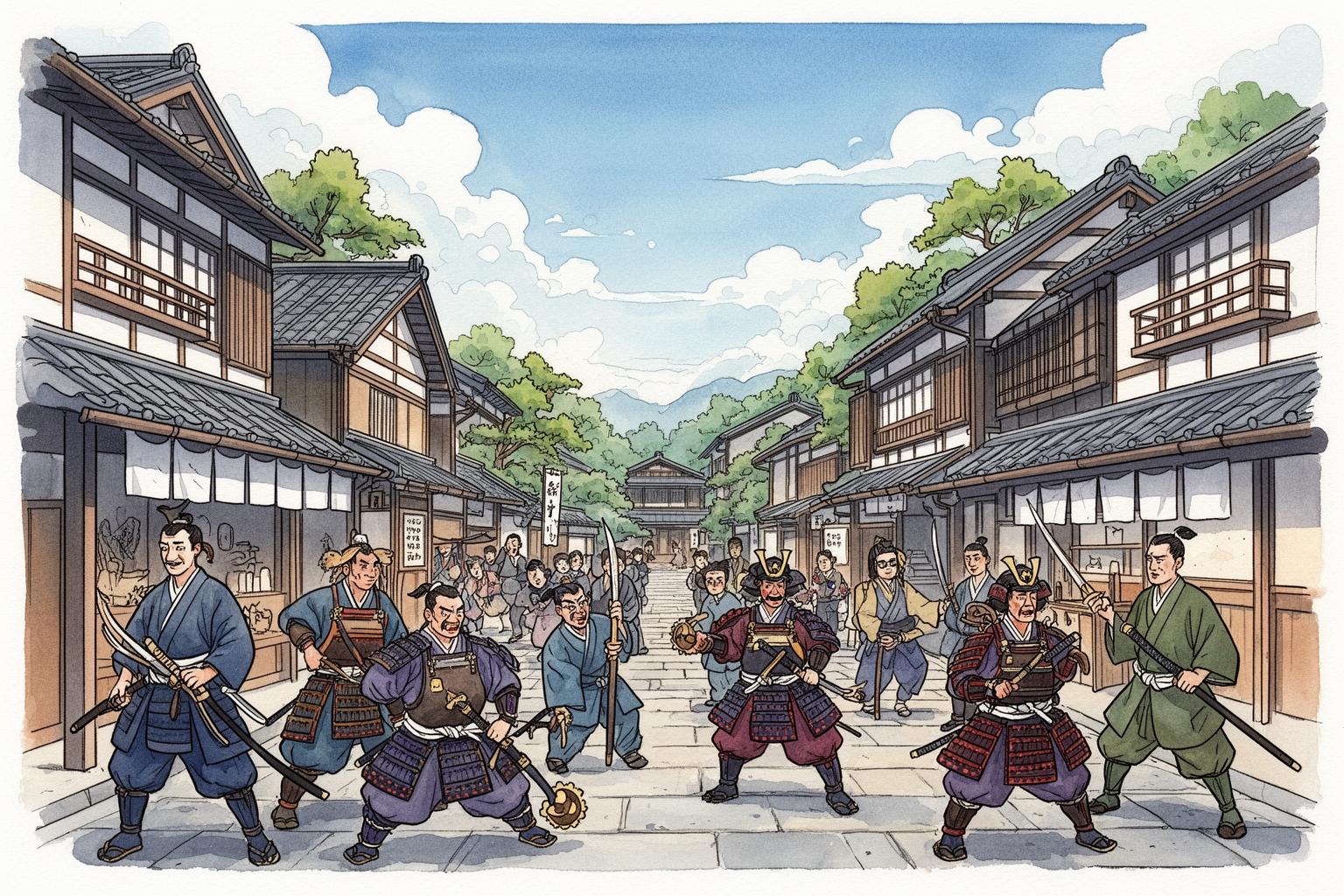
Alright, it’s time to step beyond the walls and explore these remarkable residences. This is where history truly comes alive. Some of the former samurai houses, called buke yashiki, are open to the public, offering a glimpse into the daily lives of these legendary warriors.
Nomura-ke Samurai Residence: The Crown Jewel
If you only have time to visit one house, let it be the Nomura-ke. This place is undeniably the highlight. The Nomura clan were high-ranking samurai who served the Maeda lords for generations. Their former home is a masterpiece of design and aesthetics. From the moment you enter, you’re transported to another time. The interior dazzles, with rooms showcasing painted fusuma (sliding screen doors) created by an artist from the Maeda clan’s official painting school. There are beautiful cypress wood ceilings and intricately carved transoms that allow light and air to flow through. On display is an authentic suit of samurai armor, letting you imagine the warrior who once wore it. It’s a powerful experience. But the true showstopper—the thing that will take your breath away—is the garden. Awarded two stars by the Michelin Green Guide, it fully deserves the recognition. Though not large, every element is placed with exquisite intention. There’s a tiny, softly babbling waterfall, a winding stream populated by vibrant, leisurely koi fish, a 400-year-old Japanese bayberry tree, and stone lanterns in various shapes and sizes, cloaked in a delicate layer of moss. It’s a perfect example of a Japanese strolling garden, designed to be admired from every angle. On the second floor, a tea room invites you to sit on tatami mats, sip a bowl of matcha, and gaze down upon this serene, flawless scene. It’s pure, unfiltered zen. This house is more than a museum; it’s a living work of art that beautifully showcases the samurai’s appreciation for beauty and tranquility—a striking contrast to their warrior reputation.
Shinise Kinenkan Museum: A Merchant’s Tale
Nestled in the heart of the samurai district is another captivating stop offering a different perspective: the Shinise Kinenkan Museum, or the Old Merchant House. This building served as a traditional pharmacy (kusuriya) for generations, highlighting the life of the merchant class who lived and worked alongside the samurai. The structure itself is a fine example of Kanazawa’s traditional machiya architecture, featuring a shop space in the front and living quarters in the rear. You can still see the original signage, tools used for preparing medicines, and old packaging on display. What’s particularly fascinating is the contrast it reveals. The samurai life centered on service, honor, and martial arts, while the merchants focused on commerce, community, and craftsmanship. Seeing these worlds side-by-side within the same neighborhood offers a deeper understanding of the Edo period’s social fabric. It serves as a reminder that the samurai world didn’t exist in isolation; it was part of a complex, interconnected society.
Side Quests & Hidden Gems: For the True Explorer
Once you’ve visited the main spots, the true charm of Nagamachi lies in the details and hidden corners. Getting a little lost here is highly recommended.
Ashigaru Shiryokan Museum: The Foot Soldier’s Story
For a grounded insight into samurai life, a visit to the Ashigaru Shiryokan Museum is a must. Ashigaru were foot soldiers, the lowest rank within the samurai class. Their lives were far simpler and more modest than those of high-ranking retainers like the Nomura clan. This museum consists of two beautifully preserved ashigaru houses that were relocated here for preservation. They are small, practical, and incredibly charming. You can explore the simple tatami rooms where the family lived, the compact kitchen area, and the small, well-tended gardens. There are no grand painted screens or expansive gardens here. Instead, you gain a strong sense of the everyday life of an ordinary warrior family. It’s an essential stop to appreciate the diversity within the samurai class and to make the district’s history feel more human and relatable.
The Canals and Cobblestones
Don’t just head for the major attractions; let the walk itself be the main experience. Stroll leisurely along the Onosho Canal. On a clear day, the reflections of historic walls and weeping willow trees on the water are simply breathtaking. Find a small stone bridge, lean against the railing, and watch the water flow. Follow the narrowest, most intriguing alleys. These tiny side streets offer the best photo opportunities and the most authentic atmosphere. You’ll discover small shrines tucked between houses, beautiful old gates leading to private homes, and perhaps even a friendly local cat basking on a warm stone. This is where you truly connect with the spirit of Nagamachi.
Kaburaki Kutani Ware: Art & Commerce
As you explore, you’ll likely encounter the Kaburaki Store, which has been selling Kutani-yaki, the local style of porcelain, since 1822. Remember the Maeda clan’s patronage of the arts? Kutani ware is one of their most famous legacies, known for its bold designs and vibrant five-color palette (green, yellow, purple, red, and dark blue). This shop is part store, part museum, and a stunning place to see exquisite examples of the craft, ranging from antique masterpieces to contemporary creations. It’s the perfect spot to find a truly unique and meaningful souvenir that connects directly to the history and culture of the Kaga Domain you’ve been exploring all day.
Fuel Up: Where to Eat and Chill in Nagamachi
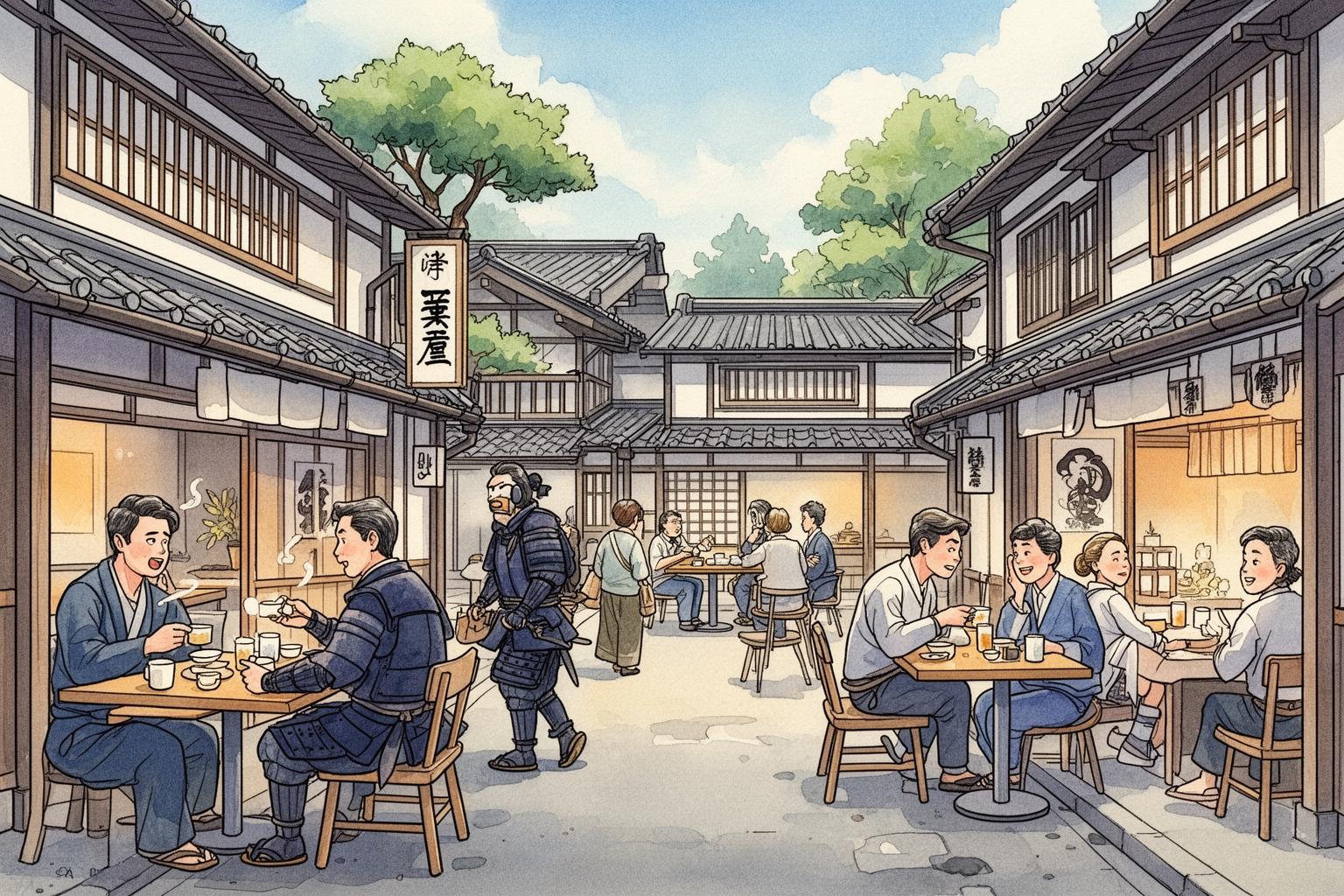
Exploring all this history can build up an appetite. While Nagamachi is primarily residential rather than commercial, there are some fantastic spots to recharge and linger a bit longer in the atmosphere. The district is adjacent to the Korinbo area, Kanazawa’s main shopping and dining center, but there are also several hidden gems within Nagamachi itself.
You’ll discover charming little cafes nestled in renovated traditional houses. Enjoying a coffee or a matcha latte in one of these spots creates a unique vibe. You get to experience modern comforts while being surrounded by centuries-old architecture. It’s the perfect mix of old and new, a signature of Kanazawa.
For lunch, seek out a restaurant offering Kaga ryori, the region’s local cuisine. This culinary style highlights the incredible bounty from the nearby Sea of Japan and the local Kaga vegetables. A must-try dish is jibuni, a hearty stew made with duck or chicken coated in flour, served with mushrooms and vegetables. It’s delicious, satisfying, and a genuine taste of Kanazawa’s culinary heritage.
And you can’t leave without sampling some wagashi, traditional Japanese sweets. There are lovely teahouses where you can sit down to enjoy a bowl of expertly prepared matcha alongside a beautifully crafted sweet, often a work of art in itself. It’s a serene and elegant way to pause and reflect on your journey through the samurai district.
Pro Tips for Your Nagamachi Adventure
Alright, let’s dive into the logistics so you can make the most of your visit to Nagamachi. Here are some expert tips to ensure your trip is smooth and enjoyable.
Getting There
Kanazawa is really easy to get around. From Kanazawa Station, the city’s main transit hub, the simplest way to reach Nagamachi is by bus. Take the Kanazawa Loop Bus (the Right Loop is a bit more direct) and get off at the Korinbo stop. From there, it’s just a five-minute walk. If you’re already exploring other parts of the city, Nagamachi is quite walkable from major spots. It’s very close to the 21st Century Museum of Contemporary Art, Kenrokuen Garden, and Kanazawa Castle Park. I recommend getting a one-day bus pass if you plan to hop around a lot; it’s super convenient.
Best Time to Visit
Honestly, Nagamachi looks beautiful all year round, but each season brings its own charm.
- Spring (March-May): The weather is ideal, and you might catch some late cherry blossoms or fresh greenery, which contrast beautifully with the earthy tones of the walls.
- Autumn (October-November): The crisp air and vibrant autumn leaves in the samurai gardens are absolutely stunning. It’s peak season for good reason.
- Winter (December-February): My personal secret favorite. Yes, it’s cold, but seeing the district covered in snow with komo straw mats on the walls is pure magic. It’s incredibly atmospheric and much less crowded. Photographers, this is your perfect opportunity.
- Summer (June-August): It can get hot and humid, so if you visit in summer, plan to explore early morning or late afternoon to avoid the midday heat. The lush greenery is lovely during this time!
Pacing Yourself
Don’t rush through Nagamachi. I suggest setting aside at least three to four hours for a relaxed visit. This gives you enough time to stroll the main streets, visit the Nomura-ke residence and the Ashigaru Museum, and still have time to explore side alleys or stop for tea. If you’re really into history or photography, you could easily spend an entire morning or afternoon here, just soaking it all in.
A First-Timer’s Guide
Wear comfortable shoes! I can’t emphasize this enough. The cobblestone streets are charming but can be tough on your feet. Be respectful—this is a historic neighborhood, but people still live here. Keep your voice down, avoid looking into private properties, and be a considerate visitor. Most main residences charge a small entrance fee, so carry some cash, though many places do accept cards now. Lastly, make sure your phone and camera are fully charged. Every corner of this district is a photo opportunity waiting to happen. You don’t want to run out of battery just when you find the perfect shot.
Nagamachi’s Lasting Impression: More Than Just a Walk
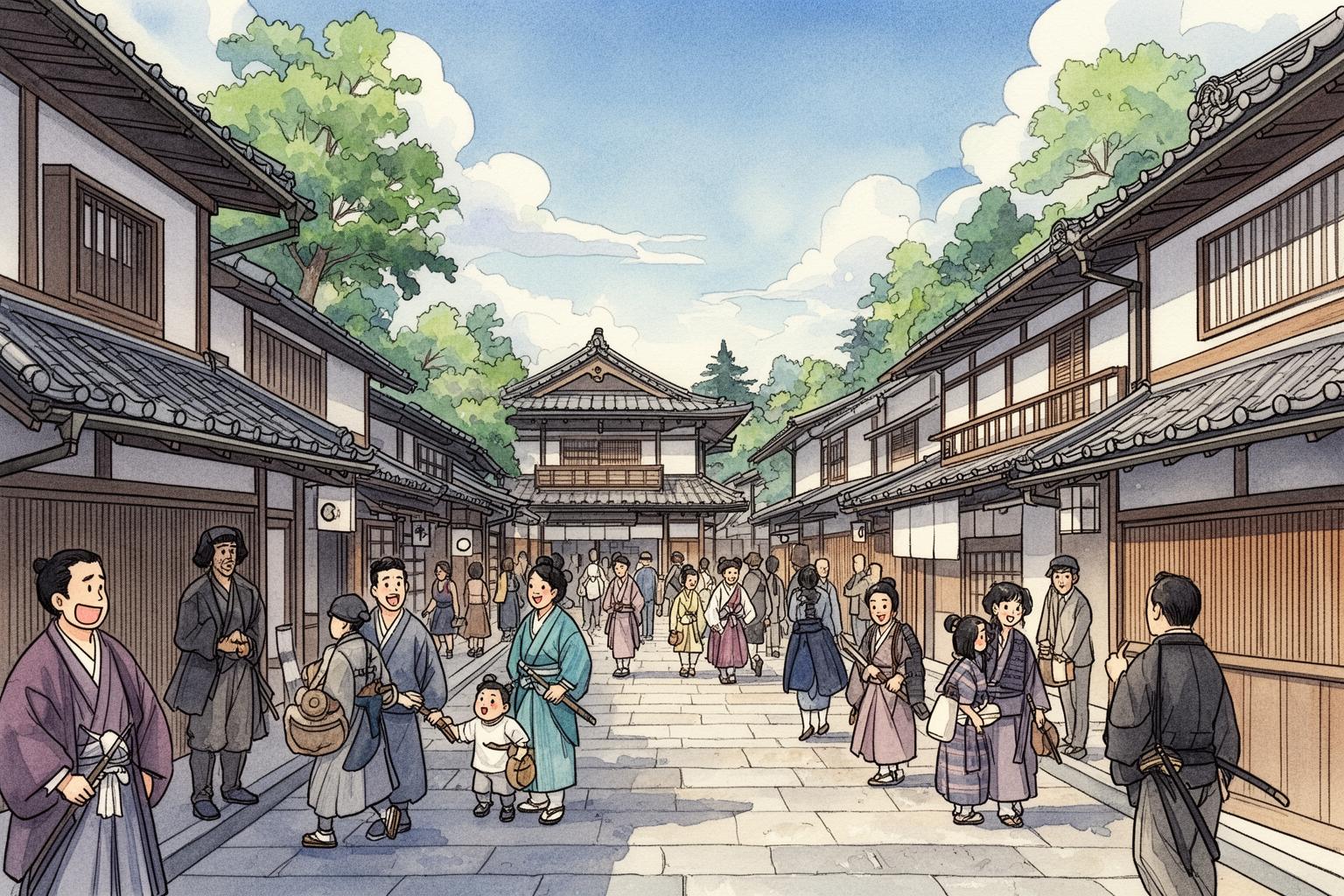
Leaving Nagamachi feels like awakening from a beautiful dream. You return to the bustling main street of Korinbo, and the modern world floods back in. Yet something within you has changed. You have walked the same paths as warriors, glimpsed their homes, and sensed the quiet dignity of their world. It’s more than a history lesson; it’s an experience that connects you to a deeper, more reflective side of Japan. Nagamachi stands as a testament to Kanazawa’s resilience and its profound respect for its own history. It reveals that even in our fast-paced world, there are moments where the past is not merely remembered but lives and breathes all around you. It reminds us of the beauty in simplicity, the strength in tradition, and the stories waiting to be uncovered if we just slow down enough to listen. So, when planning your Japan itinerary, be sure to include Nagamachi. It’s not just a district; it’s a feeling, a mood, a story—and one that will linger long after you’ve left its stone-paved streets behind.