Yo, what’s the vibe? Mia Kim here, and today we’re ditching the neon glow of Tokyo for something with a whole different kind of electricity. We’re talking Kanazawa, the city that’s basically a living, breathing art history textbook, but like, the cool, illustrated version. Forget what you think you know about old-school Japan. Kanazawa’s Chaya districts are where the past isn’t just preserved; it’s putting on a show, and trust me, you’re gonna want a front-row seat. What’s a Chaya district, you ask? Bet. Picture this: beautifully preserved wooden teahouses lining streets so pristine you’d think you’ve time-slipped back to the Edo period. These weren’t just places for sipping matcha; they were the epicenters of culture, entertainment, and high-stakes social networking, all orchestrated by the ultimate artists and hostesses: the geisha. In Kanazawa, they’re called geigi, and these women are not just pretty faces; they’re masters of traditional arts, from the hypnotic strum of the shamisen to the subtle poetry of dance. Visiting the Higashi Chaya, Nishi Chaya, and Kazue-machi districts is like getting an all-access pass to a world that’s usually behind closed doors. It’s a place where gold leaf isn’t just for temples—it’s in your ice cream. Where the click-clack of wooden sandals on stone is the beat, and the rustle of a silk kimono is the melody. This is more than just a tourist spot; it’s a full-on sensory deep dive into the soul of Japanese aesthetics. It’s where tradition slays, and you get to witness it firsthand. So, get ready to get cultured, because we’re about to explore the heart of Kanazawa’s legendary elegance.
After immersing yourself in this world of traditional arts, you can experience another side of Kanazawa’s vibrant culture by exploring the bustling stalls of the Omicho Market.
The Vibe Check: Unpacking the History of the Chaya
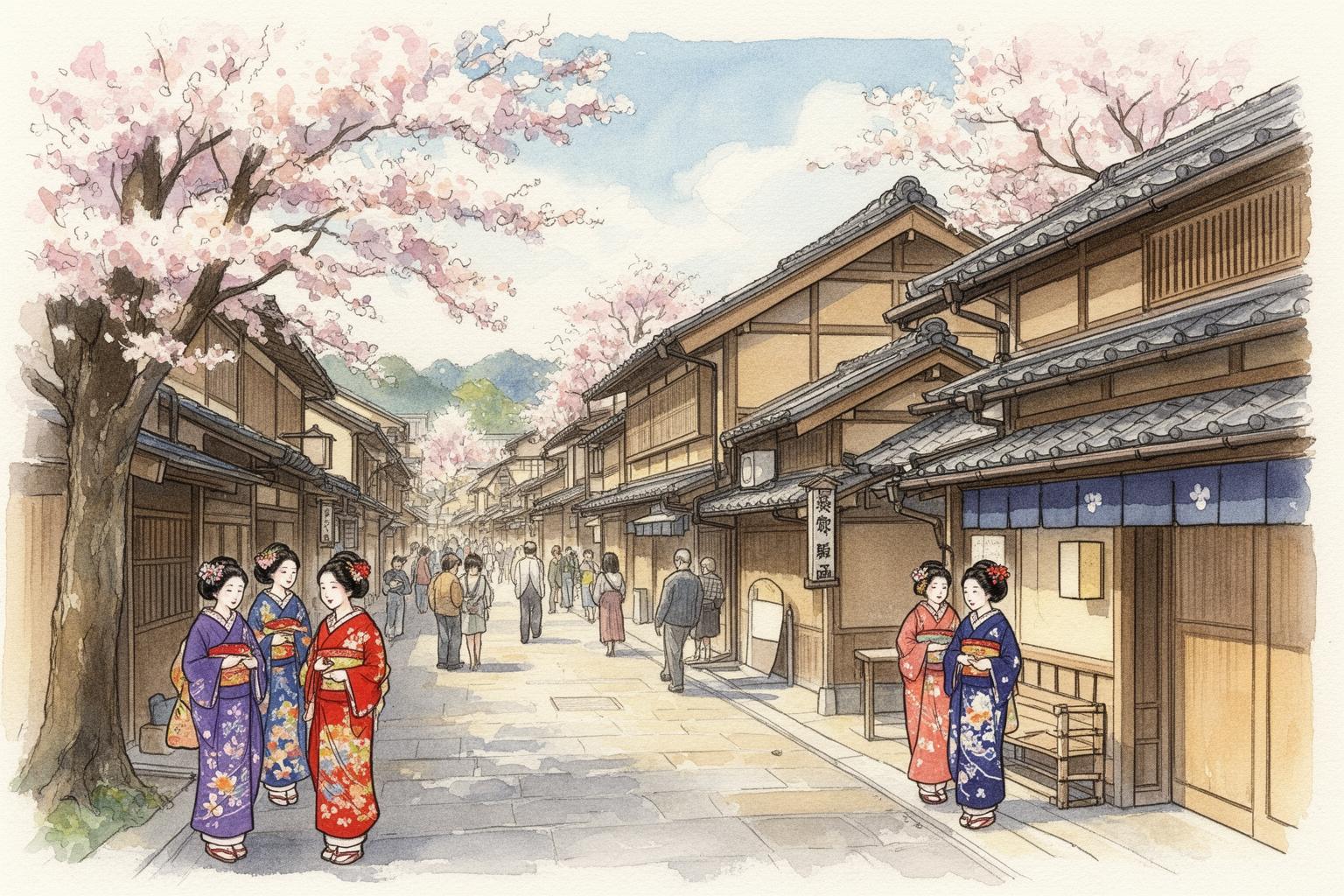
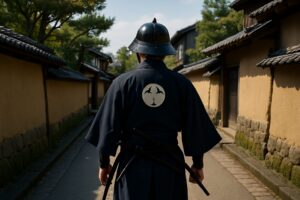
Alright, let’s dive into the lore. To truly appreciate Kanazawa’s Chaya districts, you need to know their fascinating backstory. We’re going back to the Edo Period (1603-1868), when Japan was essentially isolated from the rest of the world. This peaceful era allowed culture to flourish. Kanazawa was the seat of the Maeda clan, rulers of the Kaga Domain, who ranked just below the shogun in power and wealth. They were incredibly wealthy, thanks to substantial rice production, and didn’t just stash their money—they were major patrons of the arts and crafts. Think of them as the ultimate angel investors for Japanese culture. This fostered a sophisticated and affluent society of samurai and merchants in Kanazawa, who needed places to entertain, conduct business, and show off.
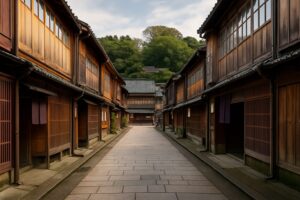
Enter the chaya, or teahouses. In 1820, the shogunate officially allowed the Kaga Domain to establish designated entertainment districts outside the castle grounds. This was a big deal. Before then, entertainment had been scattered and somewhat underground. Now, it was formalized and concentrated in three areas: Higashi, Nishi, and Kazue-machi. The government imposed rules—for instance, teahouses were originally prohibited from having two stories, to prevent them from becoming too flashy and to maintain social order. But the clever merchants and owners found a loophole, building hidden second floors and mezzanines, which you can still see today—a subtle architectural rebellion that highlights the city’s creative spirit.
These districts weren’t just casual hangouts. They were exclusive, refined salons where cultural elites gathered. A samurai couldn’t simply stroll in and order a drink. Entrance was usually by invitation or introduction only. Inside, a world of polished entertainment unfolded, provided by geigi. These women were the heart and soul of the chaya—highly trained artists skilled in conversation, music, dance, singing, and the tea ceremony, all performed with remarkable grace. The Chaya districts blended politics, business, and art in a mix of sake, shamisen music, and silk kimonos. It was the original networking event, but with way better style and a much higher standard of entry. This history is embedded in the very wood of the buildings. Walking these streets means treading the same stones as powerful lords and wealthy merchants who shaped Japan’s future while enjoying performances by some of the most talented women in the country. That’s the legacy you’re stepping into. It’s not just old—it’s iconic.
Geigi 101: More Than Just a Pretty Face
Alright, let’s set the record straight, because there are some seriously outdated misconceptions about geisha. In Kanazawa, the preferred term is geigi, which means “woman of art,” and that’s the absolute truth. These women are not servants or courtesans; they are highly skilled, professional artists who dedicate their lives to mastering traditional Japanese performing arts. Think of them as the custodians of an entire cultural universe. Their role is essentially to embody Japanese refinement and create an atmosphere of unmatched elegance and enjoyment for their guests. It’s a profession demanding extraordinary dedication, beginning from a young age.
A young apprentice, sometimes called a hangyoku (meaning “half-jewel,” since they earned half the fee of a full geigi), would start training in her teens. Her life would be a whirlwind of lessons. She would study Nihon-buyo, a classical Japanese dance that narrates stories through subtle, graceful movements of the body, fans, and sleeves. A geigi’s movements are poetry in motion, with every gesture loaded with meaning. Then there’s the music. The main instrument is the shamisen, a three-stringed lute with a hauntingly beautiful sound. Mastering it at a professional level takes years of practice. They also perfect the art of singing kouta, short, evocative songs about love, loss, and the changing seasons.
But training extends far beyond performance. Geigi are consummate conversationalists. They must be well-informed about current events, history, art, and literature to engage their elite clientele. They learn the detailed rituals of the tea ceremony (sado), the art of flower arranging (ikebana), and even games to entertain guests. Essentially, they are flawless hosts, capable of orchestrating a night’s entertainment seamlessly.
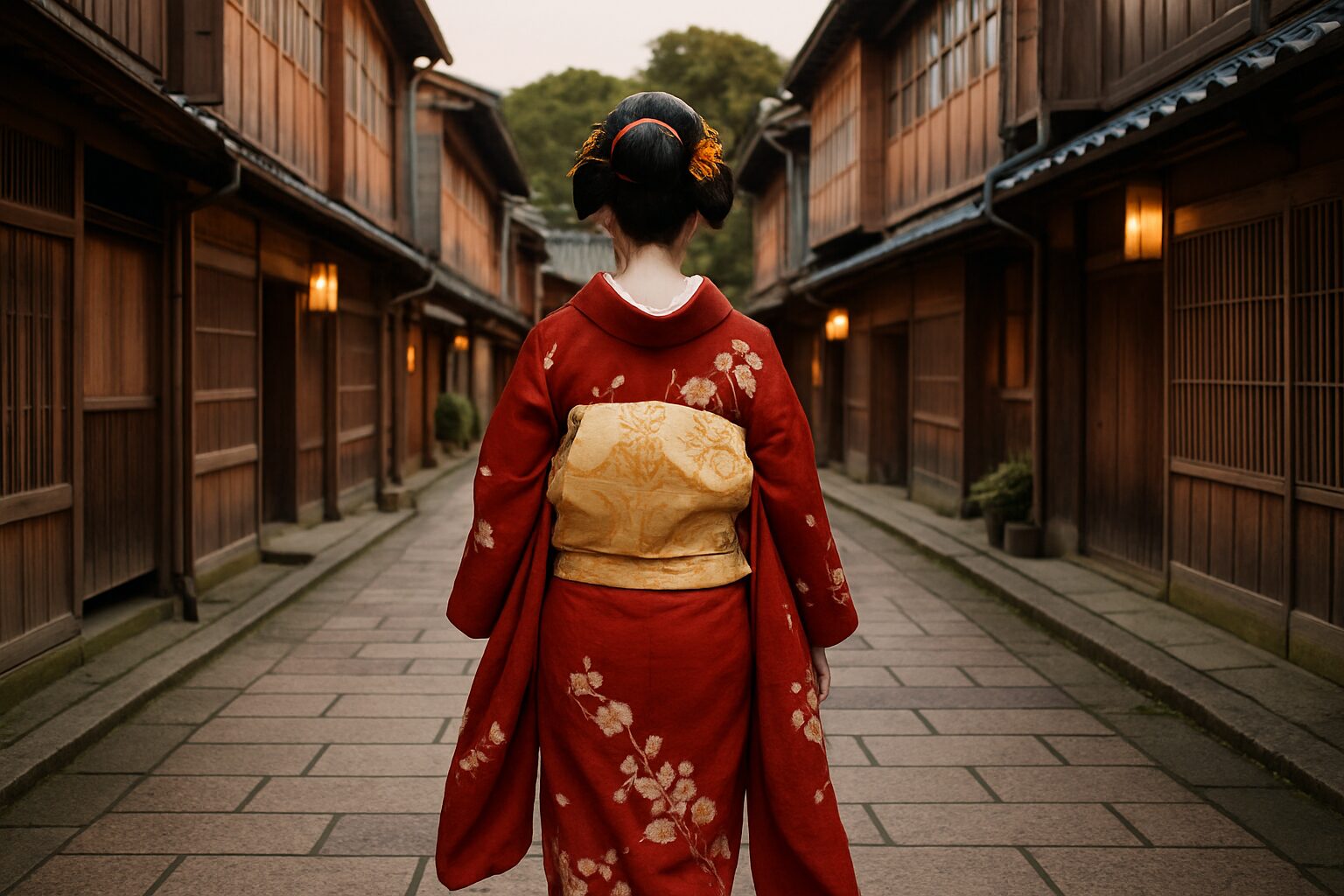
And the look—well, that’s an entire aesthetic world. The iconic white makeup, called oshiroi, was originally applied to make their faces visible in the dim candlelight of teahouses. The intricate hairstyles, known as nihongami, are sculpted from their own hair with wax and adorned with seasonal hairpins called kanzashi. The kimonos are textile masterpieces, often hand-dyed silk worth thousands of dollars. Dressing is a complex ritual that can take over an hour and often requires a professional dresser. Every detail of a geigi’s appearance is intentional and steeped in tradition, from the collar worn to reveal a sliver of nape—considered alluring—to the style of the obi knot. Seeing a geigi in person is witnessing a living work of art. They carry a torch, preserving centuries of Japanese culture in every movement, note, and word. They are businesswomen, artists, and cultural icons, and appreciating their devotion is essential to truly understanding the magic of the Chaya districts.
Higashi Chaya: The Main Character
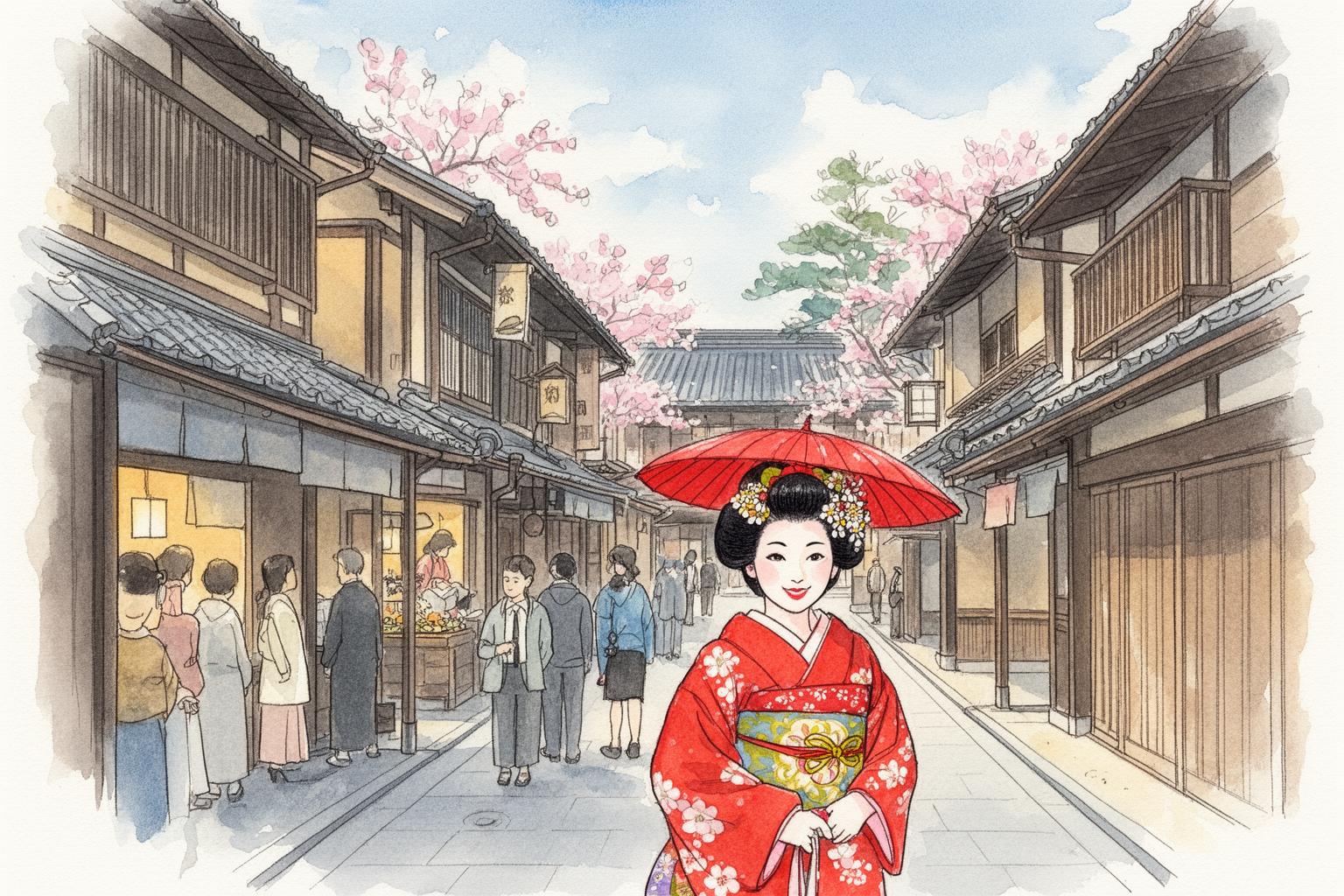
If Kanazawa’s Chaya districts were a film, Higashi Chaya would undoubtedly be the leading star. It is the largest, most renowned, and most beautifully preserved of the three. Walking down its main street is an absolute journey back in time. You’re instantly surrounded by two-story wooden buildings with their distinctive latticed facades, known as kimusuko. The striking uniformity and preservation of the architecture are stunning. During the day, the area is lively and bustling. Tourists dressed in rented kimonos bring vibrant splashes of color to the scene, shops offer everything from artisanal sweets to high-end crafts, and the air buzzes with the excited chatter of people discovering this incredible place for the first time.
Here you’ll find the most accessible insights into the world of the chaya. Two historic teahouses have been converted into museums, and visiting them is an absolute must. First is the Shima Teahouse. Founded in 1820, it has remained preserved exactly as it was during the Edo period. You remove your shoes and step onto the cool wooden floors, exploring the waiting rooms and performance areas. On the second floor, there are main tatami mat rooms where geigi once entertained guests. You can see the small stage used for performances and the collection of shamisen and drums on display. The most remarkable aspect is the intimate feel of the space—it’s not a grand concert hall, but a small, personal room where art was performed up close. You can sit where guests once sat, sip matcha, and fully immerse yourself in the history. It offers a quiet, reflective experience that truly connects you to the past.
Next is the Kaikaro Teahouse. While Shima is like a perfectly preserved museum, Kaikaro remains a functioning teahouse. It is Kanazawa’s largest and absolutely breathtaking. By day, it operates as a café and museum, inviting visitors to explore its lavish interiors. The vermilion-lacquered stairs, rooms adorned with Kaga-yuzen dyed silks, and the famed golden tea room—entirely covered in gold leaf—are astonishing. The craftsmanship is truly exceptional. What makes Kaikaro even more special is its transformation in the evening, as it returns to its original purpose, hosting exclusive private parties with geigi. While attending one of these parties may be unlikely, special seasonal events or performances open to the public are occasionally held. Tickets must be booked well in advance, but if you manage to secure one, it’s an unforgettable opportunity to see geigi in their natural environment.
Higashi Chaya is not just about the teahouses; it is also the heart of Kanazawa’s gold leaf obsession. This city produces 99% of Japan’s gold leaf, and it adorns everything. Be sure to visit Hakuza, a shop that has specialized in gold leaf for generations. Their storeroom is entirely covered, inside and out, in gold—a dazzling, immersive spectacle. Nearby, at shops like Sakuda, you can even try your hand at decorating a box or a pair of chopsticks with gold leaf. It’s trickier than it looks—the leaf is thinner than paper and will easily drift away if you breathe on it wrong—but it makes for a fun and unique souvenir. And you cannot leave without tasting gold leaf ice cream. It’s a regular soft-serve cone topped with a whole sheet of edible gold leaf. Does it add flavor? Not really. Does it look incredibly extravagant and perfect for your Instagram feed? Absolutely. It’s the ultimate Kanazawa snack experience.
As you wander the backstreets, you’ll find charming cafés, shops selling exquisite Kutani-ware pottery and Kaga-yuzen silk, and vendors offering local delicacies. The atmosphere changes dramatically as evening falls. The crowds thin, lanterns begin to glow, and a calm hush descends over the district. If you’re fortunate, you might hear the faint sound of a shamisen being practiced behind a closed screen or catch a fleeting glimpse of a geigi in full regalia hurrying to an appointment. This is when the district’s true, mysterious magic awakens. It feels less like a tourist site and more like the exclusive world it once was. Spending an entire day here, from the bustling morning to the serene evening, is the best way to experience its many facets.
The Supporting Cast: Kazue-machi and Nishi Chaya
While Higashi Chaya grabs all the headlines, overlooking the other two districts would be a major rookie mistake. Each possesses its own unique, understated charm that’s definitely worth discovering.
Kazue-machi: The Moody, Atmospheric District
Tucked along the banks of the Asano River, Kazue-machi is the most atmospheric and enigmatic of the three districts. Its name translates to “Accountant’s Town,” reflecting the powerful merchants who once resided here. The district is a labyrinth of incredibly narrow alleyways and dark wooden buildings that appear even older and more untouched than those in Higashi Chaya. It feels much less commercialized and carries a genuine sense of lived-in history. The best way to experience Kazue-machi is simply to get lost. You’ll encounter two notable slopes: the Kuragarizaka (Dark Slope) and the Akarizaka (Light Slope). The Kuragarizaka is a steep, shadowy, covered staircase that feels like a secret passage. It is said wealthy patrons used this discreet entrance to visit their favorite teahouses unseen. Walking up it, you can almost sense the covert energy of the past.
Kazue-machi truly comes alive at dusk. As lanterns flicker on and cast long shadows, the whole area takes on a cinematic atmosphere. Many buildings have transformed into high-end restaurants and exclusive bars, their interiors hidden behind sliding paper screens. You likely won’t be able to wander into most of them, but that only adds to their allure. It preserves the exclusive atmosphere that defined the chaya world. You can hear the gentle river flow, the distant clatter of a kitchen, and if you listen carefully, faint laughter from a private gathering. It feels intimate and a bit secretive. The best way to enjoy this area is to take a slow walk along the river, cross one of the scenic bridges, and soak in the deeply romantic and melancholic mood. It’s an ideal spot to unwind after the bustle of Higashi Chaya.
Nishi Chaya: The Quiet, Refined District
On the opposite side of town, near the Sai River, lies Nishi Chaya, the “Western Teahouse District.” It is the smallest of the three, mainly consisting of a single main street, but it exudes a quiet, refined elegance. It’s far less crowded than Higashi, making it perfect for a more tranquil stroll. The architecture is similar, featuring beautiful wooden lattices and well-preserved facades, but the atmosphere feels more intimate.
The main draw here is the Nishi Chaya Shiryokan Museum, housed in a former teahouse. This small museum highlights the life and work of Shusei Tokuda, a writer native to Kanazawa. Even if his works are unfamiliar to you, the building itself is worth a visit for its classic chaya architecture. Nishi Chaya is also renowned for its traditional sweets. Several long-established confectionery shops offer exquisite wagashi that are almost too beautiful to eat, making perfect, elegant souvenirs. Since the district is compact, you can explore it fairly quickly, but it invites you to slow down. Grab a sweet treat, find a bench, and simply enjoy the peacefulness. It presents a different, more understated facet of the chaya experience—a gentle counterbalance to the grandeur of Higashi and the mystery of Kazue-machi. Visiting all three districts provides a rich, multi-dimensional understanding of this remarkable cultural world.
Getting Your Culture Fix: How to Experience the Arts Firsthand
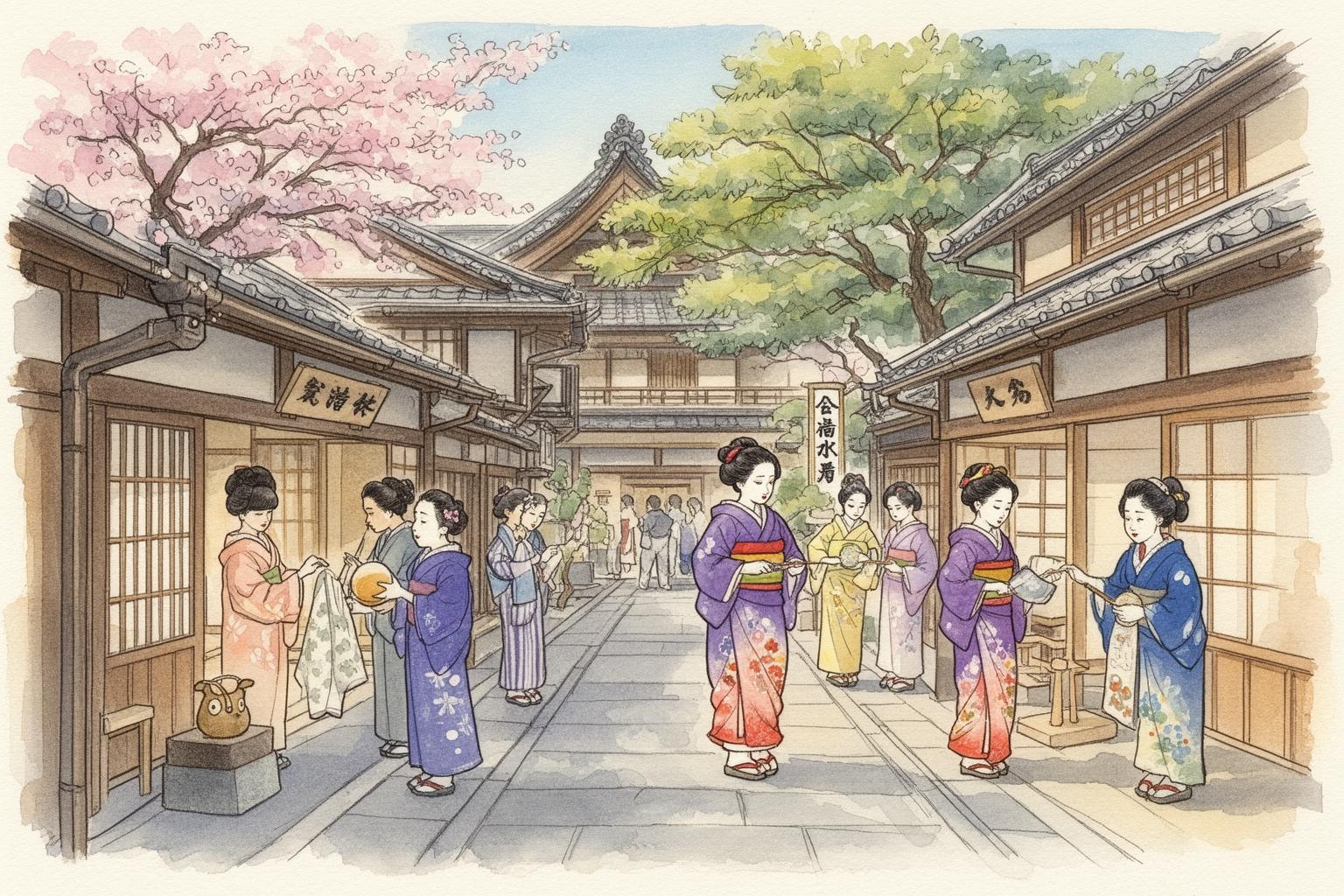
Alright, you’ve explored the districts and absorbed the history; now it’s time for the main event: experiencing the traditional arts firsthand. This is definitely possible in Kanazawa, but it takes a bit of planning. Here’s the lowdown on how to make it happen.
Witnessing a Geigi Performance
This is the quintessential Chaya district experience. Traditionally, geigi performances catered to an exclusive clientele at private dinners that were quite expensive. While that world still exists, Kanazawa has made it more accessible for visitors. The easiest and most straightforward way is to reserve a spot at the Kanazawa Geigi no Mai performance, held on select Saturdays at the Ishikawa Ongakudo concert hall near Kanazawa Station. It’s a public event specifically designed for tourists and provides a wonderful introduction to the geigi arts. You’ll watch several dances, listen to shamisen music, and hear traditional songs. Often, there’s a segment where they play traditional games with the audience, which is really fun. An English guide explains the meanings behind the songs and dances, so you’re not just watching but truly understanding. Tickets must be booked in advance through the city’s tourism website. It’s very popular, so don’t wait too long to secure yours.
For a more intimate experience, some hotels and restaurants offer special dinner packages that include a private geigi performance. These are definitely pricey but provide an authentic ozashiki (tatami room party) atmosphere. Check with upscale ryokans or the Kanazawa tourist information center for details. Also, watch for seasonal events—during festivals or peak tourist seasons, places like the Kaikaro Teahouse might host public performances. These are rare opportunities, so plan ahead.
Living Your Kimono Fantasy
There is no better setting for wearing a kimono than the streets of a Chaya district. Renting a kimono for the day is extremely popular and instantly helps you blend into the scenery. There are many rental shops around, like Kokoyui, offering a wide variety of kimonos from simple cotton yukatas in summer to elaborate silk kimonos in colder months. The staff are experienced in dressing you, which is surprisingly intricate. They’ll assist you in selecting a kimono, an obi (the sash), and all the accessories, including split-toe socks (tabi) and wooden sandals (geta or zori). Pro tip: those wooden sandals are tough to walk in on cobblestone streets—don’t expect to sprint. Take small, elegant steps; it encourages slowing down and adopting a more graceful pace, which is the perfect mindset for this place. Taking photos in a kimono in Higashi Chaya is a memory you won’t want to miss.
The Art of Tea: The Tea Ceremony
The Japanese tea ceremony, or sado, is a spiritual and aesthetic ritual disguised as tea preparation. It emphasizes finding beauty in simplicity and being fully present. This quiet, meditative experience offers a calm contrast to the bustling streets outside. Many venues around the Chaya districts provide tea ceremony experiences for visitors. You’ll be led into a traditional tatami room, where a tea master performs the ritual of making and serving matcha, a vibrant powdered green tea. You’ll learn about the philosophy of wabi-sabi (finding beauty in imperfection and impermanence), the significance of the tools used, and the proper etiquette for receiving and drinking the tea. You’ll also be served a delicate wagashi sweet, meant to be eaten before the tea to balance its bitterness. It’s a deeply soothing and centering experience that offers a profound appreciation for Japanese aesthetics.
Get Crafty: Hands-On Workshops
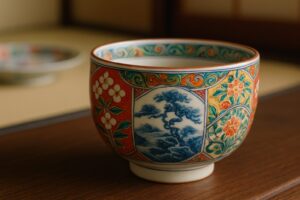
Kanazawa is a city renowned for its artisans, and many studios welcome visitors to join workshops. We’ve already mentioned gold leaf workshops, which are a must-try. But there are other options, too. Try your hand at Kaga-yuzen silk dyeing, a traditional technique known for its vivid and painterly nature-themed designs—you can paint your own handkerchief or chopstick holder. Alternatively, visit a Kutani-ware pottery studio where you can paint your own piece of colorful, bold porcelain. These workshops provide a fantastic way to engage more deeply with the city’s artistic heritage. You’re not just admiring the art; you’re part of it. Plus, you get to take home a unique souvenir you made yourself, which is far cooler than a keychain. Be sure to book these workshops in advance, as spots are often limited.
First-Timer’s Guide to Slaying Kanazawa
So, are you ready to go? Great. Here are some practical tips to help make your visit smooth and respectful.
Getting Around: Kanazawa is very walkable, but to travel between main spots like the station, Kenrokuen Garden, and the Chaya districts, the Kanazawa Loop Bus is your best option. It runs in two directions (right loop and left loop), covering all the major tourist attractions. A day pass is affordable and highly convenient.
When to Visit: Kanazawa is beautiful all year round. Spring brings magical cherry blossoms framing old teahouses and rivers. Autumn offers crisp air and vibrant red and gold leaves. Winter covers the city with a gentle layer of snow, turning the Chaya districts into a quiet, monochrome wonderland (just be ready for the cold!). Summer can be hot and rainy, but also lush and green. The districts get busiest on weekends and holidays, so if possible, try visiting on a weekday for a more relaxed experience.
Day vs. Night: You should experience the districts at both times. Visit during the day to explore museums, browse shops, and enjoy the lively atmosphere. But make sure to return in the evening, after day-trippers leave. That’s when the true magic unfolds. The glowing lanterns, quiet streets, and the mysterious vibe create a completely different and enchanting experience.
Respect is Key: These are not theme parks—they’re preserved historic neighborhoods where people live and work. Be respectful. Avoid touching the delicate wooden lattices or paper screens of the buildings. Keep your voice low, especially in the evenings. And most importantly: if you see a geigi, show respect. Don’t chase them, block their path, or thrust a camera in their face. They are on their way to a professional engagement. A quick, discreet photo from a distance is okay, but remember they are people, not tourist attractions. A polite nod and quiet appreciation mean a lot.
The Final Word
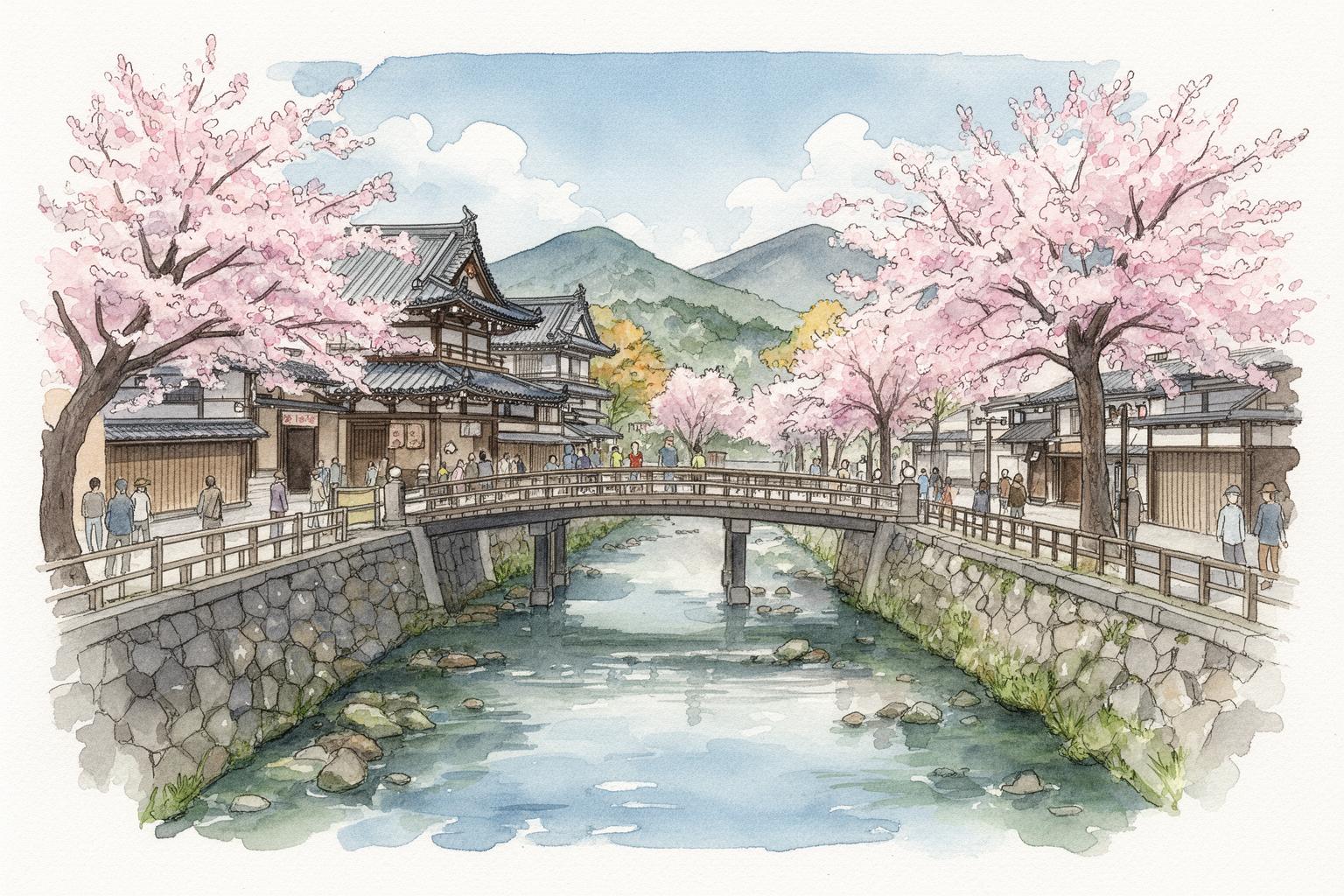
Kanazawa’s Chaya districts are more than just a picturesque scene. They serve as a gateway to a realm where art, elegance, and tradition are the true treasures. It’s a place that invites you to slow down, look more closely, and admire the extraordinary skill and dedication handed down through generations. Strolling through Higashi Chaya at sunset, watching the lanterns cast a warm glow over the dark wood, you can’t help but feel connected to the centuries of stories embedded in these streets. It’s a reminder that some things are so beautiful and culturally meaningful that they must be preserved at all costs. From the captivating dance of a geigi to the subtle taste of a handcrafted sweet, Kanazawa offers a travel experience that is profoundly enriching and truly unforgettable. It’s not just a visit; it’s a lesson in beauty. And believe me, it’s a feeling you’ll carry long after you’ve left.