Yo, let’s get real for a sec. You think you know Japanese food? Sushi, ramen, tempura… that’s the starter pack. It’s fire, no doubt, but it’s like only listening to the top 40 when there’s a whole universe of deep cuts out there. If you’re ready to graduate, to experience something truly next-level, then we need to talk about Kaga. Tucked away in what is now Ishikawa Prefecture, facing the deep, moody Sea of Japan, the former Kaga Domain was basically the richest kid on the block during the Edo period. The ruling Maeda clan wasn’t just rolling in rice—they had a million koku of it, a measure of wealth so insane it gave them the nickname “Kaga Hyakumangoku.” With all that cash and a healthy dose of political savvy to avoid looking like a threat to the shogun, they didn’t just build castles; they built a culture. They went all in on the arts, crafts, and—you guessed it—food. What they created wasn’t just a meal; it was a full-blown aesthetic experience, a culinary flex that has been refined over centuries. Kaga Ryori, or Kaga cuisine, is the edible legacy of this golden age. It’s a story told through flavor, a vibe served on exquisite, hand-painted porcelain. It’s about tasting the history, the sea, the mountains, and the sheer artistic dedication of a region that decided dinner should be a masterpiece. This isn’t just eating; it’s a deep dive into the soul of Japan. And trust me, it’s a trip worth taking.
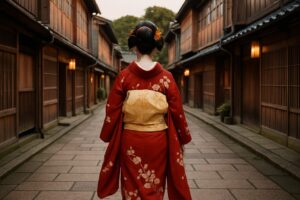
To truly immerse yourself in this legacy, you can explore the cultural world of the geisha districts that flourished under the same patronage.
The Spirit of Hyakumangoku: More Than Just a Meal
To truly appreciate Kaga cuisine, you need to grasp the significance behind “Kaga Hyakumangoku.” It was more than a title; it was a declaration of power. The Maeda clan, ruling from their grand castle in Kanazawa, were second in wealth only to the shogun himself. This position placed them in a delicate situation. To avoid raising suspicion from the authorities in Edo (modern-day Tokyo), they invested their vast resources not into military strength but into cultural endeavors. They became premier patrons of the arts, nurturing everything from gold leaf craftsmanship and Kutani-yaki porcelain to Noh theater and, most importantly for us, an exquisitely refined culinary tradition. This is the essence, the secret ingredient. Kaga cuisine emerged from a samurai culture that prized refinement, subtlety, and beauty in all aspects. It was more than sustenance; it embodied the tea ceremony’s ideals of harmony, respect, purity, and tranquility. Each dish was crafted to delight the eyes long before it reached the palate. The philosophy was that if you’re wealthy, you might as well have impeccable taste. And the Maeda clan? Their taste was flawless. They hired top chefs, sourced the finest ingredients, and insisted every meal be a memorable event. This ethos passed down through generations, embedding itself into the region’s identity. So when you sit down to a Kaga-style meal, you’re not merely a guest—you’re partaking in a 400-year-old tradition of artistic hospitality. It’s an atmosphere that feels both timeless and strikingly relevant, a quiet confidence offering something truly special.
The Foundation: Go-mi, Go-shiki, Go-ho
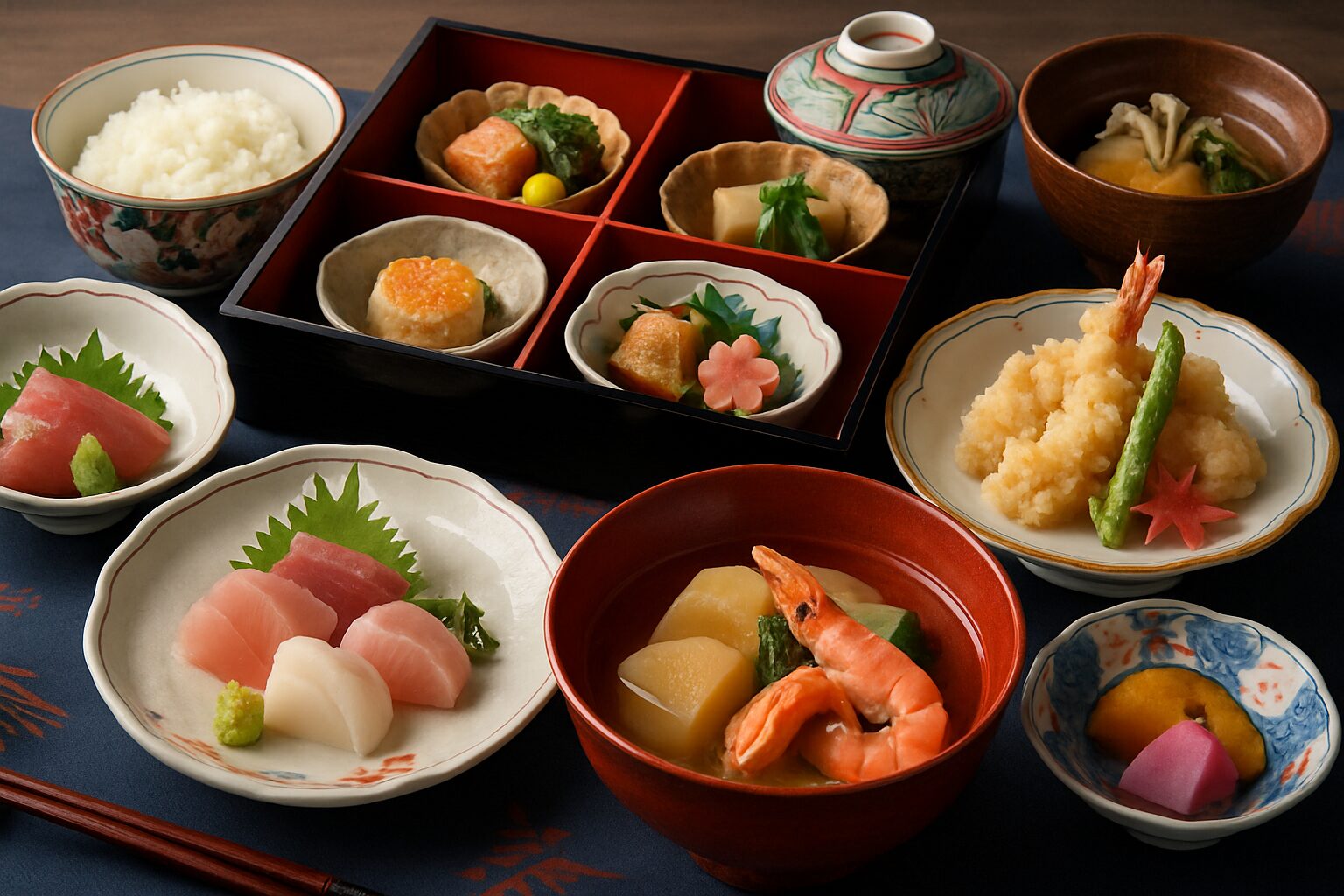
At the heart of Kaga cuisine, and indeed all sophisticated Japanese cooking, lies the principle of Go-mi, Go-shiki, Go-ho. It may seem complex, but it’s a beautifully straightforward framework for crafting the perfect meal. It breaks down as follows: the five flavors (go-mi: sweet, sour, salty, bitter, umami), the five colors (go-shiki: red, yellow, green, white, black/dark), and the five cooking techniques (go-ho: raw, simmering, grilling, steaming, frying). A true Kaga culinary artist is like a composer, blending these elements into a harmonious masterpiece on the plate. That thin slice of red pickled ginger isn’t mere garnish; it’s the vibrant red, the burst of sour. The deep black of a lacquerware bowl is chosen specifically to make the vivid green of a blanched vegetable stand out. The meal progresses through different textures and temperatures, from a delicate raw slice of sea bream to a warm, comforting simmered dish. This transcends cooking—it’s a holistic sensory journey. In Kanazawa, this philosophy is elevated by the exceptional quality of the local ingredients. The “yellow” might be a perfectly grilled, fatty Nodoguro fish. The “white” could be the lustrous grains of Koshihikari rice, nurtured with water from the sacred Mount Hakusan. The “green” might be a crisp, refreshing Kaga Futokyuri cucumber unique to the region. This deep connection to the terroir brings the philosophy to life—you’re literally tasting the colors of the land.
Blessed by Land and Sea: The Terroir is Everything
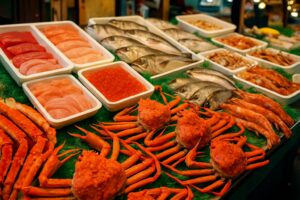
Let’s explore the source of the magic. Ishikawa is truly blessed by culinary fortune. It borders the Sea of Japan, a vast, wild body of water that supplies some of the finest seafood in the nation. The cold currents foster fish and shellfish rich in flavor and fat. This is where the legendary Nodoguro (rosy seabass), melt-in-your-mouth Amaebi (sweet shrimp), and the undisputed winter king, Zuwaigani (snow crab), come from. When fresh, these ingredients create a completely new sensory reality. The shrimp’s sweetness, the crab’s deep umami—you feel it deep within. Turning inland, the Kaga Plain is a fertile expanse fed by pristine rivers from the Hakusan mountain range. Here thrives the Kaga yasai, a collection of 15 heirloom vegetables held in high esteem. These aren’t ordinary supermarket produce—we’re talking about items like the Gorojima Kintoki, a sweet potato with vivid reddish-purple skin and golden, creamy flesh that’s prized in desserts. Or the Kaga Renkon, a lotus root with a starchy, sticky texture and gentle sweetness, perfect for simmered dishes. The local water is another vital component, essential not only for cultivating premium rice but also for brewing some of Japan’s most revered sake. This triad—the sea, the plain, and the mountains—creates a pantry any chef would envy. Kaga cuisine directly expresses this remarkable environment; it’s a celebration of ingredients so exceptional they require little intervention, just the skilled hand to let them shine.
The Kaga Culinary Canon: Iconic Dishes That Slap
Alright, let’s dive into the details. If you’re heading to Kanazawa, you need a must-try list. These are the signature dishes, the legends of Kaga Ryori that define the entire cuisine. Sampling these is essential—it’s your ticket into this exclusive culinary world.
Jibu-ni: The Ultimate Comfort Stew
If Kaga cuisine had a star dish, it would be Jibu-ni. This meal is pure comfort, like a warm embrace served in a lacquered bowl. On paper, it’s a simple simmered dish, but its preparation is an art form. It generally features thinly sliced duck or chicken, lightly coated in flour, which lends the meat a silky, tender texture and slightly thickens the broth. The meat simmers alongside a vibrant mix of local ingredients: fresh green spinach, earthy shiitake mushrooms, bamboo shoots, and notably, pieces of sudare-fu—a special wheat gluten rolled and cooked to develop a unique ridged texture that soaks up flavor beautifully. The broth strikes a masterful balance of dashi, soy sauce, mirin, and sugar, offering a profile that’s both savory and subtly sweet. The name “Jibu-ni” is said to come from the gentle “jibu jibu” sound the ingredients make while simmering. The ultimate finish, however, is a dollop of freshly grated wasabi placed on the side of the bowl. You’re meant to stir a bit into the broth with each bite. This fresh, pungent heat cuts through the richness of the duck and the sweetness of the broth, creating a flavor explosion that’s simply, chef’s kiss, perfect. With deep samurai roots, eating this dish connects you to history. It’s rustic, elegant, and deeply satisfying. Truly, it’s a must-try.
Kabura-zushi: A Fermented Winter Specialty
Now for a more adventurous choice. Kabura-zushi is a dish that epitomizes winter in Ishikawa. This isn’t conventional sushi; it’s a type of narezushi, an older form where fish is preserved by fermenting it with rice. It reflects the region’s tradition of preserving seafood to endure the harsh, snowy months. To prepare it, thick, crisp slices of pickled kabu (turnip) are used to sandwich salted buri (mature yellowtail). This bundle is then layered in a barrel with koji-fermented rice and left to ferment for several days. The outcome is a truly unique flavor experience. The turnip stays crisp and tangy, the yellowtail tender and bursting with umami, and the koji rice delivers a funky, slightly sweet, complex note that ties it all together. It’s tangy, savory, slightly sweet, with a texture all its own. For newcomers, the flavor can be startling—it’s a bold statement. But paired with a cup of dry local sake, everything harmonizes. The sake cleanses the palate and amplifies the deep fermented notes. This dish is a connoisseur’s delight, showcasing the brilliance of traditional Japanese preservation methods. Spotting this on a menu signals you’re dining in a place that honors authentic, time-honored traditions.
Nodoguro: The White Whale of the Sea of Japan
If you come across Nodoguro on the menu, just order it. Don’t even glance at the price. Just trust the process. Known as “rosy seabass” or “blackthroat seaperch,” this fish is the undeniable monarch of the Japan Sea. Its name, meaning “black throat,” refers to the dark interior of its mouth. But what makes it legendary is its exceptionally high fat content. This rich, buttery, omega-3-laden fat is streaked throughout its delicate white flesh. When cooked, the fat melts, basting the fish from within to create a texture so tender and luscious that it almost dissolves on your tongue. The best way to enjoy it is shioyaki—simply salted and grilled over charcoal. The high heat crisps the skin to perfection while the flesh remains incredibly moist and succulent. The flavor is clean yet profoundly rich. It doesn’t require elaborate sauces or techniques—a squeeze of sudachi citrus is enough to reach culinary nirvana. It’s also fantastic as sashimi, showcasing its pure, clean flavor and silky texture, or aburi, where the surface is lightly seared with a blowtorch, releasing oils and adding a smoky aroma. Eating Nodoguro in Kanazawa is a rite of passage—an indulgence that leaves an unforgettable impression. It’s the kind of taste that lingers in the best way imaginable.
Kaga Yasai: The Heirloom Vegetable Renaissance
In Kaga cuisine, vegetables aren’t mere sides; they’re the stars. The 15 officially recognized Kaga Vegetables are local heirlooms cultivated for generations. Each has its own history and unique character. The Gorojima Kintoki sweet potato is a standout, grown in sandy coastal soil where it develops intense sweetness and a flaky, chestnut-like texture. It’s often simply steamed or roasted to highlight its natural flavor but also appears in tempura and traditional sweets. Then there’s the Kaga Renkon, a lotus root prized for its dense, starchy texture due to its high mucilage content. When grated and steamed, it becomes hasu-mochi, a chewy, mochi-like cake and local specialty. The Kaga Futokyuri cucumber is another favorite—thick-skinned, incredibly crunchy, and less watery than typical varieties, ideal for pickling or simmering in savory dishes. Not to be overlooked is the Gensuke Daikon, a short, stout radish with the perfect balance of sweetness and a sharp, peppery bite. Chefs in Kanazawa treat these vegetables with the same respect as their finest fish, understanding how these distinctive flavors are essential to Kaga cuisine, providing an earthy, seasonal contrast to the richness of seafood. Seeing a dish featuring these veggies is a sure sign you’re at a place that truly honors the local culinary heritage.
The Venues: Where to Catch the Vibe
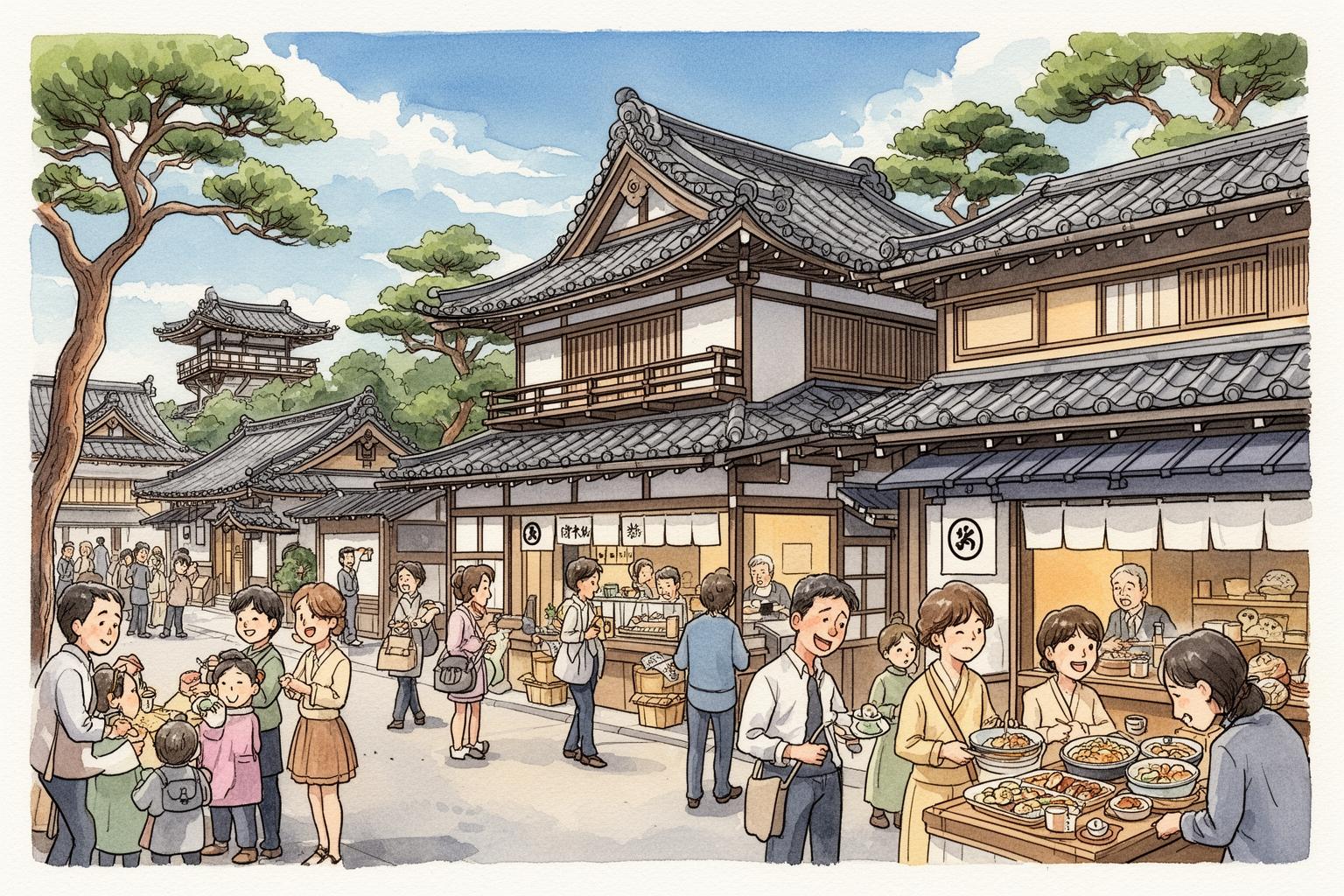
Alright, theory is great, but you need to know where to go. Kanazawa’s food scene is rich, with choices ranging from once-in-a-lifetime indulgences to humble local eateries. Here’s a photographer’s guide to some spots that reflect the many facets of Kaga’s culinary spirit.
The Temple of Kaiseki: Zeniya (銭屋)
Let’s begin at the pinnacle. Zeniya isn’t just a restaurant; it’s a destination. This two-Michelin-star establishment elevates Kaga cuisine to its finest art form. From the moment you open the discreet wooden door, you step into another realm. The atmosphere exudes calm, understated elegance. You’ll likely be seated in a private room with tatami mats underfoot and a view of a carefully raked moss garden. The service resembles a silent ballet, a masterclass in omotenashi (Japanese hospitality), anticipating your needs before you even realize them. The meal itself is a kaiseki course, a lengthy, multi-dish tasting menu unfolding like a story, each chapter showcasing different seasonal ingredients and cooking techniques. The experience is a full sensory immersion. The meal might start with a delicate appetizer, perhaps a single, perfect firefly squid served with vinegared miso in a tiny, antique glass bowl. Then comes the sashimi course, where pristine local fish slices are artfully arranged on ice within a hand-carved lacquer box. Every plate, bowl, and cup is a masterpiece, often priceless Kutani-yaki or Wajima lacquerware, chosen to complement the food it holds. The grilled course could feature life-changing Nodoguro, its skin shimmering softly under the light. The simmered dish will almost certainly be a refined take on Jibu-ni, with duck so tender it barely needs chewing. The meal finishes with perfectly cooked rice from a local farm, served with homemade pickles and miso soup, a humble yet profound conclusion. Dining at Zeniya is costly, and reservations are essential well in advance. But it’s more than a meal—it’s a deep cultural immersion that connects you to the heart of Kaga’s artistic heritage. It defines a core memory.
The Living History: Tsubajin (つば甚)
If Zeniya is the modern temple, Tsubajin is the historic palace. Operating since 1752, let that sink in—they were serving Kaga lords long before the United States existed. Dining here feels like stepping into a time machine. The restaurant occupies a stunning traditional building, a maze of wooden corridors, tatami rooms, and hidden gardens whispering tales of the past. The atmosphere radiates pure Edo-period elegance. You can request a room with a view of their beautiful garden, where a stream flows past ancient stone lanterns. Tsubajin is renowned for its hyper-traditional approach to Kaga Ryori. Their Jibu-ni recipe is said to be among the most authentic in the city. The focus is on timeless techniques and classic flavors. The experience is grand and ceremonial. You’re not just having dinner; you’re partaking in living history. The chefs here are guardians of a legacy, and you can taste the pride and tradition in every bite. The presentations are classic and dignified, allowing the ingredients and historic ambiance to speak for themselves. A meal here is a chance to dine as samurai elites once did, a profound link to Kanazawa’s golden era. It’s less about innovation and more about flawless execution of classics. For history enthusiasts or those seeking an authentic old-world experience, Tsubajin is a must. Its aesthetic resonates differently.
The Local’s Choice: Itaru Honten (いたる本店)
After all the high-concept fine dining, you might crave something more grounded. Welcome to Itaru Honten, the kind of izakaya (Japanese pub) every neighborhood desires. This spot is legendary among locals—and rightly so. The atmosphere is the opposite of a quiet kaiseki restaurant. It’s lively, loud, filled with people laughing and drinking. The best seats are at the long wooden counter, offering a front-row view of chefs expertly slicing fish and tending the grill. Itaru’s claim to fame is its unwavering dedication to fresh, local seafood. The menu shifts daily depending on the morning market’s best offerings. This is where you can go wild on sashimi. Order the moriawase (assortment) and prepare to be amazed by the quality. The Nodoguro here rivals that of the fanciest spots but is served without fuss—just pure, unfiltered flavor. Beyond sashimi, they offer an extensive menu of cooked dishes. Try the gori no karaage, tiny freshwater fish from local rivers, deep-fried to crisp perfection. Their Kaga vegetable tempura is also a highlight, showcasing the sweetness of Gorojima Kintoki sweet potatoes. Naturally, you must pair it all with local sake. The staff are knowledgeable and can guide you through their impressive list of Ishikawa brews. Itaru doesn’t take reservations for small groups, so expect to queue, but the wait is 100% worth it. This is the heartbeat of Kanazawa’s food scene—honest, unpretentious, and utterly delicious.
The Source: Omicho Market (近江町市場)
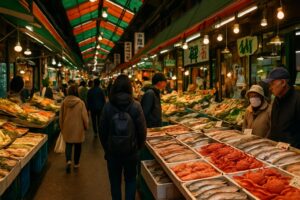
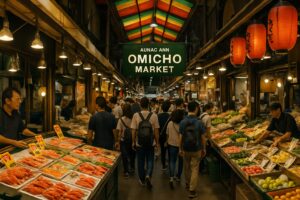
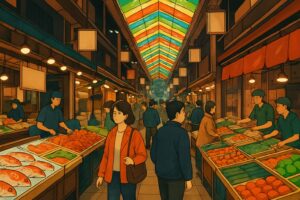
To truly grasp Kaga cuisine, you must visit its source. Omicho Market is Kanazawa’s kitchen—a bustling, chaotic, and wonderful covered market that’s fed the city for over 300 years. This is where top chefs come to gather their daily catch. The energy is electric. Narrow aisles are packed with over 170 stalls selling a dizzying variety of goods. You’ll see tanks filled with live snow crabs, giant tuna expertly carved, glistening piles of pink sweet shrimp, and vibrant displays of Kaga vegetables. The air is thick with vendors’ shouts and the salty scent of the sea. But Omicho isn’t just for shopping—it’s for eating, too. Many stalls have small eateries or sell snacks meant to be eaten on the spot. This is your chance to enjoy a kaisendon (a rice bowl topped with a mountain of fresh sashimi) for breakfast amid the market’s buzz. Grab a couple of giant grilled oysters dripping with soy sauce and butter. Try a croquette made with snow crab cream. It’s a paradise for food lovers. My pro tip? Arrive early to see the market at its busiest and get the freshest offerings. Wander, soak in the atmosphere, and just eat whatever looks appealing. It’s the most direct way to connect with the incredible ingredients that make Kaga cuisine so special. It’s not fancy, but it’s authentic, and it’s a total vibe.
Beyond the Plate: Leveling Up Your Kaga Game
Eating the food is only part of the experience; to truly appreciate the culture of Kaga cuisine, you need to see the whole picture. It’s about the drink, the dishes, and the timing.
The Art of the Vessel: Kutani-yaki
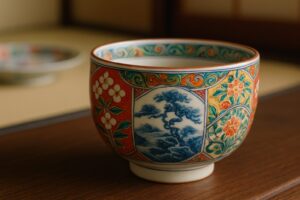
One of the most distinctive elements of a Kaga meal is the dishware. This region is the birthplace of Kutani-yaki, a porcelain style celebrated for its bold, vibrant, and intricately detailed overglaze paintings. Unlike the subtle, minimalist pottery commonly found in Kyoto, Kutani-yaki is striking, proud, and visually stunning. It is known for its use of five vivid colors: green, yellow, purple, red, and dark blue. The designs often feature elaborate scenes of landscapes, birds, and flowers, showcasing exceptional artistic skill. The Maeda lords actively promoted its creation, making it a fundamental part of the region’s aesthetic identity. In Kaga cuisine, the plate is never merely a plate—it becomes a canvas. Chefs invest significant thought in selecting which piece of Kutani-yaki will best highlight the colors and forms of the food. A simple white slice of sashimi, for example, might be set on a deep blue dish to create a striking contrast. Brightly colored vegetable assortments might be presented on plates adorned with delicate floral motifs. This interaction between the food and its vessel is essential to the overall experience. It elevates the meal from something you simply consume to something you reflect upon. It serves as a reminder that in Kanazawa, art extends beyond museums; it is an intrinsic part of everyday life, right down to the bowl that holds your soup. When dining, take a moment to truly observe the dishes. It deepens your appreciation dramatically.
Sake Pairing: The Local Nectar
Food of this caliber demands an equally exceptional drink, and Ishikawa does not disappoint. The prefecture is a major player in the sake world, recognized for producing a style often described as rich, savory, and full-bodied—an ideal match for the local cuisine. The robust flavors of sake stand up well to the umami of Jibu-ni or the rich fattiness of Nodoguro. The pure water sourced from Mount Hakusan combined with high-quality local rice yields sakes that are both powerful and refined. Look for breweries like Tengumai, celebrated for their expert use of the traditional yamahai brewing method, resulting in a complex, earthy, and subtly funky sake. Or Kikuhime, which crafts some of Japan’s most sought-after premium sakes, known for their elegance and depth. When visiting an izakaya like Itaru, don’t hesitate to ask for a recommendation. Share what you’re eating, and they’ll guide you to a local jizake (craft sake) that pairs perfectly. Drinking the local brew alongside local dishes creates a harmonious experience; they were literally made for each other. It completes the picture and firmly roots you in the region’s distinctive flavors.
Practical Tips for the Journey
A bit of preparation goes a long way in Kanazawa. For upscale restaurants like Zeniya or Tsubajin, reservations aren’t just advised—they’re absolutely essential, often requiring booking weeks or even months in advance. Many top-tier establishments can be booked through hotel concierge services or specialized online platforms. For more casual venues, be ready to wait in line, especially during peak dining hours. The best time to visit depends on what you wish to eat. Winter (December to early March) is prime season for snow crab and Kabura-zushi. Autumn offers a harvest of new rice alongside an abundance of vegetables and mushrooms. Spring and summer bring their own unique seafood and mountain vegetables. Honestly, there’s no bad time to visit. Kanazawa is easily reached from Tokyo or Kyoto via the Hokuriku Shinkansen (bullet train). Once there, the city is very walkable, with an excellent loop bus service covering all major tourist destinations. My final advice? Bring an open mind and an empty stomach. Be willing to try unfamiliar dishes. Trust the chef. Kanazawa takes its food seriously, and by placing yourself in their hands, you’ll be rewarded with one of the most remarkable culinary experiences of your life.
A Taste That Lingers
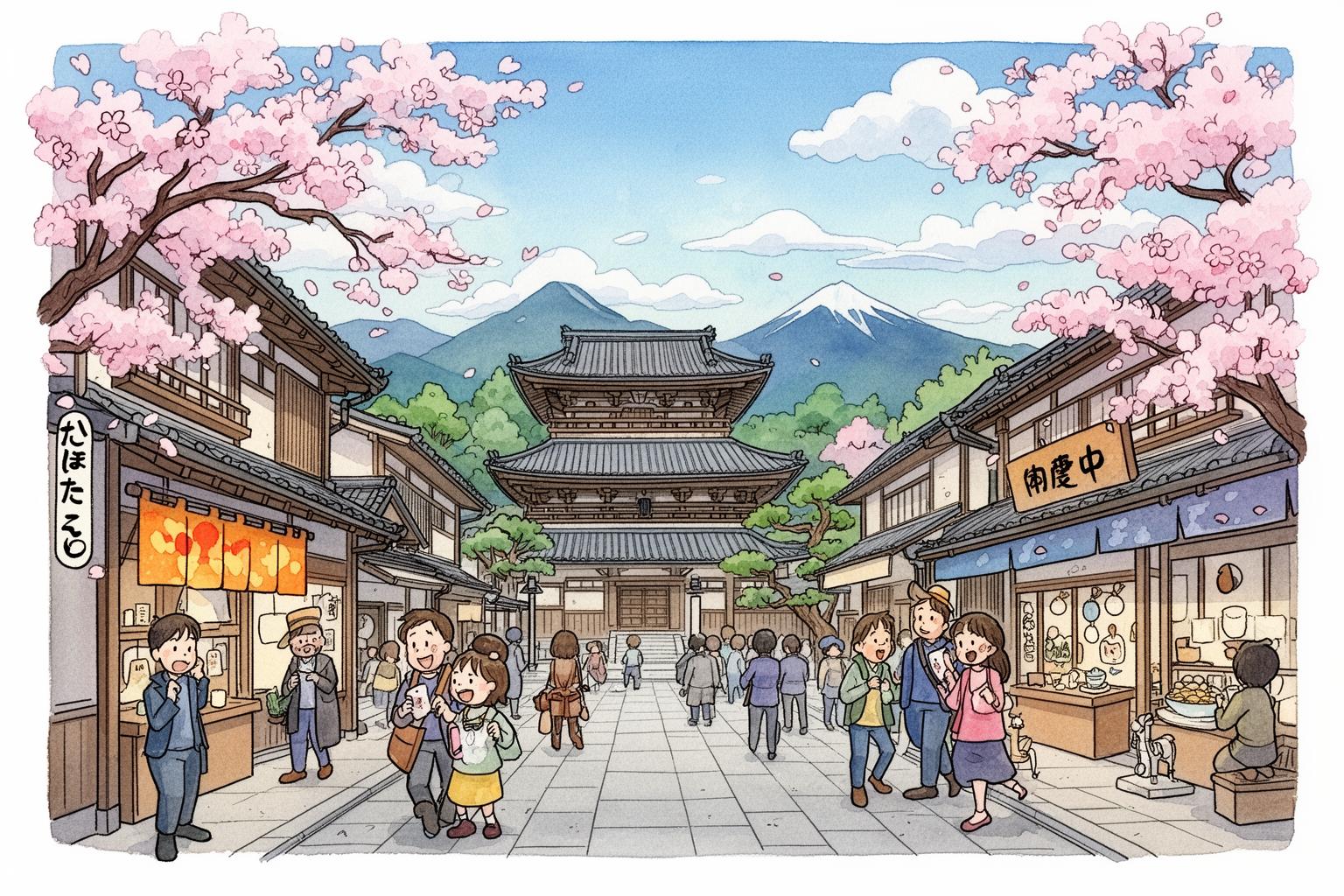
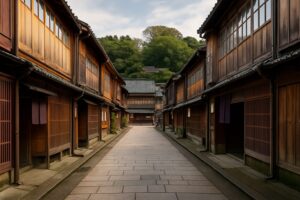
There’s a unique light in Kanazawa, especially in the late afternoon as it filters through the wooden lattices of an old teahouse. It’s soft, golden, and imbued with a sense of history. That same feeling, that same light, appears to exist in its cuisine. Kaga Ryori is more than just a collection of recipes; it embodies the accumulated wisdom of a place that values beauty as its currency. It’s a subtle boast, a confident expression of a culture that has perfected the art of living well. From a formal kaiseki dinner, which feels like a sacred ceremony, to a lively meal at a bustling izakaya, the common thread is an unwavering commitment to quality and a deep love for the land and sea that sustain it all. You leave Kanazawa with more than a full belly. You leave with a newfound appreciation for the details, the harmony between flavor and form, and the story a single, perfect dish can tell. It’s a taste that lingers on the palate and in memory, a quiet, delicious echo of the Hyakumangoku dream.