Yo, what’s up, world travelers? Ayaka Mori here, coming at you straight from the heart of Japan. Today, we’re ditching the neon chaos of the big cities and sliding into something a little more… chill. We’re talking about a place where the uniform is a cotton kimono, the soundtrack is the gentle clatter of wooden clogs on stone bridges, and the main agenda is, well, bathing. Welcome to Kinosaki Onsen, the undisputed queen of hot spring towns, tucked away in the northern part of Hyogo Prefecture. This ain’t your average tourist trap; this is a full-blown cultural immersion, a living, breathing town that revolves around the ancient ritual of the onsen. The whole concept here is called sotoyu meguri, which is basically a fancy way of saying “public bathhouse hopping.” The town’s philosophy is legendary: the entire town is your ryokan (inn), the streets are your hallways, the stations are your lobby, and the seven public onsen? They’re your private baths, shared with a few hundred of your newest friends. You’ll wander under weeping willows that line a picturesque canal, past traditional wooden buildings that look like they’ve been pulled straight out of a historical film set. The vibe is timeless, serene, and, no cap, one of the most authentically Japanese experiences you can find. It’s a place to slow down, disconnect from your phone, and reconnect with yourself, one blissful soak at a time.
The Kinosaki Vibe: Getting into the Onsen-Hopping Spirit
Before you even dip a toe into the healing waters, you need to get the fit just right. In Kinosaki, what you wear matters most, and it’s all about the yukata and geta. This isn’t some cheesy costume party; it’s the town’s official dress code. The moment you check into your ryokan, they’ll provide you with a yukata, a simple and elegant cotton robe, along with a pair of geta, the traditional wooden clogs. It’s a total game-changer. There’s something incredibly liberating about shedding your street clothes and slipping into this traditional attire. Suddenly, you’re not just a tourist observing the scenery; you’re part of it. The sound of your makita geta clacking on the pavement—the karankoron rhythm—becomes the soundtrack to your Kinosaki adventure. It echoes off the wooden storefronts and mingles with the laughter and chatter of fellow bathers. Pro tip for the yukata: always, always wrap the left side over the right. The opposite way is reserved for funerals, and we’re here for good vibes only. As for the geta, don’t walk in them like normal shoes. It’s more of a relaxed shuffle, letting the clog do the work. It might feel odd for the first ten minutes, but soon you’ll be strolling like a local, feeling the cool evening air and fully soaking in the town’s laid-back pace.
Your key to this whole world is the Yumepa, a digital onsen pass. If you’re staying overnight at a ryokan in town, this pass is almost always included with your accommodation, which is a huge bonus. It grants you unlimited access to all seven public onsen from check-in to check-out. It’s not a physical card but a QR code you receive, which you simply scan at the entrance of each bathhouse. Beep, and you’re in. It’s incredibly easy and makes the whole hopping-around experience seamless. For day-trippers, you can purchase a one-day pass at the information counter or any onsen for a very reasonable price, allowing you to join the fun without staying overnight. This pass is your golden ticket, the key that unlocks the heart of Kinosaki. Just don’t lose your phone!
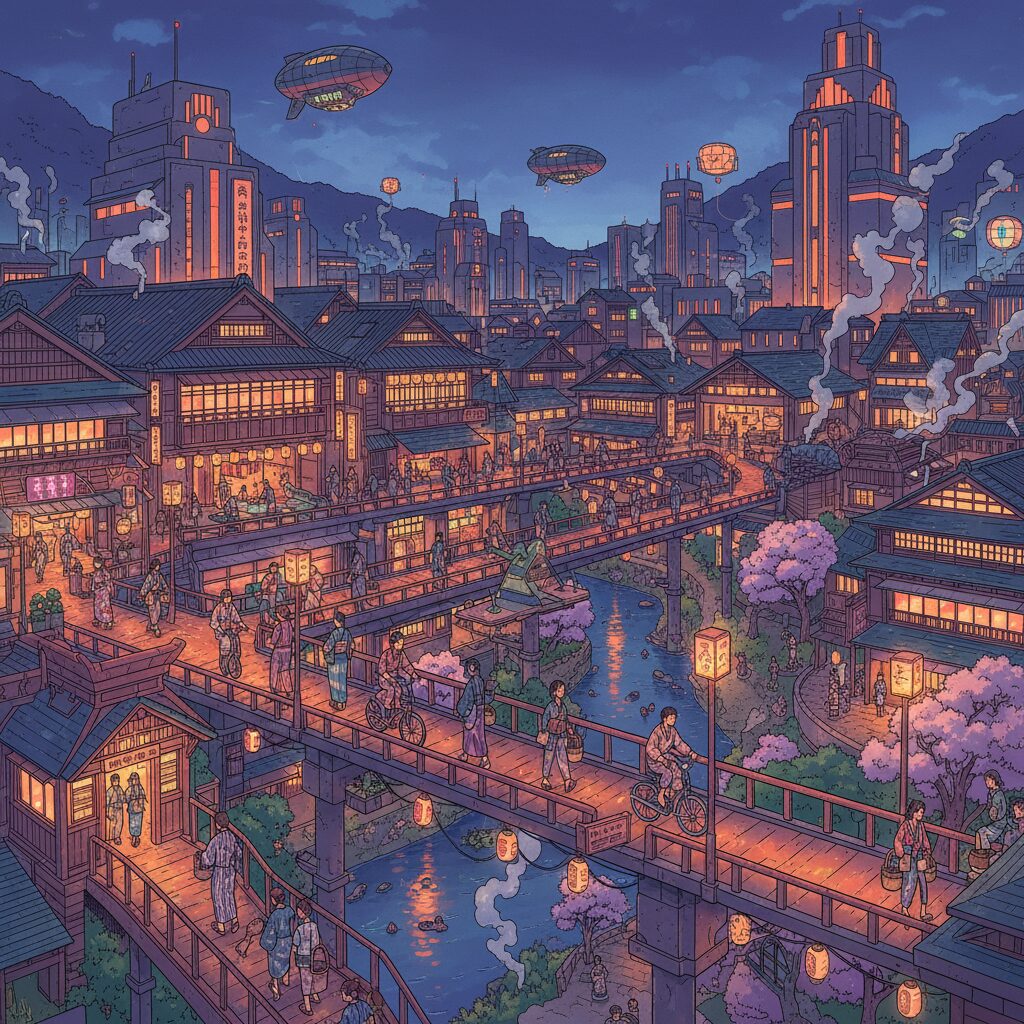
The town itself is a dream to explore. It’s compact, flat, and pedestrian-friendly. The main artery is the Otani River, a gentle canal lined with weeping willows and stone bridges, with the onsen and shops scattered along its banks. You can walk the length of the main strip in about twenty minutes, but you’ll want to take it slow. In the morning, the streets are quiet, with steam rising from the gutters and the scent of fresh tatami in the air. By afternoon, the town buzzes with activity. People roam about, shopping for local crafts, grabbing a scoop of gelato, or trying their luck at old-school shooting galleries. But the real magic happens at night. As dusk falls, lanterns flicker to life, casting a warm, golden glow over the streets. Reflections dance on the canal’s surface, and the clacking of geta forms a chorus. It feels cinematic, like stepping into a Studio Ghibli film. It’s a town that invites you to simply… be. To wander without a plan, to pause and listen, and to let the rhythm of onsen life take over.
The Main Event: A Deep Dive into the Seven Public Onsen (Sotoyu)
Alright, let’s get down to business. The seven sotoyu are the very heart and soul of Kinosaki. Each one boasts its own unique character, legend, and blessing. The water in all of them comes from the same source, rich in sodium and calcium chloride, and is reputed to be excellent for everything from digestive issues to nerve and muscle pain. But honestly, the main benefit is pure, unadulterated relaxation. Visiting all seven is the ultimate goal for the dedicated onsen enthusiast—a true pilgrimage of bathing. You can even get a special tenugui towel and collect a stamp from each onsen to mark your epic journey. Let’s dive into each one, one by one.
Satono-yu: The OG Station-Side Spa
Situated right next to JR Kinosaki Onsen station, Satono-yu is often the first or last stop for visitors. It’s the largest and most modern of the seven, with a name that means “hometown hot spring.” The atmosphere here is more like a contemporary spa than a rustic bathhouse. It’s spacious, spotless, and equipped with all the amenities. The standout feature of Satono-yu is its incredible open-air bath on the top floor. The view is stunning—you soak in steaming, mineral-rich water while gazing out over the town and the lush green mountains that surround it. There’s an Arabesque-themed bath and a Japanese-themed one, which switch between men and women daily, so you could visit twice and enjoy a different experience each time. It also offers a variety of baths, including a jet bath, sauna, and cold plunge pool—a fantastic combo for resetting your system. Due to its size and location, it can get quite busy, especially around train arrival and departure times. My advice? Visit during the middle of the day when most guests have checked into their ryokans, or opt for an early morning soak to watch the town wake up from above. It’s the perfect introduction to Kinosaki’s world of onsen.
Jizo-yu: The Local’s Hangout for Family Blessings
A little further into town is Jizo-yu. Its exterior resembles a traditional Japanese lantern, making it instantly recognizable. The name originates from a legend that a hot spring bubbled up right where a Jizo statue (a guardian deity of children and travelers) was found. Because of this story, the waters here are said to bring safety and prosperity to families, especially ensuring their children’s well-being. Jizo-yu has a distinctly local vibe and is a favorite among residents, so you’ll often hear friendly chatter and gossip drifting through the steam. The main bath is a large, simple, rectangular granite tub. There are no fancy waterfalls or sweeping views—it’s a straightforward, no-nonsense onsen focused on the quality of the water and community spirit. This is where you go for an authentic slice-of-life experience. Private family baths are also available, perfect if you’re traveling with children or want some privacy. Don’t hesitate to greet the regulars with a warm “Konnichiwa,” and you’ll feel right at home. Jizo-yu is a reminder that sometimes, the simplest things are the most meaningful.
Yanagi-yu: The Beauty Bath
Don’t blink—Yanagi-yu, or “willow bath,” is the smallest and arguably the most charming of the seven public onsen. Hidden away on a side street, its name comes from the willow tree standing in front, said to have sprouted from a cutting brought from China’s famous West Lake. The building is a beautiful example of classic Japanese architecture, crafted entirely from fragrant cypress wood. The moment you step inside, the rich, earthy aroma of the wood envelops you, creating a deeply calming atmosphere. The baths here are small, deep, and also made from cypress. Be warned: the water at Yanagi-yu is famously hot. It’s a real shock at first, but once you ease in, it’s pure bliss. The intense heat is deeply therapeutic. Yanagi-yu is blessed for fertility and safe childbirth, earning its title as a “beauty bath” that blesses one with children. Its intimate, cozy setting makes it ideal when you want to escape the crowds for a quiet, contemplative soak. Just be ready for that heat!
Ichino-yu: The Cave of Dreams
If there’s one onsen in Kinosaki that feels like an adventure, it’s Ichino-yu. Its name means “number one bath,” a title bestowed by a famous 18th-century doctor who praised its medicinal water qualities. The building’s grand, kabuki-theater-like facade is both elegant and imposing. But the real highlight is inside—Ichino-yu is known for its semi-open-air cave bath. You literally soak in a grotto carved from a massive rock, with steam swirling around you and the sound of dripping water echoing off the walls. It’s dramatic, mysterious, and incredibly cool. It feels primeval, as if you’ve discovered a secret thermal spring deep in the mountains. The blessing of Ichino-yu is for academic success and traffic safety, but truly, the main takeaway is the epic experience of bathing in a cave. It’s one of the most popular onsen, so expect some crowds, but it is absolutely worth it. The experience is both deeply relaxing and exhilarating. You’ll leave feeling like you’ve conquered an ancient trial and are ready for whatever lies ahead.
Goshono-yu: The Palace of Fire and Water
Prepare to feel like royalty. Goshono-yu, or the “imperial palace bath,” is one of the newer and most architecturally stunning onsen in town. Built in the style of the Kyoto Imperial Palace, it fully lives up to its regal reputation. The entrance is grand, the lobby spacious with soaring ceilings, and everything feels polished and luxurious. The onsen is divided into two sections: the “sky bath,” with huge glass panels making you feel as if you’re bathing among the clouds, and the outdoor bath. That outdoor bath is simply breathtaking—you’re surrounded by meticulously manicured gardens and a multi-tiered waterfall cascading down a moss-covered cliff beside the tub. The sound of falling water is a natural symphony that melts your stress away. At night, the area is beautifully illuminated, adding a magical touch. Goshono-yu is blessed for finding a good partner and protection from fires. Often called the “bath of beauty and matchmaking,” it’s perfect for a romantic soak or simply indulging in a little opulence. It’s pure, unadulterated onsen luxury.
Mandara-yu: The Serene Escape
Situated a bit further up the main street, away from the central hustle, Mandara-yu exudes a more subdued, spiritual atmosphere. Its name and origin are rooted in a Buddhist legend—it’s said that the hot spring appeared after a holy priest named Dochi Shonin prayed for a thousand consecutive days to heal the local people. The building’s design reflects this, featuring a serene, temple-like entrance. Smaller than some of the others, Mandara-yu’s size adds to its tranquil and meditative vibe. The main attraction here is the outdoor ceramic barrel bath, or oke-buro. Several large, round tubs are set within a peaceful garden space, offering a deeply private, unique soaking experience, as if you’re in your own personal cauldron of peace. The indoor bath is also lovely, featuring a fragrant cypress wood interior. The blessing here is for success in business and agriculture. Mandara-yu is the place to go when you need to quiet your mind and find some zen. It’s a bit of a walk, but that just makes the serene soak at the end all the more rewarding.
Kouno-yu: The Stork’s Sanctuary
Last but by no means least, we head to the edge of town to Kouno-yu, the oldest hot spring in Kinosaki. Its history is steeped in local legend: about 1,400 years ago, an Oriental white stork was seen bathing its injured leg in a marshy pool here daily until fully healed. This miraculous recovery led to the founding of Kinosaki Onsen. The name Kouno-yu means “oriental stork bath.” Nestled in a quiet, wooded area, it has a wonderfully peaceful and rustic atmosphere. Being the furthest onsen from the station, it’s often less crowded. Its highlight is the tranquil outdoor bath surrounded by lush greenery and natural rocks. Soaking here truly feels like you’re immersed in nature, accompanied by the chirping of birds and rustling of leaves. It’s incredibly grounding. The blessing of Kouno-yu is for a happy marriage and a long, healthy life. It’s the perfect final stop on your pilgrimage, bringing your journey full circle to the very origins of this magical town.
Beyond the Baths: Fueling Your Onsen Adventure
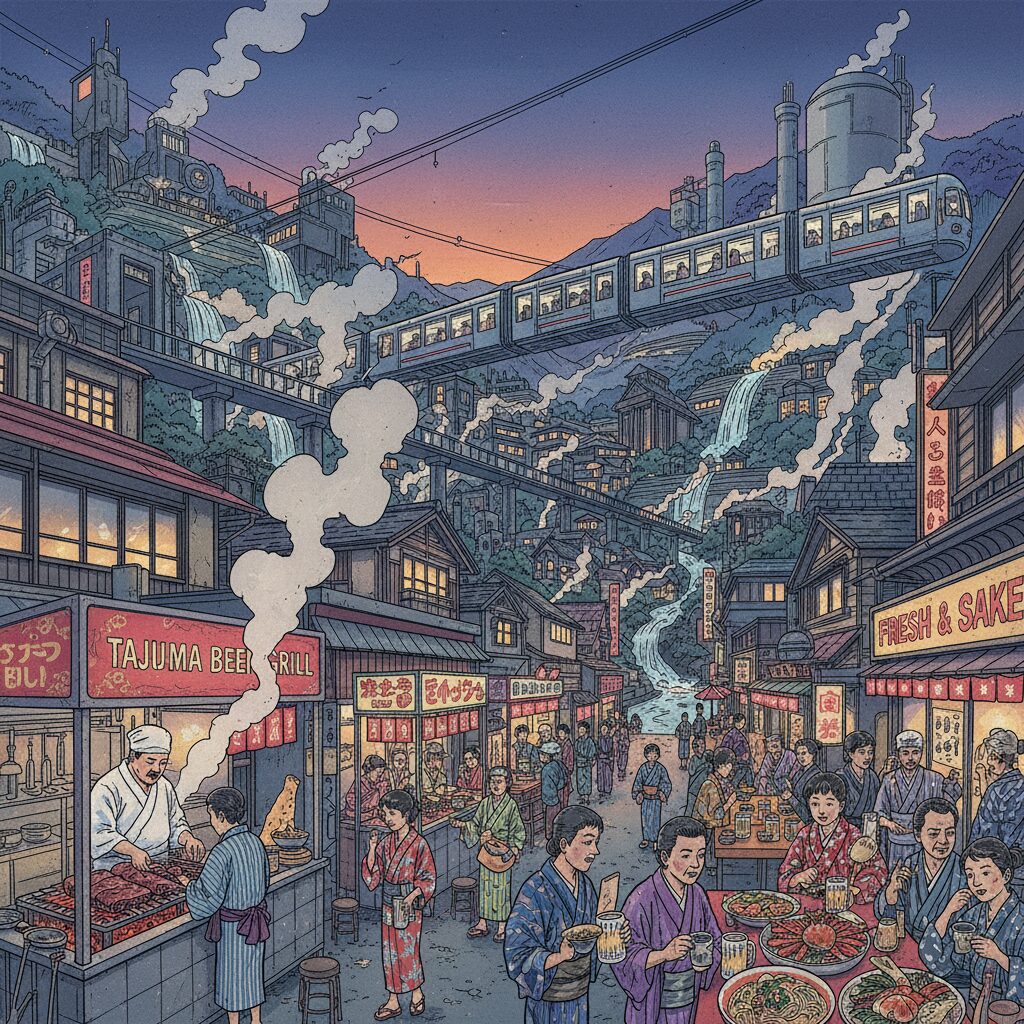
Onsen hopping can be surprisingly tiring. All that soaking and relaxing really builds up an appetite. Fortunately, Kinosaki boasts an amazing food and drink scene to keep you energized. A must-do post-onsen ritual is grabbing a drink from one of the local shops. The classic choice is a small glass bottle of milk or coffee milk. There’s something incredibly satisfying about chugging a cold, sweet drink after you’ve been simmered like a human tea bag. This is a tradition found all across Japan and the perfect way to cool off. Another iconic Kinosaki experience is making your own onsen tamago. Around town, you can buy a small net of fresh eggs, dip them into a basin of naturally hot spring water, and let them cook to a silky, custard-like texture. Peeling them open and seasoning with a bit of salt while still warm is a simple yet delicious pleasure. And, naturally, there’s always ice cream. Soft-serve comes in a variety of flavors, including unique local options like black bean. For adults, don’t miss Kinosaki Beer, a local craft brew that’s ideal for a leisurely evening stroll after your bath.
When it comes to a proper meal, Kinosaki really shines. The region is renowned for Tajima beef, the legendary cattle breed from which the world-famous Kobe beef descends. You’ll find it served in countless ways, from sizzling steaks at specialty restaurants to casual beef skewers from street vendors. For a truly indulgent meal, try a Tajima beef kaiseki dinner at your ryokan—a multi-course feast that will leave you amazed. If you visit during winter, November through March, you’re in for a treat. This is snow crab season, or matsuba gani season, and Kinosaki really goes all out. The local fishing ports haul in large, sweet, succulent crabs daily. They are often displayed outside shops, and you can enjoy them boiled, grilled, as sashimi, or in a hearty hot pot. It’s an unforgettable culinary delight. Beyond these highlights, the town is dotted with cozy cafes perfect for an afternoon break and quaint izakaya (Japanese pubs) where you can enjoy a drink and tasty bar snacks after your last soak of the day.
Be sure to pick up some souvenirs to remember your trip. The most unique local craft is Mugiwarazaiku, or straw craft. This intricate art involves weaving colorful strands of straw into detailed patterns on wooden boxes, combs, and other items. It’s a centuries-old tradition, and you can watch artisans at work in some local shops. It’s a beautiful and authentic piece of Kinosaki to take home. Naturally, there are also many local snacks, sake, and onsen-themed souvenirs to choose from. Picking up a few items is a great way to support the community and keep the magic of Kinosaki with you a little longer.
Practical Deets & Pro-Level Tips
Reaching Kinosaki Onsen is a journey, but a straightforward one. From major hubs like Kyoto or Osaka, the easiest way is to take a direct JR Limited Express train. The trip lasts about 2.5 to 3 hours and passes through some beautiful countryside scenery, so grab a window seat, an ekiben (station bento box), and enjoy the ride. The train arrives right at Kinosaki Onsen Station, and from there, the entire town is within easy reach. It’s situated in a relatively remote part of the Kansai region, which adds greatly to its charm. It truly feels like a real escape.
Honestly, there’s no bad time to visit Kinosaki. Each season offers a completely different atmosphere. Spring is stunning, with cherry blossoms lining the Otani River, creating a tunnel of pink and white petals—it’s incredibly romantic. Summer is lush and green, filled with the sound of cicadas and vibrant festivals and fireworks lighting up the night sky. Autumn brings cooler, crisp air perfect for onsen hopping, while the surrounding mountains burst into a spectacular display of red, orange, and gold foliage. For many, however, winter is the ultimate Kinosaki experience. The town covered in fresh snow is truly magical, and there’s nothing cozier than soaking in a steaming outdoor onsen as snowflakes gently fall around you. Plus, it’s snow crab season, making it a major attraction for food lovers.
Now for the important details: onsen etiquette. It might seem intimidating at first, but it’s very simple. First, you must wash your body thoroughly before entering the bath. Shower stations provide soap, shampoo, and conditioner. The onsen tub is meant for soaking, not cleaning. Second, don’t bring your large bath towel into the bathing area; leave it in your locker. You’ll be given a small towel, often called a “modesty towel.” You can use it to scrub while washing, but once you’re ready to enter the water, never let it touch the onsen water. Most people either place it on the edge of the tub or, in true pro style, fold it and balance it on their head. A big plus for international visitors: Kinosaki’s seven public onsen are famously tattoo-friendly. This is significant in Japan, where tattoos are often banned in hot springs. Kinosaki’s open and welcoming policy makes it an accessible and stress-free destination for everyone. Finally, stay hydrated! Onsen hopping can be dehydrating. Be sure to drink plenty of water, tea, or post-bath milk between your soaks, and listen to your body—don’t overdo it. A few onsen visits a day are enough to fully enjoy the experience.
A Final Thought: The Kinosaki Magic

Kinosaki Onsen is more than a mere collection of hot springs; it’s a feeling. It’s the unspoken, shared connection you sense with every person you pass on the street, all united by the yukata’s uniform and the steady rhythm of the geta. This town has mastered the art of slowing down. There’s a quiet assurance here, a deep appreciation for the timeless nature of what it offers. It’s not about flashy attractions or chasing the latest trends. It’s about the simple, profound joy of a warm bath, a satisfying meal, and a tranquil walk beneath lantern light. It’s about shedding the armor of everyday life and simply… being. The magic of Kinosaki isn’t only found in the mineral-rich water that surfaces from the earth; it’s also in the steam that drifts through the streets, the flavor of a perfectly cooked onsen egg, and the gentle karankoron sound that will linger in your memory long after you’ve gone. It’s a journey for the soul—one everyone should experience at least once. So pack light, leave your worries behind, and come listen to the song of the geta. It’s calling your name.