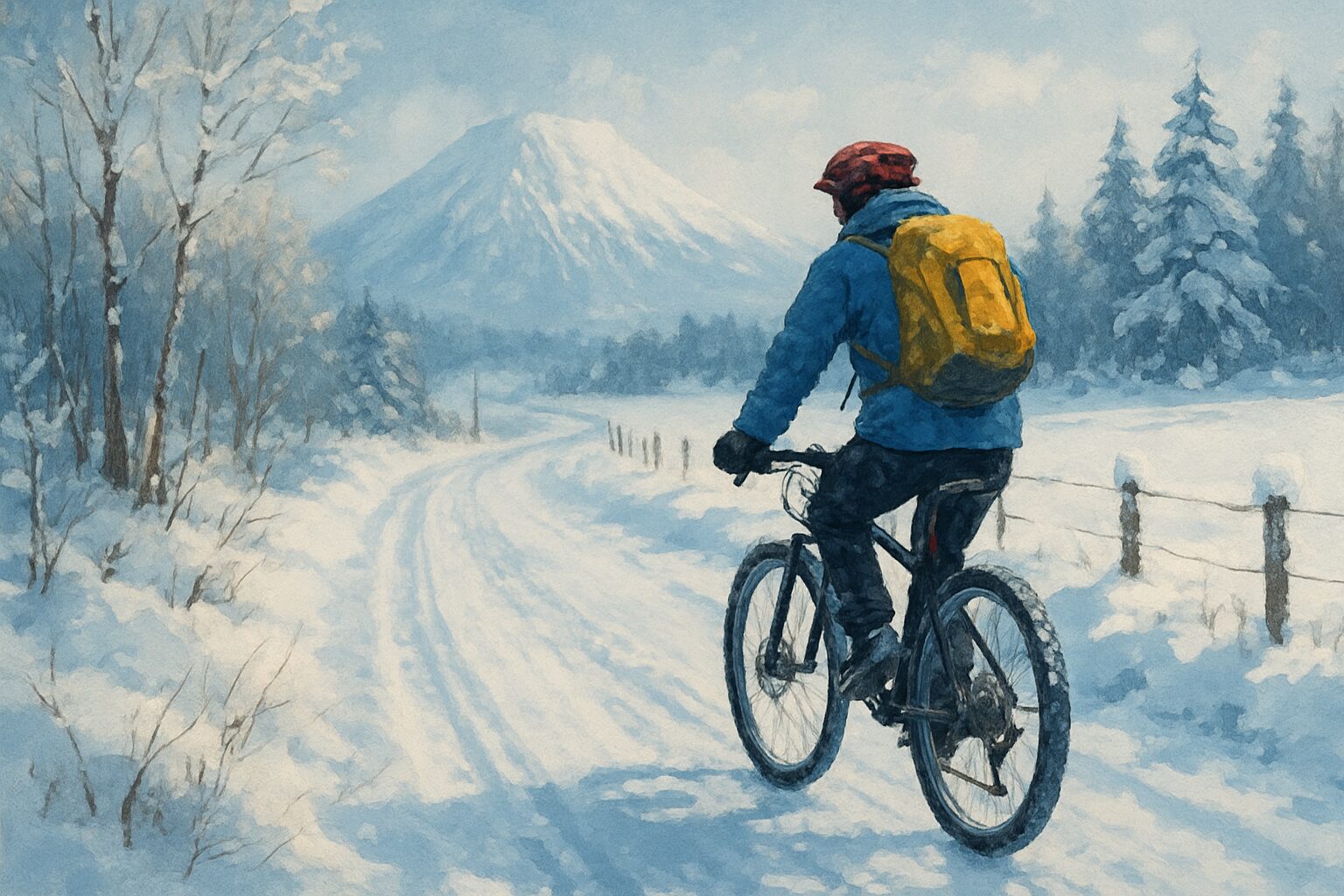
Yo, what’s up, world-wanderers? Daniel here. Let me paint you a picture. Imagine a place where the world seems to just… stop. A landscape so surreal, it feels like you’ve pedaled your way onto the set of a fantasy film or into a dream you can’t quite place. This isn’t some far-flung, imaginary realm; it’s Todowara, a ghost forest silently standing guard at the edge of Japan’s northernmost island, Hokkaido. Tucked away on the Notsuke Peninsula—a sliver of land so thin it looks like a crane’s beak on the map—Todowara is a testament to nature’s quiet, relentless artistry. It’s a place where Sakhalin fir trees, once a thriving forest, have been bleached bone-white by the sea, their skeletal forms reaching for the sky like forgotten sculptures. Getting there isn’t about hopping on a crowded train; the real magic, the ultimate vibe, is discovered by cycling. It’s about feeling the raw, untamed wind of Eastern Hokkaido on your face, with nothing but the cry of seabirds and the crunch of gravel beneath your tires as your soundtrack. This journey isn’t just a trip; it’s a full-blown immersion into a landscape that whispers tales of time, impermanence, and breathtaking beauty. It’s a place that gets under your skin and stays with you, long after you’ve left its hauntingly beautiful shores. It’s next-level, for real.
If you’re captivated by Hokkaido’s raw, untamed landscapes, consider planning your next adventure to explore the wild heart of Daisetsuzan National Park.
The Vibe Check: What is Todowara, Anyway?
So, before diving into the finer details of the ride, let’s explore what makes this place incredibly unique. The name itself, Todowara (トドワラ), holds a clue to its story. It’s a blend of two Japanese words: ‘Todomatsu,’ meaning the Sakhalin fir tree, and ‘wara,’ meaning straw. Imagine a forest of firs, now withered and broken down like straw—that’s the poetic, slightly melancholic spirit of the place. But this isn’t the result of a sudden disaster. Todowara is the outcome of a slow, geological process. Over decades, this strip of land has been gradually sinking—a phenomenon called ground subsidence. As the land sank, the persistent saltwater from the Nemuro Strait seeped in, poisoning the roots of the once-mighty fir trees. It was a slow demise, a creeping invasion of salt and sea the forest couldn’t resist. The trees died standing upright, and over the years, wind and brine stripped them of bark and needles, bleaching their trunks and branches until they became the ghostly white skeletons you see today. It’s a striking visual story of nature’s cycles—land yielding to sea, life transforming into something hauntingly beautiful in its decay.
What makes Todowara truly remarkable is that it is a living, or rather dying, exhibition. This is not a permanent display. The same natural forces that created this withered wonderland are now gradually reclaiming it. Each year, storms and tides wear it down, and the skeletal trees collapse and fall, one by one, sinking back into the marshy ground from which they once grew. Local elders often share stories of how dense the forest of white trees once was, sharply contrasting with today’s sparser landscape. Visiting Todowara comes with a quiet, poignant sense of urgency. You’re witnessing a brief moment in geological time. You see a landscape actively and beautifully disappearing. This fleeting nature is part of its profound appeal. It’s not just a place to behold; it’s a moment to experience—a snapshot of a world in transition. It reminds us that nothing lasts forever, and there is a unique, haunting beauty in that truth. This isn’t just any tourist attraction; it’s a natural art gallery with an expiration date, and you’ve been invited to see it before the final curtain falls.
Gearing Up: The Notsuke Peninsula Cycling Experience
Alright, let’s discuss the absolute best way to connect with the heart of the Notsuke Peninsula: on two wheels. You could drive, of course, but being in a car here is like watching a movie on your phone with the sound turned off. You see the scenery, but you miss its essence. Cycling is where it’s at. It’s about freedom, setting your own pace, and becoming part of the landscape rather than just a passerby. When you’re on a bike, you’re not isolated by glass and metal. You feel the gentle shifts in the wind coming off Notsuke Bay on one side and the Nemuro Strait on the other. You breathe in the salty air, a blend of brine and wild grasses. You hear the high-pitched cry of a kite circling overhead or the rustle of reeds hinting at a hidden deer. It’s a fully immersive, 360-degree sensory experience that connects you intimately to this wild, untamed corner of Japan. It’s about the journey, every single pedal stroke of it.
The main route for this adventure is Hokkaido Prefectural Road 950, commonly known as the ‘Flower Road.’ It’s a stunningly straight stretch that cuts through the peninsula, a narrow ribbon of asphalt suspended between two vast bodies of water. The ride has an almost hypnotic rhythm. On your left, the calm, shallow waters of Notsuke Bay, a crucial habitat for shrimp and scallops. On your right, the expansive Nemuro Strait, with the Russian-held Kuril Islands faintly visible on a clear day. The uniqueness of this geography is mind-boggling; you’re literally cycling along a giant sand spit, one of the largest in Japan. Your starting point is the Notsuke Peninsula Nature Center—your hub, your base camp. Here, you can rent your trusty steed for the journey. They offer standard ‘mamachari’ city bikes, but the pro tip—especially if the wind picks up—is to grab an electric-assist bike. Trust me, having that extra boost while pedaling against the wind is a total game-changer, allowing you to savor the epic scenery instead of tiring your legs out.
The ride unfolds like a story. The first few kilometers from the Nature Center serve as an introduction. The vegetation is quite lush, and you’ll almost immediately spot the locals: the Yezo sika deer. They’re everywhere, grazing calmly by the roadside, often glancing up with a mild, unimpressed curiosity as you cycle past. As you venture further down the peninsula, the landscape starts to shift. Trees thin out, and the ground grows marshy. You’re heading toward the ‘end of the world,’ and you can sense it. The feeling of isolation deepens, but it’s not loneliness. It’s a peaceful, meditative solitude. The last stretch of road brings you to a parking area, the launching point for Todowara itself. From here, you leave the bike behind and proceed on foot, your heart racing with anticipation for what lies just beyond the path.
The Main Event: Stepping into Todowara’s Ethereal Realm
After parking your bike, the final stretch to the withered forest is along a long, elevated wooden boardwalk. This structure serves as more than just a pathway; it acts as a silent guardian, preserving the delicate salt marsh ecosystem beneath your feet. With each step, the sound of your footsteps on the planks becomes a drumbeat, signaling your shift from the world of roads and engines to a realm that moves on an entirely different timescale. The boardwalk winds over the wetlands, drawing your gaze toward the horizon, where the first white, skeletal trees begin to emerge. Anticipation grows, and then you arrive. Stepping onto the main viewing platform, the full panorama of Todowara unfolds before you. And honestly? It stops you in your tracks. It’s a genuine, jaw-dropping moment. The sheer oddness and beauty of the scene is something no photograph can ever quite capture. It’s a silent, stark, and deeply moving vista. The bleached white trunks and branches stand in sharp, graphic contrast against the deep blue sky or the soft grey of an overcast day. They are mirrored in the shallow, glassy water of the bay, creating a perfect, haunting symmetry.
For a photographer, this place is a dream. The light here performs wonders. During the golden hour of early morning or late afternoon, the sun’s rays slant across the landscape, casting long, dramatic shadows and bathing the white wood in a warm, ethereal glow. The textures are incredible—the gnarled, twisted grain of the dead wood, the salty crust that sparkles in the sun, the soft, feathery tops of the marsh grasses. But the true soul of Todowara isn’t only visual. It’s auditory. It’s the ‘symphony of silence.’ At first, it feels deathly quiet, especially if you’ve just come from a bustling city. But as you stand there and simply listen, the soundscape reveals itself. You’ll hear the lone, piercing cry of a black kite. You’ll hear the gentle lapping of the tide along the shore. You’ll hear the constant, whispering hiss of the wind weaving through the dead branches, a sound as ancient as the land itself. It’s a profound, meditative quiet that calms the mind and invites reflection. It’s a place that makes you feel small, but in a good way—a tiny piece of a vast, beautiful, and ever-changing natural world. You find yourself lingering far longer than planned, simply absorbing the atmosphere, watching clouds drift by, and embracing the profound peace of this unique place.
Beyond the Withered Trees: Narawara and the Peninsula’s Wildlife
While Todowara takes center stage, it’s not the only ghost forest featured here. Just a little further inland, closer to the Nature Center, lies its lesser-known but equally fascinating counterpart: Narawara. If Todowara is a forest of delicate, bleached firs, Narawara presents a more robust and commanding presence. This area was once dominated by Mizunara, or Mongolian oaks, which also succumbed to the advancing sea. The result is a landscape scattered with dark, thick, and imposing stumps and trunks of these mighty oaks. Unlike the firs, they haven’t been bleached white but stand as dark, brooding silhouettes against the grassy plains. The atmosphere here is different—less ethereal, more elemental, a raw expression of strength enduring even in death. Exploring Narawara offers a striking contrast to Todowara and enriches your appreciation of the peninsula’s dynamic environment. It feels more grounded, deeply connected to the earth, and the sheer size of some of the oak remnants conveys the grandeur of the forest that once thrived here.
However, the Notsuke Peninsula is much more than just its dead forests. It is a vibrant wildlife sanctuary, bursting with life. Truly, this place feels like a non-stop nature documentary. The Yezo sika deer are its most conspicuous inhabitants. You don’t need to seek them out—they’ll find you. They graze tranquilly in herds, calmly cross roads with a dignified lack of hurry, and occasionally pause to gaze at you, their large, dark eyes radiating a serene wisdom. Then there are the striking Hokkaido red foxes, known as ‘Kita Kitsune.’ You might spot one trotting alongside the road, its bushy tail raised, amber eyes gleaming with intelligence. They are iconic symbols of the Hokkaido wilderness, but a vital warning: never, ever feed them. Doing so harms their health and erodes their natural fear of humans and vehicles, which can prove fatal.
For birdwatchers, this place is an absolute paradise. The peninsula is recognized as a Ramsar site, highlighting its global importance as a wetland habitat for waterfowl. Depending on the season, the skies and shores come alive with birds. In winter, it’s an excellent spot to observe majestic Steller’s sea eagles and white-tailed eagles, which gather here to hunt in the icy waters. The immense presence of these raptors is truly awe-inspiring. In other seasons, flocks of Brent geese, elegant cranes, and a variety of shorebirds and seabirds fill the area. Keep a keen eye on the bay’s waters as well. From spring through autumn, you can often see the charming, dappled heads of spotted seals, or ‘Gomafu Azarashi,’ surfacing or resting on sandbars at low tide. This wealth of wildlife serves as a constant, thrilling companion on your cycling adventure, a vivid reminder that even in a landscape renowned for its dead trees, life pulses vibrantly, stubbornly, and beautifully all around you.
Practical Magic: Planning Your Todowara Trip
Alright, let’s cut to the chase. Planning a trip to such a remote location requires some strategy, but it’s absolutely worth it. First things first: timing. The Notsuke Peninsula’s character changes dramatically with the seasons, so your experience will vary greatly.
Seasonal Overview
Summer (June to August) is peak season. The Flower Road truly lives up to its name, with wildflowers like wild roses and irises blooming vibrantly along the roadside. The lush green marsh grasses create a striking contrast against the white Todowara trees. It’s the ideal time for cycling, though be ready for sea fog that can roll in, cloaking the landscape in a mysterious, moody atmosphere. It’s beautiful but can be chilly, so layering is essential.
Autumn (September to October) is, in my opinion, the best season. The air is crisp and clean, the summer crowds have thinned, and the skies are often brilliantly clear, offering stunning views of the Kuril Islands. The marsh grasses turn a warm golden-brown, adding rich tones to the scenery. It’s arguably the perfect season for photography, thanks to the sharp, low-angled autumn sunlight.
Winter (December to February) transforms the peninsula into an entirely different world. Cycling is out of the question; roads are often covered in snow and ice. But the scenery is extraordinarily dramatic. The bay freezes, creating the ‘ice horizon,’ where the frozen sea seems to blend seamlessly with the sky. This is when the giant Steller’s sea eagles gather, and guided nature tours offer a chance to see them and walk on the frozen bay. It’s a harsh, intense, but incredibly rewarding experience.
Spring (April to May) signals awakening. As the snow and ice melt, migratory birds return in large numbers. The landscape remains stark from winter, but you can sense the revival of life. It’s a quieter time to visit—perfect for those seeking solitude and to witness nature’s revival after winter.
Getting There
Let’s be honest: Eastern Hokkaido is remote. Public transportation is limited or nonexistent. The best, and essentially the only practical way to explore is by renting a car. The nearest airports are Nakashibetsu (about an hour’s drive) and Kushiro (about 2.5 hours). Rent a car at the airport and enjoy the freedom of the open road. The drive to Notsuke Peninsula itself is an adventure, passing through vast pastoral landscapes, dairy farms, and small fishing villages. From Betsukai town, take the road to the peninsula, where the scenery dramatically changes as you leave civilization behind.
Where to Stay & Eat
Accommodations on the peninsula are scarce. Your best option is to stay in nearby towns. Betsukai is a reliable choice, known as a major dairy farming area. Shibetsu and Rausu (near the Shiretoko Peninsula) are also within driving distance and offer more lodging options—from modest ‘minshuku’ (family-run guesthouses) to traditional ‘ryokan’ and modern hotels. Book early, especially for summer and early autumn.
Food-wise, you’re in for a treat. This region is a haven for seafood and dairy enthusiasts. Betsukai is famous for its incredibly fresh milk and ice cream—a perfect reward after a day of cycling. The must-try local specialty from Notsuke Bay is ‘Hokkai Shimaebi,’ a striped shrimp harvested only twice a year (early summer and late autumn). They’re traditionally boiled in saltwater, a simple preparation that highlights their sweet, rich flavor. Another local highlight is the Betsukai Jumbo Scallop Burger—just as epic as it sounds. Massive, juicy scallops are fried and served in a bun, making it the ultimate fuel for your adventures.
A Photographer’s Field Notes: Capturing the Soul of Todowara
For someone who lives and breathes through a camera lens, Todowara feels like a place made for photography. It is a minimalist masterpiece where you can create images that are hauntingly beautiful and deeply evocative. However, capturing its true essence requires more than simply pointing and shooting.
First, honor the light. The harsh midday sun can wash out the delicate textures of the bleached wood. The real magic unfolds during the golden hours. Sunrise here is a spiritual experience. As the first light touches the horizon, it paints the sky in pastel shades and casts a warm, gentle glow on the white trees, making them appear aflame. Sunset is equally striking, producing powerful silhouettes against a vibrant, fiery backdrop. A tripod is essential—not just for low light, but for the creative possibilities it opens.
Consider your lens choice carefully. A wide-angle lens is crucial for capturing the vast scale of the landscape—the expansive sky, endless water, and scattered trees—allowing you to convey a sense of place and emptiness. But don’t overlook the telephoto. A long lens is perfect for isolating a single, beautifully gnarled tree against a softly blurred background. It compresses the scene, making distant trees appear closer together and creating a denser, layered composition. It’s also ideal for wildlife photography, letting you capture deer, foxes, and eagles without disturbing them. A macro lens can add fun by focusing on tiny details: the intricate patterns of salt crystals on wood, a dewdrop on a blade of grass, or the texture of a seashell on the shore.
Composition is key here. Todowara is a study in minimalism. Use negative space; a single tree within a vast, empty frame can be strikingly powerful. The boardwalk serves as a superb leading line, drawing the viewer’s eye deep into the scene. Seek natural frames—use the branches of a nearby tree to frame a more distant one. Experiment with reflections. On calm days, the water acts as a perfect mirror, enabling you to create stunning, symmetrical compositions that blur the boundary between reality and its reflection.
Finally, embrace the weather. Many people pack up when clouds roll in, but at Todowara, that often signals the best photo opportunities. Fog is a gift. It simplifies the scene, isolates subjects, and creates an atmosphere rich with mystery and suspense. An overcast sky offers beautiful, soft, diffused light perfect for highlighting the subtle textures and tones of the wood. A dramatic, stormy sky can add a sense of power and awe to your images. Don’t fight the weather; work with it. Let it become a character in the story your photographs tell.
Pro Tips for a Legendary Trip
Before you set off, here are a few final tips to ensure your journey to Todowara is smooth and unforgettable.
First and foremost: dress in layers. Eastern Hokkaido’s weather can shift suddenly. Even on a bright summer day, the wind blowing off the Nemuro Strait can be quite biting. A windproof and waterproof outer layer is essential year-round. You’ll be thankful for it.
During summer, the wetlands can have a few mosquitoes. It isn’t overwhelming, but bringing insect repellent is a wise choice to enjoy the scenery without becoming a snack for the local bugs.
This may seem obvious, but it’s the most important rule: respect the wildlife. This is their home. Keep a safe and respectful distance, use a long lens for photos, and never feed any animals—especially the foxes and deer. Feeding them disrupts their natural behavior and can harm them. Be a quiet observer, and you’ll be rewarded with more genuine and meaningful encounters.
Always verify the opening hours and bike rental availability at the Notsuke Peninsula Nature Center before you go. Their schedule can change with the seasons, and you don’t want to visit only to find it closed. A quick website check or phone call will save you time and hassle.
While Japan is becoming more card-friendly, rural Hokkaido remains largely cash-based. Make sure to carry enough Japanese yen to cover bike rentals, meals at small local restaurants, and other expenses. Don’t assume cards will be accepted everywhere.
Lastly, the golden rule of exploring natural areas: leave no trace. The Notsuke Peninsula is a delicate and valuable environment. Take everything you bring with you when you leave, stay on designated paths and boardwalks to protect the fragile plants, and leave the area as beautiful and wild as you found it—for the wildlife and for future visitors who follow.
The Echo of Silence
Leaving Todowara feels like emerging from a strange and beautiful dream. As you pedal back down that long, straight road, with the skeletal forest shrinking in your rearview mirror, the silence of the place lingers. It’s an echo in your mind, a sensation of deep peace. Todowara is more than just an interesting photo backdrop or an offbeat stop on a Hokkaido road trip. It’s a classroom of impermanence, a gallery of natural sculpture, and a sanctuary for the soul. It invites you to slow down, observe carefully, and listen to the quiet stories carried by the wind and water. Cycling through this landscape connects you with something ancient and elemental. It’s a journey to Japan’s edge that ultimately brings you closer to your own center. So go. Ride the wind, watch the deer roam freely, and stand among the white ghosts of the forest. Experience the silent symphony yourself. It’s a performance you won’t forget.