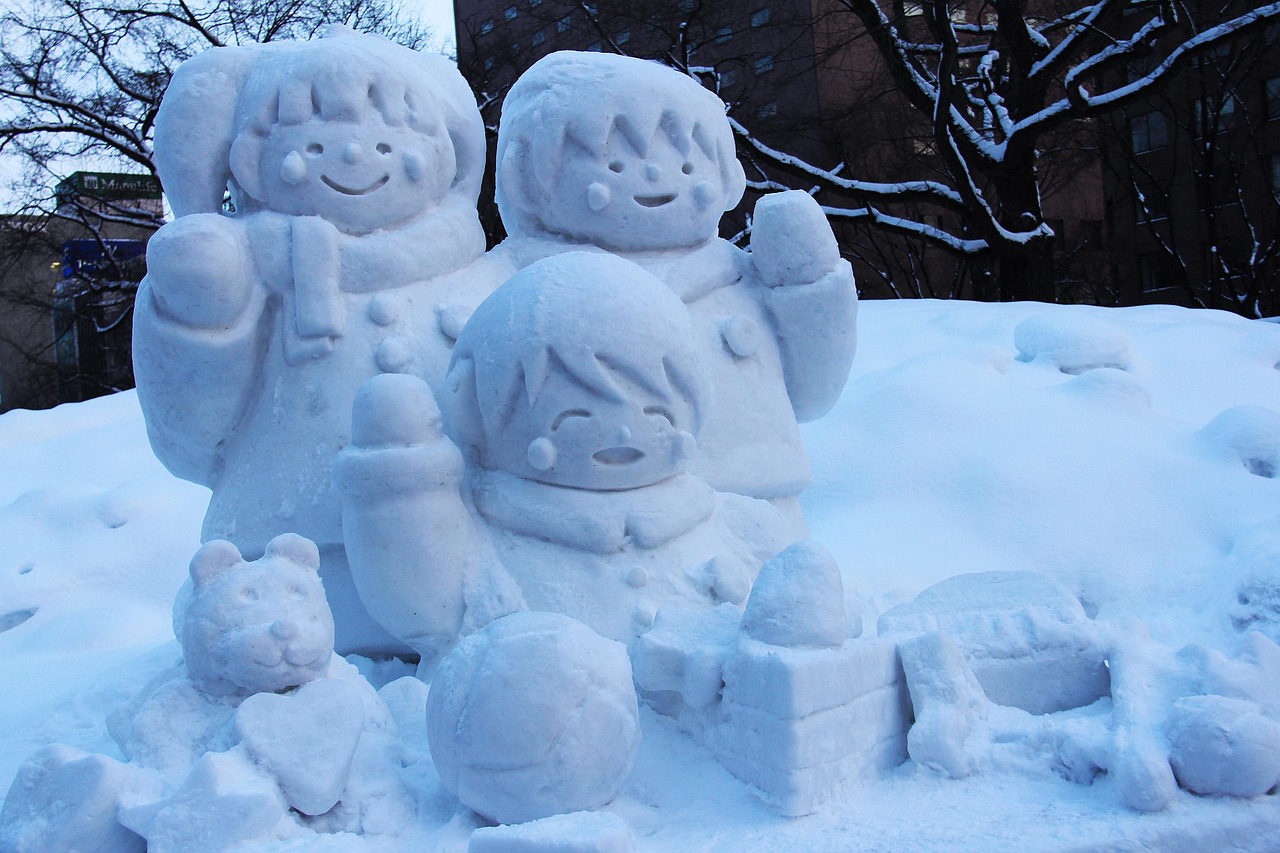
Yo, what’s up, world travelers! Megumi here, coming at you straight from Tokyo. As an event planner, my life is basically a constant search for the next big vibe, the kind of experience that just hits different. And let me tell you, when winter rolls around in Japan, there’s one event that’s so legendary, so mind-blowingly epic, it basically owns the season. I’m talking about the Sapporo Snow Festival, or as the locals call it, the Yuki Matsuri. Forget everything you thought you knew about snowmen. This ain’t your backyard snow day. This is a full-blown, city-wide art exhibition where the canvases are giant blocks of snow and the sculptures are so massive they’ll make you question reality. Every February, the capital of Hokkaido transforms into a legit frozen fantasy land, attracting millions of people who come to witness this insane display of creativity and winter magic. It’s a tradition that’s been going strong for over 70 years, and it’s a bucket-list item for a reason. The entire city gets this electric buzz, a feeling that you’re part of something truly special, something fleeting and beautiful. It’s more than just a festival; it’s Sapporo’s soul on full display, carved in ice and snow for the whole world to see. Before we dive into the frosty deets, get your bearings and peep the main stage of this winter wonderland.
If you’re looking for another incredible Hokkaido adventure after the festival, you should definitely check out the epic sea kayaking around Okushiri Island’s wild coastline.
The Vibe is Real: What it Actually Feels Like
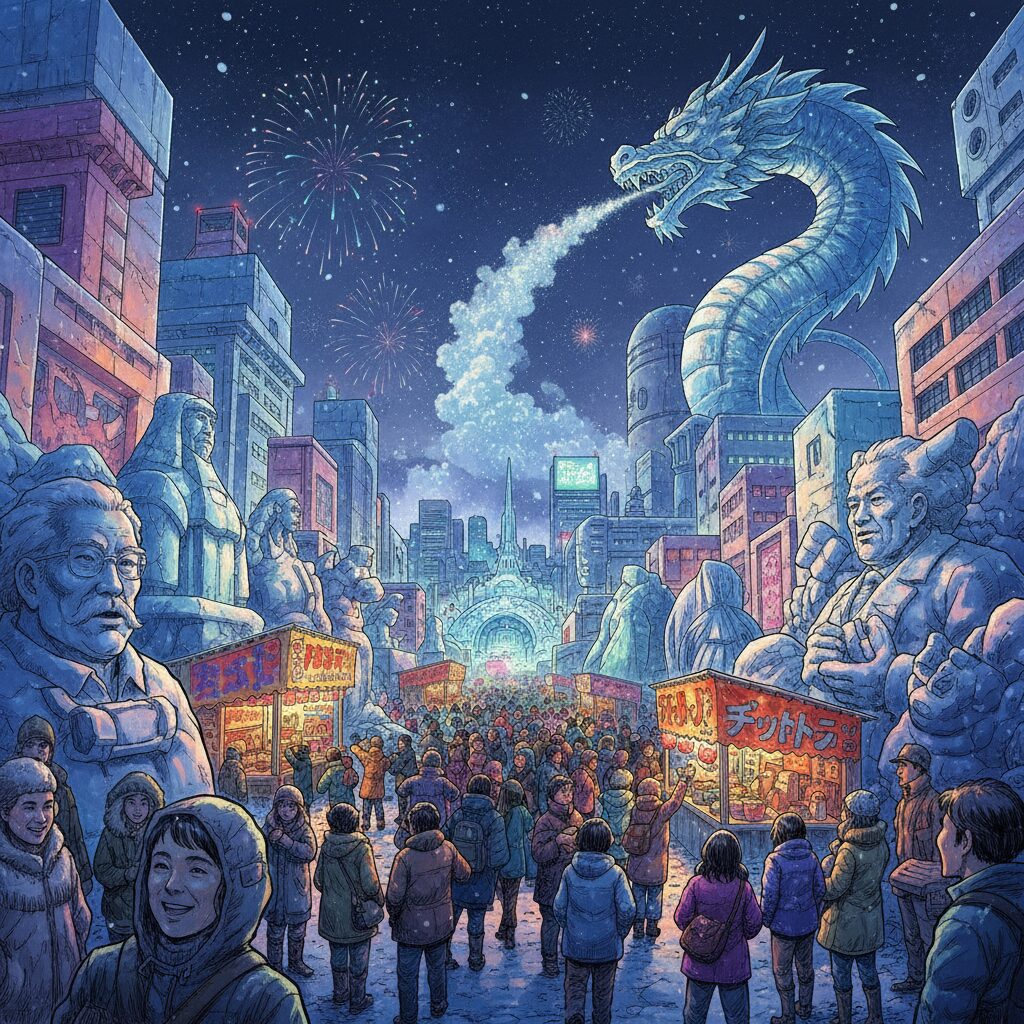
Alright, let’s clear one thing up. You can view countless images of the Sapporo Snow Festival, but absolutely nothing—nothing at all—prepares you for the enormous scale and vibrant atmosphere of experiencing it firsthand. The vibe? It’s flawless. Imagine this: you’re wrapped in your coziest clothes, snowflakes drifting softly around you, surrounded by towering, luminous structures crafted entirely from pure white snow. The air is sharp and cold, yet there’s a remarkable warmth radiating from the thousands of people around you, all sharing the same wonder. The energy is truly electric. It’s sensory overload in the best sense. You’ll hear a blend of J-pop blasting from event stages, excited chatter in a dozen different languages, the satisfying crunch of your boots on packed snow, and the occasional gasp as someone marvels at a sculpture for the first time. After dark, the entire scene shifts. The sculptures turn into canvases for stunning projection mapping shows, where dragons roar to life, castles crumble and rebuild, and anime characters spring into action, all perfectly synced to powerful soundtracks. The contrast of the intricately lit ice and snow art against the night sky and Sapporo’s city lights is simply breathtaking. It feels like entering another realm, one where winter isn’t something to endure but a season to celebrate with as much light, sound, and creativity as possible. It’s not just an outdoor museum; it’s a living, breathing winter festival that stretches over a kilometer, and you can’t help but be swept away by its magic.
The Three Arenas: Pick Your Player
The festival isn’t merely a giant snow pile; it’s thoughtfully divided into three unique locations, each showcasing a completely different style of winter entertainment. There’s the main stage, the ice art gallery, and the legendary snow playground. To fully experience Yuki Matsuri, you’ll want to explore all three, as each offers its own special charm. Consider it a mission with three epic levels to master.
Odori Site: The Main Event
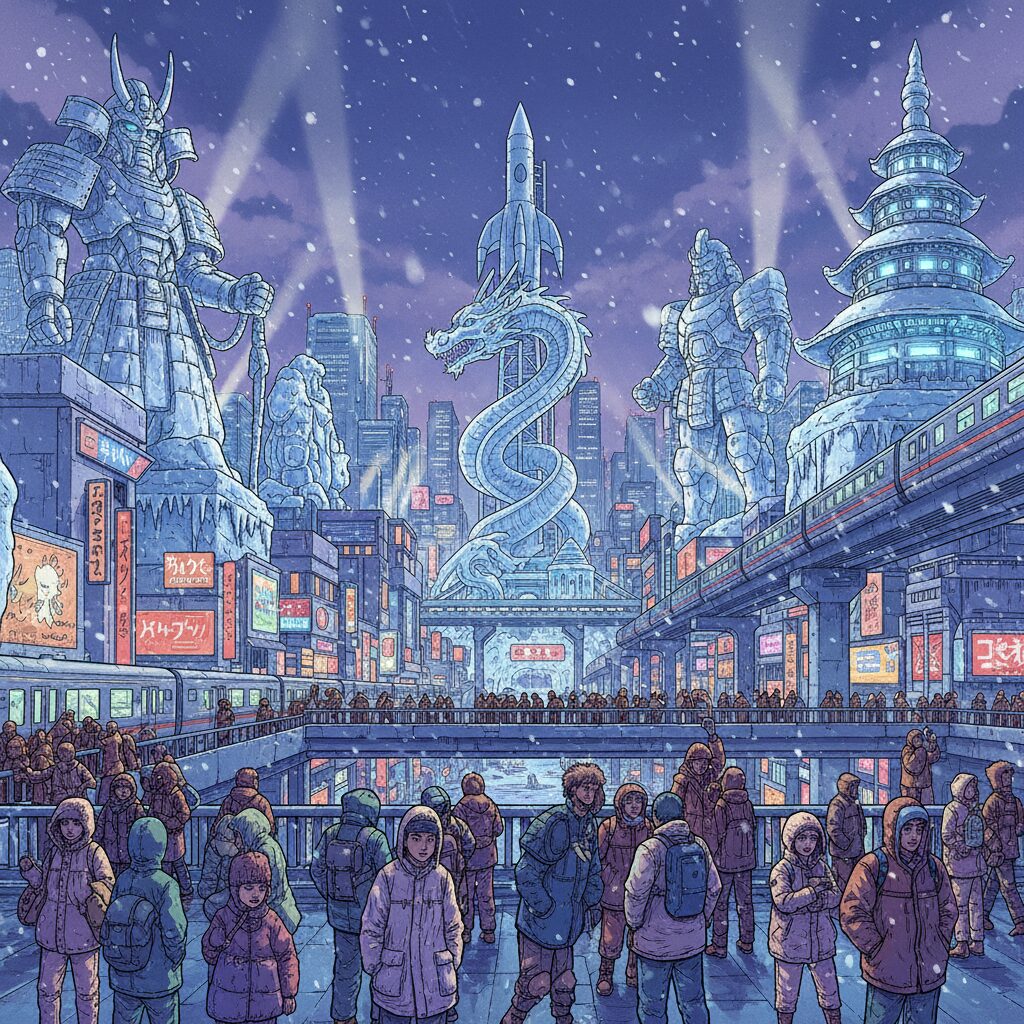
This is the core of the Sapporo Snow Festival, no doubt. Odori Park, a long, picturesque green strip cutting through the city center, serves as the main exhibition area for the festival’s grandest creations. We’re talking about the giants—the enormous snow sculptures that reach several stories high and stretch as wide as buildings. These are not just heaps of snow; they are architectural masterpieces. Themes change annually but often include remarkably accurate replicas of world-famous landmarks like the Arc de Triomphe or historic Japanese castles, as well as scenes from popular anime or video games. The level of detail is astounding. You could stand there for ages, marveling at every groove and line precisely carved. It’s amazing to realize these started as mere piles of snow. Much of the heavy lifting is done by the Japan Self-Defense Forces, who use heavy equipment to create massive snow blocks before carefully carving them over several weeks. During daylight, you can admire the raw craftsmanship under the bright winter sun. When night falls, Odori Park transforms. Projection mapping turns the sculptures into vivid, colorful spectacles. In addition to the giants, you’ll find the International Snow Sculpture Contest area, where global teams showcase their skill, and a section featuring community-made sculptures, adding a warm, inclusive vibe. Food stalls line the park, offering tasty Hokkaido delicacies as you stroll. Pro tip: for the best vantage point, head to the top of the Sapporo TV Tower at the eastern end of the park. The view of the illuminated festival from above is unforgettable.
Susukino Site: Ice, Ice Baby
Just a short walk or subway ride south of Odori Park lies Susukino, Sapporo’s main entertainment and nightlife hub. During the festival, its main street is transformed into Susukino Ice World. While Odori impresses with its grand snow art, Susukino captivates with delicate, crystal-clear ice sculptures. Here you’ll find over a hundred incredibly detailed ice carvings. The atmosphere is different—sleek and a bit more sophisticated. Neon lights from nearby bars and restaurants reflect off the sculptures, creating a dazzling, almost futuristic icy cityscape. The artists here are masters of their craft, carving everything from mythical creatures with perfectly defined scales to intricate marine life scenes where fish look frozen mid-swim. It’s pure enchantment. One standout attraction is the ice bar, where you can enjoy a drink served in a cup made from solid ice—how cool is that? There’s also the Fureai Hiroba, a spot where visitors can interact with sculptures, perhaps sit on an ice throne or pose with characters—an ideal photo opportunity. The best time to visit Susukino is at night when the sculptures are illuminated, bathing the area in a magical glow. It’s a fantastic place to explore before or after dining at one of the numerous nearby restaurants.
Tsudome Site: Winter Playground Mode
While Odori and Susukino focus on admiration, the Tsudome Site invites active participation. This is where you can let your inner child run free and truly play in the snow. Located a bit outside the city center and accessible by shuttle bus, this venue is the festival’s family-friendly action zone—a massive winter amusement park. The main draw is the giant snow slides, where you can grab a tube or sled and zoom down specially built snowy ramps, offering a real adrenaline rush. For those seeking more excitement, there’s snow rafting—being pulled behind a snowmobile on a big inflatable raft that’s fast and fun. For younger kids or anyone wanting a slower pace, there are areas for building snowmen and experiencing the local winter culture. Tsudome isn’t just outdoors; a large dome houses an expansive children’s play area, food courts serving hot ramen and other snacks, and plenty of spots to relax and warm up. This site often opens earlier than the others and is designed for a full-day visit. It’s less about art and more about pure, joyful winter play in a snowy wonderland.
From Humble Beginnings to Global Flex
The Sapporo Snow Festival has remarkably humble beginnings, which makes its current status as a global sensation even more impressive. It all began way back in 1950. According to the story, a group of local high school students built six snow statues in Odori Park simply for fun. It was a straightforward, genuine display of creativity. To their astonishment, over 50,000 people came to see the sculptures, and just like that, a tradition was born. For the first several years, it remained a local event, a bright spot during Hokkaido’s long, cold winter. The festival gained major international attention in 1972, when Sapporo hosted the Winter Olympics. Media from around the world flocked to the city and were captivated by these massive, stunning snow artworks. The secret was out. From then on, the festival’s reputation skyrocketed. A crucial factor in its growth and the impressive size of the main sculptures is the involvement of the Ground Self-Defense Force of Japan. They possess the manpower, expertise, and equipment necessary to transport and carve thousands of tons of snow for the giant sculptures at the Odori Site. The entire process is a huge logistical undertaking. Weeks in advance, they begin trucking in clean snow from outside the city and packing it into large wooden frames. Once the snow compresses and hardens, the frames are removed, and the true artistry starts. Teams of soldiers, supervised by sculptors, use everything from bulldozers and chainsaws for rough shaping to fine hand tools for detailed work. It stands as a testament to Japanese precision, teamwork, and community spirit. What started as a modest student project has grown into a world-class event showcasing incredible artistry and celebrating the grandeur of winter on a monumental scale.
Fueling Up: Hokkaido Eats are Everything
Let’s be honest, a festival is only as good as its food, and honestly, the food scene at the Sapporo Snow Festival is absolutely amazing. Hokkaido is basically Japan’s culinary paradise, famous for its fresh produce, fantastic dairy, and outstanding seafood. The festival is the perfect opportunity to sample it all. The Odori and Tsudome sites are filled with rows of yatai, or food stalls, releasing steam and mouthwatering aromas into the chilly air. Exploring the food options is an adventure in itself. First, you must try a bowl of Sapporo Miso Ramen, the city’s signature dish. It features a rich, savory miso-based broth, perfectly chewy wavy noodles, topped with sweet corn, a pat of butter, and tender pork slices. A hot bowl of this while surrounded by snow is an incredible comfort that warms you right to your core. Another must-have is Soup Curry, another Sapporo specialty—a light, spicy curry soup packed with fall-off-the-bone chicken and large chunks of roasted vegetables like broccoli, carrots, and potatoes. It’s an explosion of flavors. And you can’t visit Hokkaido without enjoying the seafood. Look for stalls grilling fresh scallops topped with butter and soy sauce, or skewers of juicy king crab legs. For a more substantial meal, check out a Jingisukan (Genghis Khan) restaurant near the festival, where you can grill thin lamb slices and vegetables on a dome-shaped skillet right at your table. It’s delicious and a fun, social dining experience. Don’t overlook the simpler snacks either, like hot baked potatoes with butter (jaga-bata) or grilled corn on the cob (yaki toumorokoshi), both made from incredibly sweet Hokkaido produce. To finish, grab a cup of hot amazake, a sweet, non-alcoholic fermented rice drink, or if you’re in the mood, some hot wine or a local Sapporo Classic beer. Eating your way through the festival is just as essential as admiring the sculptures.
Pro Tips for Your Winter Mission
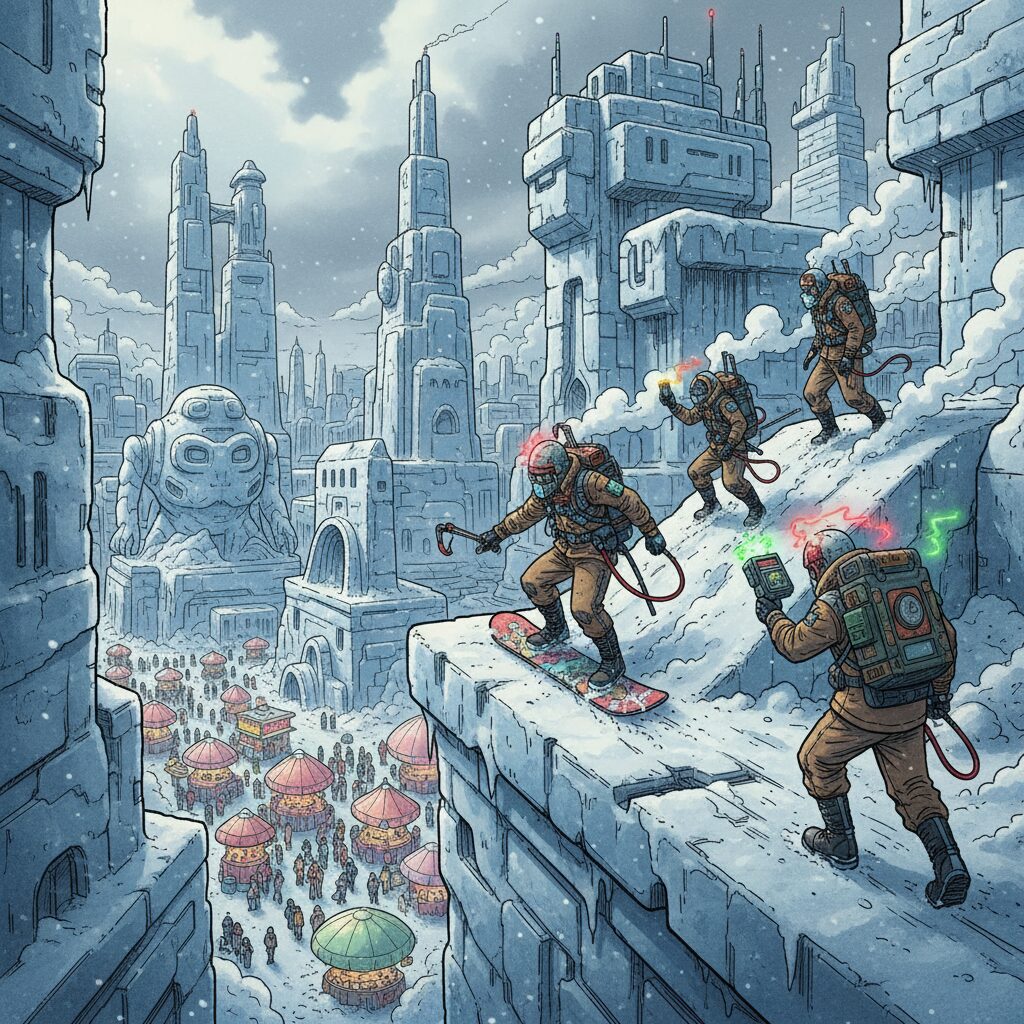
A little planning can make your Yuki Matsuri trip smooth and truly enjoyable. This festival is a huge event, and having insider tips will help you navigate it like a pro. Here are the essentials for your winter adventure.
Dress to Impress (the Cold)
This is non-negotiable. Sapporo in February is extremely cold, often dropping well below freezing, especially at night. Your comfort depends on how warm you stay. The secret is layering. Start with a thermal base layer (top and bottom). Add a fleece or lightweight down jacket as a mid-layer. The outer layer should be a waterproof and windproof jacket and pants—ski gear works perfectly. Most importantly, protect your feet. The ground will be covered in snow and ice, and sidewalks can be as slippery as skating rinks. Waterproof, insulated boots with great grip are a must. Seriously, invest in quality boots. You can also buy clip-on ice cleats (called suberi-dome in Japanese) at any convenience store or shoe store in Sapporo for just a few bucks—they’re a lifesaver. Don’t forget accessories: a warm hat covering your ears, good gloves (mittens are even warmer), a scarf or neck gaiter to shield your face from the wind, and maybe sunglasses to deal with the glare from the snow during the day. And here’s the ultimate Japanese winter hack: kairo, or disposable heat packs. Pop them in your pockets, gloves, and even your back to stay warm for hours.
Navigating the Crowds
The festival is incredibly popular, so expect crowds, especially on weekends and evenings. If your schedule allows, try visiting on a weekday morning or afternoon for a more relaxed atmosphere. To control crowd flow, Odori Park often has a one-way walking system—just follow the flow. The biggest challenge is accommodation. Hotels in Sapporo book up months, sometimes even a year, in advance during the festival period, and prices soar. Book your flights and hotel as early as possible. Seriously, as soon as you decide to go, book it. You’ll thank me later.
Getting Around Sapporo
Sapporo’s public transportation system makes it easy to travel between festival sites. The subway is your best option. Odori Site is right at Odori Station, and Susukino Site is at Susukino Station, just one stop away on the Namboku Line. You can also walk between the two sites through the underground pedestrian area, which is a great way to warm up. Tsudome Site is a bit farther out. Frequent shuttle buses run from Odori and other key locations directly to Tsudome. They are efficient and the easiest way to get there. Taxis are available but can be costly and get stuck in traffic. Stick with the subway and shuttle buses for the best experience.
Beyond the Festival
While the Snow Festival is the highlight, Sapporo and its surroundings have so much more to explore. Don’t leave without checking out a few spots. Visit the Sapporo Beer Museum to learn about one of Japan’s most famous brews (with tastings, of course!). For something sweet, visit Shiroi Koibito Park, a charming chocolate factory and theme park. Head to Nijo Market early for an incredibly fresh seafood breakfast. For breathtaking panoramic views of the snow-covered city, take the ropeway up Mount Moiwa at night. If you have an extra day, consider a day trip to the romantic canal town of Otaru, just a short train ride away. Or, for the ultimate winter relaxation, visit the nearby hot spring resort of Jozankei Onsen and soak in a steaming outdoor bath while snow falls around you. It’s the perfect way to recover after days of exploring in the cold.
The Magic is More Than Just Snow
When it’s all said and done, and the final night’s illuminations dim, the Sapporo Snow Festival leaves you with more than just striking photos. It leaves you with a feeling—a sensation of witnessing something truly epic, a grand collective effort of creativity and community that arises for just one week to defy the harshness of winter. There’s a beautiful, almost poetic impermanence to it all. These astonishing works of art, born from weeks of intense labor, are destined to melt away. They exist only briefly, and that fleeting nature is what makes them so special. Experiencing the Yuki Matsuri is about more than admiring sculptures; it’s about immersing yourself in the joy of the season. It’s the taste of hot ramen warming you from within, the sound of laughter as people slide down snow hills, and the shared gasp of a crowd as a projection mapping show brings a snow dragon to life. It’s a reminder that even in the coldest, darkest time of year, people can unite to create something full of light, warmth, and incredible magic. So if you’re seeking a winter trip on a whole new level, bet on Sapporo. Come see the wonderland built from ice and dreams. You won’t regret it.