Yo, let’s have a real talk about sushi. You might think you’ve had the good stuff. That boujee spot downtown? That trendy joint with the fusion rolls? Cute. But we’re about to level up in a way that’ll straight-up reset your tastebuds. We’re talking about a trip to the source, the mecca, the place where the seafood is so fresh it was probably swimming while you were brushing your teeth this morning. Welcome to Otaru, a port city in Hokkaido that’s serving up history, vibes, and some of the most fire seafood on the planet. Forget everything you know and get ready to dive in deep, because this ain’t just a meal; it’s a whole entire experience. Tucked away on the coast of Japan’s northernmost island, Otaru is a city with a serious glow-up story. It’s where old-school charm meets a culinary scene that’s, no cap, legendary. Picture this: cobblestone streets, romantic gas lamps flickering along a historic canal, beautifully preserved stone warehouses, and the crisp, salty scent of the Sea of Japan hanging in the air. This place is a vibe, a mood, a whole aesthetic waiting to fill your camera roll and your belly. It’s got that main character energy, and you’re about to be the star of this flavor-packed adventure. We’re going on a journey through bustling markets, down streets dedicated to the art of sushi, and along the waterfront that has defined this city for over a century. So, lace up your most comfortable kicks, bring an appetite that’s ready for a challenge, and let’s get this bread. This is your ultimate guide to feasting your way through Otaru, the city where every bite tells a story.
If you’re looking for more epic Hokkaido adventures after feasting in Otaru, you should definitely check out our guide to Hokkaido’s incredible Daisetsuzan Grand Traverse.
The Vibe Check: What’s the Deal with Otaru?

Before we even discuss the food, you need to grasp the setting where this culinary story unfolds. Otaru isn’t just any coastal town. It’s a city rich in history and drama that you can literally sense as you wander its streets. It has depth, a backstory that makes every corner and old building feel meaningful. Getting that vibe is essential because in Otaru, the atmosphere is the secret ingredient that elevates every dish. It’s the context, the seasoning, the very reason why a simple bowl of rice topped with seafood feels like the most luxurious meal you’ve ever had. So, let’s unpack the essence of this place and its unique character before diving into the food.
A Historic Port Town’s Modern Reinvention
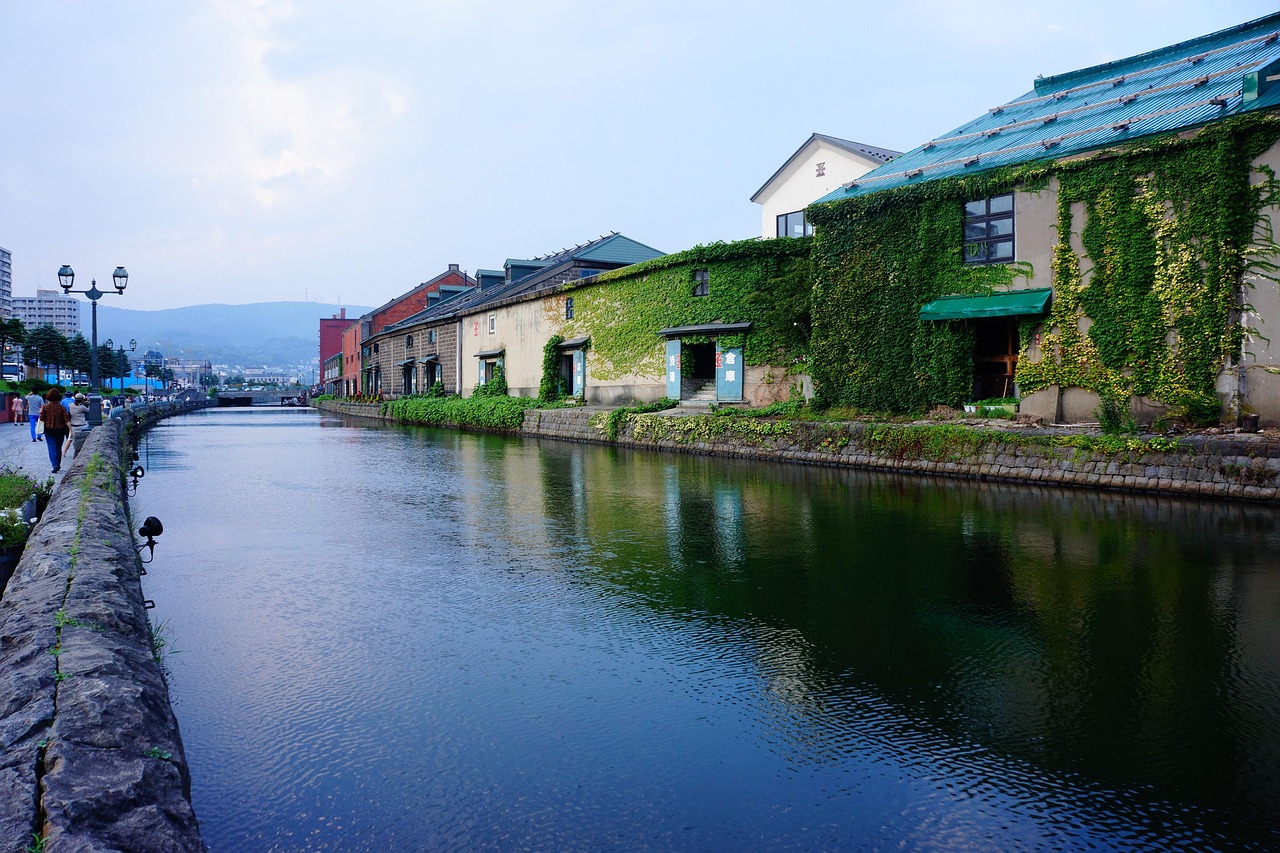
Back in the late 19th to early 20th century, Otaru was the undeniable hub of Hokkaido. This wasn’t some quiet fishing village; it was a booming city—the financial and commercial core of the island. It earned the nickname “Wall Street of the North.” Why? Because of herring. Massive schools of herring swarmed the waters, and the city built its wealth on fishing. The iconic Otaru Canal and the stone warehouses lining its banks weren’t just there for looks—they powered the city’s industry. Large ships anchored offshore, and smaller barges called hashike transported goods through the canal to the warehouses. It was a bustling, gritty, and vital waterway.
But as herring numbers dwindled, Otaru’s economic spotlight dimmed. The city could have faded into obscurity, but instead, it made a remarkable pivot. It embraced its history. Those sturdy, imposing warehouses were revitalized. Today, instead of storing fish and grain, they host craft breweries, artisanal glass shops, cozy cafes, and, of course, some exceptional seafood restaurants. The city preserved its past while reshaping it for today. Walking here feels like stepping into a time capsule with an awesome soundtrack. You see the old, rugged bones of the city everywhere, but now they wear a fresh, creative, and delicious new face. This fusion of grit and elegance, industry and art, gives Otaru a soul all its own. It’s a city that honors its roots while offering something new, and that vibe is something everyone can appreciate.
That Canal Life: More Than Just a Scenic Spot
The Otaru Canal is undoubtedly the city’s crown jewel. It’s the postcard image that probably drew you here. But trust me, it’s even more captivating in person. By day, it’s a scene of serene beauty. The water perfectly mirrors the sky and the stoic warehouses, creating endless photo opportunities. You’ll see local artists setting up easels to capture the light, and couples strolling hand in hand along the promenade. You can take a short canal cruise, a low-key way to hear the history from a guide while relaxing and taking in the views. The whole daytime vibe is calm, easygoing, and stunningly picturesque.
But as the sun sets, Otaru reveals a whole new kind of magic. That’s when the 63 Victorian-style gas lamps lining the promenade flicker on. Their warm, golden light illuminates the cobblestone path and dances on the water’s surface. The scene morphs into something out of a romance movie. It’s deeply atmospheric, quiet, and a bit mystical. It’s the kind of beauty that makes you put your phone away and simply be present. If you visit in February, you’re in for an extra special experience. The Otaru Snow Light Path Festival transforms the city, especially the canal, into a stunning winter wonderland. Thousands of candles glow inside handmade snow and ice lanterns, lining the frozen canal and city streets. The blend of soft candlelight, pristine white snow, and historic architecture is nothing short of breathtaking. It’s a memory waiting to happen. Whether basking in summer sunshine or under a winter snow blanket, the canal is Otaru’s beating heart, setting the mood for everything.
The Main Event: Feasting on Hokkaido’s Finest
Alright, let’s get down to business—the real reason we’re here: the food. Otaru isn’t just a place to eat seafood in Japan; it’s one of the places. The city’s reputation is built on the incredible quality of the marine bounty harvested from the surrounding waters. People make pilgrimages here just to eat. This isn’t an exaggeration; it’s a fact. The fish is fresher, the flavors are cleaner, and the textures more sublime than almost anywhere else. Preparing for a meal in Otaru is like gearing up for a championship game. You need to arrive hungry, be focused, and be ready for your mind to be blown. This is the big league of seafood, and you’ve got a front-row seat.
Why Otaru’s Seafood Stands Out
So what’s the secret? Why is the seafood here on another level? It all comes down to geography, fam. Otaru lies on the coast of the Sea of Japan, where cold ocean currents act as a superhighway for marine life. These chilly, nutrient-rich waters create the perfect environment for seafood to develop remarkable flavor and texture. The cold water means fish and shellfish grow more slowly, resulting in a higher fat content that delivers that rich, melt-in-your-mouth quality. This is especially true for local stars like uni (sea urchin), hotate (scallops), and botan ebi (spot prawns). Freshness here reaches another dimension. The fishing ports are mere steps from the markets and restaurants, so the time from sea to plate is astonishingly short. No long-distance shipping, no freezing, no gimmicks. Just pure, unfiltered ocean flavor.
Let’s talk about the headliners. The uni in Otaru is legendary. Forget any slightly bitter or funky sea urchin you’ve tried before. Here, it’s a glowing, golden-orange cloud of pure sweetness and creaminess, with just a hint of briny ocean breeze. It’s so delicate it melts on your tongue. Then there’s ikura (salmon roe). These aren’t just salty little spheres; they are large, gleaming jewels that burst in your mouth with a spectacular pop, releasing waves of savory, umami richness. The hotate are incredibly sweet and tender, perfect eaten raw, with a texture as smooth as silk. And the crab, oh the crab. Whether it’s the spiky kegani (horsehair crab) with its dense, sweet meat or the massive legs of the tarabagani (king crab), it’s an indulgence you won’t soon forget. This isn’t just eating; it’s tasting the very essence of Hokkaido’s pristine seas.
Elevate Your Sushi Experience on Otaru’s Sushi Street
With access to such top-tier ingredients, it’s no wonder Otaru is a sushi haven. The city takes sushi so seriously that there’s an entire street devoted to it: Sushi-ya Dori, or Sushi Shop Street. Walking down this street feels like entering a culinary sanctuary. You’ll find dozens of restaurants—from modest, family-run spots with just a few counter seats to more upscale establishments—all sharing one goal: to serve you the best sushi of your life. The air is filled with the faint, clean scent of vinegared rice and the sea. Chefs, true artisans, move with focused grace behind their counters, their knives flashing as they prepare each piece with precision.
The abundance of choices can be overwhelming, but that’s part of the thrill. You can find a place that suits your style and budget. There are high-end restaurants offering an omakase experience, which means you trust the chef to curate your meal. This is the ultimate leap of faith, as the chef guides you on a journey, presenting the best catch of the day piece by piece. It’s a performance, a conversation, and an unforgettable meal. Then, there are more casual, à la carte spots where you pick what appeals to you or order your favorites. Some are famous for their generous neta (the sushi topping) that nearly blankets the rice, while others are celebrated for the perfect balance and subtlety of their creations. Wherever you go, you’re in for a treat.
Must-Visit Sushi Spots
While naming a single ‘best’ sushi restaurant in Otaru is impossible and frankly a disservice to the city’s wealth of talent, you can look for certain types. First, there’s the ‘Old-School Master’ spot. Likely around for decades, run by a stoic chef who has devoted his life to mastery. The decor is simple, the focus entirely on the sushi, and the quality undeniable. This is the place for a traditional, no-frills experience that honors the ingredients. Next, there’s the ‘Modern Innovator’ restaurant. This spot might experiment with presentation, incorporate unique local ingredients, and have a contemporary vibe. Quality remains top-notch, but they aren’t shy about putting a fresh spin on things. Finally, you have the ‘Bustling and Beloved’ local joint—loud, lively, and always packed with regulars. Here, you get great value and an energetic atmosphere—it’s less about reverence and more about joyfully devouring fantastic sushi.
A quick tip for newcomers: at a proper sushi counter, etiquette is simple. The chef will usually place the sushi directly in front of you. Eat it immediately for the perfect temperature and texture. If you use soy sauce, lightly dip only the fish side—never the rice side. Drowning the rice is a major faux pas because it causes the sushi to fall apart and overwhelms the delicate fish flavor. And if you’re doing omakase, just sit back, relax, and trust the master. They know exactly what they’re doing.
The Ultimate Seafood Adventure: Sankaku Market
For an even closer connection to the source, you absolutely must check out Sankaku Market (Sankaku Ichiba). Located right beside JR Otaru Station, this covered market is a bustling alleyway packed with seafood delights. The name ‘Sankaku’ means triangle, referring to the shape of the land it’s built on. The moment you step inside, your senses are hit with the vibrant sights, sounds, and smells of a living market. Vendors shout greetings, the bubbling water from live fish tanks fills the air, and the scent is a clean, briny ocean perfume. It’s an electric atmosphere.
Here, you’ll witness the full glory of Hokkaido’s seafood on display. Tanks crawl with live crabs, giant scallops, and wriggling shrimp. Stall fronts are piled with gleaming fillets of salmon, tuna, and countless other fish. Trays of perfectly arranged uni, shimmering ikura, and various local delicacies abound. It’s a feast for the eyes before you even taste a thing.
The best part of Sankaku Market is the interactive dining experience. Many seafood stalls partner with small restaurants inside the market. This means you can stroll through, pick whatever looks irresistible—a giant king crab leg, a few fresh oysters, a tray of premium uni—and then take it to one of these eateries. For a small fee, they’ll prepare it on the spot. The most popular move is creating your own custom kaisendon, or seafood rice bowl. You buy your toppings from vendors, then hand them over to be beautifully assembled on a bowl of perfectly cooked rice. It doesn’t get any fresher or more personal than that. It’s the ultimate seafood flex, a truly quintessential Otaru experience.
Beyond the Bites: Exploring Otaru’s Creative Soul

While it’s tempting to spend your entire trip eating—and honestly, no one would blame you—Otaru offers so much more to discover. This city has a profound appreciation for craftsmanship and artistry. After satisfying your appetite, it’s time to indulge your senses visually and aurally. The same historic streets that lead you to amazing restaurants also host a vibrant creative scene, featuring world-renowned glassworks and enchanting music box shops. This is the ideal place to stroll off that hefty seafood meal and uncover the delicate, artistic soul of the city.
Sakaimachi Street: Where Charm is the Main Currency
If the canal serves as the city’s tranquil centerpiece, Sakaimachi Street is its lively, bustling lifeline. This beautifully preserved merchant street is a long, winding haven for shopping, snacking, and sightseeing. The buildings themselves are major attractions—grand, Western-style stone and brick structures that once housed offices and shops for the city’s affluent traders. Today, they accommodate a diverse mix of businesses that embody Otaru’s creative spirit.
A must-visit spot on this street is Kitaichi Glass. Otaru is renowned for its glassblowing, a craft that began with producing glass buoys for the fishing industry. Kitaichi Glass is one of the oldest and most celebrated glassmakers in the city, with several shops and galleries along the street. You can explore showrooms filled with shimmering, delicate glassware, ranging from elegant sake cups to intricate chandeliers. The most enchanting place is Kitaichi Hall, a spacious café and tearoom located in an old warehouse. The hall is illuminated exclusively by 167 custom-made petroleum lamps, casting a warm, flickering glow that creates a romantic, otherworldly atmosphere far removed from modern life. It’s truly illuminated, in the most literal sense.
Further along, you’ll be drawn by the whimsical sound leading to the Otaru Music Box Museum (Otaru Orgel Doh). Housed in a stunning 1912 brick building, it is the largest music box museum in Japan. Outside stands a steam clock, a gift from Vancouver, which whistles a charming tune every 15 minutes. Inside, you enter a world of pure enchantment. The three-story building contains over 25,000 music boxes of every conceivable shape, size, and design—from tiny, intricate jewelry boxes to huge, antique orchestrions. The sound of thousands of tinkling melodies playing together is surprisingly harmonious, not chaotic. For food lovers, Sakaimachi Street is also a dessert paradise. You’ll find flagship stores of some of Hokkaido’s most famous confectioneries. LeTAO is a must-try, famous for its Double Fromage cheesecake—a light, creamy, melt-in-your-mouth delicacy. Rokkatei and Kitakaro are other iconic brands offering delicious cookies, cream puffs, and soft-serve ice cream. It’s the perfect way to end a seafood feast.
The Practical Sitch: Getting There and Getting Around
Alright, so you’re convinced. You’re ready to book your ticket and dive straight into Otaru’s world of flavor and charm. Let’s get down to the logistics. The good news is that getting to and around Otaru is very simple, even for first-time visitors to Japan. The city is well-connected and compact, making it an easy and stress-free place to explore.
Getting to Otaru
Most travelers will arrive in Otaru from Sapporo, Hokkaido’s capital and largest city. The trip is incredibly easy. Just head to JR Sapporo Station and catch the JR Hakodate Main Line. There are frequent rapid and local trains throughout the day, with the journey taking about 30-45 minutes. Tip: try to get a seat on the right side of the train when heading to Otaru. For much of the ride, the track runs along the coast of Ishikari Bay, offering stunning ocean views—a lovely preview of the seaside adventure ahead.
If you’re flying into Hokkaido, you’ll most likely arrive at New Chitose Airport (CTS). From there, you can take a rapid train directly to Sapporo Station (about 40 minutes) and then transfer easily to the line bound for Otaru. There are also direct rapid trains from the airport to Otaru, taking roughly 75 minutes, so be sure to check the schedule to see if you can catch one.
Once in Otaru, you’ll find the city very walkable. The main attractions—the canal area, Sushi-ya Dori, Sakaimachi Street, and Sankaku Market (right next to the station)—are all within a comfortable walking distance. Exploring on foot is truly the best way to uncover the city’s hidden charms. If your feet get tired, you can hop on the Otaru Stroller’s Bus, a tourist loop bus that covers all the major sights.
When to Visit: A Seasonal Vibe Guide
Otaru is a destination for every season, each offering a distinct and equally wonderful vibe. Your choice of when to go depends largely on what you want to experience.
Summer (June to August) is peak season. The weather is beautiful—mild, sunny, and not too humid—a refreshing break from the intense heat found elsewhere in Japan. The city is lively, canal cruises are in full operation, and shops and restaurants welcome visitors with open doors. It’s an ideal time for relaxed strolls and outdoor snacking.
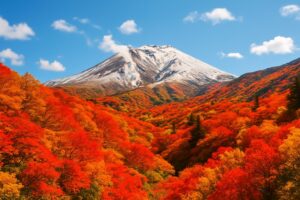
Autumn (September to November) is a photographer’s paradise. The crowds thin out, the air becomes crisp and cool, and the nearby hillsides explode into vibrant reds, oranges, and yellows. It’s a beautiful, romantic period to visit and also coincides with the best season for delicious seafood like salmon and ikura.
Winter (December to February) turns Otaru into a magical snow globe. The city is covered in thick, powdery snow, creating a serene and breathtaking landscape. Yes, it’s cold, so dressing warmly is essential, but the experience is well worth it. The renowned Otaru Snow Light Path Festival in February is a world-class event that makes braving the cold worthwhile. Plus, a hot bowl of seafood soup or a warm cup of sake tastes even better when it’s snowing outside.
Spring (March to May) signals the city’s gradual awakening from winter. As the snow melts away, the city reemerges, and by late April or early May, the cherry blossoms bloom (a bit later than on Honshu). It’s a quieter, more peaceful time to visit—perfect for those wanting to avoid crowds and enjoy the city at a slower pace.
First-Timer’s Field Guide: How to Slay Your Otaru Trip
Ready to explore Otaru like a pro? Here are a few final tips and local etiquette pointers to make your trip smooth, respectful, and truly unforgettable. A bit of preparation can go a long way in helping you feel confident and ready to immerse yourself in the local culture.
Local Etiquette and Pro Tips
First, let’s talk about money. Although Japan is becoming increasingly card-friendly, the ‘cash is king’ mindset still applies in many places, especially at smaller family-run restaurants, market stalls, and food vendors. It’s wise to carry a good amount of Japanese yen to avoid any awkward moments. You’ll be grateful when buying a grilled scallop from a street vendor.
Next, your feet will be your best allies in Otaru, so take good care of them. Expect lots of walking, often on uneven cobblestone streets. Skip the stylish but uncomfortable shoes and choose your comfiest sneakers or walking shoes instead. Your feet will thank you.
Don’t let a language barrier worry you. Otaru warmly welcomes international visitors. Most major restaurants and shops offer English menus or have staff who speak some English. Even if they don’t, a smile, polite gestures, and a few key Japanese phrases will go a long way. Phrases like ‘Arigato gozaimasu’ (thank you very much), ‘Sumimasen’ (excuse me/sorry), and ‘Oishii’ (delicious!) will be especially appreciated by locals.
Finally, and perhaps most importantly: don’t rush. Otaru’s charm isn’t about checking off tourist spots. It lies in the moments in between—wandering down a quiet side street to find a hidden cafe, watching a glassblower at work, or sitting by the canal at dusk watching the gas lamps flicker on. Let yourself get a little lost and follow the city’s vibe. This is a place to be savored, not conquered.
Otaru is more than just a quick day trip from Sapporo. It’s a destination that deserves your time and appetite. It’s a city that engages all your senses—the sight of the stunning canal, the sound of charming music boxes, the feel of the cool sea breeze, and, of course, the taste of some of the freshest, most incredible seafood you’ll ever enjoy. It’s a place where history is alive, craftsmanship is celebrated, and a single piece of sushi can feel like a life-changing experience. This trip will fill your camera roll, your stomach, and your soul. So go ahead, book that ticket. An unforgettable feast for the senses awaits. Bet.