Yo, what’s the move, world-class travelers and thrill-seekers! Yuki Sato here, your go-to guide for all things Japan, dropping in to spill the tea on a spot that’s so far off the beaten path, it’s practically in another dimension of cool. We’re talking about a place that’s got grit, soul, and a history so deep it’ll shake you to your core. Forget the polished perfection of Kyoto’s temples for a sec. Ditch the neon chaos of Tokyo’s scramble crossing. Today, we’re diving headfirst into the raw, industrial heart of Hokkaido. We’re heading to Mikasa City to explore the legendary Horonai Coal Mine and ride its iconic, straight-out-of-a-movie mine cart. This ain’t your average tourist attraction; this is a full-blown time machine. Horonai was once the titan of Hokkaido’s coal industry, a place that powered Japan’s modernization, a community built on sweat, solidarity, and black diamonds. Now, it’s a sprawling, beautiful ruin, a ghost of its former self that whispers stories to anyone who’ll listen. It’s a place that hits different, a vibe that’s both melancholic and massively inspiring. You get to ride the very same rails that thousands of miners once did, plunging into the darkness to forge a new future for the nation. This experience is the real deal—no cap. It’s about feeling the rumble of history beneath your feet and seeing the skeletal remains of an industrial empire reclaimed by nature. So, if you’re ready to trade the hype for some heavy-duty heritage and get a taste of a Japan you never knew existed, you’re in the right place. Let’s get this adventure rolling. This is the ultimate guide to conquering the Horonai Coal Mine, a true gem buried in the heart of Hokkaido.
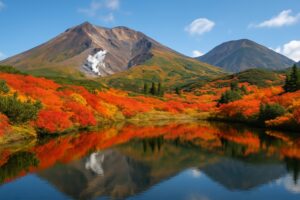
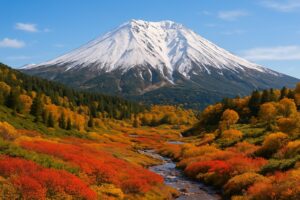
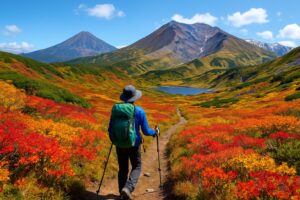
After exploring this industrial time capsule, consider continuing your Hokkaido adventure by witnessing the breathtaking first autumn colors at Daisetsuzan National Park.
The Vibe Check: Stepping into an Industrial Wonderland
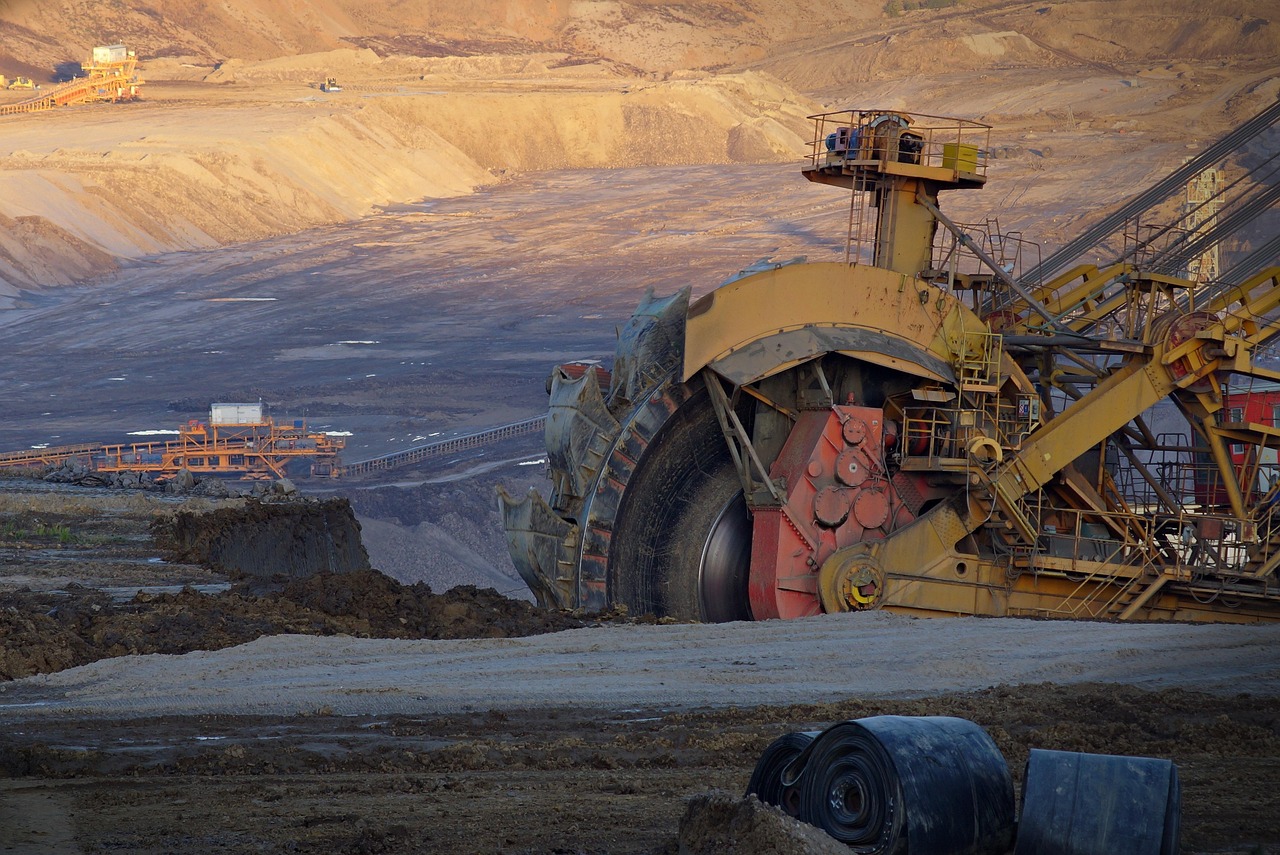
The moment you step into the Horonai Coal Mine Landscape Park, the atmosphere changes. It feels as if the air itself is saturated with memories. The scale of the site is truly staggering. This isn’t just a couple of buildings; it’s an extensive complex of industrial skeletons emerging from Hokkaido’s verdant landscape. Dominating the skyline is the enormous hoist tower, a steel and rust sentinel that once lowered miners and machines into the earth’s depths. Standing beneath it, you can’t help but feel small. The silence is deep, interrupted only by the wind whistling through shattered window grids and the distant caw of a crow. It’s a photographer’s paradise, a harmony of decay and endurance. Every surface tells its tale. You’ll notice concrete walls stained by decades of rain, colossal gears frozen in place, and railway tracks that bend into overgrown thickets, leading nowhere. This is the essence of ‘mono no aware’—the tender sorrow of impermanence—but with an industrial, almost brutalist twist. It’s post-apocalyptic chic, yet completely authentic. You’re treading on the same ground where thousands of workers clocked in and out, where a whole town once hummed with life. You can nearly hear the ghostly echoes: the roar of machinery, the sharp whistle signaling shift changes, the chatter of miners heading home. The mood is heavy, certainly, but not merely melancholic. There’s a strong sense of pride here, a tribute to the immense human effort it took to build and operate this place. Nature is slowly reclaiming the site, with vines crawling up concrete pillars and wildflowers sprouting through cracks in the asphalt. This contrast between the harsh, man-made structures and the soft, persistent greenery makes Horonai both visually and emotionally striking. It’s a potent reminder that even the greatest empires ultimately return to the earth. It’s a place for reflection, a space to wander and truly feel the weight of history. This location demands your respect and offers an experience that’s genuinely unforgettable. You won’t find this kind of raw, unfiltered history in a conventional museum. Here, the entire landscape serves as the exhibit.
The Main Event: That Vintage Mine Cart Drip
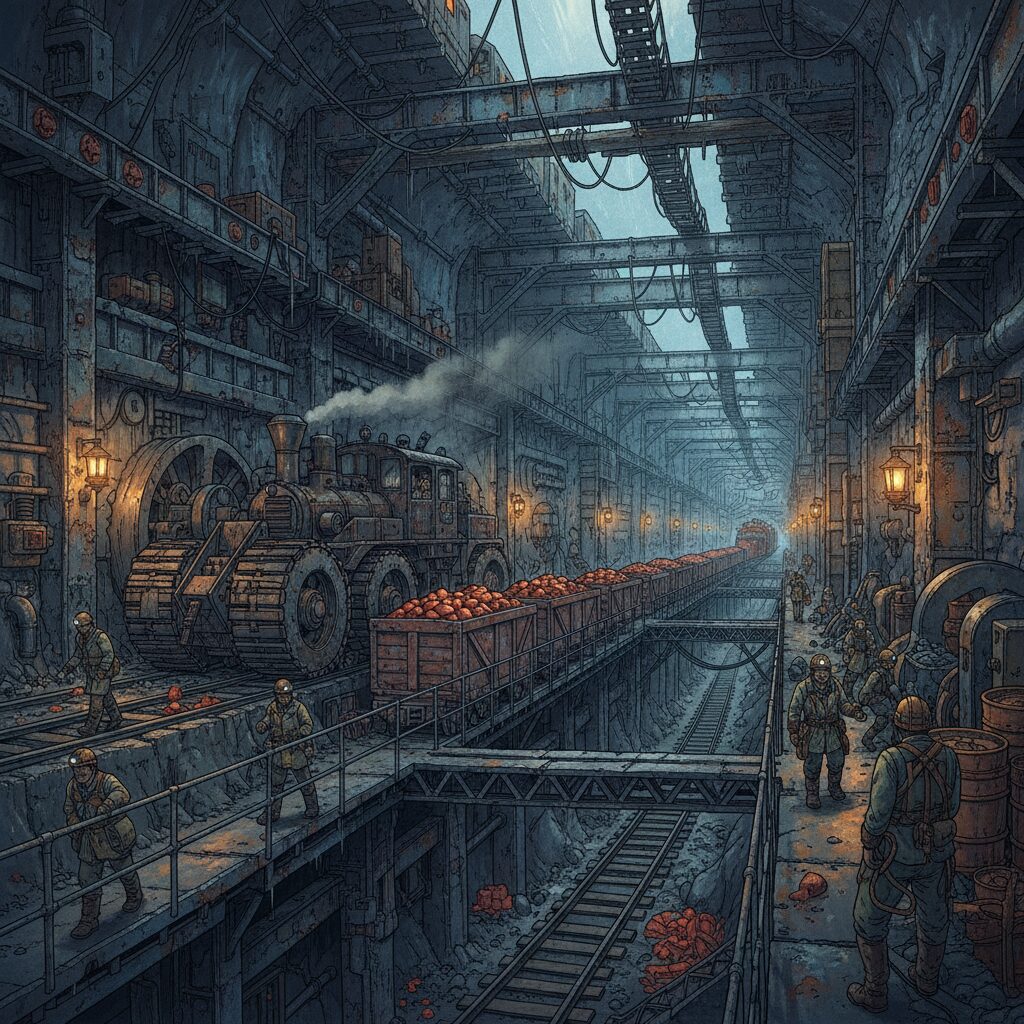
Alright, let’s dive into the main event, the reason we’re all here: the vintage mine cart ride. Honestly, this is one of the coolest and most genuine experiences you can have in Hokkaido. Don’t expect a high-speed theme park thrill; this is something far more special. You’ll board a small, open-air train, affectionately called a ‘jinsha’ or ‘human car,’ pulled by a sturdy little electric locomotive. These are authentic carts, refurbished but brimming with original character. The moment you settle onto the simple wooden benches, you feel a real connection to the past. The journey itself is a slow, rhythmic rumble along a two-kilometer track winding through the heart of the old mining complex. The ride isn’t about speed; it’s about immersion. As the cart clatters along, you’re treated to panoramic views of industrial ruins. You’ll pass the massive coal sorting plant, a skeletal giant where mountains of rock were separated from the precious “black diamonds.” You’ll glide past the ghostly remains of workshops and administrative buildings. The guides, often passionate locals or former mine workers, offer commentary that breathes life into the silent structures. They’re the real experts, sharing insights and personal stories you won’t find online. They point out details you’d otherwise miss and tell tales of camaraderie and the dangers that defined a miner’s daily life. The trip’s highlight comes when the cart plunges into the darkness of a restored tunnel. The temperature drops instantly, and the air grows cool, carrying the scent of damp earth and rock. The only light comes from dim bulbs on the tunnel walls, casting long, dancing shadows. In that moment, you gain a small yet humbling glimpse of what miners faced, descending into the abyss day after day. It’s a powerful, sensory experience that stays with you. The cart’s rumble, the echo of the guide’s voice, the cool air on your skin—it all combines to transport you back in time. This isn’t just sightseeing; it’s a moving tribute. The ride offers a unique perspective on the scale and complexity of the operation. You’re not merely looking at ruins; you’re moving through them, experiencing them firsthand. When the cart emerges into sunlight again, the world feels a little brighter, a little more vivid. You leave with a new appreciation for those who dedicated their lives to this demanding profession. No joke, the mine cart ride at Horonai is a must-do. It’s the heart and soul of the entire experience.
A Deeper Dive: The Epic Saga of Hokkaido’s Black Diamonds
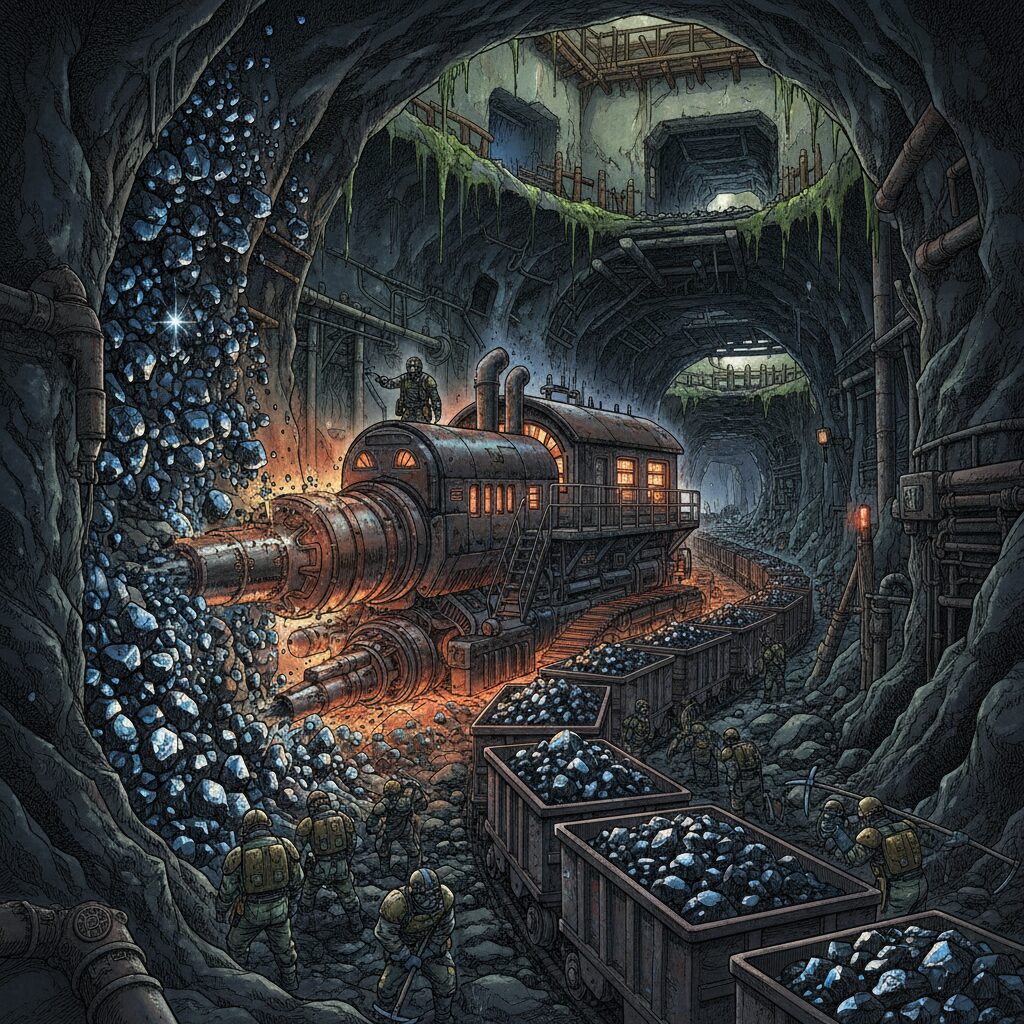
To truly experience Horonai, you need to understand its backstory. The history of coal mining in Hokkaido essentially tells the origin story of modern Japan—a tale of ambition, innovation, hardship, and profound change. During the Meiji Era (late 19th century), Japan was striving to catch up with the Western world. The government’s motto was ‘Fukoku Kyohei’—Enrich the Country, Strengthen the Military—and achieving this required power. The solution was hidden beneath Hokkaido’s mountains: vast seams of high-quality coal. The Horonai mine, discovered in 1868 and officially opened in 1879 with help from American engineers, was among the very first and most significant. It was a national project, symbolizing Japan’s industrial aspirations. This wasn’t merely excavation; it involved creating an entire infrastructure from the ground up in a wild frontier. Hokkaido’s first railway line, the Horonai Railway, was constructed specifically to transport coal from the mine to the port of Otaru. This railway became the vital artery fueling the island’s development. Entire towns, known as ‘tanko-machi,’ emerged around the mines. These were more than clusters of houses; they were complex, self-sufficient communities with schools, hospitals, shops, and theaters. They developed a unique culture and a strong solidarity, forged through dangerous labor. The miners were a diverse group, including people from across Japan seeking better lives, and during the war, forced laborers from other parts of Asia—a darker chapter that must also be recognized. For decades, coal reigned supreme, powering Imperial Navy ships, fueling Osaka’s factories, and heating Tokyo’s homes. Horonai and other Sorachi mines were the engine behind Japan’s economic miracle. But then, the world shifted. In the 1960s, energy sources moved from coal to cheaper imported oil, marking the ‘energy revolution.’ For coal towns, this was devastating. Mines gradually closed over many years. Horonai, the pioneer and giant, shut its doors in 1989, ending an era. The closure left behind not just abandoned machinery but fractured communities and a generation whose entire way of life vanished. Today, this heritage, called ‘Tanko-isan,’ is being reappraised. People recognize these ruins not only as scars on the land but as essential monuments to modern Japan’s story. They reflect the human cost of progress and the resilience of the communities built around this industry. Visiting Horonai means connecting with this powerful and complex legacy.
Beyond the Cart: Unlocking the Secrets of the Sorachi Region
While the mine cart ride is the highlight, the Horonai experience extends far beyond that. The whole area functions as an open-air museum, so be sure to set aside time to explore on foot. Get a close-up look at the Horonai Shaft Hoist Tower, a steel colossus and a true masterpiece of industrial architecture. You can approach its base and simply admire the engineering feat. Nearby stands the vast coal sorting plant, a concrete maze that looks like it belongs in a dystopian sci-fi movie. Peering through the fences, you can almost hear the roaring sound of coal and rock tumbling down its chutes. It’s an incredible spot for photos, guaranteed to add serious industrial-chic flair to your Instagram feed. But there’s more—right next to the mine site is the Mikasa City Museum, which you absolutely must visit. This place is genuinely impressive. It features outstanding exhibits on the coal mining industry, including dioramas, tools, and historical photos that deepen your appreciation of the area. The museum also has a fascinating surprise: it’s one of Japan’s premier fossil museums. Why? Because the geological layers containing the coal are also filled with prehistoric fossils. This includes world-class ammonite specimens, some extraordinarily large, and even the skeleton of a Mosasaur, a giant sea lizard that once inhabited the ancient ocean covering this region. It’s a staggering combination—the story of industrial mankind alongside the profound natural history of the planet, all housed in one location. It really offers a unique perspective. Beyond Mikasa, you find yourself in the heart of the Sorachi region, the former coal belt of Hokkaido. If you have a car, this is your opportunity to embark on a ‘Tanko-isan’ pilgrimage. You can explore the ruins of other mines, such as the one at nearby Ikushunbetsu, or admire the distinctive cone-shaped slag heaps called ‘zuri-yama’ that pepper the landscape. For a change of pace, the Sorachi region is also earning a reputation for its growing wine scene. Visiting local wineries for a tasting is an excellent way to unwind after a day immersed in heavy industry. As for food, keep it simple and local. The area is known for its agriculture—seek out small diners or ‘shokudo’ and enjoy something hearty. And if you’re traveling during autumn, the fall colors in the mountains around Mikasa are absolutely breathtaking, offering a fiery contrast to the cool tones of the industrial ruins.
The Lowdown: Your Game Plan for a Flawless Horonai Mission
Alright, let’s get straight to the point. Planning a trip to Horonai takes a bit of planning since it’s truly off the beaten path for tourists. But trust me, the payoff is well worth the effort. First, let’s talk access. The easiest way to reach Horonai is definitely by car. Renting a vehicle in Sapporo or at New Chitose Airport gives you the flexibility to explore at your leisure and easily visit the mine, museum, and other spots around the Sorachi area. The drive from Sapporo is about an hour and quite straightforward. If you’re relying on public transit, it’s a bit more of an adventure, but definitely possible. You’ll start with a JR train from Sapporo to Iwamizawa Station, a key regional hub. From there, catch a local bus bound for Mikasa. Make sure to check the bus timetable ahead of time, as the service isn’t very frequent. When boarding, tell the driver you want to get off at ‘Hakubutsukan’ (the museum), and they’ll point you in the right direction. Now, here’s some crucial info: timing matters. The Horonai Coal Mine Landscape Park and especially the mine cart ride operate seasonally, generally from late April through early November. It’s completely closed during the heavy snow months of winter. Also, the mine cart usually runs only on weekends and national holidays. Be sure to check the official Mikasa City Museum or tourism website for the latest schedule before your visit. You definitely don’t want to make the trip only to find the main attraction isn’t operating. As for packing, think practical. Wear comfortable, sturdy shoes since there’s a lot of walking on uneven terrain. Even in warm weather, bring a light jacket or hoodie because mountain temperatures can be cooler, and it’s definitely chilly inside the mine tunnel. A camera is essential, of course. Bring some water and maybe a few snacks, especially if visiting on a weekday when on-site options might be limited. Also, carry some cash—while some places are modernizing, smaller rural spots in Japan often prefer it. A little preparation goes a long way toward ensuring a smooth trip, allowing you to fully enjoy the unique atmosphere of this special place. This isn’t a destination you stumble upon by chance; it’s a carefully planned journey, which is part of what makes it feel like such a genuine adventure.
This trip isn’t just about seeing old buildings or riding a novelty train. Visiting the Horonai Coal Mine is stepping into the heart of modern Japan’s history. It’s an opportunity to connect with a story often overshadowed by samurai and geisha legends but equally vital to understanding the country today. It’s about incredible human effort, communities forged against the odds, and the inevitable, sometimes painful, passage of time. Standing among the silent ruins, you gain a deep respect for the generations who dedicated their lives to this mountain. It’s a humbling, moving experience. The rhythmic clatter of the mine cart feels like a heartbeat, linking you to the lifeblood of this once-booming industrial site. So, if you’re a traveler who seeks authenticity and stories off the typical tourist radar, Horonai should be on your list. Bring your sense of adventure, drop your expectations, and listen closely to the stories the mountain has to share. It’s a vibe, a lesson, and an adventure all in one. Discover the hidden soul of Hokkaido—you won’t regret it. Peace out.