Yo, what’s up, world travelers? Taro Kobayashi here. If you’re scrolling for a Japan trip that’s a little off the beaten path, something with major feels and a story to tell, then listen up. We’re talking about Hakodate, a port city way up in Hokkaido that’s got a district so unique it feels like you’ve time-slipped into a movie. I’m talking about Motomachi. Forget what you think you know about traditional Japan for a second. Motomachi is a whole different beast. It’s a place where East-meets-West isn’t just a cliché; it’s the literal blueprint of the town. Picture this: you’re walking up a steep, straight-as-an-arrow slope, the crisp sea breeze from the port at your back. To your left, a solemn, grey-tiled Japanese temple. To your right, a pastel-colored Western-style church with a sky-high steeple. Down the street, a grand former consulate straight out of Victorian England sits pretty, while cozy wooden Japanese houses peek out from behind stone walls. This ain’t a theme park. This is real history, a living, breathing neighborhood where every corner serves up a visual culture shock that is just unbelievably aesthetic. It’s the kind of place where you put your map away and just wander, letting the vibes guide you through a maze of history that’s as fresh today as it was 150 years ago. Motomachi is the story of Japan opening its doors to the world, written in stone, wood, and stained glass. And trust me, it’s a page-turner.
After exploring Motomachi’s unique blend of cultures, you might also want to check out some of Hokkaido’s other stunning coastal scenery.
The Slopes Are the Main Character
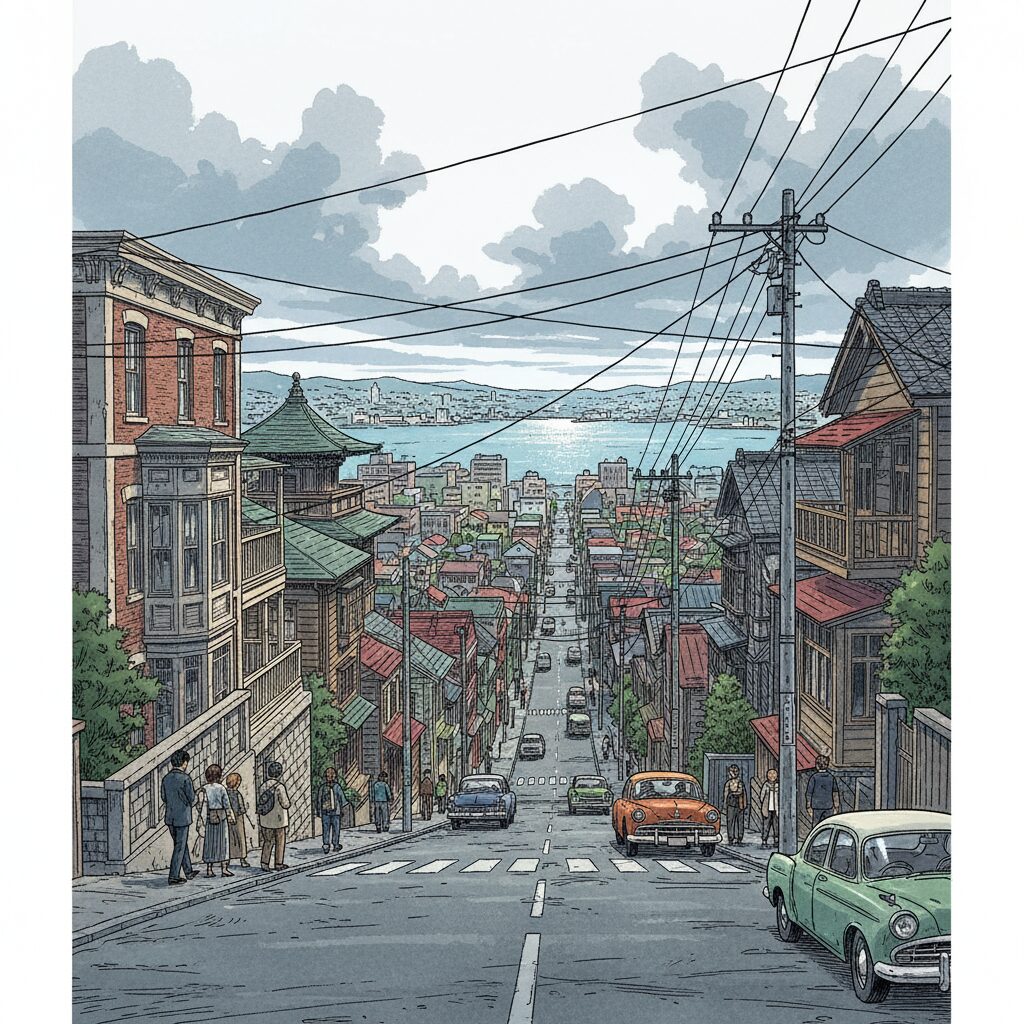
The first thing you need to understand about Motomachi is that it’s all about the slopes, or saka in Japanese. The district is literally built on the foothills of Mount Hakodate, and these steep streets cascade down toward the port, each offering a stunning view of the water. They’re not merely paths from A to B; they represent the heart and soul of the area. The most famous of them all is Hachiman-zaka slope. This view is iconic for good reason. Standing at the top, you look down a perfectly straight road lined with trees and vintage-style lampposts, opening up to a panoramic vista of the harbor and the moored Mashu-maru memorial ship. It’s the signature shot, the one you’ve likely seen on postcards, and it feels even more striking in person, especially as the sun sets and bathes everything in a warm golden light. Whether day or night, it’s a total vibe.
But don’t stop there. There are about 19 named slopes in the area, each with its own character. Motoi-zaka is another major one—wide and grand, it was historically the town’s main street. Then there’s Daisan-zaka, with its charming cobblestones and the sweet aroma of fresh crepes drifting from a nearby shop. My personal approach is to pick one, hike to the top, catch my breath while soaking in the view, then explore the cross-streets at the summit before choosing another slope to descend. The workout is real, so wear comfortable shoes, but the payoff is a constantly shifting perspective of the town, the port, and the unique buildings lining the streets. You’ll find yourself stopping every few steps to snap another photo because the mix of old stone walls, colorful Western-style houses, and the blue bay is just too picturesque to resist.
A Mashup of Architectural Styles That’s Totally Legit
Why such a wild mix of buildings? Here’s a quick and painless history lesson: For over 200 years, Japan was essentially locked down under a policy called sakoku. Then, in 1854, Commodore Perry from the U.S. arrived with his ‘Black Ships’ and more or less forced Japan to open its borders. Hakodate, along with Shimoda, became one of the first ports designated for international trade—a huge milestone. Suddenly, traders, merchants, and missionaries from America, Russia, Britain, China, and beyond started arriving and establishing themselves in Hakodate. Naturally, they built homes, workplaces, and places of worship in the styles familiar to them from back home.
This is the origin story behind Motomachi’s incredible architectural diversity. The foreign settlement took root at the foot of the mountain, and what you see today is the direct outcome of that influx. Here you find grand consulates, beautiful wooden churches with soaring steeples, and charming clapboard houses featuring bay windows and wrap-around porches, all situated right beside traditional Japanese merchant homes with tiled roofs and wooden lattices. It wasn’t a planned fusion, but rather an organic, almost accidental blending of cultures. This history gives Motomachi an authenticity that’s impossible to replicate. Walking here is like traveling through a physical timeline of Japan’s dramatic leap onto the global stage. It’s a powerful sensation to know that the cobblestones beneath your feet were once tread by samurai officials, Russian priests, British traders, and American sea captains—all trying to understand each other in this strange, new world.
Iconic Spots You Can’t Miss
While wandering aimlessly is the best way to explore, there are several landmarks that are absolute must-sees. These are the anchors of the neighborhood and clearly tell Motomachi’s story.
First is the Old Public Hall of Hakodate Ward, or Kyu-Hakodate-ku Kokaido if you prefer the formal name. You literally can’t miss it. This massive, ornate, colonial-style wooden building is painted a vibrant pale blue with bright yellow trim. Resembling a wedding cake, it perches on a hill with a commanding view of the port. Built in 1910 and funded by a tremendously wealthy local merchant, it stands as a testament to Hakodate’s prosperity at the time. Stepping inside feels like stepping back a century. The ballroom is vast and lavish, boasting high ceilings and huge chandeliers. The highlight, however, is the grand balcony where you can catch the sea breeze and gaze out over the harbor—it’s easy to imagine what attending a grand ball here must have been like. Pro tip: For a fee, you can rent elaborate, vintage Western dresses and have your photo taken—a popular and fun way to connect with the history.
Next is the cluster of churches, perhaps the most surreal part of Motomachi. Within a few blocks, you’ll find major churches representing three Christian denominations. The Motomachi Roman Catholic Church stands out with its tall, pointed spire and a magnificent altar gifted directly from the Pope. It’s a quiet, contemplative space. Nearby, up the hill, is the Hakodate Orthodox Church—straight out of Russia with white walls and distinctive green onion-shaped domes. The ringing of its bells is so beautiful it has been officially named one of Japan’s ‘100 Soundscapes.’ The sound seems to freeze time for a moment. Finally, there’s Hakodate St. John’s Church, an Anglican church with a unique design: from above, its brown-tiled roof forms a giant cross. The contrast of these three distinct European church styles within a small Japanese neighborhood is astonishing, speaking volumes about the international community that once thrived here.
Don’t overlook the Former British Consulate of Hakodate. This understated but equally interesting site is a handsome brick building from 1913 surrounded by a lovely rose garden. Inside, the museum offers insights into the relationship between Britain and Hakodate. The best feature? The attached Victorian-style tearoom, where you can enjoy a proper English afternoon tea complete with scones and clotted cream while overlooking the port. It’s a perfect break from walking and a delicious way to soak in the cross-cultural atmosphere.
Don’t Overlook the Japanese Vibe
With all this Western architecture, it’s easy to forget you’re still in Japan. Yet the Japanese influence is just as essential to Motomachi’s character. Nestled among the churches and consulates are beautiful examples of traditional Japanese design. The Higashi Hongan-ji Temple Hakodate Branch is a fascinating example. From outside, it resembles a modern concrete fortress, a fireproof design erected after several devastating fires swept through Hakodate. But inside, you’ll find a traditional, expansive temple space with intricate woodwork and a solemn atmosphere. It symbolizes resilience and adaptation.
As you stroll down smaller side streets, you’ll encounter many older Japanese homes and converted machiya (traditional townhouses). Many now house trendy boutiques, artisan craft shops, and charming cafes. The charm lies in the details: weathered wood, delicate lattice window work, and small, meticulously tended gardens glimpsed through gates. This ongoing interplay between Japanese and Western aesthetics is what makes Motomachi truly special. It’s not about one or the other; it’s the conversation between the two that creates the magic.
How to Vibe with Motomachi
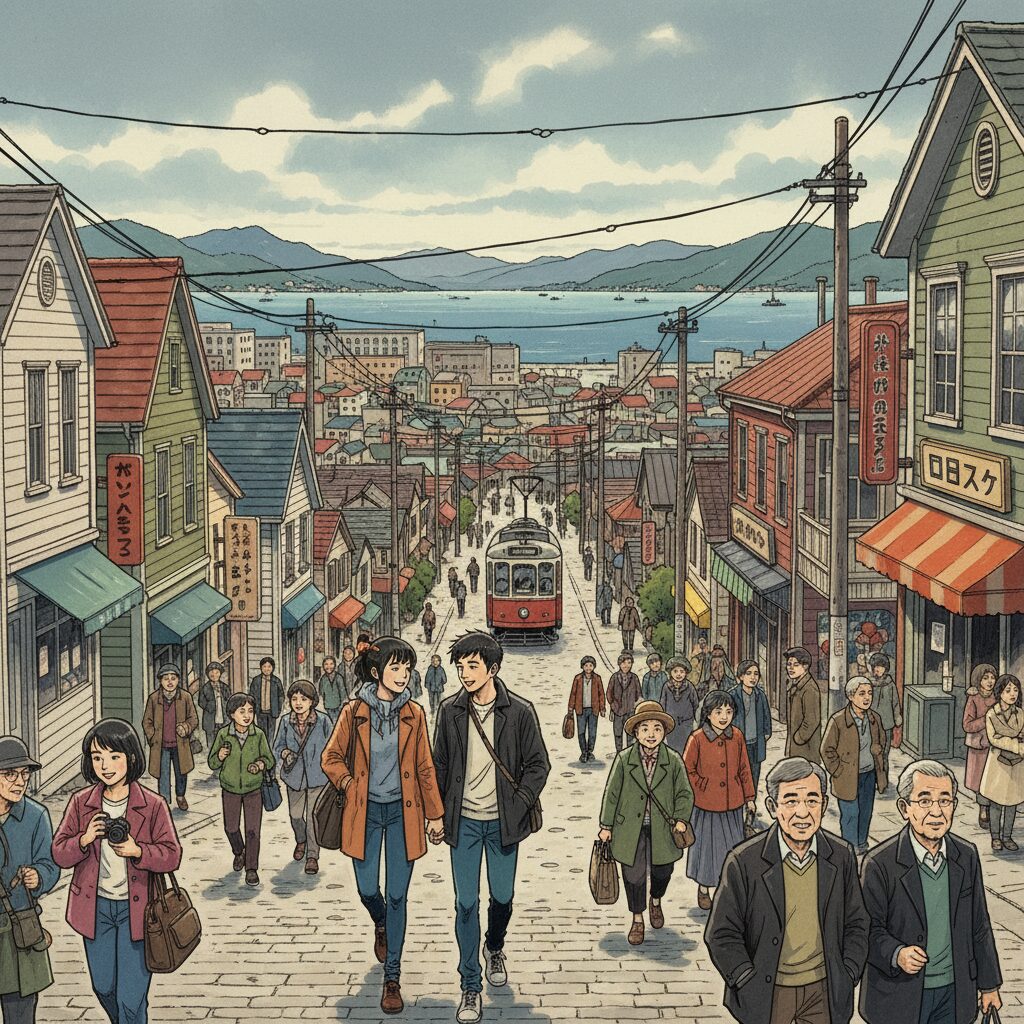
Alright, so you know the history and the key spots. But how do you truly experience Motomachi? It’s less about ticking boxes and more about adopting a certain mindset.
Just Get Lost (On Purpose)
Honestly, this is my top recommendation. The main slopes are wonderful, but the true treasures lie hidden in the narrow, winding alleys that link them. You’ll come across tiny, unnamed viewpoints, charming old stone walls draped in ivy, and quaint houses that seem untouched by time. As someone who spends a lot of time on mountain trails, I can assure you the thrill of discovery here is just as rewarding. Every corner offers a new surprise. So, put down your phone, look around, and follow your curiosity. Let the steepness of a path or the color of a building lead you. You can’t truly get lost, since the mountain borders one side and the sea the other. It’s the safest—and most fulfilling—kind of exploration.
Cafe Hopping is the Way to Go
All that uphill and downhill walking means you’ll need a break. Fortunately, Motomachi has you covered. The neighborhood is packed with stunning cafes, many nestled in beautifully restored historic buildings. This isn’t your typical coffee chain experience. Imagine savoring a carefully brewed pour-over in a former merchant’s house, gazing at a traditional Japanese garden. Or enjoying a slice of Hokkaido cheesecake in a cozy spot furnished with antiques and a view straight down to the harbor. Each cafe has its own vibe and story. Discovering your favorite place is part of the journey. It’s the perfect way to recharge while soaking in the area’s unique atmosphere. Plus, with Hokkaido’s legendary dairy, any cafe serving milk, cream, or cheese is bound to amaze you.
Seasonal Highlights
Motomachi is a destination for every season, but its character changes dramatically throughout the year. In spring and summer, the area comes alive. Trees along the slopes are rich and green, and flowers bloom in church and consulate gardens. The weather invites long, leisurely strolls, and the harbor views are crystal clear. You can grab a famous Hokkaido soft-serve ice cream (featuring wild flavors like squid ink or lavender!) and simply relax.
Autumn is stunning. The crisp air and colorful leaves add a romantic, nostalgic charm to the historic streets. The reds and golds against the backdrop of old Western buildings make it a photographer’s paradise.
But winter… winter might just be the most enchanting season. Hakodate receives ample snowfall, and when snow covers the church roofs and tree branches, Motomachi turns into a genuine fairy tale. From December through February, the Hakodate Illumination event lights up the main slopes, churches, and the Old Public Hall at night. The warm glow against the pure white snow is breathtaking. It’s cold, for sure, but bundling up for an evening walk through this illuminated wonderland is an unforgettable experience.
Getting There & Getting Around
Reaching Motomachi is incredibly easy, which is a major advantage. The Hakodate City Tram is your go-to mode of transport. This charming, slightly creaky streetcar system enhances the area’s retro atmosphere. You can hop on and ride it to the Suehiro-cho or Jujigai stops, both located at the base of the Motomachi hills. From there, it’s all about walking.
And I really mean walking. Driving here is not recommended. The streets are narrow, and parking is a hassle. Besides, you’d miss out on so much. The whole experience is about exploring on foot. I can’t emphasize this enough: wear comfortable shoes. Your feet will thank you. The slopes are steep and challenging in places. Think of it as a light urban hike. The good news is that the area is compact, so despite the hills, you can cover most of it within a solid afternoon of exploring.
Insider Tips for a Perfect Trip
- Visit early or late. The main streets, especially Hachiman-zaka, tend to get crowded with tour groups and school trips around midday. For clear, people-free photos and a more serene experience, try an early morning walk just after sunrise. The lighting is stunning, and you’ll have the streets nearly to yourself. An evening stroll after the crowds have gone is also magical, especially when streetlights and building illuminations come alive.
- Check opening hours and entrance fees. Many historic sites, such as the Old Public Hall, consulates, and several churches, require admission and have specific hours. The fees are usually modest, but it’s wise to check online ahead of time to plan your visit and avoid any locked doors.
- Combine with the Mt. Hakodate Ropeway. The ropeway station that takes you to the top of Mt. Hakodate for its world-renowned, ‘million-dollar’ night view is situated right on the edge of the Motomachi district. The classic Hakodate itinerary involves spending the late afternoon exploring Motomachi, then taking the ropeway up as dusk falls. From the summit, you’ll watch the city lights start to sparkle from one of Japan’s finest vantage points—a perfect way to end your day.
- Stay hydrated and snack frequently! All that hill climbing works up a thirst. Fortunately, vending machines and convenience stores are scattered around, along with excellent cafes. And definitely take the opportunity to try local snacks—whether it’s a freshly made crepe, grilled squid from a street vendor by the bay, or the famous soft-serve ice cream. Refueling is part of the fun.
Motomachi: More Than Just a Pretty Face
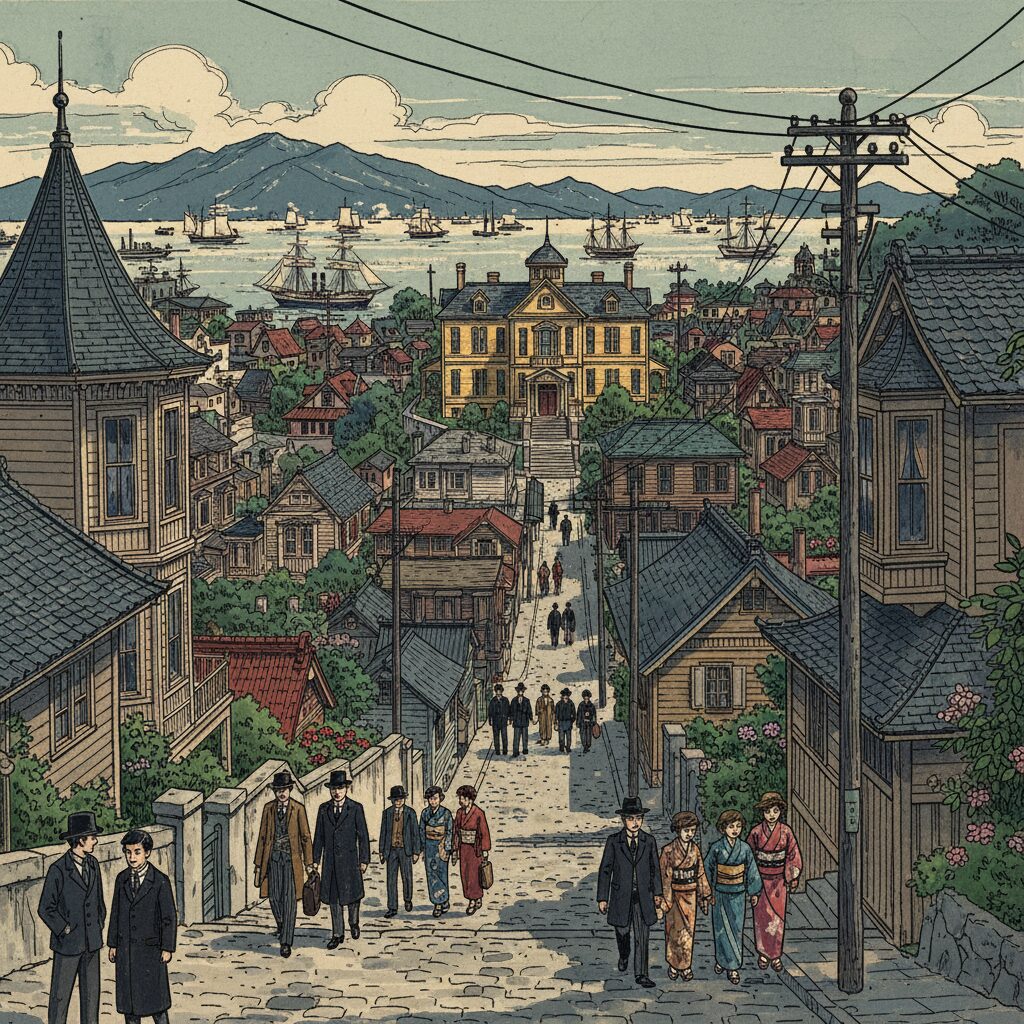
So here it is: Hakodate’s Motomachi district is far more than just a collection of historic buildings. It’s a feeling—the chill of the sea breeze, the ringing of church bells reverberating down a cobblestone street, the unexpected sight of a Russian dome rising above a Japanese temple roof. It’s a neighborhood that tells an epic tale of collision and collaboration, a time when Japan was cautiously yet eagerly stepping into the wider world. It invites you to slow down, stroll, observe carefully, and imagine the lives lived on its steep, stunning hillsides. It’s a paradise for photographers, a dream for history enthusiasts, and a delight for wanderers all in one. If you’re seeking a corner of Japan brimming with character, charm, and a truly unique story, you’ve found it. Head to Hakodate, walk uphill, and let the extraordinary atmosphere of Motomachi envelop you.