What’s up, fellow adventurers! Yuki Sato here, your go-to planner for epic Japan journeys. Today, we’re ditching the neon glow of Tokyo and the tranquil temples of Kyoto for something way more raw, way more real. We’re heading north, to the wild heart of Hokkaido, to a place the indigenous Ainu people call `Kamui Mintara` – the Playground of the Gods. This is Daisetsuzan National Park, the largest national park in Japan, a sprawling wilderness of active volcanoes, endless alpine tundra, and scenery so jaw-dropping it feels like you’ve stepped into another world. And for those who are truly ready to level up, there’s the ultimate challenge: the Daisetsuzan Grand Traverse. This isn’t your average weekend hike; it’s a multi-day backcountry pilgrimage across the very spine of Hokkaido. It’s a physical grind and a mental reset, a journey that will test your limits and reward you with a profound sense of solitude and accomplishment. This is the big one, the main event, the trek that separates the casuals from the dedicated. It’s about earning your views, sleeping under a blanket of impossible stars, and walking for days on the literal roof of Hokkaido. So, if you’re ready to trade your Wi-Fi signal for a weather forecast and your city noise for the whistle of a pika, then lace up your boots. We’re about to dive deep into the ultimate guide for conquering this legendary traverse. Let’s get it.
For a deeper dive into the park’s vast wilderness and other incredible hiking opportunities, check out our guide to Daisetsuzan National Park.
The Vibe Check: What Makes Daisetsuzan So Epic?
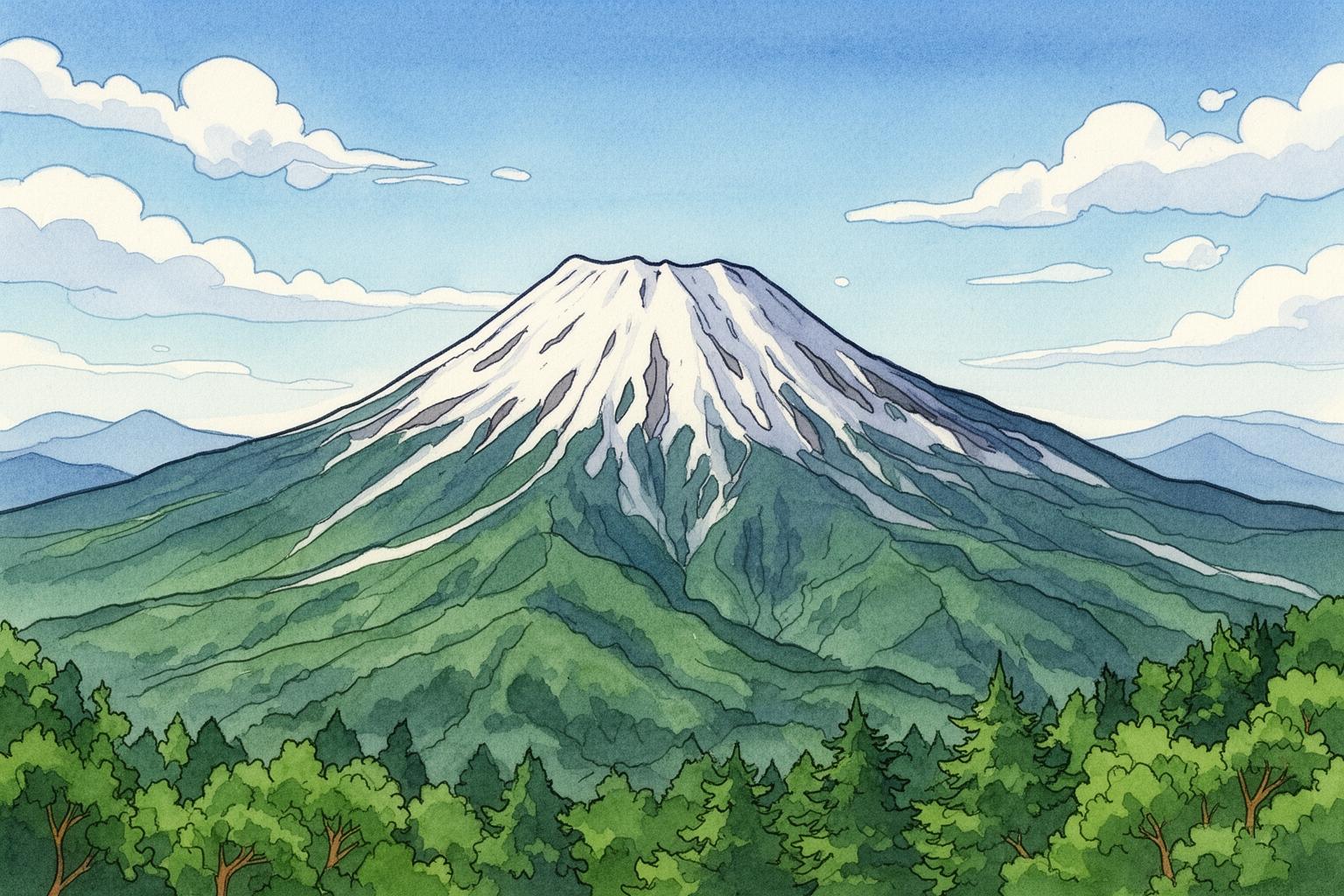
Before diving into the logistics and gear details, let’s first talk about the vibe. What draws people from all corners of the globe to Daisetsuzan? It’s more than just a collection of stunning mountains; it’s an entire ecosystem, a sensation, a spiritual journey that gets under your skin. This place has a soul, and spending several days exploring its heart is the best way to connect with it.
A Landscape Straight Out of an Anime
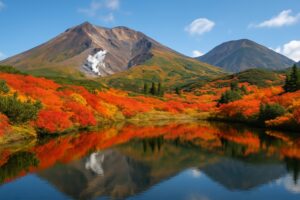
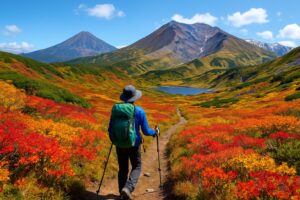
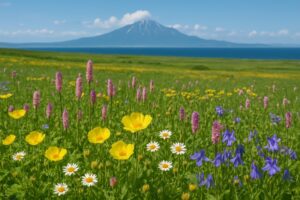
Forget everything you think you know about Japanese scenery. This isn’t manicured gardens or tranquil bamboo forests. This is nature in its rawest, most primordial form. Picture yourself standing on a vast, high-altitude plateau, a sea of volcanic rock and dwarf pines spreading to the horizon beneath an impossibly vast sky. One moment you’re carefully crossing a snowfield that has stubbornly withstood the summer sun; the next, you’re wandering through a meadow so thick with alpine flowers it looks like a painter’s palette exploded. These fields, called `hanabatake`, are legendary—carpets of delicate pinks, bright yellows, and deep purples blanketing entire hillsides. The air is thin and crisp, carrying a faint sulfur scent from the steaming fumaroles of Mount Asahidake, a constant, visceral reminder that you are walking on a living, breathing volcano. Then there are the caldera lakes, or `karenuma`, scattered like sapphire jewels in the green tundra, their surfaces so still they perfectly reflect the passing clouds. The scale of it all is humbling. You feel incredibly small, a tiny speck in a grand, ancient drama of rock, ice, and sky. It’s a multisensory experience that photos can never truly capture.
The Playground of the Gods: Ainu Legends and Sacred Peaks
The cultural significance of Daisetsuzan runs deep, adding another layer to the journey. The Ainu, the indigenous people of northern Japan, have revered these mountains for centuries. Their name for the region, `Kamui Mintara`, means “The Playground of the Gods.” They believed this sacred, high-altitude realm was where the `kamuy` (gods or spirits) lived, descending to the human world along the rivers originating from these peaks. As you trek the traverse, you’re not just on a path; you’re tracing routes through a profoundly spiritual landscape. Every peak, river, and unique rock formation has a story. This isn’t just a national park; it’s a cathedral of nature. This perspective changes how you relate to the environment. You find yourself moving with greater reverence and awareness. You begin to understand why the Ainu saw divinity in the roar of a bear, the toughness of an alpine flower, and the steadfastness of the mountains themselves. Hiking the Grand Traverse is a way to connect with this ancient belief system and to feel the deep respect for nature central to Ainu culture.
A Biodiversity Hotspot: Meet the Locals (Furry Edition)
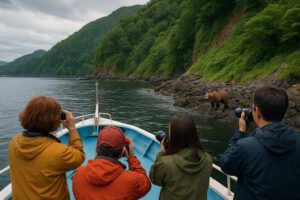
The park is bursting with life, a high-altitude sanctuary for some of Japan’s most iconic wildlife. Keep your eyes open and ears alert, and unforgettable encounters are likely. The undisputed star of the alpine zone is the Ezo Nakiusagi, or Northern Pika. These tiny, rabbit-like creatures are masters of camouflage, living among the rocky scree fields known as `ganba`. You’ll often hear their high-pitched, squeaky calls echoing long before you spot one. Seeing a pika dart between boulders—a tiny bundle of energy—is pure backcountry joy. You’ll also spot plenty of Ezo Shima-risu, the charming Siberian chipmunks, zipping across trails with their cheeks stuffed. Higher up, herds of Ezo Shika, the Hokkaido sika deer, graze peacefully on hillsides. Of course, we must mention the undisputed king of Hokkaido’s wilderness: the Higuma, or Ussuri brown bear. The presence of these magnificent, powerful animals commands respect and vigilance. They are a vital part of the ecosystem, and seeing one from a safe distance is truly awe-inspiring. Hiking in Daisetsuzan means you are a guest in their home, and we’ll cover bear safety in detail later. It’s this rich tapestry of flora and fauna, living in delicate balance within a harsh environment, that makes the park feel so vibrant and alive.
Planning Your Grand Traverse: The Ultimate Glow-Up for Your Hiking Game
Alright, squad, let’s get down to business. Successfully completing the Grand Traverse demands thorough planning. This isn’t a trip you can just improvise. Your success and enjoyment hinge on nailing the details before you even hit the trail. From timing your hike to fine-tuning your gear, this phase is when you set yourself up for an unforgettable achievement.
Timing is Everything: When to Hit the Trail
Selecting the right time to hike the traverse is likely the most crucial choice you’ll make. The Daisetsuzan hiking season is very brief—just a few fleeting months nestled between long, severe winters. Each segment of this season offers a distinctly different adventure.
- Late June to Early July: This is the early season when the mountains are just waking from winter’s deep sleep. Snow poses the biggest challenge. You’ll encounter extensive, often steep snowfields (`yukikei`) on shaded slopes and higher elevations. Carrying microspikes or light crampons and knowing how to use them is essential. An ice axe can be a lifesaver in the steeper areas. The upside? The crowds are sparse, and there’s a raw, pioneering vibe. The first alpine flowers begin to bloom through the melting snow, symbolizing resilience. Weather can be highly unpredictable, with cold winds and potential late-season snowstorms—be ready for full winter conditions even in June.
- Mid-July to Late August: This is peak season—the height of beauty and accessibility. Most snow has melted from the main trails, making hiking easier. The legendary `hanabatake` (alpine flower fields) are in full bloom, with entire valleys bursting with color. Weather tends to be more stable, with warmer temps and long daylight hours. Trails are busiest then, and huts fill quickly with hikers from Japan and around the world, fostering great camaraderie. Be sure to book huts well in advance, especially for weekends and during mid-August’s Obon holiday. Despite summer’s warmth, Daisetsuzan’s weather is famously unpredictable—morning sun can quickly give way to fog, rain, and wind. Never underestimate these mountains.
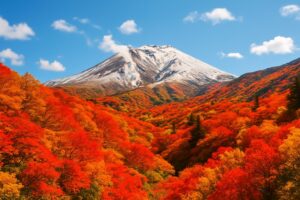
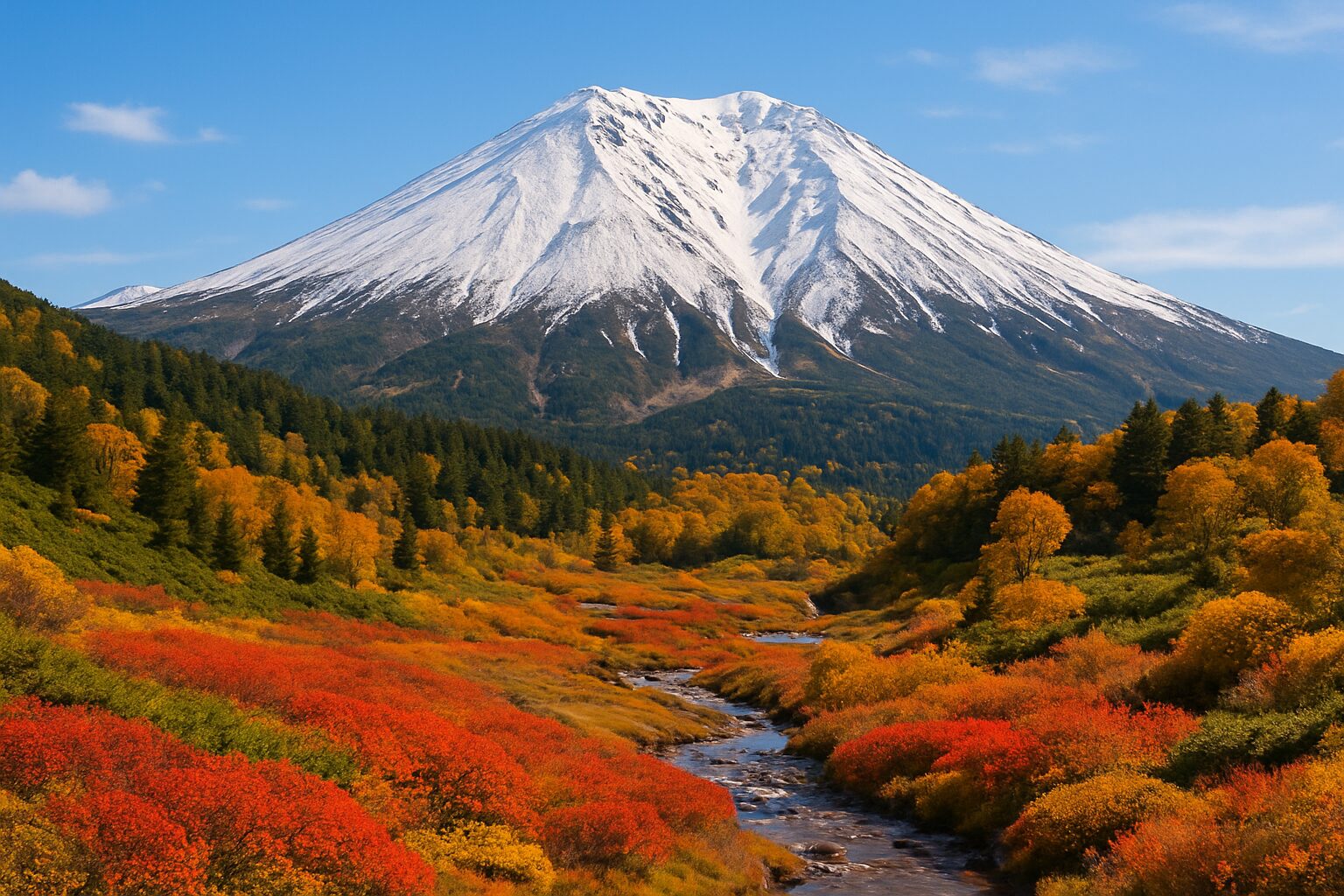
- September: For many experienced hikers, this is the golden season. Crowds thin out, and a crisp autumnal atmosphere settles in. The highlight is the `koyo`, the autumn foliage. Daisetsuzan is among the first places in Japan to showcase fall colors—a breathtaking spectacle of fiery reds, brilliant oranges, and vivid yellows replacing the green of dwarf pines and mountain ash. Cooler temperatures, chilly nights, and shorter days mean packing warmer clothes and moving efficiently. The first dusting of snow (`hatsuyuki`) can occur on the highest peaks mid-month, a stark but beautiful reminder that winter approaches. By late September, the traverse becomes a far more serious challenge.
- October Onwards: Unless you are an expert, fully equipped winter mountaineer, the Grand Traverse effectively closes from October until the following June. Huts close, trails get buried in deep snow, and the area transforms into a harsh winter wilderness—this is when the mountains reclaim their domain.
The Classic Route: Asahidake Onsen to Tokachidake Onsen
This classic north-to-south route typically takes 4 to 5 days, depending on your pace and fitness. It offers a logical progression and covers all the iconic highlights. Here’s a day-by-day breakdown so you know what to expect.
- Day 0: Prep Day in Asahidake Onsen
Your journey actually begins before setting foot on the trail. Arrive at the quaint hot spring village of Asahidake Onsen at least a day early. Use this time to acclimatize, perform a final gear check, and pick up last-minute supplies like stove fuel or snacks. The essential stop is the Asahidake Visitor Center for up-to-date weather and trail reports from rangers. They’ll inform you about snow conditions, recent bear sightings, and water sources—priceless info. Submit your hiking itinerary form (`tozan todoke`) for safety. Spend the evening unwinding in mineral-rich onsen baths, soothing your muscles, and enjoy a hearty meal—it’s the calm before your epic journey.
- Day 1: Asahidake Onsen to Kurodake Ishimuro (Approx. 6-8 hours)
The adventure kicks off with a helpful “cheat code”: the Asahidake Ropeway. This cable car lifts you from the village up to Sugatami Station (~1,600m), bypassing a lengthy forest climb and placing you directly in the breathtaking alpine zone. From here, spectacular volcanic plateau views await. The trail loops around the Sugatami Ponds, offering perfect reflections of Mount Asahidake, Hokkaido’s highest peak. Passing sulfurous fumaroles (`jigokudani` or “hell valleys”) is a multi-sensory reminder of the volcano’s activity. The climb up Asahidake is steady and rocky—not technically hard but unrelenting. The 2,291-meter summit rewards you with a 360-degree panorama of the entire national park. The real traverse then begins with a descent and a long, undulating trek toward Kurodake Ishimuro (Stone Hut), a basic but welcome shelter with a warm communal atmosphere where hikers share stories.
- Day 2: Kurodake Ishimuro to Hakuun-dake Hut (Approx. 7-9 hours)
Often called the heart of the Grand Traverse, this day features magnificent ridge walking through the park’s core. After a sunrise summit of Mount Kurodake for views into Sounkyo Gorge, you’ll return to the main traverse and cross peaks like Mount Keigetsu and Mount Hokkaidake—the “navel of Hokkaido”. The scenery shifts continually but remains spectacular: open tundra reminiscent of the Scottish Highlands on steroids, alpine ponds, and, at peak season, stunning flower fields. This truly feels like the “roof of Hokkaido,” deep wilderness miles from roads. The destination is Hakuun-dake Hut, a sheltered refuge near dependable water. Booking here is mandatory. Rest and rehydrate—you’ve earned it.
- Day 3: Hakuun-dake Hut to Hisago-numa Hut (Approx. 6-8 hours)
The landscape softens today as you head south. The trail dips into Kogen-numa, a vast wetland with marshes and ponds, where walking can be boggy and boardwalks guide your way. This unique habitat supports various plants and wildlife. Approaching the Tomuraushi massif, Mount Tomuraushi’s rocky, imposing silhouette grows larger. Your goal is the Hisago-numa Emergency Hut by the gourd-shaped pond called Hisago-numa. This rustic, unstaffed hut requires full self-sufficiency with food and cooking gear. The reflections of peaks in the pond at sunset and sunrise are magical—an ideal wild, peaceful place to spend the night.
- Day 4: Hisago-numa Hut to Minami-numa Campsite (via Mount Tomuraushi) (Approx. 8-10 hours)
Prepare for the traverse’s crux: climbing Mount Tomuraushi, the most demanding and technical segment. Navigating vast rock gardens (`ganba`) with giant boulders demands care, sometimes using hands for balance. Passing the stunning “Japanese Garden” (`Nihon Teien`) of alpine ponds and rock formations adds beauty. The final steep and exposed ascent reaches the 2,141-meter summit, offering unparalleled views over the route behind and southern ranges ahead. The descent is equally tough, long, and hard on knees down to Minami-numa Campsite—a designated tenting spot by a lovely pond, one of the few camping areas. This will likely be your most grueling but rewarding day.
- Day 5: The Final Push: Minami-numa to Tokachidake Onsen (Approx. 7-9 hours)
The last stretch is a long walk out, mostly downhill, which can still be tough on tired legs and knees. You’ll leave the alpine zone behind, descending into forest with possible muddy and overgrown patches. A highlight is climbing Mount Biei, your final main peak, offering a last spectacular look back at Mount Tomuraushi. Then it’s a final steady descent through bamboo grass and forest until you reach the Tokachidake Onsen trailhead. Seeing a road and buildings after five days in the wild feels surreal. First order of business? Head straight for an onsen to soak in hot volcanic waters and soothe your aching body. You did it—you conquered Hokkaido’s roof.
The Gear Grind: What to Pack for the Backcountry
Your gear is your lifeline out there, so packing smart is essential. This isn’t about the most expensive gear but the right gear. Every ounce counts, as weight equals hardship, but never skimp on essentials. Here’s what you need.
- The Big Three: These are your heaviest items, so choose carefully. Your backpack should be 50-65 liters, comfortable, and well-fitted with a sturdy hip belt to transfer weight off your shoulders. For shelter, if you’re staying in huts, you can forgo a tent, saving serious weight. If camping at sites like Minami-numa or wanting flexibility, bring a lightweight, three-season tent. Your sleep system comprises a sleeping bag and pad; even in summer, a bag rated around 0°C (32°F) is recommended because nights get cold. A good insulated pad is equally vital for warmth and comfort.
- Apparel System: Layering is key; avoid cotton entirely. Base layers should be merino wool or quality synthetics to wick moisture. Use a fleece or insulated puffy jacket for mid-layer warmth. For protection, pack a high-quality waterproof, breathable rain jacket and pants (like Gore-Tex)—these are must-haves. Also bring hiking pants, several pairs of merino wool socks, a sun hat, warm beanie, and gloves.
- Footwear: Your feet are your most valuable asset. Wear sturdy, waterproof hiking boots with solid ankle support. Make sure they’re well broken-in to prevent blisters. Also pack lightweight camp shoes (Crocs or sandals) for comfort at huts.
- Kitchen and Hydration: Bring a lightweight backpacking stove (canister is easiest), fuel canister, small pot, and spork. Food should be high-calorie, low-weight options like Japanese freeze-dried meals (`alpha-mai`), ramen, energy bars, trail mix, and jerky. Carry at least two liters of water capacity and a water filter or purification tablets, since not all water sources are safe untreated.
- Safety & Navigation: Non-negotiable essentials include a physical map and compass, and you must know how to use them. A GPS device or smartphone with offline maps is a great backup, but bring a portable power bank to keep it charged. A powerful headlamp with extra batteries is crucial. Your first-aid kit should cover blisters, cuts, pain relief, and any personal meds. Bring an emergency bivvy or space blanket—small but potentially lifesaving. Lastly, for bear safety, carry a bear bell and, importantly, bear spray accessible on your pack’s hip belt or shoulder strap—not buried deep.
Life on the Trail: Hut Etiquette and Backcountry Real Talk
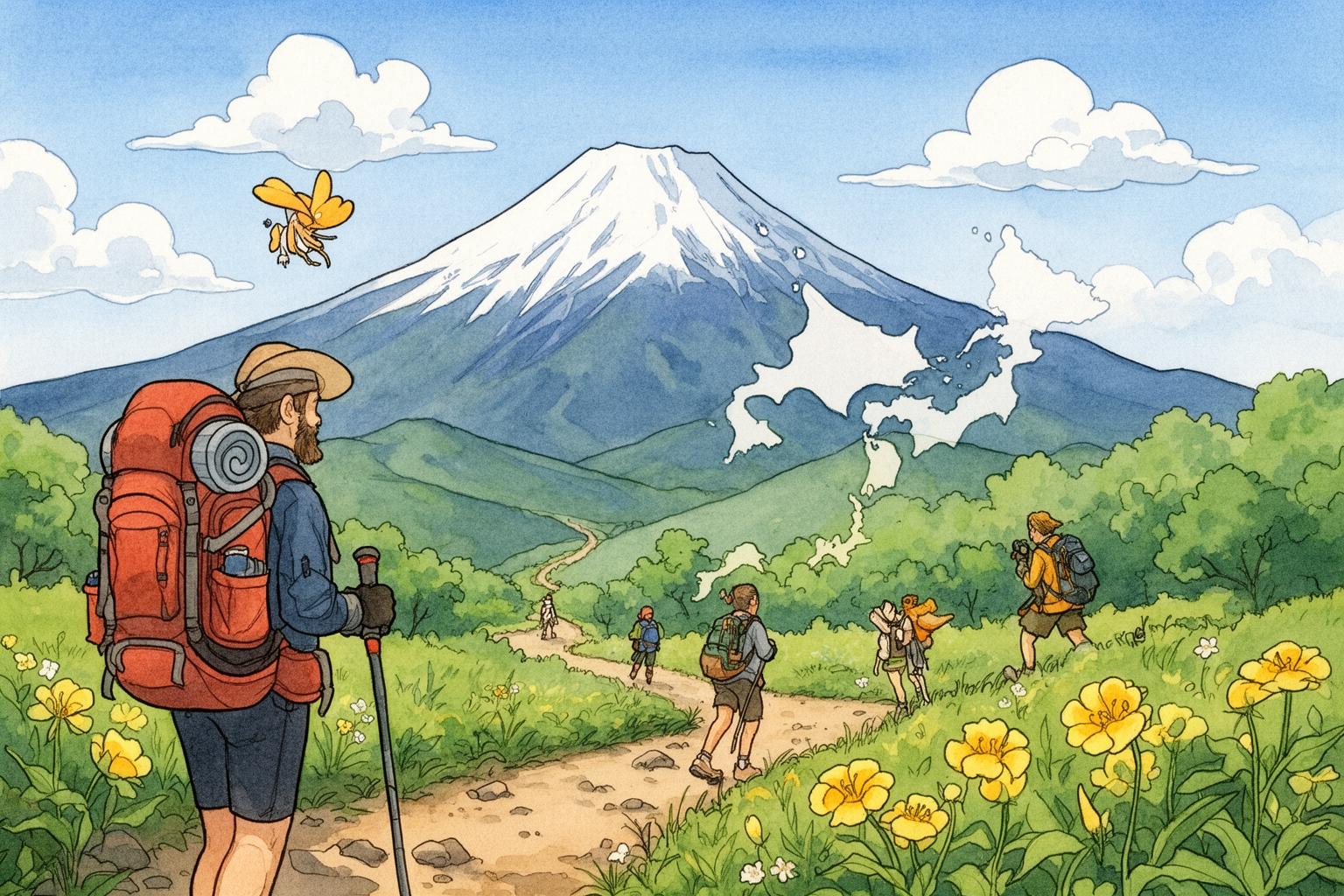
Surviving and thriving on the Grand Traverse involves more than just walking. It’s about how you live in the backcountry, interact with other hikers, and respect the environment. The mountain hut (`yamagoya`) system is a distinctive and vital part of the Japanese hiking experience, and knowing how it operates is crucial.
The Mountain Hut (`Yamagoya`) Experience
First, let’s set expectations. Japanese mountain huts are not luxurious alpine lodges. They are simple, functional shelters designed to offer safety from the harsh mountain environment. Think of them as backcountry hostels. Booking in advance is absolutely essential, especially during the peak season from July to August. Most reservations must be made by phone, and since the staff may only speak Japanese, it can be helpful to have a Japanese-speaking friend assist you or use a booking service if available. Upon arrival, you’ll check in, pay (cash only!), and be assigned a sleeping space—usually just a spot on a large communal tatami platform with a futon and blanket. You will be sleeping shoulder-to-shoulder with other hikers. Earplugs and an eye mask are invaluable. Huts have designated cooking and eating areas. Lights-out is very early, typically around 8 or 9 PM, since everyone rises before dawn. Be quiet and considerate of others trying to sleep. One of the most important rules is to pack out everything you bring in. There are no trash cans in the mountains. This includes all food wrappers and waste. Leave No Trace principles are strictly enforced. Some larger huts offer simple meals (like curry rice) and sell snacks, drinks, and beer, but expect prices to be high due to the difficulty of transporting supplies up the mountain. Water is usually available from a nearby spring, but it’s wise to ask hut staff if it’s safe to drink or if it requires treatment.
Bear Necessities: Staying Safe in Higuma Territory
Let’s have an honest conversation about bears. Yes, there are Higuma (brown bears) in Daisetsuzan—quite a few of them. But this is not a reason to be scared; it’s a reason to be smart, prepared, and respectful. The golden rule of bear safety is to never startle a bear. Make noise as you hike. Attach a bear bell to your pack, talk loudly with your hiking partners, clap your hands, or sing before rounding blind corners or moving through dense brush. A surprised bear is a defensive bear. Proper food storage is essential. Never eat or store food (or any scented items like toothpaste) inside your tent. At huts, use the designated storage areas. If camping, you must use a bear-resistant canister or properly hang your food in a bear bag far from your tent. If you encounter a bear, stop and stay calm. Do not run, as running may trigger a chase response. Assess the situation carefully. If the bear hasn’t seen you, slowly and quietly back away. If it has noticed you, speak calmly and firmly to identify yourself as human. Make yourself appear as large as possible by raising your arms and trekking poles. Back away slowly. Carry bear spray, know how to use it, and keep it within easy reach. Encounters are unlikely if you follow these guidelines, but being prepared is your responsibility as a visitor in their territory.
Access and Logistics: Getting To and From the Trailheads
This logistical puzzle can either make or break your trip. The Grand Traverse is a point-to-point hike, meaning you start at one location and finish at another, far away. Arranging transportation is a vital part of your planning.
Getting to Asahidake Onsen (The Starting Point)
The most common gateway to the northern part of the park is the city of Asahikawa. You can fly directly into Asahikawa Airport (AKJ), which has connections from Tokyo and other major Japanese cities. From the airport or from the main JR Asahikawa Station, you can take the “Ideyu-go” bus, which runs a few times daily directly to Asahidake Onsen. Because the schedule is infrequent, you need to check the timetable ahead of time and plan your flight arrival accordingly. Alternatively, you can rent a car, giving you more flexibility to explore the region before or after your hike. However, if you rent a car, you face the challenge of leaving it at the trailhead while hiking for five days to a different exit point. Some vehicle transfer services are available but tend to be costly.
The Grand Escape: Leaving from the Finish Line
Exiting from the southern end of the traverse at Tokachidake Onsen is the most challenging part of the entire plan. Public transportation from here is very limited and, on some days, unavailable. You cannot just show up expecting to catch a bus. You absolutely must have an exit strategy booked and confirmed in advance. The most dependable option is to pre-book a taxi from the trailhead to the nearest town with public transport, such as Kami-Furano. This can be expensive, so sharing the cost with other hikers is advisable. There are also a few local shuttle services catering to hikers, but these require advance reservations as well. Do not underestimate the importance of this step. Being stranded at the trailhead after five exhausting days in the mountains is not the memorable ending you want for your adventure.
Beyond the Traverse: Leveling Up Your Daisetsuzan Trip
Your adventure doesn’t need to end when the hike finishes. Hokkaido is a vast and stunning island, and the regions surrounding Daisetsuzan National Park are definitely worth exploring. Treat yourself to a few extra days to immerse in the local culture and experience diverse landscapes.
Sounkyo Gorge: Waterfalls and Onsen Atmosphere
Situated on the eastern side of the park, Sounkyo is a striking gorge with sheer cliffs towering 100 meters high. It’s renowned for its beautiful waterfalls, especially Ginga-no-taki (Milky Way Falls) and Ryusei-no-taki (Shooting Star Falls). The small village of Sounkyo Onsen lies within the gorge, providing a wonderful chance to relax in volcanic hot springs. It’s an ideal spot to spend a restful night or two after your trek.
Furano and Biei: The Patchwork Hills
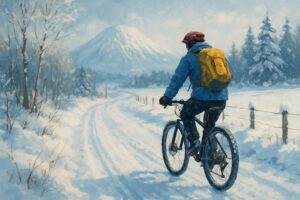
Just south of the Daisetsuzan mountains are the charming towns of Furano and Biei. This area is celebrated for its gently rolling hills adorned with a patchwork of colorful flower fields and farmland. In summer, the lavender fields at Farm Tomita are a breathtaking sight (and scent!). You can rent a bicycle and spend a day cycling through this picturesque, almost European-like scenery. It offers a delightful, peaceful contrast to the rugged wilderness of the high mountains.
Asahikawa: The Urban Center
As Hokkaido’s second-largest city, Asahikawa serves as a convenient base for your trip. It’s well known for two main attractions: ramen and its zoo. Asahikawa-style ramen features a shoyu (soy sauce) base topped with a thin layer of oil to keep it steaming hot. A bowl of this ramen is the perfect meal to recharge. The Asahiyama Zoo is one of Japan’s finest, famous for its innovative enclosures that let you observe animals like polar bears, penguins, and wolves up close in engaging ways.
Final Thoughts: The Roof of Hokkaido is Calling
Conquering the Daisetsuzan Grand Traverse is much more than merely a long hike. It’s an immersion. It’s a challenge that tests you both physically and mentally, and a journey that grants you a deep connection to the raw, untamed power of nature. It’s about the silence of the vast tundra, interrupted only by the wind and the cry of a pika. It’s about the camaraderie shared with fellow hikers in a remote mountain hut. It’s about the humbling sensation of standing atop a 2,000-meter peak, knowing you reached it through the strength of your own two feet. This trek will leave a lasting impression on you. You’ll depart the Playground of the Gods with sore muscles, a camera filled with incredible photos, and a profound respect for the wild heart of Hokkaido. The mountains are calling—it’s time to answer.