A Vibe That Hits Different: Welcome to Tomonoura
Yo, let’s spill the tea on a place that feels like it’s straight out of a dream. Imagine this: a tiny port town hidden away in the Seto Inland Sea, where time seems to have paused for a permanent break since the Edo period. We’re talking about Tomonoura, a coastal gem in Hiroshima Prefecture that’s so visually stunning, it almost feels unreal. This isn’t your typical tourist spot; it’s a whole vibe, a living, breathing time capsule where every narrow alley and weathered wooden facade holds a story. But here’s the twist, the detail that excites culture buffs and anime fans alike: this is the real place that inspired the magical waterfront world of Studio Ghibli‘s Ponyo on the Cliff by the Sea. That’s right. The legendary Hayao Miyazaki himself spent months here, soaking in the atmosphere and sketching the scenes that became Ponyo’s home. So, if you’ve ever wanted to step right into an anime, this is your chance. Tomonoura is more than just a destination; it’s an experience. It’s the gentle ripple of waves against ancient stone steps, the salty sea air blending with the faint scent of soy sauce from a local shop, and the golden hour light glowing on a centuries-old lighthouse. It’s a low-key legend, a place to unplug, relax, and let the rhythm of the tides set your pace. Before we dive deeper into this epic journey, get your bearings and see where this magic happens.
Catching the Vibe: The Soul of a Shiomachi Town
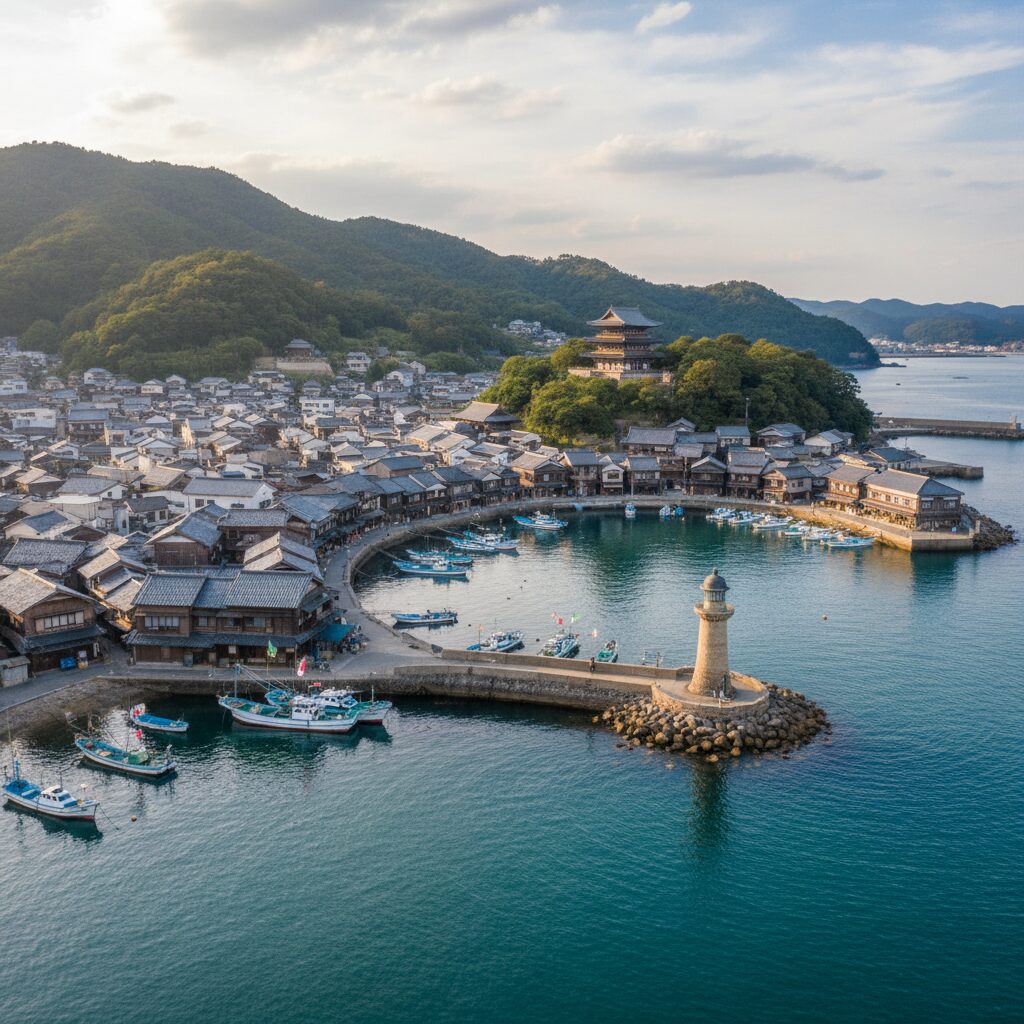
To truly grasp Tomonoura, you need to understand its core identity: it’s a shiomachi no minato, a “tide-waiting port.” This isn’t just a poetic nickname; it’s the fundamental reason the town came into being and flourished for centuries. In the past, when sailing ships were the primary mode of travel, the Seto Inland Sea served as a bustling corridor for commerce and culture. However, its currents were complex, and Tomonoura lies precisely where the eastward and westward tides converge. This location forced sailors to dock and wait for the tide to turn in their favor. What might have been a simple geographical quirk became the town’s strength. It turned Tomonoura into a lively center of activity. Merchants, samurai, poets, and dignitaries all passed time here, creating a rich blend of culture, art, and commerce. That history isn’t confined to museums; it’s woven into the town’s very structure. The spirit of those waiting souls still lingers in the atmosphere. Walking along the narrow streets means treading the same stone paths they once did. The atmosphere is a distinctive mix of a quiet coastal village and an important historical crossroads. In the morning, the town gradually wakes to the hum of fishing boats and the cries of seabirds. The air is fresh and salty. By midday, sunlight filters through the intricate wooden lattices of old merchant houses. Come evening, the iconic Joyato lighthouse lights up, casting a warm, nostalgic glow across the harbor, while a deep calm settles over the town. It’s a peace that feels well earned and timeless. Here, you’re not just visiting; you’re tuning into a rhythm that’s centuries old. It’s a complete digital detox for the soul, a place where the best plan is simply to wander and be fully present.
The Main Attractions: Landmarks That Are a Total Flex
Tomonoura may be small, but it’s absolutely packed with iconic sights that are far from ordinary. Every turn offers a potential postcard moment, scenes rich with history and perfect beauty. It’s a feast for both the eyes and the soul, a place where the past isn’t merely preserved—it takes center stage.
The Joyato Lighthouse: The Town’s Radiant Heart
Let’s begin with Tomonoura’s unmistakable symbol: the Joyato Lighthouse. Standing at the harbor’s edge since the Edo period, this stone lighthouse is truly impressive. It’s not only the oldest of its kind in Japan but also the town’s steadfast anchor and guardian. Unlike towering modern lighthouses, this one is short, sturdy, and brimming with charm. By day, it serves as a picturesque centerpiece against the blue sea and sky, but at night, when its lamp glows, it transforms the harbor into a breathtakingly gentle scene. It’s the kind of view that makes you put your phone away and simply breathe. Finding a spot on the gangi (the stone-stepped embankments) to watch the sunset paint the sky behind the Joyato is an essential Tomonoura experience. That moment of pure, unfiltered peace feels both grand and deeply personal. The lighthouse is more than just a landmark; it’s the town’s spirit keeper, a beacon that has guided countless ships and continues to lead visitors into a tranquil state of wonder.
Fukuzenji Temple and Taichoro: A Window to the Best View
Prepare for a serious highlight. Perched on a hill overlooking the harbor is Fukuzenji Temple. Inside is the Taichoro reception hall, where from its wide windows you can take in a view so legendary it was praised centuries ago. In 1711, a Korean envoy visiting Japan looked out this window and declared it Nitto Daiichi Keisho, ‘the most beautiful view in all of Japan.’ And truly, he wasn’t wrong. The dark, polished wood of the hall perfectly frames the harbor panorama, featuring the iconic Benten-jima Island with its small pagoda and the larger Sensui-jima Island beyond. It’s a living masterpiece, a perfectly composed painting that shifts with light and weather. Sitting on the tatami mats, feeling the sea breeze, and gazing out that window offers a meditative experience. It’s a chance to appreciate the Japanese genius for harmonizing nature and architecture—creating spaces that invite you to pause and savor pure beauty. The view from Taichoro is not merely seen; it’s profoundly felt, connecting you to everyone who has sat there through the centuries, sharing the same awe-inspiring moment.
Ota Family Residence & Homeishu: A Taste of History
Tomonoura’s prosperity wasn’t only shaped by the tides; it also thrived on a legendary herbal liqueur called Homeishu. At the heart of this story is the Ota Family Residence. This beautifully preserved complex served as the home and brewery for the Ota family, who perfected the Homeishu recipe back in the 1600s. Stepping inside feels like entering a film set. The residence is a stunning example of Edo-period merchant architecture, featuring grand storehouses (kura), elegant living quarters, and peaceful inner gardens. You can almost feel the history in the dark, polished wood and the fine craftsmanship. But the true highlight is Homeishu itself. This medicinal brew, made with sixteen different herbs steeped in sweet mirin, offers a unique, complex flavor that warms you from within. It’s said to relieve fatigue and summer heat, making it a cherished health tonic across generations. You can sample and purchase Homeishu at the residence—it’s an absolute must-try. More than a souvenir, it’s a tangible taste of Tomonoura’s history and entrepreneurial spirit. The Ota Residence stands as a powerful reminder that this charming port town was also a hub of commerce and innovation.
The Ghibli Connection: Walking in Ponyo’s World
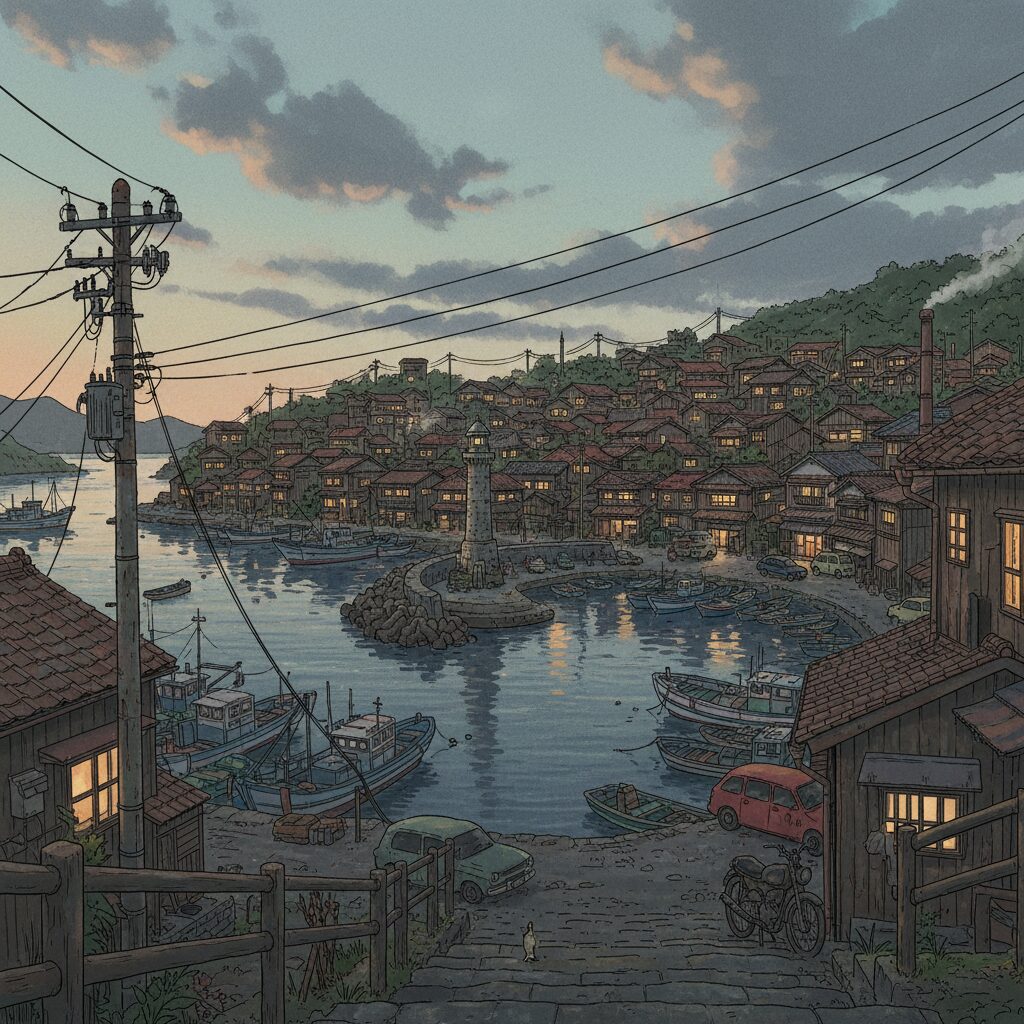
For many, the irresistible charm of Tomonoura stems from its role as the inspiration behind Studio Ghibli’s Ponyo on the Cliff by the Sea. This is more than just a fan theory; Hayao Miyazaki and his team of animators spent two months living and working in this very town, absorbing every detail to bring the film’s enchanting setting to life. Once you arrive, the connection feels electric and unmistakable. The town isn’t merely like the movie; it is the movie. The crescent-shaped bay, the cluster of houses with their distinctive orange-tiled roofs climbing the green hills, the small fishing boats bobbing in the water—it’s all here. You can almost picture Ponyo running along the waves and Sosuke’s house perched on the cliff. Fans on a pilgrimage will delight in spotting familiar scenes. The winding, narrow roads where Sosuke’s mom drives her tiny car with reckless abandon? Check. The bustling little port where the fishing boats are moored? Check. The stone gangi submerged during high tide, just like in the film’s dramatic flood sequence? Double-check. The entire town radiates a gentle, whimsical energy that feels quintessentially Ghibli. It’s a place where the boundary between reality and fantasy feels wonderfully thin. You don’t need to be a die-hard anime fan to appreciate it, but if you are, visiting Tomonoura is like coming home to a place you’ve only ever seen in your dreams. It adds a layer of modern magic to a town already brimming with ancient charm.
A Historical Deep Dive: Samurai, Rebels, and Tides of Change
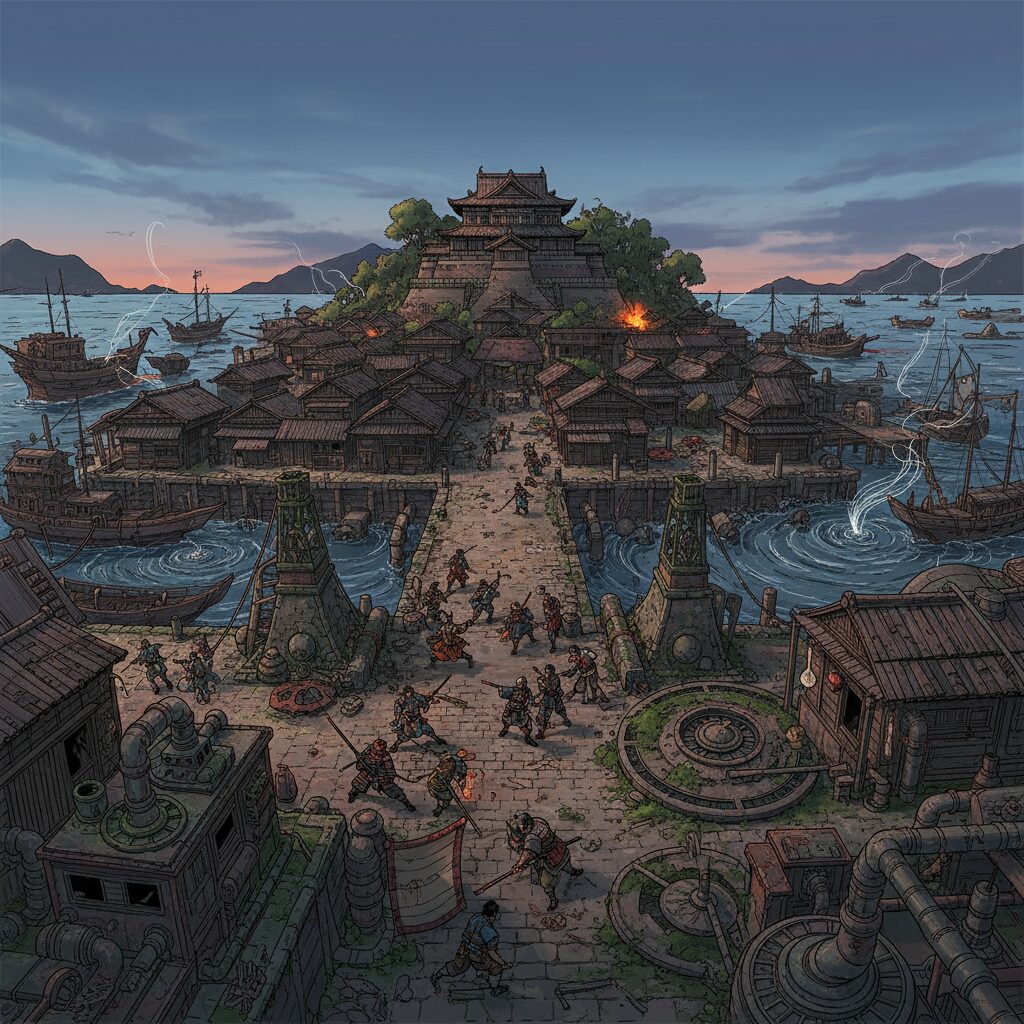
Beyond its charming appearance, Tomonoura carries significant historical importance. The town served as the backdrop for key events in Japanese history, adding depth and intensity to its peaceful ambiance. The most famous story features one of Japan’s legendary samurai, Sakamoto Ryoma. In 1867, just before the Meiji Restoration that transformed Japan, Ryoma played a crucial role in the movement to overthrow the shogunate. He was aboard the Iroha Maru, a ship chartered by his group, when it collided with a vessel from the Kishu Clan, loyal supporters of the shogunate, in the waters near Tomonoura. The Iroha Maru, carrying a cargo of weapons, sank to the seabed. What followed were tense negotiations held right in Tomonoura. Ryoma and his team made their base in a shipping agent’s house, while the Kishu Clan took shelter at the Fukuzenji Temple. For several days, the town became the focal point of a high-stakes political drama. Using his sharp intellect and negotiating prowess, Ryoma secured a substantial compensation payment—a significant triumph against shogunate power. Today, you can visit the Iroha Maru Museum, located in one of the historic buildings connected to the incident. It’s a small yet captivating museum that recounts the story of this dramatic encounter, serving as a reminder that this quiet town was once at the heart of a national revolution. Strolling through these streets, you can almost hear the whispers of secret meetings and the footsteps of the samurai who helped shape modern Japan.
Getting Lost is the Goal: Exploring the Backstreets
While the main attractions are stunning, the real charm of Tomonoura lies in its maze of unnamed alleys and hidden backstreets. The best approach to exploring is to abandon the map and let your curiosity guide you. This is where the town’s genuine, unfiltered essence comes alive. The streets are so narrow that cars cannot pass, maintaining a pedestrian-friendly atmosphere that feels like stepping back in time. As you wander, you’ll uncover various treasures. Peek through the wooden lattices (koshi) of traditional machiya townhouses, and you might glimpse a hidden courtyard garden. You’ll come across tiny, family-run shops that have sold the same local delicacies for generations. Seek out the blacksmith’s workshop, where artisans still hammer iron goods using ancient techniques. Weathered stone shrines tucked between buildings offer spots where locals pause to say quick prayers. The architecture showcases a masterful example of Japanese design, with charred wood siding (yakisugi), heavy ceramic roof tiles, and intricate details everywhere you look. These streets are peaceful, inhabited by locals going about their daily routines and a good number of very relaxed cats napping in sunny spots. Getting lost here isn’t an issue—it’s the whole idea. Every turn reveals a new texture, a fresh shadow, and a new slice of life that feels both wonderfully foreign and comfortingly familiar. In these quiet moments of discovery, you’ll truly connect with the timeless spirit of Tomonoura.
The Practical Playbook: Your Guide to Nailing the Trip
Alright, you’re hooked on the vibe. Now, let’s talk logistics. Getting to and enjoying Tomonoura is fairly simple, but a few insider tips can make your visit even smoother.
How to Get There
The gateway to Tomonoura is Fukuyama city. The easiest way to reach Fukuyama is by the Sanyo Shinkansen (bullet train), which connects directly with major cities like Osaka, Kyoto, Hiroshima, and Fukuoka. Upon arriving at JR Fukuyama Station, head to the bus terminal just outside. Find bus stop number 5 and catch the Tomotetsu Bus heading to Tomo Port (鞆港, Tomo-kō). The ride takes about 30 minutes and costs a few hundred yen. It’s a scenic trip from the city center out to the coast. The final stop is right at the edge of the historic port, dropping you exactly where you want to be.
Best Time to Visit
Tomonoura shines all year, but spring and autumn are the best seasons to visit. Spring (late March to May) boasts pleasant weather, cherry blossoms, and the town’s most spectacular event: the Tai-ami (Sea Bream Net Fishing) festival in May. This traditional fishing practice has been carried out for over 380 years, and watching fishermen work in their brightly colored boats is truly a sight to behold. Autumn (October to November) offers crisp, comfortable air and stunning fall foliage in the surrounding hills, perfect for long walks. Summer (June to August) can be hot and humid but also has a lovely, relaxed atmosphere. Winter (December to February) is quiet and cold, but the clear air provides breathtaking views, and you’ll have the town nearly to yourself.
Insider Tips from Ami
First, consider staying overnight. A day trip works, but you’ll miss the best moments: serene mornings and magical evenings when the day visitors have left. Staying in a traditional ryokan (inn) is the best way to soak up the atmosphere. You’ll sleep on tatami mats, savor exquisite local cuisine, and experience Japanese hospitality at its finest.
Second, bring your most comfortable shoes. Tomonoura is a walking town filled with stone steps, cobblestones, and sloping paths. Your feet will thank you.
Third, be a considerate visitor. Tomonoura is a living, working community, not a tourist attraction. People live and work here daily. Keep your voice low, especially at night, don’t trespass on private property for photos, and be respectful when photographing locals. A friendly nod and smile go a long way.
From the perspective of a solo female traveler, Tomonoura feels very safe, even after dark. The main risk in dimly lit alleys is tripping on uneven stones—not crime. Just stay aware of your surroundings as you would anywhere. Lastly, bring cash. While some larger establishments accept cards, many small, charming shops and eateries only take cash.
Parting Thoughts: The Timeless Allure
Leaving Tomonoura feels like awakening from a beautiful dream you’re not quite ready to release. This town affects you deeply. It slows your pace. It makes you appreciate the small details—the way light strikes the water, the delicate design of a wooden screen, the flavor of freshly grilled seafood. It’s a place that shows sometimes the most meaningful travel experiences aren’t found in must-see landmarks or thrill-seeking adventures. They’re about discovering a place with a soul, one that allows you to connect with history, nature, and a simpler lifestyle. Tomonoura is more than just a Ghibli backdrop or a historic port; it’s a sanctuary, a reminder that in a world rushing ahead, there is immense beauty and worth in places that have perfected the art of stillness. So go. Explore its streets, listen to the sea, and let its timeless magic touch you. It’s a feeling that will linger long after you’ve boarded the bus back to the modern world.