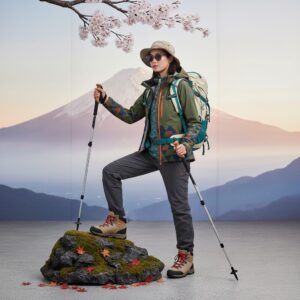
Yo, what’s up, world? Keiko here, coming at you straight from my little corner of Tokyo. When I’m not deep in the modern art scene, I’m out chasing a different kind of aesthetic—the kind you find printed on the faded pages of a 70s outdoor mag. You know the vibe: grainy photos, rugged peaks, and a feeling of pure, unfiltered adventure. If you’re a return visitor to Japan and you’re tired of the same old tourist loops, if you’re looking to find a place that hits different, then let’s talk about the Yatsugatake Mountains. This isn’t just a mountain range; it’s a whole mood. Straddling the border of Nagano and Yamanashi Prefectures, Yatsugatake is where Japan’s deep love for alpinism feels tangible, almost nostalgic. It’s less about epic, intimidating summits like the Northern Alps and more about accessible ridges, moody moss forests, and the legendary ‘yamagoya’—mountain huts that are basically the heart and soul of hiking culture here. This place is a living, breathing time capsule, and if you’re looking to capture that classic, film-camera aesthetic on your next trip, Yatsugatake is, without a doubt, the move.
For a deeper dive into the nostalgic, retro hiking culture that defines this region, consider reading about a retro ramble in Japan’s alpine heart.
The Two Faces of Yatsu: North vs. South

The first thing you need to know is that Yatsugatake isn’t just one vibe; it’s divided into two distinct personalities, separated by the Natsuzawa Pass. To the south lies Minami Yatsugatake (Southern Yatsugatake), the spiky, dramatic heartthrob of the range. Here, you’ll find the highest peaks, exposed rocky ridges, and traverses that make you feel like a true mountaineer. It’s all sharp angles and expansive views—a total stunner. Then there’s Kita Yatsugatake (Northern Yatsugatake), which tells a different story—low-key, mysterious, and magical. The peaks are gentler, more like rolling domes, and the real highlight is what lies beneath: ancient, primordial moss forests and tranquil alpine ponds. It’s less about adrenaline and more about sinking into a Ghibli-esque dreamscape. Choosing between them isn’t the goal; the real savvy move is to experience both, as together they paint the complete, multifaceted picture of what makes this range so special. For that vintage magazine feel, each side offers a unique flavor of nostalgia. The south delivers heroic, man-against-nature shots, while the north provides quiet, introspective moments of wonder in an enchanted forest. It’s a photographer’s and hiker’s paradise—a full-spectrum experience that keeps people returning year after year, season after season.
Southern Yatsugatake: The Realm of Rocky Ridges and Iconic Peaks
Alright, let’s dive into the main event: the Southern Yatsugatake range. This jagged crown of the mountains receives the most attention—and for good reason. It’s a living highlight reel of classic Japanese alpinism. The air here feels alive, steeped in history and charged with the promise of a serious challenge. The trails are well-worn yet demanding, winding through forests before emerging above the treeline into a realm of rock, sky, and endless panoramas.
Mt. Aka-dake: The Crimson King
If you only have time for one peak in the south, it has to be Mt. Aka-dake. Standing at 2,899 meters, it’s the highest point in the entire Yatsugatake range. Its name, meaning ‘Red Peak,’ reflects the reddish-brown volcanic rock that bathes its slopes in a warm, rugged glow, especially at sunrise and sunset. This is the peak featured on postcards and magazine covers. It’s more than a hike; it’s a pilgrimage for Japanese mountain enthusiasts.
The main route starts from the Minoto-guchi trailhead, where you have two very different options to reach the summit ridge. The Bunkei-sawa route (also known as the North Ridge) is the more direct path, a steady and strenuous climb that leads you up a valley to the Gyoja-goya hut—a classic basecamp nestled beneath Aka-dake’s imposing face. The hut itself is a slice of history, a gathering place where climbers swap stories and refuel on curry rice. From Gyoja-goya, the trail gets serious. You’ll scramble with your hands on sections equipped with fixed chains and ladders, navigating steep gullies. It’s exhilarating without being overly technical—a perfect balance of exposure and security that makes you feel alive. The final push to the summit ridge will burn your quads, but each breathless pause reveals an increasingly spectacular view.
The other path is the Minami-sawa route (South Ridge), which offers a gentler, more scenic ascent. This trail follows a lovely stream through the forest, passing small waterfalls and vibrant greenery before reaching Akadake Kosen, another famous mountain hut known for its delicious meals and cozy ambiance. From there, the trail continues up to the main ridge. While less direct for Aka-dake’s summit, this route is ideal for beginning a multi-day traverse along the Southern Yatsugatake spine.
Reaching the summit of Aka-dake is a memory in the making. At the top stands a small shrine, typical of Japan’s sacred peaks, where you can offer a moment of gratitude. But the real reward is the 360-degree panorama. On a clear day, words fall short. You’re gazing out over a sea of Japan’s iconic mountains: Mt. Fuji reigning to the southeast, the entire Southern Alps to the west, and the jagged pinnacles of the Northern Alps in the distance. It’s both a geography lesson and a spiritual experience wrapped into one. The wind whips around you, the air is crisp and thin, and you feel on top of the world. This is the defining moment of the classic outdoor dream. Stay at Akadake Chojo Koya, the hut on the summit, to catch the sunrise. Waking up above the clouds as the sky bursts into shades of orange and pink will forever redefine your idea of a sunrise—in the best possible way.
The Grand Traverse: Mt. Yoko-dake to Mt. Io
For those looking to elevate their Yatsugatake experience, the traverse from Mt. Aka-dake to Mt. Io is the ultimate Southern Yatsugatake adventure. This ridge walk is what mountain fantasies are made of, taking you across the range’s rooftop with nonstop breathtaking views and a generous dose of adrenaline.
Starting from Aka-dake, you head north toward Mt. Yoko-dake. This segment is known for its ‘kiken’ (danger) spots, featuring narrow, exposed paths alongside chains and ladders bolted into the rock. It sounds intimidating and does require a steady head for heights, but the route is well-maintained and offers a massive sense of achievement. The thrill of carefully navigating a narrow rock fin with the expansive world below is pure, unfiltered adventure. The rock formations on Yoko-dake are wild and sculpted over millennia by wind and ice into abstract shapes—an alpine art gallery at 2,800 meters.
Beyond Yoko-dake, the ridge widens as you approach Mt. Io. The terrain transition is remarkable: the sharp, jagged landscape gives way to a broad, almost lunar plateau. Mt. Io, or ‘Sulphur Peak,’ is a massive, weathered volcanic dome, crowned by a vast, barren crater that feels otherworldly. The ground is a mix of red, yellow, and gray scree, and the sheer scale of the volcanic explosion that formed it is humbling. You can walk right up to the crater’s edge and peer down into its depths. The wind howls across this empty expanse, making it one of the range’s most powerful, elemental spots.
Just below the summit sits the Iodake Sanso hut, which feels like a solitary outpost on Mars. Staying here is an experience of its own. The hut owner often blasts classic rock music, creating a surreal yet welcoming vibe amid the stark surroundings. Waking up here, surrounded by Mt. Io’s raw power, before continuing your journey is an unforgettable experience. This traverse beautifully showcases the Southern Yatsugatake’s incredible diversity in just a few kilometers—from Aka-dake’s sharp ascent, through Yoko-dake’s thrilling knife-edge, to Io-dake’s desolate majesty. It’s a complete story, a perfect mountain saga.
Northern Yatsugatake: A Descent into a Mossy Dreamscape

Crossing the Natsuzawa Pass from south to north feels like stepping through a gateway into another world. The dramatic, rocky peaks fade away in your rearview mirror, and you enter a domain of deep greens, soft textures, and quiet reflection. The Northern Yatsugatake emphasizes immersion over summit conquest. It’s a gentler, more forgiving landscape, yet it possesses a magic that rivals, if not surpasses, its southern counterpart. Here, sweeping panoramas give way to intimate, enchanting forest scenes.
Shirakoma Pond and the Moss Forest: Japan’s Green Heart
If any place perfectly embodies the spirit of the Northern Yatsugatake, it’s Shirakoma Pond and its surrounding moss forest. Honestly, this place feels like something out of a fantasy. The journey there is part of the enchantment. From the trailhead, you step onto a winding boardwalk that carries you over a vast green sea. The forest floor is completely blanketed by a thick, vibrant layer of more than 480 moss species. It’s a miniature forest ecosystem glowing in shades of emerald, chartreuse, and deep forest green. The air is cool and damp, scented with earth and pine. Sunlight filters through the dense canopy of ancient fir trees, casting an ethereal, dappled light that gives the whole scene a sacred atmosphere. It’s so quiet you can hear water dripping from the moss fronds. You’ll want to walk slowly, pausing to admire the incredible detail beneath your feet. It’s a macro photographer’s paradise and an ideal spot for ‘shinrin-yoku,’ or forest bathing.
Then, the forest opens, revealing Shirakoma Pond. At 2,115 meters elevation, it’s one of Japan’s highest lakes. The crystal-clear water perfectly mirrors the surrounding fir trees and sky. It’s a scene of serene, flawless beauty. On the pond’s edge sits Shirakoma-so, a rustic mountain hut with a wooden deck that extends right over the water. Grabbing a hot coffee here, sitting on the deck, and simply staring out at the pond’s stillness is an absolute must. The setting exudes a charming, retro summer-camp-in-the-mountains vibe. It’s easy to imagine spending an entire day here, reading, taking photos, and letting the profound tranquility seep into your soul. The area is particularly breathtaking in autumn when the larch trees turn a brilliant gold, creating a stunning contrast with the deep green firs and the blue water. The scene is so perfect it almost feels unreal.
Mt. Tateshina: The Gentle Giant
Dominating the northern end of the range is Mt. Tateshina, a beautifully symmetrical volcanic cone often called the ‘Suwa Fuji’ due to its resemblance to the iconic peak. Unlike the jagged southern peaks, Tateshina is a gentle, sprawling dome. But don’t be deceived by its gentle slopes; the summit surprises with a vast field of massive volcanic boulders, a striking contrast to the lush forests below.
The hike up Mt. Tateshina is popular and accessible to many hikers. Trails wind through the same magical, mossy forests found near Shirakoma Pond. As you gain altitude, the trees thin out and you emerge onto a rocky summit plateau. It feels like you’ve been transported to a different mountain. You must hop from boulder to boulder to reach the true summit, marked by a shrine and offering one of Yatsugatake’s iconic panoramic views. From here, you get a unique vantage point looking south along the entire Yatsugatake range, with the sharp southern peaks visible in the distance. You can also see the Northern and Central Alps, making it an excellent spot to familiarize yourself with the geography of central Japan.
Near the summit are two huts, Tateshina Sanso and Tateshina Chojo Hyutte, both providing cozy shelter from the wind. Spending a night here to witness sunset and sunrise from this distinctive boulder-strewn summit is highly recommended. The way the light plays on the rocks, shifting from grey to gold to deep purple, is unforgettable. Mt. Tateshina perfectly embodies the Northern Yatsugatake philosophy: a gentle approach that leads to a surprisingly epic and rewarding climax. It’s a mountain that welcomes you rather than intimidates, a big part of its allure.
The Yamagoya Experience: More Than Just a Shelter
You can’t discuss Yatsugatake—or Japanese hiking in general—without delving into the culture of ‘yamagoya,’ or mountain huts. These are far more than simple shelters; they are the vibrant heart of the mountains. They serve as guesthouses, restaurants, community hubs, and living historical landmarks all in one. Staying in one is a vital part of the Yatsugatake experience, offering not only a place to sleep but also a profound connection to the local mountain culture.
Forget any Western notions of minimalist alpine huts. Japanese yamagoya are renowned for their comfort and well-equipped interiors. After a long day of hiking, you’re welcomed warmly, given a spot to store your muddy boots, and often offered a hot cup of tea. The interiors are charming, made predominantly of wood with cozy nooks. Sleeping is usually communal, with large tatami rooms or bunk beds furnished with futons and warm blankets. Though it can feel a bit cramped, there is a strong sense of camaraderie in sharing the space with fellow hikers, all there for the same purpose.
The food is, quite simply, exceptional. Dinner at most huts is a trip highlight. You can expect a full ‘teishoku’ set meal, often including tonkatsu (pork cutlet), grilled fish, or the ever-popular Japanese curry rice, accompanied by miso soup, rice, and various small side dishes. Given that all ingredients must be helicoptered in or carried up by staff, the quality and generosity of these meals are remarkable. Breakfast is similarly hearty, providing a traditional Japanese-style meal to prepare you for the day ahead. Naturally, most huts also sell snacks, drinks, and beer. Nothing compares to opening a cold beer on a mountain hut’s deck at 2,500 meters, watching the sun set behind the peaks.
Each hut in Yatsugatake boasts its own distinct character. Akadake Kosen is known for its stunning wooden interior and an excellent bathhouse—a rare luxury in the mountains. Gyoja-goya has the feel of a rugged climber’s basecamp. Iodake Sanso exudes a rock-and-roll atmosphere. Shirakoma-so offers a peaceful lakeside setting. Staying at these huts supports the delicate mountain ecosystem and the dedicated people who maintain trails and ensure hikers’ safety. A few tips: reservations are almost always necessary, especially on weekends and holidays. Carry cash, as cards are seldom accepted. And pack a headlamp, since the lights often turn off early. It’s an experience as unforgettable as the hike itself.
Practical Beta: Your Guide to Getting It Done
Alright, so you’re sold on the vibe. How do you actually make it a reality? Yatsugatake is surprisingly easy to reach from Tokyo, which is a big part of its charm.
Access: How to Get There
The primary entry points to the range are the towns along the JR Chuo Main Line. For Southern Yatsugatake, your targets are Chino Station in Nagano or Kobuchizawa Station in Yamanashi. From Tokyo’s Shinjuku Station, the Limited Express Azusa train will get you to either station in about two to two and a half hours. It’s a smooth and scenic journey. From there, local buses connect to main trailheads such as Minoto-guchi (for Aka-dake) or Honzawa Onsen. Be sure to check bus timetables carefully, as services can be infrequent, especially outside peak summer season. Renting a car is also an excellent option, giving you more freedom to explore different trailheads and surrounding areas.
For Northern Yatsugatake, Chino Station remains your best option. From here, buses run to trailheads for Mt. Tateshina or Mugikusa Pass, which is the gateway to the Shirakoma Pond area. The roads leading into the northern range are winding and scenic, turning the journey itself into part of the adventure.
Timing Your Trip: The Four Seasons of Yatsu
Yatsugatake is a year-round destination, with each season offering a distinct experience.
- Summer (July-August): This is peak season. The weather is most stable, all the huts are open, and alpine flowers bloom in full, vibrant glory. The ridges are alive with color. It’s also the busiest time, so be sure to book your huts and transportation well in advance.
- Autumn (Late September-October): Arguably the most beautiful time to visit. The ‘koyo’ (autumn leaves) season is spectacular. The slopes burst into fiery reds, oranges, and golds. The air is crisp and clear, often providing the best long-distance views. The first snow can fall on the highest peaks in late October, so prepare for colder temperatures.
- Spring (Late April-June): A season of transition. The lower slopes thaw and fill with fresh green, while higher elevations still hold significant snow. This period calls for experience in snow travel and appropriate gear like crampons and an ice axe. The reward is solitude and the striking contrast of snow-covered peaks against vibrant greenery.
- Winter (December-March): Winter in Yatsugatake is a serious challenge for experienced winter mountaineers. The area transforms into a world of ice and snow, offering some of Japan’s most accessible and classic winter climbing. Huts that remain open, like Akadake Kosen, become hubs for ice climbers and mountaineers. It’s stunning but demands respect and proper skills.
What to Pack and Local Tips
Beyond the usual hiking essentials, there are a few Japan-specific items to pack. Bring a small towel (‘tenugui’) for use at huts and onsen. Pack earplugs and an eye mask for sleeping in communal hut rooms. A ‘bear bell’ is common gear among Japanese hikers; while bear sightings are rare in main Yatsugatake areas, the bell is part of the traditional hiking soundscape. Always carry enough cash for huts, food, and transportation. Lastly, bring a small bag to carry out all your trash. The ‘leave no trace’ philosophy is deeply embedded in Japanese hiking culture.
Beyond the Peaks: Soaking and Soba
Your Yatsugatake adventure doesn’t end when you step off the trail. The mountain foothills are scattered with incredible onsens (hot springs), which provide the perfect way to relax your tired muscles. Spots like Honzawa Onsen, one of Japan’s highest outdoor baths, or the various onsen resorts around the Tateshina area, offer a blissful post-hike retreat. There’s nothing quite like soaking in a steaming, mineral-rich bath while enjoying views of the mountains you just climbed.
The region is also renowned for its cuisine. The cool, clear mountain water creates excellent soba noodles. Seek out small, local soba shops in the towns at the mountain base for a memorable meal. In Yamanashi, be sure to try the local specialty ‘hoto,’ a hearty miso-based noodle stew with pumpkin and other vegetables—it’s the ultimate comfort food. And don’t forget to sample the local fruits and vegetables; the highland climate is ideal for growing delicious produce. Immersing yourself in the local culture and cuisine is a vital part of what makes a trip to Yatsugatake so fulfilling.
The Last Word

Yatsugatake is more than just a collection of peaks to be checked off. It’s a place with a rich, nostalgic soul. It’s the sound of wind sweeping over a rocky ridge, the taste of hot curry in a cozy mountain hut, the otherworldly green of a moss-covered forest, and the shared smiles exchanged between fellow hikers on the trail. It’s a destination that embodies the timeless, vintage spirit of adventure we all seek. For the repeat visitor to Japan looking to venture off the beaten path and immerse themselves in the country’s remarkable outdoor culture, this is the place. So bring your camera, your sturdiest boots, and an open heart. The mountains are calling, and they speak a language you’ll never forget.