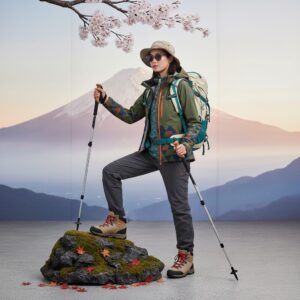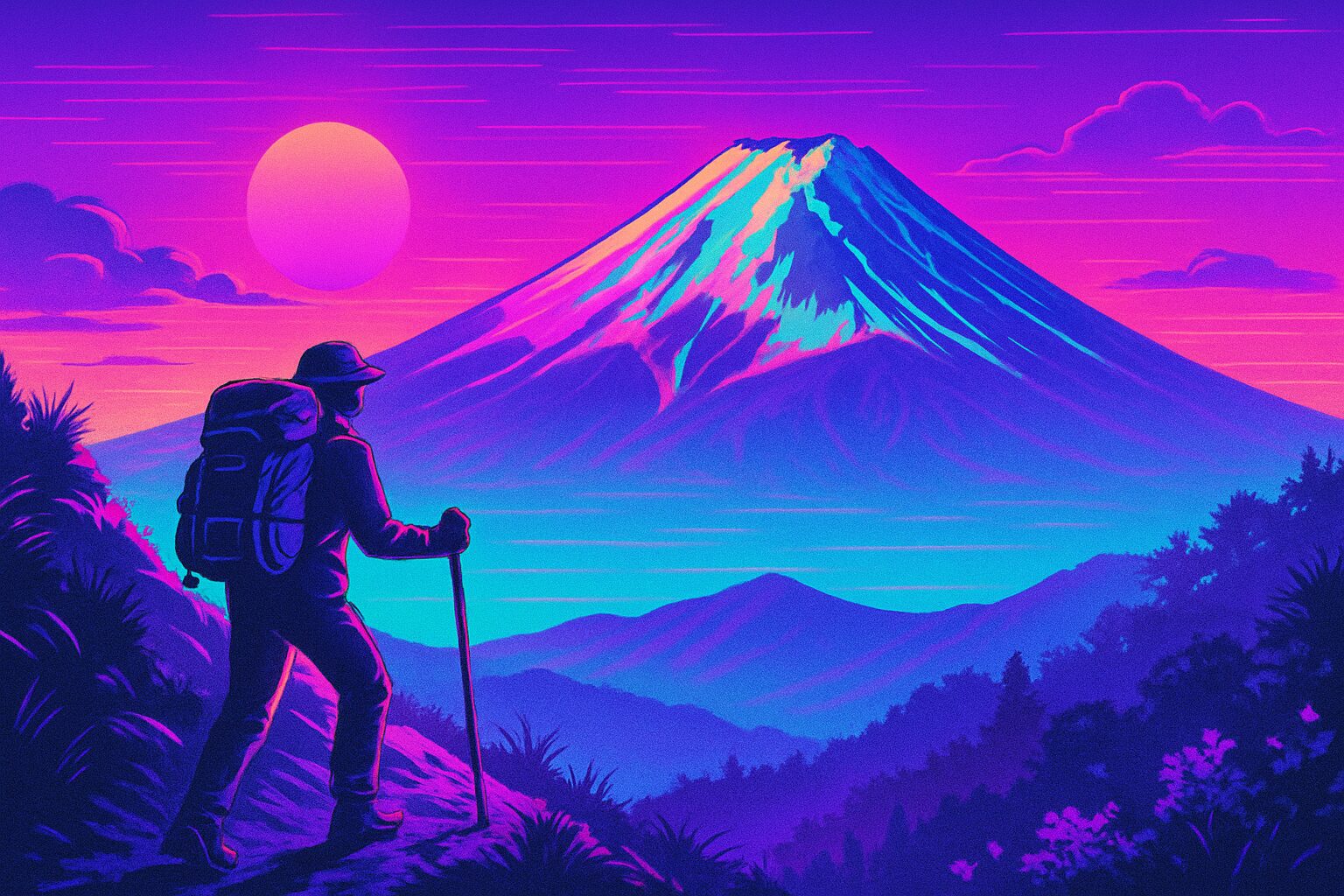
Yo, what’s the deal? Mia Kim here, your friendly neighborhood anime enthusiast, dropping in to talk about something that’s basically my entire personality: finding the chillest vibes in the most epic places. If you’ve ever watched Yuru Camp, or Laid-Back Camp as it’s known in the West, you know what I’m talking about. It’s that cozy, soul-hugging feeling of being wrapped in a blanket, sipping hot cocoa, and looking out at a ridiculously beautiful landscape. It’s not about pushing your limits or conquering nature; it’s about vibing with it. The show is a love letter to slowing down, appreciating the small stuff—the steam from a cup of noodles, the warmth of a campfire, the jaw-dropping moment when Mt. Fuji just decides to show up. And let me tell you, that vibe isn’t just in the anime. It’s a real part of Japanese outdoor culture, and you can find it all over the mountains that dot this incredible country. We’re talking about “Yuru Hikes”—laid-back treks where the goal isn’t the summit, but the snacks you eat on the way up and the epic view you soak in once you get there. Forget the grueling climbs and intense gear talk. We’re on a mission to find those peaks that give you maximum reward for minimum stress, places where you can just sit, breathe, and feel the world slow down. These are the spots that Rin Shima would totally approve of, where the journey is just as fire as the destination. We’re about to explore the real-life settings and spiritual siblings of the mountains that make Yuru Camp a whole mood. From spiritual walks up temple mountains to coastal strolls along volcanic cliffs, we’re gonna find that perfect blend of nature, culture, and, most importantly, absolute, unadulterated chill. So, grab your comfiest shoes and your favorite thermos. We’re going on an adventure, Yuru Camp style.
For a different kind of nostalgic outdoor adventure, explore the unique trails of Japan’s Shōwa retro hiking spots.
Mt. Minobu: The Spiritual Climb with a Sweet Reward

Let’s start with a place that truly has layers. Mt. Minobu isn’t just a mountain; it’s an entire spiritual journey and a destination Rin visits on one of her solo scooter adventures. This site serves as the headquarters of Nichiren Buddhism, so the atmosphere here is more about serene pilgrimage than rugged wilderness. It feels profoundly peaceful, where the very air seems ancient and calm. Upon arriving at the base, you’re welcomed by the massive Sanmon gate of Kuon-ji Temple, immediately signaling that you’ve stepped into a special place. The scent of aged wood and incense lingers in the air, blending with the fresh, crisp aroma of the thousand-year-old cedar trees towering overhead. It’s a sensory experience that instantly soothes the mind.
When it comes to reaching the summit, Mt. Minobu presents the ultimate Yuru Camp choice. Feeling a bit energetic and up for a challenge? You can tackle the “Bodai-tei,” the 287 steps known as the Stairs of Enlightenment. They are steep and relentless, symbolizing the path to spiritual awakening. Each step feels meaningful, and while climbing, you notice the burn in your legs but also a strange sense of accomplishment. It’s definitely a workout, but it connects you to centuries of pilgrims who have made this same ascent. The stone steps are worn smooth by millions of footsteps, making you feel part of a long, unbroken tradition.
Or maybe you’re Team Super-Chill, channeling your inner Rin, who would opt for the easier route to save energy for sightseeing and snacks. In that case, the Minobusan Ropeway is your perfect companion—a truly laid-back way up. You hop into a gondola and, over seven glorious minutes, simply glide up the mountainside. The views are absolutely breathtaking. You float above a sea of green treetops, and as you rise, the Fujikawa River valley unfolds below like a silver ribbon winding through the landscape. On a clear day, the grand finale is Mt. Fuji, standing majestic and iconic on the horizon. It’s a spectacular panorama you enjoy without breaking a sweat. This choice—the challenging climb or the easy ride—perfectly embodies the Yuru Camp philosophy: there’s no right way to enjoy nature, only your way.
At the summit, the experience is pure tranquility. The main hall of Kuon-ji Temple is a masterpiece of traditional Japanese architecture, featuring intricate carvings and a sweeping, elegant roof. You can stroll the grounds, listen to the soft chanting from inside the temple buildings, and feel the weight of history surrounding you. The air is cooler here, and the silence is only interrupted by the cawing of crows and the rustle of leaves. Observation decks offer even more stunning views, gazing out toward the Southern Alps. It’s the perfect spot to sit on a bench, sip from a thermos, and let the peaceful atmosphere wash over you.
And of course, no Yuru Camp location is complete without mentioning the food. Rin makes a point to try the local specialty, Minobu Manju, and you absolutely should follow her lead. These are small steamed buns filled with sweet red bean paste—but they’re not just any manju. The dough is infused with a special local miso, giving it a subtle savory, almost salty flavor that perfectly balances the sweetness of the anko filling. They’re soft, chewy, and incredibly comforting. You can buy them fresh and warm from shops near the temple base. Grabbing a few after your descent, whether on foot or by ropeway, is the perfect way to wrap up the experience. It’s that small, delicious reward that turns a simple trip into a treasured memory. To get there, take a train to JR Minobu Station, then a short bus ride to the temple entrance. It’s an easy day trip, yet it feels like stepping into another world—one where time moves a little slower and the vibes are absolutely perfect.
Mt. Kintoki: A Legendary Hike to Fuji’s Front-Row Seat
Next, we’re making our way to the Hakone region, a place nearly synonymous with Japanese getaways. Although it’s not a direct setting from the show, Mt. Kintoki captures the essence of a classic day hike rewarded with a legendary payoff. This mountain is famous for two things: its connection to the folklore hero Kintaro, the “Golden Boy,” and its stunning, front-row view of Mt. Fuji. The atmosphere on this trail is very welcoming and social. You’ll encounter everyone from dedicated trail runners to families with young children and groups of friends laughing all the way to the summit. It’s not an intimidating mountain; it’s inviting.
The Legend of Kintaro
Before starting the climb, it’s important to know the story. Kintaro is one of Japan’s most cherished folk heroes, a boy with superhuman strength who was raised on this very mountain by a Yama-uba (a mountain witch). He wrestled bears, uprooted trees, and was essentially a mini-Hercules of the Japanese wilderness. The most popular trailhead begins at Kintoki Shrine, a small, atmospheric shrine dedicated to him. As you ascend, the legend surrounds you. You’ll pass massive boulders that Kintaro supposedly split in half, and at the summit, you are greeted by a large symbolic axe statue. This playful, mythological touch adds a charming, quirky layer to the hike. It’s not just a walk through the woods; it’s a walk through a storybook.
The Ascent and the Reward
The hike strikes a perfect balance between effort and enjoyment. It’s a steady climb, taking about 90 minutes to two hours for most, that raises your heartbeat without exhausting you. The trail meanders through dense forest, with sunlight filtering through the leaves and birdsong filling the air. As you climb higher, the path becomes a bit rockier and more rugged, requiring careful footing, but it’s all part of the adventure. Some sections feature steps and ropes to assist you, giving the feel of a true mountain climb without being overly technical.
Then, you break through the treeline and—bam—the reward. The summit of Mt. Kintoki is a broad, grassy area offering one of the clearest, most breathtaking views of Mt. Fuji you’re likely to see. It’s right there, perfectly framed, so close you feel you could reach out and touch it. On a clear day, the panorama extends to include the shimmering blue of Lake Ashi, the steaming vents of the Owakudani volcanic valley, and the vast sprawl of the Kanto Plain. It’s a view that strikes you deeply—a truly epic reward for your efforts.
But the experience doesn’t end with the view. This is where Mt. Kintoki fully captures the Yuru Camp spirit. At the summit, two rival teahouses await: Kintoki Chaya and Kintaro Chaya. These rustic, old-school mountain huts are run by warm and welcoming owners. They serve hot bowls of miso soup, nameko mushroom soup, and hearty udon noodles. There is simply nothing better than finishing a hike, settling onto a wooden bench, and savoring a hot, savory bowl of soup while gazing at Mt. Fuji. It represents the pinnacle of hiking culture. You’ll spot groups of Japanese hikers unpacking portable stoves and bento boxes, sharing this collective moment of blissful reward. This is the essence of it all—the community, the food, and the view, blending into one perfect moment.
For practical advice, the best way to reach Mt. Kintoki is by bus from either Hakone (Togendai) or Gotemba. A pro tip: start early. Fuji is famously shy and tends to hide behind clouds as the day progresses. An early morning start gives you the best chance for that crystal-clear view. And after descending, you’ll be in Hakone, the onsen capital. Soaking your tired muscles in a natural hot spring is the ideal way to cap off a perfect day hike. It’s the ultimate Yuru Camp combo: a great walk, amazing food, an epic view, and a relaxing soak. It truly doesn’t get any better.
Takabocchi Kogen: The Holy Grail for View-Chasers
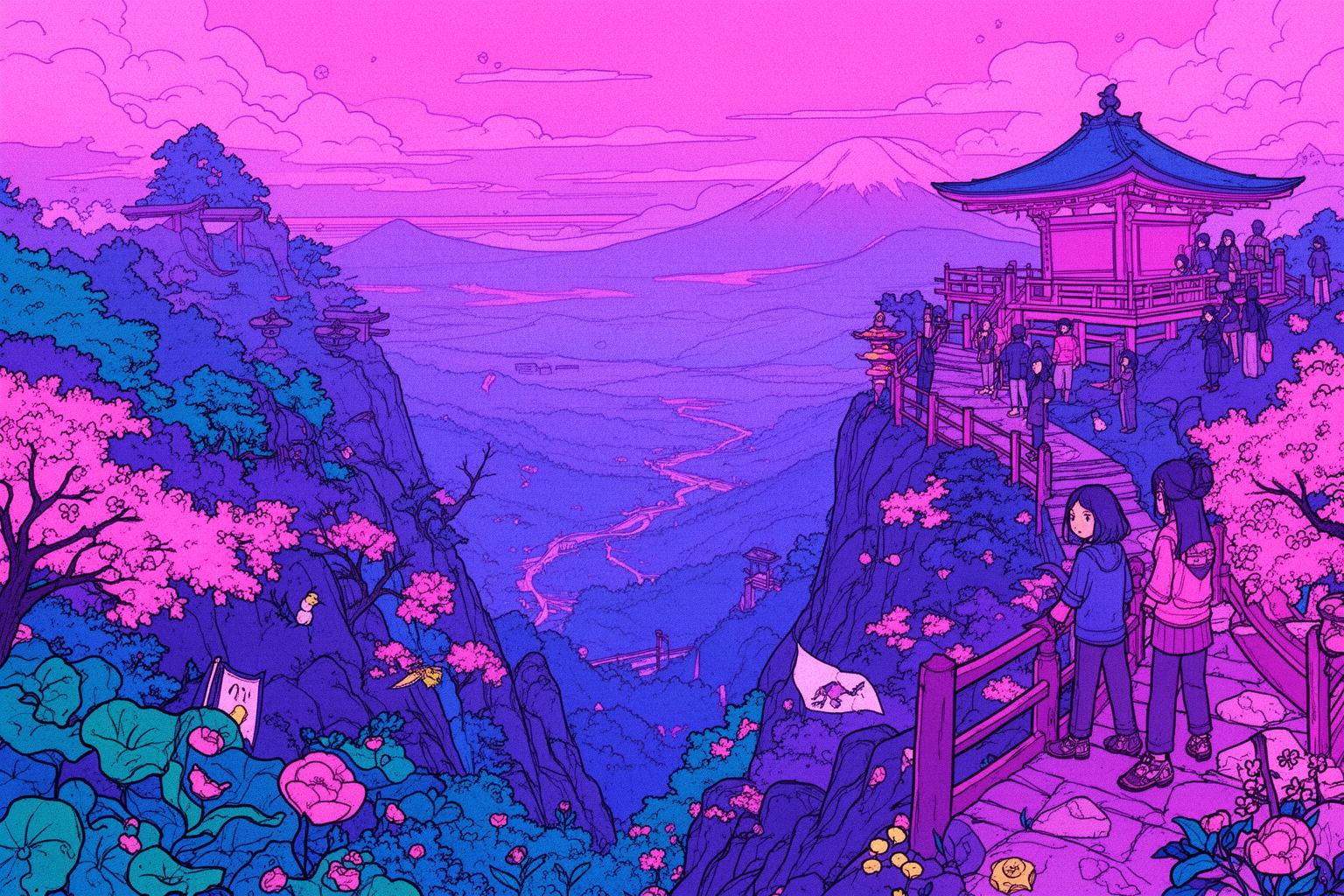
If there is a single place considered the undisputed holy land for Yuru Camp fans, it’s Takabocchi Kogen. This isn’t merely a hike; it’s more of a pilgrimage. This is where Rin camps alone and witnesses a view so legendary and breathtaking that it has become iconic. It’s the ultimate shot: a sea of clouds filling the valley below, the lights of Suwa city sparkling like fallen stars, Lake Suwa mirroring the sky, and towering above everything, the unmistakable silhouette of Mt. Fuji. This place is, without exaggeration, truly magical.
The Ultimate Laid-Back Destination
What makes Takabocchi the ultimate laid-back spot is its accessibility. You can drive almost all the way to the summit, meaning you can bring all your cozy gear: comfortable chairs, warm blankets, a cooler stocked with drinks, and, naturally, a portable stove for brewing coffee or instant ramen. The experience here isn’t about the physical challenge of climbing; it’s about the patient, meditative act of waiting for nature’s grandest performance. The plateau at the top is a wide, grassy highland that feels open and exposed in the best way possible. You feel as if you’re on the roof of the world, with a 360-degree view that includes not just Mt. Fuji but also the Northern and Southern Japan Alps. It’s an overwhelming amount of beauty to behold.
Chasing the Iconic View
The view from Takabocchi is famously dynamic and ever-changing. The most coveted moments are sunrise and sunset. Arriving in the pre-dawn darkness, setting up your chair, and watching as the first glimmers of orange and pink light paint the eastern sky behind Mt. Fuji creates a memory to cherish. As the sun rises, it illuminates the famous unkai, or sea of clouds, that often settles in the valley below. It’s a surreal, dreamlike scene that makes you feel as if you’re floating above the clouds. At night, the experience is just as profound. The sky is so dark here that the stars shine brilliantly, and the lights from the towns around Lake Suwa form a glittering carpet below. It’s quiet, peaceful, and the perfect setting for deep reflection, just like Rin.
To truly experience it Yuru Camp style, you must embrace the art of doing nothing. This is a place to slow down. Brew a cup of coffee and watch the clouds drift lazily by. Read a book with the Alps as your backdrop. Cook a simple meal and savor each bite as the temperature drops and the sky’s colors deepen. This is what the show celebrates: finding deep joy in simple, quiet moments. It’s about being present and allowing yourself to be fully overwhelmed by the vastness and beauty of nature.
However, there is an important practical detail that plays a major role in the anime: the access road. The road leading to Takabocchi Kogen is narrow, winding, and completely closed in winter due to snow and ice, usually from early December to late April. Rin famously attempts to visit during the off-season and is turned back by the closure. Therefore, it is crucial to check the official road status online before planning your trip. The best time to visit is from late spring through autumn when the weather is mild and the roads are open. Access is mainly by car, as public transportation options are very limited. It’s somewhat of a journey to get there, but that only adds to the sense of reward and magic when you finally arrive and see that view for yourself. It’s a true pilgrimage, and for any fan of the show, standing where Rin stood and witnessing what she saw is an unforgettable experience.
Izu Peninsula: Coastal Hikes and Volcanic Wonders
Let’s shift focus from towering mountain peaks to the breezy, sunlit coastline. The Izu Peninsula sets the stage for one of the most memorable arcs in Yuru Camp, where the entire Outclub embarks on a multi-day camping adventure. This region offers a different kind of relaxed exploration, filled with stunning ocean vistas, intriguing geology, and, naturally, fantastic food. It’s less about conquering a single summit and more about experiencing a unique and beautiful landscape.
The Jogasaki Coast Trail
A highlight of the Izu trip is the Jogasaki Coast. Rather than a mountain hike, it’s a breathtaking coastal trail tracing a rugged shoreline shaped by a volcanic eruption thousands of years ago. The trail is mostly flat and easy to navigate, ideal for a leisurely afternoon walk. You’ll meander through a coastal pine forest with the dazzling blue Pacific Ocean ever-present. The path is well-kept, but the true excitement lies in the dramatic scenery. The coastline consists of dark, jagged lava rock, with turquoise waves crashing in spectacular sprays of white foam. It’s raw, powerful, and stunningly beautiful.
At the heart of the trail is the Kadowaki Suspension Bridge, a 48-meter-long bridge suspended 23 meters above a rocky inlet. Crossing it is genuinely thrilling. The bridge sways softly with each step, and peering down through the gaps at the swirling ocean below offers a just-right adrenaline rush. It’s a fantastic photo opportunity and a memorable part of the coastal experience. The entire trail stretches about 9 kilometers, but shorter sections are easy to explore. The aim isn’t to cover distance quickly but to wander, pause at viewpoints, feel the sea spray on your face, and fully absorb the powerful coastal vibe.
Mt. Omuro: The Matcha Pudding Bowl
For a more classic mountain experience with a unique Izu flair, Mt. Omuro is a must-visit. This peak is one of the most peculiar and striking you’ll ever see. It’s a perfectly symmetrical, bowl-shaped extinct volcano blanketed in pampas grass. From afar, it resembles a giant, upside-down bowl of matcha pudding. Its flawless shape almost seems artificial.
True to Yuru Camp style, you don’t need to hike up—it’s accessible by a chairlift that gently takes you to the summit, offering breathtaking, ever-widening views during the ascent. It’s a soothing, scenic ride that sets a relaxing tone. At the top, a path circles the entire crater rim, about one kilometer around. The walk is easy and provides spectacular 360-degree panoramic views. You can see the whole Izu Peninsula, the deep blue Sagami Bay, the Izu Islands scattered on the horizon, and, on a clear day, the endlessly iconic Mt. Fuji far away. The crater’s interior now hosts an archery range, adding a quirky charm. Circling this ancient volcanic rim amid such epic scenery is a truly special experience.
The ‘Yuru Camp’ Trifecta: Food, Onsen, and Capybaras
What truly elevates Izu as a top Yuru Camp destination is how its outdoor experiences seamlessly blend with other delights. The girls in the anime spend just as much time eating and relaxing as they do adventuring. Izu is renowned for its seafood, especially kinmedai (splendid alfonsino), a tasty red fish typically grilled or simmered in soy broth. You’ll also come across fun treats like wasabi-flavored ice cream, which is surprisingly good! And after a day of exploring, nothing beats an onsen. Izu boasts many hot spring resorts, several with rotenburo, outdoor baths offering ocean views. Soaking in geothermally heated waters while listening to crashing waves is the ultimate relaxation.
To add a touch of laid-back fun, the Izu Shaboten Zoo visited by the girls is famous for its capybaras that bathe in their own little onsen during winter. It’s irresistibly cute and a must-see. Getting around Izu is simple via the scenic Izu Kyuko train line, which follows the coastline. Buses from stations like Izu-Kogen will bring you to the Jogasaki Coast trailheads and the base of Mt. Omuro. The area is perfect for a relaxed road trip or a leisurely train journey filled with adventure, flavor, and pure, unfiltered chill.
The Laid-Back Hiker’s Manifesto: Gear, Philosophy, and Onsen
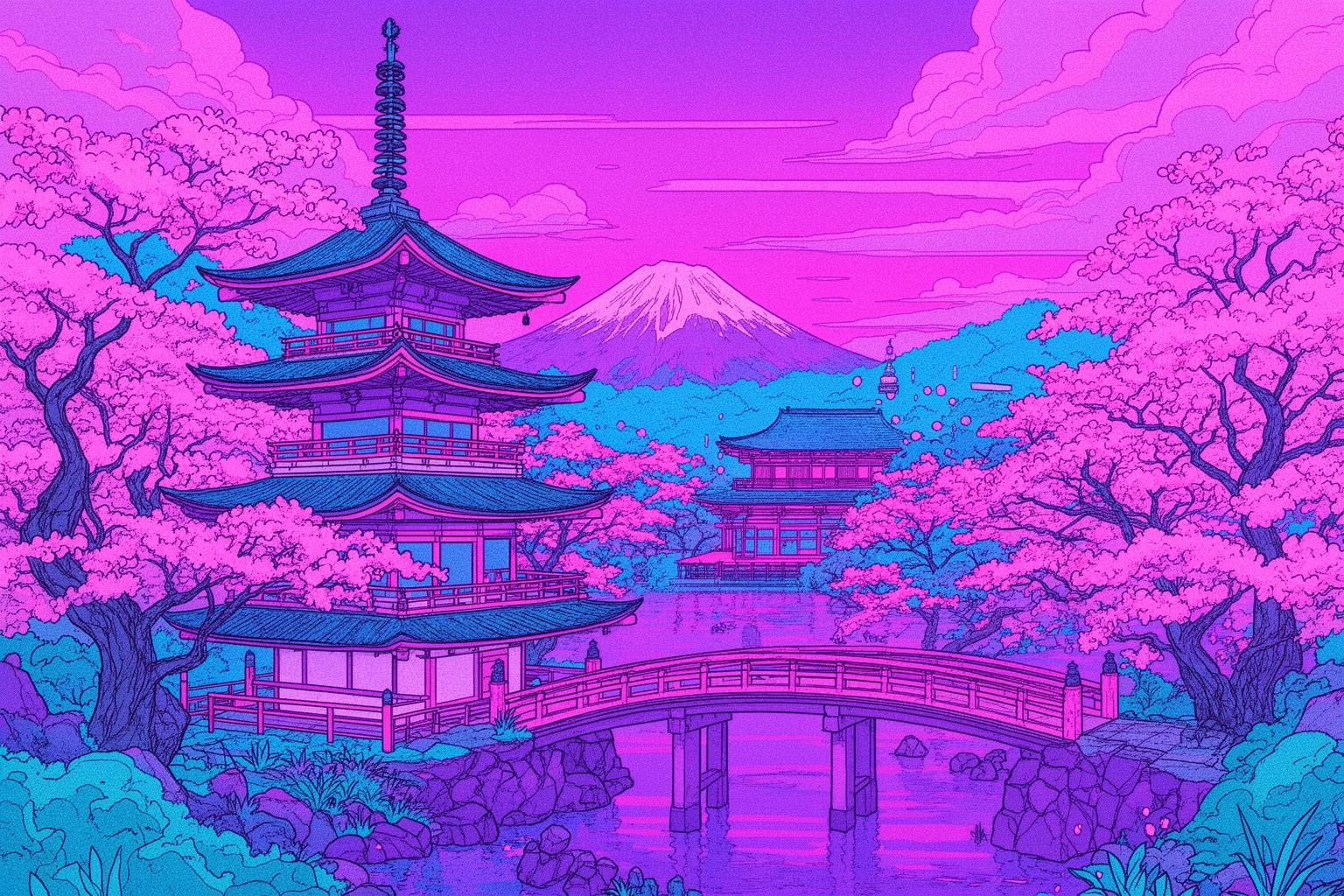
So, you’re inspired and ready to discover your own Yuru Hike. But how do you approach it? It’s less about what’s in your pack and more about what’s in your mind. The Yuru Camp philosophy is a mindset—a way of engaging with the outdoors that values comfort, enjoyment, and presence over speed, distance, or difficulty.
Your Chill-Hike Kit
Forget ultralight, ultra-expensive gear. The Laid-Back Camper’s kit focuses on coziness and convenience. Comfort comes first for your shoes—trail runners or light hiking boots work perfectly. Your backpack should be large enough to carry essentials plus a few comforts. What are those comforts? A sit-pad is a game-changer—a small foam cushion that lets you sit comfortably and dry anywhere, whether on rocky terrain or damp ground. A thermos with your favorite hot drink—coffee, tea, or hot cocoa—is essential. Pouring a warm beverage at a scenic spot instantly elevates the whole experience.
A small, portable stove and pot take it up a notch, allowing you to make instant noodles or soup at the summit. As Nadeshiko shows us, everything tastes better outdoors. Pack more snacks than you think you’ll need. A good book or journal is perfect for quiet moments spent soaking it all in. And, of course, bring a camera to capture the vibe. It’s not about having the best gear; it’s about having the right gear that makes you feel comfortable and happy.
The Philosophy of Slowing Down
The most important thing to pack is the right mindset. A Yuru Hike means giving yourself permission to take it slow. Spot a nice bench with a view? Sit there for twenty minutes. Feel like napping in a sunny patch? Go for it. Take the ropeway or chairlift without a shred of guilt. The goal isn’t to conquer the mountain; it’s to enjoy your time on it. This approach is closely tied to the Japanese concept of shinrin-yoku, or forest bathing—simply being in nature, engaging all your senses, and absorbing the forest’s calm. It’s a meditative practice, at the heart of what makes Yuru Camp so special. Let go of the urge to rush. The view will be waiting when you arrive.
The Final Reward: The Onsen
No Japanese hike is complete without the post-hike onsen. It’s the ultimate reward—the perfect ending to your adventure. Soaking tired muscles in mineral-rich, geothermally heated water is pure bliss. It feels like melting away the day’s effort, leaving you refreshed and deeply relaxed. For first-timers, onsen etiquette is simple: wash thoroughly at the washing stations before entering the baths, keep towels out of the water, and beware that tattoos can sometimes be a problem at older, traditional places. However, many tourist-friendly onsen are becoming more accepting, or you can seek out private baths (kashikiri-buro). Embracing onsen culture is embracing the soul of Japanese relaxation—it’s the serene close to a day of laid-back exploration.
So, whether you’re ascending the spiritual steps of Mt. Minobu, chasing Fuji views on Mt. Kintoki, making a pilgrimage to Takabocchi, or wandering the dramatic coast of Izu, remember the spirit of Yuru Camp. It’s about finding joy in the journey, savoring small moments, and realizing the best adventures leave your soul as full as your camera roll. Now go find your peak chill. The mountains are calling—and they’re in no rush. Peace out and happy trails.