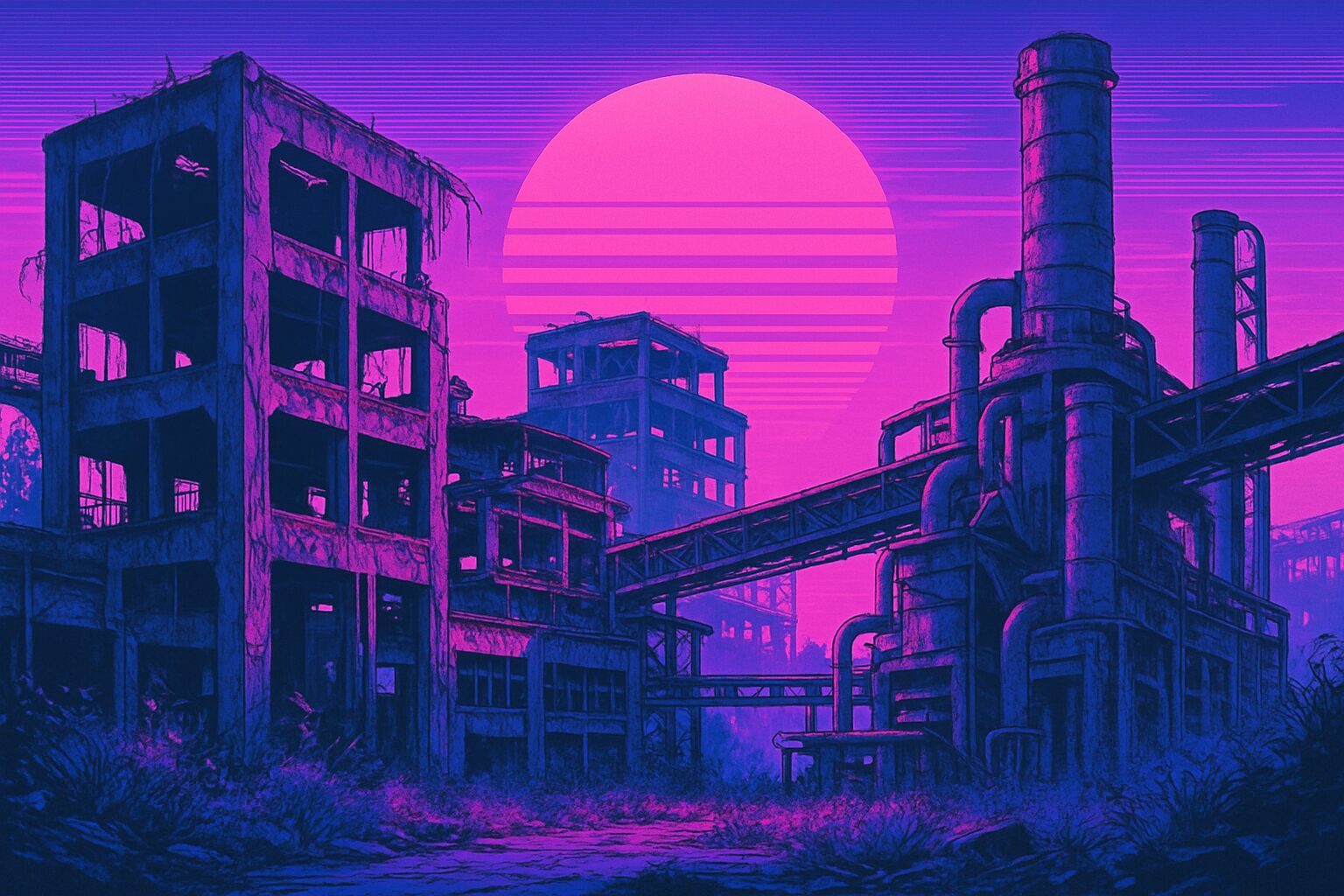
Yo, what’s up, travel fam! Emily here, and today we’re putting the foodie adventures on pause for a sec. We’re trading the neon glow of Shibuya for a different kind of light show, one that’s way more low-key but hits different, you know? We’re diving headfirst into the hauntingly beautiful, post-apocalyptic world of Japan’s Showa-Era industrial ruins. Bet. Think massive, rusting skeletons of steel and concrete, silent witnesses to a time when Japan’s economic engine was screaming at full throttle. These aren’t your typical cherry blossom spots; this is the flip side of the aesthetic, a raw, powerful vibe that tells a story of ambition, decay, and the relentless march of time. This is haikyo culture, the exploration of abandoned places, and we’re here to catch a glimpse of these sleeping giants. It’s a whole mood—a trip that’s less about the ‘gram-perfect shot (though you’ll get plenty) and more about feeling the echoes of a forgotten era. So, grab your camera, pack your sense of wonder, and let’s get ready to explore the steel arteries of a nation. It’s gonna be epic, no cap.
If you’re feeling this raw, industrial vibe, you might also be drawn to the eerie silence of Japan’s abandoned Showa-era medical sanctuaries.
The Allure of the Abandoned: Why We’re Obsessed with Haikyo
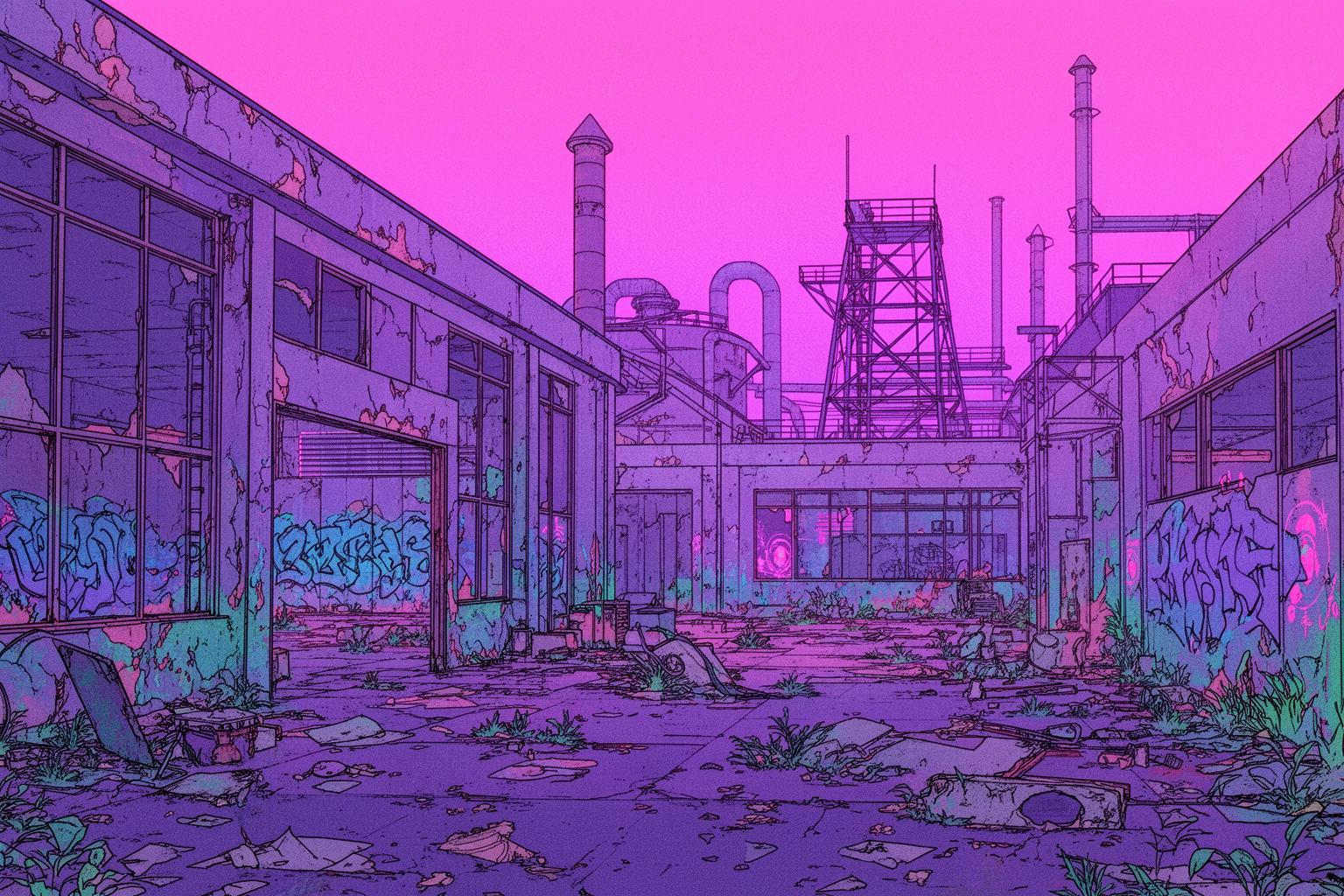
Before diving into the where and how, let’s first explore the why. What makes old, rusty factories so fascinating? In Japan, there’s a profound cultural concept called mono no aware, which is essentially the bittersweet emotion evoked by recognizing the fleeting nature of things. It’s that subtle ache in your heart when you watch cherry blossoms fall, aware that their beauty is momentary. These industrial ruins embody mono no aware on a grand scale. Once symbols of immense power, progress, and national pride during the Showa Era (1926–1989), particularly amid the post-war economic boom, they now stand quietly, slowly being reclaimed by nature—their pipes and towers resembling ancient monuments from a bygone era. They serve as a potent reminder that nothing, not even the mightiest industrial machines, endures forever.
There’s also the aesthetic of wabi-sabi, which embraces beauty found in imperfection, impermanence, and incompletion. The peeling paint, the intricate rust patterns, and the way weeds sprout through cracks in the concrete—that’s pure wabi-sabi. It’s about valuing the elegance that comes with age and decay. For photographers and artists, these sites are absolute treasure troves—the textures, dramatic shadows, and vast scale offer endless inspiration. Japan’s community of urban explorers, or haikyo enthusiasts, is grounded in a deep respect for these places. Their guiding principle is always “take only pictures, leave only footprints.” It’s not about vandalism or seeking thrills; it’s about documenting and preserving memories. It’s like stepping onto the set of a science fiction movie and feeling the heavy presence of history all around. This isn’t merely sightseeing; it’s time travel with a tetanus shot warning. The atmosphere is melancholic, somewhat eerie, yet overwhelmingly beautiful. It’s a quiet dialogue with the ghosts of industry and, honestly, a profoundly spiritual experience if you open yourself to it.
Kawasaki: The OG Cyberpunk Kingdom
When you think of Japan’s industrial heartland, Kawasaki is likely the first name that comes to mind. Nestled between Tokyo and Yokohama, this city reigns supreme as the king of industrial nightscapes. It’s an expansive maze of pipes, tanks, and chimneys that, after dark, transforms into a futuristic, dystopian metropolis seemingly plucked straight from Blade Runner. The air vibrates with the low drone of machinery, steam billows into the night sky, and thousands of lights shimmer against the dark waters of Tokyo Bay. It’s an intense sensory experience that feels both futuristic and ancient simultaneously. This is where the Showa dream was forged through steel and fire, and you can still sense that energy pulsing throughout the place.
The Vibe Check: What Kawasaki Feels Like
Visiting the Kawasaki Industrial Zone, or Keihin Kogyo Chitai, is far from a passive experience. The sheer magnitude is difficult to grasp. Towers dripping with intricate pipework soar into the sky, their surfaces a patchwork of rust and gleaming metal. At night, the entire area comes alive. The factories are illuminated not for beauty, but for function, which ironically results in a breathtakingly complex and alien landscape. The orange sodium lamps, stark white floodlights, and blinking red warning lights atop the tallest chimneys all reflect off the plumes of white steam, casting an otherworldly glow. The air carries the scent of salt from the bay, mingled with a faint, surprisingly pleasant metallic tang. You hear the distant clang of metal, the hiss of steam releasing, and the constant, deep hum of a city that never rests. It feels like you’ve stumbled into the world’s engine room. Standing before these structures is incredibly humbling—feeling minuscule before this massive, intricate organism of human ingenuity simply existing. It’s a mechanical sublime, a mix of awe and a touch of fear, and it’s utterly addictive. You don’t just see Kawasaki; you feel it deep in your bones.
A Quick History Sesh: The Rise of a Steel Giant
Kawasaki’s tale is the story of modern Japan. During the Meiji Restoration, as Japan raced to modernize, Kawasaki’s prime location on the water between two major cities made it an ideal hub for heavy industry. However, it was during the post-WWII Showa boom that it truly flourished. Companies like Nippon Kokan (now JFE Steel) and Toshiba built massive plants here, turning the city into a powerhouse for steel production, shipbuilding, and petrochemicals. This was the engine behind Japan’s economic miracle—a place providing jobs, fueling national growth, and producing the cars, ships, and electronics that dominated global markets. As technology advanced and industries shifted, some older Showa-era plants were decommissioned, modernized, or partially abandoned, forming the layered landscape visible today. Sleek new facilities stand alongside rusting, aged counterparts, perfectly illustrating Japan’s industrial history in visual form. It’s a living museum where past and present constantly converse.
How to Catch the Views: The Ultimate Game Plan
Finding the best vantage point of the Kawasaki complex is an adventure itself since you can’t simply stroll through a working factory. The most popular way to experience it is via a nighttime factory cruise, or kojo yakei cruise. Several companies offer boat tours from Yokohama or Kawasaki that navigate the canals threading through the industrial zone. Being on the water, gazing up at these illuminated giants, is surreal. The reflections on the water double the spectacle, and guides often share fascinating facts about the factories you pass. Pro tip: book these tours well ahead, especially for weekends, as they fill up quickly. Dress warmly, even in summer, since it gets chilly on the water at night. It’s an absolute must for the full cyberpunk experience.
If you prefer exploring on land, there are excellent spots to check out. Kawasaki Marien is a public community center featuring a free observation deck on the 10th floor, about 51 meters high. It offers a stunning 360-degree panoramic view of the entire industrial zone and Tokyo Bay. It’s the ideal spot to set up a tripod and capture the sprawling landscape as sunset fades and factory lights flicker on. You can reach it by bus from Kawasaki Station. Another great location is around Ukishima and Higashi-Ogishima Nishi Park. These areas lie at the edge of the industrial zone and offer dramatic, ground-level views of the factories from public roads and parks. Just be mindful, stay clear of the massive trucks dominating these roads, and never trespass on private property. Safety and respect are key here.
Yokkaichi: The Petrochemical Dreamscape
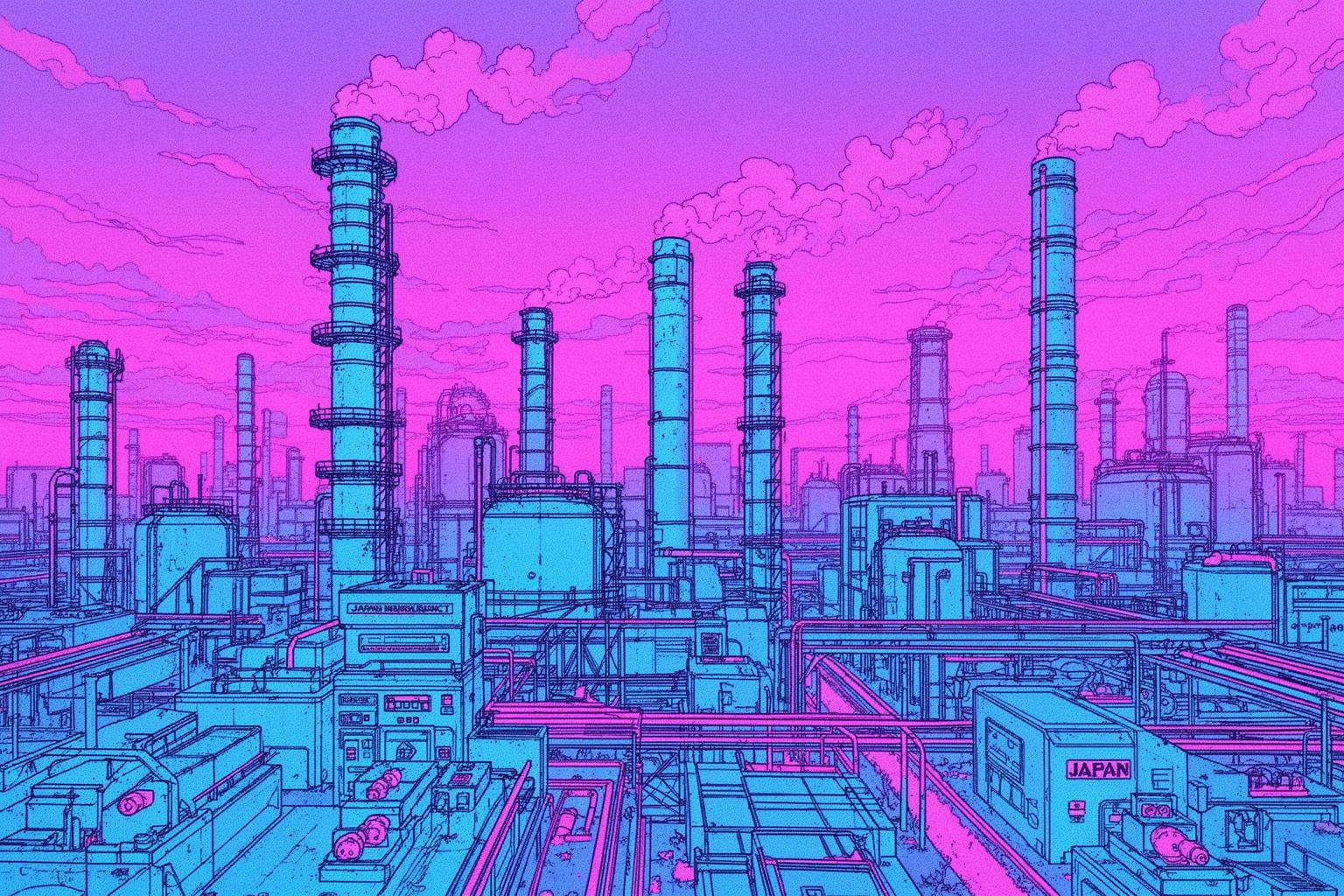
If Kawasaki is a kingdom of steel, then Yokkaichi in Mie Prefecture is an expansive, intricate empire of petrochemicals. This is another of Japan’s major industrial hubs, but it presents a completely different visual style. Yokkaichi’s factories, known as kombinato, form a dizzying network of pipes, spheres, and towers that appear even more complex and alien than those in Kawasaki. The density of the structures is astonishing. After dark, the area glows with an intense, almost magical light, reflecting the sophisticated chemical processes underway. Yokkaichi offers a distinctive type of industrial beauty—both captivating and slightly intimidating.
The Petrochemical Maze: A Different Kind of Beauty
The atmosphere in Yokkaichi emphasizes intricate complexity rather than sheer force. The factories here focus on oil refining and chemical production, resulting in a tangled maze of pipes stretching in every direction, linking enormous spherical tanks and distillation towers that resemble metallic cathedrals. The whole site is a three-dimensional puzzle of shining silver and white against the night sky. The light here is different too—cleaner and whiter compared to Kawasaki’s orange glow, which makes the steam plumes appear even more ethereal as they catch the floodlights. Standing on one of the many bridges overlooking the kombinato, you feel like you’re gazing at a circuit board brought to life. The scale rivals Kawasaki’s, but the mood is one of scientific precision mixed with controlled chaos. It’s a visual symphony of lines, shapes, and light that photographers absolutely adore. You could spend hours just focusing on a single section, tracing the path of one pipe through the maze, and still not take it all in.
Yokkaichi’s Glow-Up (and Down): A Story of Progress and Pain
Yokkaichi’s history is both powerful and significant. Like other industrial areas, it flourished during the Showa era. The first petrochemical complex was established in the late 1950s, and the region quickly grew into one of Japan’s key industrial centers. However, this rapid, unchecked expansion came at a grave cost. In the 1960s and 70s, the area became notorious for severe air pollution, causing widespread respiratory illness known as “Yokkaichi Asthma.” It was one of Japan’s Four Big Pollution Diseases and spurred the country to implement some of the world’s strictest environmental regulations. Today, Yokkaichi is far cleaner—a so-called “eco-model” city that has learned from its past. Understanding this history adds a profound, somber dimension to the factories’ beauty. You see the steam and recall a time when it was toxic smoke. It deepens your appreciation, not only aesthetically but also as a symbol of both industrial pitfalls and the potential for recovery and change. This is a heavy but vital part of Yokkaichi’s story.
Chasing the Steam: The Best Vantage Points
Unlike Kawasaki, Yokkaichi doesn’t offer many boat tours, so exploration mainly takes place on land. This allows for more freedom to explore at your own pace. One of the most iconic viewing spots is the Yokkaichi Dome, a large sports facility. From its parking lot and nearby areas, you get an excellent, wide-open view of the central complex. It’s a popular spot for local photographers, so you might even make a few friends. Another famous location is the Route 23 overpass and various bridges throughout the area. These elevated points provide clear sightlines over fences into the core of the industrial maze. The factory lights reflecting on the water of nearby rivers and canals create stunning photo opportunities. When shooting from bridges, it’s crucial to stay safe—stick to the sidewalk, watch for traffic, and avoid distractions that might endanger drivers. Having a car is your best bet for exploring Yokkaichi, as the top spots are spread out and difficult to reach by public transport. A night driving around the kombinato is an unforgettable urban safari.
Kitakyushu: Ghosts of the Steel City
Heading south to the island of Kyushu, we arrive at Kitakyushu in Fukuoka Prefecture. This city has a distinct character. Founded on coal and steel, it carries a grittier, more aged atmosphere. Kitakyushu was the birthplace of Japan’s modern steel industry, with the state-run Yawata Steel Works opening as early as 1901. Throughout much of the 20th century, it stood as the industrial core of the nation. Although the city has since transformed itself, the echoes of its industrial past remain ever-present. The landscape is sprinkled with Showa-era buildings that possess a grand, almost timeless aura, narrating stories of a bygone era of industrial strength.
Steel City Ghosts: An Atmosphere of History
Kitakyushu’s atmosphere is deeply historical. The factories here feel less like futuristic sci-fi settings and more like ancient industrial fortresses. The rust is more pronounced and the structures more monumental. You can almost hear the reverberations of the countless workers who labored here, fueling Japan’s modernization. The most iconic area of the Kitakyushu industrial zone is around Dokai Bay, home to many of the old steel and chemical plants. Often, the city’s visual hallmark is the “red bridge,” the Wakato Bridge, set against expansive factory backgrounds. At night, the scene blends the warm glow from active plants with the dark, silent silhouettes of those long shut down. There’s a melancholic feel here, a sense of faded glory that is deeply poetic. It’s a place that invites reflection on the cycles of rise and decline—not only for industries but for entire cities and ways of life. The vibe is less about cyberpunk excitement and more about profound, historical respect.
From Industrial Heart to Eco-Model: A City’s Redemption
Similar to Yokkaichi, Kitakyushu has a troubled past marked by pollution. In the 1960s, the air and waters of Dokai Bay were so contaminated that it was nicknamed the “Sea of Death.” The sky was thick with multicolored smoke, grimly called the “seven-colored smoke” by locals. This was a stark reminder of the environmental toll of rapid industrial growth. Yet, the city staged an extraordinary recovery. Through the joint efforts of residents, businesses, and local government, Kitakyushu launched a comprehensive environmental cleanup. Today, it is internationally recognized as an “Eco-Model City” for successfully balancing industry with environmental protection. Fish have returned to the bay, and the skies have cleared. This transformation story is essential for understanding Kitakyushu. When you look at its factories, you’re not just seeing industrial buildings; you’re witnessing a symbol of a city that confronted its challenges and triumphed. This tale of redemption adds an uplifting, inspiring dimension to the haunting beauty of the old industrial sites.
Finding the Shot: Panoramic Perfection
For the ultimate view of the Kitakyushu industrial zone, you need to ascend. Mount Sarakura, reachable by cable car and slope car, offers an astonishing panoramic vista from 622 meters up. It has been selected as one of Japan’s “three most beautiful night views,” and with good reason. From the observation deck, you can take in the entire industrial expanse around Dokai Bay, the Wakato Bridge, and the city lights stretching to the horizon. It’s a breathtaking panorama that puts the vastness of the area into perspective. It’s the ideal spot for wide-angle landscape shots, especially during the “magic hour” as the sun sets and city lights begin to twinkle. For ground-level views, exploring the neighborhoods around Wakamatsu and Tobata on either side of the bay offers striking perspectives of the factories and the signature bridge. The contrast between quiet residential streets and massive industrial backdrops creates a compelling visual theme to capture.
Local Tips & A Foodie Break
After a long night of exploring and photography, you’re going to want to eat! Here’s where the foodie side shines through. Kitakyushu is renowned for its distinctive ramen—a rich, pork-bone tonkotsu broth similar to Hakata ramen but often thicker and even more flavorful. It’s a perfect, hearty dish to warm you up. The city is also famous for yaki-udon (stir-fried udon noodles), which reportedly originated here. Finding a small local spot to refuel is the best way to conclude a day of industrial discovery. It’s a way to connect with the city’s living culture after encountering the ghosts of its past. IYKYK—the best travel experiences always blend the epic with the everyday.
The Unwritten Rules: Exploring with Respect and Safety
Alright, let’s get real for a moment. Exploring industrial areas is an amazing experience, but it comes with serious responsibilities. This isn’t Disneyland. These places are either active industrial sites or crumbling structures, both of which can be hazardous. The top rule is do not trespass. Seriously. It’s illegal, dangerous, and it harms the reputation of photographers and explorers as a whole. All the incredible views and shots we’ve discussed can be captured from public spaces such as observation decks, bridges, parks, and public roads. There’s absolutely no reason to climb over any fences.
Physical Safety
Even in public areas, stay alert. Industrial zones often have heavy truck traffic around the clock. These drivers are working and do not expect pedestrians on the roadside. Stay visible, be cautious, and give trucks plenty of room. When near abandoned (but publicly accessible) spots, watch your footing—rusty metal, broken glass, and unstable ground are common hazards. Wear sturdy, closed-toe shoes. It’s also wise to carry a flashlight, even if shooting at dusk, since light fades quickly and some places are poorly lit.
The Haikyo Ethos
For those who delve deeper into ruins (again, not endorsing trespassing), the fundamental principle is preservation. The aim is to leave the site exactly as you found it. Don’t take souvenirs, don’t damage anything, and don’t rearrange items for a better shot. The goal is to be a ghost passing through without leaving a trace. This respect for the location and its history distinguishes true urban explorers from vandals. It’s about appreciating decay without accelerating it. Even when observing from public vantage points, this approach matters. Be a respectful visitor to these powerful places.
A Final Reflection on Rust and Time
Spending time in the shadow of these dormant industrial giants is an experience, in every sense of the word. It’s a journey into Japan’s history, a peek at a potential future, and an immersion into a distinctive and powerful aesthetic. It reminds us that beauty isn’t only found in immaculate temples and well-kept gardens. It’s also present in the rust, the decay, and the quiet dignity of things that have fulfilled their purpose. These factories are more than just concrete and steel; they stand as monuments to human ambition, hard work, and the relentless, unstoppable passage of time. They share a story that is both uniquely Japanese and universally human. So, next time you’re planning a trip to Japan, consider looking beyond the typical guidebook recommendations. Find a spot on a bridge overlooking one of these industrial cities at night, watch the steam rise into the darkness, and simply listen. You might be surprised by the stories the ghosts of the Showa Era have to share. It’s a feeling you won’t forget. Peace out.