Yo, what’s up, fellow wanderers! Li Wei here, coming at you straight from the heart of Japan’s Kiso Valley. Lemme ask you something. You ever scroll through your feed, see those epic shots of ancient Japan—mossy forests, wooden villages, misty mountains—and think, “Man, I wanna go to there”? What if I told you that you can literally walk right into that picture? No filter, no VR, just you, your kicks, and a path straight out of a history book. We’re talking about the Nakasendo, the legendary highway that once connected Kyoto to Edo (that’s old-school Tokyo, for the uninitiated). This ain’t your average tourist trail. This is a full-blown time machine, a portal to an era of samurai, shoguns, and wandering poets. And the absolute best part, the G.O.A.T. of all Nakasendo sections, is the hike from Magome-juku to Tsumago-juku. It’s a journey that’s more than just steps; it’s a vibe, an experience that gets into your soul. Forget the neon buzz of the big cities for a minute. We’re about to trade the concrete jungle for whispering cedar forests and the shinkansen’s whoosh for the sound of our own footsteps on ancient stone. This trail is where Japan’s past isn’t just remembered; it’s alive, breathing, and waiting for you to walk its story. It’s a chance to disconnect from the chaos and reconnect with something real, something that’s been here for centuries. As someone who’s spent a lot of time tracing the lines of history across East Asia, I can tell you, this path has a powerful energy, a story that resonates with the ancient trade routes and imperial pathways of my own heritage in China. But the Nakasendo has its own unique magic. It’s a story told in worn-out stone, creaking wood, and the taste of grilled mochi. So, are you ready to ditch the timeline and take a walk on the wild side of history? Bet. Let’s get this bread—or, uh, this gohei-mochi.
Kiso Valley: The Main Character Energy

Before we even get into the hike, you need to understand the setting for this epic adventure: the Kiso Valley. Nestled deep within the mountains of Nagano and Gifu prefectures, this place truly embodies moody, atmospheric Japan. This isn’t just any valley; for centuries, it was the core of Japan’s timber industry. The Kiso Hinoki, a type of cypress tree native to the area, is basically the superstar of the tree world. It’s incredibly high-quality, has a wonderful fragrance, and was used to construct some of Japan’s most sacred buildings, like the Ise Grand Shrine. The shogunate recognized the value of this wood, so they fiercely protected these forests. Walking here, you’re surrounded by ancient, majestic trees that have witnessed more history than you can imagine. The air feels different—cleaner, crisper, and infused with the subtle, sweet scent of cypress. The entire valley is threaded by the Kiso River, a powerful, emerald-green ribbon that carves through the landscape. The Nakasendo trail follows this natural corridor, linking a series of juku, or post towns, established as official rest stops for tired travelers. Think of them as the Edo period’s version of highway service stations, but way cooler. Magome and Tsumago are the two best-preserved jewels of the Kiso Valley, the A-listers of the Nakasendo. The atmosphere here is just… different. It’s quiet but not empty. It’s old but far from decaying. It’s a place that demands respect, a landscape that makes you feel marvelously small. You sense the weight of history beneath your feet with every step. This is the Japan that existed long before skyscrapers and bullet trains, and spending time here feels like a true reset for the soul.
Getting Your Edo Journey Started: The Logistics
Alright, real talk. Reaching the heart of Japan’s mountains might seem tricky, but it’s actually pretty straightforward if you know how. The key hub to aim for is Nagoya. Whether you’re coming from Tokyo, Kyoto, or Osaka, the smartest move is to catch the Shinkansen (the bullet train) straight to Nagoya Station. It’s fast, reliable, and a fun experience in itself.
From Nagoya Station, you’ll transfer to a local train line—the JR Chuo Main Line. This is where the scenery starts to shine. You’ll leave behind the city chaos and steadily head into the mountains. Your stop is Nakatsugawa Station, with the ride taking roughly 50 minutes to an hour and a half, depending on whether you take a rapid or local train. Pro tip: secure a window seat and pick up an ekiben (station lunchbox) in Nagoya for the full vibe. Once at Nakatsugawa, you’ll be right on the doorstep of Magome-juku.
From Nakatsugawa Station, your final leg is by bus. The bus stop is just outside the station, with signs pointing to Magome (馬籠). The buses run quite often, and the 25-minute trip winds up scenic mountain roads. You’ll feel the excitement grow as you climb higher. The bus lets you off right at the entrance to Magome-juku—boom, you’ve arrived. The entire journey from the city smoothly shifts you from the ultra-modern to deeply historical, step by step.
For those finishing the hike in Tsumago and looking to leave, the process is similar. From Tsumago, take a bus to Nagiso Station (also on the JR Chuo Main Line). From Nagiso, you can return to Nagoya or continue onward to Matsumoto and other parts of Nagano. It’s a seamless system, showcasing Japan’s remarkable public transportation network.
Magome-juku: The Pre-Hike Glow Up

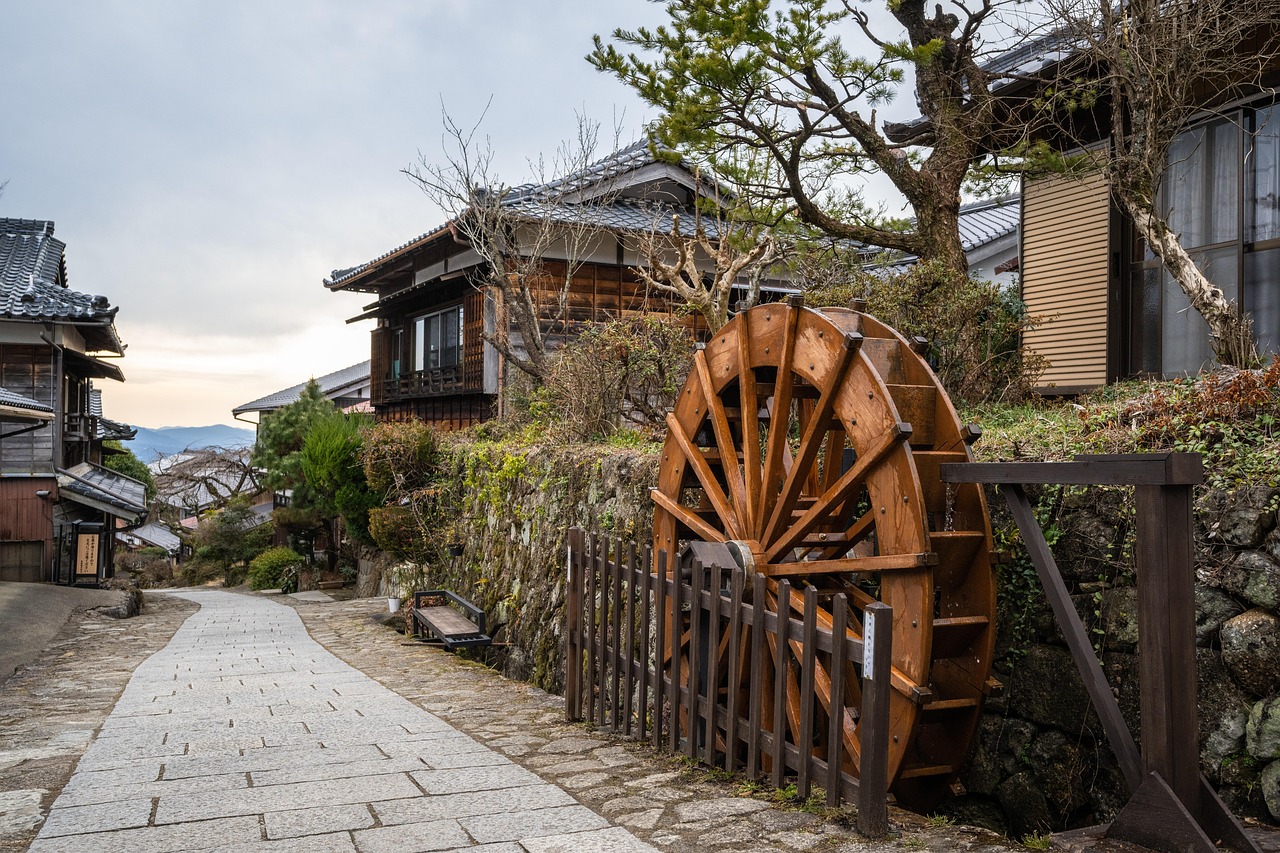
Stepping off the bus in Magome-juku feels like a genuine movie scene. The first thing that catches your eye is the slope. The town is perched on a steep hillside, and its main street is a beautifully restored stone-paved path winding uphill for about 600 meters. The entire place resembles a film set. Dark wooden buildings with latticed windows line the street, their roofs heavy with traditional tiles. Water sounds are everywhere, flowing through channels on either side of the road, turning the creaking wooden waterwheels that once powered mills. It’s a sensory overload in the best possible way.
Magome feels vibrant. It has more of a commercial buzz than Tsumago, with plenty of small shops, cafes, and restaurants calling your name. This is the ideal spot to fuel up before your hike. And when I say fuel, I mean you absolutely must try the local specialties. The number one must-try is gohei-mochi. It’s a flattened rice cake on a skewer, slathered with a sweet and savory sauce made from miso, walnuts, and sesame, then grilled over an open flame. The aroma alone is intoxicating. It’s the perfect hiking snack—hearty, delicious, and authentically local. Another regional favorite is anything made with chestnuts (kuri), which are highly prized here. You’ll find chestnut soft-serve ice cream, chestnut rice, and a variety of traditional sweets. No joke, the food scene here is a highlight.
Beyond the snacks, take time to explore. Step into the small shops selling local crafts, from intricate woodwork to handmade paper. There’s the Toson Memorial Museum, dedicated to the famous Meiji-era writer Shimazaki Toson, who was born here and whose novels brought Magome into the spotlight. Even if you’re not a literature fan, it offers a fascinating glimpse into life during Japan’s rapid modernization. The real joy of Magome, though, lies in walking. Climb to the top of the main street to the viewpoint. On a clear day, you can see Mount Ena in the distance, and the view looking back down the sloped street is iconic. It’s the perfect spot to take a deep breath, snap that killer Instagram pic, and mentally prepare for the journey ahead. Before you set out, be sure to visit the tourist information center. This is where you can arrange the luggage forwarding service, which is the true MVP of the Nakasendo experience. For a small fee, they’ll transport your big bags over to Tsumago, so you can hike with just a light daypack. Trust me, it’s a game-changer. You can also pick up a map and a bear bell here. Yes, a bear bell. Asiatic black bears inhabit these mountains, and while sightings are rare, it’s standard practice to make noise while hiking. Jingle all the way!
The Path Less Traveled: Hiking the Edoverse
With your belly full of gohei-mochi and your heavy bags sent ahead to Tsumago, it’s time for the main event. The hike from Magome to Tsumago covers about 8 kilometers (roughly 5 miles) and typically takes most people 2 to 3 hours at a relaxed pace. The initial section of the trail leaving Magome is the most challenging—a steady uphill climb on a paved road that eventually transforms into the historic trail. But the reward is immediate. You’re treated to stunning panoramic views of Magome and the surrounding valley. It’s a bit of a struggle, but absolutely worth it.
Soon, you’ll reach Magome Pass, or Magome-toge. At 801 meters above sea level, it marks the highest point of the hike. A stone monument stands here, accompanied by a strong sense of achievement. From this point forward, the trail is mostly downhill or flat, which your legs will surely appreciate. This is when you truly leave the modern world behind and enter the forest. The trail descends into a dense, shadowy forest of Japanese cedar, cypress, and bamboo. The air cools, light filters through in patches, and the only sounds are rustling leaves, birdsong, and the gentle jingle of your bear bell. It’s remarkably peaceful and meditative. As I walked this path, I couldn’t help but think of the ancient mountain trails in China, like those on Mount Emei or Huangshan, where scholars and monks sought solitude and enlightenment. There’s a shared spirit in these ancient trails—a reverence for nature that crosses borders.
Parts of the trail are paved with the original ishidatami, or stone paving, dating back to the Edo period. These moss-covered stones have been smoothed by the footsteps of millions of travelers over centuries. Walking on them is a unique experience. You can almost hear echoes of the past—the rushing footsteps of samurai messengers, the heavy steps of merchant caravans, the delicate footsteps of a princess in her palanquin traveling to marry the shogun. It’s not merely a trail; it’s a living museum.
About halfway through, you’ll come upon a little slice of heaven: the Tateba-chaya. This traditional-style teahouse is a simple wooden structure with an irori (a sunken hearth) at its center. It’s run by a local family who offers free hot tea to all hikers passing through. You sit on tatami mats around the fire, sip tea from a rustic cup, and can even sign the guestbook. It’s a moment of pure, heartfelt Japanese hospitality, or omotenashi. It feels genuinely warm and sincere, a reminder that the spirit of the old highway is preserved not only by conservation efforts but by the kindness of the locals. Be sure to leave a small donation to show your gratitude.
Further along the trail, you’ll hear the sound of rushing water growing louder. This leads you to the O-taki and Me-taki waterfalls—the Male and Female falls. They plunge into a beautiful, clear stream. It’s an ideal spot to pause, splash cool water on your face, and soak in the unspoiled beauty of the Kiso Valley. From here, the path follows the stream, crossing charming wooden bridges and passing small farmhouses and rice paddies as you begin your final descent. Signs of civilization reappear, and before long, you find yourself on the outskirts of Tsumago-juku.
Tsumago-juku: A Town Frozen in Time

If Magome serves as the lively opening act, then Tsumago is the profound, soul-stirring headliner. Arriving in Tsumago feels as though you have stepped through a time portal. The town is deeply committed to preservation. In the 1970s, the residents agreed to protect their heritage by creating a charter that ensures no building would be “sold, rented out, or destroyed.” Consequently, there are no power lines or telephone poles visible in the historic center—everything is carefully concealed. There are no modern structures, no flashy signs, and no cars allowed on the main street during the day. It is the Edo period brought to life.
The atmosphere contrasts sharply with Magome’s; it is quieter, more solemn, and exudes an authentic feel. The buildings, made of dark, unpainted wood, lend the town a rustic, austere beauty. The street is lined with inns, shops, and houses that appear just as they did 300 years ago. Staying overnight here isn’t merely recommended—it’s essential. To truly experience Tsumago, you must remain after the day-trippers leave, when lanterns illuminate the town and a peaceful stillness settles. Staying in a minshuku or ryokan, a traditional Japanese inn, is part of the experience.
Exploring Tsumago offers a journey through history. The two must-see sites are the Honjin and the Wakihonjin, the highest-class inns in the post town. The Honjin was reserved for daimyo (feudal lords), while the Wakihonjin housed their key retainers and other high-ranking officials. Although the original Honjin burned down, it has been meticulously rebuilt. The Wakihonjin Okuya, meanwhile, remains the original structure from 1877, constructed entirely of prized Hinoki cypress. Stepping inside is breathtaking. You can wander through spacious tatami rooms, admire intricate woodwork, explore luxurious cypress bathing areas, and glimpse traditional gardens. There’s a special viewing room where Emperor Meiji once rested during his journey through the valley—you can sit in that very spot, look out at the same garden, and feel a direct connection to a pivotal moment in Japanese history.
Staying in a minshuku here provides a cultural immersion. You slide open a paper screen door to reveal a room with tatami mat floors, sleep on a comfortable futon, and enjoy an exquisite multi-course kaiseki dinner featuring local, seasonal ingredients like river fish, wild mountain vegetables, and Shinshu miso. It’s more than just lodging—it’s an immersion in Japanese culture and hospitality. Waking up to the town gradually stirring to life, with mist still lingering on the mountains, is a magical experience you won’t forget.
IYKYK: Pro Tips for Your Nakasendo Journey
So you’re convinced—it’s definitely a great choice. Here’s some insider advice to help your trip go even smoother.
When to Go?
Honestly, spring and autumn are peak seasons for good reason. Spring (late March to April) showcases cherry blossoms, blanketing the valley in pink and white. It’s breathtaking, but also busy. Autumn (October to November) might be the best time of all. The koyo, or autumn leaves, light up the mountains with fiery reds, oranges, and yellows. The cool, crisp weather is perfect for hiking. Summer is vibrant and green but can be hot, humid, and rainy. Winter demands courage—the trails might be snow- and ice-covered, making hiking risky, but the snowy post towns resemble scenes from ukiyo-e woodblock prints. If you choose winter, make sure you have proper gear.
What’s in the Bag?
First and foremost, good shoes. Seriously, don’t skimp on this. You don’t need heavy-duty hiking boots, but sturdy walking shoes or trail runners are essential because the stone paths get slippery, especially when wet. Dress in layers because mountain weather changes quickly. Even on warm days, the forest can feel chilly. A light rain jacket is always a smart addition. Bring water and snacks, though there are vending machines and shops at both ends. And carry cash! Many small shops, inns, and restaurants here don’t take credit cards.
Hike Direction: The Great Debate
The most popular route is hiking from Magome to Tsumago. This direction has more downhill than uphill, making it a bit easier physically. It also lets you save the more atmospheric town, Tsumago, for last. But hiking from Tsumago to Magome is a great alternative—you get the uphill climb done in the forested section and then enjoy stunning valley views as you descend into Magome. There’s no wrong choice; it just depends on your preference.
Don’t Overlook the Luggage Service
I mentioned this earlier, but it’s worth repeating: use the luggage forwarding service. It’s available at tourist information centers in Magome, Tsumago, and Nagiso. Drop off your bags in the morning (usually before 11:30 AM), and they’ll be waiting for you at your destination’s tourist office that afternoon. It costs about 1000 yen per bag, and it’s the best investment you’ll make on the entire trip. Hiking light with just a small daypack makes the experience so much more enjoyable.
A Path That Stays With You

Walking the Nakasendo from Magome to Tsumago is more than just a hike. It’s not simply about checking off a box or capturing a cool photo. It’s a journey that slows you down and demands you be fully present. In a world constantly rushing ahead, this trail offers a rare opportunity to step back and connect with a slower, more intentional way of life. It’s a physical challenge, a historical experience, and a spiritual retreat all combined. You arrive as a tourist but leave feeling like a traveler, a pilgrim who has shared the path with countless souls across centuries. The stories of this ancient highway, whispered by rustling cedars and carved into worn stones, become intertwined with your own story. So if you’re seeking an adventure that’s quietly profound and undeniably beautiful, this is it. It’s a journey that will linger in your mind for years to come. Pack your bags, grab your bell, and prepare to time-slip. The Nakasendo is waiting.