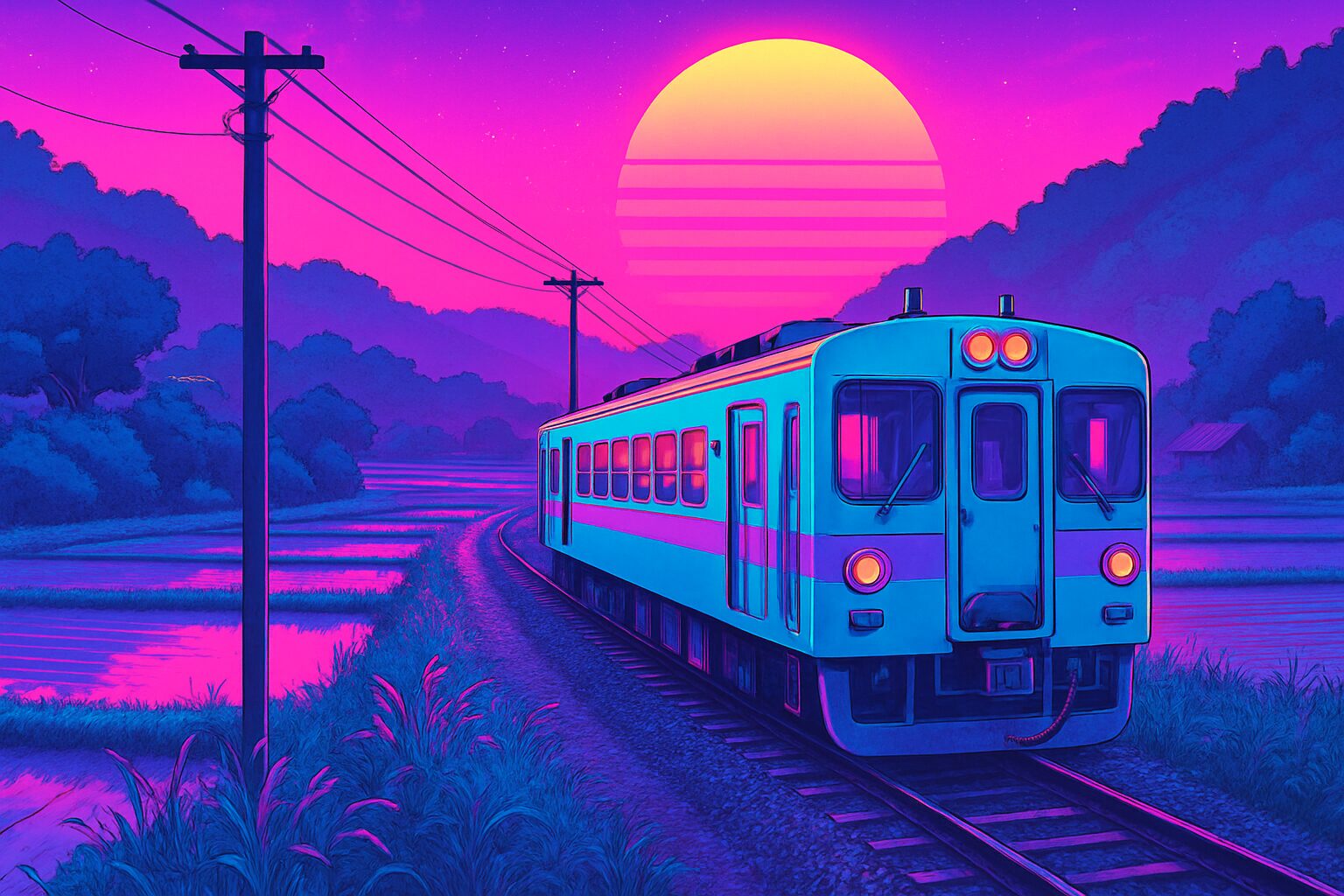
What’s good, fellow travelers? Yuki here, your go-to planner for trips that hit different. Let’s talk about a mood. That specific, kinda melancholic but totally magical feeling you get watching a Studio Ghibli movie. You know the one. It’s the quiet moments, the lush landscapes, the sense that just around the corner, another world is waiting. For a lot of us, the most iconic scene that bottles up this feeling is from ‘Spirited Away’—Chihiro on that train, gliding silently over a vast, endless sea. It’s a journey between worlds, a moment of quiet reflection amidst chaos. It’s a vibe that feels so deeply cinematic, so perfectly dreamlike, you’d think it could only exist in animation. But here’s the secret, the real alpha info: that feeling is real. It’s out there, waiting for you on the rural train lines of Japan. These aren’t your hyper-efficient, bullet-fast Shinkansen. Nah, these are the local legends, the slow-rolling, single-carriage trains that click-clack through landscapes so stunning they feel like a memory you haven’t made yet. They’re mobile meditation chambers, windows into a side of Japan that the main tourist drag completely misses. It’s about letting go of the destination and just getting lost in the journey itself—the rumbling of the tracks, the changing light, the small towns that drift past your window like forgotten thoughts. This isn’t just about getting from A to B. It’s about finding that Ghibli magic, that ‘Spirited Away’ current, in the real world. So, grab your ticket, find a window seat, and let’s ride into that sublime, watery sunset. It’s time to explore the train journeys that are, no cap, a portal to another world.
To fully immerse yourself in this aesthetic, consider extending your journey to a place like the legendary Dogo Onsen, where the Spirited-Away atmosphere is palpable even off the rails.
The Oigawa Railway: Steaming Through Time in Shizuoka
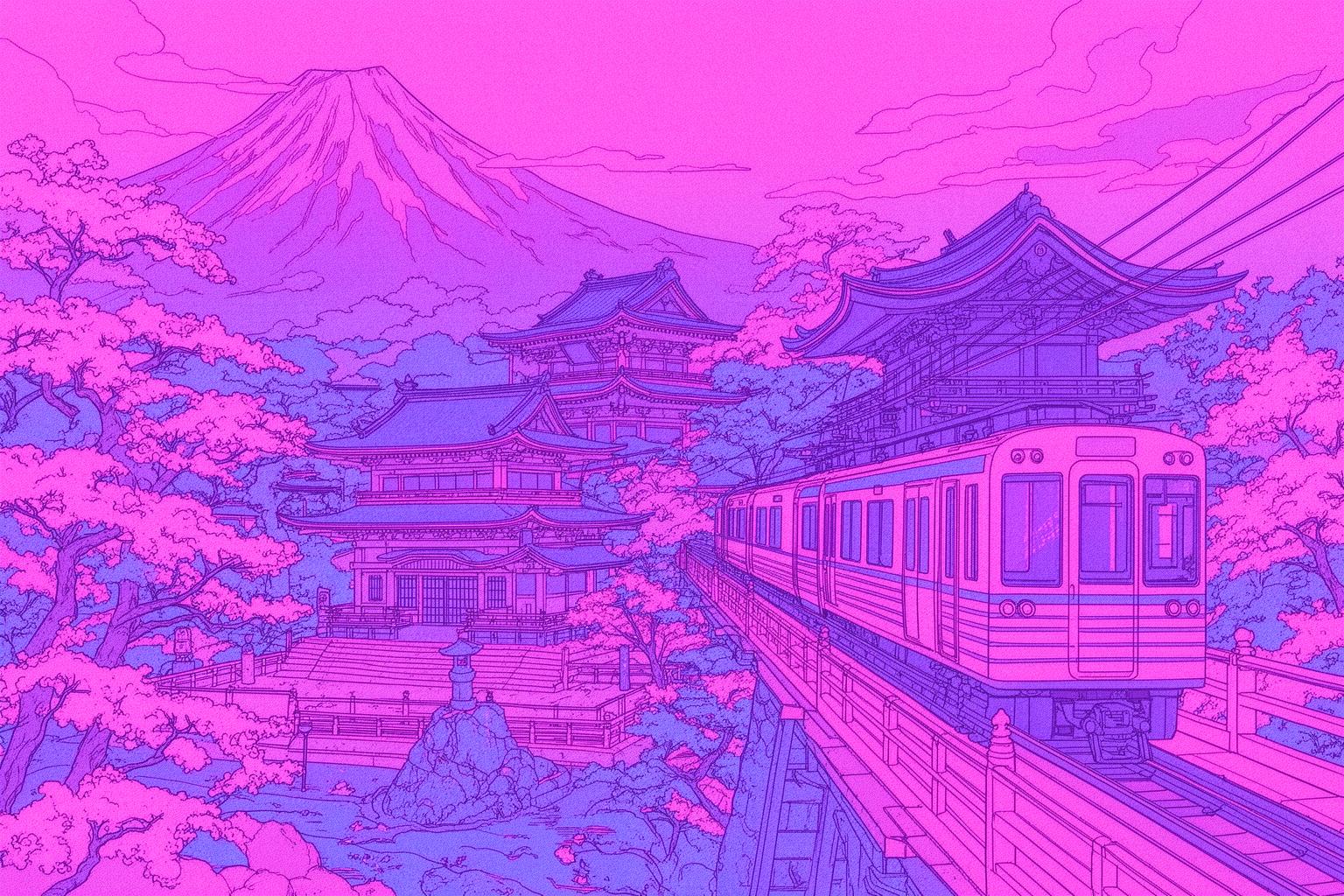
If you’re seeking the pinnacle of retro Japanese train travel, the Oigawa Railway stands as the ultimate challenge. This isn’t merely a train line; it’s a living museum and a full-fledged time machine chugging through the mountains of Shizuoka Prefecture. Here, you can ride a genuine steam locomotive, the kind featured in historical dramas and, as you might guess, fantasy anime. The entire experience feels less like transportation and more like stepping into the lead role of a story set a century ago. It’s one of the most immersive and photogenic journeys in Japan, with a tangible connection to a bygone era.
The Atmosphere: Pure Retro Fantasy
As soon as you step onto the platform at Shin-Kanaya Station—the steam locomotive’s departure point—you’re enveloped by the scent of coal and steam. Nostalgia fills the air. The station is adorned with Showa-era (mid-20th century) details, from wooden signage to vintage posters. The staff, dressed in classic conductor uniforms, enhance the immersive atmosphere. The vibe is flawless. It’s not just viewing an old train; it’s about entering its world. Passengers range from families with excited children, devoted train enthusiasts with tripods in hand, to travelers like us yearning for a Ghibli-like escape. The energy is pure joy and wonder—a shared agreement to suspend disbelief and enjoy a journey back in time.
The Journey: Beyond Just a Ride
The Oigawa Main Line, traveled by the steam locomotive (SL), traces the Oi River as it winds through lush green mountains. This is no quick trip; it’s a slow, deliberate experience designed to let you fully absorb your surroundings. The carriages are masterpieces themselves, featuring polished wood interiors, plush velvet seats, and gleaming brass fittings that catch the afternoon sun. When the train departs with a proud, resonant whistle, you feel the gentle sway and rhythmic chug far removed from the quiet glide of modern trains.
Experiencing the Steam Locomotive (SL)
This is the highlight. The SL ride is a sensory feast in the best way. You’ll want to slide open your window (yes, it’s permitted!) to hear the powerful ‘shu-shu-po-po’ of the engine and breathe in the cool mountain air. Tiny specks of soot may drift inside, adding to the authentic charm. The train moves slowly enough to truly savor the views: sprawling tea plantations covering the hillsides (after all, Shizuoka is Japan’s green tea heartland), quaint farmhouses tucked into valleys, and the emerald waters of the Oi River flowing beside the tracks. It’s a pastoral scene seemingly untouched by modern life.
The Abt System and Southern Alps
Beyond Senzu Station, the line transitions. You switch to the Ikawa Line, also called the Southern Alps Abt Line—a smaller electric train that employs a unique rack-and-pinion system (the ‘Abt’ system) to climb some of Japan’s steepest railway grades. The landscape becomes even more dramatic and wild here. You’re venturing deep into the Southern Alps, surrounded by towering gorges and dense forests. This segment feels genuinely adventurous, as though you’re heading off the map into Japan’s secret wilderness.
Notable Stops That Feel Mystical
While the ride itself is the main attraction, a few stops on the Oigawa Railway are so stunningly unique they deserve special mention. These locations are strong contenders for the most ‘Spirited Away’-like places in the country.
Senzu Station and the Bridge
Senzu marks the steam locomotive’s terminal and the transfer point to the Ikawa Line. The station has a rustic mountain-post vibe. The real enchantment lies a short walk away at the Okuoi Rainbow Bridge—a pedestrian suspension bridge offering fantastic views and a prime spot to watch trains crossing the river, creating a picture-perfect moment. The deep forests and river sounds around Senzu feel like a gateway to the spirit realm.
Okuoikojo Station: The Floating Platform
This is the crown jewel. If any train station in Japan resembles a scene from a fantasy film, it’s Okuoikojo. Perched on a peninsula jutting into a dam lake and connected to shore by two massive, bright red railway bridges, the platform appears to float atop turquoise waters. When you step off the train here, you’re almost entirely surrounded by the lake and steep, forested slopes. A special bell rings for happiness, and a small observation deck offers that iconic photo opportunity. The sense of isolation and surreal beauty is extraordinary. It genuinely feels like a station between worlds, where spirits might disembark. Spending even twenty minutes here before the next train is an unforgettable, memory-making moment.
Seasonal Beauty and Handy Tips
The Oigawa Railway is breathtaking year-round, with each season offering a distinct charm. Spring brings cherry blossoms that frame the black steam engine with soft pink hues. Summer showcases lush, deep greens that make the mountains vibrantly alive. Autumn, arguably the most popular time, ignites the valley in fiery reds, oranges, and yellows, creating stunning contrasts with the emerald lake. Winter is quieter, featuring stark beauty and occasional snow dustings at higher elevations.
For first-timers, booking ahead is crucial, especially for steam locomotive rides on weekends and during peak foliage seasons. Tickets can be reserved online through the official website. The Japan Rail Pass isn’t valid here since this is a private line. Consider purchasing a day pass for the entire route to allow flexible stops at key stations. Bring a bento box and drinks, as services are limited deep in the mountains. And most importantly, charge your camera and phone—you won’t want to stop capturing the sights.
The Gono Line: A Coastal Dream Between Akita and Aomori
If the Oigawa Railway offers a journey into the mountains of the past, the Gono Line provides a journey through the vast, blue expanse of the present. This legendary route traces the coast of the Sea of Japan, linking Akita and Aomori prefectures in Japan’s northernmost region. The connection to ‘Spirited Away’ here is unmistakable and direct: this is the closest you’ll come to experiencing a train gliding over water. For long stretches, the tracks run just feet from the crashing waves, with nothing but sea and sky filling your window. It’s a voyage of striking landscapes, rugged coastlines, and an overwhelming sense of freedom.
The Vibe: Where Sea Meets Sky
The atmosphere on the Gono Line is serene yet grand in scale. It’s calming but also profoundly humbling. Gazing out at the endless Sea of Japan with its shifting moods puts your own concerns into perspective. The train travels at a leisurely pace, inviting you to trace cloud shapes, watch seabirds plunge for fish, and admire sunlight dancing on the waves. It’s less about nostalgia and more about a raw connection to nature. The small fishing villages you pass through, with their colorful boats and tightly clustered houses on the hills, enhance the feeling that you’re journeying along the very edge of the world.
The Ride: The Resort Shirakami Experience
Although you can ride the Gono Line on a regular local train, the ultimate experience is aboard the Resort Shirakami, a specially designed sightseeing train for this route. It’s more than just transportation; it’s a carefully crafted adventure. The train boasts huge panoramic windows that curve up into the ceiling, ensuring you don’t miss any spectacular views. The seats are spacious and comfortable, with many arranged to face the windows directly.
Window Seats Are Essential
This cannot be emphasized enough: when booking the Resort Shirakami, reserve a window seat on the ocean side (Seat A). This is your front-row ticket to the main event. For hours, you’ll enjoy an uninterrupted panorama of the sea. The train also slows at the most scenic spots, like Ganmen-iwa (Face Rock) and along the most stunning coastal stretches, allowing everyone to capture perfect photos without motion blur.
Onboard Entertainment, Really
What makes the Resort Shirakami truly special is its live entertainment. Depending on the train variant (there are a few themed versions), you might catch live performances of Tsugaru-jamisen, a vibrant and intense shamisen music style native to Aomori. There may also be storytelling in the local dialect and a pop-up bar offering regional craft beers and sake. This transforms the journey into a moving cultural festival, connecting you not only to the landscape but to the heart of the Tohoku region.
Unforgettable Scenery and Stops
The entire Gono Line is a visual feast, but certain highlights and optional detours elevate the journey from beautiful to truly spiritual.
The Rock Formations of the Shirakami Sanchi Coast
This coastline is far from a gentle sandy beach; it’s a dramatic, rugged terrain shaped by the relentless sea. You’ll pass countless fascinating rock formations carved over millennia by wind and waves. The area lies within the buffer zone of the Shirakami-Sanchi World Heritage site, a space of immense natural power. The train winds along cliffs and through short tunnels, each new viewpoint unveiling another breathtaking interplay of rock and water. It’s a dynamic scene that holds your gaze throughout the trip.
Furofushi Onsen: The Ultimate Seaside Soak
One of the most iconic stops near the Gono Line is Koganezaki Furofushi Onsen. Although it requires a brief shuttle bus ride from WeSpa Tsubakiyama Station, it’s an unmissable experience. This hot spring resort is renowned for its outdoor bath (rotenburo) located right on the rocky shore. You can soak in the healing mineral waters while waves crash just feet away. Planning your visit for sunset is the ultimate treat: soaking in an onsen as the sun sets over the Sea of Japan is a memory of pure, unfiltered bliss. It offers the perfect, soul-refreshing finale to a journey along this magical coast.
Planning Your Coastal Escape
The Resort Shirakami is popular, so booking in advance is highly recommended, especially for those prized Seat A window spots. The entire ride is covered by the Japan Rail Pass, which is a huge benefit. All you need is a seat reservation from any JR ticket office. The journey takes about five hours between Akita and Hirosaki (or vice versa), so be prepared to dedicate a significant part of your day. Bring snacks, but also be open to trying the bento boxes and local specialties sold onboard or at key stations. The best travel direction is debated, but heading south from Aomori to Akita in the afternoon often coincides perfectly with the sunset, providing a breathtaking finale to your trip.
The Tadami Line: Japan’s Most Romantic, Most Underrated Railway
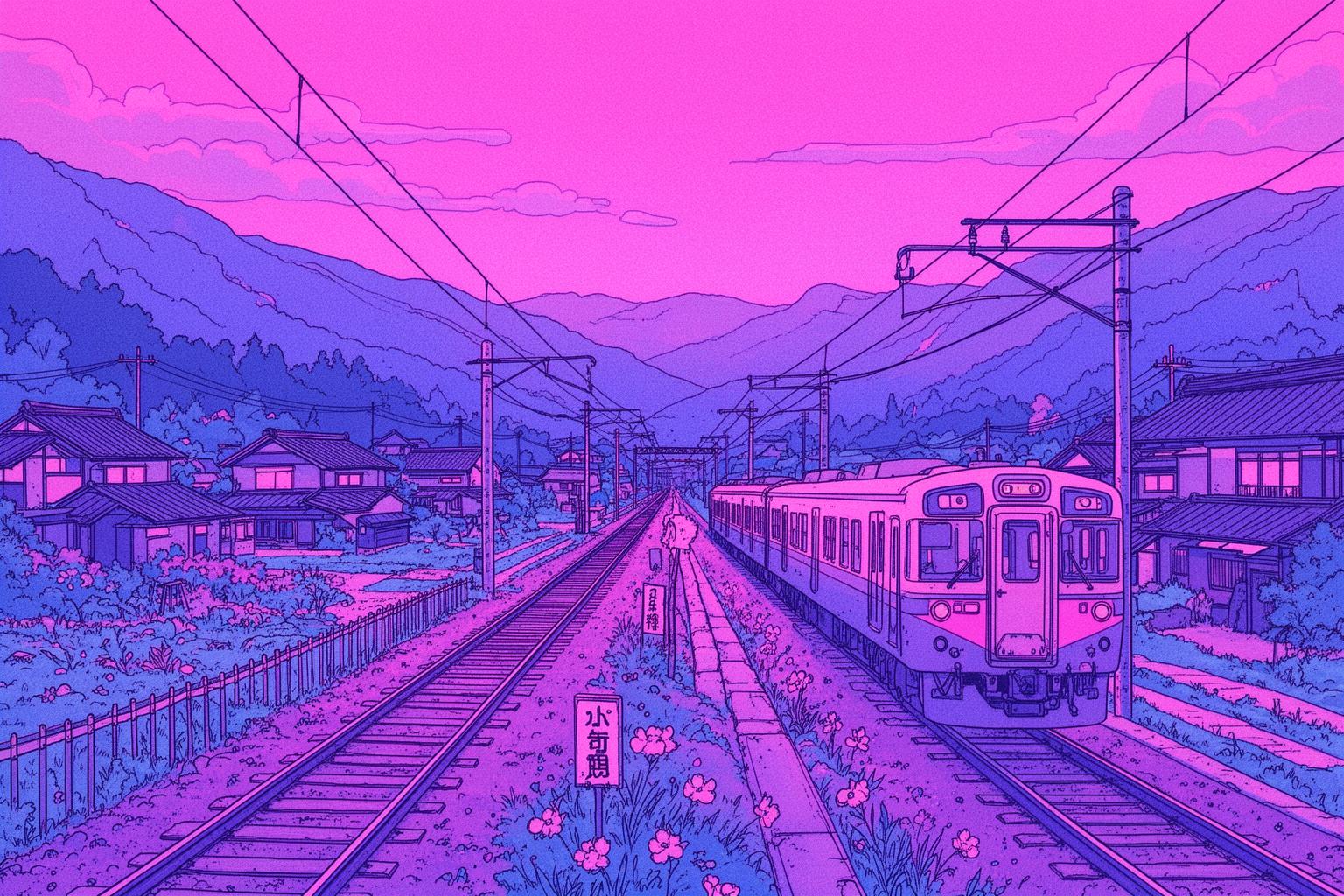
If you ask hardcore train enthusiasts in Japan to name the most beautiful railway line in the country, many will quietly utter ‘Tadami Line’ with a sense of reverent awe. This is the iykyk (if you know, you know) favorite, a hidden treasure. Stretching between Fukushima and Niigata prefectures, the Tadami Line isn’t known for grand coastal views or vintage steam locomotives. Its allure is subtler, more intimate. It’s a journey through Japan’s snowy heartland, a region of deep valleys, pristine rivers, and enchanting forests. After being severely damaged by a typhoon in 2011 and only fully reopening in 2022, traveling this line feels especially meaningful and poignant. Without a doubt, it ranks among the most soul-stirringly beautiful train rides in the world.
The Vibe: A Moving Painting
Riding the Tadami Line feels like slowly turning the pages of an exquisite book filled with landscape paintings. It’s a meditative, almost hypnotic experience. The train passes through an extremely remote and sparsely populated area, so much of what you see out the window is untouched, pristine nature. The Tadami River dominates the scenery, shifting from tranquil teal to deep sapphire depending on the light. The train crosses this river repeatedly on a series of magnificent arched bridges that have become iconic symbols of the line. The atmosphere is one of serene isolation and profound, quiet beauty, making you feel small in the best possible way—a tiny observer of nature’s grand spectacle.
The Ride: A Leisurely Journey Through Nature’s Masterpiece
This is a genuine local line. The trains are usually short, with just two or three cars, and they move at a very gentle pace. This isn’t a tourist attraction with announcements and entertainment; it’s an authentic slice of rural Japanese life. You’ll share the carriage with a handful of locals, perhaps a few dedicated photographers, and that’s about it. This creates a more personal and introspective experience.
Crossing the Tadami River
The bridges steal the show. Each time the train nears one, there’s a collective, silent intake of breath from those who appreciate it. You glide slowly over the valley, suspended between sky and water. The views from the bridges are breathtaking, looking down the river as it winds through the mountains. The most famous is the First Tadami River Bridge, but each offers moments of pure, cinematic beauty. It feels like floating through a watercolor, a dreamlike passage from one side of a mystical valley to the other.
The Classic KiHa Trains
The trains themselves, usually the KiHa 40 series, add to the charm. These are classic diesel cars with a distinctive, rumbling engine sound. They’re functional and unpretentious, with large clear windows perfect for sightseeing. The gentle rocking and engine hum provide a soothing soundtrack to the journey, lulling you into a peaceful state of observation. It feels authentic and lived-in, a world away from the sterile perfection of city trains.
Iconic Views and Where to Find Them
While the view from the train is stunning, the most famous photos of the Tadami Line are actually taken from vantage points off the train. For dedicated Ghibli fans, stepping off the train and hiking to these spots is an essential pilgrimage.
The First Tadami River Bridge Viewpoint
This is the iconic shot. The classic image you’ve seen in posters and travel magazines: a graceful arched bridge, a tiny train crossing it, framed by the river and forested mountains. To capture this view, get off at Aizu-Miyashita Station and walk about 15-20 minutes to a roadside station (Michi no Eki), where well-marked trails lead up to various observation decks. Timing is crucial since train services are infrequent; you need to coordinate your hike with a train crossing the bridge. It’s effortful, but the reward is one of the world’s most spectacular railway views—a scene so perfect it seems almost unreal.
Mishima Town and Its Viewpoints
The area around Aizu-Miyashita in Mishima town has embraced its reputation as a haven for Tadami Line photographers. You can find maps and information at the station or Michi no Eki. Wandering this tiny, charming town on foot while waiting for the next train offers a wonderful glimpse into the slow rhythm of rural Japanese life.
A Journey for All Seasons (Especially Winter)
The Tadami Line is ever-changing, showcasing a completely different but equally stunning spectacle in every season. Spring brings fresh green buds, summer offers a lush canopy, and autumn turns into a fiery masterpiece of color around the bridges. But winter may be the Tadami Line’s most magical time. This is snow country, buried in meters of pure white powder. The landscape transforms into a silent, monochrome world. The train, a splash of color, pushes through a canyon of snow, crossing bridges over a partially frozen river. It’s an image of stark, haunting beauty that moves the soul deeply. The ‘Spirited Away’ ambiance arguably reaches its peak in the silent, muffled winter world of the Tadami Line.
The Isumi Railway: A Yellow Ribbon Through Chiba’s Countryside
For those who believe you must travel to the distant corners of Japan to discover these enchanting train lines, think again. The Isumi Railway delivers a strong dose of nostalgic charm and is easily accessible as a day trip from Tokyo. Situated in Chiba Prefecture, this private railway operates a cheerful, bright yellow train that meanders through picturesque rice paddies, bamboo groves, and tranquil rural towns. Rather than dramatic, sweeping landscapes, it offers a gentle, heartwarming beauty that feels like a comforting embrace from the Japanese countryside.
The Vibe: Nostalgic Country Charm
The Isumi Railway exudes pure, unfiltered ‘natsukashii’—that uniquely Japanese sense of nostalgia for a simpler, gentler era. The whole line feels like a labor of love, managed by people who genuinely cherish trains and their local community. Many stations are small, unmanned wooden buildings, lovingly adorned by locals. The atmosphere is friendly, welcoming, and deeply peaceful—an ideal counterbalance to Tokyo’s overwhelming energy. Riding this train is like visiting your grandparents in the countryside; a journey back to a place of comfort and tranquility.
The Ride: A Moomin-Themed Escape from Tokyo
The Isumi Railway experience is defined by its iconic trains and its once-strong connection to a beloved character. For years, the railway collaborated with Moomin, the Finnish cartoon characters adored in Japan, and Moomin figures can still be spotted at some stations, enhancing the whimsical, storybook atmosphere of the ride.
The Iconic Yellow Carriages
Bright yellow train cars are the railway’s hallmark. They stand out cheerfully against the green and gold countryside. These vintage diesel railcars, reminiscent of those on the Tadami Line, offer the same satisfyingly bumpy, rumbling ride. The large windows and slow speed allow plenty of time to absorb the countryside details: a farmer tending fields, an egret wading in a rice paddy, clusters of traditional tiled-roof houses. It’s a journey full of small, beautiful moments.
A Slower Pace of Life
This is quintessential slow travel. The line is just under 27 kilometers long, yet the journey takes around an hour with stops at every small station. This encourages you to unwind, breathe, and simply watch the world go by—a kind of moving meditation. You’ll see children waving from their yards, and the conductor might respond with a friendly toot of the horn. It’s a genuine connection to community and place, often missing in modern travel.
Spring’s Golden Carpet and Beyond
The Isumi Railway is lovely all year round, but it truly shines in one particular season. During this time, it creates a ‘Spirited Away’ moment—not of water, but of flowers.
Nanohana (Rapeseed) Blossoms at Their Peak
From late February to early April, fields along the tracks burst into brilliant yellow as millions of nanohana, or rapeseed flowers, bloom. The image of the yellow train crossing this endless sea of yellow blossoms is stunningly beautiful—a scene brimming with joy. During this peak, photographers flock to the tracks to capture the iconic view. It’s a perfect harmony of natural and human-made beauty.
Otaki Town: A Castle Town Detour
One key stop, Otaki, deserves a visit. This historic castle town features a reconstructed castle keep open for tours. The town’s well-preserved street, lined with old merchant houses, offers a glimpse into Edo-period history. It’s an ideal spot to spend an hour or two, enjoy a local meal, and then continue your scenic journey by train. This adds a cultural and historical dimension to the ride.
Practical Magic: Day Trip Plans
Traveling from Tokyo to the Isumi Railway is straightforward. Take a JR train to Ohara Station, the eastern terminus of the line. At Ohara, you can purchase a day pass for the Isumi Railway, allowing unlimited rides on the line. The Japan Rail Pass does not cover the Isumi line itself but includes travel to Ohara. Because the line is so close to Tokyo, it can become crowded, especially on weekends during the nanohana season. For a quieter experience, visit on a weekday. It’s an ideal, low-stress way to experience that Ghibli-like magic without venturing far from the city.
Tsugaru Railway: The Winter Stove Train to a Different Era
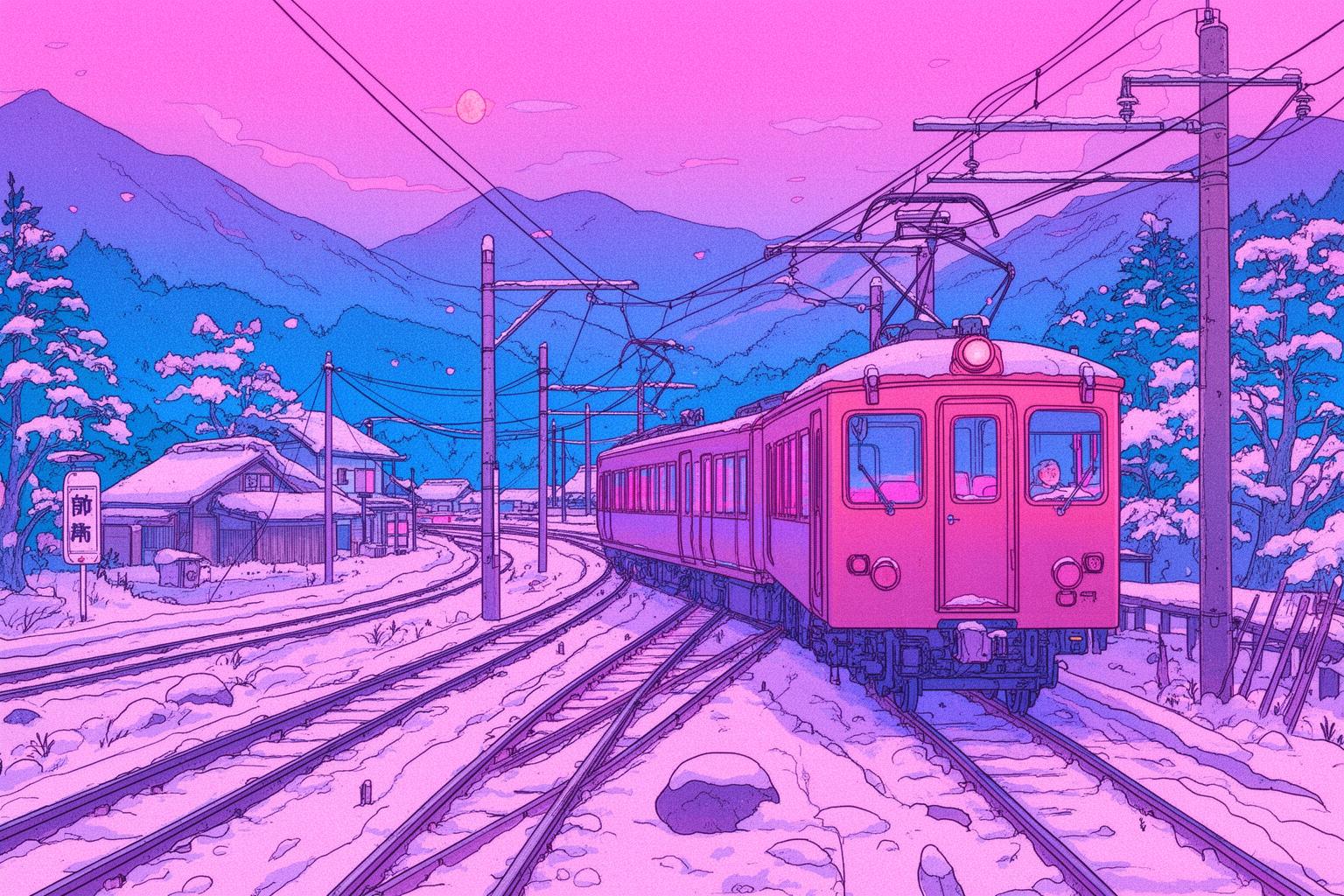
Our final journey leads us back to the far north, to Aomori Prefecture, for an experience that is truly unique and deeply heartwarming, both literally and figuratively. The Tsugaru Railway is a small, private line running through the Tsugaru Peninsula. For most of the year, it operates as a quiet local line serving the community. But in winter, from December to March, it transforms into something genuinely special. It runs the ‘Stove Train’ (Sutobu Ressha), a vintage passenger train warmed by old-fashioned pot-bellied coal stoves. Riding this train through the stark, snow-covered landscape is one of Japan’s most enchanting winter travel experiences.
The Vibe: Cozy, Warm, and Delightfully Old-Fashioned
The atmosphere inside the Stove Train is pure, cozy bliss. The contrast is striking: outside, a blizzard may be raging, with winds whipping snow across a frozen, gray landscape. But inside the carriage, it is warm and lively. The air carries the scent of coal smoke and, surprisingly, grilled squid. Passengers gather around the glowing red stoves, chatting with strangers and sharing snacks. The mood is communal and immensely cheerful, a rolling haven of warmth against the harsh northern winter. It feels like a scene from a classic novel—a gathering of travelers finding comfort together on a long journey.
The Ride: A Mobile Hearth Amid a Blizzard
The journey itself is a slow chug through one of Japan’s snowiest regions. The windows frost over, and all you see is a world of white. Yet the focus of this trip is not the outside view but the experience within the carriage itself.
The Daruma Stove
At the center of each carriage is the daruma stove, a round, pot-bellied heater that radiates powerful warmth. An attendant periodically comes through with a bucket of coal to keep the fire alive, a ritual that feels wonderfully archaic. People naturally gather around it, holding out their hands to warm them. It’s the heart of the carriage, a focal point for conversation and community.
Grilling Surume (Dried Squid)
Here’s where it becomes truly fun. A signature part of the Stove Train experience is buying surume (dried squid) from the onboard attendant and grilling it yourself on top of the stove! The attendant will even show you how. The salty, savory aroma fills the carriage, enhancing the ride’s unique sensory experience. Paired with a can of local sake, it’s the perfect winter warmer and an unforgettable travel memory. It’s this kind of interactive, quirky tradition that makes the journey so special.
Journey’s End in the Deep North
The train runs from Goshogawara to Nakasato, and the towns along the way offer a rich dive into the unique culture of the Tsugaru region.
Goshogawara and the Tachineputa Museum
Starting in Goshogawara, you’ll find the Tachineputa Museum, a must-visit. It houses the gigantic, towering floats used in the city’s famous summer festival. These multi-story paper floats are absolutely enormous, and seeing them up close is astonishing. It offers a real appreciation for the vibrant culture thriving even in this remote, snowy region.
Kanagi and the Shayokan Museum
A key stop is Kanagi, the birthplace of one of Japan’s most famous and controversial modern writers, Osamu Dazai. His family home is now the Shayokan Museum, a magnificent, grand old house providing insight into the life of a wealthy, pre-war landowner. It’s a fascinating cultural detour for literature enthusiasts.
Capturing the Winter Spirit
The Stove Train is a dream for anyone wanting to capture the essence of a Japanese winter. The contrast between the cold, snowy landscape and the warm, lively interior is striking. This isn’t the ethereal, silent journey of ‘Spirited Away,’ but it has its own kind of magic—the magic of human warmth, community, and tradition standing strong against nature’s power. It’s a reminder that sometimes the most memorable journeys are those where we find comfort and connection in unexpected places.
Practical info: The Stove Train requires a special ticket in addition to the base fare. The Japan Rail Pass is not valid. The schedule is limited, so be sure to check the Tsugaru Railway website before you go. Dress warmly for your journey to and from the stations, because Aomori’s winter is truly unforgiving!
These train lines are more than just transportation. They are destinations themselves—inviting you to slow down, gaze out the window, and reconnect with a sense of wonder. The ‘Spirited Away’ feeling isn’t about recreating an exact animated scene. It’s about finding a journey that takes you beyond the ordinary, making the world feel a bit more magical, mysterious, and beautiful. Whether you’re gliding over a turquoise lake, hugging a dramatic coastline, or grilling squid on a coal stove, these rural railways offer a passage to the heart and soul of Japan. So next time you plan a trip, look beyond the bullet trains. The true magic awaits on the local tracks. Trust me.