
Yo, let’s get real for a sec. You think you’ve seen traditional Japan? You’ve scrolled the ‘gram, seen the temples, the cherry blossoms, the whole deal. But I’m here to tell you about a place that hits different. A place that’s not just a backdrop for your feed, but a full-on time-slip experience that teleports you straight into a samurai movie. We’re talking about Ouchi-juku in Fukushima Prefecture, a ridiculously preserved post town from the Edo Period that’s serving up major historical vibes and, plot twist, noodles you eat with a leek. Yeah, you heard me. A whole leek. This village isn’t just a pretty face; it’s an entire mood, a living, breathing storybook where the past feels so present you can almost hear the clatter of horses and the whispers of traveling lords. It’s where culture, insane scenery, and one of Japan’s wildest culinary flexes collide. Ouchi-juku is the kind of place that lives rent-free in your head long after you’ve left, a legit core memory in the making. So, buckle up, ’cause we’re about to dive deep into the magic of this hidden Aizu gem and figure out why you absolutely need to put it on your bucket list. This ain’t your standard tour guide rundown; this is the real tea on how to experience Ouchi-juku like a pro.
The Vibe Check: Entering a Living History Flick
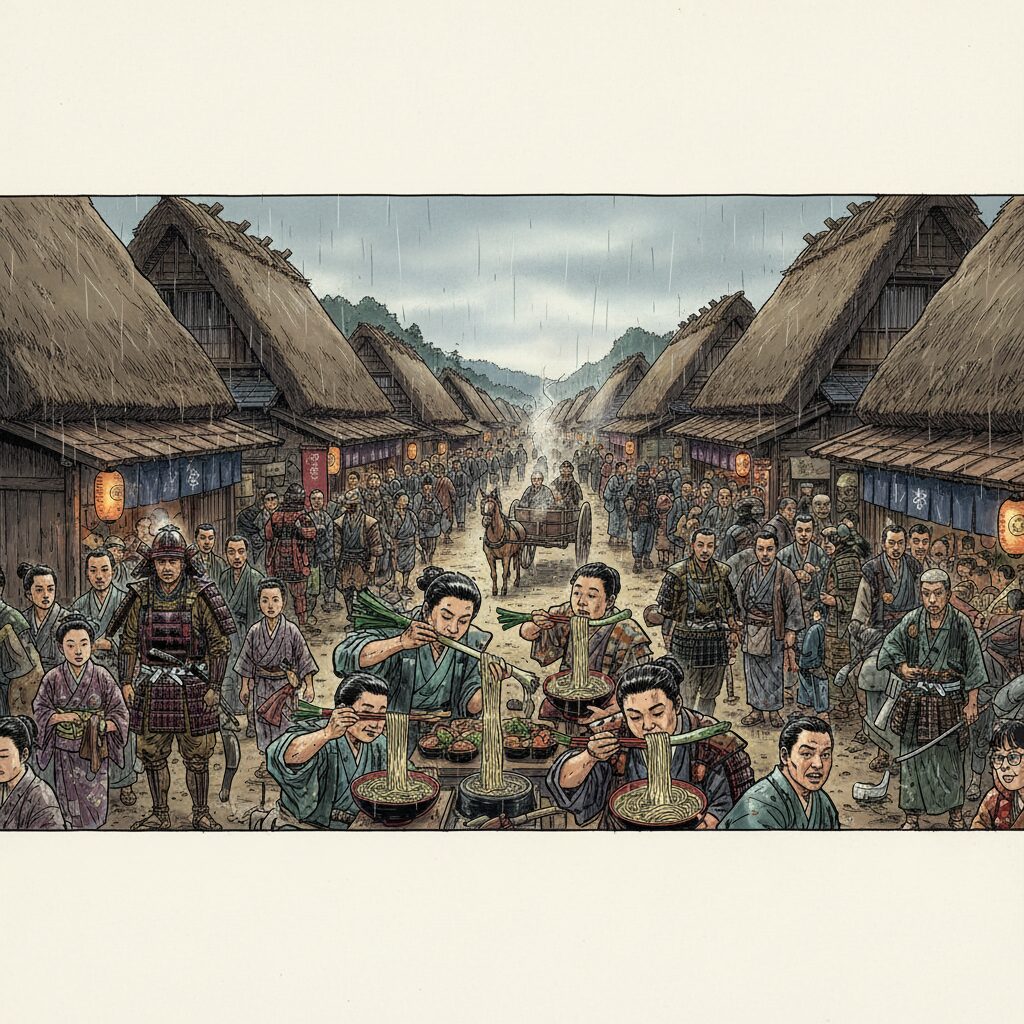
The moment you step onto the main street of Ouchi-juku, your mind almost short-circuits. It’s like a genuine system reboot. The rush of modern life simply fades away, replaced by a scene so flawlessly preserved it feels like an elaborate film set. Here, a wide, unpaved road is lined with over thirty traditional farmhouses topped with huge, impeccably maintained thatched roofs, known as kayabuki-yane. These thick, layered roofs have a rich, natural texture that makes each building appear as if it grew organically from the ground. The aesthetic is stunning, no filter required. Running alongside both sides of the street are crystal-clear canals fed by mountain streams. You can hear the soft murmur of the water, which was historically used for everything from washing vegetables to chilling drinks in summer. It’s this blend of sights, sounds, and smells—the ancient architecture, the flowing water, the scent of woodsmoke from hearths—that creates such a powerful atmosphere. You’re not just observing history; you’re fully immersed in it.
Spilling the Historical Tea: Why Ouchi-juku Mattered
So, why does this place exist at all? Let’s rewind to the Edo Period (1603–1868), an era of shoguns, samurai, and rigid social structures. Ouchi-juku was a shukuba, or post town, a crucial rest stop along the Aizu-Nishi Kaido, a major trade route linking the Aizu domain in Fukushima with Nikko and the capital, Edo (now Tokyo). But this wasn’t merely a merchant road. It was an important route for daimyo, the powerful feudal lords required by the shogun to travel regularly between their domains and the capital under the sankin-kotai system. This policy served as a means for the shogun to keep the lords controlled and financially drained through travel costs. For towns like Ouchi-juku, this meant a steady stream of high-status travelers. The village was designed to accommodate these processions, with inns (honjin and waki-honjin) reserved for lords and their top retainers. Walking through Ouchi-juku today is like stepping straight into that world. The town’s layout and buildings are a direct link to an era of grandeur, politics, and epic journeys on foot. It’s this rich, genuine history that gives the village its spirit and makes it far more than just a tourist destination.
The Main Event: Leveling Up Your Noodle Game with Takato Soba
Alright, let’s dive into the headliner, the reason Ouchi-juku has earned its reputation as a legendary foodie spot: Takato Soba, also known as Negi Soba, or leek soba. This dish stands out as one of the most unique and unforgettable culinary experiences in Japan. It perfectly captures the playful yet deeply traditional spirit of the Aizu region. Forget everything you know about delicately slurping noodles with chopsticks—here, things get wonderfully unconventional.
What’s the Story Behind the Leek Utensil?
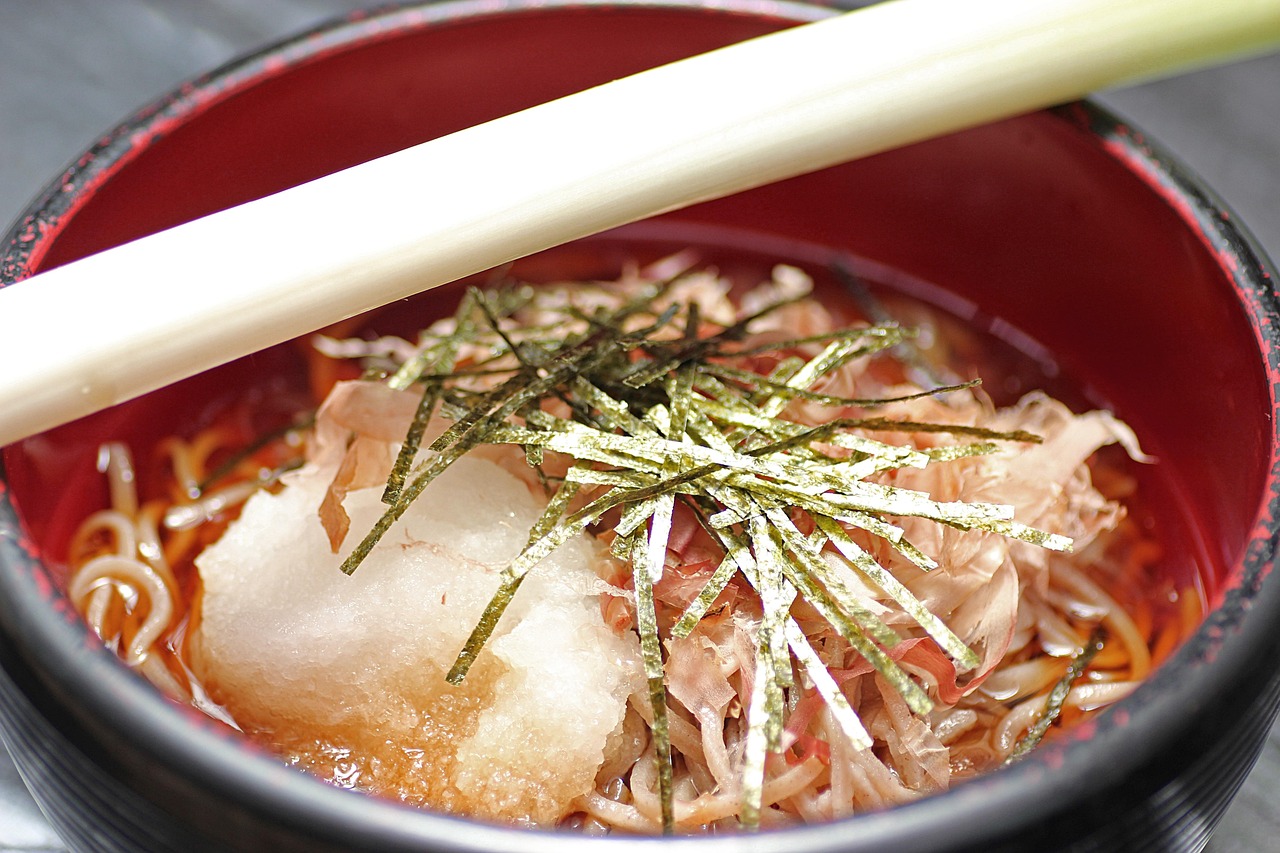
When you order Takato Soba, you receive a bowl of chilled buckwheat noodles in a savory dashi broth, garnished with shaved bonito flakes (katsuobushi) and grated daikon radish—classic soba fare. But instead of chopsticks, beside your bowl lies a single, impressively large green onion (negi). This isn’t just decoration—it’s your utensil. Your task, if you accept it, is to use the sturdy leek to scoop, guide, and lift the slippery noodles to your mouth. And yes, it’s every bit as fun and chaotic as it sounds. The origin of this custom is a bit unclear, but local lore ties it to the Takato Domain in Nagano. It is said that Prince Hoshina Masayuki, the first lord of the Aizu domain who originally hailed from Takato, introduced the tradition of eating soba in daikon radish broth. Using the leek as a utensil, however, seems to be a more recent innovation from Ouchi-juku—an ingenious marketing twist that transformed a local dish into a viral sensation. It’s a challenge of skill, a conversation starter, and a delicious experience all in one.
The Experience: How to Conquer Soba Step-by-Step
You’ll step under the noren curtain of a soba shop like the famous Misawaya, slip off your shoes, and settle onto a tatami mat, maybe near the cozy warmth of a traditional sunken hearth (irori). The atmosphere is inviting and timeless. When the bowl is set before you, the real fun begins. Your first reaction might be laughter—the sheer boldness of the leek utensil is something to behold. The initial attempts to manage the noodles will humble you; you’ll likely drop some and splash some broth. But that’s part of the adventure. Soon, you find your rhythm, learning to use the curve of the leek to cradle the noodles, pressing them against the bowl’s edge before lifting them up. The true magic happens when you embrace the dual role of the leek. Between mouthfuls, you take bites of the leek itself. That sharp, pungent, spicy crunch bursts with flavor, cutting through the mellow, earthy buckwheat and the rich umami broth. It creates an electrifying contrast. The leek’s spice becomes an evolving seasoning that changes with every bite. By the end of the meal, your leek is noticeably smaller, and your appreciation for this wild culinary tradition has grown immensely. This is not just lunch; it’s an adventure—messy, hilarious, and incredibly delicious—one you’ll remember and talk about for years to come.
Beyond the Soba: Exploring Ouchi-juku’s Hidden Gems

While leek soba may be the main attraction, you’d be missing out if you didn’t explore every corner of this remarkable village. Ouchi-juku is filled with sights, snacks, and experiences that will enrich your visit and deepen your connection to the place. This isn’t just a quick meal stop; it’s a destination to be savored over the course of a full day.
The Money Shot: The View from Miharashi-dai
At the far end of the main street, a path leads up a small hill—don’t skip it. The short climb is definitely worth it for the reward at the top: the Miharashi-dai viewpoint. From here, you get the iconic panoramic shot of Ouchi-juku seen in countless photos. The entire village stretches out below, a perfect ribbon of golden-brown thatched roofs nestled in the valley, framed by the lush green mountains of Aizu. It’s a breathtaking perspective that truly highlights the scale and beauty of the town’s preservation. You can see the precise alignment of the houses, the flow of the central street, and how the village harmonizes with the surrounding nature. Each season transforms this view: fresh green in spring, fiery reds, oranges, and yellows in autumn, and a thick snow blanket in winter, turning the scene into a quiet, monochromatic fairy tale. This is the perfect spot to pause, breathe in the clean mountain air, and soak up the incredible scenery. It’s a view that truly touches the heart.
A Glimpse into Lordly Life: Ouchi-juku Townscape Exhibition Hall
To fully grasp the history mentioned earlier, you must visit the Ouchi-juku Machinami Tenjikan, or Townscape Exhibition Hall. This isn’t just any building; it’s the carefully restored original honjin, the principal inn reserved for important guests such as the daimyo. Stepping inside feels like entering a historical drama set. You’ll see grand rooms with pristine tatami mats where the lord once held court, intricate woodwork, and various Edo-period artifacts. Exhibits include old tools, clothing, and documents that vividly depict life in a post town. You can almost hear the rustle of silk kimonos, the quiet murmur of strategic conversations, and the formal rituals that took place within these walls. It’s a tangible link to the past that helps you appreciate the immense effort made to preserve not only Ouchi-juku’s buildings but also its spirit and story.
Snack Attack: The Ultimate Fuel for Your Feudal Adventure
Exploring Ouchi-juku will work up an appetite, and luckily, the local street food and snacks here are exceptional. Nestled among the soba restaurants and souvenir shops are small stalls offering irresistible treats. You absolutely must try Shingoro, a local specialty. It’s a ball of half-pounded rice, skewered and grilled over charcoal, then slathered with a thick, sweet-savory miso paste called juunen-miso, made from perilla seeds. The result is a snack that’s crispy on the outside, chewy inside, and bursting with rich, nutty umami flavor. Another must-try is tochimochi, a mochi made with Japanese horse chestnuts, giving it a slightly earthy flavor and a brownish hue. You can find it grilled, in sweet soups, or as daifuku. When the weather turns chilly, nothing beats a warm cup of non-alcoholic amazake, a sweet fermented rice drink that warms you from the inside. Don’t forget to sample the local pickles, known as tsukemono—crisp, salty, and the perfect palate cleanser.
The Seasonal Glow-Up: When to Visit Ouchi-juku
Ouchi-juku is breathtaking throughout the year, but each season reveals a distinctly different character, a unique ‘glow-up’ that makes it feel like an entirely new destination. Deciding when to visit truly depends on the kind of atmosphere you’re seeking.
Winter Wonderland
For a genuinely magical experience, visit Ouchi-juku in winter, especially during the Ouchi-juku Snow Festival, held on the second weekend of February. The whole village is blanketed in a thick, pristine layer of snow, with the thatched roofs resembling powdered sugar-topped treats. The silence is deep, broken only by the crunch of your boots. During the festival, the street is adorned with handmade snow lanterns (yuki-doro), which are candlelit at dusk, casting a warm, flickering glow over the snow. The ambiance is otherworldly. The festival concludes with a fireworks display that lights up the snow-covered village, creating a moment of pure, breathtaking beauty. It’s extremely cold, so dress as if you’re headed to the Arctic, but the experience is utterly worth it. This is Ouchi-juku at its most enchanting and romantic.
Spring Awakening
Spring comes a bit later to the mountains of Aizu. As the snow melts, the village and surrounding landscape burst into fresh, vibrant green. The canals run high and swift, and the air feels crisp and clean. While not widely known for cherry blossoms, you’ll spot them scattered around, adding touches of pink to the scenery. This is a quieter season, ideal for those who want to enjoy the peaceful, pastoral side of Ouchi-juku without the peak crowds. It’s a season of renewal, and you can sense the village’s energy stirring awake after a long winter.
Summer Vibes
Summer in Ouchi-juku is lush and green. The surrounding rice paddies shine a brilliant emerald, and the mountains form a rich, verdant backdrop. While it can get warm, the altitude keeps temperatures comfortable, and the cool canal water is always inviting for a refreshing dip of your hands. In early July, the village hosts the Hange Festival, featuring a traditional procession with participants dressed in historic costumes. It’s an excellent opportunity to experience local culture. The constant chorus of cicadas fills the air, and enjoying a bowl of cold leek soba on a warm day is the perfect refreshment.
Autumn Flex
For many visitors, autumn is the ideal time to come. From mid-October to early November, the mountains surrounding Ouchi-juku burst into spectacular fall colors. The hillsides transform into a canvas of fiery reds, vibrant oranges, and golden yellows, beautifully contrasting with the rustic brown thatched roofs. The air is crisp and invigorating, perfect for strolling. This is peak season for photographers—and for good reason. The pairing of the historic village with vibrant autumn foliage is a feast for the eyes. It’s also harvest time, so you can savor plenty of seasonal delicacies. The village becomes quite busy during this period, so plan ahead, but the views are truly exceptional.
Practical Slay: Your Ouchi-juku Game Plan
Alright, you’re excited and ready to go. But since Ouchi-juku is a bit off the beaten path, you need to have your logistics in order to ensure a smooth and stress-free trip. A little planning goes a long way in making your time-travel adventure truly memorable.
Getting There: The Journey is Part of the Adventure
Getting to Ouchi-juku involves several steps, but it’s a scenic journey that builds anticipation. The most typical route from Tokyo is to take the Shinkansen (bullet train) to Koriyama Station. From there, transfer to the local JR Ban’etsu West Line heading to Aizu-Wakamatsu, a historic castle town well worth a visit. Then, from Aizu-Wakamatsu, catch the charming privately-owned Aizu Railway line to Yunokami-Onsen Station. This station is a destination in itself, featuring a thatched roof and an authentic ashiyu (foot bath) right on the platform! From Yunokami-Onsen Station, you’re nearly there. You can either take a taxi, about a 15-minute ride, or ride the Saruyu-go Bus. The bus is more budget-friendly but operates on a limited schedule, so be sure to check the timetable ahead of time and plan your train connections accordingly. Driving is also a convenient option, especially if you want the freedom to explore the wider Aizu region, including Aizu-Wakamatsu city or the stunning Goshikinuma Ponds. There’s plenty of parking available at the village entrance.
Pro Tips for a Perfect Trip
To get the most out of your visit, keep a few insider tips in mind. First, timing is crucial. Ouchi-juku can become very crowded, particularly on weekends and during peak autumn and festival seasons. To avoid the crowds, try to arrive early on a weekday. You’ll experience the village in a peaceful, atmospheric setting before the tour buses arrive. Second, cash is essential. While some larger restaurants and shops accept credit cards, many smaller food stalls and souvenir vendors only take cash. Don’t get caught off guard—withdraw cash at an ATM before heading to the village. Third, wear comfortable shoes. The main street is covered in unpaved gravel, and you’ll do quite a bit of walking, including a short but steep climb to the viewpoint. Leave the heels behind. Finally, remember to be respectful. Ouchi-juku isn’t a theme park—it’s a living community where people live and work. Stay on the main street, respect private property, and be considerate of the residents generously sharing their beautiful home with visitors.
An Unforgettable Taste of Timeless Japan
Ouchi-juku is far more than just a charming village or an unusual meal. It’s an experience. It’s the crisp mountain air, the flavor of charcoal-grilled mochi, the sound of flowing water, and the challenge of eating noodles with a leek. It’s a place that slows you down and demands your full attention, inviting you to admire the craftsmanship of a thatched roof and the simple beauty of a preserved landscape. It connects you to a deeper, richer story of Japan—one of arduous journeys, community spirit, and traditions fiercely guarded and passed down through generations. Leaving Ouchi-juku feels like waking from a dream, with the dust of its unpaved roads on your shoes and the lingering spice of leek on your palate. It’s a trip that doesn’t just fill your camera roll; it fills your soul. So if you’re seeking an experience that’s authentic, unforgettable, and 100% timeline-worthy, head to this samurai-era sanctuary. Trust me, it’s a journey back in time you won’t regret.
