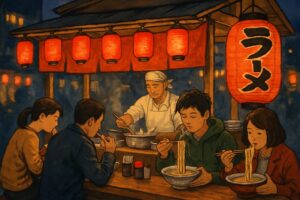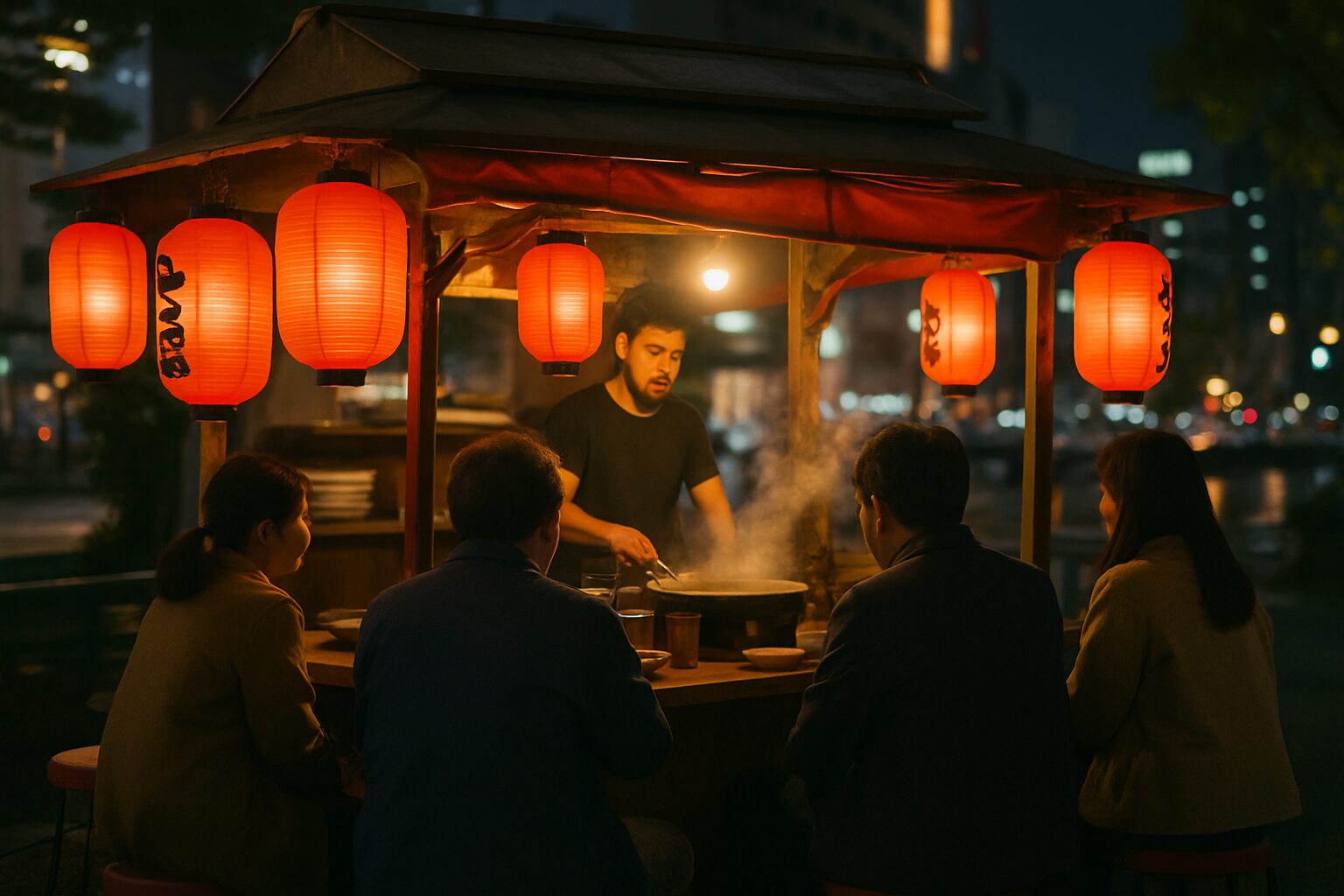
Yo, what’s up, world-class traveler! You think you know street food? You think you’ve seen it all? Lemme tell you, until you’ve dived headfirst into the electric, steamy, seriously next-level world of Hakata’s yatai, you’re still playing in the little leagues. Picture this: the sun dips below the Fukuoka skyline, and just as the city’s concrete heart starts to cool, a different kind of warmth floods the streets. It’s the glow of a hundred paper lanterns, each one a beacon calling you to a tiny, magical kingdom of flavor. This isn’t just about grabbing a quick bite. Nah, this is a whole vibe, a cultural deep-dive served up on a sizzling teppan grill. The air gets thick with the most insane aromas—smoky grilled chicken, savory simmering broth, the sharp tang of yuzu kosho. The soundscape is a perfect mix of clanking spatulas, happy chatter spilling into the night, and the gruff but friendly welcome of the taisho, the stall master who’s the king of their ten-seat castle. This is Hakata, the soul of Fukuoka, and its yatai are its pulsating, delicious heartbeat. Forget your fancy Michelin-star reservations for a night. Tonight, we’re hitting the pavement for an experience that’s so real, so raw, and so unbelievably tasty, it’s straight-up emoi—the kind of nostalgic, heartwarming feeling you’ll be chasing long after you’ve left. This is where you connect, not just with the food, but with the city and its people. It’s a legit, once-in-a-lifetime culinary pilgrimage. You ready to get your mind blown? Let’s roll.
If you’re looking for another unique Fukuoka experience after the yatai, consider taking a serene boat ride through the historic waterways of Yanagawa.
The Vibe is Everything: What’s the Deal with Hakata’s Yatai?
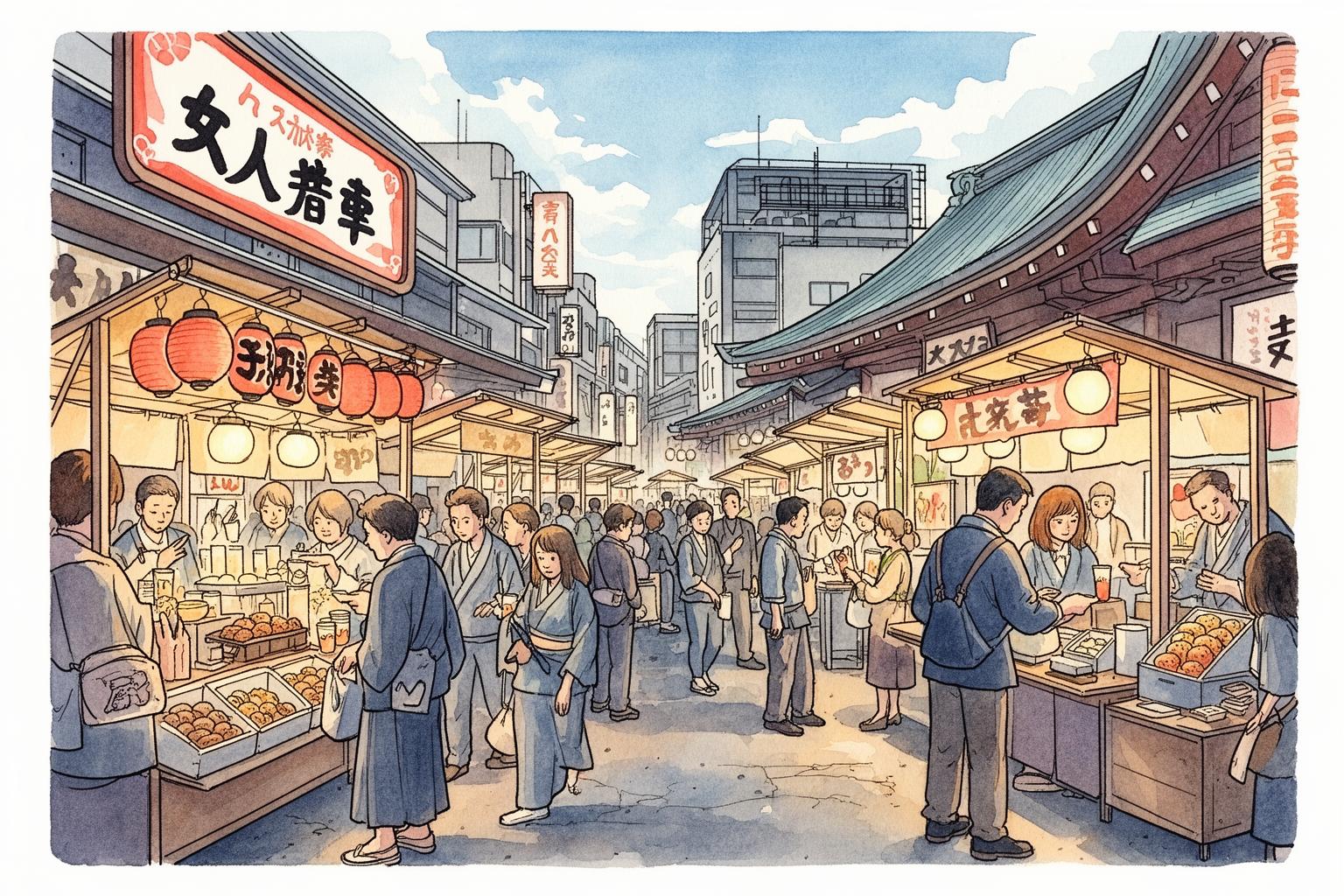
So, what exactly is a yatai? On the surface, it’s straightforward: a mobile food stall. But in Hakata, it’s like a whole universe contained in a box. Each evening, these detailed wooden carts are wheeled out, assembled with practiced skill, and transformed from a simple stall into a lively mini-restaurant. We’re talking about a fully equipped kitchen, a counter, and seating for roughly eight to ten people, tops. This isn’t your typical food truck. It’s a tradition, a heritage passed down through generations. The magic of the yatai experience lies in its intimacy. You’re not just a customer at a table; you’re a guest at the counter, sitting shoulder-to-shoulder with locals, fellow travelers, and the stall owner orchestrating the entire delicious performance. The barrier between chef and diner vanishes in the steam rising from the grill. You can watch every flip of the gyoza, every pour of the sake, every careful arrangement of toppings on a bowl of ramen. This closeness is the secret ingredient. It sparks conversations. A salaryman to your left might suggest his favorite yakitori skewer. The couple to your right might be celebrating an anniversary. And the taisho, with a smile and a nod, makes everyone feel like a regular. This is the essence of fureai, a Japanese notion of connection and heartfelt interaction. You come for the food, but you stay for the genuine warmth. Historically, yatai culture flourished in the post-war era, offering affordable, hearty meals and a sense of community as Japan rebuilt. They were gathering spots, hubs of local gossip and friendship. While regulations have tightened and their numbers have declined across Japan, Fukuoka has fiercely protected its yatai culture, valuing it as an essential part of the city’s identity. These aren’t just relics; they are living, breathing symbols of Fukuoka’s resilience, hospitality, and passion for good food and good company. It’s a culture built on an unspoken agreement of mutual respect. You don’t linger for hours. The general rhythm is to order a drink, enjoy a few dishes, and then kindly make way for the next hungry guest. It’s a dynamic, ever-changing social tapestry, and for one night, you get to be part of it. The atmosphere is a blend of vibrant energy and cozy warmth. It’s lively but not overwhelming, packed but not stifling. It’s the sensation of being in the very heart of the city’s nightlife, a place that’s 100% authentic and utterly unforgettable. It’s a full sensory experience, a memory etched not just on your taste buds, but deep in your soul.
The Holy Trinity of Yatai Areas: Nakasu, Tenjin, and Nagahama
While yatai are spread across Fukuoka, they typically gather in several key spots, each with its own unique character and flavor. Exploring them is part of the fun. There’s the iconic, the local, and the legendary. Where you choose to go depends completely on the kind of evening you want. Are you after postcard-perfect views? A dive into the local vibe? Or a pilgrimage to ramen’s sacred ground? Don’t worry, we’ve got you covered. Hakata’s yatai scene offers a place for every mood.
Nakasu: The Iconic Riverfront Scene
If you picture Hakata yatai, Nakasu likely comes to mind first. This is the star attraction, the main stage. Along the Naka River on Nakasu Island—one of the city’s renowned entertainment districts—you’ll find about ten to twenty yatai lined up in a scene of pure visual poetry. The glowing paper lanterns and bright neon signs reflecting on the water create a view so incredibly insta-bae (Instagram-worthy) it almost hurts. The atmosphere is electric, buzzing with excited tourists from all over and locals showing their visiting friends a great time. It’s the most accessible and foreigner-friendly spot, with many stalls featuring picture menus or simple English explanations. Prices can be a bit higher here, a small cost for the million-dollar view, but the experience is priceless for first-timers. As you walk along the riverbank, your senses will be overwhelmed. One stall sends savory smoke from sizzling yakitori wafting through the air. Another tempts you with the soothing aroma of oden broth. You’ll hear a blend of Japanese, English, Korean, and many other languages, all joined in a universal dialect of delicious anticipation. This is the perfect place to kick off your yatai adventure. Grab a seat at a spot like Yatai Mami-chan, known for its friendly vibe and tasty gyoza, or simply find an open seat and point to whatever looks good. You can’t go wrong. Nakasu is all about soaking up that quintessential Fukuoka nightlife energy. It’s bright, bold, and an ideal introduction to the world of yatai.
Tenjin: The Urban Oasis for Shoppers and Locals
Just a short walk from Nakasu, Tenjin offers a completely different yatai experience. Nestled among sleek department stores like Mitsukoshi and Daimaru, along the southern side of Watanabe-dori Avenue, the yatai here feel woven into everyday city life. This is where you’ll find the true Fukuoka locals—office workers loosening their ties after a long day, shoppers taking a break with a cold beer and hot snack, and groups of friends catching up. The vibe is less about spectacle and more about the laid-back rhythm of daily life. It feels more down-to-earth, more genuine. The crowd and the food are different too. While ramen, yakitori, and oden remain staples, Tenjin’s yatai often showcase greater personality and specialization. You might discover a stall famous for tempura, one with a French-inspired menu, or even one offering original cocktails alongside grilled dishes. It reflects Tenjin itself—a commercial hub and a center of creative energy. A standout example is Chez Rémy, a yatai run by a French owner that’s become a local legend, serving escargots and sausages with wine. It’s proof of how yatai culture evolves. Walking through Tenjin’s yatai feels like uncovering a secret. One moment you’re on a busy main street, the next you’re tucked under a tiny canvas flap, transported into a warm, fragrant world. Conversations here are quieter, the pace a bit slower. It’s a sugoi (awesome) spot to people-watch and truly feel part of the city, not just a visitor. For a genuine taste of how Fukuoka’s residents enjoy yatai, Tenjin is the place to be.
Nagahama: The OG Ramen Spot
Prepare for a pilgrimage. If Nakasu is the flashy pop star and Tenjin the cool indie band, then Nagahama is the seasoned blues musician who’s been playing the same three chords perfectly for fifty years. Near the Nagahama Fish Market, this area is the undisputed birthplace of Nagahama-style ramen, a particular branch of Hakata’s famous tonkotsu ramen. The vibe here is totally different. It’s rougher, more straightforward, and focused solely on one thing: serving the most soul-satisfying bowl of noodles you’ve ever tasted. There’s no scenic river view or trendy fusion dishes—just pure, unfiltered ramen culture. The yatai here are legendary, with names like Ganso Nagahamaya spoken with reverence by ramen lovers across Japan. The stalls might be basic, with simple wooden benches, but the flavor is anything but ordinary. The air is thick with the rich, porky aroma of tonkotsu broth simmered for hours, a smell that’s both intoxicating and deeply comforting. This is where fish market workers, truck drivers, and late-night revelers have gathered for decades to satisfy their cravings. Ordering is quick and efficient. You’ll be asked how firm you prefer your noodles—barikata (extra firm) being the local favorite—and your bowl will be served in moments. The broth tends to be lighter than other Hakata styles, meant to be quickly enjoyed. And the kaedama (noodle refills) concept is almost mandatory here. Visiting Nagahama’s yatai isn’t just a meal; it’s a cultural experience, a journey back to the roots of Hakata’s culinary scene. It’s not for everyone, but for true foodies and ramen purists seeking enlightenment in a bowl, Nagahama is a must-visit. It’s the real deal, the original, the heart and soul of Hakata ramen.
Yatai Grub Guide: What to Actually Eat
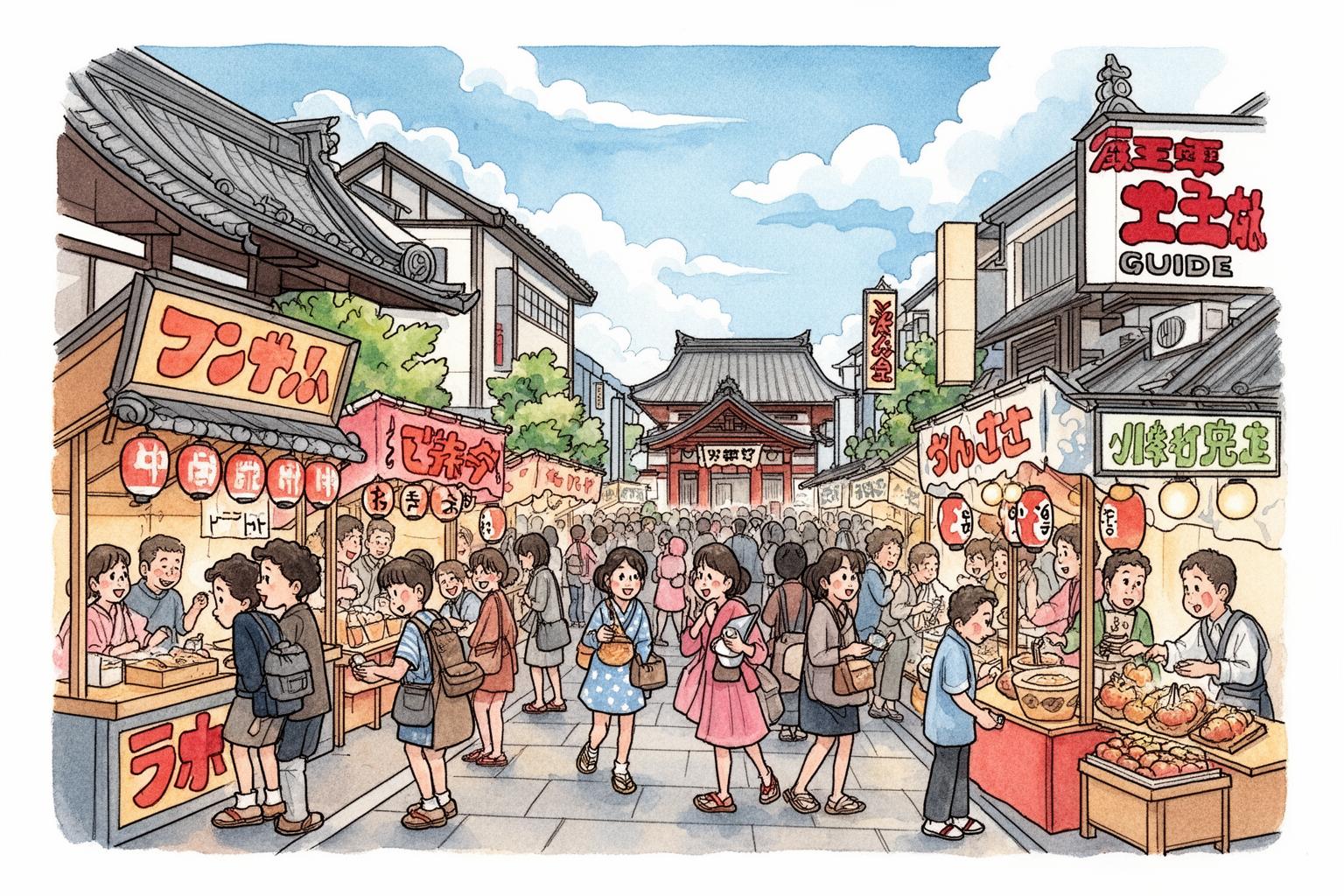
Alright, let’s dive into the delicious details. The menu at a yatai can be both thrilling and a bit daunting. It highlights Hakata’s finest culinary treasures. While each stall offers its own unique specialties, there are some iconic dishes you simply must try before leaving Fukuoka. This is your essential checklist for yatai bliss.
Hakata Tonkotsu Ramen: The Legend
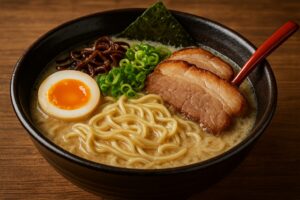
This is the crown jewel. The main attraction. The very reason many visit Fukuoka. Hakata ramen is a masterpiece of umami. The heart of the dish is its tonkotsu broth, prepared by simmering pork bones for hours, sometimes even days, until they release all their collagen and marrow, producing a rich, creamy, and opaque soup. It’s more than broth; it’s a magic potion. The noodles play a crucial role: typically very thin, straight, and low in moisture, allowing for exact firmness when cooked. When ordering, you take part in the ritual by choosing your noodle firmness: yawa (soft), futsu (regular), kata (firm), barikata (extra firm), or harigane (wire-like). Most locals opt for kata or barikata, as the thin noodles can soften quickly in hot broth. The toppings are minimal but perfect: tender slices of chashu (braised pork), finely chopped green onions (negi), and sometimes crunchy wood ear mushrooms (kikurage). But the experience doesn’t stop at the first bowl. Because the noodles are thin, they come in smaller portions to avoid sogginess. The proper way to enjoy Hakata ramen is to order a kaedama—an extra serving of noodles—added directly to your remaining broth. Slurping is encouraged; it aerates the noodles and broth, intensifying the flavor. A bowl of ramen at a yatai on a chilly night is one of Japan’s most perfect experiences. It’s a warm embrace in a bowl, a dish so deeply satisfying it feels almost spiritual.
Yakitori: Skewers of Happiness
Follow the smoke, and you’ll find yakitori. The simple perfection of grilled chicken on a stick is a yatai essential. The sound of meat sizzling over radiant binchotan charcoal and the irresistible aroma filling the air are utterly intoxicating. It’s the ultimate beer companion. Yakitori is an art, highlighting various parts of the chicken, each with its distinct texture and flavor. You have two main seasoning options: shio (salt), which showcases the chicken’s pure taste, or tare, a sweet-savory soy-based glaze that caramelizes beautifully on the grill. A true yakitori master knows precisely how to cook each skewer for perfection. Must-try types include momo (thigh meat), juicy and tender; negima (thigh and leek), a classic pairing; kawa (skin), grilled to crispy perfection; tsukune (meatball), a savory blend of minced chicken and seasonings; and for the adventurous, hatsu (hearts) or sunagimo (gizzards). Watching the taisho expertly turn the skewers, basting with tare and sprinkling salt, is pure theater. Ordering is easy: just point and say how many you want, usually served in pairs. Grabbing a cold draft beer, a few yakitori skewers, and soaking in the atmosphere is a quintessential yatai experience. It’s simple, social, and incredibly delicious.
Mentaiko Tamagoyaki: Spicy-Savory Perfection
Fukuoka is the home of mentaiko, marinated pollock or cod roe seasoned with chili, found everywhere. One of the best ways to savor it is wrapped inside a fluffy, savory omelet. Mentaiko Tamagoyaki is a revelation. Tamagoyaki is a Japanese rolled omelet made by cooking thin layers of seasoned egg in a special rectangular pan and rolling them together. It’s a staple in bento boxes and home kitchens. But when you add a generous spoonful of salty, spicy mentaiko to the center, it becomes something truly extraordinary. The chef pours a layer of egg, adds the mentaiko, then skillfully rolls it up, layering more egg until it forms a beautiful golden-yellow log. Sliced open, it reveals a vibrant pink core. The taste balances perfectly: the egg is mildly sweet and savory, its texture light and almost custard-like, with the mentaiko adding a salty, briny umami burst and gentle heat. It’s an ideal side to cut through the richness of ramen or grilled meats and pairs wonderfully with sake or shochu. This dish showcases Fukuoka’s best-loved ingredient in the most comforting way. Don’t miss it.
Oden: The Soul-Warming Stew
On a chilly evening, nothing is more inviting than the sight of a large, steaming pot of oden. Oden is the ultimate Japanese comfort food, a one-pot marvel where various ingredients slowly simmer in a light, flavorful dashi broth. Each item soaks up the savory broth, becoming tender and deeply satisfying. A yatai specializing in oden is a wonderful sight. The large rectangular pot is sectioned, with dozens of different items bubbling gently. Ordering is a joyfully interactive act: simply point to what you want, and the owner will fish it out, placing it in a bowl with broth and a dab of sharp karashi (Japanese mustard) on the side. The selection is vast. Classic choices include daikon (radish), simmered until translucent and melt-in-your-mouth; tamago (hard-boiled egg), perfectly infused with broth; atsuage (thick fried tofu); and various nerimono (fish paste cakes) like chikuwa and hanpen. For an authentic local experience, try gyusuji (beef tendon), which becomes wonderfully tender and gelatinous. Eating oden at a yatai feels like sharing a communal meal. Everyone gathers around the warm pot, sipping broth from their bowls, enjoying simple yet profound flavors. It’s a slow food experience in a fast-paced world, a chance to relax and savor the moment. This dish warms you from the inside out.
Gyoza: Bite-Sized Bangers
Hakata boasts its own irresistible style of gyoza: hitokuchi gyoza, or one-bite dumplings. These are smaller than typical gyoza, meant to be eaten in a single, satisfying bite. Usually pan-fried (yaki-gyoza), they arrive sizzling in a small cast-iron skillet, filling the air with an amazing aroma. The magic lies in the texture. The bottoms are fried to a perfect golden crisp, while the tops are steamed, making the wrapper soft and chewy. The filling is a juicy blend of minced pork, cabbage, and chives, seasoned with garlic and ginger. They’re light but bursting with flavor. Served with a dipping sauce of soy sauce, vinegar, and a drizzle of rayu (chili oil), many locals add a touch of yuzu kosho, a spicy citrus paste unique to Fukuoka. It cuts through the pork’s richness and adds a fantastic aromatic punch. Their small size is deceptive—you won’t stop at just one serving. Pairing a plate of hitokuchi gyoza with a highball is a classic Hakata combo. They make the perfect snack, appetizer, or even a full meal. Simple, unpretentious, and utterly delicious—the very essence of yatai cooking.
How to Yatai Like a Pro: The Unwritten Rules
Jumping into the yatai scene for the first time can feel a bit intimidating, but don’t worry. The atmosphere is very welcoming. Keeping a few simple, unwritten rules in mind will help your experience go smoothly and show respect for the local culture. It’s all about being a considerate guest in someone else’s (very small) home. Follow these tips, and you’ll be navigating the scene like a seasoned pro.
Don’t Stay Too Long
This is likely the most important aspect of yatai etiquette. Keep in mind that these stalls offer very limited seating, usually only about eight to ten spots. There’s almost always a line of hungry people waiting. The culture at yatai is not about lingering for a long, leisurely dinner. It’s a more dynamic, fluid experience. The unspoken rule is to eat, drink, and then move on. This is sometimes called the kirisute gomen of yatai—a playful nod to the samurai’s right to “cut and leave,” but here it means enjoying your meal and gracefully freeing your seat for the next guest. A good guideline is to aim for around an hour, possibly a bit longer if it’s not busy. Order a drink, try a few dishes, enjoy the conversation, and when you’re finished, pay and leave. This helps keep the energy flowing and allows more people to enjoy the experience. You can always visit another yatai for a second round! This bar-hopping style is called hashigo-zake and is a popular way to spend an evening.
Cash is Essential
Don’t get caught off guard. Although Japan is becoming more card-friendly, yatai remain thoroughly old-school. They are small, independent businesses that operate strictly on cash. Expect that credit cards, debit cards, and mobile payments won’t be accepted. Before heading out, make sure you have enough Japanese yen on hand to cover your food and drinks. It’s a huge inconvenience for busy stall owners to deal with customers who only have cards, and it slows down the operation. Having a mix of bills and coins also helps with making exact change. There are no ATMs attached to yatai stalls, so plan ahead. Stop by a convenience store or post office ATM beforehand to get your cash. This simple step ensures a smooth, hassle-free payment when it’s time to settle your bill.
Check Prices Upfront
Transparency is key to enjoying your time. While most yatai offer reasonable prices, some, especially in the heavily touristed Nakasu area, can be pricier. To avoid any awkward surprises when the bill arrives, it’s wise to be aware of the cost beforehand. Many stalls post menus on the wall or counter. If you don’t see one, or if the menu is only in Japanese and you can’t read it, it’s perfectly acceptable—and quite common—to politely ask the price before ordering. Just point to the item and ask, “Ikura desu ka?” (How much is it?). The owner will be happy to tell you. This isn’t rude; it’s smart customer behavior. This practice, known as meiryoukaikei (clear accounting), is encouraged by the city of Fukuoka to ensure a positive experience for all. So don’t hesitate—good communication goes a long way to ending your yatai night on a high note.
Mind Your Manners
A yatai is a shared, intimate space where good manners are essential. Avoid being excessively loud or disruptive. You’re sharing the counter with others who are there to enjoy their meal. Be conscious of your personal space and belongings—don’t spread bags around or occupy extra seats. Basic Japanese dining etiquette applies: don’t stick your chopsticks upright in your food, and don’t pass food from chopsticks to chopsticks. Most importantly, be respectful to the taisho and their staff. They work incredibly hard in a small, hot space to serve great food. Offering a simple “Gochisousama deshita!” (Thank you for the meal!) when you leave is a small gesture that’s always greatly appreciated. The friendly, communal atmosphere is what makes yatai special, and being considerate helps preserve that vibe.
Plan for Toilets
This practical tip is often overlooked. Yatai are mobile food stalls and have no restroom facilities. To be clear: there are no toilets at the yatai. Take care of that before you sit down to eat. Before grabbing a seat, locate the nearest public restroom. In areas like Nakasu and Tenjin, you’ll usually find public toilets in nearby parks, subway stations, or inside department stores (though these close earlier in the evening). It’s a smart move to make a quick stop before starting your yatai-hopping adventure. Trying to find a restroom after a few drinks can be a stressful side quest you won’t want to face. So, plan ahead, then relax and fully enjoy your food and drink without worry.
The Yatai’s Evolving Story: More Than Just Food Stalls
The story of Hakata’s yatai is one of survival, adaptation, and deep dedication. This distinctive culture didn’t emerge overnight; it was shaped by history and continues to evolve today. The heyday of yatai was during the 1960s, when more than 400 stalls lined Fukuoka’s streets, serving as essential community hubs. However, concerns about public health and traffic congestion brought about strict regulations in subsequent decades. These rules mandated that licenses be passed only to direct heirs, and once a stall closed, its license was permanently lost. This caused a gradual decrease in the number of yatai, and for a time, it seemed this cherished culture might disappear. Yet, Fukuoka is a city that treasures its yatai too much to let them vanish. Acknowledging their significance to the city’s identity and tourism, the local government recently implemented a new public recruitment system. This innovative approach allowed new entrepreneurs, beyond just family members, to apply for yatai licenses, injecting new life into the scene. This sparked a revival. A new generation of passionate chefs and owners has emerged, bringing fresh ideas and diverse culinary influences. While traditional yatai serving ramen and yakitori remain central to the culture, there are now stalls pushing creative boundaries. Some specialize in inventive tempura, others focus on pairing local craft beer and sake, and some even offer gibier (wild game) dishes. This blend of tradition and innovation keeps the yatai culture vibrant and dynamic. It’s a living tradition that honors its past while eagerly embracing the future. Each stall, whether a third-generation ramen shop or a brand-new cocktail yatai, is a small business run by people deeply passionate about their craft and about creating a space for connection. When you dine at a yatai, you support this remarkable cultural heritage and become part of its ongoing story.
Seasonal Yatai Vibes
One of the greatest aspects of yatai is how the experience shifts with the seasons. Being outdoors, you feel connected to the weather and the time of year, and the menu often highlights what’s fresh and what people are craving.
In spring, as cherry blossoms bloom, the evenings are mild and pleasant—ideal for sitting outside. The atmosphere feels light and cheerful. Seasonal dishes featuring bamboo shoots (takenoko) or fresh spring vegetables often appear in the oden pot. A crisp sake complements the gentle spring air perfectly.
Summer brings a lively, festival-like vibe to the yatai. Though it can be hot and humid, nothing beats cooling down with an ice-cold draft beer or a refreshing lemon sour. The grill’s sizzle seems to echo the buzz of the cicadas. This season favors light, zesty flavors, and the energetic atmosphere is truly infectious.
Autumn may be the best season for yatai-hopping. The oppressive heat of summer fades into cool, comfortable nights. The air turns crisp, and the craving for warm, hearty food returns. It’s the perfect time to savor a rich bowl of ramen or linger over a pot of oden. The fall harvest introduces new ingredients like mushrooms and seasonal fish. It’s the coziest and most inviting time to be out and about.
In winter, the yatai transform into glowing, warm refuges from the cold. Huddling under canvas flaps, with steam from the kitchen warming your face, is an incredibly emoi experience. This season is ideal for oden and hot sake (atsukan). Sharing a small, warm space with strangers on a cold night creates a unique sense of camaraderie. It’s a magical, soul-warming experience found only in winter.
Your Hakata Night Awaits
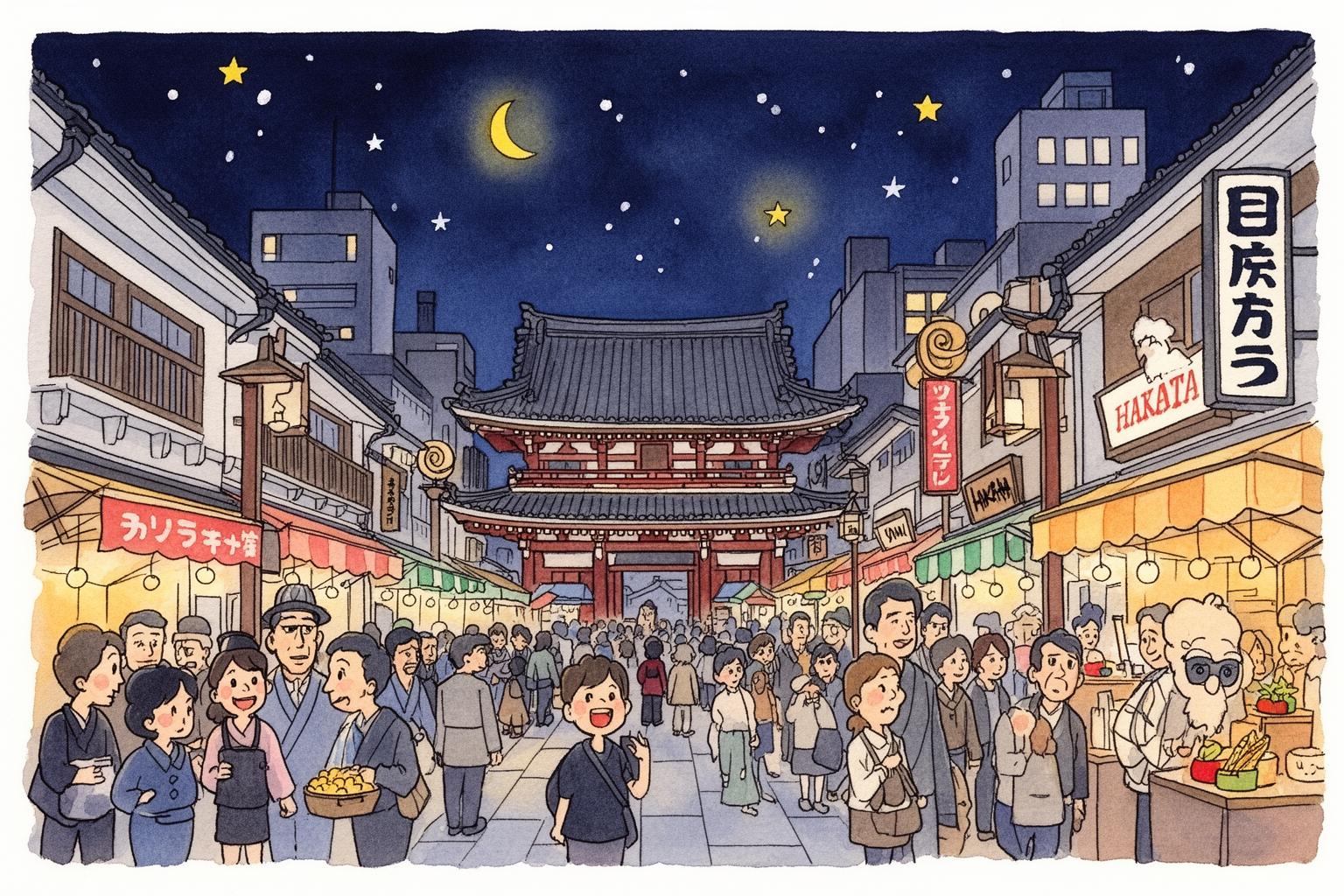
So there you have it. The Hakata yatai experience is much more than just street food—it’s a deep dive into the very heart of Fukuoka. It’s a vibrant, beautiful, and mouthwatering blend of sights, sounds, and tastes. It’s about the crackle of the grill, the comfort of warm sake, and the easy laughter shared with strangers who become friends for the evening. It’s a place where you truly feel the city’s rhythm. Whether you’re savoring a life-changing bowl of tonkotsu ramen in Nagahama, capturing the perfect shot of the sparkling Nakasu riverfront, or uncovering a hidden treasure in the streets of Tenjin, you’re taking part in a tradition that fills the city with pride. Be bold. Be curious. Step outside your comfort zone, pull back the canvas flap, find a free stool, and simply ask, “Osusume wa?” (What do you recommend?). A whole world of flavor and camaraderie awaits you at the counter. Your own maji de yabai (seriously incredible) Hakata story is ready to unfold, one delicious skewer at a time. Go create unforgettable memories.