Yo, let’s talk about a trip that’s a total vibe check for your soul. We’re going off the beaten path, away from the neon glow of Tokyo and the ancient temples of Kyoto, to a place that moves at its own rhythm. Picture this: a town laced with quiet canals, shaded by weeping willows that look like they’ve been posing for paintings for centuries, and where the main mode of transport is a dude with a pole pushing a flat-bottomed boat. This is Yanagawa, Fukuoka’s very own “Venice of Japan,” and trust me, it’s a whole mood. But we’re not just here for the boat rides and the seriously aesthetic scenery. We’re on a mission, a culinary pilgrimage, for a dish so legendary, so mind-blowingly delicious, it defines the entire town. I’m talking about Unagi no Seiro-mushi—steamed eel on rice. Forget everything you think you know about grilled eel. This is next level. It’s a dish that’s been perfected over generations, a flavor bomb that’s smoky, sweet, savory, and so tender it basically melts on contact. As an Aussie mum dragging my crew around Japan, I’m always on the hunt for experiences that are legit, family-friendly, and deliver those core memories. Yanagawa isn’t just a day trip; it’s an entire experience, a slow-burn journey into the heart of Kyushu culture that culminates in what might just be the best meal of your life. No cap. So, grab your metaphorical chopsticks, and let’s dive into the world of Yanagawa’s legendary eel. It’s about to get real tasty.
After savoring Yanagawa’s legendary steamed eel, you can continue your Fukuoka food adventure by exploring the vibrant Hakata yatai food stall scene.
The Yanagawa Vibe: More Than Just Canals
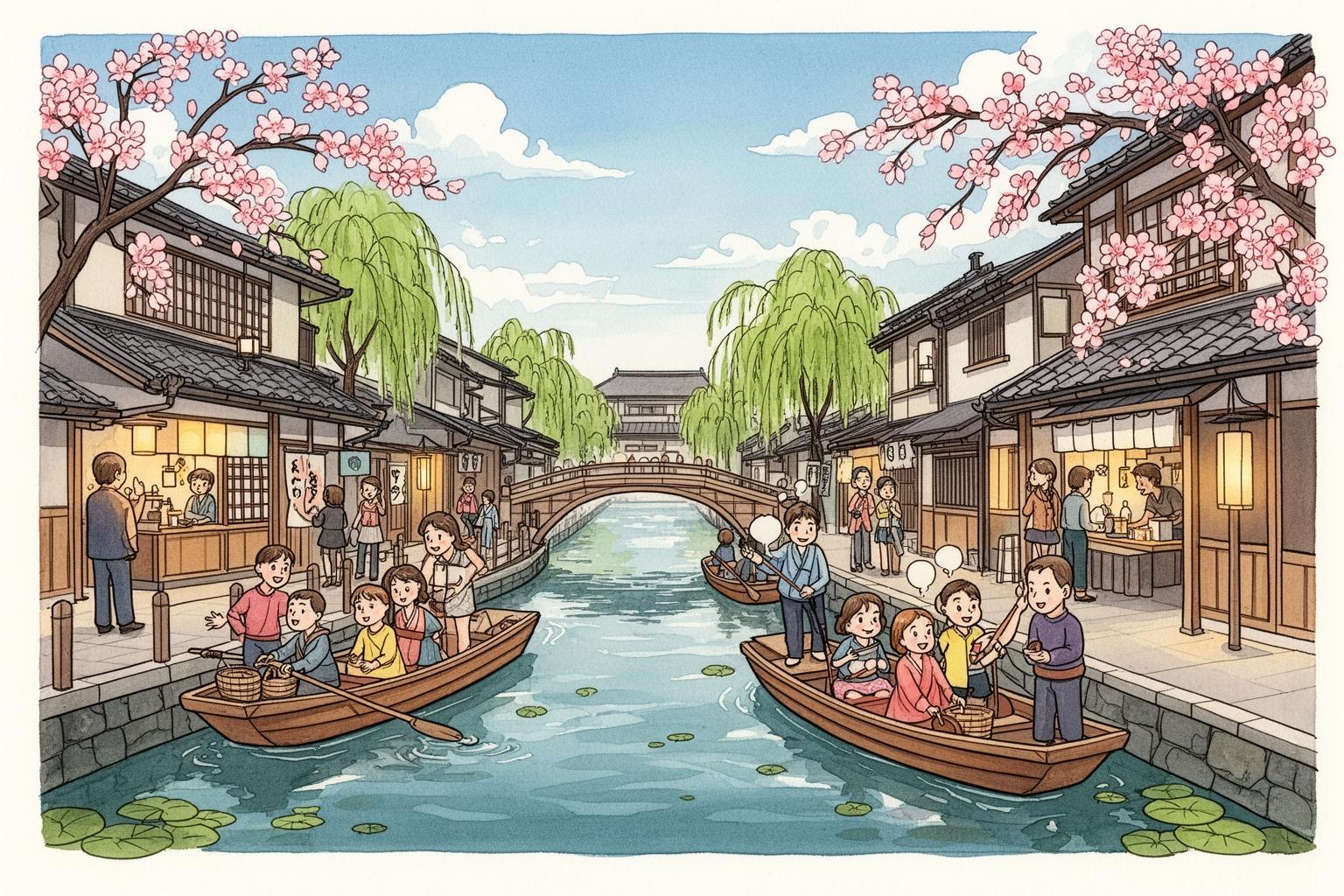
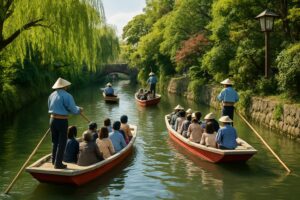
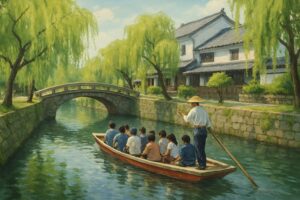
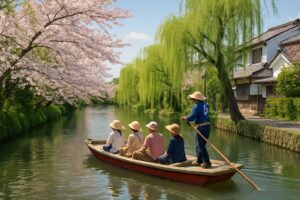
Before you even catch a hint of that charcoal-grilled eel, Yanagawa envelops you with its atmosphere. It’s dense, serene, and utterly transportive. The town is woven together by an astonishing 470 kilometers of canals, or horiwari, originally constructed centuries ago for irrigation and defense. Today, these waterways are the town’s heartbeat, setting a pace that is gloriously slow and unapologetically unhurried. The defining sound here isn’t traffic; it’s the gentle thump-splash of the boatman’s—the sendo’s—bamboo pole pushing off the canal bed, propelling the donko-bune boats onward. It’s a rhythm that seeps into your bones. As you float along, you glide beneath ancient stone bridges, past the walls of old samurai homes, and by locals tending their waterside gardens. The air carries a green, earthy scent—a blend of freshwater, moss, and the delicate fragrance of whatever flower is in season. It’s a sensory experience that invites you to unplug and simply be. This is not a place for rushing. Yanagawa moves on river time, and the sooner you tune in, the better.
This entire experience is known as kawakudari, which literally means “going down the river,” and it’s the absolute quintessential activity here. These sendo aren’t just boatmen; they embody the heart and soul of the journey. Clad in traditional attire and conical straw hats, they skillfully navigate the narrow waterways with a mesmerizing ease. But the true enchantment comes when they start to sing. Many perform traditional folk songs, often works by Yanagawa’s most renowned son, the poet Hakushu Kitahara. Their voices, raw and resonant, echo beneath the bridges, telling tales of the town, its seasons, love, and life. It’s hauntingly beautiful. The trip takes about 70 minutes and feels like a guided meditation. You’ll duck your head under some of the lower bridges, part of the fun especially for kids who find it hilarious.
The town itself is a quiet marvel. It’s a mosaic of architectural styles that narrate its history. You’ll encounter imposing samurai gates opening to hidden gardens, traditional wooden merchant houses capped with tiled roofs, and even some unexpected Meiji-era red brick buildings now home to cafes and shops. It’s incredibly photogenic, a place where every tranquil lane feels like a discovery. The seasonal changes here are spectacular. Spring is a dream, with cherry blossoms and bright yellow canola flowers lining the canals. Early summer bursts with purple and white irises. Autumn ignites the willows and maples in gold and crimson. And winter, with its crisp air and occasional frost, offers a stark, quiet beauty, often with heated kotatsu boats to keep you warm. Each season gifts Yanagawa a distinct personality, yet the laid-back vibe remains constant. It’s a place that feels genuine, lived-in, and deeply tied to its watery roots.
The Unagi Lowdown: What Makes Yanagawa’s Eel the GOAT
Alright, let’s get to the main event, the reason we’re all here: Unagi no Seiro-mushi. This dish is the undisputed king of eel cuisine, and Yanagawa is its sacred home. If you think you’ve enjoyed good unagi before, get ready to have your expectations blown away. This isn’t your typical unadon or unaju, which features grilled eel served over plain white rice. While that’s delicious, Yanagawa’s technique takes it to a whole new level. It’s a culinary masterpiece born from creativity and profound respect for the ingredients. The name breaks it down: Unagi (eel), no (of), Seiro (a wooden steaming box), and Mushi (steam). Steamed eel. It sounds straightforward, but the process is pure artistry.
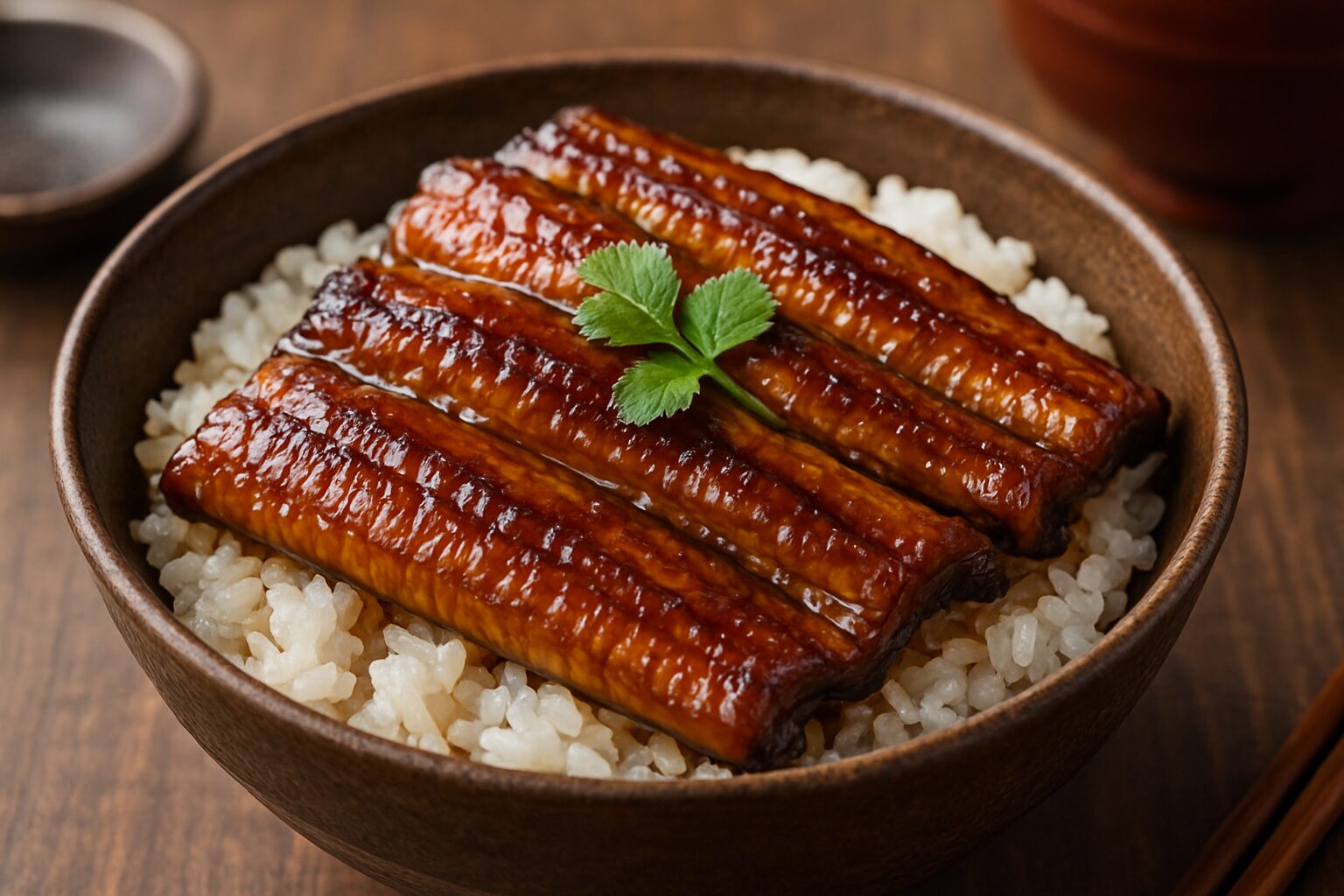
First, let’s discuss the eel. The freshwater eels, usually sourced from the abundant waters of Kyushu, are butterflied, deboned, and skewered. Next comes the initial grilling. The eel is dipped in a sweet and savory soy-based sauce called tare and grilled over hot charcoal. This kabayaki method gives the eel a beautiful caramelization, a smoky scent, and that signature crispy skin with tender flesh. Most eel dishes would end here. But in Yanagawa, this is just the start. The true magic follows.
The grilled eel fillets are then placed atop a bed of rice inside a rectangular lacquered steaming box called the seiro. But this is no ordinary rice. It’s been mixed with the restaurant’s secret-recipe tare, absorbing all that rich umami. The eel goes on top, more sauce is drizzled over, and then the entire box is steamed. This second cooking step is crucial. As it steams, something remarkable happens. The rich, fatty oils from the eel melt and seep down, infusing each grain of rice beneath with flavor. The steam softens the eel to an unbelievable tenderness, eliminating any chewiness and leaving an extraordinarily silky texture. The rice becomes fluffy, fragrant, and intensely flavorful, having soaked up the essence of both the sauce and the eel. It creates a blend of taste and texture impossible to achieve through grilling alone.
When the lid is lifted at your table, a fragrant cloud of steam escapes, unveiling the masterpiece within. The dark, glossy eel rests majestically atop the sauce-tinted rice, often garnished with a bright layer of kinshi tamago—finely shredded, paper-thin egg crepe. The color contrast is striking: the deep brown eel, the golden yellow egg, and the warm amber rice. The flavor is a harmonious symphony. You experience the smokiness from the charcoal, the rich, complex sweetness of the aged tare, the luxurious fattiness of the eel, and the comforting, fluffy steamed rice. Every bite is a revelation. It’s served with kimosui, a clear, delicate soup made from the eel’s liver that acts as a perfect palate cleanser, along with Japanese pickles (tsukemono) to add a crunchy, tangy contrast. This dish has deep roots dating back to the Edo period, when Yanagawa was a prosperous castle town. Once a luxury food meant to build stamina, over 300 years it has become the town’s defining identity. Eating seiro-mushi in Yanagawa isn’t just having a meal—it’s savoring centuries of history, culture, and culinary excellence. It absolutely slaps.
The Ultimate Eel Quest: Top-Tier Restaurants in Yanagawa
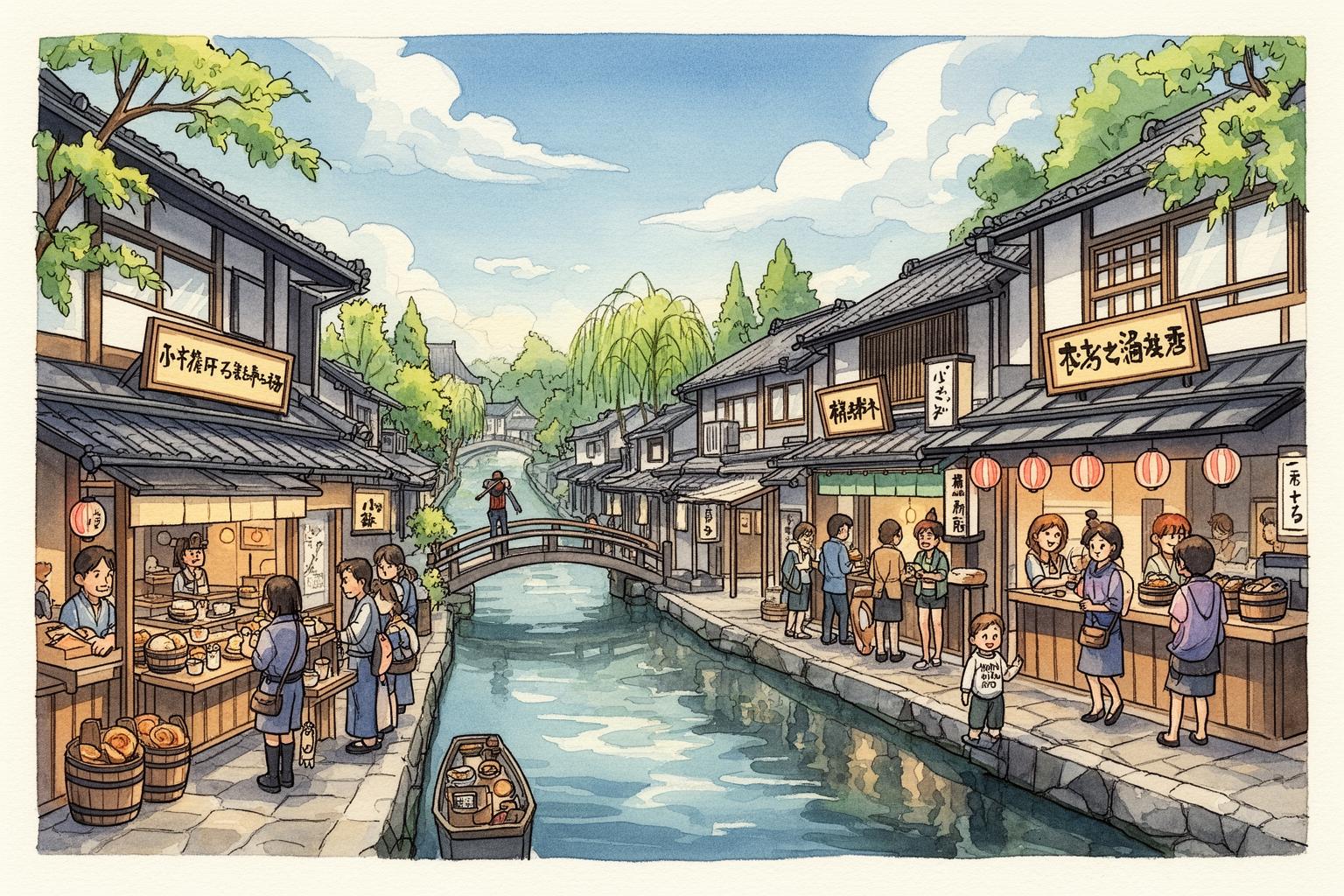
Now that you’re fully hyped, the big question is: where should you go? Yanagawa is filled with unagi restaurants, many boasting histories of over a century. While it’s rare to have a disappointing meal here, a few spots have achieved legendary status. These are the institutions, revered pilgrimage sites for food lovers from across Japan and beyond. Here’s the lowdown on the top places to satisfy your eel cravings.
Ganso Motoyoshiya: The Original Pioneer
When discussing seiro-mushi, you have to begin with the originator, the one who started it all. Ganso Motoyoshiya claims to have invented the dish, with a history spanning more than 300 years. This isn’t just a restaurant; it’s a landmark. Situated a little away from the main canal tour area, it exudes an aura of authenticity that’s utterly captivating. The building is a beautiful, traditional wooden structure that feels like stepping into a samurai movie. You’ll likely encounter a queue, as it remains perpetually popular, but the wait only heightens the anticipation. Once inside, you’ll be guided to a tatami room overlooking a stunning Japanese garden. The view of manicured pines and a tranquil pond is so soothing it instantly makes the wait worthwhile. The atmosphere here is quiet and respectful—a place where food is truly revered.
The highlight, their seiro-mushi, is served with a sense of ceremony. The lacquered box, nearly black with age, has housed countless masterpieces. The eel is flawless—plump and tender—and their tare is legendary: a secret recipe carefully maintained and passed down for generations, resulting in a flavor that is strikingly deep and complex. It’s rich with just a touch of sweetness, allowing the smoky charcoal flavor and the eel’s natural richness to stand out. The rice beneath is perfect, each grain distinct yet soaking up the flavors. Dining at Motoyoshiya feels like a rite of passage, setting the standard by which all other seiro-mushi dishes are judged. For first-timers, it’s a must-visit to grasp the history and soul of the dish. It truly has main character energy.
Wakamatsuya: The Canal-Side Icon
For the quintessential “Yanagawa” experience, you can’t beat Wakamatsuya. This restaurant boasts the prime location, right along the main kawakudari route. It’s one of the rare places where your boatman can drop you off at the private dock—talk about an entrance. The vibe here is livelier and more tourist-friendly, but the quality never wavers. The building is a stunning multi-story structure with large windows offering breathtaking views of the canal. Sitting at your table watching the donko-bune boats glide silently by as you wait for your meal is pure postcard-perfect.
Wakamatsuya has been serving eel for over 160 years, honing their craft to perfection. Their seiro-mushi consistently impresses: the eel is grilled to an ideal char and melts in your mouth after steaming. Their tare is said to be slightly sweeter than Motoyoshiya’s, winning favor with many diners. It’s a rich, crowd-pleasing sauce that perfectly coats the rice. They also offer a superb range of other eel dishes such as umaki (a fluffy rolled omelet with eel tucked inside) and shirayaki (eel grilled with just salt, highlighting the pure flavor). For families, Wakamatsuya is an excellent choice, offering both tatami seating and regular tables, which is handy for restless kids or those unaccustomed to sitting on the floor. The combination of stunning views, easy access, and consistently excellent eel makes Wakamatsuya a must-stop. It’s the full Yanagawa experience.
Saraya Fukuryu: The Local Favorite
If you’re the type of traveler who seeks out spots loved by locals, nestled just off the main tourist path, then Saraya Fukuryu could be your perfect find. Hidden away on a quieter street, this restaurant offers understated elegance and an intimate ambiance. It’s a hidden gem rewarding those who take the effort to find it. Inside, the atmosphere is calm and refined—a beautiful traditional setting without the crowds of the more famous establishments. It’s a place where you can truly take your time and savor every bite in peace.
What distinguishes Fukuryu is its meticulous attention to detail. The chefs here are masters, and it shows. The eel is grilled with precision over premium charcoal, producing an exquisite smoky aroma. The steaming is flawlessly timed, resulting in an eel that is ethereal in softness and rice that serves as a flavor-soaked pillow. Their tare is known for perfect balance—neither too sweet nor too salty, but a deep umami that enhances the eel without overpowering it. They also serve a standout kimosui soup that is both clean and flavorful. Dining here feels like being let in on a local secret. The service is often more personalized, making the experience all the more special. It’s an excellent choice for a relaxed lunch after a morning of sightseeing—a place to recharge while enjoying one of the town’s best-kept secrets. For the discerning foodie, this spot is a total win.
Rokkyu: Tradition Meets Modernity
Though Yanagawa is rooted in tradition, some places offer a modern take on the classic eel experience, and Rokkyu is one of them. While they serve traditional seiro-mushi as skillfully as anyone, their ambiance and menu lean toward contemporary tastes. The interior is brighter with comfortable, modern seating, making it particularly welcoming to international visitors and families. It bridges the gap between authentic tradition and modern comfort.
The eel is, of course, outstanding. They honor traditional cooking techniques to maintain genuine flavor and texture. Where Rokkyu really excels is in its set menus or teishoku. You can enjoy classic seiro-mushi alongside other eel delicacies, which is a fantastic way to sample a variety of flavors. Sets may include uzaku (a refreshing vinegared salad with grilled eel and cucumber), umaki, and hone-senbei (crispy fried eel bones, an unexpectedly addictive snack). This variety offers a more diverse dining experience. They also provide different portion sizes, including smaller servings ideal for children or those with lighter appetites. Rokkyu proves that tradition and modernity can coexist beautifully, delivering a flexible and exceptional dining experience without compromising the quality that makes Yanagawa’s eel unbeatable.
Beyond the Eel: What Else to Slay in Yanagawa
As transformative as the eel feast is, you’ll want to dedicate a full day to exploring Yanagawa. The town offers so much more, and its other attractions provide the perfect backdrop for your culinary journey. You’ll want to walk off that magnificent meal while immersing yourself in the town’s distinctive charm. The ideal way to structure your day is to start with sightseeing to build your appetite, then finish with the eel feast.
The Kawakudari Deep Dive
We’ve mentioned it before, but the kawakudari boat tour truly deserves a closer look as it is the heart of the Yanagawa experience. The standard route is a one-way trip lasting about 70 minutes, covering roughly 4.5 kilometers. You board near the train station and drift through the town’s center, arriving near the most renowned restaurants and the Ohana estate. The scenery is ever-changing as you pass under dozens of bridges, each with its own unique style—some are elegant stone arches, while others are so low that everyone on the boat must duck down flat! It’s a fun, shared experience. You’ll see historic water gates once used for agricultural irrigation, ancient stone walls from the former castle, and the backyards of charming traditional homes. The sendo will point out landmarks, share local stories, and their singing—already mentioned—is a true highlight. This calming and fascinating journey offers a uniquely immersive way to explore the town. The boat drops you off on the opposite side of town, where free shuttle buses take you back to the station, making logistics easy.
Ohana Shotoen Garden: A Stroll Through History
After the boat tour, you’ll likely find yourself near the Ohana estate, the former villa of the Tachibana clan, who governed the Yanagawa domain for centuries. This site is a must-visit. It’s an impressive complex reflecting the wealth and refined taste of the feudal lords. The centerpiece is the Shotoen garden, a nationally designated Site of Scenic Beauty. Designed during the early Meiji period, the garden’s large pond is dotted with over 280 meticulously shaped black pines and is intended to evoke the famous scenic bay of Matsushima. It’s a masterpiece of Japanese garden design. You can stroll along winding paths, cross quaint little bridges, and soak in the tranquil ambiance. Within the estate, you’ll also find the Seiyokan, a grand white two-story Western-style mansion built in 1910 to host VIP guests. Its Rococo-style architecture contrasts beautifully with traditional Japanese buildings nearby, such as the Ohiroma, a grand 100-tatami-mat hall overlooking the garden. The entire complex now functions as a museum housing the Tachibana family’s treasures, including samurai armor, weapons, and exquisite household artifacts. It offers a profound sense of the history and power that shaped this town.
Hakushu Kitahara’s Birthplace & Memorial Museum
To delve deeper into Yanagawa’s cultural essence, a visit to the birthplace of Hakushu Kitahara is highly recommended. Even if you’re not familiar with Japanese poetry, appreciating his importance to the town adds a meaningful dimension to your trip. Kitahara was one of modern Japan’s most cherished poets and children’s songwriters, and his vivid depictions of his hometown have forever linked his legacy to Yanagawa. The boatmen sing his songs, and his words perfectly capture the nostalgic, water-filled landscape. His birthplace is a preserved sake brewery and merchant house from the late Edo period, offering a glimpse of life in that era. The adjacent memorial museum displays his original manuscripts, personal belongings, and details his life and work. This quiet, reflective stop enriches your entire Yanagawa experience, deepening your appreciation for the songs heard during the canal tour.
Yanagawa’s Festivals: When the Town Goes All Out
If you can schedule your visit to coincide with one of Yanagawa’s major festivals, you’re in for a special treat. The town’s atmosphere shifts from peaceful to electric. The most famous event is the Yanagawa Hina-matsuri Sagemon Meguri, a unique take on the Girls’ Day festival running from mid-February to early April. During this period, the whole town is adorned with sagemon—beautiful, handcrafted hanging decorations featuring symbols of good luck and happiness, such as cranes, rabbits, and colorful balls made from silk scraps. Local houses, shops, and restaurants display them proudly, and you can even take a boat tour to admire them from the water. It’s an incredibly beautiful and heartwarming celebration. In the autumn, the Onigie Festival at Mihashira Shrine offers a lively experience with parades featuring floats, dancing, and people wearing demon masks. Planning your visit around these events is a savvy move that provides an unforgettable glimpse into the community’s vibrant traditions.
Practical Deets for Your Yanagawa Adventure
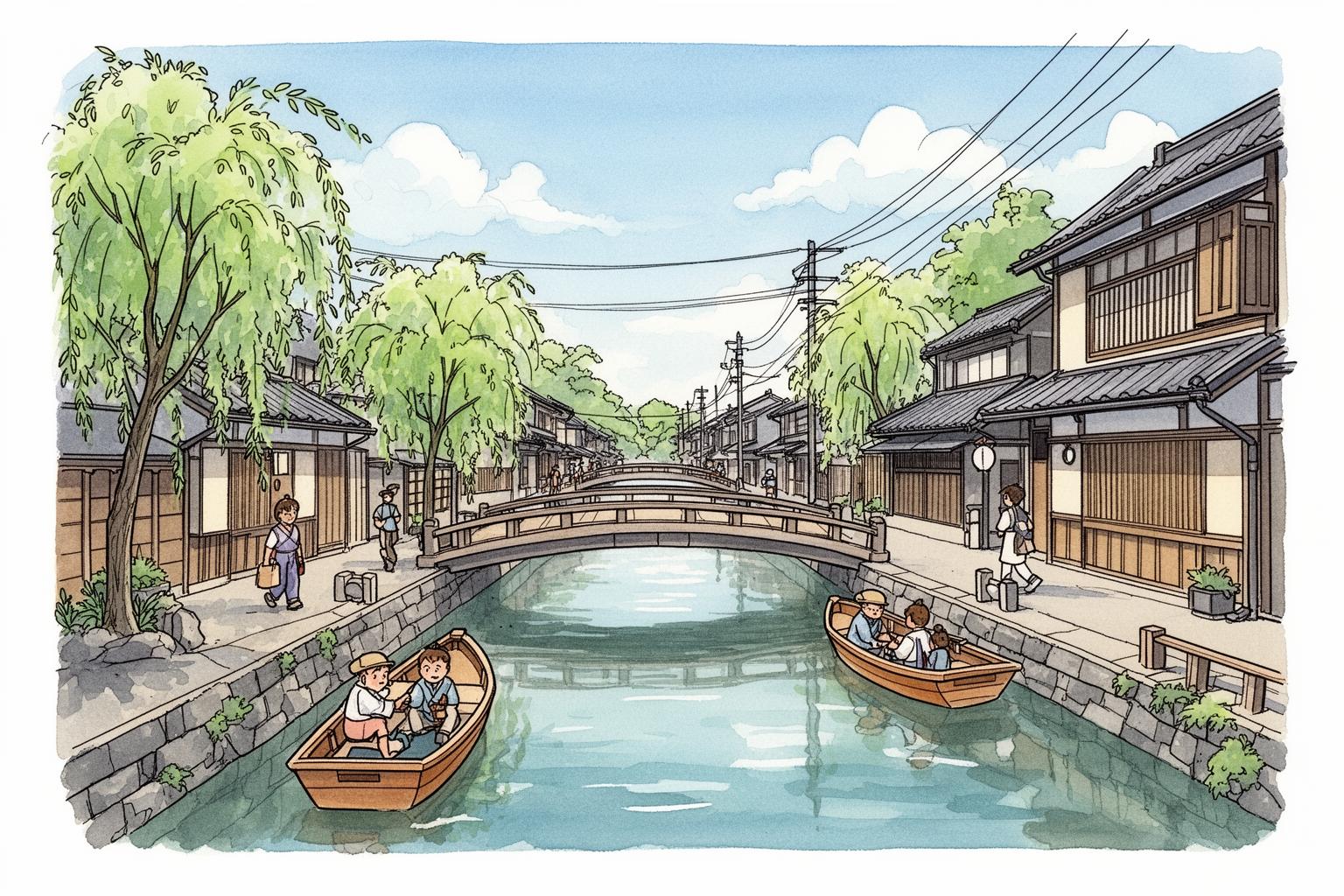
Alright, let’s dive into the details. Planning a trip should be relaxing, not stressful. Here’s all the practical information you need to make your Yanagawa adventure smooth and worry-free.
Getting There: Enjoy the Journey
The easiest way to reach Yanagawa is from Fukuoka, the major city in northern Kyushu. Just hop on the Nishitetsu Tenjin Omuta Line at Nishitetsu Fukuoka (Tenjin) Station. It’s a direct route, and the limited express train will get you to Nishitetsu-Yanagawa Station in about 50 minutes. The ride offers beautiful countryside views. Pro tip: look out for the Yanagawa Tokumori Ticket or similar tourist packages from Nishitetsu. These bundles are really handy, typically including round-trip train fare, the kawakudari boat tour ticket, and sometimes discounts on meals at select eel restaurants. It saves you money and the hassle of buying tickets separately. If you’re driving, Yanagawa is accessible via the Kyushu Expressway, but honestly, the train is super convenient and drops you right where you need to be.
Getting Around: On Foot, by Boat, or Bike
Once you arrive at Nishitetsu-Yanagawa Station, the main boat pier is just a short walk or a quick taxi ride away. The central area of Yanagawa is compact and very walkable. Strolling along the canals and exploring the narrow side streets is one of the best ways to soak up the town’s charm. After the one-way boat tour drops you off in the main tourist area, you can easily walk between the Ohana estate and the eel restaurants. There are also free shuttle buses running from this area back to the train station, so you don’t need to worry about the return trip. For a bit more freedom, renting a bicycle is a great option and lets you explore the quieter residential parts of town at your own pace.
Amelia’s Pro Tips for a Perfect Trip
As a mum who’s picked up a few tips from traveling with my family, here are some extra pointers to make your day in Yanagawa flawless.
- Timing Matters: Yanagawa is a popular day-trip spot, especially on weekends and holidays. If possible, visit on a weekday when the canals are less crowded and wait times at the eel restaurants are shorter or nonexistent. If the weekend is your only option, start your day early to avoid the biggest crowds.
- Cash is King: While major restaurants and ticket counters accept credit cards, many smaller shops, local souvenir stands, and eateries might only take cash. It’s wise to carry a good amount of yen just in case.
- Dress Appropriately: You’ll be walking quite a bit and getting on and off boats, so comfortable shoes are a must. The boat ride offers very little shade, so in summer, a wide-brimmed hat, sunglasses, and sunscreen are essential. In cooler months, the breeze on the water can be chilly, so layering is a good idea.
- For Families: The 70-minute boat ride can feel long for little kids. Bring snacks, water, and maybe a small toy to keep them occupied. When choosing an eel restaurant, check for table seating if your kids (or knees) aren’t fans of tatami mats. Most traditional places ask you to leave strollers at the entrance, so a baby carrier can be a handy alternative for infants.
- Language: Don’t worry about the language barrier. People in Yanagawa are used to visitors and very friendly and helpful. A big smile and a simple “Arigato” (Thank you) or “Sumimasen” (Excuse me) go a long way. Having a translation app on your phone is always a smart backup for more detailed questions.
The Final Bite: Why Yanagawa Steals Your Heart
Visiting Yanagawa for the eel is a wonderful reason to go, but you’ll depart with so much more. This town seeps into your soul in the most delightful way. It’s the enchanting rhythm of the boat ride, the timeless charm of a samurai garden, the flavor of a dish honed over 300 years. It’s a sensory journey that reminds you of the joy of slowing down.
Here, history isn’t confined to museums; it flows through the canals and lives in the secret recipe of a family-owned restaurant. You unlock a core memory—the warmth of the sun on your face as you drift beneath a weeping willow, the echo of a boatman’s song beneath a bridge, and that first unforgettable taste of fluffy, sauce-soaked rice paired with exquisitely tender eel. Yanagawa is more than a place; it’s an atmosphere, a feeling, a soulful and delicious escape that lingers long after you leave. So go ahead, take the trip. You’ll love it.