So, you’re thinking of diving into the deep end of the sushi world. Not the conveyor belt spots or the casual Friday night takeout, but the real thing: a high-end omakase experience in Ginza. It’s a good question to ask, because walking into one of these places unprepared is like showing up to an opera in swim trunks. It’s more than just a meal; it’s a quiet, intense, and deeply ritualized performance where you are both the audience and a participant. Forget everything you think you know about ordering from a menu. In the hushed sanctuaries of Ginza’s legendary sushi-ya, you place your trust, your palate, and a not-insignificant amount of money entirely in the hands of a master. This is omakase—literally, “I leave it up to you.”
This isn’t just about eating raw fish. It’s about engaging with a culinary tradition honed over two centuries, born from the bustling streets of old Tokyo, then known as Edo. This is the world of Edomae sushi, a style defined not by simple freshness, but by the meticulous and transformative work—shigoto—applied to each ingredient before it ever graces the rice. The chefs, known as itamae, are more than cooks; they are artisans, historians, and conductors, orchestrating an experience designed to be savored one precise, perfect bite at a time. To truly appreciate it, you need to understand the language, the etiquette, and the philosophy that animates the space. This is your guide to navigating that world, a look behind the cypress counter into the heart of a profound Japanese ritual.
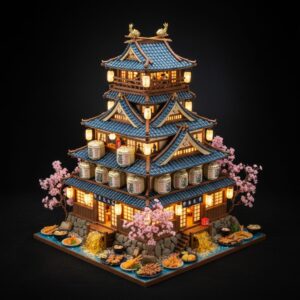
To fully appreciate the meticulous presentation of each piece in this silent theater, one might also be fascinated by the hyper-realistic art of Japanese fake food.
The Sanctity of the Counter: Stage, Altar, and Dining Table

Before a single piece of fish is served, the environment itself establishes the mood. A Ginza sushi-ya exemplifies masterful, intentional design. The experience revolves entirely around one flawless wooden surface: the counter. This is not merely a place to sit; it is the stage where the entire performance unfolds. Forget spacious dining rooms; these are intimate settings, usually accommodating no more than eight to ten guests, all focused on the master at work.
The Itamae: Conductor and Custodian
At the center of this stage is the itamae. Calling him simply a chef feels insufficient. He is the guardian of a tradition handed down through generations. His movements exemplify economy and grace, refined through decades of rigorous practice. There are no wasted motions. The swift, assured slice of the yanagiba knife, the gentle shaping of the rice by cupped hands, the delicate brushing of sauce—this is kinetic meditation. Becoming an itamae at this level is a lifelong pursuit. The old saying, “three years to learn to cook the rice, eight years to learn to form it,” is no exaggeration. It is a path of apprenticeship, or shugyo, that cultivates not only technical mastery but profound respect for the ingredients and the craft.
When you sit at his counter, you enter into an unspoken agreement. He will offer you his absolute best, drawing from his entire store of knowledge to serve each piece at its peak. Your role is to receive it with respect and focus. This relationship is one of quiet, mutual understanding. He watches your pace, your reactions, perhaps subtly adjusting the next piece based on your enjoyment. It is a silent dialogue, a connection built throughout the meal.
The Stage: Hinoki, Light, and Intentional Emptiness
The space itself is crafted to remove distractions. The decor is nearly always minimalist to the point of austerity. There are no loud decorations, no intrusive music, only the soft sounds of the craft: the gentle thud of a knife, the quiet hiss of a blowtorch, the low murmur of conversation. The air often carries the faint, clean, citrusy scent of hinoki cypress, the pale, straight-grained wood from which the counter is usually carved. This single piece of wood, sanded to a silky finish, is treated with the reverence of a sacred altar. It is meticulously wiped clean between each placement, a pristine canvas for the chef’s art.
The lighting is dramatic, tightly focused on the itamae’s hands and the counter, while the rest of the room fades into soft shadows. This is intentional. Your attention is meant to be fully directed toward the craft and creation. Every element in the room—the plain ceramic plates, the perfectly balanced chopsticks, the small hand-thrown cup for tea—has been thoughtfully selected to complement, never overpower, the sushi itself. The tangible emptiness of the space is not an absence of design; it is the design. It creates a pocket of serenity, a deliberate refuge from the chaotic world outside, allowing you to be completely present in the moment.
The Edomae Philosophy: A Dialogue with Time
The essence of the Ginza sushi experience centers on the Edomae style. This philosophy challenges the simplistic Western belief that “fresh is always best.” While the ingredients are unquestionably of the highest quality and freshness, Edomae sushi fundamentally revolves around preservation and enhancement. It emphasizes the “work” (shigoto) applied to the seafood, using techniques developed in the 19th century—before refrigeration existed—to extend the life of the catch from Edo Bay and, in doing so, reveal deeper, more complex flavors.
Shari: The Soul of Sushi
Ask any skilled itamae, and they will say: sushi is about the rice. The fish, or neta, serves as the topping, but the rice, the shari, is the soul. A master’s reputation hinges on their shari. It is their unique hallmark, a closely guarded secret refined over a lifetime. The process is extraordinarily precise. It begins with selecting a specific type of premium short-grain rice known for being both distinct and sticky. It is cooked with painstaking attention to water content and texture.
Once cooked, the rice is transferred to a wooden tub called a handai and seasoned with a proprietary blend of vinegar, salt, and sometimes sugar. The choice of vinegar is critical. Some chefs opt for rice vinegar (komezu) for a lighter, cleaner taste, while many top masters prefer red vinegar (akazu) made from aged sake lees. This gives the rice a brownish tint and a much deeper, more complex, and mellow umami flavor. The rice is then fanned while being mixed to cool it rapidly and achieve a perfect sheen. The finished shari should be served at or near body temperature, a warmth that helps the fish’s fats to melt slightly upon contact, releasing their full aroma and flavor. It must be airy, with individual grains clearly distinct yet cohesive enough to hold its shape. A perfect mound of shari feels almost weightless in the mouth and gently collapses under slight pressure.
Neta: The Art of Transformation
Here lies the true magic of Edomae. The neta isn’t simply sliced and placed on rice; it is cured, marinated, simmered, or aged to reach its absolute peak. This is the shigoto that distinguishes masters from apprentices.
Curing (Shime): This fundamental technique is especially essential for oily, silver-skinned fish (hikarimono) like gizzard shad (kohada) and mackerel (saba). The fish is first salted to draw out excess water and fishiness, then rinsed and marinated in vinegar. This process firms the flesh, brightens the flavor, and preserves the fish. The skill lies in timing—just a few seconds too long in salt or vinegar can spoil the delicate texture. Kohada is often regarded as the ultimate test of an itamae’s expertise, demanding a perfect balance of salt, acid, and the fish’s natural oiliness.
Marinating (Zuke): Originally used for lean cuts of tuna (akami), the fish is briefly soaked in a mixture of soy sauce, mirin, and sake. This not only preserves the fish but also infuses it with a rich, savory umami that enhances the iron-rich flavor of the tuna. The outcome is a silky, almost melting texture with a complex, savory taste that plain raw tuna cannot achieve.
Simmering (Nitsume): For ingredients such as saltwater eel (anago), clams (hamaguri), and squid (ika), simmering in a sweet and savory broth is essential. The broth is often a master sauce, or tsume, carefully maintained and replenished for years, embodying the restaurant’s history. The anago becomes incredibly soft and fluffy, finished with a brush of a thicker, reduced form of this same sauce, producing a rich, sweet, and smoky flavor that is utterly captivating.
Aging (Jukusei): Perhaps the most counterintuitive concept for newcomers, certain fish—especially larger ones like tuna and yellowtail—benefit greatly from aging. This isn’t decay but a controlled enzymatic breakdown. The fish is carefully wrapped and stored at a precise, low temperature for several days or even weeks. During this time, proteins break down into amino acids, including those responsible for umami. The flesh becomes more tender, and the flavor deepens and gains subtlety. An aged piece of fatty tuna (otoro) doesn’t just taste fatty; it develops a profound, nutty, almost beef-like complexity impossible to replicate with fresh fish.
The Unspoken Choreography: A Guide to Omakase Etiquette
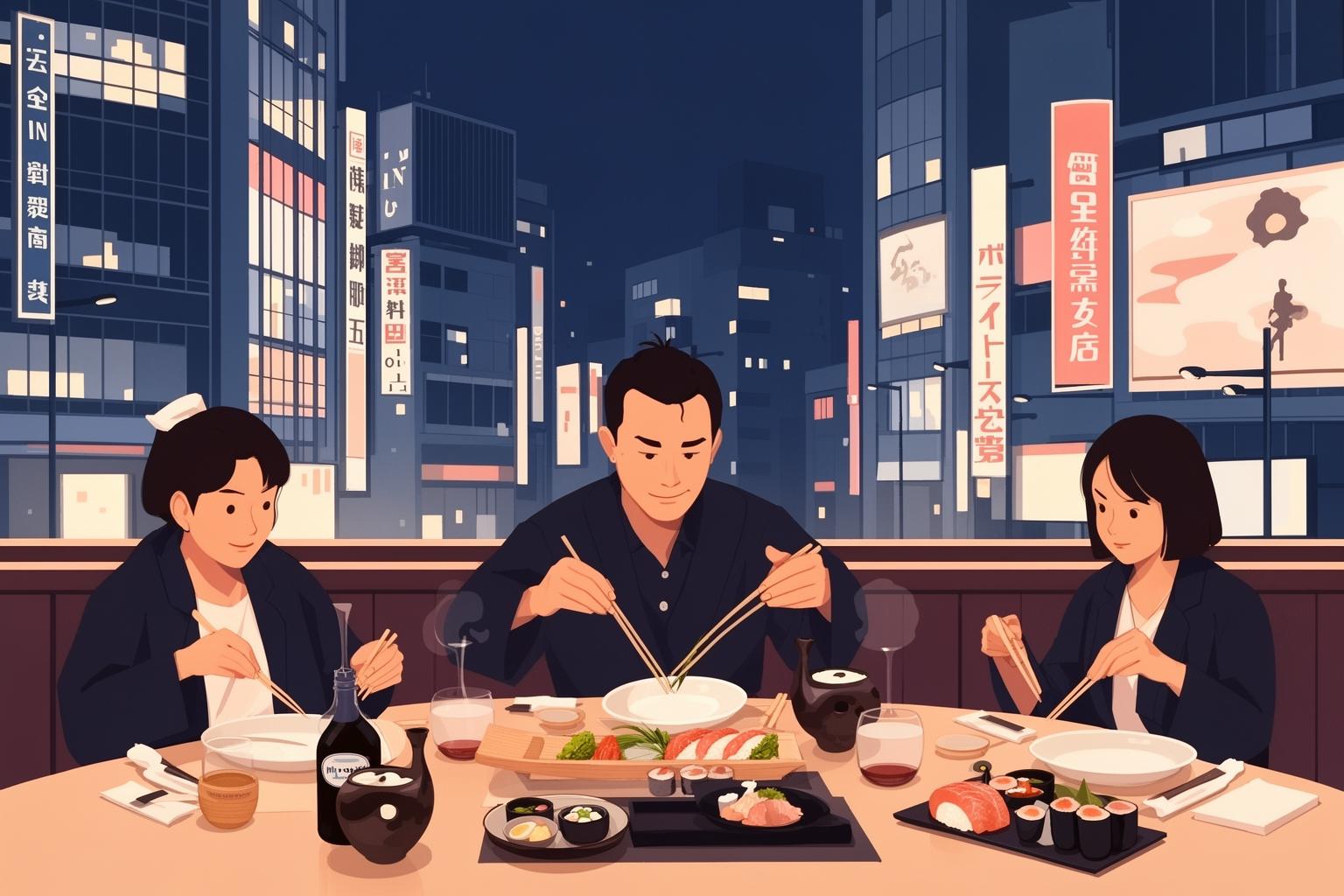
Appreciating the ritual of omakase means understanding the unspoken rules of engagement. This etiquette isn’t about snobbery; it’s about respect—for the chef, the ingredients, fellow diners, and the tradition itself. Observing these customs ensures that everyone can enjoy the best possible experience.
Before the First Bite: The Preliminaries
Punctuality is Essential: An omakase meal is a carefully timed event. The itamae prepares the rice for a specific start time, and it will be at its peak only briefly. Arriving late disrupts the flow for both the chef and other guests and is considered a serious breach of etiquette. Aim to arrive five to ten minutes early.
Avoid Strong Scents: This is one of the most important and often overlooked rules. Refrain from wearing perfume, cologne, or heavily scented lotions. The sushi experience relies as much on aroma as on taste. Strong artificial fragrances interfere with the delicate, subtle scents of the fish, the rice, and the hinoki counter, spoiling the experience for yourself and those around you.
The Counter is Sacred: Treat the hinoki counter with reverence. It’s not a place for your phone, keys, wallet, or bag. A small space will be provided for your belongings. Do not rest your elbows on the counter; it is the chef’s stage and your dining area.
The Flow of the Meal: A Culinary Narrative
An omakase course is a thoughtfully crafted narrative for your palate, not a random assortment of fish. The sequence is intentional, designed to build in flavor and texture, preventing palate fatigue and emphasizing the unique qualities of each piece. The meal often begins with a few small appetizers, or otsumami, such as a piece of grilled fish, a delicate clear soup, or some sashimi, to awaken your palate before the main event: the nigiri.
The nigiri progression generally moves from light to rich:
Shiromi (White Fish): The meal almost always starts with subtle, clean-tasting white fish like sea bream (tai) or flounder (hirame). These pieces have a delicate flavor and firm texture, preparing the palate without overwhelming it.
Hikarimono (Silver-Skinned Fish): Next might be the silver-skinned, vinegar-cured fish such as kohada or saba. Their brighter, more assertive flavors provide a pleasant contrast.
Maguro (Tuna): Tuna is a centerpiece in any omakase. The chef typically serves a progression from the lean back loin (akami), to the medium-fatty (chutoro), and finally the rich, marbled belly (otoro). This allows appreciation of the full texture and flavor spectrum from one fish.
Shellfish and Other Items: After tuna, you may be served squid (ika), ark shell (akagai), sea urchin (uni), or salmon roe (ikura), each offering a unique texture and taste.
The Finale: The savory portion of the meal often concludes with richer, sweeter items such as simmered eel (anago), ending with tamagoyaki (sweet egg omelet). The block-like tamago showcases a different skill and its sweetness signals the meal’s end.
The Art of Receiving and Eating
When the itamae places a piece of nigiri before you, either on your plate or directly on the lacquered counter, the timing begins. It is prepared to be eaten immediately. The temperature of the rice and fish are perfectly balanced for that moment. Letting it sit diminishes that perfection.
Fingers or Chopsticks?: Both are acceptable for nigiri, though many purists prefer hands. It allows a more direct connection to the food and makes it easier to transfer the piece to your mouth in one smooth motion. If using chopsticks, be careful not to break the piece apart. Sashimi, however, should always be eaten with chopsticks.
The Soy Sauce Dilemma: In a high-end omakase, you rarely need soy sauce. The itamae has already brushed the perfect amount of his seasoned soy sauce, called nikiri, on each piece. Dipping the sushi into the soy sauce dish implies the chef’s seasoning is inadequate, which is a significant insult. Trust the master’s skill.
One Bite, One Piece: Each piece of nigiri is crafted to be a single, perfect mouthful. Don’t eat it in two bites. This ensures you experience the balanced harmony of fish, rice, and wasabi as the chef intended.
The Role of Gari: Pickled ginger, or gari, is not a topping or side to be eaten with sushi. Its purpose is as a palate cleanser. Eat a small piece between different fish to refresh your taste buds and prepare for the next flavor.
The Language of Taste: Communicating with the Master
Although the atmosphere is often quiet and focused, it is not a morgue. Communication and appreciation are part of the experience, provided they are done respectfully.
Expressing your enjoyment is perfectly acceptable and even encouraged. A simple and sincere “Oishii” (delicious) after an especially impressive dish is always welcomed. The chef is a performer, and your quiet appreciation serves as his applause. It is also appropriate to ask questions like “What fish is this?” or “Where is this from?” as it shows you are engaged and curious. The chef will usually be happy to share his knowledge.
What you should avoid is making special requests or questioning the chef’s decisions. The essence of omakase is surrendering control and trusting the chef’s expertise. Don’t ask for a spicy tuna roll or extra wasabi. At the end of the savory courses, the itamae may ask if you would like any additional pieces. This is your chance to request a second serving of something you particularly enjoyed during the meal.
Why Ginza? The Apex of an Art Form

One might ask why Ginza enjoys such a legendary reputation in the sushi world. The answer lies in this dazzling, high-fashion district, which serves as the historical and spiritual heart of the craft. The sheer concentration of world-class sushi restaurants here is unmatched. This gathering of talent fosters a highly competitive atmosphere that drives every itamae to continuously hone and perfect his skill.
Moreover, Ginza’s closeness to the Toyosu Fish Market (formerly the renowned Tsukiji) ensures that these chefs have early access to the finest seafood globally. They maintain longstanding relationships with particular vendors who reserve the most exceptional catches for them. Dining at a top Ginza sushi-ya means you are experiencing not just fish but the pinnacle of an intricate supply chain—an outcome of trust and expertise extending from fisherman to your plate.
An omakase dinner in Ginza is no ordinary meal, and its cost reflects the extraordinary skill, premium ingredients, and intimate atmosphere. It is best regarded not as a mere dinner bill but as admission to a performance—a culinary and cultural journey refined to brilliance over centuries. It offers the chance to witness a master at his peak and to savor a tradition that is both deeply historical and vibrantly alive. In short, it is an unforgettable experience.