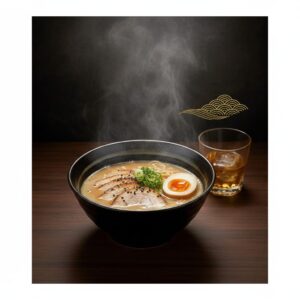
There’s a specific kind of magic that happens when you duck under the short, cloth curtain—the noren—of a tiny bar in a Japanese alleyway. One moment you’re in the neon-washed, hyper-modern present of a city like Tokyo; the next, you’re squeezed into a warm, wood-paneled space that feels unstuck in time. The air is thick with the scent of grilled meat, dashi broth, and faint cigarette smoke. Conversations hum around you, a comfortable murmur punctuated by the owner’s sharp call of “Irasshai!” (Welcome!). You’ve just entered the theater of the Japanese night, and the play you’re about to join is a beloved ritual known as hashigo-zake.
Literally translated as “ladder sake,” the term perfectly captures the essence of the act: climbing from one bar to the next, as if they were rungs on a ladder leading you through the evening. This isn’t the chaotic, volume-focused pub crawl you might find elsewhere. It’s a more nuanced, deliberate practice, a journey of small tastes and fleeting atmospheres. It is a social art form with its own subtle choreography, a set of unwritten rules that govern the flow of people and conversation in the tightest of spaces. To truly understand Japan’s urban social fabric, you have to understand the delicate dance of hashigo-zake, especially as it unfolds in the country’s countless yokocho, the narrow back alleys that are the historic heart of its drinking culture. This is about more than just drinking; it’s about navigating a deeply ingrained system of social respect, community, and shared experience, one small glass at a time.
To fully immerse yourself in this journey, it helps to first explore the atmospheric heart of the experience by learning about Japan’s historic izakaya alleys.
The Yokocho: A Theater for the Night
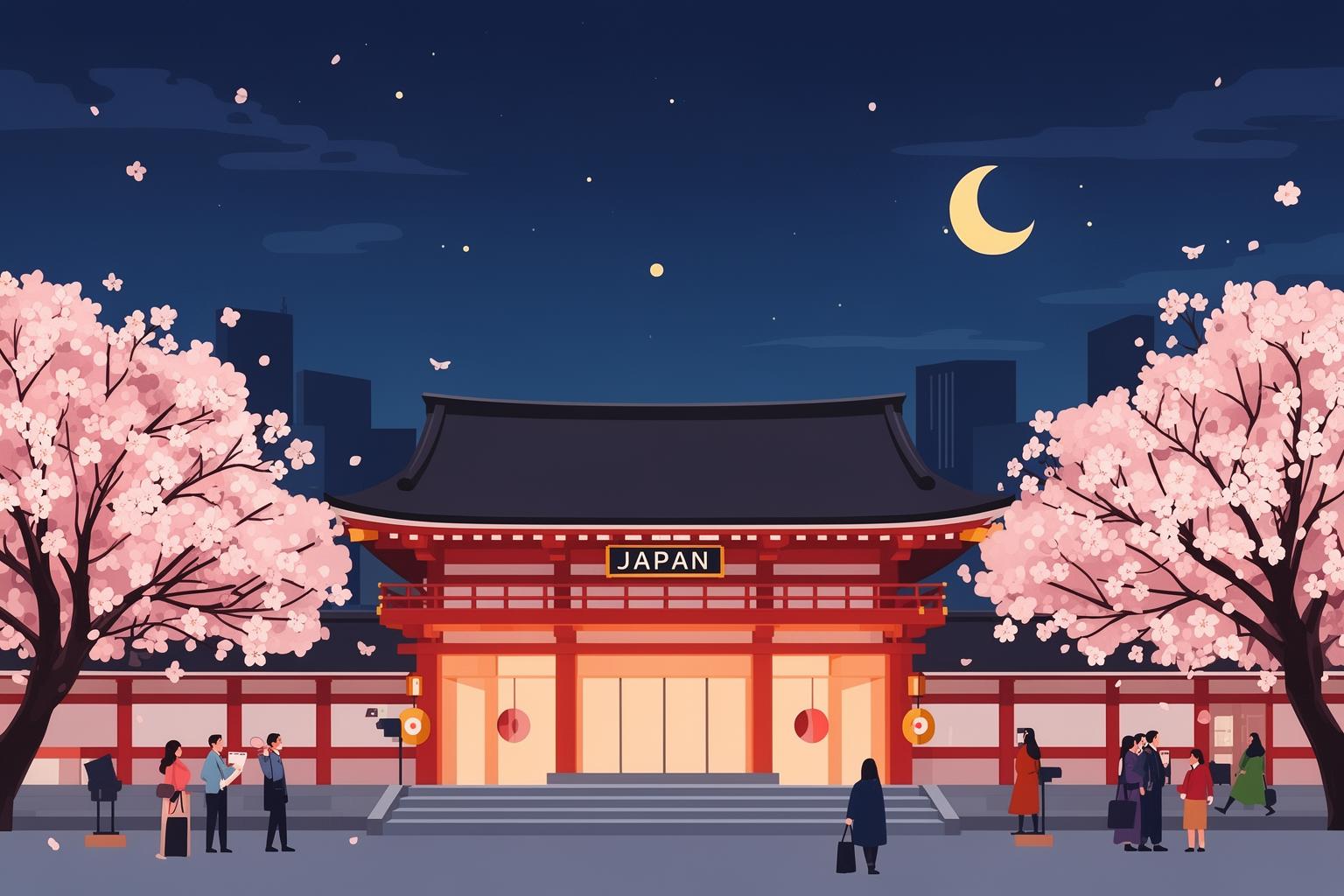
Before you can climb the ladder, you need to understand the theater where the performance unfolds. Yokocho (meaning “side alley”) are more than mere geographical features; they are vibrant, living archives of a past era. Many of these intricate networks of narrow lanes and tiny establishments emerged from the grit and creative chaos of post-war Japan. They served as places for workers to grab an affordable drink and a quick bite on their way home, born from necessity and community during times of scarcity.
While the gleaming skyscrapers around them have risen, fallen, and been rebuilt, the yokocho have largely endured. Entering one is like stepping into a time capsule of the Showa period (1926–1989). The buildings are low and often rickety, connected by a tangled web of electrical wires. Red paper lanterns, or akachochin, cast a warm, inviting glow over entrances, promising food and fellowship inside. The establishments themselves are incredibly small, frequently seating no more than eight to ten people shoulder-to-shoulder along a single wooden counter.
This enforced intimacy is not a design flaw; it is the core feature. In a culture that values personal space, the yokocho is an exception. The cramped quarters intentionally blur the boundaries between strangers. You are close enough to overhear your neighbor’s conversation, see their meal, and feel the heat from the grill just inches away. This closeness requires a unique social contract. It’s a space where the usual formalities of Japanese society can relax, but only if everyone respects a shared, unspoken etiquette. The yokocho isn’t merely a collection of bars; it’s a delicate ecosystem, and hashigo-zake is the rhythm that sustains it.
The Unspoken Rules of the Ladder
The art of hashigo-zake isn’t about how much you drink, but how elegantly you navigate the experience. It’s a dance of observation, respect, and timing. Although no one gives you a rulebook, breaking these unwritten rules will mark you as someone who simply doesn’t understand. Mastering them is essential to unlocking a truly authentic local experience.
Rule #1: Read the Air (Kuuki wo Yomu)
This golden rule governs all social interactions in Japan and is magnified in the intimate setting of a small bar. Kuuki wo yomu, or “reading the air,” is the subtle skill of situational awareness. Even before you pass through the noren curtain, you should be observing.
Look inside. Are all the seats occupied? If so, don’t block the doorway lingering. Move on. Is the atmosphere quiet and reflective, with regulars quietly chatting with the owner? This isn’t the place for a noisy, boisterous group. Is the owner, known as the taisho or “master,” visibly busy, rushing between the grill and the tap? Now isn’t the time to ask for a detailed explanation of the menu.
Reading the air means recognizing you’re entering an established environment. Your aim is to blend into the flow, not disrupt it. The harmony of the space, the wa, is paramount. A good guest adapts to the bar’s rhythm; a bad guest forces the bar to adapt to them. This simple act of observation is the first and most crucial step on the sake ladder.
Rule #2: The Unspoken Contract of One Drink, One Dish
Once you’ve found your spot, a silent agreement begins. You’re occupying valuable space in a small, limited-capacity business. The unspoken expectation is that you’ll order at least one drink and one small dish, or otsumami, per person. This isn’t a scheme to charge you more; it’s a fundamental sign of respect. Your order pays the “rent” for your seat.
That’s why the classic first order is so common: “Toriaezu biru” (“Beer for now”). It’s efficient and gets things started. Paired with a simple, quick dish like edamame (salted soybeans), hiyayakko (chilled tofu), or a skewer of yakitori, it fulfills your part of the deal. Nursing one drink for an hour is a big faux pas. It shows you don’t grasp the establishment’s economic and social reality. The system relies on a steady, gentle turnover, and your role is to participate in that flow, not block it.
Rule #3: Keep it Swift, Keep it Simple
Hashigo-zake is about momentum. It’s a tour, not a long stopover. The ideal stay at any one place is usually between 30 and 60 minutes. This is enough time to soak in the unique character of the bar, enjoy a drink and specialty dish, and maybe share a few words with the master or a neighbor before moving on to the next rung on the ladder.
Lingering for hours, especially when the bar is busy and others are waiting, is poor etiquette. The charm of the experience is in its fleeting nature. You’re there for a snapshot, a single scene in the movie of your night. This mindset applies to ordering as well. These aren’t fine-dining restaurants. Menus are often small, handwritten, and posted on the wall. Decide quickly and order clearly. Don’t monopolize the master’s time with numerous questions about ingredients when they’re trying to serve ten others from behind a tiny counter. The elegance of hashigo-zake lies in its efficiency and light touch. Arrive, enjoy, and depart, leaving the space ready for the next guest seeking the same experience.
Rule #4: The Art of the Graceful Exit
Just as vital as reading the air when entering is doing so when leaving. Knowing when to go is an essential skill. The signals are usually obvious. A new group of customers may be peering in through the curtain. The master might be preparing for a fresh wave of patrons. Your glass is empty, your plate is clear, and the conversation has naturally paused.
This is your cue to move up to the next rung. To settle the bill, catch the master’s eye and say, “O-kaikei onegaishimasu” (“The bill, please”). In these old-fashioned spots, splitting bills is rare. It’s more common for one person to cover the tab and for the group to sort out the payment among themselves afterward. Be ready with cash; many tiny, family-run bars haven’t adopted credit card machines. The final, essential part of your exit is a sincere “Gochisousama deshita” (“Thank you for the meal”). It’s an expression of gratitude that honors the master’s hard work and hospitality, closing the loop on your visit and leaving a positive impression behind.
The Social Glue: Why Hashigo-zake Matters
Grasping the rules is one thing, but truly understanding why this ritual endures so strongly is quite another. Hashigo-zake is much more than just a method for efficient drinking; it serves as a crucial social lubricant and a cultural preservative in a rapidly evolving nation.
Breaking Down Barriers
Japanese society functions on a complex web of social codes, most prominently the distinction between uchi-soto (“inside” and “outside”). This framework defines relationships based on social circles—such as company, family, or school—and within these groups, strict hierarchies often apply. Another important concept is honne and tatemae—the contrast between one’s true feelings and the public persona one displays.
The relaxed, leveling environment of a yokocho izakaya is one of the rare settings where these rigid social structures can dissolve. Crowded side-by-side at a counter, a department manager (bucho) and a junior employee become, if only briefly, just two people sharing a drink. The tatemae of the workplace gives way to the more genuine, unguarded honne. This ritualized drinking, known as nominication (a portmanteau of nomu, to drink, and communication), is vital for cultivating the trust and camaraderie that formal environments cannot easily foster. Traveling together from bar to bar further strengthens these bonds, creating a shared story for the night and a collective memory.
A Taste of Time and Place
Every small bar in a yokocho is a world unto itself. One might be a yakitori spot run by the same family for three generations, its walls darkened by decades of rich smoke. Another could specialize in oden, with its owner silently simmering daikon radish and fish cakes in a broth perfected over many years. Yet another might be a tiny tachinomi (standing bar) offering a carefully curated selection of rare sakes from a particular region.
Hashigo-zake is essentially a miniature culinary and cultural safari. You’re not just moving between bars; you’re hopping across distinct micro-cultures, sampling the unique history, character, and expertise of each establishment and its proprietor. This journey offers a direct connection to the soul of a neighborhood and its past. It celebrates specialization and mastery on a small scale, standing in stark contrast to the homogenized, mass-market experiences typical of the modern city.
The Solo Drinker’s Refuge
Though often a communal activity, hashigo-zake also holds a special appeal for solitary patrons. The counter in a small izakaya offers a uniquely welcoming space for the solo visitor. It provides a gentle social barrier—you can quietly enjoy your own company or engage in light conversation with the owner or fellow drinkers. Drinking alone here bears no stigma; in fact, it is a common and respected practice.
For many, it offers a moment of peaceful decompression after a long day—a third space between the demands of work and the duties of home. It fosters a sense of quiet community without requiring active involvement. This comfort with public solitude is a mature and often overlooked aspect of Japanese urban life, with the tiny bars of the yokocho serving as its primary sanctuaries.
A Final Word on the Spirit of the Ladder
The true purpose of hashigo-zake is not intoxication. It is about discovery—the joy of uncovering the layers of a city and revealing the warm, human heart beneath the surface. It’s about the brief connections formed over a shared plate of grilled squid, the quiet wisdom of a bartender who has witnessed it all, and the simple delight of a perfectly poured glass of sake.
To partake in hashigo-zake is to engage in a living tradition. It offers a way to experience a city not as a collection of famous landmarks, but as a vibrant, breathing entity, best appreciated one small, lantern-lit room at a time. So, next time you find yourself in a Japanese city at dusk, seek out the glow of a red lantern down a narrow alley. Part the noren, sense the atmosphere, and take your first step onto the ladder. You may be surprised where it leads you.