To the uninitiated, the concepts of tabehoudai (all-you-can-eat) and its thirsty cousin, nomihoudai (all-you-can-drink), seem like a straightforward proposition. A fixed price for limitless consumption. A glutton’s paradise. A simple economic equation where you pit the capacity of your stomach against the restaurant’s bottom line. Many foreigners walk in thinking they’ve found a cheat code to dining in Japan, a country not exactly known for its bargain-basement prices. But to see it this way is to miss the point entirely. Tabehoudai isn’t a challenge. It’s a ritual. It’s a highly structured social performance disguised as a feast, governed by a complex web of unspoken rules that have more to do with group harmony, respect, and efficiency than with caloric intake. This isn’t just about food; it’s a ninety-minute microcosm of Japanese society, played out over a sizzling grill or a bubbling hot pot. Understanding the invisible architecture of this experience means understanding something fundamental about how Japan works. It’s a system of controlled indulgence, a celebration of abundance that is, paradoxically, defined by its limitations and shared responsibilities.
Exploring the nuanced appeal of station lunch culture further illustrates how Japan’s dining rituals mirror the intricate balance between indulgence and social order.
More Than a Meal: The Social Contract of Abundance
The core misconception about tabehoudai is viewing it as a competitive battle between diner and restaurant. In the West, an all-you-can-eat buffet often implies a sense of desperation, a place where solitary diners aim to maximize calories per dollar. In Japan, however, the opposite is usually the case. Tabehoudai is predominantly a group activity, the favored venue for company parties (enkai), university club meetings, and friend reunions. Its main purpose isn’t indulgence, but social bonding.
The brilliance of the system lies in its ability to remove financial awkwardness from group dining. In a culture where splitting the bill involves a delicate balance of seniority and obligation, tabehoudai provides a straightforward, elegant solution. Everyone pays the same fixed fee. There’s no discomfort over who ordered the expensive wagyu versus who chose the cheaper cuts, or who had three beers compared to someone nursing a single glass of tea. This predictable pricing frees the group from managing the meal’s finances and lets them focus on the real goal: strengthening social connections.
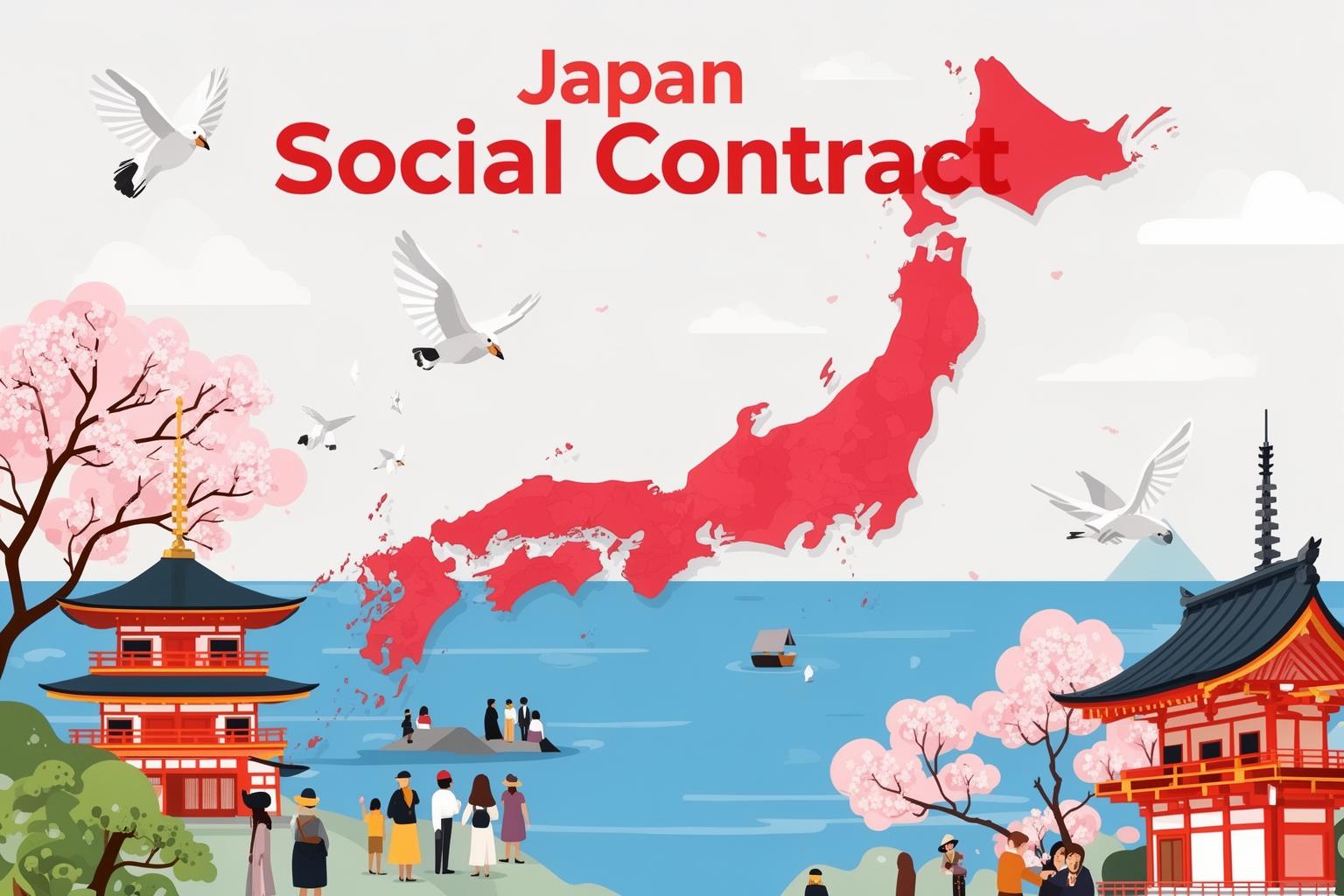
When you pay for a tabehoudai course, you’re not just purchasing food. You are entering a temporary social contract with both the restaurant and your fellow diners. The restaurant agrees to supply a steady stream of food and drink for a set time, trusting that you will respect this privilege. You, in turn, agree to follow the established rules, honoring the time limits, the ordering process, and most importantly, the food itself. This agreement turns the meal from a simple transaction into a shared experience, a collective event with a clear beginning, middle, and end. It’s a structured occasion, not a free-for-all, and your role is to be a thoughtful participant, not a conquering consumer.
The Choreography of the Order: Navigating the System
Your journey through the tabehoudai experience is not a path you forge yourself. It follows a well-established route designed for maximum efficiency and minimal waste. From the moment you sit down, you become part of a system, and success—measured by a full stomach and maintained harmony—relies on your understanding of its workings.
The “First Plate” Gambit (Saisho no Sara)
In many tabehoudai restaurants, especially yakiniku (grilled meat) places, your freedom to choose does not start right away. Initially, the staff will bring out a saisho no sara, a predetermined platter of assorted items. To the skeptical tourist, this might seem like a trick—a way for the restaurant to clear out cheaper or less popular cuts before you can order premium selections. However, this is a misunderstanding of its purpose.
The first plate serves several essential functions. Logistically, it gives the kitchen a head start, ensuring you have something to cook and eat while they manage the initial surge of orders from a full dining room. It sets a baseline for the meal by introducing a variety of flavors and textures. More importantly, it acts as a pacing tool. It prevents chaos caused by every table simultaneously ordering ten plates of the most expensive short rib, which would overwhelm the kitchen. It’s a measure of control, establishing from the start that this is a structured exchange. Your limitless options will come, but only after this initial, shared starting point is respected.
The Empty Plate Rule (Okawari no Ruru)
Here lies perhaps the most crucial, non-negotiable rule in the tabehoudai world. You must not order the next round of food until what’s currently on your table has been finished. Attempting to accumulate dishes—ordering three more plates of pork belly while your first is still grilling—is a cardinal offense. This rule isn’t merely about table space; it reflects a deeply rooted cultural principle.
The rule embodies the concept of mottainai, a Japanese term expressing regret over waste. Rooted in Buddhist teaching, mottainai goes beyond “waste not, want not.” It’s an ethical and spiritual belief that every object, from a grain of rice to a sheet of paper, holds intrinsic value, and wasting it is sacrilegious. In tabehoudai, ordering more food than you can finish is the ultimate breach of this principle. It shows disrespect for the animal or plant that gave its life, the farmer who grew it, the chef who prepared it, and the restaurant offering it in good faith. You’re welcome to eat as much as you want, but you must eat as much as you take. The “empty plate rule” is the practical enforcement of this cultural mandate.
Last Call: The Art of the Final Order (Rasuto Ōdā)
Every tabehoudai session is a race against time, usually lasting 90 or 120 minutes. This period is finite. About 15 to 30 minutes before your allotted time ends, a staff member will approach and announce “rasuto ōdā,” or “last order.” This is the final call, the two-minute warning. There will be no extensions, no pleading for one last calamari plate.
The last order turns the meal’s final phase into a strategic exercise. The group must quickly discuss, assess their remaining hunger, and decide on a concluding set of dishes to see them through to the end. This demands foresight and communication. How many more slices of beef can we realistically finish? Is there room for dessert, which is often included? Ordering too much risks the embarrassment (and possible financial penalty) of leftovers. Ordering too little means ending the meal feeling unsatisfied. This final, coordinated choice is the climax of the tabehoudai ritual—a test of the group’s ability to act as a united team one last time before time runs out.
The Unspoken Etiquette: Playing Your Part
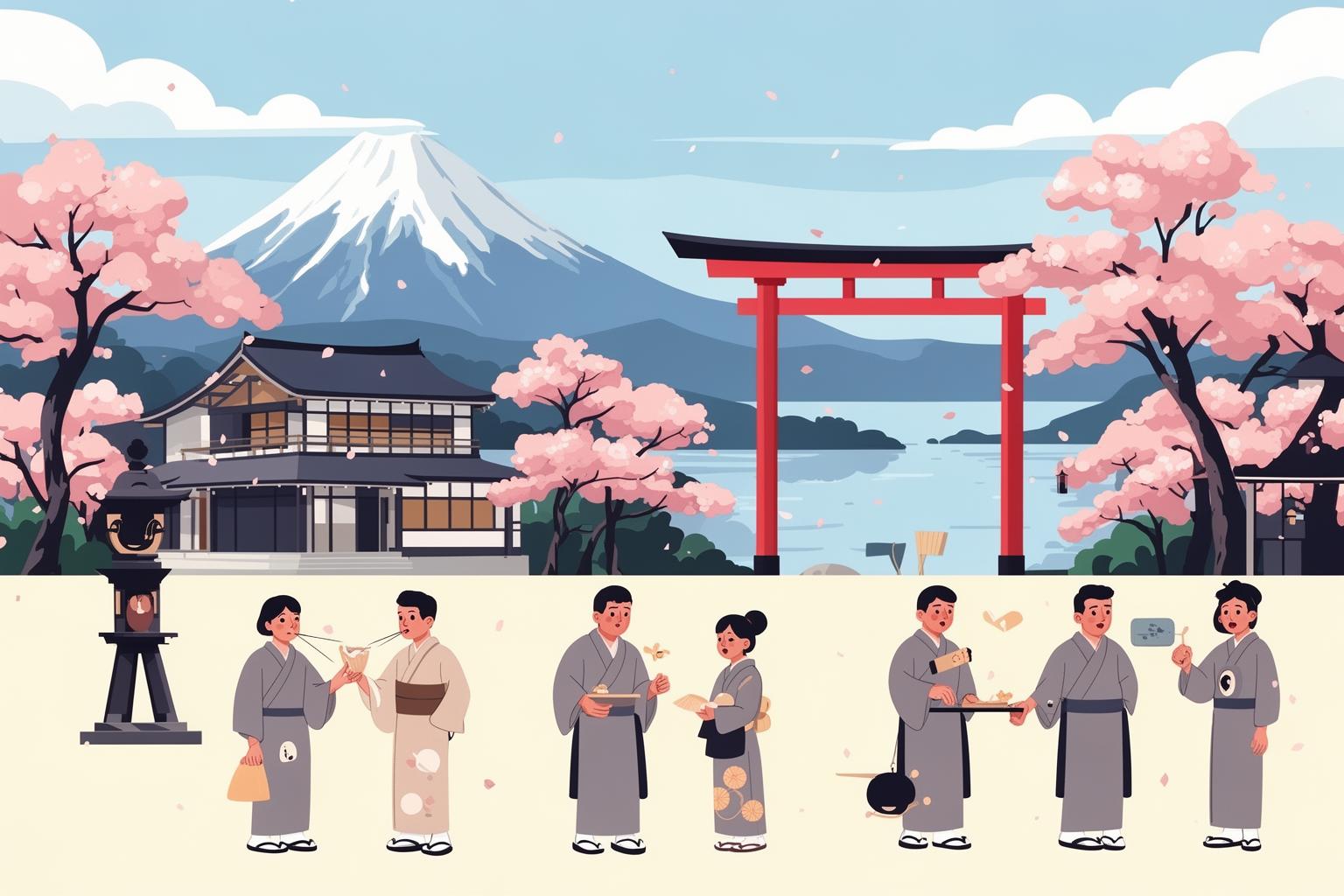
Beyond the formal rules of the ordering system, there exists a rich tapestry of unspoken etiquette that guides behavior at the tabehoudai table. These subtle social cues and considerations distinguish a smooth, enjoyable experience from a chaotic, awkward one. Mastering them is essential to participating authentically.
Pace and Consideration (Pēsu to Hairyo)
In a group setting, the ordering device—often a digital tablet these days—is a shared tool, not a personal remote control. The urge to immediately start entering your own requests must be balanced with group awareness. Proper etiquette is to consult with others: “What should we order next?” “Is anyone else ready to place an order?” This collaborative approach ensures everyone has a voice and prevents one person from controlling the flow of the meal.
This consideration also applies to the physical act of cooking, especially at a yakiniku or shabu-shabu (hot pot) restaurant. The grill or pot is a communal area. It’s not just for cooking your own food; it’s a shared resource that must be managed for the benefit of everyone. You don’t pile all your items on at once, leaving no space for others. You stay aware of what others are cooking, even helping to turn a piece of meat if its owner is busy chatting. Often, one person naturally takes on the role of the nabe bugyō, the unofficial “hot pot magistrate,” who directs the cooking, manages timing, and ensures everyone is served. This isn’t about authority; it’s a form of social service, a quiet leadership that helps the meal proceed smoothly. It’s a physical expression of reading the atmosphere, or kūki o yomu.
The Sin of Leftovers (Nokosu Tsumi)
The principle of mottainai is so fundamental to the tabehoudai agreement that it is often enforced with a formal penalty. If you look closely at the menu or signs on the wall, you’ll frequently find a clause stating that excessive leftovers will incur an additional charge. This is not an empty threat.
From a Western viewpoint, this may seem harsh and contrary to the spirit of “all-you-can-eat.” But from a Japanese perspective, it makes perfect sense. The restaurant offers a deal based on mutual respect. If you violate this by ordering carelessly and wasting food, you breach the agreement. The penalty is not merely a means for the restaurant to recover costs; it is a sanction against social misconduct. It is a concrete consequence for a lack of consideration. The aim is not to punish, but to remind diners of their responsibility. The best way to enjoy tabehoudai is to order in small, manageable portions, gauging your appetite as you go. It’s a marathon, not a sprint.
Navigating Nomihoudai (The All-You-Can-Drink Add-on)
Adding nomihoudai to your meal introduces another set of rules. The core principle is the “empty glass rule.” You must finish your current drink before ordering the next one. This prevents tables from becoming cluttered with partially full glasses and stops people from stockpiling beers during the final minutes before last call. It’s a simple one-in, one-out system that maintains order.
Even within this unlimited alcohol context, social rituals remain. When dining with superiors or elders, there is still an expectation to pour their drinks. You should watch their glasses and refill them before they run completely dry. While the atmosphere is intended to be relaxed and friendly, a certain level of social decorum is still expected. Nomihoudai is an opportunity to unwind, but not a license to lose your composure entirely. It is, like everything else in this ritual, freedom within a carefully structured frame.
A Taste of History: From Post-War Scarcity to Economic Boom
This complex system of all-you-can-eat dining is not rooted in ancient Japanese tradition. Rather, it is a distinctly modern creation, emerging from the unique historical context of post-war Japan. Its origins reflect a nation wrestling with memories of severe scarcity alongside the sudden shock of unprecedented abundance.
For many years, during and after World War II, Japan was a country plagued by hunger. Food was strictly rationed, and the daily experience for most was a persistent, gnawing hunger. This shared trauma fostered a deep cultural yearning for abundance—a strong hope for a future where the next meal would never be a concern. The foundations of tabehoudai were sown in this environment of scarcity.
The direct predecessor to the contemporary tabehoudai appeared in 1957. A manager from Tokyo’s esteemed Imperial Hotel, while traveling in Scandinavia, was inspired by the smörgåsbord—a lavish buffet offering seemingly endless choices. He brought this idea back to Japan and opened a restaurant in the hotel called “The Imperial Viking.” The concept was an instant hit. It presented a dazzling, almost theatrical vision of unlimited food to a public that still vividly recalled empty shelves. The name baikingu (the Japanese pronunciation of Viking) became so popular that it remains a common term for buffet-style dining today.
As Japan’s economy experienced its remarkable post-war recovery and entered the high-growth period of the 1960s and 70s, the baikingu concept became more widespread. It spread from luxury hotels to more affordable restaurants and chains. Yakiniku establishments, in particular, found the model ideally suited to their format. Tabehoudai evolved into a symbol of the new Japan—a confident, prosperous country able to offer its citizens this indulgent dining experience. For the generation raised during rationing, bringing their families to a tabehoudai was a meaningful act. It was a way to partake in the nation’s economic success, a tangible and delightful reward for years of struggle and hard work.
What Tabehoudai Reveals About Modern Japan
Today, tabehoudai is a ubiquitous aspect of the Japanese dining scene, demonstrating its lasting popularity. Yet, its true importance lies in what it reveals about the modern Japanese mindset. It perfectly captures a culture that values freedom but insists it be exercised within defined rules and social responsibilities.
Tabehoudai presents the illusion of unlimited choice, but only during a strictly enforced 90-minute period. It encourages indulgence while discouraging waste through social stigma and financial consequences. It is designed for groups, easing social tensions and fostering a shared sense of purpose. The entire experience is a careful balance between individual desire to consume and the collective need for order and harmony. This tension—between personal freedom (jibun-katte) and group responsibility (wa)—is a central dynamic of Japanese society.
So, the next time you sit before a grill in Japan, with a ticking clock and an endless menu, remember you are part of more than just a meal. You are engaging in a ritual with history, a performance with a script. Follow the choreography. Respect the food. Read the air. By doing so, you will enjoy a more satisfying and delicious meal and gain a deeper understanding of the subtle yet powerful logic that holds Japanese society together. It is a cultural lesson, served one perfectly grilled slice of beef at a time.