You’ve survived the main event. It was a company dinner, a nomikai, held at a respectable izakaya with dark wood paneling and private rooms. For two hours, you sat ramrod straight, dutifully pouring beer for your boss, making polite conversation about sales targets, and laughing at jokes that weren’t particularly funny. You navigated the delicate seating chart, a map of the office’s invisible hierarchies. You ate your way through a seven-course set menu, from edamame to grilled fish to a hot pot that symbolized the very group unity you were all there to perform. Now, the official time is up. The bill has been settled, coats are being retrieved, and people are bowing, thanking each other for their hard work. It feels, for all intents and purposes, like the end of the night. You’re already mentally planning your train route home.
And then, it comes. A senior colleague claps a younger one on the back and says, with a glint in his eye, “Saa, iku ka?” — “Well, shall we go?” He’s not talking about going home. Someone else chimes in, “How about some karaoke?” Another suggests a tiny whiskey bar they know around the corner. Just like that, the evening you thought was over has fractured and reformed. This, my friend, is the beginning of the nijikai, the second party. And understanding it is crucial to understanding how social bonds are actually forged in Japan. It’s the unofficial, unwritten, and arguably more important second act of almost every Japanese social gathering. Forget the formal dinner; the real event is only just beginning.
To truly master the etiquette of these gatherings, one must first understand the unspoken rules of pouring at a Japanese nomikai.
The Curtain Raiser: Understanding the First Party’s Role
To understand why the nijikai is so important, you first need to grasp the role of the ichijikai, the initial party. This first gathering is seldom spontaneous. It’s the official event, the one listed on the calendar, whether it’s a welcome party for new hires (kangeikai), a farewell for a departing colleague (sōbetsukai), or just a routine team-building nomikai. Its purpose is less about genuine, carefree enjoyment and more about fulfilling a social obligation. Essentially, it is a demonstration of group unity.
The ichijikai’s setting is structured and predictable. Typically, it takes place in a larger, established restaurant or izakaya, capable of accommodating group reservations and course meals. There is a specified start time and, importantly, a designated end time, usually a strict two-hour window. This time limit is crucial, as it contains the event, making it a manageable and formal commitment.
Within this framework, social rules are rigorously, though often implicitly, followed. Hierarchy is paramount. The highest-ranking individual, the buchō (department head) or shachō (president), occupies the seat of honor, the kamiza, farthest from the door. Everyone else arranges themselves in descending order of rank. This is not optional; it is social physics. Your position relative to power determines your seat. Throughout the meal, you are expected to attend carefully to your superiors, which includes keeping their glasses full—a tradition known as oshaku—and guiding the conversation toward safe, work-relevant topics or neutral small talk. It’s about showing respect and demonstrating your understanding of your role within the group. This is the domain of tatemae, the public facade, where you act and speak as expected to preserve social harmony, or wa.
Therefore, the ichijikai isn’t truly for the individual. It serves the group. It’s a ritual that reaffirms the established office or organizational hierarchy. Everyone plays their part, reinforcing the collective identity. While it can be pleasant, it seldom permits deep, personal connection. The atmosphere is heavy with politeness and a sense of duty. You are colleagues, not confidants. It’s a necessary but often sterile social duty. When the two hours finish and the last dessert is served, a visible sense of relief often sweeps through the room. The formal obligation is fulfilled. Now, the real evening can begin.
The Main Event: The Liberating Power of the Nijikai
The transition from the first party to the second exemplifies social subtlety at its finest. There is no formal announcement; instead, a key figure—often a mid-level manager or a socially skilled team member—introduces the idea. The group that moves on to the nijikai is almost always smaller than the original one, by design. It’s a self-selecting process: those with families to return to, those genuinely tired, or those simply unwilling to continue can politely bow out. Providing a plausible excuse—such as catching the last train or having an early meeting—is an essential part of the ritual. Vanishing without notice would be rude, but gracefully declining is entirely acceptable.
Those who stay behind send an important signal: they are open to a more authentic form of connection. The nijikai is where the rigid roles of the ichijikai begin to fade. It’s an intentional change of state, made possible by a significant change in setting.
A Change of Scenery, A Change of Self
The venue chosen for the nijikai is a deliberate departure from the formal atmosphere of the ichijikai. The large, brightly lit izakaya gives way to something more intimate and specialized. It might be a cramped, smoky yakitori spot where you have to shout orders over the grill’s sizzling, a dim cocktail bar with just eight seats run by a master bartender who treats his craft like a sacred art, a lively karaoke box where singing off-key rock ballads builds a strong, immediate bond, or even a simple, unpretentious chain pub.
The physical environment encourages a different style of interaction. Seating becomes less rigid—you might find yourself squeezed into a booth beside a senior manager you barely spoke to an hour before. Noise levels often rise, prompting closer, more conspiratorial conversations. The focus shifts from a full meal to snacks and drinks. The structured, time-limited course menu is replaced by à la carte orders and a steady flow of alcohol. This shift from formal dining to casual drinking is key to the psychological reset: the message is clear, the performance is done.
Permission to Speak Freely
This is the true purpose of the nijikai: it serves as a space for honne—one’s genuine thoughts and feelings. While the ichijikai is governed by the polite façade of tatemae, the nijikai thrives on authentic exchange. The combination of alcohol, a relaxed atmosphere, and a self-selected group of willing participants fosters an environment where people feel safe to let their guard down.
The strict office hierarchies start to dissolve. The boss, once an imposing figurehead, might share stories from university days or struggles with his golf swing. Colleagues who were once just names on an org chart reveal their passions for obscure European films or their frustrations with difficult clients. This is when you discover that the quiet accountant in the corner is a formidable karaoke singer or that the stern project manager is surprisingly funny.
These revelations are significant—they build the foundation for genuine workplace relationships. In a culture where direct confrontation and open emotional expression are often discouraged formally, the nijikai offers a vital release valve. It’s where frustrations are aired, alliances are formed, and true camaraderie is fostered. You’re no longer simply colleagues completing tasks; you become a group navigating shared experiences. Bonds forged in a late-night karaoke box at 1 a.m. often prove far more resilient than those created through polite conversation in a formal meeting room. The nijikai is where a team truly comes together.
The Unwritten Etiquette of the Second Round
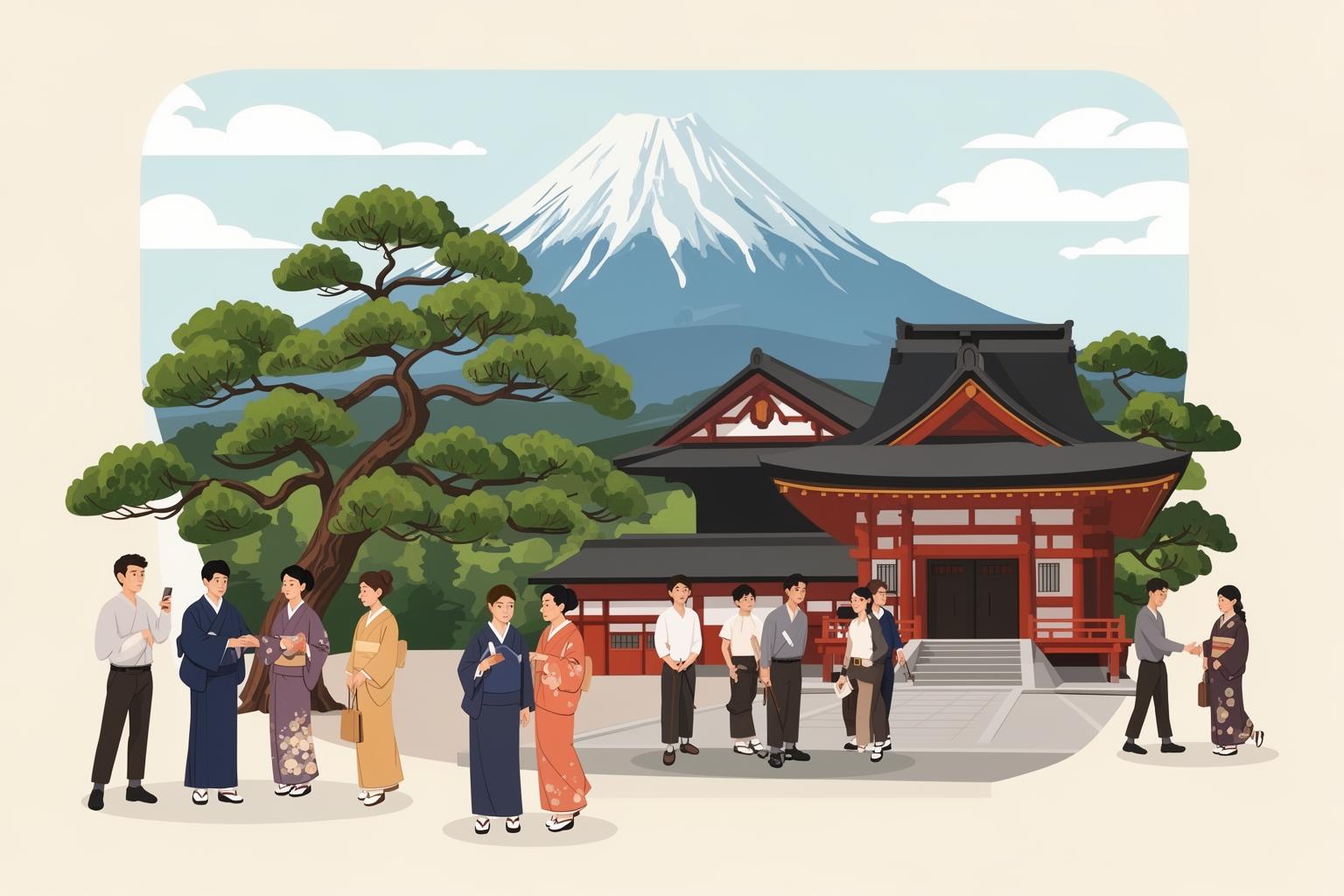
While the nijikai is much more relaxed than its predecessor, it is not a complete free-for-all. It follows its own set of unwritten rules and expectations. Navigating this environment requires a certain level of social intelligence.
The Invitation and the Graceful Exit
The invitation to a nijikai often serves as a test of social awareness. It rarely takes the form of a direct question to the entire group. Instead, it usually begins as a quiet murmur among a few people, a shared glance, or a subtle “What’s next?” The event is meant to develop naturally. If you’re included in these initial hints, it’s a sign you’re regarded as part of the inner circle.
Knowing when and how to leave is equally important. The nijikai has no official end time and flows with the group’s energy. However, you are not expected to stay until the very end. As the night progresses, attendees typically begin to leave one by one, often citing the infamous shūden, the last train. This is the universal excuse for departing any late-night event in Japan. Announcing your intention to catch the last train is a perfectly respectable way to exit. You bow, thank everyone for the evening, and quietly depart. The key is to leave before you become a burden—whether from being too drunk, too tired, or overstaying your welcome.
Splitting the Bill, Sharing the Burden
Financially, the nijikai is quite different. The ichijikai might have been partially covered by the company or involved a fixed, pre-agreed fee per person. The nijikai is almost always warikan—splitting the bill evenly. Usually, a younger member of the group takes on the responsibility of collecting the money. There’s a relaxed, communal atmosphere. Everyone contributes a few thousand yen, and the bill is settled. This simple approach reflects the more egalitarian spirit of the gathering. The company isn’t footing the bill; everyone is choosing to be there together and sharing the cost equally.
Karaoke: The Great Equalizer
If the nijikai ends up in a karaoke box, a whole new set of rituals begins. Karaoke in Japan isn’t about singing well; it’s about participating with enthusiasm. It is the ultimate social leveler. For that moment, the CEO performing a heartfelt enka ballad is just another person with a microphone. The shy new employee who belts out a perfect anime theme song gains immediate respect.
There’s a certain art to it. You encourage others by clapping along, even to the most off-key performances. You order songs for your superiors that you know they enjoy. You keep a few favorite songs in your own repertoire. But above all, you participate. Staying in the corner and refusing to sing is considered bad form. Karaoke is a group activity, and your effort, no matter how imperfect, is what counts.
Into the Deep Night: The Sanjikai and Beyond
For the truly committed, the night doesn’t end with the nijikai. As the second party concludes and more people catch their last trains, a smaller, more intimate core group may choose to continue. This is the sanjikai, the third party. And for the legendary few, there may even be a yonjikai, a fourth gathering.
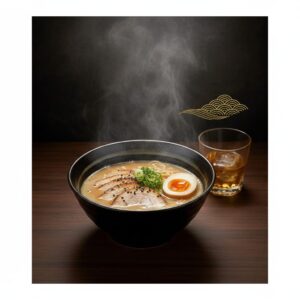
Each successive stage marks a further narrowing of the group and a shift in atmosphere. The sanjikai is often where the deepest conversations take place. The destination is typically a quiet, reflective setting. It might be a tiny, tucked-away bar specializing in rare Japanese whisky, where whispered tones invite introspection. Or it could be a late-night ramen shop, the classic shime (finisher) for a long night of drinking. Huddled over steaming bowls of noodles, the dialogue becomes more personal and thoughtful. The bravado of the karaoke box gives way to a more vulnerable form of sharing.
By the time you arrive at the sanjikai, you are with those who have become your comrades for the night. The barriers of age, rank, and title have nearly disappeared. This is where true friendships are often forged. The yonjikai, if it occurs at all, is legendary. It might involve visiting another bar or simply wandering the streets until the first train runs at dawn. It stands as a testament to endurance and a shared wish to prolong the moment as long as possible.
This multi-stage journey through the night, from the formal ichijikai to the legendary yonjikai, is a process of social distillation. It begins with a large, undifferentiated group bound by obligation and, step by step, condenses into a potent essence of genuine connection.
The Social Logic: A Window into the Japanese Worldview
So, why this detailed, multi-stage structure? Why not simply have one gathering where everyone can relax and be themselves from the beginning? The answer lies deeply embedded in the cultural logic shaping Japanese society.
The concept of uchi-soto (inside/outside) is essential here. The world is divided into your in-group (uchi) and everyone else (soto). Different behavioral rules apply depending on the context. The ichijikai is a soto event. Though you are with colleagues, they still belong to an external, professional sphere. You must remain formal, respectful, and aware of your role.
The entire evening progresses as a journey from soto to uchi. The nijikai acts as the bridge. By choosing to attend, you accept an invitation to cross into a more internal, familiar space. By the time you reach the sanjikai, you are firmly within uchi territory. You are no longer just coworkers; for that evening, at least, you become part of a trusted inner circle. This ritualized progression allows relationships to safely shift from formal to personal within a culture that values clear distinctions between the two.
Moreover, this system helps maintain wa, the crucial group harmony. By creating separate, designated spaces for formal and informal interaction, the risk of social friction is reduced. The rules of the ichijikai prevent workplace conflicts or personal issues from disturbing the professional order. The more relaxed nijikai provides a controlled setting where tensions can be eased and bonds formed without threatening the overall harmony of the group. It is a sophisticated method of managing social pressure.
In the West, social gatherings are often a single, extended event where formality and informality blend freely. You might have a deep conversation with your boss and then chat casually with an intern, all at the same party. The Japanese approach is more segmented and intentional. It is a curated experience, a social progression with distinct phases, each serving its own purpose. It may seem inefficient or excessive from the outside, but it is a precisely calibrated ritual for building trust and fostering intimacy in a high-context, group-oriented society.
The next time you attend a dinner in Japan that seems to be concluding, pay close attention. The formal bows and thank-yous might simply mark an intermission. Listen for that quiet suggestion, that shared glance, that soft murmur about where to go next. That is your cue. It’s an invitation not just for another drink or song, but to cross a social boundary. It’s your chance to see the people beyond their professional facades and, in turn, reveal a bit of yourself. The first party is for the company; the second party? That one’s for you.