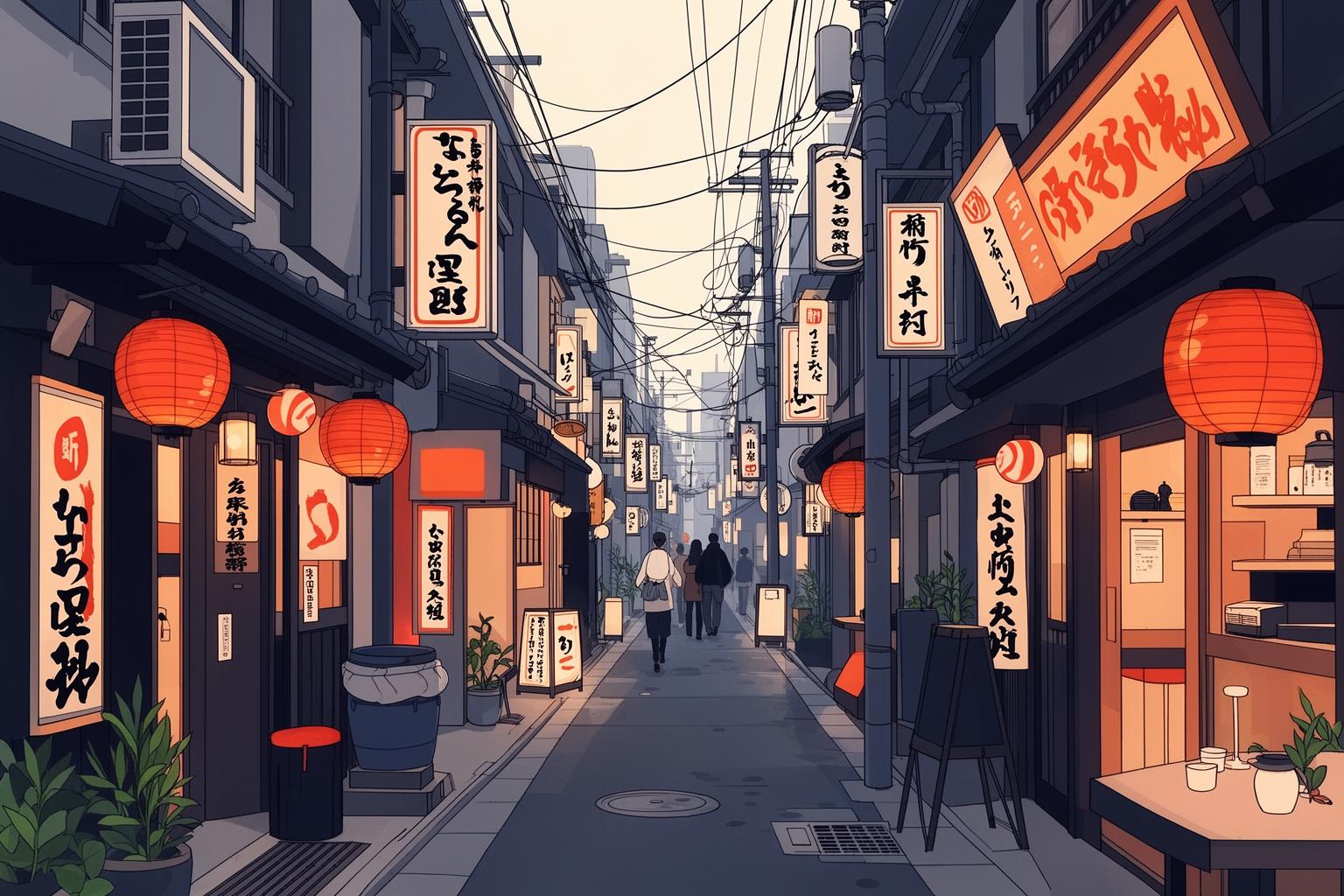
You know that feeling when you step out of a gleaming, silent subway station in Tokyo and turn a corner, and suddenly the world changes? The sterile perfection of the main street gives way to a crack in the urban facade, a narrow lane humming with a different kind of energy. Wires hang in messy webs overhead, the air grows thick with the smell of grilled meat and stale beer, and the soft glow of paper lanterns battles for attention with the harsh buzz of a flickering neon sign. This is the entrance to an izakaya alley, or yokocho, and it’s one of the most potent and revealing experiences you can have in urban Japan.
These alleys are more than just a collection of tiny bars and restaurants. They are living museums, time capsules preserving the grit and spirit of a bygone era. They’re social pressure-release valves, where the rigid formalities of Japanese society are temporarily dissolved in a haze of smoke and cheap sake. And more than anything, they are the most tangible expression of the “High Tech, Low Life” dichotomy that defines so much of modern Japan. It’s a concept born from cyberpunk fiction, describing a world where advanced technology coexists with social decay and urban grime. In the yokocho, this isn’t fiction. It’s a salaryman in a bespoke suit, checking global markets on his latest smartphone while sitting on an upturned plastic crate, his knees bumping against a grimy, decades-old counter.
To understand these spaces is to understand a fundamental tension in the Japanese psyche: the deep reverence for a polished, orderly surface and the simultaneous, unspoken need for a place that is messy, human, and real. We’re going to peel back the layers of these intoxicating labyrinths, not as a tourist looking for a photo op, but as a cultural explorer. We’ll examine why this subculture of cramped, chaotic drinking dens not only survives but thrives, who it’s for, and what its existence says about the soul of the Japanese city.
To further explore the contrast between Japan’s polished public face and its vibrant, human-scale subcultures, consider the equally intricate world of its department store food halls.
The Anatomy of a Yokocho: A Symphony of Managed Chaos
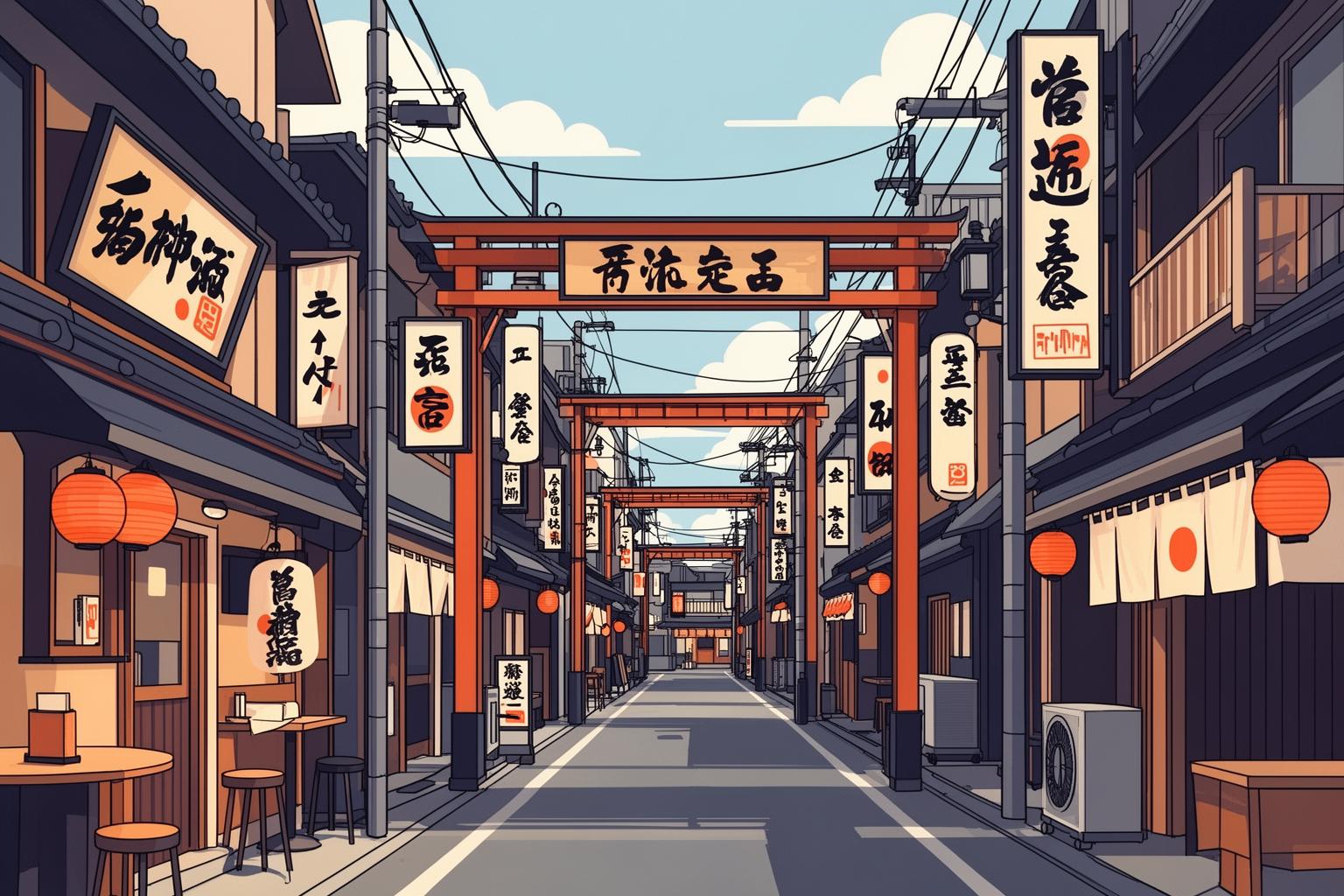
Before you can grasp why an izakaya alley exists, you first need to understand what it is. A yokocho is an immersive sensory experience, a carefully balanced ecosystem of sights, sounds, and smells that starkly contrasts with the minimalist aesthetic often associated with modern Japan. It represents a deliberate rejection of sterile perfection, crafted as a space for human connection in its rawest form.
The Sensory Blueprint
The visual language of a yokocho is pure, beautiful clutter. Step inside and your eyes will take time to adjust. The spaces are incredibly small, with some seating accommodating no more than six or seven people sitting shoulder-to-shoulder along a wooden counter. The walls form a collage of time: yellowed posters advertising old sake brands, hand-scrawled menus with ink that has bled into the paper, photographs of smiling regulars from decades ago, and peeling paint revealing layers of colors like an urban archaeological dig.
Lighting plays a critical role here. The primary source is often the warm, gentle glow from traditional red or white paper lanterns (chochin), casting soft shadows and evoking a nostalgic, almost sacred atmosphere. However, this warmth is frequently interrupted by the harsh, electric reality of the modern city. A buzzing fluorescent strip light might hum above the tiny kitchen, or neon signs from neighboring establishments seep through the doorway, casting bold blue or pink hues on patrons’ faces. Exposed wires—anathema in pristine public spaces—are embraced as part of the decor, snaking across ceilings and down walls with an organic inevitability. It’s a visual tapestry saying, “Nothing here is curated. Everything here is lived-in.”
The soundscape is equally rich. The dominant backdrop is the murmur and roar of human conversation. Unlike a quiet café or formal restaurant, a yokocho is loud—it embodies liberation. You’ll hear the sharp clatter of ceramic plates, the relentless sizzle of meat grilling, the satisfying glug of beer poured into frosted mugs, and booming collective laughter when a good story unfolds. It’s the sound of honne—the honest expression of feelings—in a culture that often demands the maintenance of tatemae, a public facade. The ambient noise offers cover, allowing a level of candor and emotional release unthinkable in the office or on the train.
Then there’s the smell. It greets you before you step inside and clings to your clothes long after you leave. It’s a complex, intoxicating aroma that can’t be replicated. The base note is the rich, savory scent of grilled items—chicken skewers (yakitori), fatty pork, mushrooms—charring over hot coals. Layered on top are the sharp, fermented soy sauce, the sweet tang of mirin, and the yeasty smell of draft beer. Interwoven is the acrid, lingering haze of cigarette smoke, a stubborn relic of Japan’s past that most of the country has moved beyond, yet remains at home here. This is not the clean, delicate aroma of haute Japanese cuisine; it’s the primal, satisfying smell of comfort, camaraderie, and escape.
The Cast of Characters
A yokocho is a stage of social theater, with its patrons as integral to the atmosphere as the setting itself. While these alleys attract a diverse crowd, they tend to draw a certain type of person: one who values authenticity over polish, and connection over privacy.
The most iconic figure is the weary sarariman, the Japanese office worker. He arrives often in groups or sometimes alone, his tie loosened, posture slumped from a long day’s toil. The yokocho is his refuge—a liminal space between the crushing pressures of office life and the quiet duties of home. Here, he can loudly vent about his boss, drink until his cheeks flush, and transform from a corporate cog into a boisterous, unfiltered human being. For him, the alley is more than a drinking spot; it’s essential therapy.
Seated alongside them are younger artists, students, and creatives. To them, the yokocho offers retro-cool—a tactile, analog experience in a relentlessly digital world. They are drawn to its aesthetic of grit and decay, seeing it as rebellion against the sleek, mass-produced culture they grew up in. They seek not only cheap drinks but also a connection to a past they never lived through, a tangible sense of history more authentic than a museum exhibit.
Then there’s the old-timer, the grizzled regular who has occupied the same stool for forty years. Nursing a single glass of shochu, bantering with the owner, offering unsolicited advice, he observes the ebb and flow of the crowd with a proprietary air. He is the living memory of the place, guardian of its unwritten rules and traditions. His presence lends stability and permanence, a quiet assurance that while the city outside constantly changes, some things endure.
At the heart of this universe is the taisho or masutaa—the master. In these tiny establishments, the owner serves as chef, bartender, server, and confidant. They are the heartbeat of the spot, with their personality defining the entire vibe. A gruff, no-nonsense master cultivates a clientele that appreciates quiet efficiency, while a cheerful, chatty master fosters a boisterous, communal energy. They hold a unique blend of authority and intimacy—remembering regulars’ favorite drinks, listening to their troubles, and gently enforcing the unspoken rules. To be welcomed by the master is to be embraced by the bar’s small, temporary family.
A Portal to the Past: The Showa Era’s Lingering Ghost
To truly understand the significance of izakaya alleys, you must recognize that they are more than just old; they are historical artifacts. Many of the most renowned yokocho, such as Shinjuku’s Omoide Yokocho (“Memory Lane”) or Golden Gai, directly descend from the black markets and makeshift drinking shacks that emerged from the ruins of post-World War II Japan. They physically embody the Showa Era (1926-1989), especially the gritty, resourceful time of post-war reconstruction and the following boom years.
Born from Rubble and Reinvention
In the late 1940s, with major cities devastated and official supply chains broken, black markets (yamiichi) became central to daily life. These chaotic, unregulated networks allowed people to buy everything from food and clothing to alcohol. As Japan gradually rebuilt, these markets began to take shape. The makeshift stalls selling grilled offal (horumon) and cheap, potent liquor (kasutori) to laborers and returning soldiers developed into the first generation of yokocho establishments.
This origin story is embedded in their very architecture. The impossibly narrow lanes were once mere paths through rubble. The cramped interiors reflect the scarcity of materials and space. The emphasis on inexpensive, hearty dishes like yakitori and stewed meals (nikomi) stems from a time when no part of an animal could be wasted. This history imparts a sense of resilience and survival to the alleys. They stand as monuments to hardship, reminders of the grit and determination that propelled Japan’s economic miracle.
Nostalgia as an Act of Rebellion
In a country known for its approach of tearing down to rebuild anew, the very existence of these alleys is a quiet form of resistance. Their survival is intentional, driven by a strong cultural force: natsukashii. This Japanese term goes beyond nostalgia; it conveys a warm, wistful longing for a past that seems simpler, more genuine, and comforting.
For those who lived through the high-growth Showa period, these alleys represent a direct connection to their youth. They evoke a Japan before the bubble economy brought immense wealth and a certain corporate sterility. It was an era of shared purpose and community spirit, with the yokocho serving as the communal clubhouse. For them, visiting is a pilgrimage to a more innocent time for themselves and their country.
For younger Japanese, raised in a sleek but often impersonal world of convenience stores and chain dining, the yokocho offers a unique appeal. It provides an escape from the polished perfection of their digital lives. In a world of Instagram filters and curated online personas, the raw, unvarnished reality of a yokocho feels thrillingly authentic. It’s a type of retro tourism, a chance to experience the textures and flavors of the world their parents and grandparents knew. This craving for authenticity is a powerful market driver and the main reason these pockets of the past have been spared from the relentless advance of the bulldozer.
The “High Tech, Low Life” Dichotomy in Practice
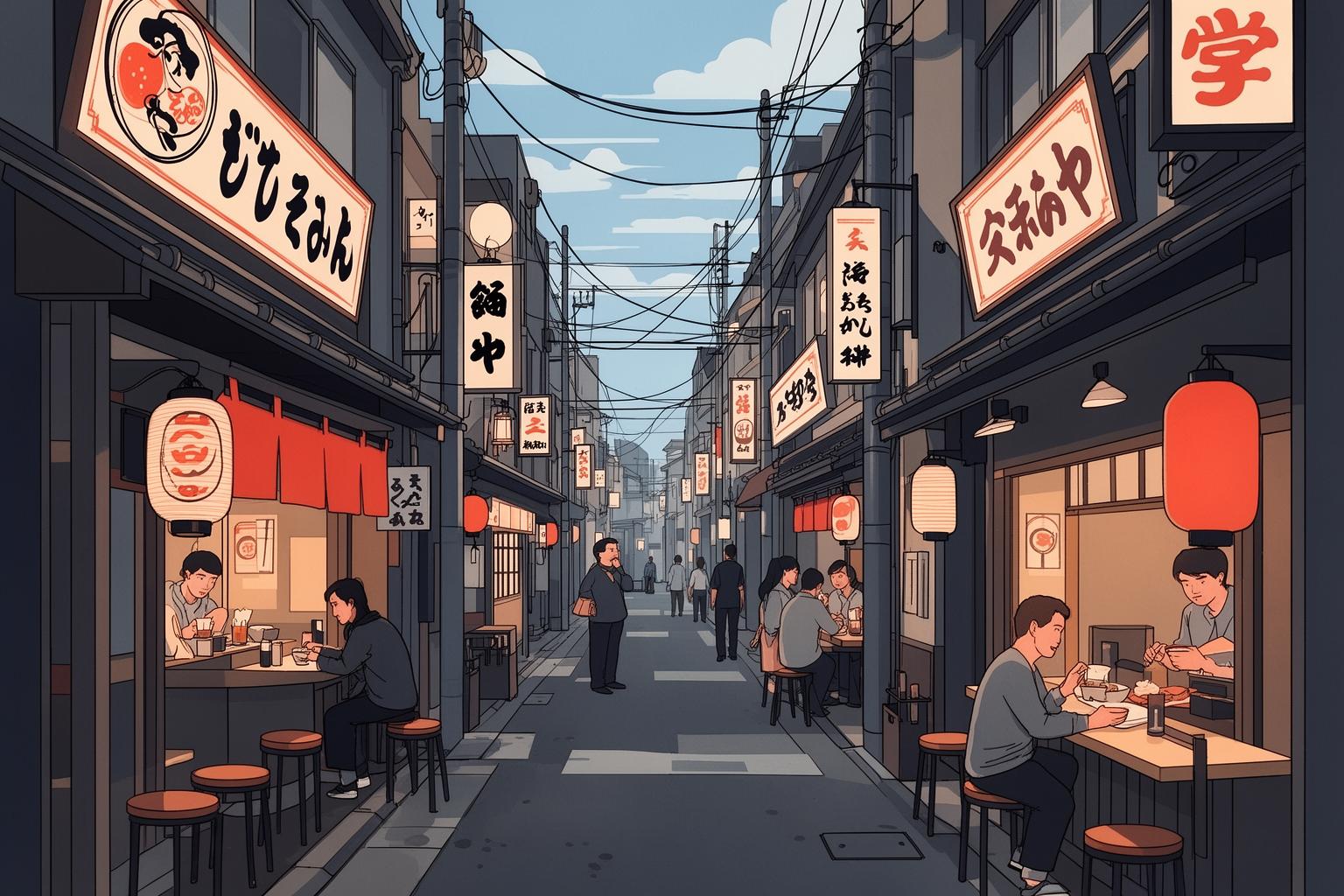
The most captivating aspect of the modern yokocho lies in how it embodies the fundamental principles of the cyberpunk genre it unintentionally inspired. The phrase “High Tech, Low Life,” coined to describe a future where remarkable technological advancements contrast sharply with social decline and gritty urban living, is not a distant fantasy here. It is the reality experienced every evening.
The Cyberpunk Reality
Step into any izakaya alley and witness the future merging with the past in countless subtle ways. A group of young programmers, their backpacks loaded with the latest laptops, debates blockchain technology while sipping 100-yen sake from a vending machine. An elderly woman carefully grills chicken skewers over charcoal, a method unchanged for seventy years, while glancing at a small television screen broadcasting a J-Pop music video. The dirt on the walls is lit by the glow of numerous smartphone screens as customers meticulously photograph their meals before eating, applying digital filters to capture the “authentic” low-tech vibe.
You’ll notice QR codes for payment apps plastered on weathered wooden pillars. You’ll hear the electronic chime of a text message cutting through a discussion about traditional kabuki theater. A high-end noise-canceling headphone set may rest on the counter beside a chipped ceramic mug. This constant, seamless fusion of the ultra-modern and the stubbornly analog is what makes these spaces so intriguing. They are not museums of the past; they are living environments where different eras coexist in chaotic yet functional harmony. The “low life” here is not about poverty or crime but about preserving an unpretentious, raw, and profoundly human mode of interaction that persists stubbornly in the shadow of Japan’s technological dominance.
Social Lubricant in a Rigid Society
This collision of worlds fulfills an essential social role. Japanese society is famously structured around a complex system of rules, hierarchies, and social obligations. The pressure to maintain harmony and adhere to expectations is immense. The yokocho is one of the rare places where this framework is temporarily lifted.
The blend of alcohol and forced physical closeness acts as a powerful social lubricant. In a cramped bar, ignoring your neighbor is impossible. The rigid boundaries between strangers, boss and employee, senior and junior, start to dissolve. This is where real networking and team-building occur—not in sterile corporate meeting rooms, but over shared plates of fried chicken and overflowing glasses of beer. Conversations that would be taboo in formal settings flow naturally. Complaints are voiced, jokes are shared, and a more honest form of communication, known as nomunication (a blend of nomu, meaning to drink, and communication), takes center stage.
The yokocho is a space for controlled transgression. It allows people to temporarily step outside their prescribed social roles to be loud, messy, and emotional without fearing lasting repercussions. It serves as an essential release valve that helps maintain the balance of the highly ordered society beyond its borders. In this sense, the gritty “low life” of the alley is not a flaw in the system; it is a crucial feature enabling the pristine “high tech” world to operate smoothly.
Navigating the Labyrinth: An Insider’s Guide
For those unfamiliar, stepping into an izakaya alley can feel intimidating. The spaces are compact, menus are often difficult to decipher, and the rules remain unwritten. However, with some cultural understanding, you can navigate these venues not as a tourist but as a welcomed participant. As a woman who frequently explores these spots solo, I’ve discovered that confidence and respect are your most valuable assets.
The Unspoken Rules of the Yokocho
First, consider your evening not as a single meal but as a journey. The essence of the yokocho is hashigo-zake, or ladder drinking—bar hopping. Most establishments are tiny and focus on one or two specialties. The expectation is to have a drink, order a few small dishes, and move on after about an hour. Lingering for hours over a single beer is considered poor etiquette, as it occupies a seat another customer could use. The aim is to experience the unique atmosphere of several different places in one night.
Cash remains king in these traditional establishments. While some have reluctantly embraced electronic payments, many have not. Bring enough yen to cover your expenses. This prevents awkward moments and shows respect for their customary way of doing business.
When entering a small bar, a simple nod and a quiet “konbanwa” (good evening) to the master and other patrons signifies respect. You are entering their space, and this small gesture is appreciated. Don’t be surprised if you are immediately served a small appetizer you didn’t order—this is otoshi, a mandatory table charge. It’s not a scam; it’s part of the system, a gesture of hospitality that also serves as a cover charge. Accept it graciously.
The intimate setting means you become part of a shared experience. While you don’t have to engage everyone in conversation, being open to it enhances the fun. If a fellow patron or the master initiates a chat, join in. At the same time, learn to read the room. If others keep to themselves, respect their privacy.
A Note on Solo Exploration and Safety
Many ask if these alleys are safe for solo women. The answer is, for the most part, a confident yes. Japan’s overall low crime rate provides a strong foundation of safety. However, since these places often involve alcohol and traditionally male-dominated environments, it pays to stay cautious.
If you’re new to this scene, start with well-known, well-lit yokocho like Omoide Yokocho in Shinjuku or Nonbei Yokocho (“Drunkard’s Alley”) in Shibuya. These are more accustomed to foreign visitors and have a slightly more open atmosphere. When selecting a bar, peek inside. Does it look welcoming? Is the master engaged with customers? A spot with a good mix of patrons, including other women, can make a more comfortable starting point.
Project confidence. Walk in as if you belong. Take a seat, order your drink clearly, and soak in the atmosphere. Your self-assurance will set the tone. As with any bar anywhere, be mindful of your alcohol limit. The close quarters can occasionally lead to unwanted attention, though this is rare. A polite but firm smile and a slight shake of the head usually signals disinterest. The master is often protective of a good atmosphere and will typically intervene if a customer acts inappropriately.
Ultimately, yokocho can be a wonderfully empowering place to visit alone. It offers a unique glimpse into local life and the chance for spontaneous, friendly interactions you won’t find in larger, more anonymous restaurants.
Beyond the Lanterns: What the Izakaya Alley Says About Modern Japan
The lasting popularity and transformation of the yokocho reveal deep insights into the needs and desires of contemporary Japanese society. They go beyond being mere drinking spots; they serve as cultural indicators, reflecting a complex interplay between past and present, authenticity and commercialism.
A Manufactured Authenticity?
As the retro appeal of the yokocho has gained widespread popularity, a new trend has emerged: the “neo-yokocho.” These are modern, carefully designed spaces that replicate the style of traditional alleys but remove the rough edges. Typically found in the basements of new office buildings or shopping centers, they feature a cluster of chic, modern izakaya arranged along a lane-like layout. The lanterns remain, the small counters are present, but the walls are spotless, the wiring concealed, and payment by credit card is usually accepted.
These venues attract a younger, more style-conscious crowd. They offer the feeling of a yokocho without the perceived downsides—the smoke, grime, and cramped spaces. This trend reflects a strong desire for the concept of authenticity. People long for the communal, unpretentious vibe of the original alleys, but in a comfortable, clean, and Instagrammable setting. The rise of the neo-yokocho demonstrates that the social role of these spaces is so essential it is being reproduced and commercialized, repackaged for a new generation. It prompts the question: can the soul be imitated?
The Enduring Need for the “Third Place”
Whether it’s a genuine, seventy-year-old shack or a contemporary replica, the izakaya alley satisfies the timeless human need for a “third place”—a social space distinct from the formal realms of home (the first place) and work (the second place). In a society facing growing social isolation, demanding work environments, and shrinking private living areas, the importance of these communal hangouts is greater than ever.
They function as the city’s living rooms, confessionals, and debating halls. They are where friendships are built, deals are casually made, and the pressures of modern life are collectively released. The izakaya alley is not an artifact meant to disappear. It is a living, evolving ecosystem that remains true to its essential role: to offer a small, warm, and stubbornly human refuge in the middle of the vast, indifferent metropolis. It is the chaotic, intoxicating spirit of urban Japan, where the high-tech future and the low-life past continue to clash, connect, and create something beautiful—one grilled skewer at a time.