Step out of the controlled chaos of a major Japanese train station—the river of commuters, the chiming melodies announcing train departures—and descend an escalator. The air changes. The lighting softens. A low, polite murmur replaces the station’s clamor, punctuated by the crisp, melodic calls of vendors. You’ve just entered the depachika, the sprawling, subterranean food halls located in the basements of Japan’s grand department stores. The word itself is a classic Japanese portmanteau, fusing depāto (department store) with chika (basement). But this simple name belies the complexity and cultural significance of the space. This is not your local supermarket’s deli section, nor is it a gritty food court. A depachika is a glittering theater of gastronomy, a museum of culinary craftsmanship, and an essential pillar of daily life and social ritual in urban Japan. It’s where you buy a thousand-dollar melon as a business gift, a perfectly constructed bento for a solo lunch, and a limited-edition box of sweets that has a line snaking around the corner. To the uninitiated, it’s a bewildering paradise of choice. But once you understand the rhythm and the logic, you realize the depachika is one of the most revealing windows into the Japanese psyche, showcasing a deep-seated reverence for seasonality, presentation, and perfection. This guide is your key to unlocking it, to moving beyond bewildered tourist and becoming a graceful navigator of this edible wonderland.
Discover how the rich tapestry of culinary delights expands further with the story of kissaten comfort food as it mirrors Japan’s modern gastronomic journey.
The Anatomy of a Food Paradise
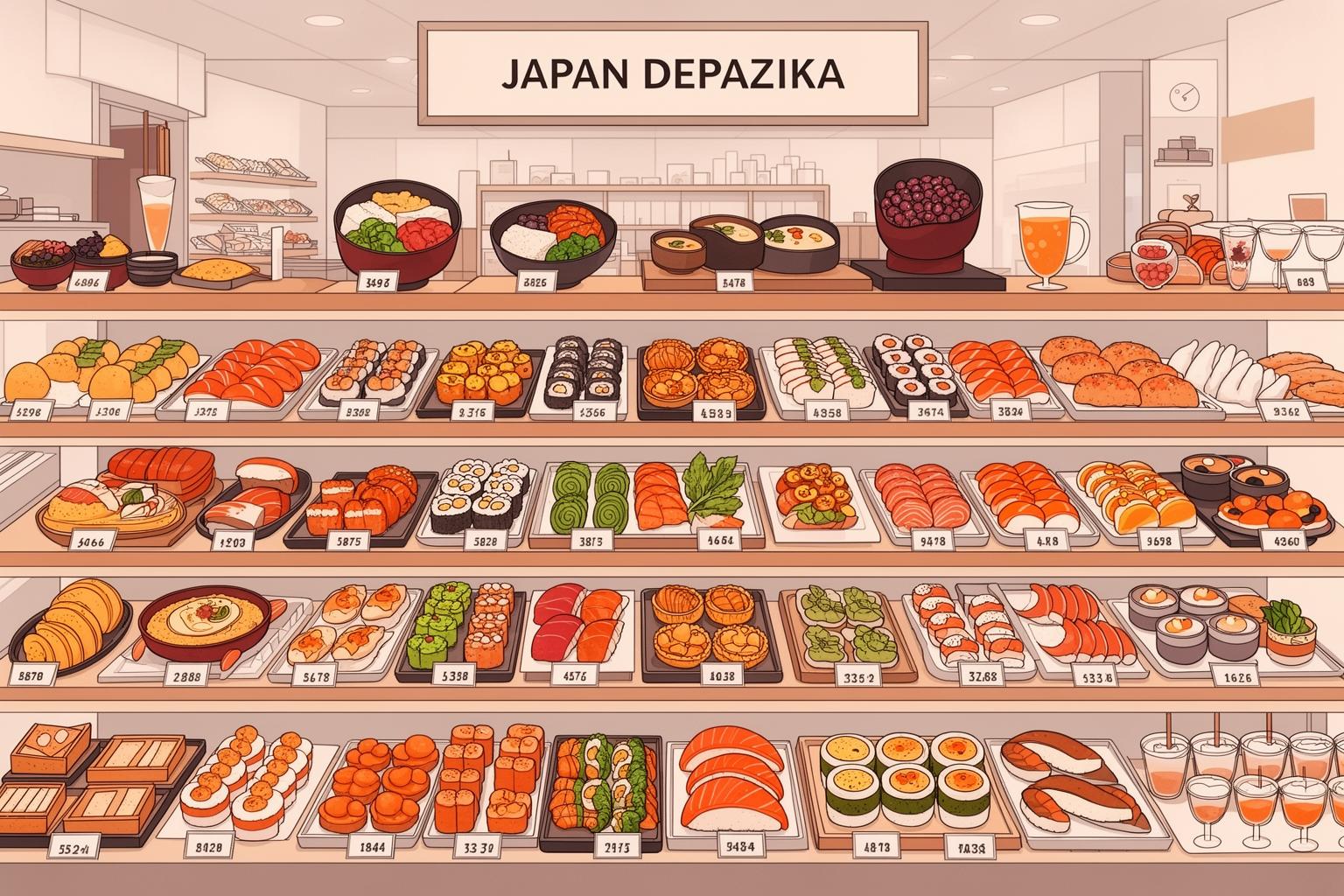
While each depachika boasts its own distinct character—from the majestic halls of Mitsukoshi in Nihonbashi to the trendsetting floors of Isetan in Shinjuku—they nearly all adhere to a similar, unspoken logic in their layout. This isn’t a random assortment of stalls; it’s a carefully curated ecosystem designed for specific shopping purposes. Learning the map is the first step to mastering the terrain.
The Main Zones: A Familiar Harmony
Typically, the depachika is divided into clear zones, each with its own role. Once you recognize them, you can confidently navigate any depachika in the country. It’s a landscape of temptation, thoughtfully organized.
At the heart of the depachika, often near the main entrances, lies the dazzling sweets section. This area usually splits into two categories: wagashi (traditional Japanese confections) and yōgashi (Western-style cakes and pastries). The wagashi stalls resemble galleries of edible art—mochi in delicate pastel shades, yokan jellies with intricate designs suspended inside, and senbei rice crackers arranged in exquisite tins. These sweets reflect the seasons; you’ll find sakura-themed treats in spring and chestnut or persimmon delights in autumn. The yōgashi counters are equally impressive, showcasing rows of immaculate shortcakes, gravity-defying fruit tarts, and mille-feuille so precise they appear as architectural models. This entire section fuels Japan’s gift-giving culture. Shoppers aren’t merely buying snacks; they’re selecting omiyage (souvenirs for colleagues and family after a trip) or temiyage (gifts for hosts when visiting their homes). The packaging is as vital as the contents—a topic we will revisit.
Further inside, you’ll typically find the sōzai (prepared side dishes) and bento areas. This is the depachika’s response to the daily demands of a busy urban lifestyle. Forget dull, plastic-wrapped sandwiches. Here lies a vibrant array of restaurant-quality food ready to take home. Stalls specialize in crispy tonkatsu, glistening yakitori skewers, complex salads featuring Japanese ingredients, and traditional simmered dishes. The bento boxes form a world of their own, ranging from simple, elegant office lunches to luxurious, multi-tiered creations filled with seasonal delicacies, perfect for a cherry blossom picnic. This section pulses with energy, especially in the evening, as people stop on their way home from work to pick up a sophisticated, effortless dinner.
Close by, you’ll almost always find the seisen shokuhin, or fresh foods section—essentially the depachika’s luxury grocery store. The produce selection exemplifies Japan’s obsession with perfection. You won’t see a bruised apple or wilted lettuce leaf. Instead, you’ll find individually wrapped, geometrically perfect strawberries, gleaming muskmelons that can cost hundreds of dollars, and vegetables presented like jewels after careful cleaning. The meat and seafood counters are equally remarkable, featuring beautifully marbled wagyu beef, sparkling sashimi-grade tuna, and live seafood. While many shop daily at local supermarkets, they turn to the depachika for special occasions or when seeking ingredients of impeccable quality.
Lastly, no depachika is complete without a section devoted to sake, shochu, wine, and other spirits. These aren’t your ordinary liquor stores. The collections are expertly curated, often with sommeliers or sake specialists available to offer guidance. You can discover rare bottles from small artisanal breweries alongside renowned international wines. This area often also includes counters for specialty teas, artisanal coffee beans, and high-end condiments like soy sauce, vinegar, and miso from various regions of Japan, allowing you to bring the depachika’s dedication to quality into your own kitchen.
The Unspoken Rules: Navigating with Grace
To truly appreciate the depachika, you must understand the unspoken rules that guide its interactions. It’s a place of subtle choreography, and adhering to the local etiquette will turn your visit from a hectic shopping experience into a smooth cultural immersion.
The Art of Sampling (Shishoku)
Many vendors provide small samples, or shishoku, of their products. This is a wonderful way to discover new flavors, but it comes with its own etiquette. Unlike the casual grab-and-go style of a Costco sample station, the process here is more personal and courteous. First, wait to be offered. A staff member will generally present a small tray or toothpick with a sample. Don’t just take it and walk away. It’s polite to pause, accept it with a slight nod or a quiet “arigatou gozaimasu,” and eat it right at the counter. Leaving while eating is considered rude. This moment invites a brief interaction, even if non-verbal. Show your appreciation for the taste. If you don’t plan to purchase, a polite nod after finishing the sample is enough. This system is built on mutual respect, not on maximizing free snacks.
The Time-Sale Frenzy (Taimu Sēru)
If you visit any depachika about an hour before closing, you’ll notice a dramatic change in atmosphere. The calm serenity gives way to a controlled, energetic buzz. This is the taimu sēru, or time sale. Vendors loudly, yet politely, announce discounts on the day’s remaining prepared foods. You’ll hear calls of “Iかがですか?” (“How about it?”) and announcements of reduced prices. This is a clever, culturally ingrained method to reduce food waste. For shoppers, it’s a golden chance to snag amazing deals on bento and sōzai. You’ll see savvy locals heading straight for their favorite stalls to grab discounted, still delicious, dinners. Don’t hesitate to join in. It’s a fast-paced but orderly tradition. Just be ready for crowds and have your cash or card handy.
The Philosophy of Packaging
In a depachika, wrapping is never just wrapping. It is an essential part of the product, reflecting the care and quality within. Whether you buy a single cake or an elaborate gift basket, packaging is a small ceremony. The item is placed in a custom-sized box. An ice pack may be added to keep it fresh on your way home. The box is then wrapped in the store’s signature paper with impeccably neat folds and crisp corners. Finally, it’s placed in a sturdy paper bag. For gifts, a decorative ribbon or seasonal sticker might be added. This isn’t merely about appearance; it embodies omotenashi, Japan’s distinctive spirit of wholehearted hospitality. It demonstrates respect for the customer, the product, and the recipient. Resisting the urge to tear it open right away is part of the experience; appreciating the packaging is the first step to enjoying what’s inside.
Reading the Depachika: What It Says About Japan
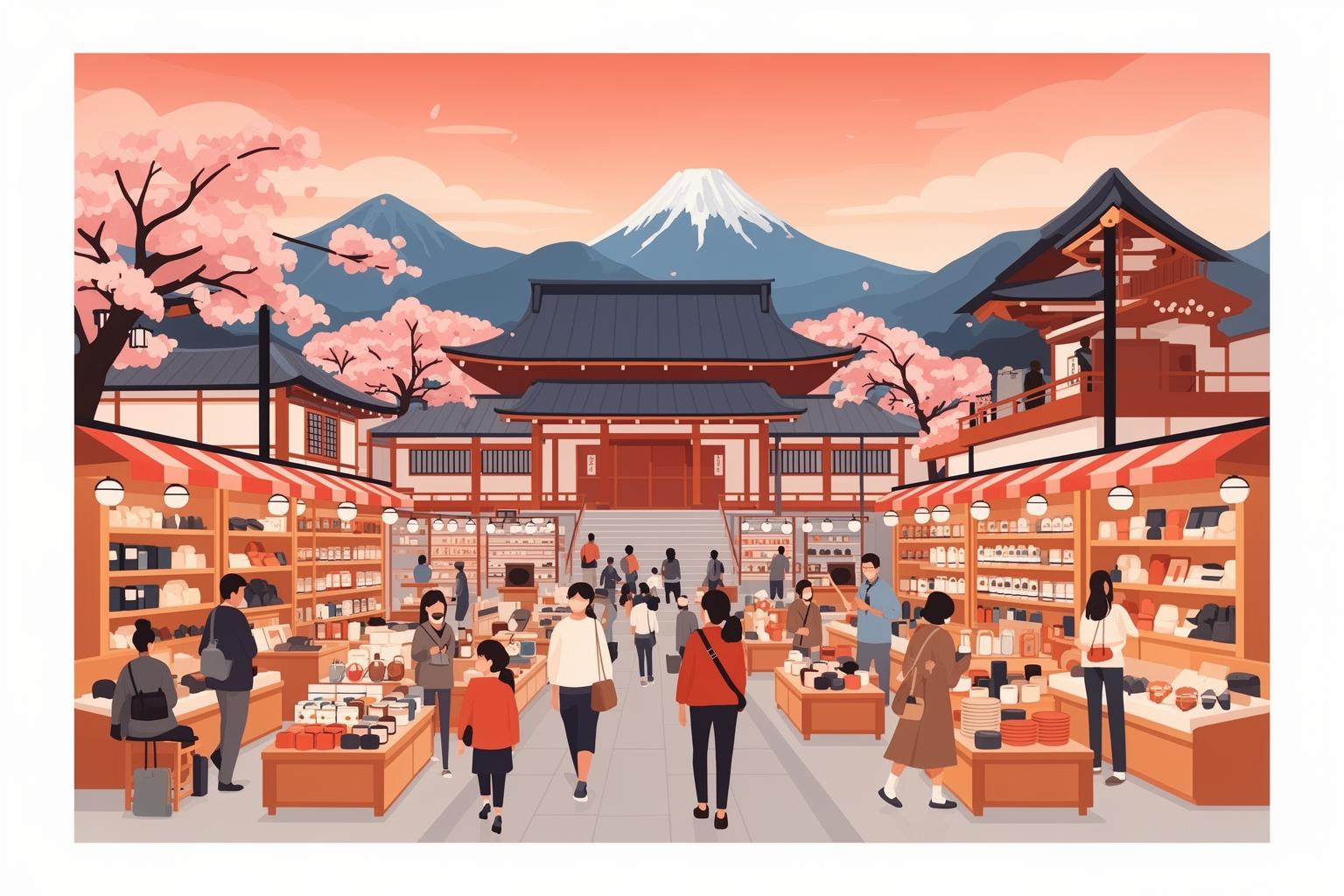
A depachika is more than just a place to purchase food; it serves as a living museum of Japanese cultural values. With careful observation, you can gain deep insights into the country’s priorities and passions simply by looking at the products and the people.
Seasonality as a Religion (Shun)
The idea of shun (旬) is fundamental to Japanese cuisine. It denotes the peak season of a specific ingredient, when it is at its most flavorful and plentiful. Depachikas act as living calendars of shun. In spring, the stalls overflow with strawberry-themed sweets, bamboo shoots, and sakura-flavored treats. Summer brings peaches, sweet corn, and eel. Autumn showcases chestnuts, persimmons, and matsutake mushrooms. Winter highlights citrus fruits like yuzu and hearty root vegetables. This appreciation of the seasons is active and national, not passive. The offerings at depachikas shape the nation’s taste, fostering anticipation and creating a ritual around enjoying foods at their absolute peak. This emphasis on ephemerality is a fundamental principle of Japanese aesthetics.
The Pursuit of Perfection
An uncompromising commitment to quality pervades every part of the depachika. It is evident in the bento boxes where each element is meticulously arranged, achieving a harmonious balance both visually and culinarily. It appears in the paper-thin slices of ham, the consistent size of rice grains, and the flawless skin of a single grape. This isn’t about sterile uniformity but rather a profound respect for ingredients and craftsmanship. It embodies a cultural mindset that values pride in one’s work, no matter how small the task. The depachika stands as a vivid reminder that in Japan, how something is done is just as important as what is done.
A Hub for Social Rituals
The depachika serves as the logistical center of many of Japan’s most significant social rituals. The elaborate gift sections are not merely decorative; they play a crucial role during the two main gift-giving seasons, ochūgen in summer and oseibo at year-end. In these periods, individuals and companies exchange gifts to express gratitude. A beautifully boxed set featuring premium cooking oil, beer, or sweets from a reputable department store is a common and highly valued gift. Outside these formal seasons, depachikas support countless smaller social interactions: picking up a cake for an office birthday, buying a meticulously wrapped fruit basket for someone in the hospital, or selecting a special bottle of sake to share with friends. They provide the high-quality, elegantly presented products that these social occasions demand.
A Practical Guide for the First-Timer
Feeling ready to dive in? Approaching the depachika with a straightforward plan can make all the difference. Here’s how to organize your first few visits to get the most out of the experience.
Your Depachika Strategy
Start by doing a full lap. The vast variety can be overwhelming, and a common rookie mistake is buying the first item that catches your eye. Stroll through all the sections to familiarize yourself with the layout and discover the full range of options. Notice what’s new, what’s seasonal, and what’s attracting a crowd. This initial exploration lets you make an informed choice rather than an impulsive one.
When it comes to crowds, following them can be wise. Japanese shoppers are discerning, and a long, orderly queue usually signals exceptional quality, a famous brand, or a highly sought-after limited-edition item (gentei). Waiting in line is almost a national pastime, and more often than not, the payoff at the end is worth it. It might be a freshly baked Kobe cheesecake or a special croissant available for only one hour each day. Joining the queue is part of the enjoyment.
Lastly, watch for department store exclusives. Many renowned brands create products sold only at specific department store branches. These make excellent, unique souvenirs and gifts. The packaging often proudly announces it’s an Isetan or Mitsukoshi exclusive, adding an extra touch of prestige.
What to Buy: A Curated Starter Kit
To help you begin, here are a few recommendations categorized by experience:
For the Perfect Picnic: This is the classic depachika mission. Pick a visually appealing bento box that appeals to you—perhaps one with grilled fish, another with tempura. Add a couple of intriguing sōzai from a different stall, like seaweed salad or simmered pumpkin. Grab a small bottle of chilled sake or a can of craft beer from the liquor section. For dessert, choose a single, perfect piece of seasonal fruit, such as a Fuji apple or a nashi pear, which the staff will happily cut for you if you ask. You now have a gourmet meal ready for any park outing.
For an Unforgettable Souvenir: Skip generic airport shops and head to the wagashi or yōgashi sections. A beautifully boxed set of traditional sweets or a stylish tin of cookies from a famous patisserie like Yoku Moku or Toraya makes a genuinely appreciated gift. They are shelf-stable, easy to carry, and provide an authentic taste of Japanese culinary culture. The exquisite packaging also serves as a lovely keepsake.
For a Savvy Evening Snack: Visit during an evening time sale. Check the sōzai counters for discounted items. You can assemble a fantastic and budget-friendly dinner by picking up a pack of gyoza, some fried chicken (karaage), and a small container of pickles (tsukemono). It’s a great way to sample a variety of flavors without committing to a full meal.
For the Adventurous Eater: Step beyond the familiar. Visit the tsukemono counters, offering a dizzying range of Japanese pickles, from salty pickled plums (umeboshi) to crunchy pickled daikon radish. Explore stalls selling chinmi, or delicacies, including various types of salted seafood, fermented squid, or seasoned jellyfish. These complex, intense flavors offer a deeper insight into the Japanese palate.
Your journey through the depachika concludes as you ascend the escalator and re-emerge into the bustling city. In your hands is a carefully packaged bag, a small piece of curated perfection from the world below. You haven’t just purchased food—you’ve participated in a ritual. You’re holding a piece of Japanese culture, one that believes beauty, care, and quality can be found in the most everyday things. The depachika is more than a food hall; it’s a delicious, dazzling, and deeply revealing expression of the soul of modern Japan.