Someone asked me the other day what my most unexpectedly profound experience in Japan was. They were probably expecting an answer about a silent Zen garden or the controlled chaos of Shibuya Crossing. I told them, honestly, it was the basement of a department store. The response was a polite but confused smile. And I get it. A basement doesn’t sound particularly transcendent. But if you’ve ever been to a Japanese depachika, you know it’s not just a basement. It’s a cathedral of cuisine, a theater of commerce, and one of the most revealing windows into the Japanese cultural soul you could ever hope to find.
The word itself is a classic Japanese portmanteau: depāto (department store) and chika (basement). On the surface, it’s a food hall. But comparing a depachika to a typical American mall food court is like comparing a finely crafted Swiss watch to a plastic prize from a cereal box. They both tell time, but they exist in entirely different universes of intention, craftsmanship, and cultural significance. This isn’t a place for a quick, greasy slice of pizza. This is a meticulously curated labyrinth of culinary delights, where centuries-old confectionery shops sit next to avant-garde Parisian patisseries, and where the humble potato croquette is elevated to an art form. It’s a place that tells you everything you need to know about Japan’s relationship with food, aesthetics, service, and seasonality, all humming under the fluorescent lights of a subterranean wonderland.
To understand the depachika is to understand the rhythm of daily life for millions of urban Japanese. It’s where you buy a beautifully packaged gift for a colleague, pick up a high-quality prepared meal after a long day at the office, or simply wander, dazzled, sampling exquisite pickles and rare teas. Forget the tourist traps and glossy brochures for a moment. If you really want to understand Japan, you need to go downstairs.
The depachika not only dazzles with culinary marvels but also offers a glimpse into Japan’s refined tradition of omiyage, where even a small token speaks volumes.
From Humble Beginnings to Culinary Theaters
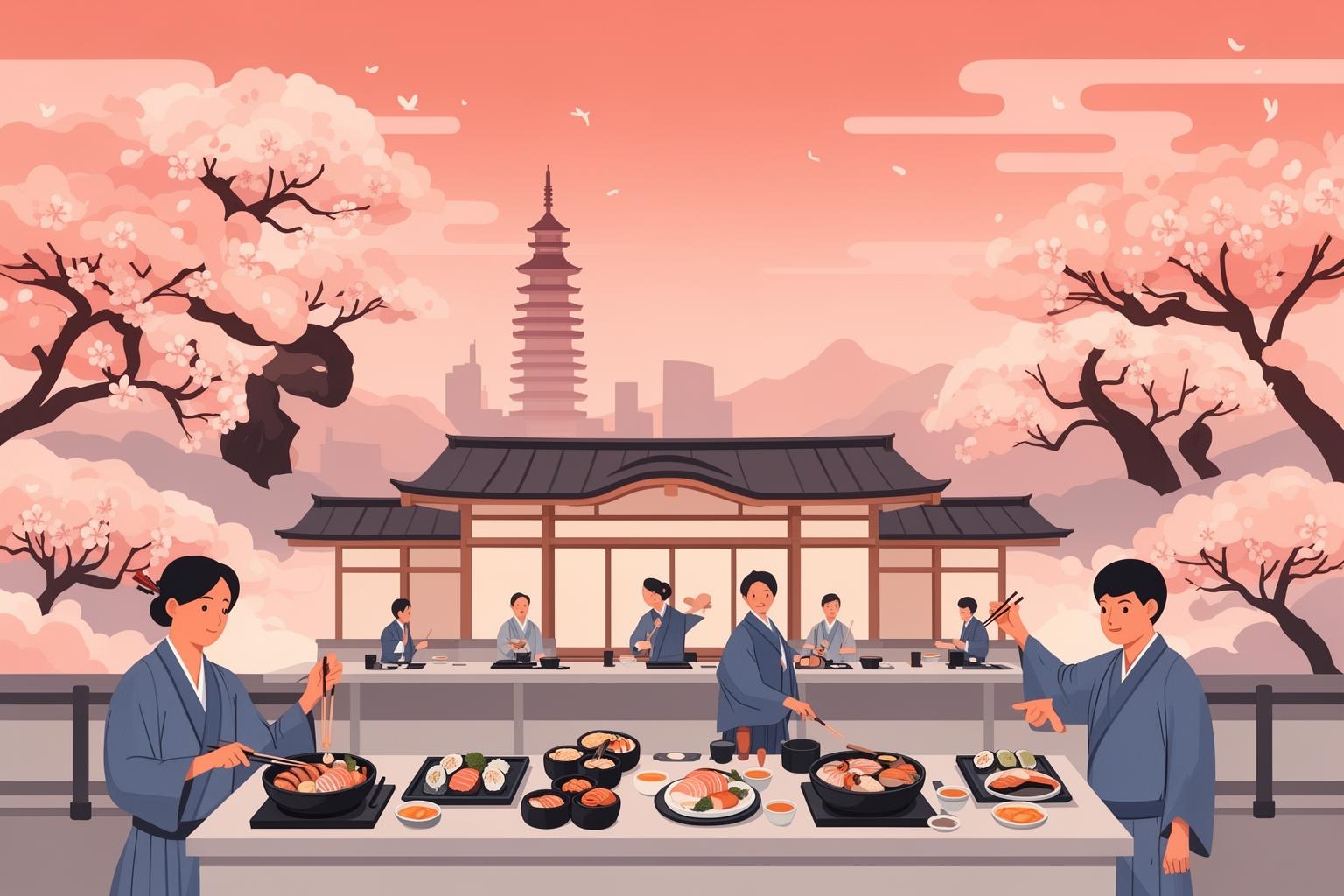
The story of the depachika is deeply intertwined with that of the Japanese department store itself. These grand establishments, which began flourishing in the early 20th century, were more than just shopping venues. They served as cultural landmarks. Giants like Mitsukoshi and Takashimaya, inspired by Western icons such as Harrods in London and Galeries Lafayette in Paris, provided a glimpse into a modern, aspirational lifestyle. They featured art galleries, rooftop amusement parks, and tearooms. These were palaces of consumption, promising a world of refinement and cosmopolitan goods.
So why place the food in the basement? The initial reasons were purely practical. Basements provided direct access to subway stations, a vital feature in a country where public transportation reigns supreme. Commuters could conveniently pick up groceries on their way home without stepping outside. Additionally, the logistics of stocking heavy items like rice, soy sauce, and beverages, along with managing the odors from fresh fish and produce, made the basement the most sensible location. In their earliest form, these spaces were functional areas, much like the grocery sections of any large store.
Everything shifted with Japan’s post-war economic boom. As the nation grew wealthier through the 1960s, 70s, and 80s, consumer preferences became more refined. People had disposable income and a rising appetite for luxury—not only in fashion and furniture but also in food. The department stores, engaged in intense rivalry, recognized a tremendous opportunity. They began transforming their once purely functional basement grocery floors into showcases of the finest foods Japan—and the world—had to offer.
This transformation was not gradual; it was a deliberate reinvention. Department store buyers, powerful tastemakers, traveled nationwide to convince renowned regional shops—shinise, or long-established businesses—to open their first-ever branches in Tokyo or Osaka. They courted celebrated French patissiers and Belgian chocolatiers. They curated sections for sake, tea, and wagyu beef with the same discerning eye they applied to their haute couture collections. The depachika was no longer merely a place to buy dinner; it became a culinary theater, a stage where food took center stage.
The Anatomy of a Depachika: A Guided Tour Through a Labyrinth of Delights
Exploring a depachika for the first time is a whirlwind of excitement and awe. There’s a steady, polite hum of activity all around. Staff dressed in crisp uniforms warmly call out welcomes—irasshaimase!—in lively, melodic voices. The air is filled with a rich blend of aromas: sweet pastries, savory grilled meats, and the fresh, earthy fragrance of premium green tea. Although the layout may initially seem overwhelming, it’s actually a carefully planned environment designed to maximize temptation. While each depachika has its distinct personality, most follow a similar overall design.
The Three Realms: Wagashi, Yōgashi, and Sōzai
At the core of every great depachika lie three main pillars that showcase the full range of Japanese culinary culture.
First is the realm of wagashi, traditional Japanese sweets. These are more than just desserts; they are tiny masterpieces, closely tied to the seasons and the refined art of the tea ceremony. Here, you’ll find gleaming displays of mochi—soft, chewy rice cakes filled with sweet red bean paste (anko). Delicate nerikiri are also featured, intricately crafted confections made from bean paste and rice flour, shaped into autumn maple leaves or spring cherry blossoms. Esteemed shops that have thrived for centuries, like Toraya with its dense, elegant yōkan (jellied bean dessert), or Funawa with its sweet potato delicacies, occupy prime spots. Purchasing wagashi is like acquiring a piece of history, a seasonal flavor often given as a thoughtful gift to hosts or elders.
Next to this bastion of heritage is its dazzling modern counterpart: yōgashi, or Western-style sweets. This is where Japan’s talent for adopting and perfecting foreign arts truly shines. The cakes here are stunning. Strawberry shortcakes with ethereal cream, perfectly arranged glossy fruit tarts, and chestnut Mont Blancs piped into exquisite nests all dazzle the eye. The attention to detail is remarkable. Pastry chefs like Sadaharu Aoki and Henri Charpentier present their creations as precious gems. This section reflects Japan’s cosmopolitan influence, its admiration for French pastry, and its obsession with flawless presentation. It’s the spot to purchase a celebratory birthday cake or a special indulgence.
Finally, and perhaps most essential for everyday life, is the domain of sōzai, or prepared dishes. This is the lifeline of the depachika for busy urbanites. Calling it mere “takeout” hardly does it justice. These are restaurant-quality meals meant to be enjoyed at home. The selection is vast. Perfectly breaded and fried tonkatsu (pork cutlets), shiny skewers of yakitori, inventive salads with yuzu dressing, delicate Chinese dumplings, and hearty croquettes abound. And of course, there are the bento boxes. Far from uninspired plastic trays, depachika bento are complete, balanced meals of outstanding quality, featuring grilled fish, simmered vegetables, premium rice, and vibrant pickles—all arranged with an artist’s precision.
The Supporting Cast: From Pickles to Prime Beef
Beyond the main three categories, depachika are teeming with specialists. Entire stalls devoted to tsukemono (pickles) showcase dozens of regional varieties, from crunchy, salt-cured radishes to tangy pickled plums (umeboshi). Other vendors focus solely on seaweed, dried fish, or artisanal tofu. The sake section is a vast collection of Japanese rice wines, with knowledgeable staff ready to guide you from a crisp, dry junmai to a fragrant, floral daiginjo, often with tasting counters to help you choose.
Butcher counters display slices of marbled wagyu beef that resemble pink granite more than meat. The seafood sections offer pristine blocks of tuna for sashimi, along with whole fish boasting remarkably clear eyes. Woven through this vibrant tapestry is one of the depachika’s most brilliant strategies: the shishoku, or free sample. Tiny pieces of sausage, small cups of soup, morsels of cake—all offered with a smile and no pressure to buy. This gesture of hospitality doubles as an incredibly effective sales technique, inviting you to experience the quality firsthand.
The Unspoken Rules: Depachika as a Social Space

To view the depachika as merely a collection of food stalls is to overlook its true significance. It is a space shaped by a complex array of cultural codes and aesthetic principles that reveal profound insights into Japanese society.
The Art of Presentation and Packaging (Hōsō)
In Japan, the container is often just as important as its contents. This philosophy is exemplified perfectly in the depachika. Every item, from a single cookie to an exquisite box of fruit, is packaged with meticulous care. The process of wrapping, hōsō, is considered an art form. Purchases are placed in elegant boxes, wrapped in branded paper with flawless folds, sealed with a sticker or a beautifully tied ribbon, and then placed in a sturdy paper bag. This presentation is not merely decorative; it is an essential part of the product’s value, particularly when given as a gift.
Gift-giving is deeply embedded in Japanese culture, with two main seasons—ochūgen in summer and oseibo in winter—when individuals and companies exchange presents to express gratitude. The depachika is the premier place to choose these gifts. A box of cookies from Yoku Moku or a high-quality ham from a renowned purveyor, impeccably wrapped, conveys respect and thoughtfulness. The packaging transforms the gift from a mere object into a formal, respectful gesture.
A Theater of Seasonality (Shun)
Western food culture has grown increasingly disconnected from the seasons, as strawberries can be found in December and asparagus in October. The depachika offers a vibrant counterpoint to this trend. It functions as a living calendar, with its offerings changing significantly every few weeks to showcase shun—the peak season of a food when it is at its freshest and most flavorful.
In spring, the entire space blushes with sakura-themed sweets, bamboo shoot rice, and fresh strawberries. Summer brings jellies crafted from citrus fruits like mikan and yuzu, along with eel (unagi) dishes for energy. Autumn celebrates chestnuts (kuri), sweet potatoes (satsumaimo), and mushrooms. Winter introduces special cakes for Christmas and, most importantly, elaborate multi-tiered boxes of osechi-ryōri, traditional dishes enjoyed during the New Year holiday. This continual rotation not only offers variety but also reinforces a profound cultural connection to the natural rhythms of the year, celebrating foods at their finest.
Curated Trust: The Buyer’s Seal of Approval
Why do customers willingly pay premium prices for products in a depachika when similar items might be available for less elsewhere? The answer lies in curation and trust. The department store’s brand guarantees quality. Each vendor and product on the floor is carefully selected by professional buyers. Earning a place in a prestigious depachika like Isetan in Shinjuku or the basement of Ginza Mitsukoshi represents a crowning achievement for a food producer—a mark that they have reached the peak of their craft.
This creates a strong bond of trust with customers. They know the fish will be impeccably fresh, the cakes made with the finest ingredients, and the gift received with admiration. The department store stakes its century-old reputation on this. This trust is further enhanced by the use of limited-edition items (gentei-hin), often collaborations between famous brands or seasonal specialties available only for a few weeks. This fosters a sense of exclusivity and urgency, drawing in shoppers and turning an ordinary visit into a treasure hunt.
The Depachika in the Modern Age: Facing New Challenges
Despite its lasting appeal, the depachika is not exempt from the challenges of the 21st century. The growth of online retail has put pressure on the traditional brick-and-mortar model, and younger consumers may not share the same strong loyalty to the historic department store brands as previous generations. Competition has also come from an unexpected source: train stations. Major railway hubs have created their own sophisticated retail environments, known as eki-naka (“inside the station”), providing comparable convenience and quality, aimed at the busy commuter demographic.
In response, the top depachika have done what they have always done: they’ve enhanced the overall experience. They are focusing on what online shopping cannot offer—the sensory immersion, expert personal interaction, and the excitement of discovery. Many have added more dining areas, wine bars, and event spaces where customers can watch chefs in action or participate in tasting seminars. They host weekly pop-ups featuring popular restaurants from around the country, transforming the depachika into a vibrant, ever-evolving food destination.
They have also embraced their status as a major tourist attraction. For international visitors, a depachika serves as an ideal one-stop-shop to experience the diverse world of Japanese cuisine. It offers an efficient way to sample high-quality versions of everything from sashimi to mochi and to purchase beautifully packaged food souvenirs far removed from typical airport kitsch. In recognition of this, many depachika now provide tax-free services and multilingual staff to better serve this growing audience.
More Than a Food Hall: A Reflection of Japanese Culture
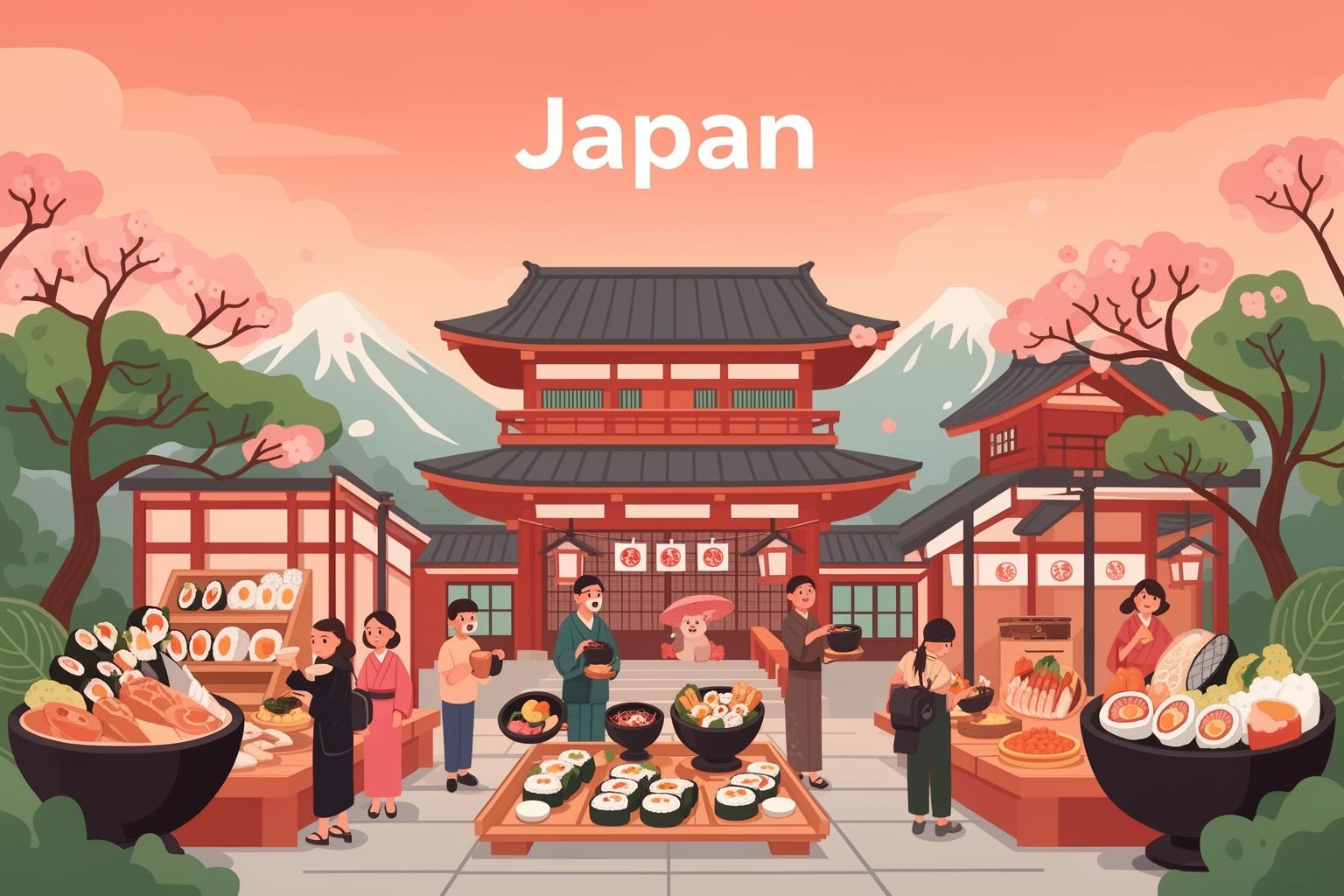
Ultimately, the depachika is far more than just the sum of its parts. It serves as a miniature reflection of Japan itself, where deep-rooted tradition and relentless modernity coexist in a deliciously harmonious and beautifully organized way. It is a tangible expression of the Japanese pursuit of perfection, with even the simplest items crafted with care and presented with respect.
It stands as a testament to the cultural significance of gift-giving, the aesthetic appreciation for packaging, and the profound connection to the seasons. It mirrors the realities of a fast-paced urban society that values convenience without compromising quality. Within these gilded basements, one can witness the entire story of modern Japan: the reverence for the traditional wagashi artisans, the acceptance of global culinary influences at patisserie counters, and the creativity of the sōzai that sustains a hardworking nation.
Perhaps the most revealing moment in any depachika is the hour before closing, when the famed time sales begin. Staff start announcing discounts, and a calm, orderly rush unfolds as customers grab marked-down bento boxes and salads for a late dinner. There is no pushing or shouting, just a polite, efficient rhythm. This final, practical scene in the daily life of this remarkable place reminds us that even in this palace of culinary dreams, life, work, and the simple need for a good meal continue on.