Ask someone to describe a traditional Japanese breakfast, and they’ll likely paint a picture of domestic perfection: a bowl of gleaming white rice, a piece of expertly grilled fish, salty pickles, a rolled omelet, and a steaming bowl of miso soup. It’s a beautiful, balanced image, and it’s absolutely real. But it’s also, for many people on a regular Tuesday, a bit of a fantasy. The modern reality is often a quick triangle of rice from a convenience store or a pastry grabbed on the way to the train station. Life moves fast.
But between these two poles—the elaborate home-cooked ideal and the rushed, packaged reality—exists another world. It’s a ritual that’s quieter, slower, and steeped in a particularly Japanese kind of understated generosity. It happens in neighborhood coffee shops called kissaten, places that feel like they were preserved in amber sometime around 1975. And it’s called mōningu sābisu, or just “Morning Service.”
The premise is beautifully simple, almost suspiciously so. You walk into a kissaten between opening and around 11 a.m., order a single cup of coffee, and for the price of that coffee—or perhaps a hundred yen more—you receive a small, complimentary breakfast. This isn’t a gimmick or a one-time promotion. It’s a daily institution, a cultural ritual that reveals volumes about Japanese hospitality, community, and the quiet comfort of a daily routine. Forget the tourist traps and the flashy trends. If you want to understand how a significant slice of Japan truly starts its day, you need to find a seat in a velvet booth, listen to the soft jazz, and order a “Morning.” This is the ceremony and meaning behind one of the country’s most beloved, and underappreciated, culinary rituals.
This quiet morning ritual is just one side of Japan’s enduring service culture, and readers may also enjoy discovering the after-work drinks ritual as another captivating expression of its hospitality.
What Exactly Is a Kissaten?
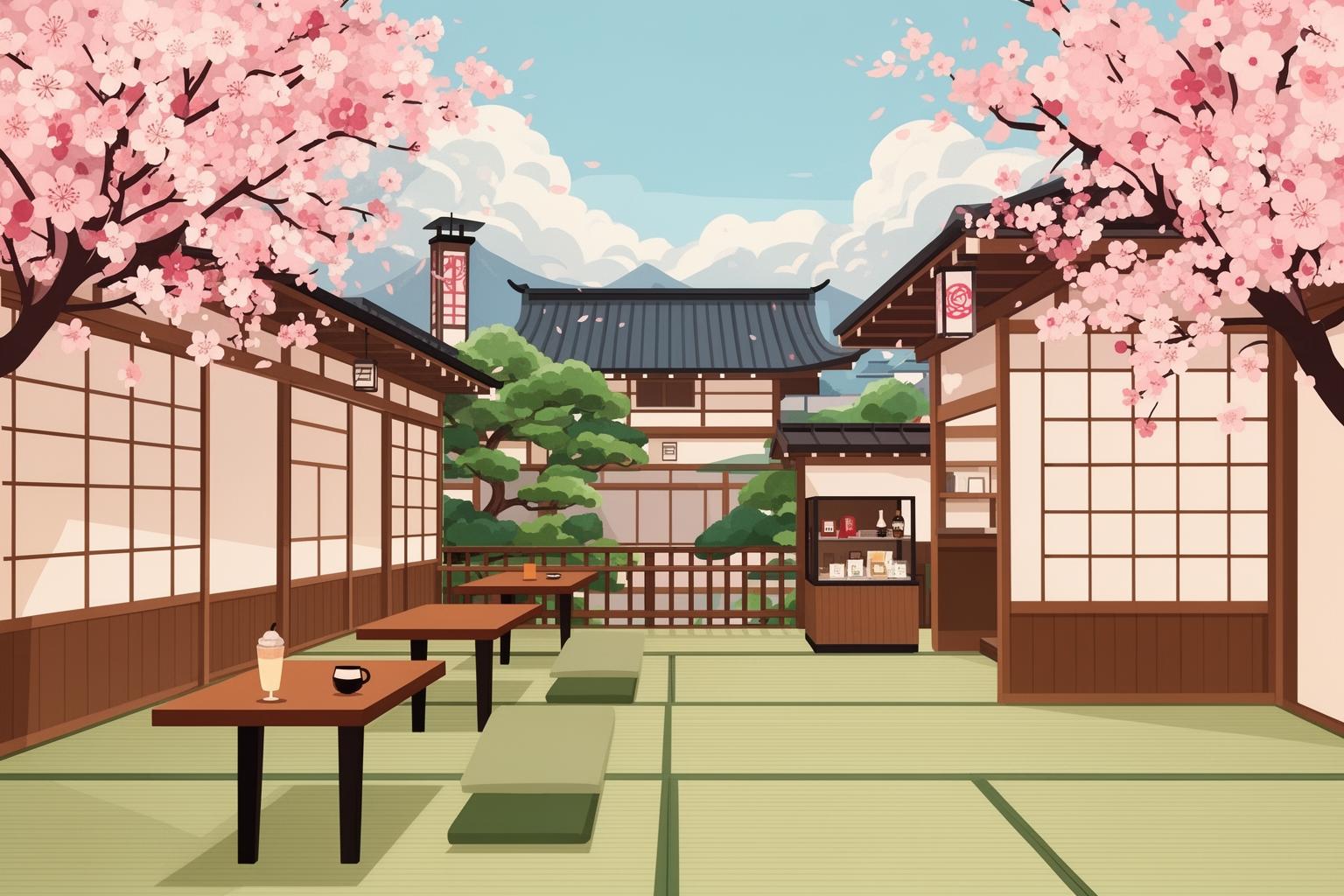
Before we can fully appreciate the meal, we need to understand the setting in which it is presented. A kissaten (喫茶店) is more than just a café. Calling it that is like comparing a vintage vinyl record to an MP3. Both play music, but the experience, texture, and intention are entirely different.
Step into a modern chain like Starbucks or Doutor, and you encounter bright lights, upbeat pop music, and a practical, efficient space designed to get you caffeinated quickly and on your way. In contrast, a kissaten is a conscious refuge from the modern world. These establishments are time capsules from the Showa Era (1926-1989), and their atmosphere reflects that era. The lighting tends to be low and warm, often filtered through stained-glass lamps or ornate fixtures. The air is thick with the rich, deep aroma of dark-roast, siphon-brewed coffee and, in many cases, the faint, lingering scent of tobacco, as smoking is often still allowed.
The decor is a study in textures. Dark, polished wood paneling lines the walls, booths and chairs feature well-worn velvet or vinyl upholstery, and perhaps a small, slightly dusty floral arrangement adorns the counter. The soundtrack isn’t the latest hits; it’s usually a thoughtfully chosen selection of classical music or American jazz, played at a volume that invites quiet reflection rather than loud conversation. This space is designed for lingering. It’s a place to read the newspaper, get lost in a book, hold a hushed, meaningful conversation, or simply gaze into your coffee cup and gather your thoughts.
At the center of this domain stands the “Master” (マスター, masutā). Often an older man or woman who has managed the establishment for decades, the Master is the soul of the kissaten. They are not just a barista; they are an artisan. Dressed often in a crisp white shirt and bowtie, they move with the calm, deliberate grace of someone who has performed the same ritual thousands of times. They know their regulars by name and order, offering a quiet nod of recognition that serves both as a welcome and a promise of consistency. The kissaten embodies a fundamentally analog experience in a digital age. It is a tangible expression of a different pace of life, where atmosphere is as important as the product served.
The Birth of a Bargain: A Quick History of Morning Service
The ritual of Morning Service did not originate in the bustling cities of Tokyo or Osaka. Instead, its roots lie in a more modest setting: Ichinomiya, a city in Aichi Prefecture, the industrial hub around Nagoya. The most commonly told origin story dates back to the 1950s, a period of thriving postwar industry.
Ichinomiya was a key center for textile production. Businessmen frequently gathered in local kissaten to strike deals. According to legend, a shrewd kissaten owner noticed these meetings and chose to add a small token of hospitality to their morning coffee orders. As a simple act of goodwill, or omotenashi, they began offering a few peanuts and a hard-boiled egg. It wasn’t meant as a meal; rather, it served as a conversation starter, a small kindness to thank customers for their business and encourage them to linger a bit longer.
The idea quickly caught on. It was a clever piece of business strategy disguised as generosity. In a competitive market, this modest, complimentary addition made one kissaten stand out from the others. It turned the simple act of buying coffee into a more complete and inviting experience. The cost for the owner was minimal, but the value seen by the customer was substantial.
From Ichinomiya, the custom rapidly spread throughout the Nagoya region, which remains the undisputed epicenter of Morning Service culture. There, the competition escalated into a generosity arms race. What started with an egg and some nuts grew into a thick slice of toast, then a small salad, yogurt, and fruit. Today, some Nagoya kissaten serve impressively elaborate morning sets—including noodles, rice balls, or small casseroles—all for the price of a 500-yen cup of coffee. It’s a point of local pride.
The practice eventually extended across Japan, becoming a common feature in many neighborhood kissaten. While few places can rival the lavishness of Nagoya’s offerings, the basic concept—coffee plus a little something extra—became a beloved part of the nation’s morning routine. It’s a legacy of postwar creativity and a tribute to the impact of a small, thoughtful gesture.
Anatomy of a Morning Set
While regional variations are plentiful, the classic Morning Service set consists of a triptych of simple, satisfying components. Ordering it is less about selecting from a menu and more about embracing an established formula. What you receive is a perfectly balanced start to the day, with each element fulfilling a distinct, comforting role.
The Foundation: The Drink
This serves as the cornerstone of the entire experience. Primarily, you are paying for a beverage. In a kissaten, this is almost always coffee. However, it’s not the light, fruity, acidic brew typical of third-wave cafés. This is Showa-style coffee: dark, rich, and intensely aromatic, often brewed with a syrupy-strong Brazilian or Colombian bean. It is frequently prepared using a siphon or cloth-drip method, resulting in a cup that is low in acidity yet full-bodied and robust. It’s a serious, no-nonsense coffee meant to awaken and energize you for the day ahead. Naturally, you can also opt for black tea (kōcha), but coffee remains the traditional heart of the experience.
The Star: The Toast
This isn’t the thin, uninspiring slice of pre-packaged bread you might toast at home. The centerpiece of most morning sets is a thick slice of shokupan (食パン), Japan’s iconic fluffy white milk bread. The slice is typically thick—often an inch or more—in a style called atsugiri (厚切り). It’s toasted until the exterior achieves a perfect golden-brown, providing a satisfying crunch, while the interior stays incredibly soft, steamy, and cloud-like. It acts as the ideal base for the simple toppings that follow.
The Accompaniments: The “Service”
This is where the true charm lies—the portion of the meal that is technically free. The accompaniments elevate a simple drink and toast into a full-fledged breakfast.
- The Bare Essentials: At its most basic, the toast is served with a pat of butter (or margarine) and a small, single-serving packet of strawberry or orange jam. Spreading the melting butter over the warm, thick toast is a small yet deeply satisfying ritual.
- The Classic Addition: The most common companion is a hard-boiled egg (yude tamago). Often served warm, it sits in a tiny dish alongside a salt shaker. There’s a quiet pleasure in tapping the shell, carefully peeling it, and adding a pinch of salt. It brings a welcome boost of protein and substance to the meal.
- The Next Level: More elaborate kissaten add variations. The Nagoya specialty, for example, is Ogura toast, where the bread is topped with a generous spread of sweet red bean paste (ogura-an) along with butter. It’s a delightful mix of savory and sweet. Other common extras include a small side salad with sesame dressing, a few miniature sausages, a scoop of potato salad, or a small bowl of yogurt. These enhancements transform the set from a simple snack into a truly satisfying breakfast.
Together, these components create a meal that is modest yet deeply rewarding. It’s a celebration of texture and straightforward flavors: the bitter coffee, the crunchy yet soft toast, the salty butter, the sweet jam, and the savory egg. It’s a breakfast that feels both nourishing and like a small, affordable indulgence.
The Unspoken Rules: How to Order and Behave
Part of the charm of Morning Service lies in its simplicity. There are no complicated menus to sift through or tough decisions to make. The ritual operates under a set of unspoken rules and mutual understandings that keep the entire process smooth and effortless, allowing you to fully enjoy the quiet experience.
Timing is Everything
Above all, Morning Service is a time-sensitive offering, available only in the morning. Most kissaten serve it from opening hours (sometimes as early as 7 a.m.) until around 10:30 or 11:00 a.m. The exact cut-off time is usually displayed on a sign outside or on the menu. Don’t expect to arrive at noon and receive the deal; by that time, the shop will have switched to its regular lunch menu. This ritual belongs to the specific transition period of the day when the world is just waking up.
The Art of the Order
Ordering couldn’t be easier. You don’t ask for “Morning Service” directly. Instead, you simply order a drink. Find a seat, and when the Master or a staff member approaches, you say “Hotto kōhī, kudasai” (“Hot coffee, please”) or “Aisu kōhī” (“Iced coffee”).
Because you’ve ordered coffee during the designated morning hours, it is implicitly understood that you want the Morning Set. The staff will likely confirm by asking, “Mōningu de yoroshii desu ka?” (“Is the Morning Set okay?”). A simple “Hai, onegaishimasu” (“Yes, please”) is all that’s needed. If multiple options are available (such as an “A Set” with a boiled egg or a “B Set” with red bean paste), they will present those choices. The process is designed to be seamless.
Kissaten Etiquette
The most important rule is to respect the atmosphere. A kissaten is a sanctuary of calm—a place not suited for loud phone calls, boisterous conversations, or business meetings with multiple laptops open. People come there to ease into their day, not to be overwhelmed by noise.
- Keep Your Voice Down: Speak softly. Many patrons are reading or quietly enjoying their time, so it’s important to respect their personal space.
- Lingering is Encouraged: Unlike fast-food joints, you’re not expected to eat quickly and leave. The price of your coffee essentially buys you “rent” on your seat for a reasonable period. It’s perfectly fine to finish your breakfast and then spend another hour reading the newspaper or a book. The Master appreciates that the true value of a kissaten is the time it affords you, not just the items it serves.
- Smoking: Note that many traditional kissaten maintain a relaxed stance on smoking. Some have designated smoking areas, while others allow smoking throughout. If you are sensitive to smoke, it’s wise to take a quick look before choosing your seat.
- Paying the Bill: When you’re ready to leave, don’t wait for the check to be brought to you. Simply gather your belongings, approach the cash register by the counter, and the Master will tell you the amount due. This simple, trusting system has worked for decades.
By adhering to these straightforward etiquette points, you ensure you participate in the ritual correctly, honoring both the space and the other guests who depend on it for their daily moment of calm.
More Than Just Breakfast: The Social Function of the Kissaten Morning
To view Morning Service as merely a cheap meal is to completely miss its essence. Its longevity and cultural importance stem from the crucial social role it fulfills. The kissaten during morning hours exemplifies a classic “third place”—a setting that is neither the high-pressure environment of the office nor the solitude of home. It is a neutral, inviting, and accessible public space where community is quietly nurtured.
For older, retired Japanese, the daily visit to the local kissaten for Morning Service forms a central part of their routine. It offers structure to their day and, more importantly, a dependable opportunity for social interaction. It is where they meet friends, share local news, and read the newspaper. In a society with a rapidly aging population, such spaces act as essential havens against loneliness and social isolation. The Master knows them by name, fellow regulars provide familiar faces, and the ritual fosters a sense of belonging.
For the sararīman, or office worker, the kissaten provides a brief moment of relaxation before the workday begins. It is a quiet place to review documents, catch up on financial news, or simply enjoy a last moment of solitude before facing the collective demands of the office. It’s an affordable indulgence, a way to feel cared for effortlessly. This small, refined ritual helps mentally prepare them for the day ahead.
For students, freelancers, or writers, Morning Service is a financial lifeline. For the cost of a single coffee, they gain a workspace for several hours, complete with a small meal to start their day. It effectively serves as an informal office or library, enhanced by the comforting aroma of coffee and toast.
Thus, the Morning Service acts as a remarkable social binder. It unites diverse groups under one roof, all engaging in the same simple ritual. It represents a form of passive community, where one can feel connected without the pressure to actively participate. The quiet buzz of the kissaten in the morning is the sound of a community sharing a collective breath before the day’s activities carry them in separate directions. It stands as a tribute to a society that still cherishes routine, quiet dignity, and the simple joy of sharing a space.
Finding Your Morning Ritual: The Enduring Charm of the Kissaten
In an era dominated by global coffee chains and ever-shifting food trends, the kissaten can seem like an endangered species. Many have closed their doors as their aging Masters retire, with no one to carry on the business. The economics of operating a small, independent shop are becoming increasingly difficult. Yet, reports of their demise are greatly exaggerated.
There is a growing appreciation, especially among younger Japanese and curious travelers, for the authenticity and unique atmosphere these places provide. They are being rediscovered not as dusty relics but as vital cultural treasures—repositories of a slower, more intentional way of life. New, retro-inspired kissaten are even emerging, paying tribute to the Showa era aesthetic while adapting it for today’s generation.
To find one, simply wander the side streets and residential neighborhoods away from major train stations. Look for old-fashioned, often katakana, signage. Look for the window display of faded plastic food models (shokuhin sanpuru), a hallmark of Showa-era eateries. Peek inside. If you see dark wood, velvet seats, and a counter with gleaming coffee siphons, you’ve found it.
Step inside. Order a coffee. Let the Morning Service come to you. As you sit, savoring the thick toast and rich coffee, you’re doing more than just having breakfast. You are taking part in a living ritual. You are tasting a piece of post-war history, supporting a local business, and experiencing a form of Japanese hospitality that is as sincere as it is understated. It’s a quiet, delicious rebellion against the frantic pace of modern life, waiting for you in a cozy booth just around the corner.