
I remember the first time I was served sansai tempura. It was at a small, elegant restaurant in the hills outside Kyoto, the kind of place with a mossy garden and sliding paper doors. The chef presented a beautiful arrangement of lightly battered morsels, and alongside the familiar shrimp and sweet potato was a strange, dark green bud. I popped it into my mouth, expecting the mild, earthy notes typical of Japanese vegetables. Instead, a wave of assertive, almost medicinal bitterness washed over my palate. It wasn’t unpleasant, but it was… startling. It was a flavor that demanded my full attention. My Japanese friend smiled knowingly. “That’s tara no me,” she said. “The taste of spring.”
That moment stuck with me. In a culinary landscape celebrated globally for the harmonious, comforting pillars of umami, sweetness, and delicate savory notes, where did this aggressive bitterness fit in? It seemed like a contradiction. Western palates are often conditioned to avoid bitterness, associating it with unripe fruit or even poison. Yet in Japan, I soon learned, people don’t just tolerate this flavor in their mountain vegetables; they anticipate it, celebrate it, and pay a premium for it. They seek it out as an essential rite of passage that marks the end of winter.
So, what’s the secret? Why is this challenging taste so revered? The answer, I discovered, is a beautiful lesson in Japanese culture, philosophy, and a profound connection to the natural world. Appreciating the bitterness of sansai is about more than just food. It’s about tasting the wild, untamed energy of the mountains as they wake from a long slumber. It’s a ritual that cleanses the body, a flavor that tells a story of resilience, and a direct, edible link to the seasons. This isn’t a taste you can find in a greenhouse or a factory farm. It’s the authentic, unedited voice of nature, and learning to understand it is like unlocking a deeper level of communication with the world around you.
This culinary journey, with its celebration of nature’s raw ingredients, mirrors a broader Japanese ethos where food transcends basic sustenance to embrace a profound taste of shokuiku principles.
What Exactly is Sansai? The Foraged Flavors of the Mountains
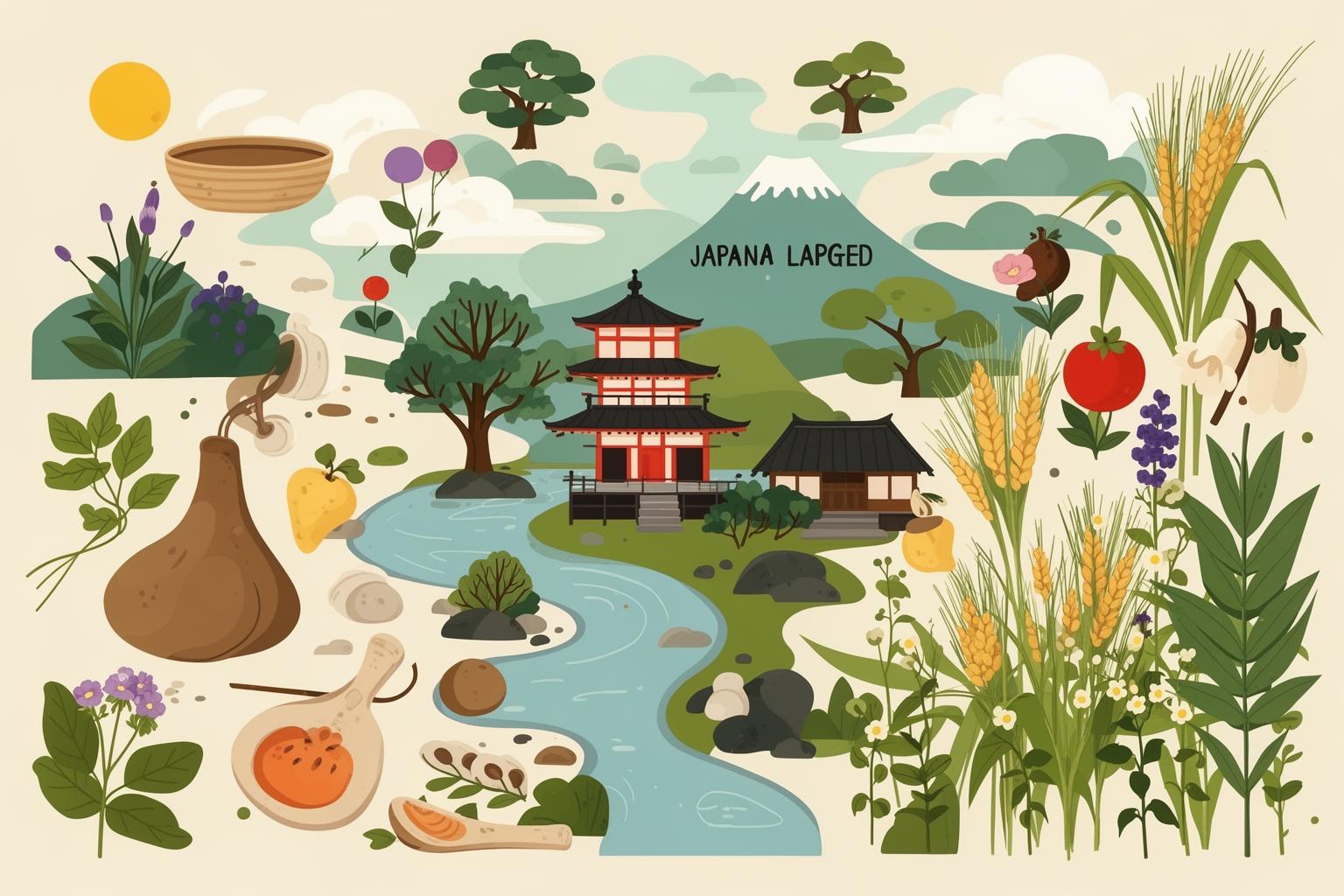
Before exploring the philosophy of flavor, it’s helpful to understand exactly what we mean. The word sansai (山菜) literally means “mountain vegetables.” This distinction is important. These are not the tidy rows of daikon and cabbage found in cultivated fields. Sansai are wild, foraged plants that emerge fleetingly each spring in the mountains and forests of Japan. They embody seasonality, appearing as the snow melts and vanishing as the weather warms and the forest canopy closes in.
Their wild nature defines their character. Unlike cultivated vegetables, bred over generations for sweetness, size, and uniformity, sansai are rugged individuals. They grow freely in response to the soil, sunlight, and altitude of their specific environment. This untamed spirit is exactly what makes them unique. Each carries the distinct terroir of its mountain origin.
There is an entire vocabulary of these harbingers of spring, each with its own distinctive traits:
Fukinoto (蕗の薹): Often among the very first to appear, this is the flower stalk of the butterbur plant. It is intensely aromatic and deeply bitter. Eating fukinoto, frequently prepared as a potent miso paste called fuki-miso, acts like a fragrant, bitter alarm clock for your senses, signaling the definitive end of winter.
Tara no Me (タラの芽): Known as the “King of Sansai,” this is the bud of the Japanese Angelica tree. It has a rich, slightly nutty flavor balanced by a complex, satisfying bitterness. Its texture, especially when fried as tempura, is superb—crispy on the outside, creamy and tender inside. It’s the prize of any forager’s collection.
Kogomi (こごみ): These are the tightly coiled fiddleheads of the ostrich fern. Kogomi is milder than many others, with a pleasing crisp-tender texture and a slightly viscous quality reminiscent of okra. Its flavor is fresh and green, with a faint hint of wild astringency.
Warabi (蕨): The young shoots of the bracken fern, warabi has a delicate flavor and a unique, slightly slimy texture highly valued in Japanese cuisine. It requires careful preparation to remove natural toxins and bitterness, a process that speaks to the effort behind its enjoyment.
Udo (独活): A tall, stalky plant whose stems and tender new shoots are both edible. It offers a wonderfully refreshing, aromatic quality, akin to wild celery or asparagus, with a distinctive resinous note and a clean, sharp bitterness.
This is only a small selection. Depending on the region, dozens of other varieties can be found, from the crunchy koshabura to the onion-like gyoja ninniku. Their brief appearance makes them a delicacy, a fleeting gift from the mountains to savor now, because in a few weeks, they will disappear until the next year.
The Taste of Terroir: Bitterness as a Mark of Authenticity
In the world of sansai, bitterness is not a flaw to be removed; it is a mark of honor. It serves as audible evidence of the plant’s wild nature. Those bitter compounds, mainly alkaloids and polyphenols, function as the plant’s natural defense system. They protect it from being consumed by insects and animals, enabling it to survive and flourish in a harsh, competitive environment. The flavor you experience is the taste of resilience— the plant’s life force, its untamed spirit revealed on your palate.
This idea is deeply ingrained in Japanese culinary vocabulary through the word aku (アク). Aku is a term without a perfect English counterpart, encompassing a spectrum of harsh, astringent, and bitter qualities found in many natural ingredients, especially wild ones. But unlike in Western cultures, where these traits are often viewed negatively, aku is seen as part of the food’s vitality. It represents energy and rawness that must be skillfully controlled, not completely eliminated.
This control is achieved through a process called aku-nuki (アク抜き), which literally means “removing the aku.” It is a vital step in preparing nearly all sansai. The methods vary depending on the plant. Some are parboiled, occasionally with rice bran or baking soda to neutralize the bitterness. Others are soaked in cold water for hours or even days. A traditional technique for warabi, for example, involves dusting the fern with wood ash and pouring hot water over it to sit overnight. This ancient practice, utilizing the alkalinity of the ash, moderates the plant’s toxins and astringency.
The art of aku-nuki is a careful balance. The aim is not to strip the vegetable of its character or make its wild flavor domesticated. Rather, it is to soften the sharpest edges and bring the plant’s inherent flavor into harmony, making its strong personality more approachable. A chef’s skill is measured by how expertly they perform this ritual. Too little aku-nuki, and the vegetable remains unpleasantly harsh. Too much, and its essence is lost, leaving it bland and lifeless. The subtle, cherished bitterness that lingers after the process is the very soul of the sansai, a tribute to its mountain origins, respectfully transformed into a delicious form.
A Culinary Time Capsule: Eating the Season
Nowhere is the Japanese reverence for seasonality—known as shun (旬)—more evident than with sansai. These vegetables are more than just food; they represent an occasion. They are the quintessential edible symbol of spring’s arrival. After enduring months of cold weather and consuming stored, pickled, and dried foods, the sharp, vibrant flavor of sansai is a refreshing shock to the system. It is regarded as a natural cleanser, a way to awaken the body from its winter dormancy.
This notion is grounded in a form of traditional, intuitive medicine. The bitter compounds in sansai were believed to have a purifying effect, stimulating digestion and dispelling the sluggishness of winter. Consuming these mountain vegetables was—and still is—viewed as a means to reset the body, to literally absorb the renewed energy of the emerging season and ready oneself for the warmer months ahead. It’s like a spring cleaning for your internal organs.
This connection is profoundly visceral and almost poetic. When you eat sansai, you are tasting the first life to break through the cold, damp earth. You are savoring the melted snow, the mineral-rich soil, and the initial rays of bright spring sunlight. It is a direct communion with the natural year’s rhythm. In a world of year-round strawberries and globally sourced asparagus, the intensely local and fleeting nature of sansai serves as a powerful reminder of a time when eating was guided by the earth, not by supply chains. Each bite is a conscious participation in the season, an acknowledgment of the unstoppable cycle of death and rebirth that governs the world beyond the city limits. It’s a flavor that roots you in a specific time and place, a culinary time capsule from the mountain.
The Ritual of the Harvest: From Mountain to Table
To truly appreciate the cultural importance of sansai, one must recognize that, for many, the experience starts long before the ingredients reach the kitchen. The practice of foraging, called sansai-tori (山菜採り), is a beloved tradition and a ritual that connects people directly to the land and ancestral wisdom.
In early spring, people of all ages—especially the elderly—can be seen heading to the hills equipped with woven baskets and small knives. This is no casual walk. Successful foraging demands a profound and intimate understanding of the local ecosystem. You need to know which slopes receive morning sunlight, where the water flows after the snow melts, and how to tell a tasty, edible fern from its poisonous look-alike. This knowledge isn’t acquired from books; it is handed down through generations, a living heritage.
Foragers speak of the forest with respect and a sense of partnership. There are unwritten rules: never harvest everything from one spot, leave smaller shoots to grow, and gather in a way that ensures the plants return the following year. This sustainable approach has endured for centuries. The act of sansai-tori is a form of meditation—a quiet, focused search that sharpens the senses to the subtle signs of new life in the woods.
This entire process infuses the meal that follows with deep gratitude and meaning. The food on the plate is not a store-bought commodity; it is a reward for effort, knowledge, and respectful interaction with nature. Even most Japanese people who purchase their sansai at local markets or enjoy it in restaurants are aware of this cultural background. They understand the journey from mountain soil to plate. This context elevates the food beyond mere sustenance to a celebration of nature’s bounty and the human wisdom necessary to partake in it.
The Chef’s Challenge: Balancing Bitterness on the Plate

Once the sansai has been foraged and carefully prepared through aku-nuki, it reaches the chef, who faces an enjoyable challenge: how to highlight this strong, wild flavor without overpowering the diner. The aim is never to mask the bitterness, but to frame it, creating a harmonious composition where its distinctive character can shine. Japanese cuisine has developed several classic techniques to achieve this ideal balance.
Tempura: This is arguably the most popular and accessible way to prepare sansai, and for good reason. The quick fry in very hot, light oil works wonders. It forms a crisp, delicate crust that provides a textural contrast to the tender vegetable inside. The heat softens the bitterness just enough, transforming its sharpness into a complex, satisfying flavor. Served with a pinch of sea salt or a light dashi-based dipping sauce (tentsuyu), the bitterness becomes a refreshing counterpoint to the richness of the fried batter. It cuts through the oiliness, cleansing the palate and leaving a clean, green, aromatic finish.
Ohitashi (おひたし): This technique involves blanching the sansai and then soaking it in a chilled, seasoned dashi broth. It is a much simpler preparation than tempura, meant to highlight the pure essence of the vegetable. The umami-rich dashi doesn’t compete with the bitterness; it embraces it. The savory, slightly sweet broth acts as a gentle cushion, softening the bitter notes and allowing the subtle aromatics and textures of the plant to come forward. It’s a minimalist preparation demanding perfect execution and the highest quality ingredients.
Aemono (和え物): In this style, the blanched sansai is mixed with a dressing. These are not heavy, creamy sauces; rather, they are subtle mixtures designed to complement the main ingredient. A classic aemono may use a ground sesame dressing (goma-ae) or a miso and vinegar dressing (sumiso-ae). The nutty richness of sesame or the salty, fermented depth of miso provides a wonderful counterbalance to the sansai’s bitterness. The dressing adds complexity, creating a dish where sharp, savory, sweet, and nutty notes harmonize beautifully.
Sansai Gohan (山菜ご飯): Simply cooking finely chopped sansai with rice is another cherished preparation. As the rice steams, it absorbs the fragrant, earthy aroma of the mountain vegetables. The bitterness becomes a subtle background note, a hint of wildness that perfumes each grain. It’s a simple, rustic, and deeply comforting way to savor the flavor of spring.
In all these dishes, the principle remains the same: the bitterness is the star, the central theme. The other ingredients play a supporting role, enhancing, balancing, and providing context.
A Case Study: Tara no Me, the “King of Sansai”
To truly grasp the culinary philosophy, let’s examine tara no me, the so-called king. It commands high prices at markets and is often the most anticipated item on a spring menu. Its bitterness is pronounced, but it is not flat or one-dimensional. It is a deep, resonant bitterness layered with notes reminiscent of fresh asparagus, artichoke, and a rich, almost buttery nuttiness.
Its favored preparation is overwhelmingly tempura. When the bud is dipped in batter and plunged into hot oil, the outer leaves unfurl and crisp like delicate chips, while the core steams to a soft, creamy texture. Eating it is a journey of textures and flavors: first, the crispness of the batter, then the slight resistance of the inner leaves, and finally the meltingly tender heart. The initial taste is the clean flavor of the tempura batter and oil, but this quickly yields to the bud’s signature bitterness. Just as the bitterness peaks, its other notes emerge—the green, nutty flavors—and the sensation finishes on a surprisingly clean and refreshing note. That bitterness, rather than lingering unpleasantly, invites another bite. It perfectly illustrates how a challenging flavor, when skillfully handled, can become a source of immense culinary delight.
The Modern Palate and the Future of a Wild Taste
In an era dominated by hyper-processed foods and globalized palates that often favor the straightforward trio of sweet, salty, and fatty, where does a complex, bitter food like sansai fit in? The answer is, fittingly, complex. For some younger, urban Japanese, the flavor of sansai can seem outdated, a taste linked to their grandparents’ generation. The patient, acquired flavor it demands can be a tough sell in a world driven by instant gratification.
Yet, there is a strong opposing trend. As discerning diners in Japan and around the globe seek more authentic, sustainable, and meaningful food experiences, the philosophy behind sansai is increasingly relevant. High-end chefs in contemporary kaiseki establishments and even innovative kitchens in New York and Copenhagen are embracing foraged, wild ingredients. They recognize that these untamed flavors offer a unique connection to place and season that cultivated produce cannot replicate.
The global culinary scene is gradually catching on to what Japanese mountain villagers have long understood. This is evident in the growing popularity of bitter greens like radicchio and kale, the appreciation for bitter amaro digestifs, and the love of hoppy bitterness in craft beer. There is an increasing acknowledgment that bitterness brings an essential, sophisticated element to food and drink. It provides balance, stimulates the appetite, and creates a richer, more engaging experience.
Sansai is the original embodiment of this concept. It represents the ultimate farm-to-table food — except the “farm” is an entire mountain. Its continued presence reflects a culture that values harmony with nature rather than domination over it. It reminds us that the most profound flavors are not always the easiest but are those that challenge us, awaken our senses, and tell a story.
So, the next time you have the chance to try sansai, don’t turn away from its bitterness. See it for what it truly is: a greeting from Japan’s wild heart. It’s a taste that evokes melting snow and resilient life, ancient wisdom, and the simple, deep joy of eating seasonally. It invites you to move beyond the easy comfort of umami and discover the invigorating, complex, and beautiful reality of nature itself. It’s not only the taste of spring; it’s the taste of life.