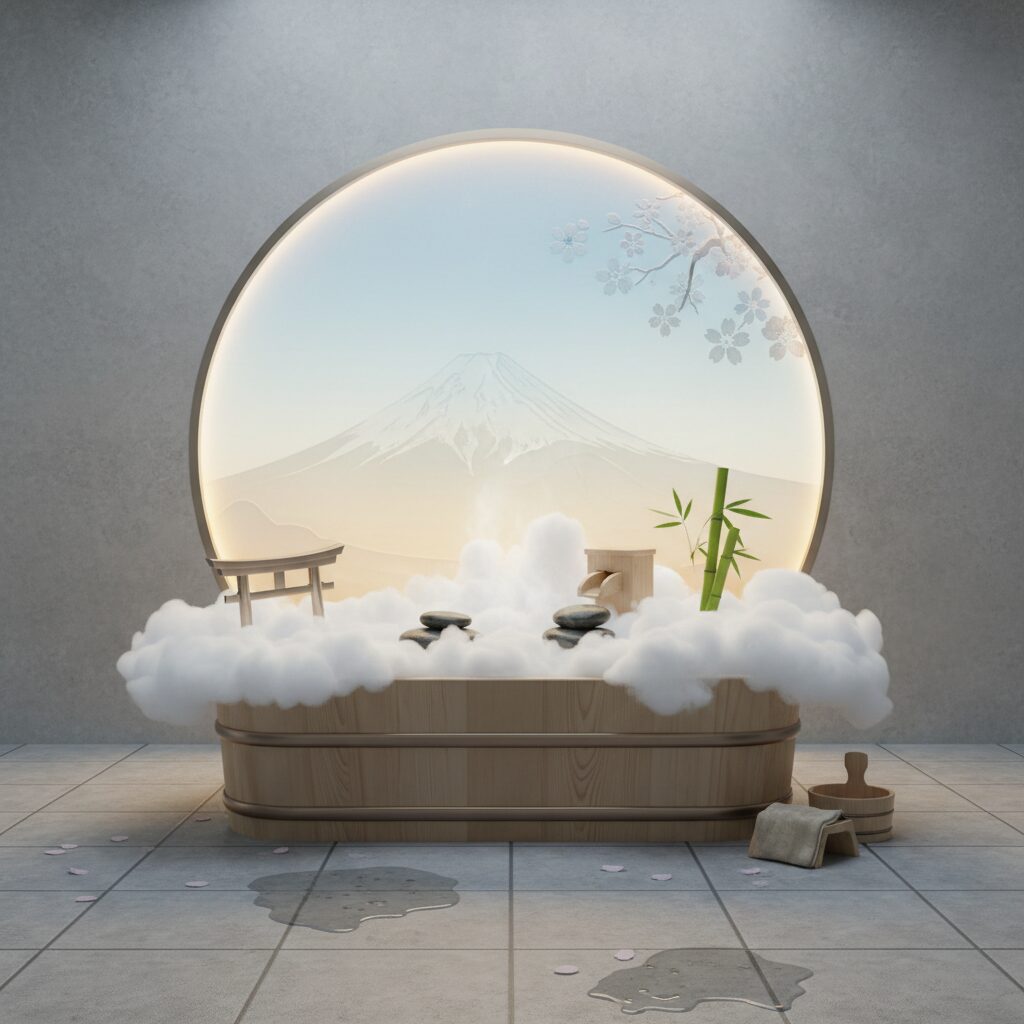
Yo, what’s the deal? When you picture Japan, your mind probably jumps straight to those fire onsen scenes from anime, right? Steaming hot springs, scenic mountain views, maybe some cute monkeys chillin’ nearby. It’s a whole aesthetic. But let’s get real for a sec. Before that luxury ryokan experience became the global face of Japanese bathing, there was something far more raw, more local, and honestly, way more crucial to the fabric of everyday life: the sentō, the neighborhood public bathhouse. You might’ve seen pics—the iconic Mt. Fuji mural, the old-school wooden lockers, the steamy, tiled rooms. It looks retro, kinda cool, but also maybe a little intimidating. The big question is, in a country where basically every apartment has a bathtub, why do these places even still exist? And what is this intangible ‘vibe’ that people get so nostalgic about? Is it just a hipster thing, a throwback obsession, or is there a legit cultural current running underneath those tiled floors? The truth is, the sentō is a living fossil. It’s a time capsule of a Showa-era community spirit that’s getting ghosted by modern life. Visiting one isn’t just about getting clean; it’s about plugging into a fading social network, a place where the unspoken rules of Japanese society are both reinforced and simultaneously washed away. It’s a paradox, a community living room where you hang out with your neighbors while being completely naked. Low-key, it’s one of the most direct ways to understand the Japan that exists off the beaten social media path. But you gotta know what you’re looking for, because the vibe is subtle, and it’s disappearing, fast. This isn’t a guide on how to take a bath. It’s a deep dive into why the sentō mattered—and why its slow fadeout says so much about Japan today.
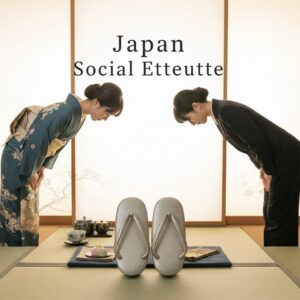
To truly grasp these unspoken social dynamics, you need to understand the concept of reading the air.
Not Just a Bath: The Sentō as a Social Epicenter
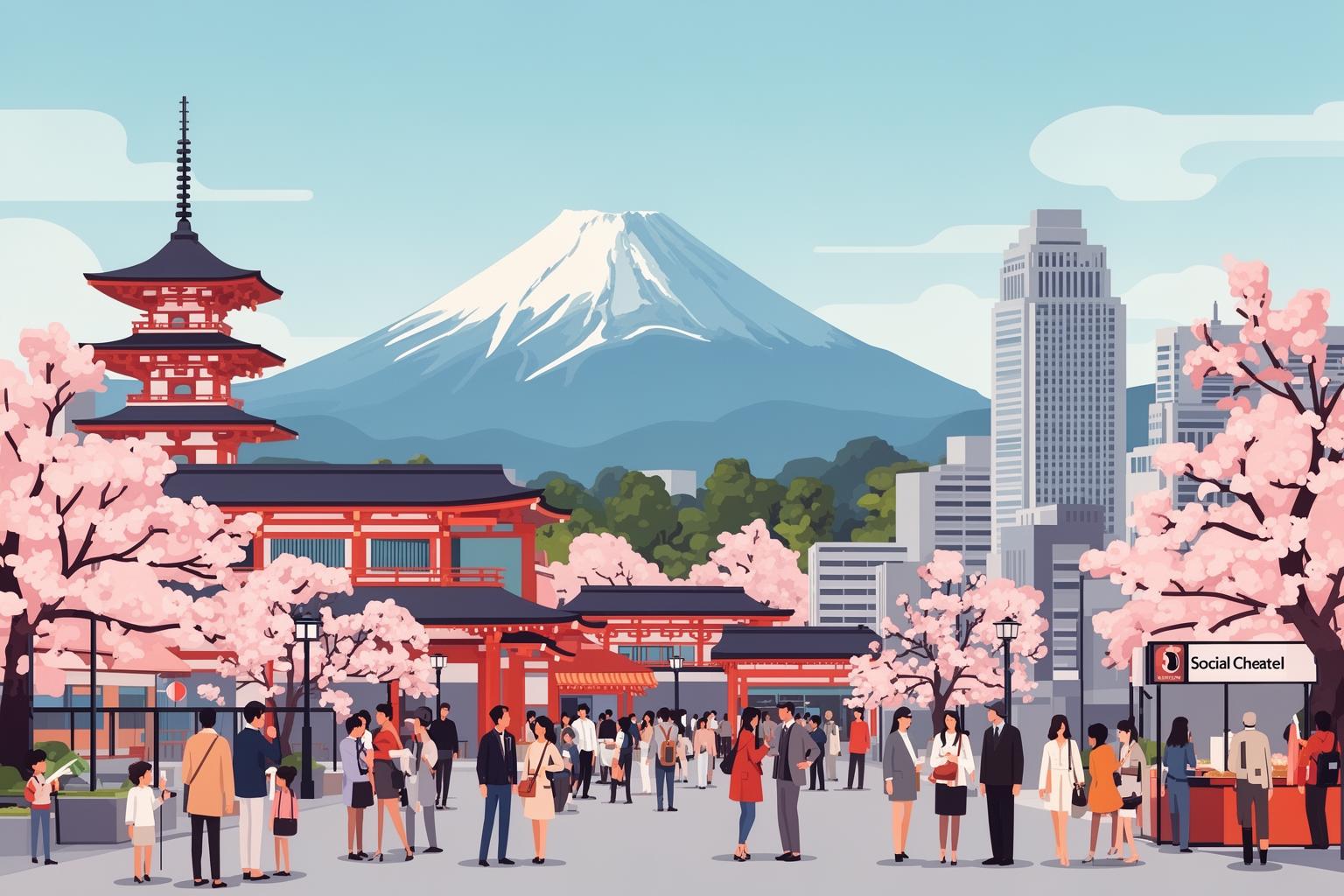
To truly understand the sentō, you have to rewind time to post-war Japan, during the Showa era. This was a period of intense rebuilding and economic expansion, yet daily life was compact and constrained. Most people lived in small apartments or houses, and having a private bathroom—an uchi-buro—was a genuine luxury, not the norm. Thus, the sentō wasn’t a choice or pastime; it was an essential part of everyday life. This is the heart of its original identity. It wasn’t a place for a special outing; it was where you carried out a fundamental daily routine. Because everyone in the neighborhood needed to do this, the sentō naturally became the community’s default gathering spot. It was the original “third place,” a social space that was neither home nor work. Long before trendy cafes or community centers existed, there was the bathhouse. This was where you caught the real local news, not from newspapers. You learned whose child was getting married, who was ill, or what the local shop owner was grumbling about this week. The sentō was the neighborhood’s analog social media feed, unfolding in real-time amid the steam and clatter of plastic buckets. Housewives exchanged gossip while washing, elderly men debated politics or sumo wrestling in the hot tub, and children splashed around, absorbing social cues from an early age. The sentō served as an extension of the home, a shared utility room for the entire community. This role is difficult for us to imagine now, in a world of private everything. The idea of sharing such an intimate daily ritual with dozens of neighbors feels foreign. Yet this shared necessity forged a distinctive bond. It cultivated a foundation of familiarity and trust. You saw your neighbors, literally, warts and all. This daily practice of communal bathing wove a subtle but powerful social fabric, linking people through casual, low-stakes interactions. It was the cornerstone of neighborhood life, the engine driving local community. So when we talk about the sentō “vibe,” this is ground zero. It’s the lingering energy of countless mundane conversations, decades of shared daily life, echoing off the tiled walls.
Decoding the Sentō Aesthetic: More Than Just Retro Kitsch
Entering a traditional sentō engages all your senses, with every element intentionally crafted through a design language honed over generations. It’s easy to overlook it as merely old-fashioned or kitschy, but that misses the essence entirely. The sentō’s aesthetic is a masterclass in functional design and psychological comfort, purpose-built to evoke a mood of release and egalitarianism. From the moment you slide open the door, you engage in a carefully choreographed transition from the outside world’s stress and social roles to the bath’s inner sanctuary. It’s a universe of meaning hidden in plain sight, and grasping its nuances is essential to truly appreciating the space.
The Fuji-san Mural: An Icon with a Vibe
Undoubtedly, the most striking and iconic feature of any classic sentō is the enormous mural of Mt. Fuji painted above the tubs. It’s so prevalent that it has become a visual shorthand for the sentō itself. But why Fuji? Why this one image repeated in thousands of bathhouses across Japan? It wasn’t just a decorative choice. The tradition reportedly began in 1912 at a sentō in Kanda, Tokyo, where the owner, hoping to lift his customers’ spirits, commissioned an artist to paint a scene from his home prefecture, Shizuoka. The resulting Mt. Fuji mural was an instant hit. Within the cramped, steamy, often windowless environment of a city bathhouse, the expansive, majestic landscape of Fuji offered a powerful sense of escapism—a visual deep breath. For the working-class patrons who frequented the sentō, it symbolized permanence, national pride, and a natural grandeur far removed from their dense urban surroundings. The painters who created these murals were skilled artisans; Morio Nakajima and the late Kiyoto Maruyama were the last masters of this craft. Using enormous brushes attached to long poles, they painted directly onto the walls within hours. Their bold, slightly stylized style was designed to look striking through the steam’s haze. The sweeping blue base and sharp white peak formed a type of folk art serving a psychological purpose: making the small space seem vast. It provided a shared focal point for everyone in the bath—a silent, communal object of reflection. Gazing up at that Fuji mural while soaking became deeply ingrained in the Japanese cultural psyche—a ritual of mental release alongside physical cleansing. It forms the backdrop of the entire sentō experience, silently promising a world larger and more serene than the one you left outside.
The Architectural Grammar of a Public Bath
The path into a sentō follows a prescribed sequence, each step deliberately distancing you from the mundane world and ushering you into the sacred bath space. The architecture serves as the grammar of this ritual. First, you encounter the noren—fabric curtains hanging over the entrance, typically blue for men (男) and red for women (女). Passing through them marks the first symbolic threshold. Inside lies the datsuiba, or changing room, where the initial task is to remove your shoes and place them in a getabako, a small wooden shoe locker often with an old-fashioned wooden key tag (kagi-fuda). This simple gesture is deeply symbolic: you are shedding the outside world’s dirt, both physically and metaphorically. The centerpiece of this area is the bandai, a tall, throne-like platform where the attendant sits. From this vantage, the owner could oversee both men’s and women’s sections, collect fees, and supervise the premises. The bandai is a classic sentō feature symbolizing authority, familiarity, and the establishment’s human heart—part control tower, part reception desk. Though many modern or renovated sentō now have a more contemporary front-desk style, the traditional bandai remains a powerful emblem of the old ways. The changing room itself contains wooden lockers, tatami benches, and perhaps a vintage scale and a whirring fan. It’s a transitional space. Passing through another sliding door brings you into the bathing area, where the first thing you notice is the sound—the echo of running water and voices bouncing off high ceilings and tiled walls. These vaulted ceilings aren’t merely decorative; they’re essential for allowing steam and heat to escape, creating comfort. The tiled floor ensures hygiene and water resistance, often sloping gently toward drains. Every element is functional, yet the combined effect of echoing sounds, steamy air, and utilitarian materials produces a unique, instantly recognizable atmosphere. It’s a purpose-built setting for communal ritual, and each architectural choice reinforces that intention.
The Little Things: From Kerorin Buckets to Post-Bath Milk
Beyond the large architectural elements, the sentō experience is shaped by a collection of small, seemingly trivial objects and rituals rich in cultural significance. Chief among these is the iconic yellow plastic bucket emblazoned with the name “Kerorin” (ケロリン) in red katakana, found stacked in every sentō across Japan. What is Kerorin? It’s a brand name for an aspirin-like pain reliever. In the 1960s, the pharmaceutical company executed a marketing masterstroke by producing these extremely durable, high-quality buckets and distributing them free to sentō nationwide. This created permanent advertising in a high-traffic spot. The buckets were so well made they set the industry standard, and the bright yellow bowls became inseparable from the sentō visual identity. It’s a piece of commercial branding that, through ubiquity and nostalgia, evolved into a beloved cultural artifact—an example of how everyday objects can accumulate decades of shared experience and take on greater meaning. Then there’s the post-bath ritual. After soaking and redressing, you must complete the experience with a drink. In the changing room, vintage refrigerators hold small glass bottles of milk—plain, coffee, or fruit-flavored. The act of placing a hand on your hip and downing a cold milk bottle after a hot bath is a national cliché for good reason. It’s the perfect conclusion to the sentō experience: it cools you from within, rehydrates, and offers a small sweet reward. This shared moment of simple pleasure is a ritual connecting you to generations of bathers who performed the same act. These small details—the Kerorin bucket, the milk bottle, the clacking wooden locker key—form the tactile soul of the sentō. They are the props in the theater of public bathing, as much a part of the “vibe” as the hot water itself.
The Unspoken Rules: Navigating Sentō Social Dynamics
For someone visiting for the first time, the sentō can feel like a social minefield. The fear of making a mistake is very real. While there are basic guidelines—wash thoroughly before entering the tubs, don’t put your towel in the water—the true social dynamics of the sentō are much more subtle and nuanced. It’s a masterclass in Japanese social choreography, a silent dance of mutual respect performed in a vulnerable setting. Grasping this unspoken etiquette is key to understanding the sentō’s role as a unique social space where ordinary Japanese societal rules are temporarily suspended and replaced by an older, different set of codes.
The Art of “Hadaka no Tsukiai” (Naked Communion)
This concept is perhaps the most essential and fascinating for understanding the sentō. Hadaka no tsukiai literally means “naked relationship” or “naked communion,” referring to the idea that when everyone is stripped of their clothes, they are also stripped of social status, titles, and wealth. The company president and the junior employee, the teacher and the shopkeeper—in the bath, they are simply people. This is a powerful idea in a society as hierarchical and status-conscious as Japan. The strict formalities that govern workplace and public interactions dissolve in the steam of the bathhouse, creating a space of temporary egalitarianism that is exceptionally rare. This doesn’t necessarily mean everyone becomes close friends or engages in deep conversations; more often, it appears as a relaxed, open silence. Yet, it does mean that normal barriers to communication are lowered. It serves as a social equalizer. An older man may strike up casual conversation with a younger one without the usual deference or formal language obstructing the dialogue. People share the space with a sense of communal ownership and vulnerability. This concept lies at the psychological core of the sentō’s community function. It’s not just about cleansing together; it’s about momentarily shedding social identity and relating on a more fundamental, human level. This explains why the sentō was so important in fostering neighborhood bonds, providing a regular setting for genuine, unguarded interaction that couldn’t happen elsewhere. It’s a truly unique form of communication, where the absence of clothing compels a kind of honesty and equality that is restorative in a high-pressure society.
The Silent Language of Shared Space
While hadaka no tsukiai fosters equality, it doesn’t result in chaos. The smooth operation of the sentō depends on a complex, unspoken language of mutual respect. This goes well beyond the posted rules. It’s about reading the atmosphere and understanding your place within the shared environment. For instance, the washing stations with faucets and stools aren’t officially assigned, but there is an unspoken agreement: you don’t simply sit right next to someone if other spots are free. When rinsing, you take care not to splash those nearby. When finished at your station, you rinse the stool and surrounding area with hot water for the next person—a small act of consideration that keeps the system running smoothly. Inside the tubs, the silent language continues. You enter the water slowly and calmly to minimize disturbance, find a spot without crowding, and refrain from swimming or roughhousing. You might nod slightly to someone already soaking, a subtle acknowledgment of your shared presence. There’s a mutual understanding of the tubs’ different functions—the very hot tub for a quick dip, the cooler one for longer soaks, and the jet bath for massaging sore muscles. You notice how long others have been using popular features like jets and silently wait your turn without forming a line. All this occurs with little or no verbal communication. It’s a social ballet choreographed by a shared sense of wa (harmony) and a cultural instinct to maintain group comfort. This silent, effortless cooperation makes the sentō a distinctly Japanese space. It mirrors how Japanese society works, balancing individual desires with collective needs, all guided by subtle cues rather than explicit instructions.
The Fading Echo: Why the Vibe is Disappearing
Despite its deep cultural importance and nostalgic appeal, the sentō is becoming increasingly rare. Each year, dozens—sometimes hundreds—of bathhouses across Japan shut their doors permanently. The lively community centers of the Showa era are turning into silent, empty spaces, with futures that remain uncertain. This decline results from a perfect storm of social, economic, and demographic changes that have been unfolding for decades. The fading of the sentō is about more than just shifting bathing habits; it reflects Japan’s modernization and the traditions left behind during progress.
The Rise of the “Uchi-buro” (Home Bath)
The primary cause of the sentō’s decline is straightforward: convenience. Beginning in the 1960s and accelerating through the 70s and 80s, the uchi-buro, or home bath, became a standard feature in new homes. The economic boom transformed what was once a luxury into an expectation. The core, practical purpose of the sentō—to provide a place for daily hygiene—was rendered unnecessary. Why brave the cold to visit a public bath when you could enjoy a private, convenient one at home? This marked a major shift in Japanese daily life, moving from a communal to a private, family-focused model. The sentō’s role as the neighborhood’s shared bathroom disappeared. As new generations grew up with private baths, visiting the sentō became optional rather than essential. The ritual, once embedded in childhood, was broken. The sentō ceased to be the default and instead became a choice—and increasingly, one that fewer people made.
The Economic Strain and an Aging Population
Operating a sentō is challenging. Profit margins are thin, and operating costs are substantial. Fuel expenses to heat the large boilers have soared over time. The buildings themselves are frequently old, demanding continuous, costly maintenance to keep the complex plumbing and equipment functioning. Additionally, owners are aging. Many sentō are family-run businesses passed down through generations, but the children of current owners often show little interest in inheriting this demanding, low-profit venture. They have pursued higher education and taken office jobs. It’s understandable. The life of a sentō owner is exhausting, with long hours starting early to fire up the boilers and ending late at night. This succession issue is a widespread crisis in many traditional Japanese industries, with the sentō feeling the impact acutely. The clientele is also aging. The most loyal visitors are elderly, those who grew up with the sentō as a daily habit. As they pass on, younger customers are not replacing them in sufficient numbers. The sentō faces a demographic squeeze: aging owners and aging patrons, with no new generation to carry it forward.
The New Wave: Sentō Revival or Mere Nostalgia?
However, it’s not all bleak. In recent years, a noticeable counter-movement and renewed appreciation for the sentō among younger generations has emerged. A wave of “designer sentō” has appeared, especially in major cities like Tokyo. Often, these are old bathhouses taken over by younger owners and updated with modern designs. They may feature minimalist concrete interiors, craft beer on tap in the lobby, modern saunas, and curated city pop playlists. They are undeniably stylish. They have successfully rebranded the sentō as a trendy, retro-chic destination. They host events, collaborate with artists, and maintain a strong presence on Instagram. This revival has brought new audiences to public baths and saved some historic buildings from demolition. Yet, it also prompts a crucial question: is this a true continuation of sentō culture, or something quite different? The new wave often emphasizes individual experiences—the perfect sauna session, a post-bath craft beer—over the traditional communal atmosphere. Visitors are frequently young people from outside the neighborhood, seeking a specific, curated experience rather than performing a daily routine. While these modern sentō are vibrant and valuable in their own way, the original atmosphere—the humble, multi-generational neighborhood living room—is often lost in the transformation. It’s a remix, not the original track. This fascinating evolution underscores what is being lost: the sentō as an unpretentious, essential, deeply local institution.
So, What’s the Real Vibe of a Sentō?
So, after all this, what truly captures the essence of a Japanese sentō? It’s not merely the retro tiles, the iconic Fuji mural, or the taste of post-bath fruit milk. Those are just the physical artifacts. The real essence lies in the intangible residue of countless shared, everyday moments. It’s the echo of community in an era of growing isolation. The sentō is a tangible expression of a social contract from another time—the Showa era—when life was more local, more connected, and privacy took a backseat to community cohesion. It was a space founded on shared necessity, from which a unique and powerful social institution emerged. It was where the unwritten rules of Japanese society were absorbed, where social boundaries were momentarily lifted, and where the simple act of bathing became a vital thread in the social fabric. Visiting a sentō today is a strange yet moving experience. In a quiet neighborhood bathhouse on a weekday afternoon, you might find yourself sharing the water with just a few elderly regulars. In that stillness, you can sense the ghosts of the past—the rowdy kids, the chatting mothers, the debating grandfathers. You’re soaking in a living museum. In one of the stylish, revived sentō, you encounter a different energy—one of revival, respect, and contemporary flair. Yet even there, the core experience of sharing hot water with strangers links you to that long history. Is it worth visiting? Absolutely. But don’t expect a tourist attraction or a spa. Come to listen to the silence. Come to feel the weight of a disappearing social history. When you slide open that door and step into the steam, you’re not just going for a wash. You’re immersing yourself in the deep, warm, and rapidly vanishing waters of a Japan long past. It’s a vibe that, once lost, will be lost forever. And that, quiet as it is, is a big deal.