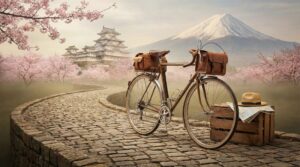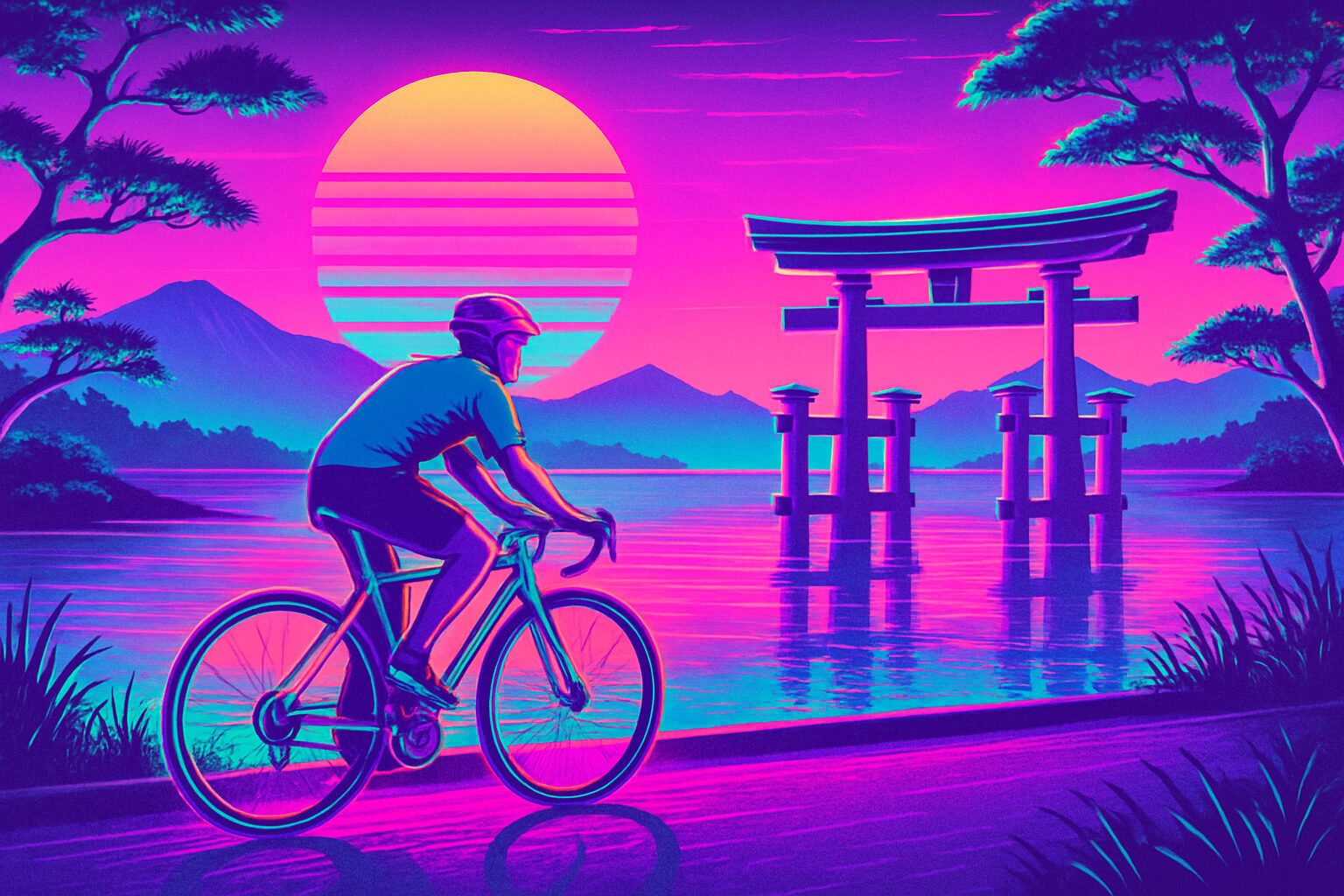
There exists a unique and deeply satisfying alchemy in combining the rigours of physical exertion with the restorative balm of profound comfort. It is a formula perfected in the art of the ‘Ride and Retreat’—a journey where the day’s cadence is set by the rhythmic turn of pedals along breathtaking landscapes, and the evening’s reward is an immersion in luxury, serenity, and nature. In Japan, a country where the appreciation for natural beauty is woven into the very fabric of its culture, this concept finds its most sublime expression along the shores of its iconic lakes. Here, the burgeoning world of ‘glamping’—glamorous camping—has fused with the nation’s passion for cycling to create unparalleled travel experiences. Imagine cycling through ancient forests with glimpses of a snow-capped volcano, followed by a gourmet meal cooked over an open fire under a canopy of stars, before retiring to a chic, climate-controlled cabin with panoramic views. This is not a mere holiday; it is a holistic recalibration of the senses, a dialogue between invigorating activity and tranquil repose. It is an invitation to explore the heart of Japan’s countryside, not as a passive observer, but as an active participant, feeling the contours of the land through your bicycle and absorbing its peace from the comfort of a luxurious haven. From the mythic presence of Mount Fuji to the vast expanse of Lake Biwa, these lakeside sanctuaries offer a sophisticated escape for the discerning adventurer, blending the wild with the wonderfully refined.
For a completely different urban cycling adventure, explore the electric energy of Tokyo’s fixed-gee scene.
The Majestic Backdrop: Cycling and Glamping at the Foot of Mount Fuji
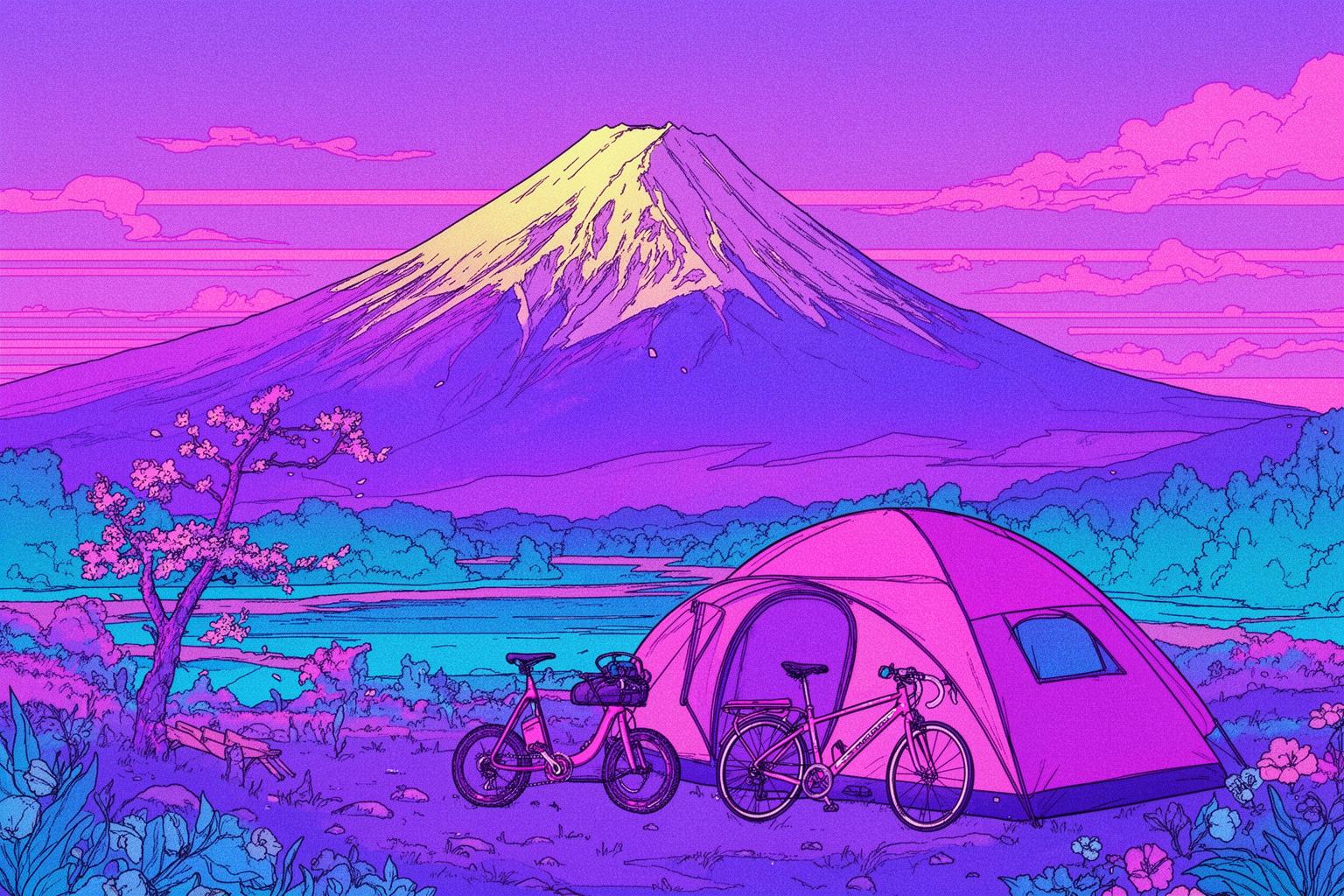
To speak of iconic Japanese landscapes is almost always to evoke Mount Fuji. This majestic volcano is far more than a geological wonder; it stands as a national emblem, a spiritual cornerstone, and an artistic muse for centuries. The Fuji Five Lakes (Fujigoko) area, located at the mountain’s northern base in Yamanashi Prefecture, provides the most intimate and engaging encounter with this towering giant. The lakes—Kawaguchi, Saiko, Yamanaka, Shoji, and Motosu—serve as natural mirrors, reflecting Fuji-san’s flawless cone in their serene waters. This region is a cyclist’s paradise, boasting a network of well-maintained roads and dedicated paths winding through forests, farmland, and quaint lakeside towns, all with the sacred mountain as a constant, awe-inspiring backdrop. It is here that Japanese glamping evolved into an art form, elevating camping into an experience of refined luxury.
Hoshinoya Fuji: The Trailblazer of Japanese Glamping
Situated on a hillside overlooking the tranquil Lake Kawaguchi, Hoshinoya Fuji is more than just accommodation; it is a destination itself. From the moment of arrival, it’s clear that this is a carefully crafted experience. There is no grand lobby—only a modest reception where guests select a stylish backpack containing essentials for their stay—binoculars, a headlamp, an inflatable cushion—before being driven up the steep slope in a Jeep. The ‘rooms’ are minimalist concrete cabins, each featuring a floor-to-ceiling glass wall that perfectly frames uninterrupted, cinematic views of Mount Fuji and the lake below. The design philosophy embraces elegant simplicity, ensuring nothing detracts from the natural spectacle outside. A private balcony with a bioethanol fireplace serves as your personal stage to watch the mountain’s changing moods, from the crisp alpenglow at dawn to the deep indigo hues of twilight.
The ambiance exudes sophisticated calm. The air carries the sharp, fresh scent of the surrounding red pine forest. The dominant sound is the whisper of wind through the trees, occasionally interrupted by distant birdcalls. The heart of the property is the Cloud Terrace, a series of wooden platforms linked by walkways climbing the hillside. Here, guests relax in comfortable chairs, sip coffee brewed over a campfire, or rest in hammocks suspended between trees, embracing the Japanese tradition of shinrin-yoku, or forest bathing.
The ‘Ride’ experience at Hoshinoya Fuji matches the retreat’s refinement. The resort supplies high-quality e-bikes, enabling cyclists of all abilities to explore the terrain with ease. A popular route is the 20-kilometer circuit around Lake Kawaguchi, which is mostly flat and offers continuous, breathtaking views of Fuji. Stops might include Oishi Park, where seasonal flower fields frame the mountain, or the Itchiku Kubota Art Museum, renowned for its exquisite kimono collection. For the more adventurous, a ride to nearby Lake Saiko offers a wilder, more secluded journey. This route passes through the dense, mossy Aokigahara forest—often misunderstood but strikingly beautiful—and traditional villages with thatched-roof houses. The electric bike’s assistance makes tackling hills effortless, turning the ride into pure pleasure.
Upon returning, the ‘Retreat’ deepens further. Dining at Hoshinoya Fuji is integral to the glamping experience. Guests may enjoy a multi-course dinner served in their cabin or opt for the interactive ‘Glamping Master’ experience, where a guide helps prepare a gourmet outdoor meal with a Dutch oven. The menu features local ingredients like Yamanashi beef and seasonal vegetables, cooked over fire on your private balcony—a truly elemental, gratifying culinary event. Evenings are spent by the main bonfire on the Cloud Terrace, where a musician might play gentle acoustic guitar, while guests savor a nightcap beneath the starry mountain sky. Hoshinoya Fuji brilliantly reimagines camping as minimalist luxury, where the ultimate indulgence is a profound connection with the stunning landscape.
Fuji Gran-Village – Egao no Wa: A Spacious, Sociable Haven
While Hoshinoya Fuji offers a secluded, almost monastic retreat, Fuji Gran-Village, closer to Lake Yamanaka, provides a more spacious and sociable environment, perfect for families or groups. As the largest and highest of the five lakes, Lake Yamanaka presents crisp, invigorating air. The glamping site occupies a vast area, imparting a sense of openness and freedom. Accommodations include large, futuristic dome tents and sleek square cabins called ‘Villas.’ Each unit is generously spaced for privacy and features a private deck, a dining area with a grill, and often a personal fire pit.
The atmosphere here is one of relaxed sociability. The design is modern and bright, with comfortable furnishings and hotel-like amenities, including private bathrooms and air conditioning. Yet, the dome tents’ canvas walls allow the sounds of nature to filter in, blending comfort with immersion. Children enjoy ample room to play, while communal spaces encourage friendly interaction without intruding.
The ‘Ride’ from Fuji Gran-Village focuses on the Lake Yamanaka cycling path. This 14-kilometer loop is nearly flat and separated from traffic, making it exceptionally safe and enjoyable for riders of all ages. Following the shoreline, the path offers panoramic views of Mount Fuji and the distant ‘Southern Alps.’ The lake buzzes with watersports, and the sight of windsurfers and swan-shaped paddleboats adds lively charm. Renting a bike is easy, with numerous lakeside shops offering everything from cruisers to tandem bikes. A relaxed circuit around the lake might take a couple of hours, with plenty of spots to pause for ice cream, visit a café, or simply absorb the view from a bench.
The ‘Retreat’ at Fuji Gran-Village centers on the classic pleasure of outdoor barbecue, elevated to gourmet heights. The resort provides carefully curated BBQ sets featuring premium local meats, fresh vegetables, and regional specialties like Hoto noodles. Grilling your own meal as the sun sets behind Mount Fuji, painting the sky in orange and purple, creates an unforgettable Japanese summer memory. After dinner, guests gather around private campfires to toast marshmallows or simply enjoy the warmth and crackle of flames, deepening the escape from everyday life. A local tip is to visit the nearby ‘Panorama Dai’ viewpoint at dusk, offering sweeping views of the lake with Mount Fuji overseeing the scene—a truly unforgettable sight as town lights begin to twinkle below.
Circling Japan’s Largest Lake: A Cyclist’s Paradise in Shiga
Heading west from the Fuji region, we encounter a body of water vastly different in scale and character: Lake Biwa in Shiga Prefecture. As Japan’s largest freshwater lake, Biwa-ko resembles a true inland sea, its history and culture deeply connected to the nearby former imperial capital, Kyoto. For over a millennium, it has inspired poets and artists alike. For today’s adventurer, its main attraction is the ‘Biwa-ichi,’ an approximately 200-kilometre cycling route that circles the entire lake. This renowned journey showcases an incredible variety of scenery, from lively lakeside cities and peaceful fishing villages to historic castles and tranquil temple gardens. The glamping facilities along its shores provide ideal base camps for undertaking this epic ride in luxurious comfort.
Glamp Element: Lakeside Sophistication, All-Inclusive
Located on the lake’s western shore, Glamp Element champions a philosophy of effortless luxury. Its standout feature is its all-inclusive approach, a relative rarity in Japan that transforms the experience into a truly relaxing retreat. From check-in onward, everything—gourmet meals, an extensive drink menu at the evening bar, and numerous activities—is included in the price. This eliminates all transactional hassle, allowing guests to fully immerse themselves in the moment. The property is elegantly arranged around a central pond that flows into the larger lake, with cabins and tents thoughtfully positioned for maximum privacy and waterfront views.
The ambiance at Glamp Element is one of refined tranquility. The staff are attentive but unobtrusive, and the facilities are impeccably maintained. Accommodation options include spacious, stylish cabins with rain showers and designer furnishings, whimsical ‘Lotus Tents’ that softly glow at night, and classic white dome tents. Each lodging features a private wooden deck that stretches over the water, perfect for reading, dining, or simply watching the shifting light on the lake’s surface. The gentle sound of water lapping the shore becomes the soundtrack of your stay.
The cycling ‘Ride’ from Glamp Element naturally focuses on the Biwa-ichi. The resort is ideally situated to explore the western and northern stretches of the route, often considered the most scenic. Guests can enjoy a manageable day trip cycling north toward the Kaizu Osaki peninsula, famed for its tunnel of cherry blossoms in spring, or head south to the historic city of Otsu. The resort offers bike rentals, including high-performance road bikes for serious cyclists and e-bikes for those preferring a leisurely pace. The Biwa-ichi route is exceptionally well-marked, with mostly flat terrain, making it accessible even to beginners. The joy of the ride lies in its diversity: one moment you cycle past terraced rice paddies; the next, you navigate the historic streets of Omihachiman with its canal network.
Where Glamp Element truly shines is in the ‘Retreat’ it offers. After a day on the saddle, guests return to a sanctuary of comfort. You might take a canoe or stand-up paddleboard out on the central pond as dusk falls. As evening nears, the central ‘Café & Bar’ opens for complimentary bar time, offering cocktails, local craft beer, or a glass of wine. Dinner is a highlight—an interactive multi-course meal often featuring Omi beef, one of Japan’s premier wagyu brands, grilled by you on your private deck’s gas barbecue. The ingredients are pre-prepared by the chefs, creating a fun, delicious experience. The evening ends around a communal bonfire, where guests can relax and share stories from their ride. The all-inclusive model nurtures a sense of community and complete relaxation, serving as a perfect antidote to a long day cycling.
Okubiwako Marvelous Camping Ground: Rustic Charm on the Northern Shore
For those seeking a more rustic, nature-immersed experience, the Okubiwako Marvelous Camping Ground at the lake’s secluded northern tip is an excellent option. ‘Okubiwako’ means ‘inner’ or ‘deep’ Lake Biwa, aptly describing this area’s remote, untouched beauty. This section feels wilder, with lush forests cascading to the water’s edge and far fewer signs of development. The campsite embraces this natural setting, offering a more traditional yet upscale camping experience.
The atmosphere here is one of peaceful seclusion, filled with the sounds of nature: rustling leaves, the cry of black kites overhead, and gentle splashes of fish in the lake. Accommodations consist of comfortable cabins in various sizes, all with decks and cooking facilities. While less overtly glamorous than other locales, the luxury lies in the direct, unfiltered connection to nature. You don’t just view the lake—you are on it, with the shoreline just steps from your door. The water clarity here in northern Lake Biwa is remarkable, and swimming or fishing directly from the shore is a common, delightful pastime.
From this northern vantage point, the cycling ‘Ride’ is particularly rewarding for nature lovers. The Biwa-ichi section along the northern shore is arguably the most beautiful and challenging, featuring gentle climbs that offer stunning elevated views of the lake and Chikubu Island shrine. A must-ride is the Kaizu Osaki peninsula, a four-kilometre stretch where hundreds of cherry trees form a spectacular pink tunnel in early April. Another popular destination is the Shizugatake mountain ridge, accessible by lift, offering a commanding historical perspective—it was the site of a decisive 16th-century battle—and breathtaking panoramas of Lake Biwa and the surrounding plains. Cycling here feels less like a lakeside outing and more like an exploration of rural Japan.
The ‘Retreat’ at Okubiwako centers on the joys of outdoor living. The focus is on cooking your own meals, whether barbecuing on your deck or simmering a hot pot over a portable stove. The nearby town of Kinomoto has charming local shops where you can buy fresh produce, fish, and sake to elevate your culinary efforts. Evenings are quiet and dark, perfect for stargazing. Without the curated activities of a formal glamping resort, the experience is more personal and self-directed. It’s about simple, profound pleasures: skipping stones on the water, watching the sunset with a cold drink in hand, and enjoying a quiet meal with the vast, silent lake as your companion. It’s a retreat for those who find luxury in simplicity, space, and a deep sense of place.
Island Hopping by Bike: The Shimanami Kaido and Coastal Glamping
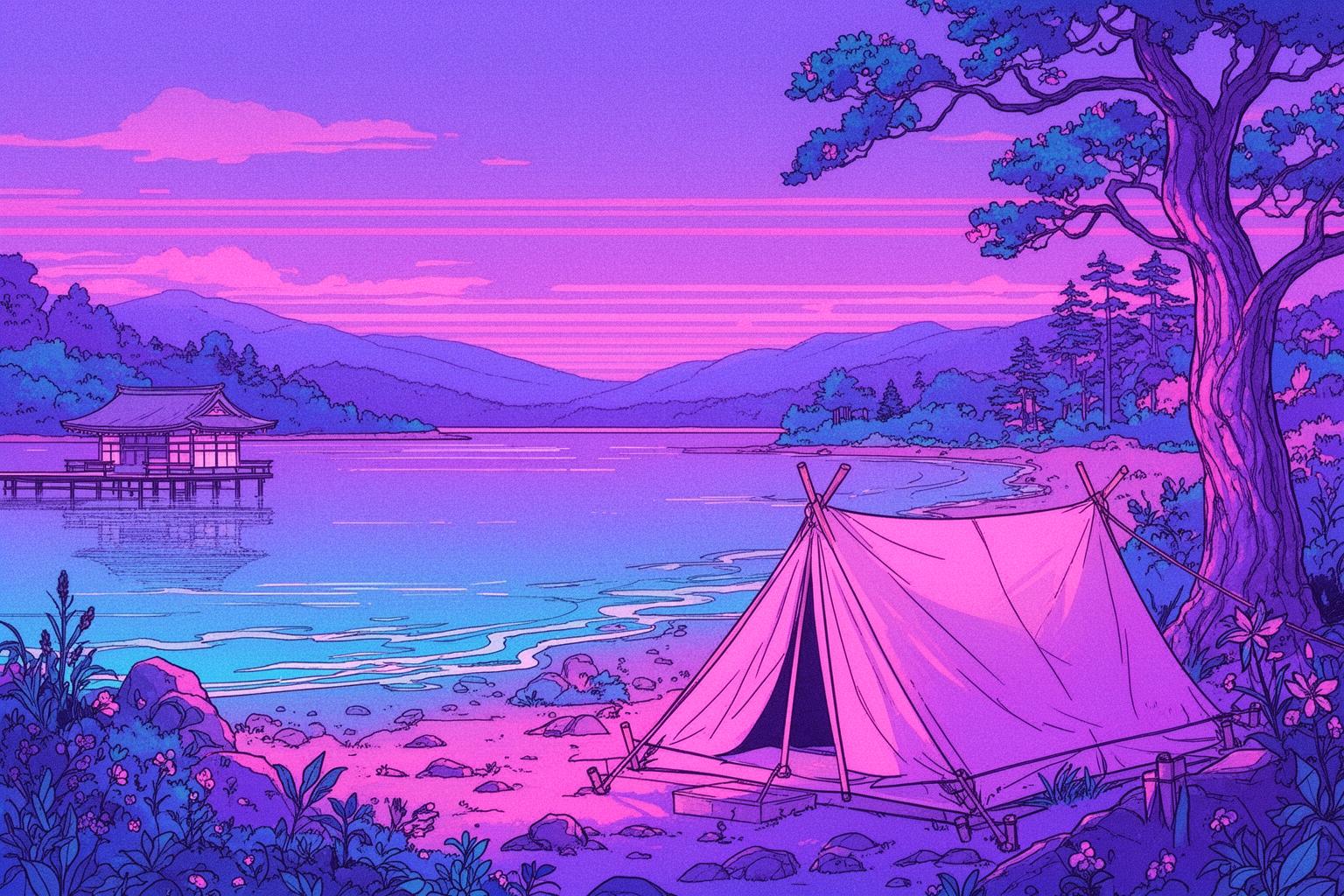
Heading further southwest, we leave behind the freshwater lakes and enter the sparkling saltwater of the Seto Inland Sea. This stunning body of water, protected by three of Japan’s four main islands, is scattered with thousands of islands and islets, creating a landscape that evokes the Aegean Sea. Here lies Japan’s most renowned cycling route, the Shimanami Kaido. This 70-kilometre feat of engineering is more than just a road; it’s a series of magnificent bridges and dedicated cycle paths that leap across six islands, linking Honshu, Japan’s main island, with Shikoku. Cycling high above the turquoise waters, with sweeping views of the island-speckled seascape, is an unforgettable experience. This journey perfectly embodies the ‘Ride and Retreat’ philosophy.
Setouchi Glamping: A Base for Maritime Adventures
While many accommodations line the Shimanami Kaido, luxury glamping is a newer and welcome option. Places like Setouchi Glamping, located on the islands or nearby coast, provide an ideal base for exploring this cycling haven. These sites usually feature modern dome tents arranged to maximize ocean views, offering a stylish and comfortable retreat after a day of island hopping.
The vibe is distinctly coastal and artistic. The air is tinged with salt and pine, and the light has a unique, radiant quality that reflects off the tranquil sea. The Setouchi region has experienced a cultural revival in recent decades, most notably through the Setouchi Triennale art festival, which has placed contemporary art installations and museums across the islands. This creative spirit infuses the area, fostering a sense of energy and thoughtful design. Staying here feels like being at the crossroads of nature, art, and adventure.
The ‘Ride’ takes center stage. The Shimanami Kaido exemplifies cycle-friendly infrastructure. The route is clearly marked with a blue line on the road, making navigation simple. It is almost entirely segregated from car traffic, and the bridge ramps were ingeniously designed with gentle slopes, making the climbs manageable for most cyclists. The real magic, however, is in the freedom to explore each island’s distinct character. Ikuchijima, known as ‘lemon island,’ is home to the beautiful Kosan-ji Temple and the Hill of Hope, a sprawling white marble sculpture garden. On Omishima, you can visit Oyamazumi Shrine, which safeguards a national treasury of ancient samurai armor. The route is dotted with excellent cafes, local restaurants serving fresh seafood, and charming guesthouses. You can complete the full 70-kilometre route in a single day or, more wisely, spread it over two days for a deeper appreciation of the islands’ hidden treasures. Baggage forwarding services allow you to send your luggage from start to finish, letting you ride without carrying your bags.
The ‘Retreat’ at a Setouchi glamping site centers on savoring the coastal bounty. After a day cycling under the sun, returning to a cool, air-conditioned dome provides welcome comfort. The highlight of the evening is invariably the barbecue, featuring the day’s catch from the Seto Inland Sea—succulent sea bream, octopus, and prawns—grilled to perfection on your private deck. Watching fishing boats’ lights begin to shimmer on the sea as the sun sets behind island silhouettes is deeply peaceful. The minimal light pollution in many parts of the region also offers spectacular stargazing. This retreat connects you to the rhythms of the sea and the unique, laid-back culture of these artistic islands. A tip for first-timers: start your ride from Onomichi on the Honshu side. The city, a charming, hilly port town, boasts a delightful temple walk and lively atmosphere, making it a perfect introduction to your cycling adventure.
Volcanic Vistas and Northern Air: Hokkaido’s Premier Lakeside Escape
Our final destination leads us to the far north of Japan, to the wild and expansive island of Hokkaido. Renowned for its majestic national parks, volcanic landscapes, and exceptional agricultural and dairy products, Hokkaido offers a distinctive flavour of ‘Ride and Retreat.’ Here, nature feels grander in scale, the air crisper, and the seasons more vivid. At the heart of Shikotsu-Toya National Park lies Lake Toya, a breathtaking caldera lake shaped by ancient volcanic activity. Its uniqueness stems from the presence of the active volcano Mount Usu on its southern rim and the cluster of forested Nakajima islands at its centre. The landscape is dynamic and geothermal, presenting a powerful and elemental setting for exploration.
The Lake View Toya Nonokaze Resort: A Resort with a Glamping Spirit
Though not a traditional tent-and-campfire site, The Lake View Toya Nonokaze Resort offers an experience that perfectly embodies the essence of a luxury retreat, deserving its place here. It delivers the ‘Retreat’ element in its most exquisite form, especially through its signature feature: the onsen, or natural hot spring bath. The hotel’s rooftop infinity onsen is truly spectacular. Immersed in the mineral-rich geothermal waters while overlooking the vast expanse of Lake Toya, with Mount Usu gently steaming in the distance, the experience borders on spiritual. It provides ultimate recovery for tired cycling muscles and a profound connection to the volcanic energy of the land.
The ambiance exudes grand comfort and refined service. The hotel is modern and stylish, with every room offering a magnificent lake view. Despite its size, it preserves a peaceful atmosphere. The design incorporates elements of Ainu culture, indigenous to Hokkaido, adding a distinctive layer of local character and history.
The ‘Ride’ around Lake Toya is simply delightful. A 40-kilometre cycling path circles the lake, offering a relatively flat and scenic journey. The route is adorned with 58 contemporary sculptures, forming an open-air art gallery that transforms the ride into a cultural treasure hunt. You can pedal through quaint onsen towns and pause for gelato made from fresh Hokkaido milk. The view continuously changes as you circle the lake, revealing various perspectives of the Nakajima islands and the imposing Mount Usu. The crisp, clean air of Hokkaido makes cycling here especially invigorating. Bicycles, including e-bikes, are readily available for rent in the main town of Toyako Onsen.
The ‘Retreat’ at Nonokaze Resort goes beyond the extraordinary onsen. Dining is a celebration of Hokkaido’s renowned produce. The lavish buffet presents an impressive variety of dishes, from fresh sashimi and crab legs to roast beef, artisanal cheeses, and exquisite desserts. It’s a feast that both refuels and delights. A unique highlight during a summer stay (late April to October) at Lake Toya is the nightly fireworks display. For 20 minutes each evening, a boat travels across the lake, launching colourful fireworks into the night sky. Witnessing this spectacle from the comfort of your room or even the rooftop onsen is a magical and unforgettable conclusion to a perfect day of riding and retreating. This blend of active exploration, geothermal relaxation, and culinary indulgence makes Lake Toya a truly world-class destination for a luxurious cycling escape.
The Philosophy of the ‘Ride and Retreat’ in Japan
The profound appeal of combining cycling and glamping in Japan is grounded in cultural philosophies that cherish both activity and reflection. Cycling through the landscape becomes a form of active meditation, demanding presence and awareness while linking the rider physically and directly to the environment—the effort of climbing, the thrill of descending, the scent of the forest after rain. This resonates with the Zen idea of ‘mindfulness in action.’ It transcends merely traveling from one place to another; it emphasizes the quality of the journey itself.
Complementing this is the ‘Retreat’ aspect, which draws on the Japanese appreciation for nature and tranquility. The concept of shinrin-yoku (forest bathing) is scientifically recognized in Japan for its health benefits, and glamping represents its modern, luxurious evolution. It offers a comfortable and immersive way to absorb the restorative power of natural surroundings. Additionally, the Japanese principle of omotenashi—a wholehearted and meticulous hospitality—shines through every detail of a high-end glamping experience. From the perfectly prepared BBQ setup to the thoughtfully provided amenities, the intention to care for every guest need fosters complete relaxation.
This fusion of invigorating do (movement, action) and serene zen (stillness, contemplation) creates a harmonious balance. It is a travel style that nourishes the body, calms the mind, and delights the senses, providing a profound sense of well-being that endures long after the journey ends. It reflects a deep understanding that true luxury lies not only in material comfort but in curated experiences that cultivate connection—to nature, culture, and oneself.
Practical Considerations for Your Japanese Cycling & Glamping Adventure
Embarking on a ‘Ride and Retreat’ journey in Japan is remarkably easy, thanks to the country’s excellent infrastructure and service culture. Nevertheless, a bit of preparation can make the experience even more enjoyable.
What to Pack and Prepare
Though glamping sites offer most amenities, your packing should focus on your activities. Bring layered clothing appropriate for cycling; even in summer, mountain and lakeside weather can shift rapidly. A lightweight waterproof jacket is always a smart choice. For cycling, padded shorts will greatly improve comfort on longer rides. While helmets and other gear are often available for rent, you might prefer to bring your own saddle or pedals for a better fit. Sunscreen and insect repellent are essential. Most glamping spots are casual, so comfortable clothes for relaxing in the evening are sufficient.
Renting Bicycles in Japan
Japan boasts an excellent bicycle rental network, particularly along its renowned cycling routes. You’ll find everything from standard cross bikes and city cruisers to high-performance road bikes and increasingly popular e-bikes. E-bikes are a fantastic choice, as they mitigate the challenge of hills and headwinds, allowing you to focus solely on enjoying the scenery. Major rental companies like Giant have outlets in key locations (e.g., near Lake Biwa and the Shimanami Kaido), and many glamping facilities maintain their own rental fleets or collaborate with local providers. It’s advisable to book your preferred bike in advance, especially during peak seasons.
Navigating and Etiquette
Japan is a safe and orderly country for cyclists. Always ride on the left side of the road, as cars do. Major cycling routes are very well signposted, frequently with markings directly on the pavement. For more remote areas, using a GPS app on your phone is recommended. While cycling, be considerate of pedestrians and obey general traffic laws. Within glamping sites and natural parks, respect is paramount. Keep noise to a minimum, especially in the evenings, and follow the ‘leave no trace’ principle by carrying out any rubbish you generate.
Choosing the Right Season
Each season offers distinct appeal for a cycling and glamping trip. Spring (March to May) is beautiful, with mild temperatures and iconic cherry blossoms, though it may be crowded. Summer (June to August) features lush green landscapes and long daylight hours, but can be hot, humid, and rainy. Autumn (September to November) is arguably the best season, with comfortable, crisp weather and breathtaking autumn foliage (koyo). Winter (December to February) offers the clearest air and spectacular views of snow-capped peaks like Mount Fuji, but cycling is mainly possible in milder regions, and you’ll need to be prepared for the cold.
An Invitation to the Open Road and a Quiet Fire
There is a subtle magic that unfolds on a journey like this. It begins with the soft hum of tires on asphalt, a rhythm that matches your own breathing as you pedal past ancient shrines, lush rice fields, and glistening waters. It is found in the simple joy of a well-earned coffee at a small, family-run café on a remote island. It culminates in the deep sense of peace that arises from watching the embers of a campfire glow against the vast, silent lake under a brilliant night sky. This is the heart of the ‘Ride and Retreat’ in Japan.
It is more than just a holiday; it is an experience that weaves together adventure, culture, and profound relaxation into a rich and unforgettable tapestry. It is an invitation to see Japan from a new perspective—at human speed, with the wind in your hair and the landscape unfolding before you at every turn. Whether you are tracing the shores of Fuji’s sacred reflection or cycling over the azure waters of the Seto Inland Sea, you are not merely passing through a place; you are connecting with it. So, embrace the open road, the quiet fire, and the luxurious comfort that awaits. Japan’s lakeside trails and retreats are ready to offer you a journey that will both invigorate your spirit and restore your soul.