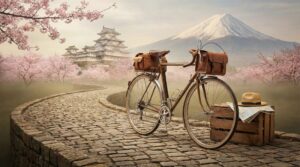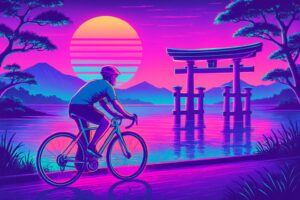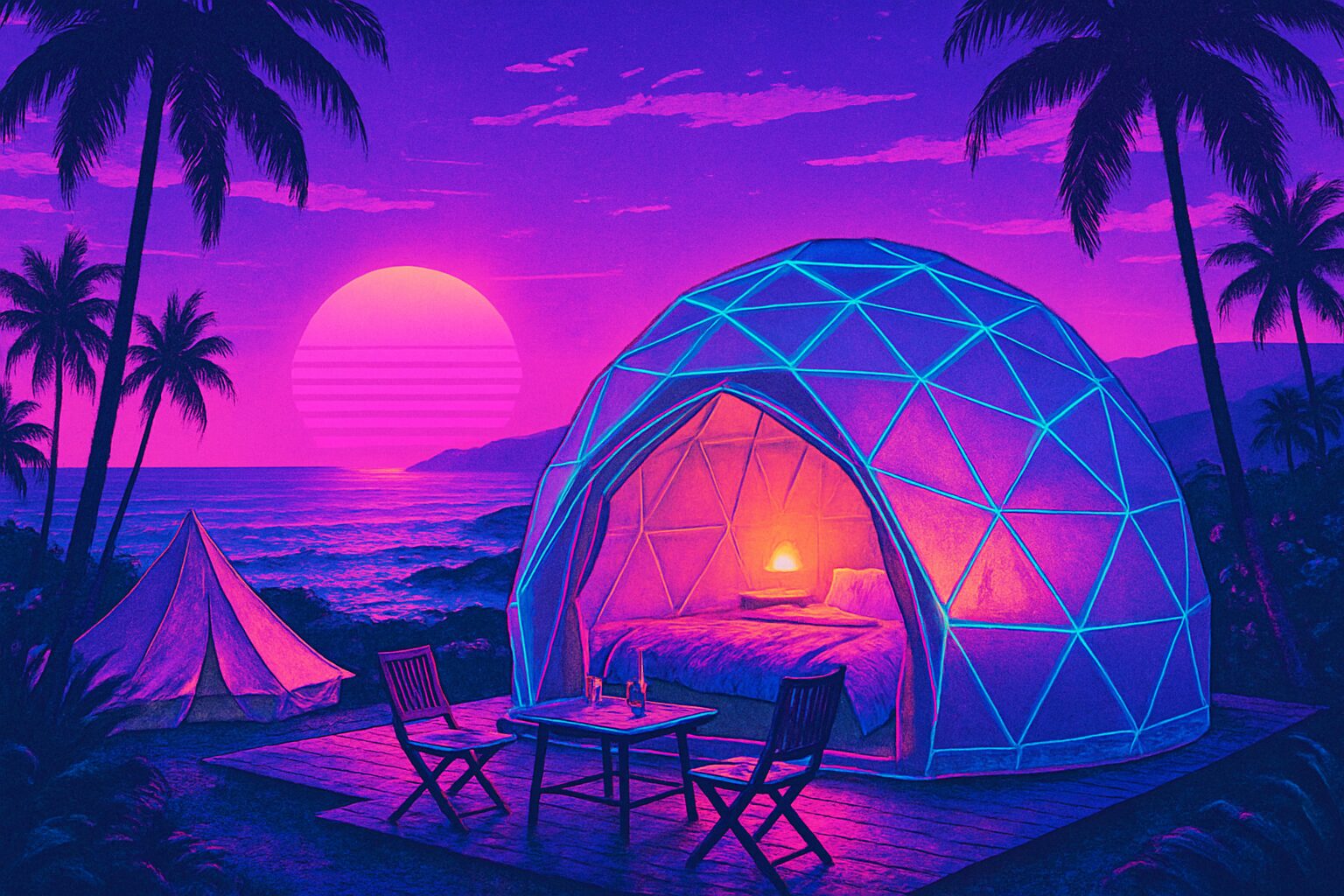
Yo, what’s the move? If you’re scrolling for a Japan trip that’s less about jam-packed trains and more about that main-character energy, you’ve hit the jackpot. We’re talking about the ultimate glow-up for your travel plans: pairing the boujee, cozy vibes of glamping with the absolute freedom of coastal cycling. It’s a whole mood. Forget just seeing the sights; this is about feeling them. Imagine waking up in a plush dome tent to the sound of waves, hopping on a bike, and just cruising. Wind in your hair, epic ocean views for days, and a legit, comfy bed waiting for you at the end of it all. No cap, this is the travel combo you didn’t know you needed. It’s about slowing down but also getting that adrenaline hit, seeing the real, unfiltered Japan that exists between the big cities. From the iconic island-hopping bridges of the Seto Inland Sea to the volcanic, dramatic coastlines near Mt. Fuji, Japan is serving up some seriously stunning routes. This guide is your official invite to ditch the ordinary and lean into an adventure that’s all about fresh air, fire views, and living your best life, one pedal stroke at a time. Let’s get it.
If you’re looking for a different kind of water-based cycling adventure, check out our guide to Japan’s premier lakeside ride and retreat escapes.
Shimanami Kaido: The G.O.A.T. of Island Hopping
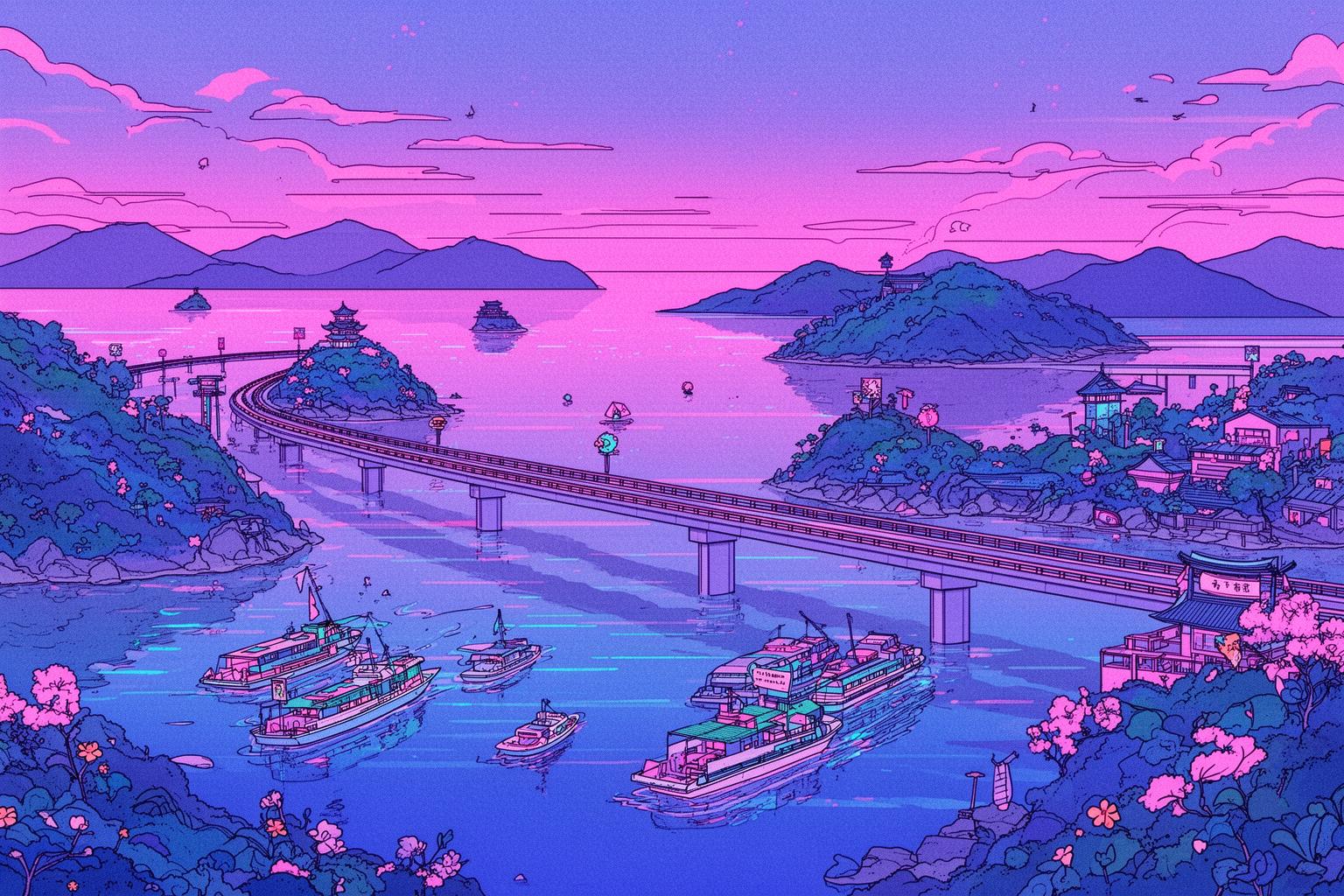
If there’s one spot that’s truly legendary in the Japan cycling scene, it’s the Shimanami Kaido. This isn’t just any road—it’s a 70-kilometer marvel where engineering meets nature, linking Japan’s main island of Honshu with Shikoku. You literally cycle over the ocean, hopping across six smaller islands via a series of stunningly beautiful bridges. The entire route is designed specifically for cyclists, marked by a well-known blue line on the pavement to guide you, letting you fully soak in the incredible atmosphere. This is the place you see all over the ‘gram, and trust me, it’s even more breathtaking in person.
The Vibe: Seto Inland Sea Serenity
The vibe here is pure, laid-back tranquility. The Seto Inland Sea is famous for its calm, sparkling waters and a climate reminiscent of the Mediterranean. The islands are dotted with quaint fishing villages, fragrant citrus groves (think lemons, mikan oranges, and more), and a pace of life that invites you to take a deep, refreshing breath. It’s less about rushing and more about savoring every moment. The locals are warm and welcoming, often cheering on cyclists from their porches. You’ll feel genuinely connected to this place, not just like another tourist passing through. The air carries the scent of salt and citrus, the sun feels pleasantly warm on your skin, and your only schedule is the one you set. It’s the kind of spot where pausing for an hour to enjoy a gelato made from local salt feels like the day’s best accomplishment. It’s a complete reset for your soul.
Glamping That Stands Out
After a day on the bike, you need accommodations that live up to the epic journey. The Shimanami Kaido area has seriously upped its game, with glamping options that are next-level.
One of the top picks is GLAMPROOK Shimanami on Omishima Island. This place spells luxury. Spacious, air-conditioned dome tents come with private decks overlooking the ocean. The biggest draw is their all-inclusive service, including gourmet meals featuring local Setouchi ingredients and unlimited drinks. Picture finishing your ride, refreshing with a shower in a sleek modern facility, then relaxing with a craft beer as the sun dips below the islands. Their chefs serve incredible dishes—fresh sea bream, local veggies, and premium meats you can grill on your own. It’s the ultimate way to refuel and unwind. The communal spaces are stylish and perfect for relaxing and swapping stories with fellow travelers.
For a different vibe, check out Setouchi Glamping in Imabari on the Shikoku side. This spot brings a classic camping feel mixed with luxury. You can pick from stylish bell tents or trailers. The highlight here is the BBQ experience, featuring a top-tier grill and a basket bursting with local delights—thick steaks, savory sausages, fresh seafood, and plenty of veggies. Grilling your own meal under the stars after a cycling day is unbeatable. The atmosphere is more laid-back and communal, ideal for those wanting to connect with nature and fellow adventurers.
Another standout is WAKKA, also on Omishima Island. It’s not just glamping—it’s a full cycling hub. You can rent quality bikes, get route tips, and even take a shower before checking in. Their accommodations are unique—sleek, modern cottages and trailer homes with minimalist Japanese design. The café on-site serves excellent coffee and snacks. WAKKA is perfect for serious cyclists who still want comfort and style. Its location makes it an ideal base to split the Shimanami Kaido into a two-day ride.
The Ride: Cycling Over the Ocean
The Shimanami Kaido route is the main attraction. Stretching from Onomichi in Hiroshima Prefecture to Imabari in Ehime Prefecture, this 70km path is a cyclist’s dream. Sure, you could power through it in a day, but that’s a huge missed opportunity. The best experience comes from taking your time to explore each island, turning it into a two- or three-day adventure. The trail is mostly flat and impeccably maintained, with dedicated ramps for bridges that keep you off busy roads. This makes it very accessible, even for casual riders. The feeling of cycling high above turquoise waters on massive bridges, with tiny islands beneath you, is unforgettable.
Route Highlights & Must-See Stops
Each island has its own character, and you’ll want to explore them all. Here’s the rundown.
- Innoshima Island: Famous for its pirate heritage (the Murakami Suigun). Check out Innoshima Suigun Castle to learn about these historic sea lords. It’s a quirky and fun historical stop.
- Ikuchijima Island: The art and dessert island. This island is part of the “Island-Wide Museum” project, with outdoor sculptures scattered along the coast. The main draw is Kosanji Temple—a wildly colorful and ornate complex built by a wealthy industrialist for his mother. Adjacent to it, stroll through the “Miraishin no Oka,” a huge white marble garden that feels otherworldly. After exploring, treat yourself at Dolce, a famous gelato shop known for flavors made from local citrus. Their lemon and salt gelatos are legendary.
- Omishima Island: The largest island and a cultural hotspot. It’s home to the Oyamazumi Shrine, an ancient and revered shrine dedicated to sea and mountain gods. It also displays an impressive collection of samurai armor and weapons—a must for history lovers. Omishima is where you’ll find WAKKA and GLAMPROOK, making it a prime place to stay overnight. Don’t miss the Tokoro Museum Omishima, a stunning modern art museum with breathtaking ocean views.
Pro Tips for the Ultimate Shimanami Experience
- Start from Imabari to Onomichi: Most riders begin in Onomichi, but the savvy move is to start from the Shikoku side (Imabari). This way, the prevailing wind tends to be at your back, plus you get the scenic Kurushima-Kaikyo Bridge right at the start, when you’re fresh.
- Rent a Quality Bike: Don’t settle for cheap rentals. Spending a bit more on a hybrid or road bike from reputable shops like Giant in Onomichi or Imabari will make your journey far more enjoyable. E-bikes are a lifesaver, especially on bridge ramps.
- Use Luggage Forwarding Services: Hauling bags while cycling is a hassle. Use a luggage forwarding service (Takuhaibin) to send your main luggage from your hotel in Onomichi to your glamping site or final hotel in Imabari. It’s affordable, reliable, and a total game-changer.
- Stay Hydrated and Snack Smart: While there are plenty of vending machines and convenience stores along the way, it’s wise to carry water and snacks with you. Don’t miss the roadside citrus stands—freshly squeezed mikan juice is a must-try.
Izu Peninsula: Fuji Views & Volcanic Coasts
If the Shimanami Kaido embodies relaxed island-hopping vibes, then the Izu Peninsula is its bold, fiery counterpart. Just a couple of hours from Tokyo by train, it feels like an entirely different world. As a geopark shaped by volcanic activity, the landscape features stunning rugged coastlines, black sand beaches, hidden hot springs (onsen), and on clear days, breathtaking views of the iconic Mount Fuji. The cycling here is tougher, with more hills and winding roads, but the rewards are truly spectacular. It’s perfect for adventurers seeking a challenging ride paired with incredible scenery.
The Scene: Onsen, Ocean, and Pure Zen
Izu offers a blend of upscale resort relaxation and wild, untamed nature. One moment you’re pedaling past a quiet fishing village with squid drying in the sun, and the next you’re climbing a twisting road with panoramic ocean views that take your breath away. The peninsula is steeped in onsen culture, where soaking in a natural hot spring after a long day of cycling feels like the ultimate treat. This is a place that feels both timeless and luxurious. The southern coast has a subtropical feel, with clear turquoise waters perfect for a refreshing swim mid-ride. Meanwhile, the western coast is known for its stunning sunsets. Izu invites you to challenge your body and soothe your soul all in one day.
Level-Up Your Stay: Izu’s Glamping Havens
The glamping options in Izu master the art of blending nature with upscale comfort, creating perfect retreats for relaxation.
UFUFU VILLAGE, located centrally, offers easy access to both coasts and mountains. Nestled in a lush valley, it features a range of accommodations—from classic dome and bell tents to charming trailer homes—each with its own private deck and BBQ area. The highlight is the on-site onsen, with large communal baths and reservable private family baths. Soaking in those volcanic waters after a long bike ride is pure bliss. The site is family-friendly with playgrounds and open spaces, yet equally appealing for couples and groups of friends.
For a truly unique experience, check out Inn the Park in Numazu, at the peninsula’s northern tip. Set in a city park, it boasts futuristic spherical tents suspended from trees where you literally sleep in floating orbs amid the forest, alongside more traditional dome tents on the ground. The concept focuses on harmony with nature. At night, the glowing tents evoke a magical Ghibli-like atmosphere. There’s a dining salon where a chef crafts course meals over an open fire and a cafe for your morning coffee fix. This glamping spot is as much about its innovative design as the comfort it offers.
Another standout is VINE GLAMPING Izu Shuzenji, which epitomizes luxury. Spacious dome tents come with private open-air onsen baths where you can soak under the stars in full privacy. Interiors are furnished with high-end pieces, cozy beds, and all the amenities you desire. Dinner is a gourmet BBQ course featuring premium local delicacies like Izu beef and fresh Suruga Bay seafood. It’s a splurge, but perfect for those wanting a challenging day’s ride paired with top-tier indulgence.
The Challenge: Coastline Climbs & Epic Payoffs
Cycling in Izu demands stamina but offers huge rewards. The smooth, tarmac roads wind through hills and along the sparkling blue sea, making for an exhilarating, dynamic ride.
Izu Cycling Routes Breakdown
- The Southern Coast (Minami-Izu): Often considered the most scenic part of the peninsula, this route runs from Shimoda to Cape Irozaki and then along the coast. You’ll encounter stunning beaches like Kisami Ohama and Yumigahama with their white sands and crystal-clear water. The road clings to cliffs with nonstop ocean views, though it’s hilly—an e-bike is recommended for less experienced climbers.
- The West Coast (Nishi-Izu): Famous for its dramatic sunsets and the striking rock formations of Dogashima, this route features various climbs and descents through quaint fishing villages. The highlight is “Lover’s Cape,” a viewpoint reached by a bit of a climb, offering incredible panoramic views, especially at sunset. It’s an undeniably romantic spot.
- The Jogasaki Coast: Located on the east side, this short cycling area is a must-see. You can park your bike and explore the spectacular coastal hiking trail featuring the Kadowaki Suspension Bridge that spans a rugged volcanic rock inlet and a picturesque lighthouse. The jagged volcanic coastline here is a stunning testament to nature’s artistry.
Izu Insider Info
- Wasabi is Life: Izu is the birthplace of wasabi cultivation. You’ll spot wasabi farms thriving in pristine mountain streams. Be sure to stop at a local eatery to taste freshly grated wasabi with soba noodles or a seafood bowl (kaisendon). It’s a world apart from the processed tube stuff—fresh, aromatic, and with a hint of sweetness.
- Seafood is King: Surrounded by water, Izu serves outstanding seafood. Look out for Kinmedai (splendid alfonsino), a local red fish delicacy often simmered in sweet soy sauce (nitsuke) or enjoyed as sashimi.
- Timing is Everything: Izu shines year-round but has seasonal highlights. In late winter (early February), Kawazu hosts an early cherry blossom festival showcasing pink blooms well before the rest of Japan. Spring and autumn offer ideal cycling weather, while summer is perfect for swimming but can be hot and humid for riding.
Boso Peninsula, Chiba: Tokyo’s Secret Seaside Getaway
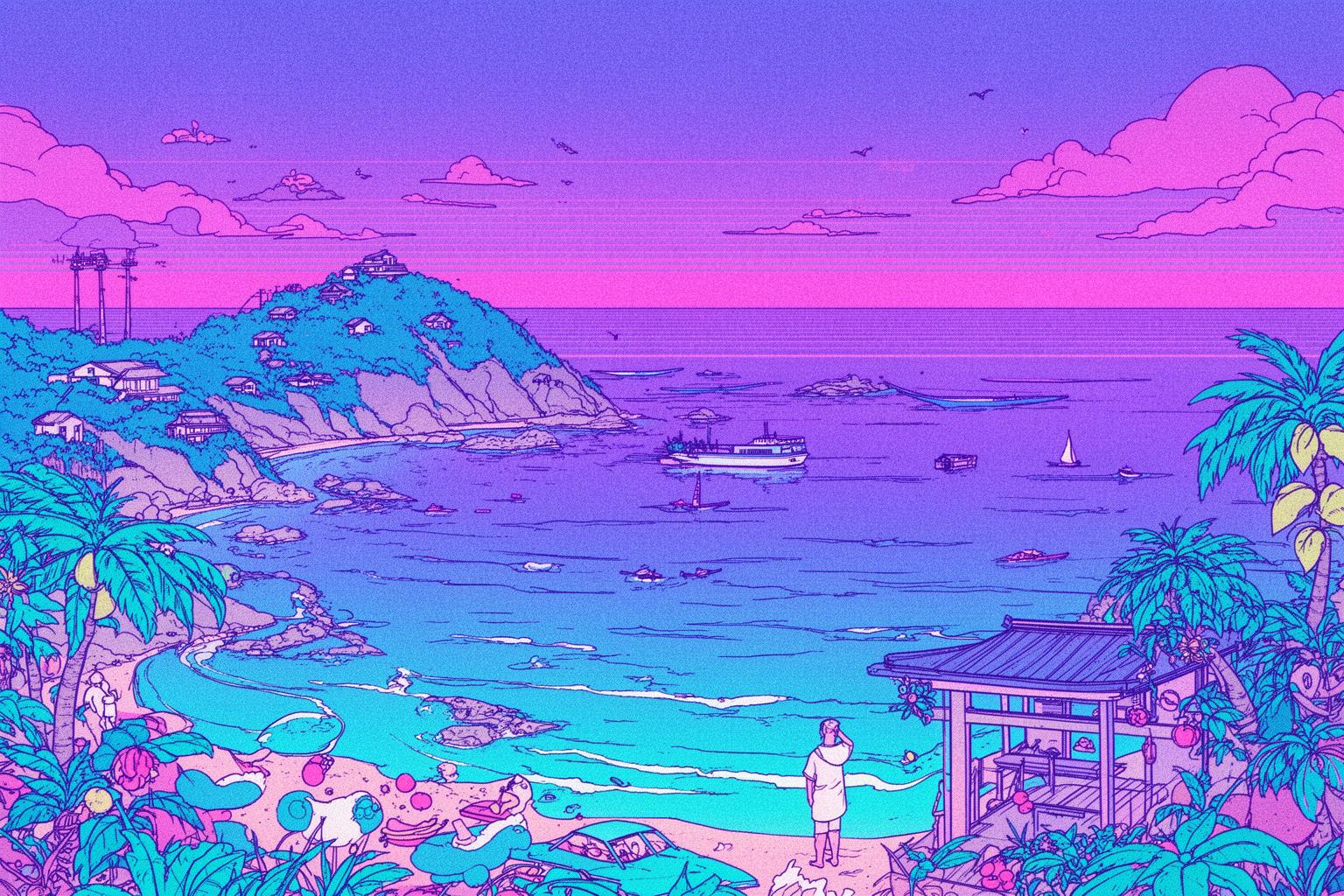
When Tokyo residents need a quick getaway to the coast, they head to Chiba. The Boso Peninsula serves as Tokyo’s backyard, but don’t be fooled by its closeness—this place exudes a super relaxed, laid-back atmosphere that feels far removed from the city’s hustle. While it may lack the dramatic suspension bridges of Shimanami or the volcanic cliffs of Izu, Boso has its own unique charm: gentle coastal roads, endless flower fields, sunny beaches, and some of the freshest seafood you’ll ever enjoy. It’s accessible, unpretentious, and ideal for a weekend glamping and cycling trip focused on simply unwinding and cruising.
The Mood: Low-Key Beach Town Vibes
Boso’s atmosphere is all about easy living. The southern part of the peninsula, called Minamiboso, is especially delightful. It’s a mosaic of small farms, fishing villages, and surf spots. The vibe is less about grand sightseeing and more about appreciating the simple pleasures: a fresh seafood meal at a seaside diner, a leisurely afternoon on the beach, a bike ride along a flower-lined road. It’s the kind of place where you can relax completely. The people are friendly, the pace is slow, and the sun seems to shine a little brighter here. It doesn’t pretend to be anything else, and that’s what makes it so appealing. It’s an iykyk (if you know, you know) destination for Tokyoites, and it’s about time the rest of the world discovered this secret.
Your Glamping Basecamp
Boso’s glamping scene often ties back to its agricultural roots, providing experiences that connect you deeply with the land.
The FARM is perhaps the most famous glamping site in Chiba, and understandably so. It’s a large complex combining glamping tents, a café, a BBQ area, and an onsen alongside an actual working farm. You can literally harvest your own vegetables and cook them for dinner. It’s a wholesome and enjoyable experience. The tents are spacious and cozy, set on wooden decks that offer plenty of privacy. It’s a fantastic place to connect with your food source while enjoying all the comforts of glamping. Waking up to fresh country air and then soaking in the relaxing onsen is an excellent way to start your day.
For those looking for something right on the coast, smaller, independent glamping sites near towns like Tateyama or Chikura are a good bet. Ocean’s Terrace Torami is an excellent example, offering stylish trailers and cabins with ocean views where you can fall asleep to the sound of the waves. These places often have a more intimate, boutique vibe, perfect for cyclists who want to be just steps from the sea. You can roll out of bed, jump on your bike, and be on a coastal ride within minutes.
Another popular spot is ETOWA KISARAZU. Situated on the Tokyo Bay side of Chiba, it serves as a great entry point for exploring the peninsula. It features cozy, private cabins scattered across a hillside, creating a village-like feel. Communal spaces are beautifully designed with fire pits and lounges, perfect for relaxing in the evening. It wonderfully marries nature with modern design.
The Cruise: Flower-Studded Roads & Lighthouse Views
Cycling in Boso tends to be more laid-back than in Izu. While some hills exist, there are many long, flat stretches of coastal road perfect for cruising. Although the cycling infrastructure isn’t as cyclist-specific as the Shimanami Kaido, traffic is generally light, especially once you move away from larger towns.
Boso’s Top Bike Routes
- The Boso Flower Line: This renowned scenic road follows the coast near the southern tip of the peninsula around Tateyama. In spring, the roadside bursts with canola flowers, poppies, and stock blooms. It’s a wonderfully vibrant and picturesque ride. Along the way, you’ll pass several lighthouses including Nojimasaki Lighthouse at the southernmost point, which you can climb for sweeping panoramic views.
- Hojo Beach and Tateyama Bay: The Tateyama area is perfect for a gentle ride. The bay is calm, with a pleasant coastal path. Hojo Beach offers a long sandy stretch ideal for a rest stop. On clear days, Mount Fuji can be seen across the water—a truly stunning sight.
- The Uchibo and Sotobo Coasts: The Boso Peninsula boasts two coastlines. The west side facing Tokyo Bay is called the Uchibo (inner) coast, while the east side facing the Pacific Ocean is the Sotobo (outer) coast. The Sotobo coast is more rugged and favored by surfers. A ride along this route takes you through surf towns like Onjuku and Ichinomiya. Meanwhile, the Uchibo coast is typically calmer, offering excellent options for loop courses or point-to-point rides exploring both shores.
Don’t Overlook Boso
- Seafood, Seafood, Seafood: Boso’s seafood is incredibly fresh. Seek out places serving “kaisen-don” (sushi rice bowls topped with fresh sashimi) or “hamayaki” (grilling freshly caught seafood at your table). Katsuura is famous for its bonito (katsu-o) catch.
- Peanut Power: Chiba is Japan’s top producer of peanuts. Make sure to try peanut-flavored ice cream or pick up some local peanut snacks. It’s a regional specialty that’s surprisingly tasty.
- Hidden Cafés and Bakeries: Boso is sprinkled with charming cafés and bakeries, often run by former Tokyo residents seeking a slower pace. Exploring the backstreets of towns like Hojo or Chikura can lead you to delightful finds. Grabbing a fresh pastry and coffee makes the perfect mid-ride treat.
Hokkaido’s Wild North: Grand Scenery, Grand Adventure
Alright, let’s change direction and head far up north to Hokkaido. While other destinations offer sunny, warm coastal vibes, Hokkaido showcases raw, epic, untamed nature. It’s Japan’s final frontier—a land of vast landscapes, deep blue seas, and a profound sense of wilderness. The cycling season here is shorter (late spring to early autumn), but when it arrives, it’s utterly spectacular. A glamping and cycling trip in Hokkaido is perfect for those who seek space, adventure, and scenery on a grand scale. It’s a distinct kind of energy—wild and powerful.
The Feeling: Untamed, Fresh, and Free
Hokkaido exudes a sense of overwhelming freedom. The roads are wide and often deserted, stretching for miles through rolling hills and dramatic coastlines. The air is crisp and clean. Everything feels larger—the mountains, fields, and ocean views. It’s a place that humbles you in the best way possible. This isn’t the meticulously manicured Japan of temples and gardens; it’s a land shaped by harsh winters and volcanic activity. The culture here is unique, enriched by the history of the indigenous Ainu people, which adds a deep layer to the region’s identity. It’s a destination for adventurers willing to put in the effort for a view that will linger forever in their memory.
Glamping Under the Stars
Glamping in Hokkaido means fully immersing yourself in the vast natural surroundings, but with plenty of comfort to protect you from the elements.
Many top glamping sites are located near popular nature spots like Lake Toya and the Niseko area, which make excellent bases for coastal cycling day trips. The Lake Suite KO no SUMIKA, for instance, features luxurious suites with private open-air baths overlooking the stunning volcanic Lake Toya. Though not traditional tents, they perfectly embody the glamping spirit of nature combined with luxury. Waking up to a misty lake view is an unforgettable experience.
In Niseko, famous for its winter skiing, several summer glamping options have emerged. Niseko Cottage Bongo offers cozy, well-appointed cottages and tent sites, providing a great base for exploration. The focus here is on outdoor living, with ample space for BBQs and campfires. The night sky in Hokkaido is extraordinary. With minimal light pollution, the Milky Way shines brilliantly. Glamping here is all about that cosmic connection.
For a genuine coastal experience, seek out sites on the Shakotan Peninsula. While dedicated glamping facilities are still developing, some auto-camp sites provide high-end cabins or rental setups with a similar vibe. The key is to find a base that lets you wake up close to the action.
The Journey: The Shakotan Blue & Volcanic Loops
Cycling in Hokkaido is characterized by long distances and stunning rewards. The roads are well-maintained, and drivers are generally considerate of cyclists. Prepare for changing weather—even in summer—and always bring layers.
Hokkaido Cycling 101
- The Shakotan Peninsula: This ride is a must. The peninsula juts into the Sea of Japan and is renowned for the “Shakotan Blue,” a uniquely deep and vibrant shade of blue water. The coastal road loops around the peninsula, passing stunning cliffs, unusual rock formations, and breathtaking ocean views. The ride to Cape Kamui is a highlight. You’ll need to leave your bike behind and walk the last stretch along “Charenka’s Path,” a narrow ridge, but the 270-degree ocean view at the end is absolutely worth it. It’s a challenging ride with some climbs, but one of Japan’s most scenic coastal routes.
- The Lake Toya Loop: Although a lakeside ride, Lake Toya is a huge volcanic caldera lake, and its proximity to the coast (Uchiura Bay) connects it to the same ecosystem. This 40km loop around the lake is relatively flat and incredibly beautiful. You’ll enjoy views of the active volcano Mt. Usu and Nakajima Island in the center of the lake. It’s an excellent route for a more relaxed ride, with plenty of cafes and viewpoints along the way.
- The Otaru to Yoichi Route: Starting in the charming canal town of Otaru, this coastal ride leads to Yoichi, home of the famous Nikka Whisky distillery. The route features a mix of industrial and natural scenery. The reward at the end? A tour and tasting at one of Japan’s finest whisky distilleries.
Hokkaido Hacks
- Uni is a Religion: The Shakotan Peninsula is famous for its uni (sea urchin), available only briefly in summer (usually June to August). It’s regarded as the best in Japan. A bowl of rice topped with fresh, sweet, creamy uni is a transformative culinary experience. Signs for “uni-don” are everywhere—don’t miss it.
- Dairy Dreams: Hokkaido is Japan’s dairy heartland. The soft-serve ice cream here is exceptional. Every rest stop and tourist spot offers it, so make it your mission to try as many as you can. The milk, cheese, and butter are also outstanding.
- Beware the Bear: This is wild country, and brown bears (higuma) do inhabit Hokkaido. While encounters on main coastal roads are unlikely, it’s wise to stay alert, especially on remote forest roads. Making noise—such as with a bear bell on your bike—is a common deterrent. Remember, you’re in their territory.
- Dress in Layers: Hokkaido’s weather can be unpredictable. A sunny day can quickly turn cool and windy, especially along the coast. Always carry a windbreaker and extra layers, even in midsummer.
Your Pre-Trip Glow-Up: Japan Cycling & Glamping FAQ
Preparing for your big adventure? Bet. Here’s a quick guide with some practical tips to ensure your trip is smooth sailing and totally epic.
Packing Essentials: What You Need to Know
Besides your usual travel gear, a few items will really enhance your glamp-and-cycle experience. Padded cycling shorts are an absolute must-have for comfort. A lightweight, packable rain jacket is essential since weather can be unpredictable. Quick-dry clothing is a lifesaver. For glamping, bring comfy lounge clothes and easy slip-on shoes (like sandals or Crocs) to relax at the campsite. A portable power bank is a smart addition to keep your gadgets charged for all those photo moments.
Renting a Bike: The Basics
Unless you’re a pro bringing your own bike, renting is your best bet. On popular routes like the Shimanami Kaido, rental stations at both ends let you drop off your bike at the opposite side. Choices range from standard city bikes to hybrids, road bikes, and e-bikes. My tip? Spend a bit more on a high-quality hybrid or e-bike. Your body will thank you—especially on the hills. Be sure to reserve your bike ahead of time, especially during peak periods like Golden Week or autumn weekends, as they fill up quickly.
When to Go: Seasonal Highlights
Spring (April-May) and Autumn (October-November) are the best times for cycling in most of Japan (except Hokkaido). The weather is mild, humidity low, and scenery spectacular with cherry blossoms or colorful autumn leaves. Summer (June-August) can be hot and humid, making cycling tough, but it’s perfect for swimming and is prime season in Hokkaido. Winter is usually too cold for casual cycling in most areas, though southern spots like Boso stay mild.
About the Vibe Called ‘Otsukaresama’
You’ll hear this phrase a lot in Japan. It literally means “You are tired,” but its meaning runs deeper. It’s a way of showing respect and acknowledging someone’s hard work. When passing other cyclists, a nod, wave, or a quiet “otsukaresama” is a friendly gesture of camaraderie. It’s a small but meaningful part of Japan’s cycling culture—a mutual recognition that everyone’s out there working hard and enjoying the ride. Embrace it!
So there you go—the ultimate plan for a Japan trip that’s anything but ordinary. Combining the freedom of two wheels with the cozy luxury of glamping is more than a vacation; it’s a chance to connect with the landscape, culture, and yourself in a new way. It’s about earning breathtaking views and then rewarding yourself with a comfy bed under the stars. Whether you pick the iconic bridges of Shimanami, the dramatic coasts of Izu, the laid-back beaches of Boso, or the wild expanses of Hokkaido, you’re in for an adventure that’ll fill your camera roll and your soul. So, what are you waiting for? The open road is calling.