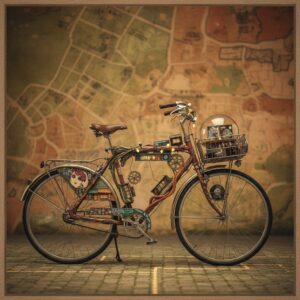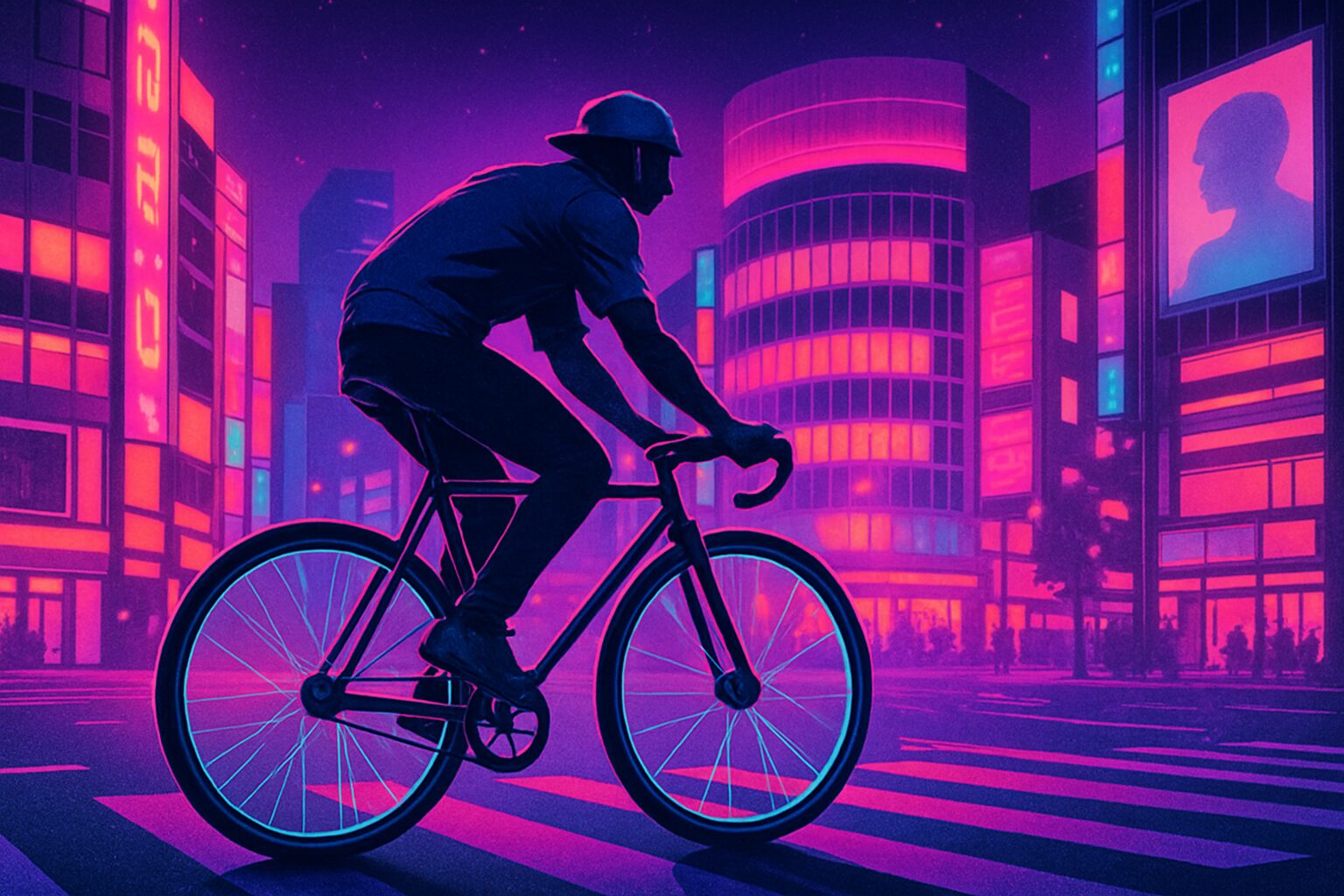
Yo, what’s the move? Let’s talk about a vibe that’s pure, uncut Tokyo. We’re not talking about the quiet temples or the super polite train announcements. Nah, we’re dropping into a different current, a raw, kinetic energy that flows through the city’s concrete veins after the sun dips low. It’s the sound of a single cog clicking, the whisper of skinny tires on wet asphalt, and the blur of neon reflecting off a chrome steel frame. This is the world of Tokyo’s fixed-gear scene, a subculture that feels like a time capsule from 2006, when being a bike messenger was the peak of urban cool and your bike was an extension of your soul. And the absolute, undisputed heart of this whole scene? The chaotic, beautiful, electric maze of Shibuya. Forget the tourist view from the Starbucks window overlooking the Scramble. We’re going street level, diving headfirst into the back alleys and hidden inclines where the real city breathes, lives, and rides. This isn’t just about getting from A to B; it’s a high-stakes ballet, a conversation with the city itself, powered by nothing but your own two legs and a whole lot of nerve. It’s a feeling of freedom so intense it almost hurts, and once you feel it, you’ll be chasing that high forever.
To truly immerse yourself in this urban rhythm, you’ll need the perfect soundtrack, so check out our ultimate city pop cycling playlist for your next ride.
The Ghost in the Machine: Chasing the 2006 Messenger Vibe

Let’s set the scene properly. It’s 10 PM in Shibuya. The main crossing remains a pulsating mass of humanity, but we slip away into the narrower streets where the glow of a thousand signs colors the pavement in shades of electric blue and magenta. The air is thick with the scent of yakitori smoke and damp concrete. This is where the magic unfolds. The feeling we’re chasing isn’t from this decade. It’s a throwback, a distinct frequency from the mid-2000s. This was the golden era, when fixie culture burst out of the courier world and onto the global stage. It was pre-hype, pre-mainstream. It was all about raw function and gritty style. Picture dog-eared Chrome messenger bags worn impossibly tight, beaten-up Vans, and a strong distrust of anything with a derailleur. The philosophy was simple: less is more. No gears to shift, no coasting, and for the purists, no brakes. Your legs were both the engine and the braking system. This creates an unparalleled connection to the bike and the road. You feel every subtle gradient, every change in texture on the pavement. You’re not just riding on the city; you’re hardwired into its very rhythm.
This 2006 vibe is more than just an aesthetic; it’s a mindset. It’s about skill. It’s about reading the city like a book. You don’t just see a red light; you see the timing of the entire intersection. You don’t just see a crowd of pedestrians; you notice the gaps, the paths of least resistance, the subtle cues in their body language that reveal their next move. Riding a fixed-gear brakeless through Shibuya is an exercise in hyper-awareness. It’s a flow state. The rest of the world fades away, leaving just you, your machine, and the endless urban obstacle course. The adrenaline is a constant companion, a low hum beneath the surface that spikes when you perfectly execute a skid stop just inches from a taxi’s bumper, or when you thread the needle between a delivery truck and a mass of shoppers. It’s a dance with chaos, and for a few fleeting moments, you become its master. This feeling, this pure, unfiltered focus, is the essence of the fixie experience. It’s why people fall in love with it. It’s a rebellion against the passive consumption of the city—a way of actively engaging with it on the most visceral level imaginable.
The Steel Soul: Deconstructing the Tokyo Pista Bike
To truly grasp the scene, you need to understand the bikes. They’re more than mere tools; they are revered objects, each one a distinctive reflection of its owner’s personality and philosophy. In Tokyo, the frame hierarchy crowns one undisputed king: NJS. This acronym, found stamped on the bottom bracket of the most sought-after frames, stands for Nihon Jitensha Shinkōkai, the governing body of Japanese Keirin—the intense, high-stakes track racing that’s a major betting sport in Japan. For a part to earn NJS certification, it must be handmade in Japan to impeccably precise standards of quality and durability. These are not mass-produced items; they are masterpieces crafted by master artisans, or shokunin, who have devoted their lives to perfection.
An NJS frame is a marvel. It features hand-filed lugs, razor-thin steel tubing that resonates with high tensile strength, and paint finishes that are deeper and more complex than a galaxy. Often adorned with metallic flakes that sparkle under streetlights, they emit a subtle hint that says, “I’m special.” Brands like Nagasawa, Kalavinka, Samson, and 3Rensho are spoken of with the same admiration that art collectors reserve for Picasso or Rembrandt. Owning one makes a statement, connecting you to a lineage of pure, uncompromised racing performance. The geometry is aggressive and compact, built for explosive speed on the velodrome, translating into a twitchy, extraordinarily responsive ride on the street. It’s a bike that demands your complete focus—a thoroughbred eager to run. Finding one is difficult and expensive, but for the devoted, it’s a holy grail.
Yet the scene isn’t solely about NJS elitism. The streets form a melting pot. You’ll find those pristine Keirin builds parked next to gritty, sticker-covered trick frames and practical conversions. The common denominator is purpose and personality. The components tell a story. Wide, chopped riser bars hint at a rider who values control and comfort for navigating traffic. A slammed stem paired with deep track drops signals a hunger for speed and an aggressive sprinting posture. The crankset might be a classic, durable Sugino 75, a Keirin racing staple. The hubs could be silky smooth, high-flange Phil Woods or Dura-Ace units, built to outlast the rider. Wheels introduce another layer of conversation: classic hand-laced box rims present a timeless look, while deep-V rims like H Plus Son, defining the mid-2000s aesthetic in loud anodized colors, offer a modern statement. It’s a culture of connoisseurship, where every component, down to the chain and toe clips, is a deliberate choice. This careful curation forms a mode of expression, crafting a machine that perfectly mirrors your riding style and your role in the urban environment.
Then there’s the perennial debate: brakes or no brakes? Legally, having at least one brake in Tokyo is mandatory, and police occasionally crack down on brakeless riders. But for purists, riding without brakes is central. It represents total commitment. It demands a smoother, more anticipatory riding style—you can’t just panic-grab a lever; you must think several steps ahead, using your legs to modulate speed through pedal backpressure and, when necessary, locking them for a controlled skid. This skill often takes months, if not years, to master and is a badge of honor within the community. Though controversial, it’s deeply rooted in the philosophical heart of the hardcore messenger-style scene—an ultimate embodiment of the “less is more” ethos.
The Concrete Jungle Gym: A Ride Through Shibuya’s Veins
Let’s dive in. The ride starts, as it must, at the Shibuya Scramble Crossing. To an ordinary person, it’s a nightmare of human traffic. To a fixie rider, it’s the first challenge. It’s all about timing the lights, catching the rhythm of the crowd’s ebb and flow, and gliding through the chaos like a ghost. It’s an intense adrenaline rush right from the beginning. But the real journey begins once you break away from the main streets. We turn into Center Gai, the primary pedestrian thoroughfare. It’s narrow, crowded, and demands slow-speed balance and precision. A flawlessly executed track stand—balancing still on the pedals, waiting for an opening—is as rewarding as any high-speed sprint.
From Center Gai, we push further. The city slopes upward. We’re making our way towards Dogenzaka, the hill known for its concentration of clubs, bars, and the infamous “Love Hotel Hill.” This is where your legs start to burn. Climbing uphill on a fixed gear is a test of pure strength and rhythm. There are no easier gears to shift into. It’s just you versus gravity. The burn in your quads is real, but so is the satisfaction of topping the hill, your heart pounding in your chest. The descent on the other side is the payoff—a controlled drop where you use your legs to brake, the wind rushing past your ears.
Now for the best part. We cut across and find the entrance to Cat Street. This is the cultural heartland. It’s a long, winding pedestrian street connecting Shibuya to Harajuku. It’s more than a road; it’s a runway. Lined with the coolest skate shops, vintage boutiques, and indie brand flagships, this is where street style thrives. Riding down Cat Street feels like being in a parade. You see other riders, skaters, and the impossibly fashionable youths of Tokyo. You exchange a subtle nod with another rider on a stunning NJS build. You admire the graffiti on a roll-down shutter. The pace here is slower, more intentional. It’s about seeing and being seen. It’s the social core of the ride, where bikes intersect with fashion, art, and music.
Beyond Cat Street, opportunities open up. We could push into the even more frenetic energy of Harajuku, dodging tourists on Takeshita Street, or choose a more relaxed route. A favorite is climbing Koen Dori, the broad street leading past department stores toward Yoyogi Park. Yoyogi is a sanctuary. It’s a vast green lung in the city’s heart, and on weekends, a gathering spot for every subculture imaginable. Any given Sunday, you’ll find a corner where fixie riders congregate, practicing skids, track stands, and just hanging out, talking parts, showing off their latest builds. It’s a place to rest, recharge, and connect with the community before plunging back into the concrete chaos.
But the true soul of a Shibuya ride lies in the unnamed alleys, the tiny yokocho branching from the main roads. These places don’t appear on tourist maps. They’re so narrow you can touch both walls. You ride over ancient, uneven paving stones, past the back doors of tiny ramen shops with steam pouring out, under a tangle of overhead wires that seem to blot out the sky. It’s in these quiet, forgotten spaces that you feel the city’s history. You discover a hidden shrine, a piece of incredible street art, or a bar that seats only five people. This is exploration at its purest. It’s the bike’s greatest gift: the freedom to get lost on purpose, to follow your curiosity, and to see a side of Tokyo most people never experience.
The Tribe: Finding Your People in the Spoke and Steel
This scene, this entire atmosphere, would mean nothing without the people. It’s a community forged by a shared passion that borders on obsession. At the heart of this community are the bike shops—but they are far more than mere retail spaces. A place like Blue Lug in Hatagaya is a cultural landmark. The moment you step inside, you’re greeted by the scent of rubber, chain lube, and fresh coffee. The walls are like an Ali Baba’s cave, stocked with beautiful and rare bike parts from around the world. The staff aren’t just salespeople; they are lifelong enthusiasts, mechanics, and riders with encyclopedic knowledge of the craft. You can drop by simply to hang out, leaf through a Japanese cycling magazine, and chat about bikes. These shops are where friendships are formed, rides are planned, and newcomers receive advice without judgment. They are the foundation of the entire scene.
The community also gathers in less formal places. Coffee shops with a relaxed vibe and ample outdoor seating serve as ideal spots for pre-ride meetups. You’ll often see five or six stunning track bikes lined up against a wall, their owners sipping iced lattes and plotting a route. It’s a low-key social ritual, a moment to catch up before the adrenaline kicks in. Classic late-night ramen shops are the favored post-ride destination, a place to refuel and relive the ride’s highlights over a steaming bowl of noodles. The shared experience of navigating the city together, pushing your physical limits, fosters a strong bond.
Then there are the rides themselves. Sometimes it’s just a few friends deciding to hit the streets, but often there are more organized group rides, especially at night. Events like the Tokyo Night Fixed Gear Ride attract massive crowds. The sight of a hundred bikes, their blinking lights reflecting off frames and rims, flowing through the empty boulevards of nighttime Tokyo, is awe-inspiring. It feels like a beautiful, silent stampede. The pack moves as one, taking over entire lanes, weaving around obstacles with a collective intelligence. Riding in such a large group is an entirely different experience. You feel the energy of the pack, the safety in numbers, and the pure, unfiltered joy of owning the city for a few hours. It’s a powerful testament to the community’s strength and presence, a rolling celebration of shared identity.
The Philosophy: It’s Deeper Than Just Riding a Bike
To truly grasp the Tokyo fixie scene, you need to understand that it’s deeply connected to some fundamental Japanese cultural concepts. The fascination with NJS frames, for instance, perfectly embodies monozukuri—the Japanese spirit of craftsmanship. It represents a profound respect for the art of making things, for the dedication, skill, and soul a craftsperson invests in their work. An NJS frame is more than just a product; it’s the result of a lifetime of expertise. This appreciation for quality and detail permeates every component of the bike. Riders spend hours researching the ideal handlebar or the most durable bottom bracket. It’s a celebration of well-made, built-to-last objects.
There’s also an element of wabi-sabi, the traditional aesthetic embracing transience and imperfection. While a brand new, flawless NJS build is beautiful, a bike worn hard over the years carries its own unique charm. The small scratches on the paint, the worn pedal straps, the patina on a leather saddle—these are not flaws. They are signs of character. They tell stories of miles ridden, close calls, and a life lived on city streets. A well-used bike is a beloved bike, with its imperfections serving as a record of its journey. This contrasts sharply with consumer culture’s never-ending pursuit of the new and shiny.
The bike also undeniably functions as a fashion accessory. The fixed-gear boom of the 2000s had a huge influence on streetwear, an impact still visible today. The need for functional clothing that wouldn’t snag on a chain popularized cuffed or pegged trousers. The cycling cap, or casquette, transitioned from the velodrome to the streets. Messenger bags became a common urban accessory, even among non-cyclists. The scene has its own uniform, blending skate culture, workwear, and classic cycling gear. It’s a look that’s both practical and effortlessly stylish.
And the vibe can’t be separated from its soundtrack. The rhythm of pedaling, the heartbeat of the city—they sync perfectly with a particular style of music. For many, that sound is the instrumental, jazzy hip-hop of artists like Nujabes. His music has a contemplative, melancholic yet driving quality that perfectly captures the mood of a solo night ride through Tokyo. It’s the sound of streetlights reflecting on wet pavement, creating a private world moving through a public space. Other times, it’s the energetic pulse of techno or house music, the perfect stimulant for a fast, intense group ride. The music serves as the internal soundtrack to the unfolding movie every time you get on the saddle.
Your Turn to Ride: A Noob’s Guide to the Tokyo Scene
Feeling that tug? Great. Starting out is simpler than you might expect, but there are a few key things to keep in mind. First, you’ll need a bike. It doesn’t have to be a high-end NJS model to begin. Check out second-hand stores or browse online marketplaces. You can often score a reliable complete bike at a reasonable price. Even better, head to a shop like Blue Lug. Share your budget and the type of riding you plan to do. They’ll find you the perfect bike and ensure it fits you well. Fit matters most. An ill-fitting bike is no fun, no matter how cool it looks.
Next, let’s cover the rules. Japan is bike-friendly, but there are regulations. You ride on the left side of the road, following traffic. Riding on sidewalks is generally discouraged and sometimes illegal, especially in busy areas. You absolutely must have lights at night—a white one in front and a red one in back. This is non-negotiable. Also, as mentioned, you technically need a brake. As a beginner, having a front brake is essential. Master that before considering brakeless riding. Safety always comes first. The unspoken rules count too. Be predictable. Avoid sudden swerves. Stay alert to pedestrians, particularly in places like Shibuya where they can appear unexpectedly. Give a friendly nod to fellow fixie riders. Respect is the currency of the streets.
Timing makes a big difference. Trying to dart through Shibuya Crossing at 5 PM on a Friday is a losing game. The best times to ride are early morning, as the city wakes up, or late at night, after the last trains run. The city feels different then—calmer, quieter, with more room to breathe and enjoy the ride. Season-wise, spring and autumn are ideal. The air is crisp and temperatures mild—it’s riding perfection. Summer can be hot and humid, so late-night rides work best. Winter is cold but usually clear and dry—just bundle up.
Your gear essentials are straightforward. Get a solid lock—bike theft happens, even in safe Japan. A heavy-duty U-lock or sturdy chain is essential. Equip yourself with good lights, as mentioned. Choose a comfortable bag that stays secure while riding—a messenger bag or cycling-specific backpack works well. And wear a helmet. Although it’s not legally mandatory for adults in all situations, it’s just smart. You only get one brain—take care of it.
The Final Click of the Cog
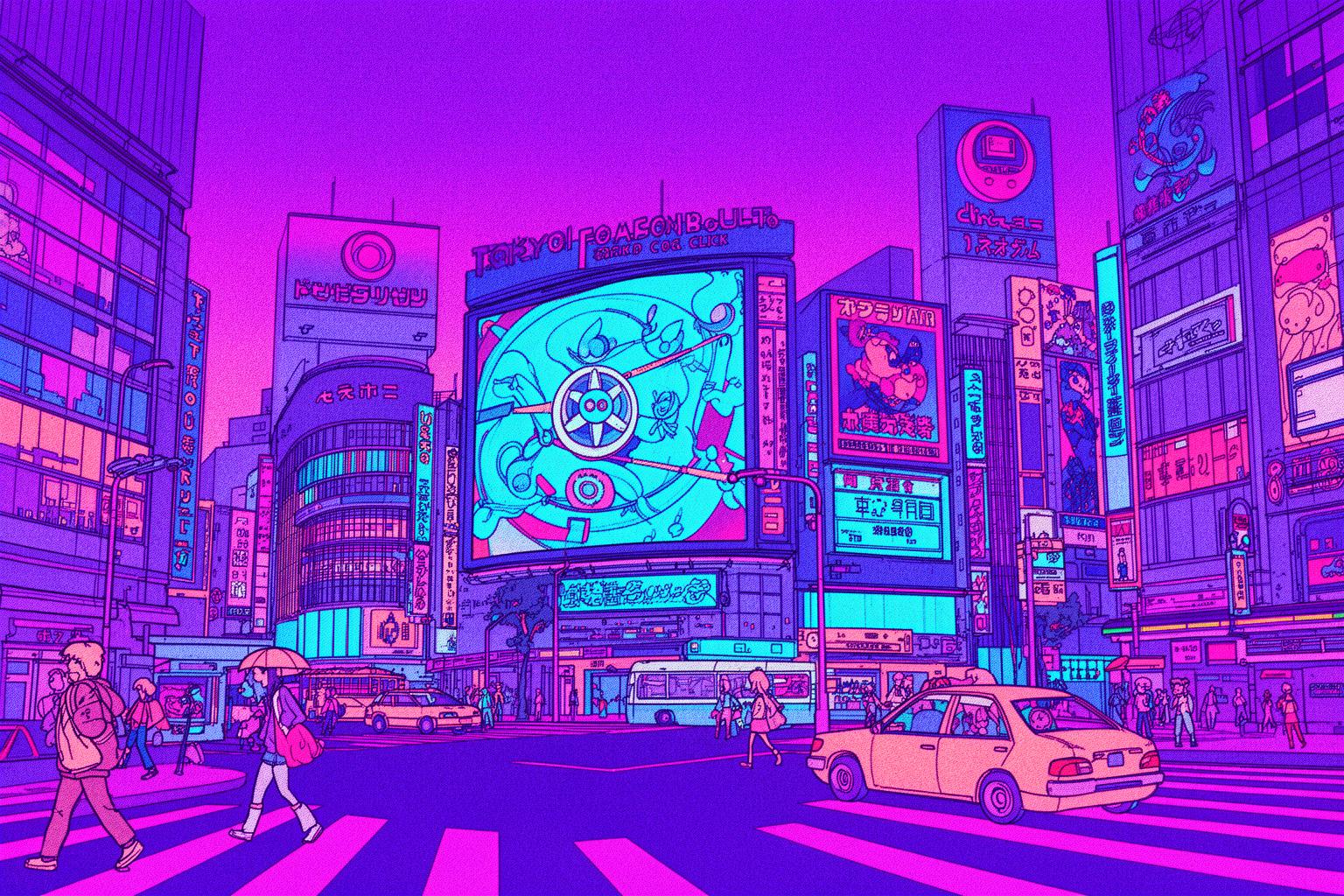
There’s a moment during every ride. Maybe it happens when you’re stopped at a light, balancing on the pedals, and you take in the towering, silent skyscrapers around you. Or maybe it’s when you’re speeding down a dark, empty street, the only sound being the hum of your tires. In that instant, you feel a deep and personal connection to Tokyo. Riding a fixed-gear bike here is more than just a hobby or a means of transportation. It’s a key that unlocks a different side of the city—one that’s faster, more fluid, and infinitely more intimate. It peels away the layers separating you from your surroundings. You sense the city’s texture, learn its rhythms, and become part of its relentless, beautiful flow. It’s both a challenge and a meditation, a constant and thrilling discovery. So if you ever find yourself in this electric metropolis yearning for something real, something with grit and a lot of soul, listen for the subtle click-click-click of a hub without a freewheel. It’s the sound of freedom. Find a bike, and get lost. The city is waiting for you.