There’s a certain kind of magic that happens in Japan when you step off a gleaming, futuristic boulevard and duck into a narrow, unassuming alleyway. One moment you’re surrounded by the silent efficiency of the world’s most advanced metropolis, and the next, you’ve plunged into a different dimension altogether. The air grows thick with the charcoal-scented smoke of grilling yakitori, the muted neon glow of a thousand signs reflects off rain-slicked pavement, and the low murmur of conversations and clinking glasses spills out from behind sliding doors. It’s a sensory overload in the best possible way, a living, breathing time capsule that feels less like the 21st century and more like a scene straight out of a Ridley Scott film. This is the world of the yokocho, Japan’s iconic back-alley drinking and dining dens. For years, I’d seen images of these places, these arteries of old Japan pulsating with life, and wondered if they were truly as atmospheric as they seemed. And more importantly, could a family like mine, with a curious kid in tow, navigate these legendary, gritty, and quintessentially adult playgrounds? The answer, I discovered, is a resounding yes. It’s an adventure into the very soul of urban Japan, a journey into a retro-futuristic landscape that will captivate everyone from cynical teenagers to wide-eyed little ones. These are not just places to eat; they are living museums, vibrant communities, and the closest you’ll get to stepping onto the set of Blade Runner. So grab your sense of adventure (and some cash), and let’s get lost in the electric dreams of Japan’s most iconic yokocho.
To continue your journey into Japan’s neon-drenched nightlife, consider exploring the vibrant world of Japanese arcades.
The Heart of the Glitch: Shinjuku’s Electric Dreams
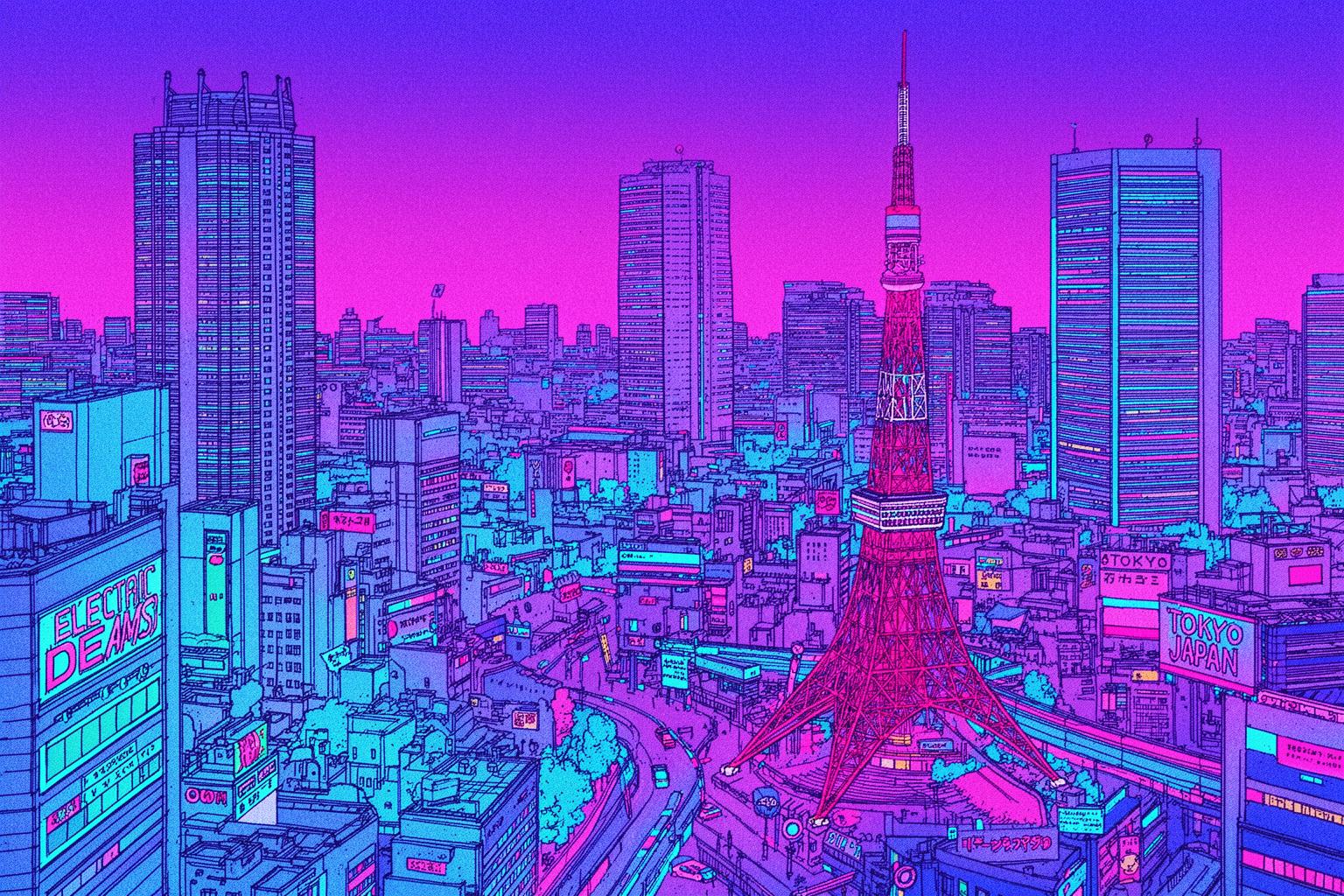
If there is a hub for the Blade Runner aesthetic in Tokyo, it must be Shinjuku. This ward is like a city within a city—a sprawling beast of towering skyscrapers, tranquil gardens, and, most importantly for our purpose, Japan’s most famous yokocho. The Shinjuku Station complex itself resembles a cyberpunk entity, a multi-layered maze processing millions daily. Yet just steps from its gleaming exits, you’ll discover pockets of the past that have tenaciously resisted the relentless advance of progress. It’s this striking, beautiful contrast that makes Shinjuku the ideal place to start our journey.
Omoide Yokocho: A Smoky Journey into the Past
First on our list is the legendary Omoide Yokocho, which means ‘Memory Lane’. However, ask any local or seasoned traveller, and they’ll probably call it by its grittier, post-war nickname: ‘Piss Alley’. Don’t be put off by the name; it’s a relic from a time when facilities were few, and although the area has long since cleaned up, the gritty, authentic atmosphere remains wonderfully intact. Finding Omoide Yokocho is part of the adventure. Tucked along the train tracks on the west side of Shinjuku Station, its entrance is a modest gateway to another era. You’ll know you’ve arrived by the unmistakable scent: a captivating cloud of charcoal smoke and sizzling meat hanging in the air like a permanent haze.
Stepping inside is an all-encompassing experience. The alley is so narrow you can almost touch both sides at once. Faded red lanterns cast a warm, almost theatrical glow on the scene below. Exposed wiring and pipes snake overhead, intertwining like vines in a concrete jungle. The ‘restaurants’ are little more than tiny cubicles, often seating no more than eight or ten people, packed elbow-to-elbow along a well-worn wooden counter. The real magic unfolds right before you, where chefs—often masters who have tended the same grill for decades—skillfully flip and season skewers of chicken, pork, and vegetables over roaring charcoal pits. The hiss and crackle of the grill, the rhythmic fanning of coals, and the lively chatter of patrons create a symphony of Showa-era Japan.
The history here is tangible. Omoide Yokocho rose from the ashes of World War II, starting as a black market where locals could find essential goods and a hot meal. These humble origins have left the alley with a sturdy resilience and no-nonsense attitude that still endures. It’s a place founded on sustenance and community, not aesthetics, yet it has unintentionally become one of Tokyo’s most photogenic spots.
For a family visit, timing is crucial. I recommend arriving early, around 5 PM when the stalls are just firing up their grills. The atmosphere is calmer, the smoke is less dense, and you’ll have a better chance of snagging a few seats together. Watching the chefs at work is a performance in itself, and my son was utterly mesmerised by their skill and speed. The menu is straightforward and suits both adventurous eaters and picky ones. You really can’t go wrong with yakitori (grilled chicken skewers). From ‘momo’ (thigh) to ‘negima’ (thigh and leek) and the more daring ‘kawa’ (skin) or ‘hatsu’ (heart), there’s a skewer for everyone. Another classic is ‘motsuni’, a hearty stew of giblets that is deeply savoury and comforting. It’s the ultimate yokocho soul food. Most stalls accept cash only, so come prepared. It’s an immersive dinner and a show, a delicious history lesson served on a stick. It might be smoky and cramped, but the experience is truly unforgettable.
Golden Gai: Where Creatives and Ghosts of the Past Gather Over Drinks
Just a short ten-minute walk from the smoky bustle of Omoide Yokocho, on Shinjuku’s east side, lies a completely different world: Golden Gai. If Omoide Yokocho is the gritty, blue-collar heart of post-war Tokyo, Golden Gai is its bohemian, intellectual soul. This compact network of six impossibly narrow alleys hosts over 200 tiny bars, some so small they fit only five or six patrons at a time. The architecture itself is remarkable—a jumble of small, two-story wooden buildings that have miraculously survived earthquakes, fires, and the relentless march of urban redevelopment.
The vibe here is different. It’s less about the sizzle of the grill and more about the quiet buzz of intimate conversation. During the day, the alleys are silent, almost ghostly. But as night falls, lanterns flicker on, lighting narrow, steep staircases that lead to secluded bars on the second floor. Each doorway opens to a unique universe. Some bars celebrate punk rock, others focus on 1980s horror films; some walls are plastered with vintage movie posters, while others offer sleek, minimalist spaces. Golden Gai has long been a magnet for writers, musicians, actors, and artists, and you can sense that creative, slightly eccentric energy in the air. It feels less like a public space and more like a collection of private clubs that, if you’re lucky, you might be invited into.
Historically, this area was known for prostitution before evolving into a drinking district in the mid-20th century. In the 1980s, during Japan’s bubble economy, the yakuza infamously tried to burn Golden Gai down to make room for lucrative high-rise developments, but loyal bar owners and patrons literally took turns standing guard to protect their beloved neighbourhood. This fierce independence and community spirit have preserved Golden Gai, turning it into a precious architectural and cultural treasure.
Now, regarding families: Golden Gai is primarily a drinking district, and many tiny bars are not suitable for children. However, that doesn’t mean you have to skip it altogether. A walk-through in the early evening, between 6 PM and 8 PM, is an experience itself. The alleys are incredibly atmospheric and feel like a surreal movie set. Older teens interested in Japanese culture, film, or art will find it captivating. It’s a visual feast of textures, signage, and hidden details. You can peek through tiny windows and glimpse the unique worlds inside. It’s a great opportunity to discuss Tokyo’s history and the importance of preserving such unique cultural spaces.
If you visit without children, or have a partner who can stay with the little ones, a visit inside one of the bars is a must. Be aware that many bars charge a cover fee (‘otōshi’), which usually includes a small snack. Some bars are quite exclusive, catering only to regulars. Look for signs in English or menus posted outside, as these tend to be more welcoming to newcomers. The key to enjoying Golden Gai is respect—be quiet, mindful of the limited space, and always ask before photographing inside a bar. It’s a privilege to experience this slice of history, where the ghosts of Tokyo’s artistic past linger over a glass of whiskey.
Shibuya’s Secret Showa Portal: Nonbei Yokocho
Shibuya. The name alone evokes images of the Scramble Crossing, a flood of people flowing beneath the glowing giant video screens. It’s the heart of modern Japanese youth culture—a dazzling, chaotic, thoroughly futuristic scene. But what if I told you that just a short walk from this monument to modernity lies a tiny, fragile pocket of the past, clinging stubbornly like a weed in a concrete garden? Welcome to Nonbei Yokocho, or “Drunkard’s Alley.”
A Tale of Two Alleys
Discovering Nonbei Yokocho feels like finding a glitch in the matrix. Nestled right next to the JR Yamanote line tracks, the buildings seem to shake each time a train roars by. The contrast is stunning. You step away from Shibuya’s noise and enter a narrow lane where the only sounds are clinking glasses and quiet conversation. The alley is decorated with red lanterns and charming, hand-painted signs, casting a warm, nostalgic glow that feels worlds apart from the cool blue light of Shibuya’s video billboards.
Dating back to around 1950, Nonbei Yokocho is a genuine relic of the Showa era. Smaller and quieter than its Shinjuku counterparts, it consists of two parallel alleys lined with roughly 40 tiny shops. Walking through it takes only a minute, but the atmosphere captivates you. The bars and eateries are intimate, with worn wooden counters smoothed by decades of patrons’ elbows. Many are still family-run, with owners greeting regulars by name.
The ‘Blade Runner’ connection lies in that stark contrast. It’s the discovery of something old, human, and analogue in the heart of a digital megacity. It feels like a secret shared by few—a quiet resistance to the city’s relentless pace. The rumble of passing trains adds a cinematic touch, a reminder of the massive, impersonal machine just beyond the alley’s warm embrace.
For a family visit, Nonbei Yokocho is unexpectedly welcoming. Its calmer, cozier vibe makes it less overwhelming than Shinjuku’s sprawling yokocho. It’s an ideal spot for a quick, early dinner after the sensory overload of the Scramble Crossing. It offers a wonderful teaching moment for children—a living example of ‘old’ Tokyo nestled beside the ‘new.’ Yakitori is the highlight here, with several famous and friendly stalls. Sitting at a tiny counter and watching the chef skillfully prepare your food is a genuinely special experience.
This is a place that invites you to slow down. You can point to the skewers you want, sip a cold drink, and simply soak in the atmosphere. It reminds you that even in one of the busiest places on Earth, small pockets of calm and human connection remain. Stepping into Nonbei Yokocho isn’t just about finding a meal; it’s about finding a moment of peace and a link to a Tokyo that’s gradually fading away.
Beyond the Core: Exploring Kichijoji’s Harmonica Yokocho
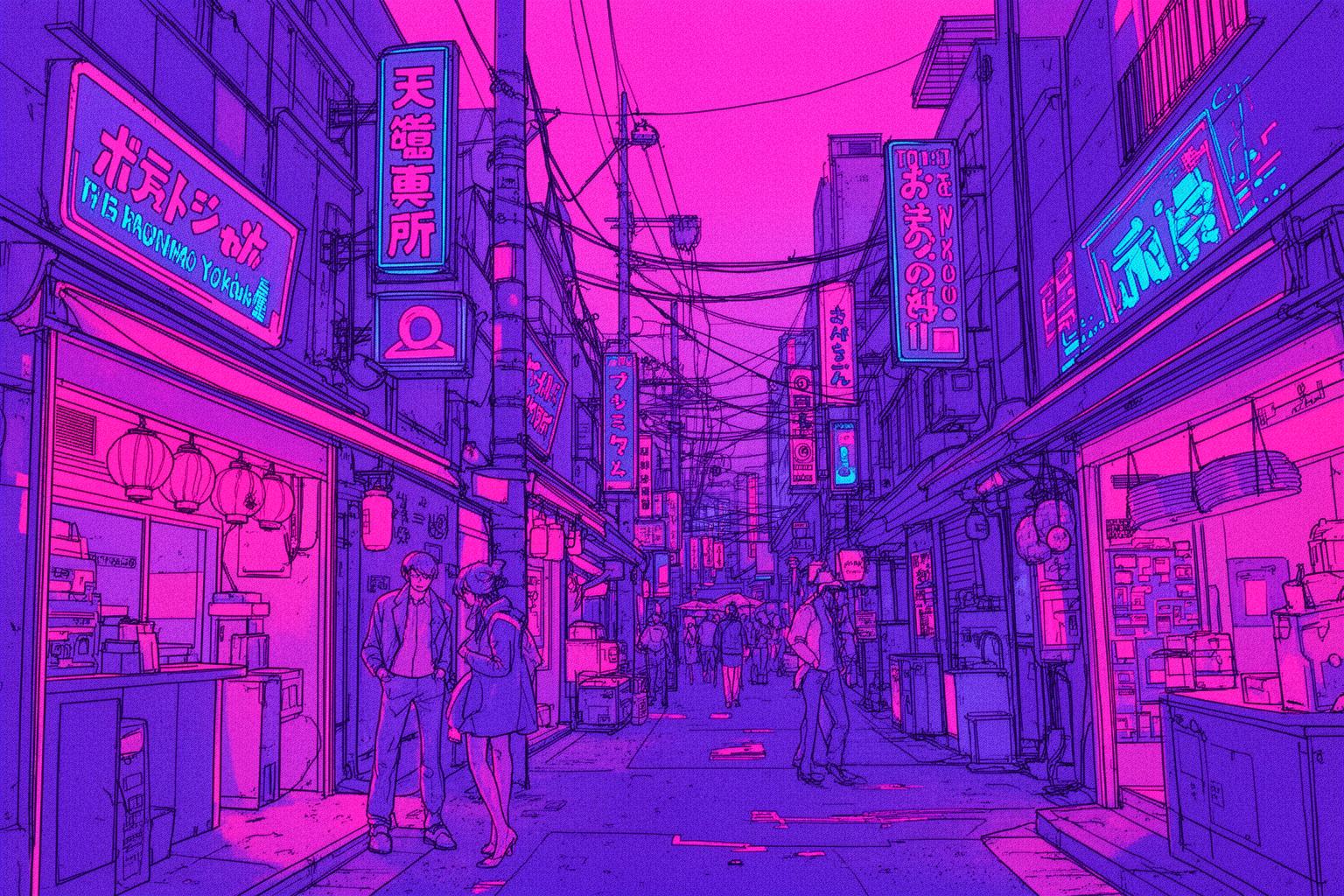
To truly grasp the essence of Tokyo, you need to explore beyond the main areas of Shinjuku and Shibuya. Take the Chuo Line westward to Kichijoji, a neighborhood often ranked as one of the most desirable places to live in Tokyo. It’s famous for its stunning Inokashira Park, a lively shopping area, and a somewhat more relaxed, bohemian atmosphere. At its core, spilling out from the station’s north exit, lies Harmonica Yokocho.
A Maze of Day and Night
Harmonica Yokocho stands apart from the others on this list. It feels less like a dedicated drinking alley and more like a living, breathing heart of the neighborhood itself. Its name supposedly comes from the rows of small storefronts that resemble the reeds of a harmonica. The market began in the post-war period, and its maze-like, slightly chaotic layout endures. What sets it apart is its dual nature.
During the day, Harmonica Yokocho operates as a bustling market. You’ll find tiny fishmongers, flower shops, traditional sweet vendors, and clothing boutiques. It’s a place where locals run their everyday errands. However, as sunset approaches, a transformation takes place. The shutters of the daytime shops close, and the lights of izakayas, standing bars, and small restaurants come alive. The labyrinthine alleys that seemed quaint and busy by day now adopt a more mysterious and enticing aura.
The food scene here is wonderfully varied. Some of the city’s best gyoza (pan-fried dumplings) are found at Minmin, a small spot often with a queue trailing down the alley. You can enjoy freshly made taiyaki (a fish-shaped cake filled with red bean paste), a favorite among children. And naturally, there are numerous excellent standing bars (‘tachinomi’) and izakayas offering everything from fresh sashimi to yakitori. The atmosphere is lively, local, and warmly inviting.
The Blade Runner vibe here comes more from the urban density and maze-like structure. You can genuinely get lost in the intersecting alleys, with each turn unveiling new sights, sounds, or aromas. It feels organic and unplanned, a complex system grown over time. It perfectly embodies the layered, often confusing, yet endlessly fascinating character of Tokyo’s urban landscape.
For families, Harmonica Yokocho may be the most approachable yokocho of all. You can visit easily during the day to enjoy its market buzz and then return in the evening for an early meal. The variety of food options means there’s something for everyone, and its connection to the wider Kichijoji neighborhood gives it a safe and family-friendly feel. It’s a wonderful chance to see how these historic alleyways are not just tourist spots, but vital, functioning parts of their local communities. It feels less like walking onto a movie set and more like stepping into the authentic, vibrant life of Tokyo.
South to the Electric City: Osaka’s Cyberpunk Soul
While Tokyo may be the default backdrop for cyberpunk fantasies, Osaka presents a vision that is arguably even more vivid, chaotic, and wonderfully over-the-top. Known for its lively locals, its obsession with food (‘kuidaore,’ or eating until you drop), and its dazzling neon signs, Osaka is a city with a Blade Runner soul. This is nowhere more evident than in the district of Shinsekai.
Shinsekai and Janjan Yokocho: A Retro-Futuristic Carnival
Shinsekai, meaning ‘New World,’ is a district seemingly frozen in a past version of the future. Developed before the war, its northern half was modelled after Paris and its southern half after Coney Island, New York. At its center stands the iconic Tsutenkaku Tower, a steel structure that looks like a forgotten relic from a World’s Fair. Following the war, the district was largely neglected, and this period of arrested development is precisely what gives it its unique, retro-futuristic charm.
Walking through Shinsekai is a sensory onslaught. The streets explode with color and light. Enormous, three-dimensional signs protrude from buildings: a giant fugu lantern, a massive head of a kushikatsu chef, a larger-than-life cow. It’s gaudy, gritty, and utterly captivating. The Blade Runner parallels are unmistakable. This is the vibrant, multicultural, and slightly dangerous street level of the future city, where commerce and pleasure collide in a spectacular visual feast.
Janjan Yokocho, a covered shopping and dining arcade, runs through the heart of this district, buzzing with energy. The name is onomatopoeic, derived from the sound of the shamisen once played in the area’s eateries to attract customers. The alley is packed with kushikatsu restaurants, standing sushi bars, and old-school shogi (Japanese chess) clubs where elderly men sit hunched over their boards amid clouds of cigarette smoke. It feels lived-in, authentic, and utterly unpretentious.
The must-try dish here is kushikatsu: deep-fried skewers of meat, seafood, and vegetables. Eating kushikatsu follows a sacred rule: no double-dipping in the communal pot of tonkatsu sauce. This rule is posted on signs everywhere and is a fun aspect of local culture to share with the family. Kids will love choosing their own skewers and the simple joy of eating fried food on a stick. It’s a casual, communal, and delicious dining experience.
Shinsekai and Janjan Yokocho ignite the imagination. For children, it’s like stepping into a real-life cartoon. For adults, it’s a photographer’s dream and offers a fascinating glimpse into a different side of Japan. It’s worlds apart from the refined aesthetics of Kyoto or the sleek modernity of Tokyo. It’s loud, proud, and a little rough around the edges—that’s exactly what makes it so special. It’s the Blade Runner future that feels the most fun, human, and delicious.
Hozenji Yokocho: Moss, Prayers, and Cobblestones
Just a short distance from the neon frenzy of Dotonbori, Osaka’s main entertainment district, lies a quiet, atmospheric haven: Hozenji Yokocho. This area presents a different, more spiritual take on the Blade Runner aesthetic. It’s not about neon and grime, but about the contrast between the sacred and the profane, the ancient and the modern.
The alley is incredibly beautiful. Its two narrow lanes are paved with stone and lit by traditional paper lanterns. The buildings are dark wood and house high-end traditional restaurants, cozy izakayas, and quiet bars. The entire area feels hushed and reverent, a stark contrast to the noisy chaos just steps away. At its heart is Hozen-ji Temple, home to the famous Mizukake Fudo-san, a statue of the Buddhist deity Fudo Myoo.
This statue is the spiritual center of the alley. Over the years, worshippers have poured water over it while offering prayers, and as a result, the entire statue is covered in a thick, vibrant green carpet of moss. It’s a stunning sight, a living testament to decades of faith and devotion. This image of an ancient, nature-covered deity tucked away in a narrow alley amidst a bustling metropolis is profoundly cinematic. It evokes the spiritual undertones of Blade Runner—the search for meaning and soul in a technologically advanced world.
For families, Hozenji Yokocho offers a moment of calm and reflection. We loved the simple ritual of buying a scoop of water and pouring it over the statue. It’s a gentle, interactive way to engage with Japanese culture. Afterwards, strolling down the stone-paved alley and perhaps stopping for a traditional Japanese sweet feels like a journey back in time. It’s a wonderful reminder that beneath the futuristic surface of Japan’s cities lie deep roots of history, tradition, and spirituality, often found in the most unexpected places.
Navigating the Neon-Soaked Alleys: A First-Timer’s Guide
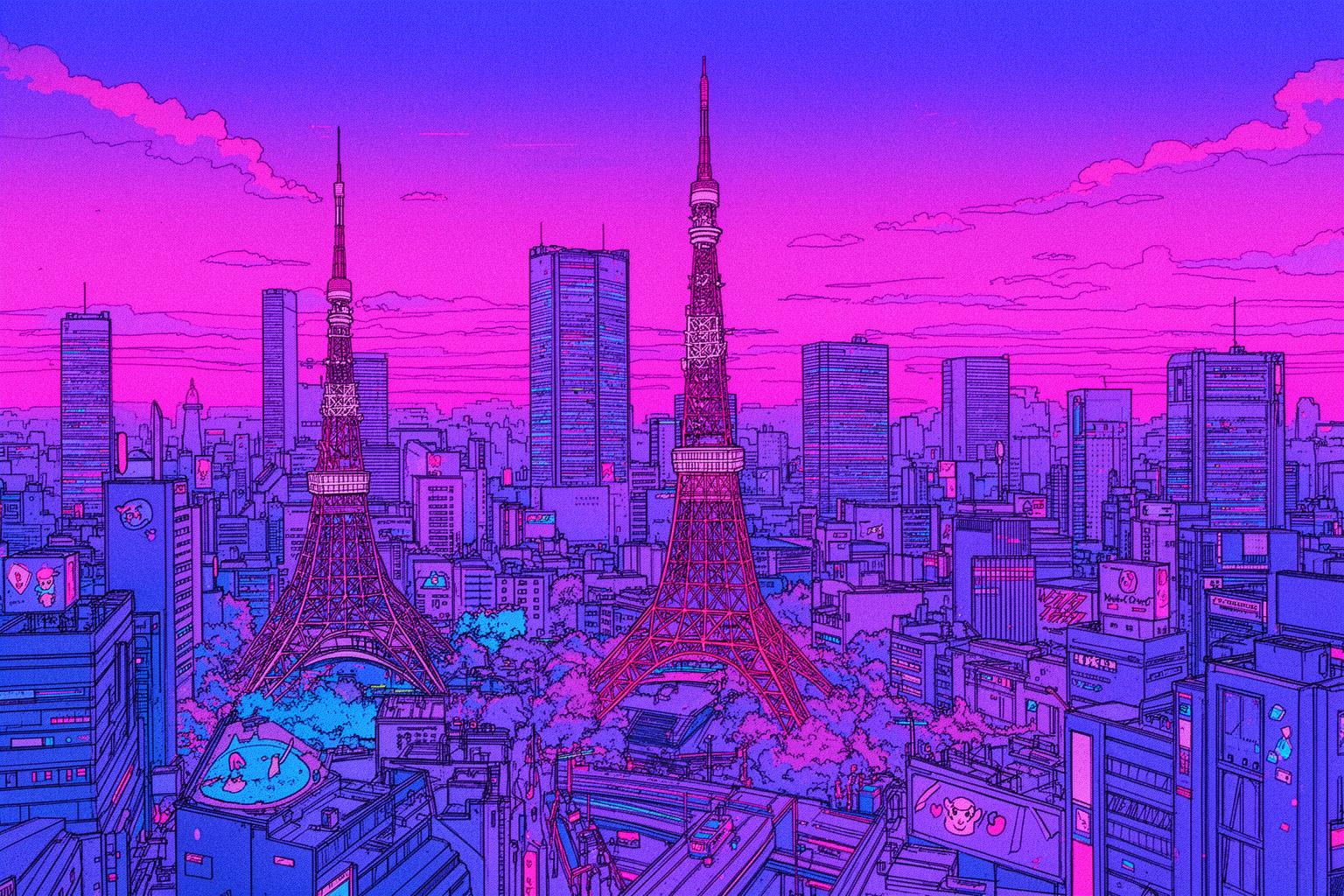
Exploring a yokocho for the first time can feel somewhat intimidating. The spaces are compact, the language may pose a challenge, and there are certain unwritten etiquette rules. However, with a bit of preparation and an open mind, you’ll discover these alleys are among the most welcoming and rewarding places to experience in Japan.
The Unspoken Rules of the Yokocho
First and foremost, cash is essential. Although Japan is becoming more credit card-friendly, many small, traditional establishments still accept only cash. Always ensure you have enough yen on hand to cover your meal and drinks.
Next, you will likely encounter the ‘otōshi’ system—a small, mandatory appetizer served right after you sit down, which also serves as a seating fee. Don’t be surprised when it appears on your bill. It’s best to view it as part of the cultural experience, a small cost to enjoy the unique ambiance of the izakaya.
Space is a luxury you won’t find here. Prepare for cramped quarters. If you’re carrying a large backpack, it’s best to remove it and place it at your feet. When traveling with children, it’s a valuable lesson in being mindful of personal space and respectful of others nearby. This contributes to the cozy, communal atmosphere.
When ordering, don’t hesitate. Many places, particularly in tourist-heavy areas like Omoide Yokocho, offer English menus. If not, pointing is perfectly acceptable. Learning a few key phrases such as ‘sumimasen’ (excuse me, to get attention), ‘kore kudasai’ (this one, please), and ‘arigato gozaimasu’ (thank you very much) will be very helpful. Staff are often busy but usually friendly and appreciative of your effort.
Lastly, a word on photography. These alleys are incredibly photogenic, but it’s important to be respectful. Taking wide shots of the alley is fine, but avoid close-up photos of patrons or inside the restaurants without permission. These spots are more than tourist attractions; they are genuine places where people come to relax after a long day.
Yokocho with Kids: An Unconventional Adventure
Bringing kids to a yokocho might seem unusual, but it can be a wonderful family adventure. The key is to visit early. The atmosphere between 5 PM and 7 PM tends to be more relaxed and family-friendly. It’s less crowded, less smoky, and you’ll be dining alongside locals finishing their workday rather than a late-night drinking crowd.
Choose your yokocho carefully. Food-oriented places like Omoide Yokocho or the diverse Harmonica Yokocho are better choices than purely drink-focused areas like Golden Gai. Set expectations with your children beforehand, explaining this isn’t a typical restaurant; it’s a busy, cramped, and exciting part of the city. Frame it as an urban exploration.
The small-plate style of izakaya dining is actually ideal for kids. You can order a variety of dishes—yakitori, grilled rice balls (‘yaki onigiri’), edamame, fried chicken (‘karaage’)—allowing them to try a bit of everything. It’s a great way to introduce new flavors in a low-pressure setting. It’s a culinary adventure every bit as thrilling as the vibrant surroundings.
The Enduring Allure of the Alleyway
As you finally step out of a narrow yokocho and into the bright, orderly expanse of the modern city, the experience stays with you. The scent of charcoal smoke may cling to your clothes, and the warmth of lantern light might still glow in your mind’s eye. These journeys into Japan’s neon-drenched labyrinths are more than just meals; they offer a profound connection to the country’s past and its intricate, ever-changing present.
In a world that often feels increasingly sterile and homogenized, yokocho celebrate the messy, chaotic, and wonderful sides of humanity. They are places of community, conversation, and shared experience. They embody the ‘wabi-sabi’ aesthetic—finding beauty in imperfection and impermanence. The comparison to Blade Runner goes beyond visuals; it reflects a future that honors its past, a world where high-tech and history coexist, often side by side.
For our family, these alleys became some of the most unexpected highlights of our trip. They were the backdrop for our most memorable meals and genuine interactions. It’s within these crowded, smoky, vibrantly human spaces that you discover the true, beating heart of Japan’s cities. So on your next visit, dare to stray from the main road. Step into that narrow, lantern-lit alley. You never know what magic awaits. Go get lost in them.