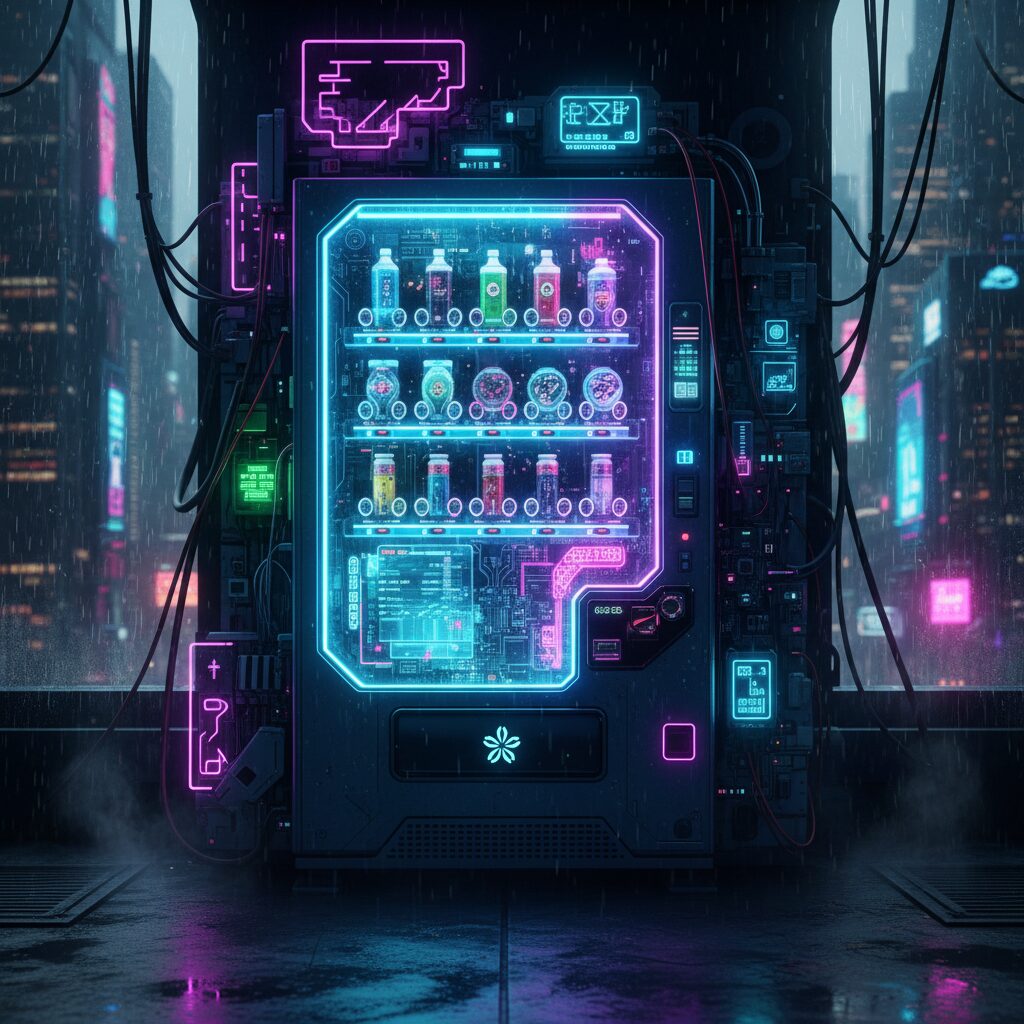
You’ve seen the photos, right? That classic shot of Japan at night. It’s probably raining, the neon signs of some megacorporation bleeding into the wet asphalt. Down a narrow, almost-hidden alleyway, a bank of vending machines casts an ethereal, lonely glow. There’s a quiet hum in the air, a mix of electricity and the gentle clatter of a can dropping into a retrieval slot. It feels futuristic, dystopian, and impossibly cool. It’s the vibe everyone chases, the real-life Blade Runner set you can stumble into after missing the last train. But here’s the question that probably pops into your head as you stand there, soaking it all in: Is this… on purpose? Did someone design this little pocket of cyberpunk perfection as a deliberate aesthetic choice? Is it an art installation, or just the weirdest place to buy a can of coffee?
The short answer is a hard no. The long answer is way more interesting. These vending machine alleys, these silent sentinels of the Japanese streetscape, are not a product of design. They are an accidental-on-purpose consequence of a uniquely Japanese cocktail of social trust, economic desperation, an obsession with convenience, and a ruthless corporate turf war. They are the physical manifestation of a society’s deepest priorities, hidden in plain sight. They’re a glitch in the urban matrix, and once you understand the code behind them, you start to see the whole system in a new light. Forget what you’ve seen on Instagram; we’re about to spill the real tea on why these glowing oases exist. It’s a story about a lot more than just drinks in a can. It’s about how modern Japan works, one clunky, brightly lit machine at a time.
This accidental cyberpunk aesthetic extends beyond vending machine alleys and can be found in other facets of Japanese nightlife, such as the immersive experience of its cyberpunk gin bars.
The Vibe Check: Accidental Cyberpunk
First, let’s acknowledge the feeling. That cyberpunk vibe you’re sensing? It’s real. The genre’s defining aesthetic, often described as “high tech, low life,” is perfectly embodied in these alleys. On one hand, you have the high-tech aspect: fully automated, around-the-clock retail robots dispensing an incredible variety of goods with precise accuracy. They accept digital payments, communicate in polite recorded voices, and function within a highly complex logistical network. This is the future once promised—a world where machines fulfill our basic needs.
On the other hand, there’s the “low life” environment. These machines rarely occupy sleek, futuristic booths. Instead, they are tucked into the grimiest, most neglected corners of the city. You’ll find them in dimly lit underpasses marked by years of water damage, squeezed into narrow spaces between crumbling buildings where sunlight barely reaches, or lined up against graffiti-covered walls behind train stations. The ground is often strewn with cigarette butts and discarded receipts. The only illumination comes from the harsh, fluorescent light of the machines themselves, casting long, dramatic shadows. The air is thick with the scent of damp concrete and the low, constant hum of refrigeration. This stark juxtaposition between advanced technology and its rough, overlooked surroundings is pure cyberpunk gold. It’s the digital world colliding with the analog, and the tension between them creates the atmosphere.
What’s surprising is that this aesthetic emerged purely by accident. No city planner or trendy designer intentionally crafted this scene. It’s the product of simple, unfiltered pragmatism. The glowing machine isn’t there for style; it’s there because that particular patch of dirt was the only available spot to catch foot traffic from the nearby pachinko parlor. The flickering overhead light isn’t for mood; it’s just a cheap bulb the indifferent building owner hasn’t replaced in years. The feeling of isolation and anonymity isn’t a deliberate choice; it’s a consequence of a system that values efficiency over human connection. This accidental quality is what makes it so genuine. It’s not a theme park attraction. It’s a real, functioning part of the city’s ecosystem that just happens to mirror a fictional, dystopian future we’ve all envisioned. It’s a beautiful, unintended form of world-building that reveals a deeper story about the society that shaped it.
Deconstructing the Glitch: Why Do These Alleys Even Exist?
So, if these aren’t intentional art installations, what natural and economic forces combined to create these omnipresent glowing corners? In most countries, you can’t simply install millions of dollars’ worth of machinery on a random street corner and expect it to remain overnight. The presence of these vending machine enclaves depends on a network of deeply rooted Japanese social and economic pillars. To truly understand the alleyways, you need to grasp the unseen framework that supports them.
The Foundation: Implicit Trust and a Low-Crime Society
This is the fundamental base, the essential prerequisite for the whole system. The main reason you can find millions of glass-fronted boxes stocked with cash and goods left unattended 24/7 is Japan’s remarkably low rate of property crime and vandalism. Smashing a machine to steal a few thousand yen is simply not a significant factor in most people’s social considerations. This goes beyond effective law enforcement; it reflects a deeply ingrained social contract and a high-trust culture. There is a shared, often unspoken, understanding that public property deserves respect. This manifests everywhere—from people leaving laptops on café tables to grab a coffee, to lost wallets being reliably turned in at the local police box, or “koban.”
This low-crime environment greatly reduces operational risks and insurance costs for vending machine operators. They do not have to worry about continual repairs from theft or vandalism. Machines can be placed in isolated, unmonitored spots without fear they will be destroyed overnight. This societal trust is the true MVP—an invisible infrastructure far more valuable than any security camera or steel cage. To outsiders, it can seem almost surreal. This extraordinary public safety allows remarkable conveniences to thrive. Vending machines are not merely machines; they stand as monuments to this collective social agreement. They silently affirm the belief that most people will do the right thing, even when no one is watching.
The Hustle: Monetizing Every Inch of Space
Next, let’s consider space. In Japan’s densely packed urban centers, real estate is incredibly precious. Land is prohibitively expensive and extremely scarce. Every square inch counts, and leaving any unused means leaving money on the table. This harsh economic reality has driven a brilliance for micro-utilization of space. You see buildings so narrow they seem on the verge of toppling, and parking lots where cars are stacked vertically in automated towers. Vending machines are the ultimate tool in this battle for spatial efficiency.
Imagine a tiny, awkward, three-foot-wide strip of land beside an apartment entrance. It’s too small for a shop, too narrow for parking, too awkward for anything conventional. It would appear dead space. But to a beverage company, it’s an opportunity—a potential billboard and a retail outlet open 24/7. Vending machine operators will negotiate with the landowner to lease this sliver of land for a modest monthly fee or a percentage of sales. For the property owner, it’s a dream deal: a completely passive income stream. The beverage company installs, stocks, maintains, and pays the electricity bill for the machine. The landowner simply collects the rent. This turns otherwise worthless patches of urban grime into revenue-generating assets. As a result, machines appear in the most unusual and unlikely places—because those were the only available spots. That overlooked alleyway becomes a micro-business, quietly generating income for both the property owner and the corporation.
The Convenience Grind: Japan’s 24/7 Expectation
To fully grasp why vending machines are on every corner, you must understand Japan’s culture of convenience. It’s not just a preference; it’s a deeply ingrained societal expectation. Life here follows a rhythm of extreme efficiency and instant access. This is the home of the “konbini” (convenience store), a magical 24/7 hub where almost any immediate need can be fulfilled—from paying bills and printing photos to buying a hot meal or fresh socks at 3 AM. Vending machines are the street-level extension of this philosophy—outposts of the convenience empire.
Why walk two full minutes to the nearest konbini for a cold green tea when you want one right now? Why wait? Vending machines serve those fleeting moments of need: sudden thirst on a sweltering day, craving a hot coffee on a freezing morning while waiting for the train, realizing you need a bottle of water before a long meeting. Placed strategically at transit points and places of transition—outside offices, in residential districts, and near every train and subway station—they eliminate the friction between desire and fulfillment. This relentless pursuit of convenience means there is always demand for another machine, another sales point, shaving precious seconds off the task of buying a drink. The system is designed for a society always on the move, where time and efficiency are paramount.
The Beverage Wars: The Battle for Cold Drinks
Lastly, you can’t overlook the raw force of corporate capitalism. Japan’s vending machine landscape is battleground for beverage giants: Suntory, Asahi, Kirin, Ito En, and the global powerhouse Coca-Cola. The competition is fierce. Placing a vending machine isn’t just about selling products—it’s a strategic move in a huge, ongoing turf war. It’s about brand visibility, market share, and dominance.
Each machine acts as a 24/7 billboard. A bright red Coca-Cola machine or a deep blue Suntory machine becomes a fixture in the visual environment, constantly reinforcing brand presence. Companies fight fiercely to secure prime locations. This results in seemingly absurd density. It is common to see two or even three competing machines side by side, all offering nearly identical products. This is not poor planning but intense rivalry. If Suntory installs a machine outside a train station, you can bet Asahi will try to place one right next to it, unwilling to lose that territory and potential customers. This corporate arms race is a major force behind the sheer number of vending machines you see. They are the frontline soldiers, flags planted in contested territory in the endless war to quench the nation’s thirst.
Reading the Code: What the Machines Tell You
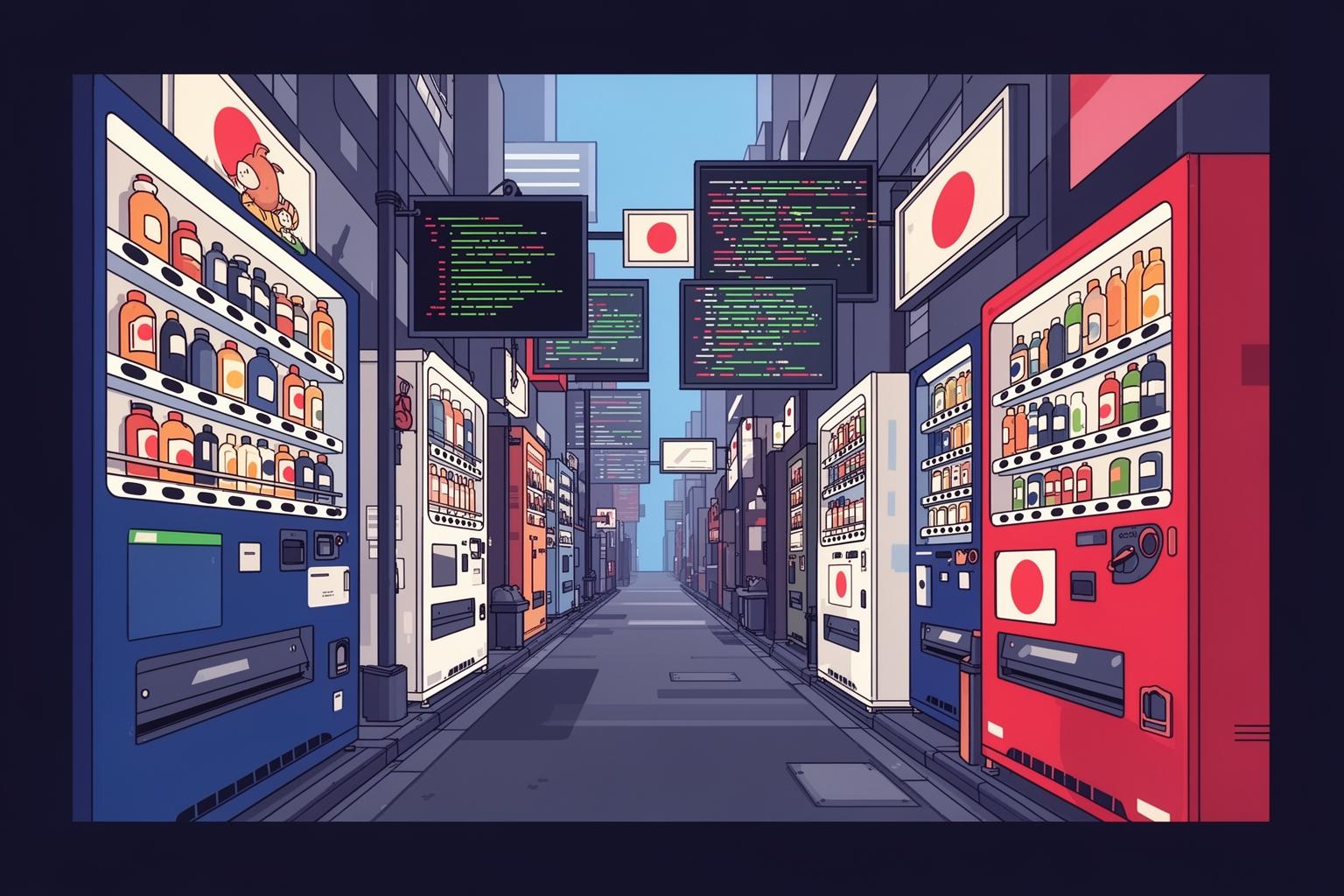
If you take a moment to look beyond the familiar logos of Coke and Pepsi, you’ll discover that these machines are much more than simple drink dispensers. They serve as a dynamic catalog reflecting the needs, desires, and unique quirks of everyday life in Japan. The range of products reveals stories about the local culture, seasonal changes, and specific locations. They offer a surprisingly intricate reflection of the society they cater to.
More Than Just Coke: A Catalog of Daily Needs (and Wants)
Let’s begin with the basics. The sheer assortment of beverages is astonishing. There are dozens of varieties of green tea, coffee (both hot and cold, available in the same machine—a minor engineering marvel), fruit juices, milky teas, and oddly named carbonated “health” drinks. But it goes far deeper. In winter, you’ll find canned hot corn pottage soup, a surprisingly tasty and comforting staple. You might encounter machines vending ‘dashi,’ a fundamental soup stock essential in Japanese cooking. Imagine being halfway home and realizing you’re missing a key ingredient for dinner—no supermarket trip necessary, as there’s a dashi vending machine right next to the post office. This is next-level convenience.
Then there are the non-drink vending machines. You’ll find ones dispensing ice cream, cigarettes (which require a special age-verification ID card called a ‘Taspo,’ a fascinating system on its own), and sometimes even hot foods like fried chicken or takoyaki. In more rural or specialized areas, the selections become even more tailored. There are machines offering fresh eggs from local farms, bags of rice, umbrellas for sudden rain, and even toys or collectible figurines in tourist-heavy spots like Akihabara. Every machine acts as a data point. The dashi machine signals you’re in a residential neighborhood where people cook at home. The machine filled solely with energy drinks and canned coffee indicates proximity to an office building full of exhausted workers. They are a living, breathing map of the nation’s daily rhythms.
The Retro Glitch: Sentinels from Another Era
Beyond the modern, sleek digital-screen machines, there exists a sub-category: the retro vending machine. These relics from the Showa Era (1926–1989) are mechanical marvels that dispense not only cans but fully prepared hot meals. Hidden in forgotten rural corners or specialized rest stops, these functioning museums remain. Some machines, with a series of whirs and clunks, will serve you a steaming bowl of udon or soba noodles. Others toast cheese sandwiches or grill hamburgers, delivering them in charmingly old-fashioned cardboard boxes. These machines aren’t cyberpunk; they belong to something else entirely—a folksy, analog form of futurism. They embody an earlier vision of automation, one born from mechanical ingenuity rather than digital programming. Maintained by a small group of aging technicians who possess the specialized knowledge to keep these complex devices operational, discovering one of these retro vending alleys is like finding a secret level in a video game. It’s a glimpse into a past dream of the future and a reminder that Japan’s fascination with automated convenience has been thriving for a very, very long time.
The System’s Bugs: The Not-So-Perfect Reality
It’s easy to romanticize these glowing alleys. They are visually appealing, convenient, and embody a futuristic urban ideal. However, it’s important to look beyond the surface and recognize the drawbacks. Despite its efficiency, the system has its imperfections. The same forces that enable these machines also bring about significant environmental and social challenges.
The Energy Drain
Consider this: millions of machines operating nonstop, 24/7, every day of the year. Each functions like a refrigerator and often a heater, constantly using electricity to keep drinks perfectly chilled or warm. The total energy consumption is massive. Following the 2011 Fukushima nuclear disaster and Japan’s ensuing energy crisis, the power use of vending machines became a national concern. Companies have made considerable progress in creating more energy-efficient models, incorporating features such as “peak cut” modes that reduce cooling during peak demand times and LED lighting. Nonetheless, the basic reality remains: sustaining this level of nationwide, on-demand convenience demands an enormous amount of electricity. This hidden environmental cost is embedded in the price of that 130-yen can of coffee.
The Plastic Sea
Convenience culture is inherently disposable culture. Most products sold in vending machines come in single-use containers, primarily PET plastic bottles and aluminum cans. While Japan boasts one of the world’s most efficient and comprehensive recycling systems—you will nearly always find a recycling bin beside a row of machines—the sheer volume of waste produced is staggering. The system promotes a cycle of buy, drink, and discard that, multiplied by millions of daily transactions, significantly contributes to the global issues of plastic waste and resource depletion. The ease of grabbing a bottle on the go often overshadows the long-term environmental impact of that plastic bottle’s lifecycle. It’s a prime example of a system that is incredibly efficient on a small scale (obtaining a drink) but contributes to a far greater inefficiency on a large scale (waste and resource overuse).
The Human Ghost
Perhaps the most subtle yet profound critique of these vending machine alleys lies in what they represent socially. They epitomize frictionless, but also human-less, transactions. There’s no shopkeeper to greet, no casual conversation about the weather, no human connection at all. It’s a sterile, anonymous interaction between person and machine. While this efficiency is often welcome, a cityscape dominated by such exchanges can feel isolating and cold. These alleys are lonely. Their cyberpunk allure is intertwined with a sense of alienation. They symbolize a trade-off: in the relentless drive to remove inconvenience and maximize efficiency, we may lose the small, everyday human interactions that foster community. The quiet hum of the vending machine is the sound of convenience—but also the sound of silence where a human voice might have been.
So, What’s the Real Vibe?

After all this, when you find yourself standing once more in that glowing alleyway, what are you truly seeing? You’re not looking at a movie set. You’re witnessing a physical, tangible representation of modern Japan’s operating system—a place where society’s highest values and deepest anxieties intersect.
The steadfast public trust and safety are evident in the simple fact that the machine remains intact. The intense pressure on urban space and the scramble for passive income are reflected in its odd, cramped location. The relentless, society-wide demand for 24/7 convenience appears in the hot and cold options at the touch of a button. The fierce corporate competition is visible in the logos plastered across its front. The environmental cost of that convenience is heard in the hum of the compressor and seen in the bin overflowing with plastic bottles. And the creeping sense of social atomization is felt in the profound silence of the transaction.
The cyberpunk “vibe” is something we, as outsiders, impose on it. We see the neon glow on wet pavement and connect it to the sci-fi worlds we’ve absorbed. For many locals, this scene is utterly ordinary. It’s background noise—the unremarkable spot where you grab a bottle of tea on your way home from a long day at work. And that, in the end, is its most captivating aspect. The vending machine alley perfectly illustrates how the extraordinary can lie hidden within the ordinary. It’s a glitch in the matrix that has become a feature, a testament to a culture that is complex, contradictory, and endlessly fascinating. It’s not there for you to snap a cool photo. But you probably will anyway. And now, you’ll know exactly what you’re seeing.