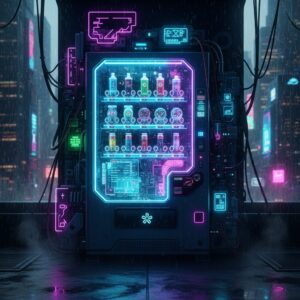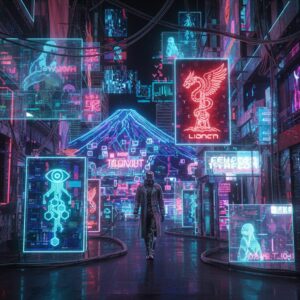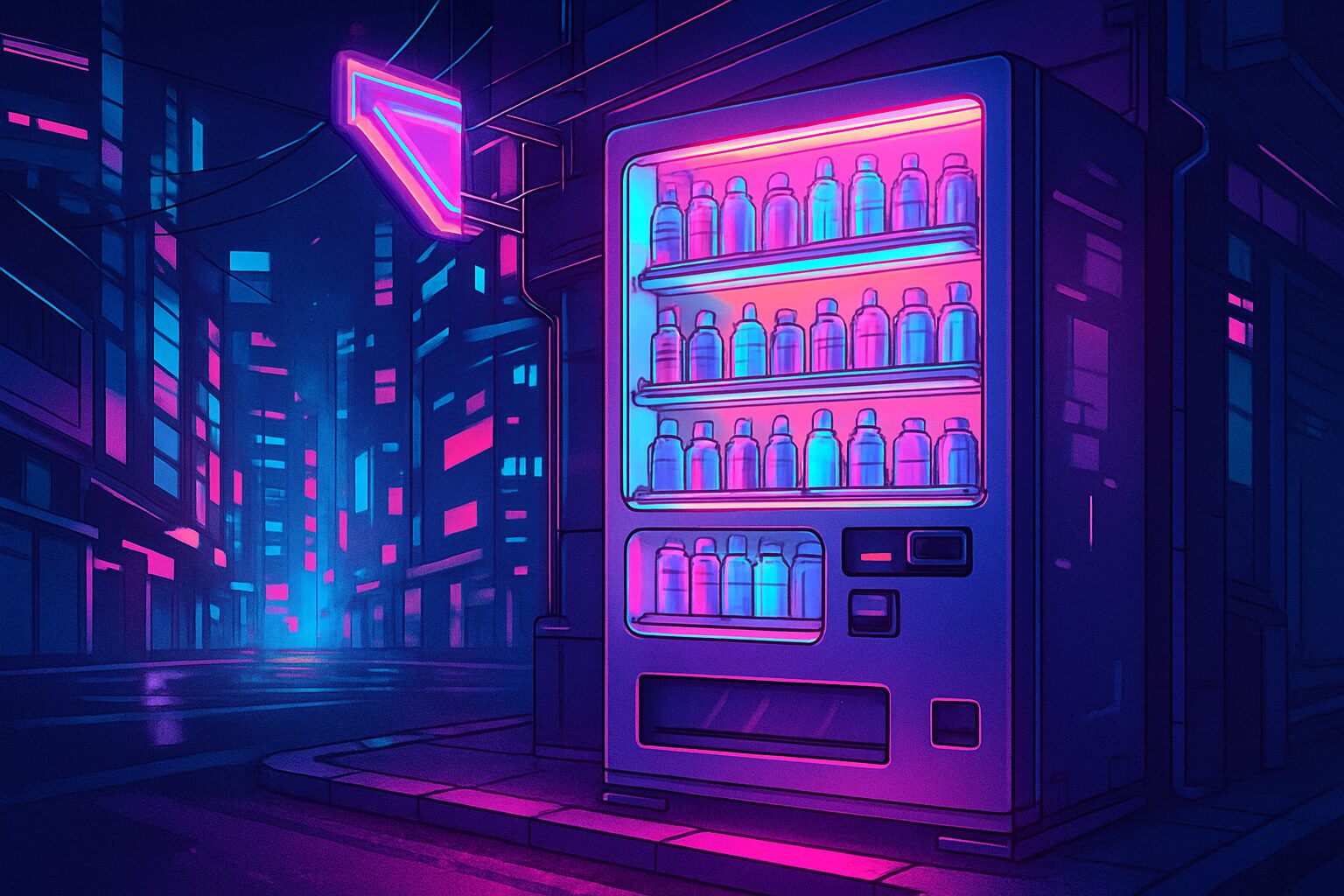
Yo, what’s the vibe? It’s Li Wei, coming at you live from the intersection of tradition and tomorrow. Today, we’re diving headfirst into a world that feels ripped straight from a sci-fi anime, a place where the mundane gets a total cyberpunk glow-up. We’re talking about Japan’s vending machines. Bet. But forget the basic ones slinging green tea on a quiet neighborhood corner. We’re going on a hunt for the real deal—the ones that pulse with neon life in the deep, dark, rain-slicked alleys of Tokyo. These aren’t just dispensers; they’re beacons, little glowing altars in the concrete jungle, each telling a story of convenience, solitude, and straight-up futuristic aesthetic. They’re the low-key superstars of Japan’s urban landscape, the unsung heroes that keep the city’s heart beating 24/7. This journey is for the night crawlers, the photographers, the dreamers who see poetry in the hum of a refrigerator and the flicker of a fluorescent light. We’re chasing that specific, soul-stirring feeling of being the only person awake in a city of millions, with only a glowing machine for company. It’s a whole mood, a cinematic experience waiting to happen. So grab your camera, charge up your Suica card, and get ready to explore the neon veins of Japan. It’s about to get unreal.
If you’re chasing this cyberpunk aesthetic beyond the vending machine glow, you should definitely explore Japan’s incredible cyberpunk capsule hotels.
The Soul in the Machine: Why Japan’s Vending Culture is Next Level
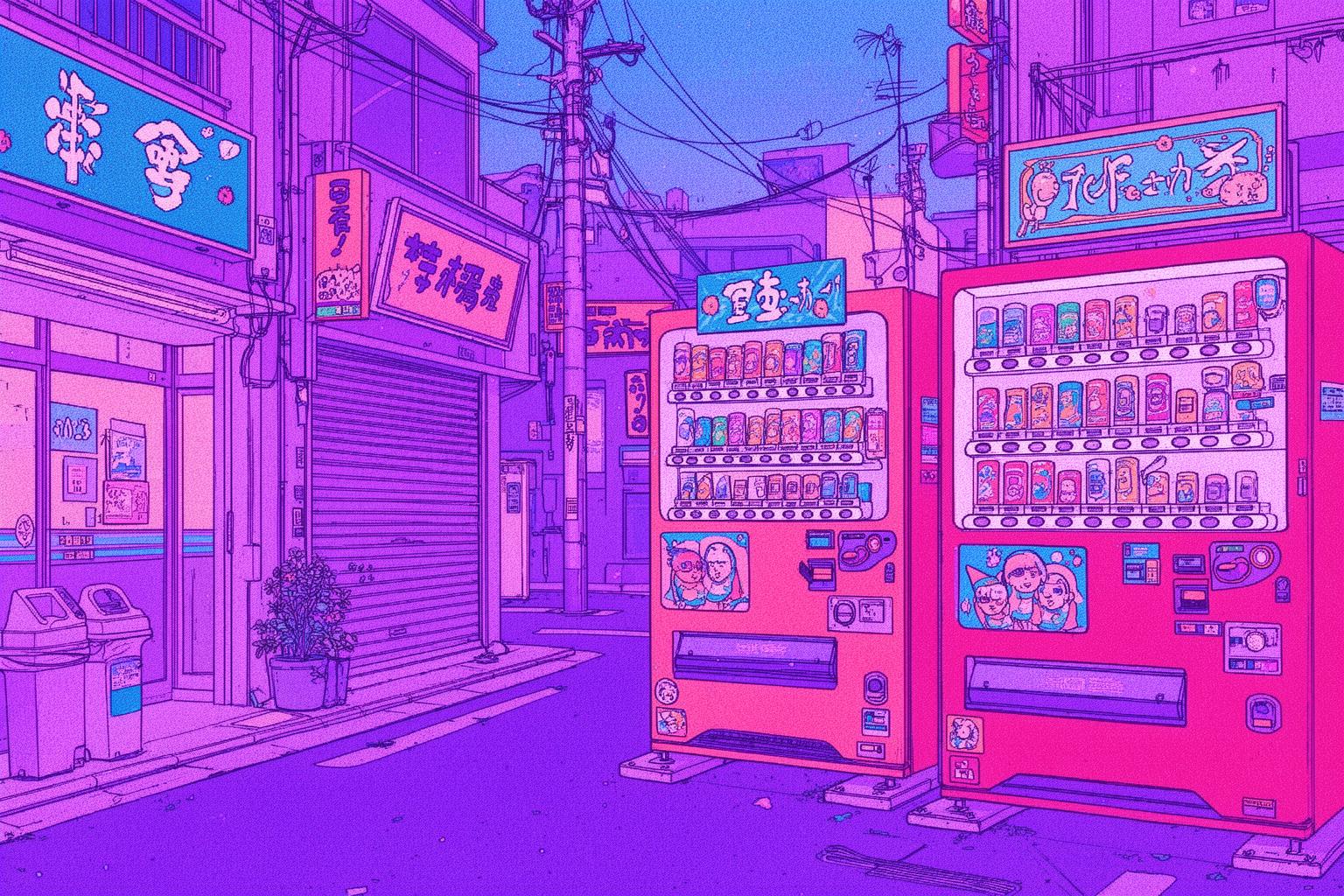
Before we dive into the glowing chaos of Tokyo’s backstreets, let’s unpack the deep lore. Why is Japan so obsessed with vending machines, or as they’re known, jidouhanbaiki? It’s a question that hits differently once you’re actually here. In many countries, a vending machine is just a last resort, a forlorn box you turn to when everything else is closed. But in Japan? They’re a fundamental part of the social fabric, a pillar of daily life. The numbers are staggering—we’re talking millions of machines spread across the entire archipelago, from the busiest urban centers to the most remote rural spots. That’s roughly one for every 25 to 30 people, a density unmatched anywhere else in the world. The reason for this ubiquity is a blend of practical needs and deep cultural currents. Japan’s historically low crime rate means placing a box full of cash and goods on a deserted street corner isn’t a huge risk. Vandalism is rare, and the machines are meticulously maintained. There’s also the country’s obsession with automation and efficiency, a drive to streamline every possible process. Why pay someone to work a graveyard shift at a convenience store when a machine can offer hot coffee, cold drinks, and even full meals, 24/7, without any hassle?
But it’s more than just convenience. These machines mirror a society that values solitude and non-confrontational interactions. There’s comfort in being able to get what you need without engaging in small talk. It’s a quiet, personal transaction: you, the machine, and the city humming all around. This culture of trust and efficiency has allowed the jidouhanbaiki to evolve in truly mind-blowing ways. We’re not just talking soda and snacks. We’re talking machines that dispense hot ramen bowls, complete with toppings. Machines selling fresh eggs, bags of rice, surgical masks, beautiful flower bouquets, collectible toys, and even unusual items like flying fish soup stock (dashi). This incredible variety sets the stage for the cyberpunk aesthetic we’re chasing. When a machine can provide almost anything, it becomes more than a simple tool; it becomes a character in the urban story. It becomes a destination. And as we’ll see, under the right light, on the right night, it becomes a piece of art.
The aesthetic itself is a beautiful accident, a product of function. The bright lights attract customers and illuminate the products. The often cluttered appearance comes from maximizing every inch of display space with advertisements and product labels. When you place these intensely practical, brightly lit objects into the dark, narrow, and often aging alleyways of a megacity like Tokyo, you get a striking visual contrast. It’s the high-tech and the low-life, the shiny new and the worn old, all packed into one frame. This is the core DNA of the cyberpunk genre. Neon glows reflecting off rain-slicked pavement, tangled overhead wires silhouetted against the light, steam rising from a nearby sewer grate—a scene straight out of Blade Runner or Ghost in the Shell. But it’s not a movie set. It’s real. It’s a Tuesday night in Shinjuku. Understanding this cultural background is crucial. You’re not just looking at a cool soda machine; you’re witnessing the physical manifestation of decades of social and technological evolution, a silent testament to the unique rhythms of Japanese urban life. And that context makes the glow feel even more profound.
Akihabara’s Electric Dreams: Ground Zero for the Glow
When you think of neon lights, electronics, and raw, unfiltered otaku energy, Akihabara comes to mind. This area, lovingly dubbed Electric Town, is undeniably the epicenter for anyone seeking that cyberpunk vending machine atmosphere. By day, it buzzes with anime merchandise shops, sprawling arcades, and electronics retailers. Yet, at night, Akihabara undergoes a transformation. The main streets remain dazzlingly bright, but the real enchantment unfolds when you step away from Chuo Dori, the primary thoroughfare, and wander into the narrow side streets and back alleys. Here, the world shifts from high-energy commercialization to something more intimate and atmospheric. Clusters of vending machines, gathered like old friends, bathe the pavement in a kaleidoscopic glow.
One of the most iconic spots is a semi-hidden corner commonly called the Akihabara vending machine alley. It doesn’t appear on official maps, making its discovery part of the fun. The best way to find it is to explore the streets behind the main GIGO arcade building. You’ll recognize it instantly: a row of a dozen or more machines, each with its own distinct character, humming beneath a low ceiling of pipes and wiring. The air is thick with the buzz of electricity and a faint, sweet scent of canned coffee. The lighting is stunning. Cool blues and whites radiate from standard drink machines, warm yellows glow from a machine selling hot corn soup, and vibrant reds and pinks come from more unusual ones dispensing capsule toys or trading cards. The combined light is so intense that it drenches the entire alley, giving everything a surreal, hyper-saturated feel. It’s a photographer’s dream. The concrete walls, plastered with stickers and weathered posters, provide a gritty, textured backdrop. You can easily spend an hour here, experimenting with angles, capturing how the light reflects on buttons or glimmers through glass displays.
What makes the Akihabara vending machines truly special isn’t just their abundance, but their unique offerings. This is Electric Town, after all. Keep an eye out for machines selling mystery boxes. For a few hundred yen, you get a sealed box containing something unknown — perhaps an old video game, a quirky gadget, or a whimsical keychain. The excitement of the surprise is part of the allure. You might also come across machines dedicated entirely to gachapon, the capsule toys integral to otaku culture. Unlike the standard kiosks seen everywhere, these tend to be older, more weathered models, adding an extra layer of retro-futuristic charm. And naturally, there are the legendary oden-in-a-can machines. Yes, really. Hot, savory stew of fish cakes, daikon radish, and boiled eggs, served in a pull-top can. It’s a novelty for sure, but buying a can of hot oden from a glowing machine in a shadowy alley on a chilly evening is one of those uniquely Japanese moments you’ll remember forever. It’s like tasting the future as imagined by the past. The vibe here blends excitement and reflection. Surrounded by symbols of mass consumption and automation, yet it feels intensely personal and almost peaceful. It’s the perfect starting point for your cyberpunk pilgrimage.
Shinjuku’s Labyrinth of Light: From Golden Gai to Memory Lane
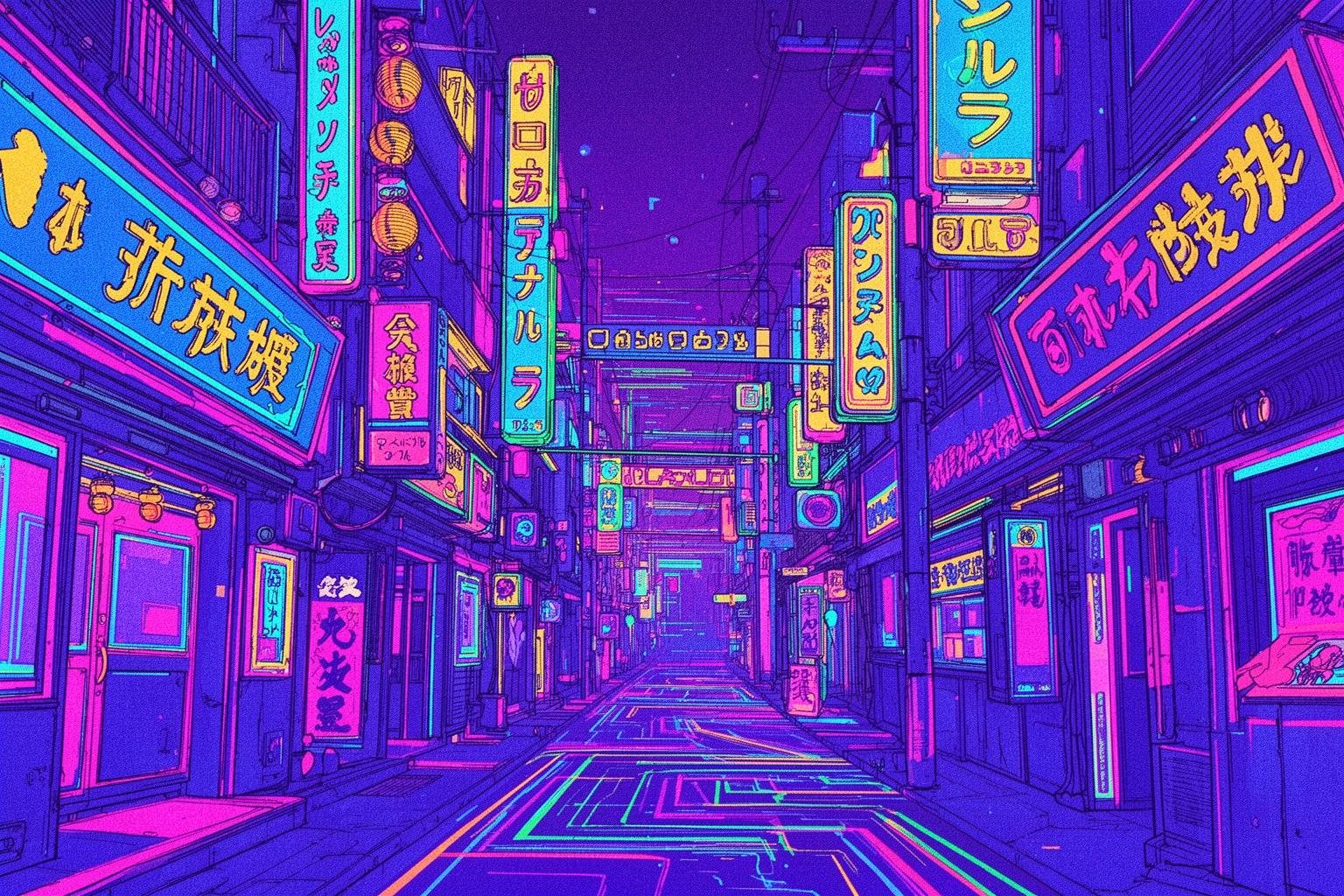
If Akihabara is the bright, hyperactive heart of otaku cyberpunk, then Shinjuku stands as its moody, sophisticated, and somewhat more dangerous older sibling. Shinjuku is a force of nature. It houses the busiest train station on the planet, sleek skyscrapers piercing the clouds, and a sprawling entertainment district that never truly sleeps. Here, the vending machine scene is less about dense clusters and more about uncovering isolated, atmospheric gems hidden within the labyrinthine streets. The aesthetic is different—less focused on the novelty of the machines themselves and more on their interaction with the surrounding environment. It’s about the contrast and the stories told simply by their placement.
Our first stop is Omoide Yokocho, often nicknamed “Memory Lane” or more crudely, “Piss Alley.” This maze of impossibly narrow alleys near the station’s west exit is packed with tiny yakitori joints, the air thick with the delicious smoke of grilled meat and the sound of lively chatter. Tucked into the nooks and crannies of this Showa-era time capsule are some truly remarkable vending machines. Often older models, their metal casings scarred and weathered by time, their glow here feels different—not a clean, digital shine, but a flickering, analog warmth perfectly blending with the red paper lanterns and bare light bulbs of the food stalls. Spotting a lone soda machine at the end of a smoky, lantern-lit alley in Omoide Yokocho is a quintessential cyberpunk moment. It’s a collision of eras: the post-war nostalgia of the alley meets the quiet, automated convenience of the machine. It feels cinematic, a single frame capturing Tokyo’s soul. Pro tip: be respectful when photographing here. The alleys are working spaces, and people come to eat and drink. Be quick, discreet, and maybe grab a few skewers of yakitori to complete the experience.
On the other side of the station lies Kabukicho, Tokyo’s notorious red-light district. This area is a sensory overload—a chaotic symphony of neon signs, blaring music, and streams of people. Vending machines in Kabukicho are part of this wild tapestry. You’ll find them on nearly every corner, bathed in the ambient glow of massive signs advertising host clubs and karaoke bars. The vibe here is pure dystopian fiction. The machines feel less like friendly helpers and more like silent, indifferent observers of the district’s nocturnal drama. Often surrounded by litter, their bright, cheerful product displays sharply contrast the gritty reality of the street. This is where you capture those classic cyberpunk shots—a vending machine’s glow illuminating a shadowy figure, its light reflecting in the puddles of a grimy side street. The machines sell the usual drinks, but their context is what gives them power. They represent moments of quiet, automated order amid a sea of human chaos.
For a totally different vibe, head to Golden Gai, just a few blocks from the main Kabukicho chaos. Like Omoide Yokocho, it’s a preserved slice of old Tokyo—a tight grid of tiny, ramshackle bars, some seating only a handful of patrons. The vending machines here are like secret treasures. You’ll find them in the dark, narrow passageways between buildings, their light the sole source of illumination. They feel like checkpoints in a video game, places to save your progress before venturing deeper into the atmospheric maze. The machines often dispense tobacco, their designs old-school and practical. The true charm of vending machine hunting in Shinjuku lies in this variety. Within a few hours, you can experience the nostalgic warmth of Omoide Yokocho, the overwhelming sensory bombardment of Kabukicho, and the intimate, almost secretive glow of Golden Gai. Each neighborhood offers a unique take on the cyberpunk aesthetic, proving that the magic isn’t just in the machine, but in the world it lights up.
Off the Beaten Path: Discovering Suburban Cyberpunk
While Akihabara and Shinjuku dominate the cyberpunk vending machine scene, the true essence of this aesthetic often emerges in the most unexpected places. To fully experience it, you must venture beyond the tourist hotspots and explore Tokyo’s quieter, residential neighborhoods. There, the vending machine transforms from a mere attraction into a vital, authentic part of daily life. The atmosphere shifts—it’s less about spectacle and more about a profound, beautiful loneliness. This is suburban cyberpunk: a quieter, more melancholic, and arguably more genuine experience.
Try taking a train to neighborhoods like Koenji or Shimokitazawa, known for their vintage shops, independent music venues, and bohemian, laid-back feel. At night, their winding residential streets become deeply atmospheric. As you stroll through these areas, you’ll often encounter a solitary vending machine, or a small cluster of two or three, glowing under a lone streetlight on an otherwise dark corner. This magic is entirely different. Here, the glow feels more meaningful because it’s the only source of light, carving out a small pocket of warmth and color in the darkness—a beacon of modern convenience in a sleeping suburb. Local residents rely on these machines for a late-night drink after the train or an early morning coffee before the daily commute. They are woven into the fabric of everyday existence.
What makes these suburban machines so captivating is their setting. They often sit against weathered concrete walls, beside carefully tended potted plants or near a small local shrine. This contrast creates a striking image—the clean, futuristic lines of the machine juxtaposed with the organic, traditional elements of a Japanese neighborhood. It speaks volumes about Japan’s seamless blend of old and new. It’s also where you can truly appreciate the city’s soundscape. Without the overwhelming noise of places like Shibuya, you can hear the gentle hum of the compressor, the clink of a can dropping into the slot, and the distant rumble of the last train. It’s a meditative moment. I remember one night in a quiet Setagaya corner, finding a lone machine selling milk in vintage glass bottles. Its soft, milky-white light was the only illumination on the small street, and it felt like stumbling through a secret portal to another era. There was no grand spectacle, no chaos—just a profound sense of peace and wonder.
There’s no guide to finding these spots. The best approach is to take a local line like the Chuo or Odakyu Line, get off at an unfamiliar station, and start walking. Let your curiosity lead you. Wander down any street that piques your interest. The joy lies in discovery. You’re not just seeking a photo; you’re exploring the city’s authentic, lived-in parts. You might even come across machines featuring hyper-local products, like bread from a nearby bakery or produce from a local farm. These are the experiences that linger, the ones that reveal a side of Japan most tourists miss. So while the city center’s bright lights are undeniably exciting, don’t overlook the quiet suburban glow. This is where the cyberpunk aesthetic truly finds its soul.
Capturing the Glow: A Photographer’s Guide to Neon Hunting
Alright, so you’ve discovered the perfect location: a row of glowing machines in an empty alley, rain beginning to fall, steam rising from a manhole cover. The scene is absolutely stunning. Now, how do you capture it? Photographing vending machines at night is an art in itself, and achieving that ideal cyberpunk shot takes more than just pointing and shooting with your phone. But don’t worry—you don’t need an extravagant setup. A decent camera with manual controls (or even a smartphone app that allows manual adjustments) can deliver incredible results. It’s all about understanding the light and the atmosphere.
First, let’s discuss the crucial element: the light. The vending machines are the light source, meaning you’ll be shooting in a high-contrast setting, with bright areas (the machine) and very dark areas (the surroundings). Your camera’s automatic mode will likely have trouble with this. It will either expose for the bright machine, leaving the rest in darkness, or expose for the dark areas, causing the machine’s highlights to blow out. The answer is shooting in manual mode, which lets you control the three pillars of exposure: aperture, shutter speed, and ISO. For that dreamy, neon-lit effect, choose a wide aperture (a low f-number like f/1.8 or f/2.8) to let in as much light as possible and create a pleasing, blurry background (bokeh). This isolates the machine and gives the scene a cinematic feel.
Next, shutter speed. Since it’s dark, you’ll need a slower shutter speed to capture enough light for a good exposure. This is where a tripod becomes indispensable. Even the steadiest hands create motion blur at shutter speeds slower than around 1/60th of a second. With a tripod, you can use much slower speeds—one or two seconds, or even longer. This has a magical effect: neon lights become richer and more vibrant, and moving elements like rain turn into elegant streaks. If people walk through your frame, a long exposure can render them as ghostly blurs, enhancing the city’s dystopian, fleeting atmosphere. For ISO, keep it as low as possible (e.g., 100 or 200) to avoid digital noise or grain. High ISO makes images look gritty and messy—rarely in a desirable, stylistic way. Using a tripod lets you use slow shutter speeds, which keeps your ISO low for a clean, sharp photo.
Composition matters a lot. Don’t just shoot straight on from in front of the machine. Think about the story you want to tell. One of the best techniques is using reflections. Fresh rain is a gift for photographers—the wet pavement acts like a mirror, doubling the neon glow and adding depth and mood to your shot. Look for puddles and compose your image to include both the machine and its reflection. Another tip is to incorporate leading lines. Use the lines of the alley, the curb, or overhead wires to draw the viewer’s eye toward the vending machine, creating depth and pulling the viewer into the scene. Also consider adding a human element. A person (a friend or a willing stranger) standing in the frame, either staring at the machine or walking away from it, adds scale and narrative—it makes the scene feel more alive. Even their silhouette against the machine’s glow can be striking. Experiment with different angles: get down low for a dramatic view, or shoot through objects like a chain-link fence or a beaded curtain from a nearby shop to create a voyeuristic feel. The key is to play and experiment—to see the vending machine not just as an object, but as the main character in a larger urban story. Technical settings are important, but it’s your creative vision that will turn a good photo into an unforgettable one.
A Final Sip from the Neon Fountain
Our journey through Japan’s electric veins has revealed that a vending machine is never simply a vending machine. It’s a cultural emblem, a photographer’s inspiration, a silent narrator. It represents a society that has perfected the art of automated convenience but, in doing so, has inadvertently created these beautiful, glowing altars of solitude. Pursuing these cyberpunk realities is more than a quirky travel plan; it’s a way to experience Japan from a fresh perspective. It invites you to wander, to get lost, to discover beauty in the overlooked corners of a sprawling metropolis. It connects you to the city’s rhythm at its most intimate and unguarded moment—the depths of night. Whether you find yourself in a buzzing alley in Akihabara, a smoky corridor in Shinjuku, or on a quiet suburban street corner, the experience remains the same. It’s that sensation of being plugged into the city’s mainframe, a quiet instant of connection with the soul within the machine. It reminds us that even in one of the world’s most technologically advanced and densely populated places, moments of profound peace and cinematic beauty still exist. All you need to do is follow the glow. So next time you’re here, when the sun sets and the city dons its neon mask, take a walk. Let the humming, glowing beacons lead you. You never know what stories you’ll uncover, one canned coffee at a time. It’s an adventure that’s truly, undeniably illuminated.