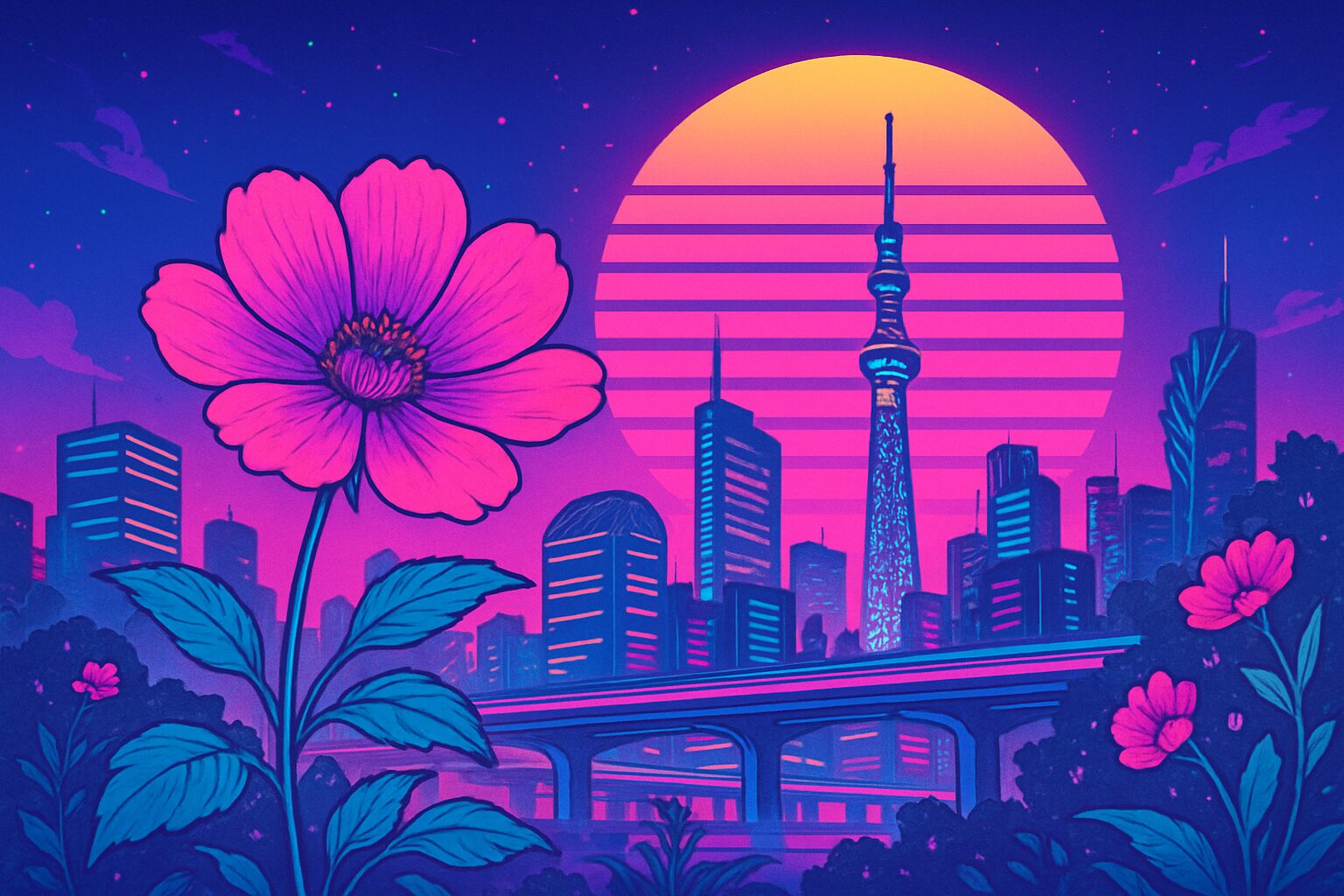
Yo, what’s the deal? Li Wei here, dropping in to get you hyped on a vibe that’s pure fire, straight from the heart of Japan’s aesthetic soul. We’re talking about a mashup so sick it’ll rewire your brain: retro-futuristic floral patterns. Forget what you know about your grandma’s curtains. This ain’t that. This is a whole mood, a time-traveling trip back to an imagined future, born in the electric dream of mid-century Japan. We’re diving deep into the world of zakka—those cool, miscellaneous goods that make life just a little bit more awesome—and hunting for the ones that rock these iconic, space-age flower designs. It’s a niche, for sure, but trust me, once you see it, you’ll be obsessed. This aesthetic is a snapshot of an era when Japan was blasting off, economically and creatively, looking at the 21st century with wide-eyed optimism. It’s a style that’s both nostalgic and forward-thinking, a paradox you can hold in your hand. So, get ready to explore the hidden alleys of Tokyo and beyond, where these floral treasures from a bygone future are waiting for a new life. Let’s get this bread.
For a deeper dive into Tokyo’s nocturnal aesthetic, check out our guide to exploring the city’s neon-soaked backstreets on a fixie.
The DNA of a Future Bloom: Decoding the Showa Era’s Vibe

To truly grasp what’s happening with these patterns, you need to understand the context they emerged from: the Showa Era (1926-1989), particularly the rapid-growth period spanning the 1960s to the 1970s. This was Japan’s transformation moment. The nation was bouncing back, hosting the ’64 Tokyo Olympics, and then absolutely nailing it with the 1970 Osaka Expo, themed “Progress and Harmony for Mankind.” The entire country buzzed with an electrifying energy, believing that science, technology, and cutting-edge design were the keys to a utopian future. It was a wave of pure, unfiltered optimism. This cultural moment birthed a distinct design language where tradition blended seamlessly with futuristic ideas. Designers drew inspiration from space exploration, atomic energy, and futuristic Western media, thinking, “We can totally do this—but make it Japanese.”
A Shift in Vibes: The Historical Context
The cultural backdrop was crucial. Before this era, Japanese aesthetics often emphasized wabi-sabi—the beauty found in imperfection, transience, and natural simplicity. Picture earthy colors, natural materials, and subtle textures. But the post-war boom flipped the narrative. Suddenly, the focus was on the new, the bold, and the man-made. Plastic emerged as the MVP—a miracle material that could be shaped into anything and saturated with vibrant color. This was more than just a change in materials; it was a philosophical leap celebrating human creativity. The Osaka Expo served as ground zero for this creative explosion. The whole site resembled a city from another planet, with avant-garde pavilions designed by visionary architects and artists. This futuristic vision wasn’t just for a select audience; it permeated all aspects of daily life, from architecture and automobiles to humble bento boxes and coffee cups. Everyday objects became canvases for forward-looking art. Homes transformed from quiet sanctuaries into launchpads—personal spaceships dressed in the hues and patterns of tomorrow.
What Defines a “Retro-Futuristic” Flower? Let’s Break It Down
How can you identify one of these iconic designs? It’s not about realistic, botanical drawings. This is where pop art collides with sci-fi. It’s a distinct visual language, and once you learn to read it, you’ll spot it everywhere. It’s about taking something as organic as a flower and giving it a geometric, space-age twist.
The Color Palette: Wild and Bold
The first giveaway is the color scheme. Forget soft cherry blossom pinks—instead, picture loud, unapologetic hues radiating confidence. Think blazing sunburst oranges, earthy avocado and olive greens, and deep mustard yellows that look pulled straight from a 70s sci-fi movie poster. These were often paired with shocking pinks, rich turquoises, and warm browns. The secret lay in the use of these colors—vibrant shades set against stark backgrounds of pure white, deep black, or metallic silver made the floral patterns really pop. This high-contrast style was essential, generating a visual energy that felt dynamic, electric, and ultra-modern. It was a deliberate rejection of subtlety in favor of unfiltered joy and visual impact.
Form and Shape: Flowers in Orbit
The flower shapes themselves were the centerpiece, highly stylized and futuristic. Picture less of a garden and more of a cosmic landscape. Petals turned into sharp, geometric vectors or perfect circles. Daisies became bold, graphic icons. Patterns repeated in ways resembling computer-generated fractals—though crafted by hand. These weren’t delicate, fading blooms; they were bold, energetic symbols. The designs often integrated other geometric shapes—circles, squares, starbursts, and wavy lines—that evoked atomic models, planetary orbits, and futuristic energy fields. Pattern layouts were typically dense, covering whole surfaces with rhythmic, pulsating energy. This organized chaos felt playful yet deliberate, perfectly reflecting a time of rapid, structured growth.
Material World: Plastic is Fantastic
The materials used matched the futuristic designs. This was the golden era of plastics, melamine, and vinyl—materials hailed as symbols of progress for being hygienic, durable, and capable of showcasing incredibly vibrant colors. A floral pattern on a ceramic plate was nice, but on a glossy, lightweight melamine tray or thermal Zojirushi pot, it felt fundamentally different—modern. The slight sheen of plastic, the smooth, cool touch all contributed to the space-age fantasy. These weren’t cheap imitations of traditional materials; they were celebrated for their unique properties. Discovering a set of melamine cups with a bold orange and brown floral design or a vinyl tablecloth still intact after fifty years is like unearthing a relic from an alternate universe where the future arrived in the 1970s.
The Zakka Kingdom: Your Treasure Map to a Bygone Future
Alright, you’re excited and ready to start your collection. But where do you actually begin? Hunting for this specific flavor of vintage zakka requires a strategy. You need to explore neighborhoods bursting with history. In Tokyo, there are several must-visit spots that are essential for any serious vintage hunter. Each has its own distinct character and pace. This isn’t just shopping; it’s an urban archaeological adventure.
Shimokitazawa: The Crown Jewel of Vintage
If you only have time for one place, make it Shimokitazawa, or “Shimokita” as locals call it. This neighborhood is the undisputed champion. It’s easy to reach—a short train ride from Shibuya or Shinjuku via the Keio Inokashira or Odakyu Lines. As soon as you step out of the station, you’re hit with the vibe. It’s a low-rise maze of winding, narrow streets completely closed to cars, turning it into a pedestrian paradise. The area is packed, wall-to-wall, with countless vintage clothing stores, record shops, indie theaters, and most importantly for us, zakka and antique shops. The atmosphere is youthful, creative, and endlessly cool. It feels like the entire neighborhood is a carefully curated collection of amazing finds.
Your goal in Shimokita is to get lost. Don’t stick to the main streets. Slip into the narrow side alleys. Climb the creaky stairs to second-floor shops that seem frozen in time. Look for stores that go beyond fashion. Seek out places with “antique” in the name or shops with piles of old furniture and housewares spilling onto the sidewalk. These are the places where you’ll strike gold. Be ready to dig through stacks of plates or boxes of vintage glassware because the excitement of discovering that perfect retro-futuristic floral pot is well worth the effort. A pro tip: visit on a weekday morning if possible. Weekends in Shimokita draw crowds—which is fun—but can make it tougher to browse leisurely.
Koenji: Shimokita’s Grittier, More Punk Rock Cousin
Just a short ride away on the JR Chuo Line is Koenji, a neighborhood that shares Shimokita’s passion for vintage but carries a totally different energy. If Shimokita is the trendy indie kid, Koenji is its punk rock older sibling who’s been cool for much longer. The vibe here is rougher around the edges, more subculture-focused, and deeply authentic. Koenji’s heart lies in its shotengai—covered shopping arcades that fan out from the station. These arcades are a wild mix of traditional mom-and-pop stores selling pickles and tofu beside hardcore punk record shops and carefully curated vintage boutiques.
In Koenji, the hunt for Showa retro is intense. Several shops specialize in goods from this era, often packed to the ceiling with furniture, lighting, kitchenware, and toys. The shop owners are usually passionate collectors themselves and can tell you the backstory of every item. Look for shops underneath the elevated train tracks or along the main Pal Shopping Arcade. Beyond the dedicated retro shops, Koenji’s general “recycle shops” are excellent treasure troves. These are less curated and more chaotic, meaning prices are often lower and surprises abound. Koenji rewards the patient explorer. It’s a place to slow down, soak in local vibes, and connect with a genuinely lived-in side of Tokyo.
Kichijoji: The Chill, Artsy Oasis
For a more relaxed but equally rewarding hunt, head west on the Chuo or Keio Inokashira lines to Kichijoji. This neighborhood consistently ranks as one of Tokyo’s most desirable places to live, and it’s clear why. It strikes a perfect balance between large department stores, charming boutiques, and the expansive, beautiful Inokashira Park. The vintage scene here is a bit more spread out and curated than Shimokita or Koenji but no less impressive. Kichijoji is ideal for finding higher-quality pieces and small, design-focused shops that blend old and new aesthetics.
One of the best parts about shopping in Kichijoji is stumbling upon outdoor antique or flea markets, often held on weekends near the park or local temples. These markets offer a fantastic mix of items from various sellers all in one spot. You’ll find everything from antique kimono fabrics to our beloved Showa-era floral zakka. The atmosphere is warm and communal. Even if you don’t buy anything, it’s a wonderful cultural experience. Also, explore Nakamichi-dori, a long, charming street north of the station filled with unique shops, including hidden antique stores that are absolute treasure troves.
Beyond the Capital: Broadening Your Search
Don’t think vintage treasures exist only in Tokyo. Major cities in the Kansai region, like Kyoto and Osaka, boast their own legendary vintage scenes. In Kyoto, the massive monthly markets at To-ji Temple (on the 21st) and Kitano Tenmangu Shrine (on the 25th) are famous. While known mostly for traditional Japanese antiques like ceramics and scrolls, you’ll definitely find Showa-era gems mixed in. It requires some digging, but the potential for unique discoveries is enormous. In Osaka, Nakazakicho is the city’s answer to Shimokitazawa—a charming district of old wooden buildings housing cafés and vintage shops. It carries a distinctly warm, friendly Kansai vibe. And never underestimate the value of a rural “recycle shop.” If your travels take you off the beaten path to smaller towns, keep an eye out. These shops are often huge warehouses packed with clearance items and can be some of the most exciting places to find pristine retro-futuristic zakka at a fraction of Tokyo’s prices.
The Collector’s Playbook: Identifying and Cherishing Your Finds
Okay, you’re in the shop. Your heart is racing. You catch a flash of psychedelic orange from across the room. What now? Becoming a savvy collector involves more than just having good taste. It’s about knowing what to look for, understanding how to spot the real deal, and learning how to care for these beautiful pieces of history so they can bring joy for decades to come. Let’s dive into the details.
The All-Star Lineup: Iconic Retro-Futuristic Items to Hunt For
While retro-futuristic floral patterns appear on nearly everything, a few key items truly capture the spirit of the era. Focusing on these categories can help guide your search and build a cohesive collection.
First, kitchenware. This is the jackpot. The 60s and 70s were all about making the home lively and fun. Look for thermal carafes and ice buckets from iconic brands like Zojirushi and Tiger. These often feature bold colors with large, stylized floral decals and are quintessential Showa retro pieces. Also, keep an eye out for melamine tableware—plates, bowls, and cups. Noritake produced remarkable lines like “Folkstone” with striking, earthy patterns. Glassware is another big category. Seek out sets of drinking glasses with screen-printed floral motifs that radiate nostalgia. Don’t forget plastic bento boxes, Tupperware-style containers, and serving trays—common everyday items mass-produced but rare finds in pristine condition.
Next, textiles and linens. This is where the patterns truly shine. Vinyl tablecloths were hugely popular in the 70s—they were practical, easy to clean, and came in wild designs. Finding an unused roll is like hitting the jackpot. Cotton curtains, aprons, and noren (short, split curtains used in doorways) make fantastic canvases for these floral motifs. Even cushions and zabuton (floor cushions) were treated to a retro-futuristic update. Hunting for textiles requires patience, as they’re more prone to wear, but a vibrant fabric can become a room’s centerpiece.
Don’t overlook stationery and ephemera. Showa-era graphic design was on another level. Look for letter-writing sets, notebooks, diaries, and pencil cases. The illustrations often blend the early seeds of kawaii culture with bold, pop-art florals. These small items are often affordable and easy to pack, making them perfect souvenirs. They deliver a compact hit of retro-futuristic nostalgia.
Storage solutions were also important. People loved being organized—and wanted it to look good. Tin canisters for tea, coffee, sugar, or cookies are classic finds, often featuring repeating floral patterns and stackable designs. Small plastic drawer units, originally meant for sewing supplies or office goods, are another excellent find, adding a pop of color and retro flair to any desk or shelf.
Finally, the big prize: small furniture and decor. These pieces are rarer and harder to transport but make ultimate statement pieces. Look for plastic pendant lampshades, wall clocks with graphic floral faces, or small side tables. These items defined the era’s interior design and can instantly transport a modern space back in time.
Reading the Signs: How to Spot the Real Deal
Authenticity is crucial when it comes to vintage pieces. Fortunately, most of these items aren’t high-value enough to warrant fakes, but it’s still good to know what to check. The first step is to flip the piece over. Look for maker’s marks on the bottom. Brands like Noritake, Sone China, and Adam & Eve for ceramics, or Zojirushi, Tiger, and National for appliances, are positive indicators. Many plastic goods have the maker’s mark molded into the bottom as well. If you see a name you don’t recognize, a quick phone search can help.
Next, examine the quality of the pattern. Old screen-printing and decal techniques have a distinctive look and feel. Colors may be vibrant but often display tiny imperfections—a slight misalignment or variations in ink density—that reveal older manufacturing methods. The patina of age is also a clue. Look for fine scratches from decades of gentle use or even fading of color. Material feels are a big giveaway. Showa-era plastics often have more heft and rigidity than modern plastics, feeling more substantial. Trust your hands and your eyes. After handling a few authentic pieces, you’ll develop a good sense of it.
Handle with Care: Keeping Your Vintage Treasures Vibing
Once you’ve brought your treasures home, you need to treat them properly. These items have a history, and with some care, they can last for many more years. For melamine and most plastics, always hand-wash gently with a soft sponge and mild soap. Never put them in the microwave or dishwasher. High heat can make plastic brittle, cause cracks, release chemicals, and ruin printed patterns. With textiles, if cleaning is necessary, test a small, hidden area first with a gentle detergent. Air-dry away from direct sunlight, as UV rays are the number one enemy of vibrant vintage colors. For tin canisters, avoid soaking; wipe clean with a damp cloth and dry immediately to prevent rust. Most importantly, protect your items from prolonged direct sunlight. Find a spot where they can be admired without constant sun exposure to keep those psychedelic oranges and greens looking fresh for years to come.
More Than a Collection: Integrating the Vibe into Your Life
This is about more than simply collecting items. It’s about connecting with a particular moment in design history and infusing its unique energy into your everyday life. These objects weren’t meant to sit behind glass. They were created to be used, to add a touch of joy to daily routines. The philosophy of zakka revolves around elevating the ordinary. So, how can you incorporate these retro-futuristic florals into your world without turning your home into a nostalgic time capsule?
Styling Your Space: A Touch of Future-Past
The secret to bringing this style into a modern home is balance. You don’t want to go all-in on a 70s-themed diner vibe unless that’s exactly your style. Instead, treat these pieces as punctuation marks—vivid pops of color and pattern in an otherwise serene setting. A row of colorful thermal pots on a sleek, minimalist white shelf looks stunning, becoming functional art. A single bold floral cushion on a neutral-toned contemporary sofa instantly draws the eye. A gallery wall featuring mismatched melamine plates or serving trays can enliven a bland kitchen wall. Consider using a bright vintage textile as a wall hanging or stretched over a canvas like artwork. The interplay between old and new creates visual intrigue. It tells a story, showing appreciation for both the clean lines of modern design and the lively spirit of the past.
The Zakka Mindset: It’s a Lifestyle, Fam
At its heart, zakka is about mindfulness. It means choosing to surround yourself with objects that are not only practical but also beautiful and meaningful. Using your treasures is the best way to honor their history and design. Drink your morning coffee from that 70s floral mug. Serve snacks on that boldly patterned tray. Pack your lunch in the vintage bento box. Every interaction with these items delivers a small dose of Showa-era optimism, connecting you to the past and enriching your present.
There’s also a strong sustainability aspect. By opting to buy vintage, you’re stepping out of the cycle of mass-produced, disposable goods. You’re giving new life to items crafted with care and built to endure. It’s a deliberate choice to value craftsmanship and history over fleeting trends. From my perspective as someone who enjoys tracing cultural ties across East Asia, this appreciation for well-designed everyday objects is universal. It expresses a shared longing to find beauty and meaning not in grand gestures but in the small, tangible details of daily life. These retro-futuristic florals are a particularly vibrant and joyful expression of that desire.
Your Practical Playbook for a Time-Traveling Shopping Spree

Ready to book your flight and dive in? Wait a moment. A successful vintage hunt takes a bit of preparation. Coming equipped with the right tools and mindset can mean the difference between a frustrating day and a triumphant haul. Here are some essential tips to ensure your zakka adventure goes smoothly and successfully.
Gear Up and Get Ready
First and foremost: comfortable shoes. This is non-negotiable. You’ll be walking. A lot. Expect to be on your feet for hours, navigating crowded streets and standing in cramped shops. Protect your feet. Next, bring cash. Although Japan is increasingly credit card-friendly, many of the best small, independent vintage shops still operate on cash only. Having a good amount of yen on hand means you’ll never have to walk away from the perfect find. Also, pack a reusable tote bag, or even a couple. You’ll be buying things, and having your own bag is both convenient and eco-friendly. If you’re searching for specific items such as textiles or something to fit a particular spot at home, a small, flexible measuring tape is invaluable. Lastly, a portable battery charger for your phone is a must-have. You’ll be relying on it for maps, translation apps, and capturing photos of your great finds, and you don’t want your battery to die mid-hunt.
Talk the Talk: Navigating the Lingo
You don’t need to be fluent in Japanese, but knowing a few key phrases will make your interactions smoother and more enjoyable. A simple “Sumimasen” (Excuse me) politely gets attention. “Kore wa ikura desu ka?” (How much is this?) is the most important question you’ll ask. If you’re looking for a particular style, try asking for “Showa retro no zakka” (Showa-era miscellaneous goods). A smile and a polite “Arigato gozaimasu” (Thank you very much) goes a long way. Most shopkeepers are happy to help, even with a language barrier, if they see you’re making an effort and showing respect for their culture and goods.
The Art of the Dig: Pro-Level Hunting Tips
Vintage shopping is a sport, and you’ll need a strategy. The number one rule: look everywhere. And I mean everywhere. Check the highest shelves, which often hold older, dustier stock. Look underneath tables and inside boxes. Some of the best items are right in plain sight, waiting for someone with a keen eye. Don’t hesitate to carefully move things around to see what’s behind them (but always return items neatly!).
Engage with shopkeepers. If you’re searching for something specific, try showing them a picture on your phone. Even if they don’t have it, they might be able to direct you to another shop that does. They are treasure troves of knowledge and passion. Keep in mind that haggling is generally not part of Japanese retail culture, even in vintage shops. The tagged price is the price you pay, and haggling can be considered rude. Finally, be patient. This is the most important tip. You can’t rush a great find. Some days you may come up empty. Other days, you’ll find more treasures than you can carry. It’s all part of the adventure. Embrace the process of searching and enjoy the thrill of the hunt itself. That’s where the real magic lies.
Your Future Nostalgia Is Calling
This journey into Japan’s retro-futuristic floral zakka is about much more than mere shopping. It serves as a portal—a way to connect with a unique and vibrantly rich chapter of Japanese cultural history. Each item you discover is a tangible fragment of a dream—a vision of a bright, bold, and beautiful future, as imagined from the past. These objects carry an optimistic spirit and playful energy that remain just as relevant and inspiring today as they were fifty years ago. They remind us that the future we envision is a powerful force, shaping both the art we create and the items we choose to live with.
So, when you visit Japan, dare to stray from the main tourist paths. Get lost in Shimokitazawa’s backstreets, wander through Koenji’s covered arcades, and let your curiosity lead the way. Allow yourself to be drawn to a burst of color, an eccentric pattern, or an object that simply feels special. You’re not merely buying a souvenir; you’re saving a small piece of history and becoming part of its ongoing story. The future is retro, the flowers are blooming, and your next great discovery awaits just around the corner. Go find it.