
You feel it, don’t you? That low-grade hum of digital exhaustion. The phantom buzz of a phone in your pocket, the relentless scroll, the tyranny of the blinking cursor. It’s the background radiation of modern life, a state of being so pervasive we barely notice it until it manifests as burnout, anxiety, or a profound sense of disconnection. We chase productivity hacks, download mindfulness apps, and bio-hack our sleep, all in a desperate attempt to claw back some semblance of peace. But what if the solution wasn’t in an app, but in the trees? What if the most effective technology for restoring the human spirit was, in fact, the oldest one we have?
This is the quiet premise behind one of Japan’s most fascinating modern exports: shinrin-yoku. Translated literally, it means “forest bath.” Now, before you start picturing someone hauling a clawfoot tub into the woods, let’s be clear. There’s no water involved, no soap, no scrubbing. To bathe in the forest is to immerse yourself in its atmosphere, to soak it in through your senses. It is the simple, intentional act of being among the trees, and it’s a practice that speaks volumes about the culture that formalized it.
Most people who encounter the term assume it’s an ancient Zen or Shinto practice, whispered down through generations of monks and mystics. The reality is far more interesting and pragmatic. Shinrin-yoku is a surprisingly recent invention, born not from ancient scripture but from a public health crisis in the 1980s. It was a government response to a society quite literally working itself to death. It’s a story about how a nation, at the peak of its technological and economic power, looked to its ancient landscapes for a cure to a modern malady. Understanding why Japan needed to medicalize and prescribe something as simple as a walk in the woods is to understand a fundamental tension at the heart of Japanese society—a deep, almost spiritual reverence for nature clashing with one of the most demanding work cultures on the planet.
This pragmatic approach to national well-being, born from crisis, mirrors Japan’s broader societal resilience, which is also evident in its meticulous approach to disaster preparedness.
A Prescription Born from Crisis
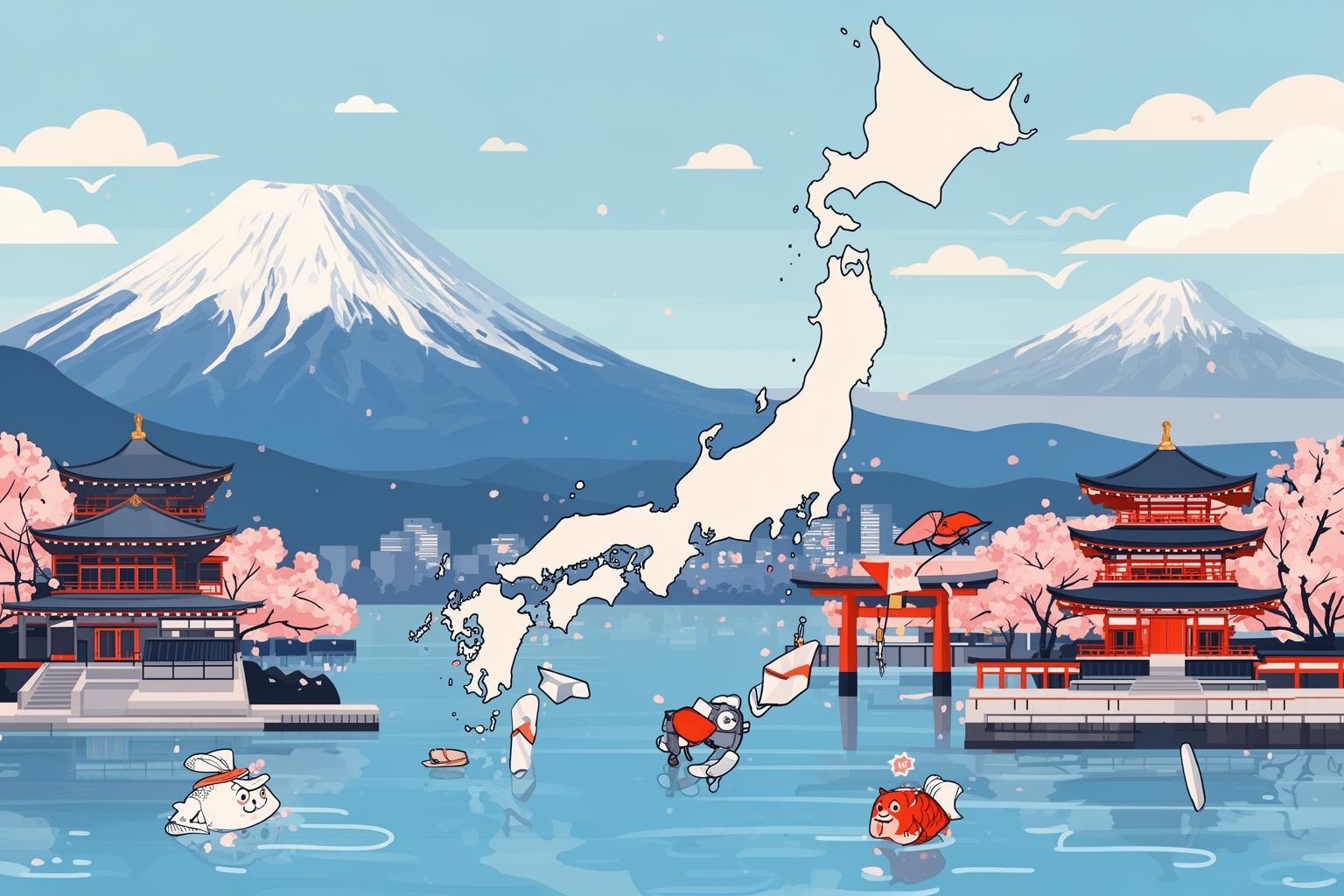
To understand the origins of shinrin-yoku, you need to envision Japan in the early 1980s. This was the peak of the bubble economy, a time of nearly dizzying economic strength. The world watched in amazement as Japanese manufacturing, technology, and finance appeared unstoppable. Tokyo’s real estate was valued higher than all of the United States combined. However, this economic miracle was powered by human capital, and it came at a severe cost. The figure of the “salaryman” emerged as iconic: a dark-suited corporate soldier, fiercely loyal to his company, working exhausting hours, enduring marathon commutes, and surviving on a regimen of caffeine, nicotine, and sheer determination.
This wasn’t merely hustle culture; it was a structural expectation and a societal norm. The boundary between work and life didn’t just blur; for many, it vanished completely. The consequences were fatal. A new and frightening term entered the global vocabulary: karōshi (過労死), or “death from overwork.” Healthy men in their 30s and 40s were suddenly dying at their desks from stress-induced heart attacks and strokes. The phenomenon became so prevalent that it was recognized as a serious social issue and an official cause of death for legal and insurance considerations.
It was in this context that the Japanese government began to take action. In 1982, the Ministry of Agriculture, Forestry and Fisheries, with a uniquely Japanese bureaucratic insight, proposed a solution. They did not suggest shorter working hours or new labor laws—that came later and after much debate. Instead, they turned to one of the nation’s most abundant resources: its forests. Japan is, after all, nearly 70% forested. The Ministry coined the term shinrin-yoku and started promoting it as a national health initiative. The core concept was straightforward: if the hyper-urbanized, high-stress city environment was making people ill, then the natural, tranquil setting of the forest could restore their health. It was presented not as a leisure activity, but as a form of preventative medicine—an antidote to the toxins of modern urban life.
So, What Is It, Exactly?
It’s important to recognize that shinrin-yoku is not the same as hiking. It’s not about reaching a peak, covering a set distance, or getting a cardio workout. In fact, it represents the opposite of that goal-driven mindset. The aim of forest bathing is to have no aim. It involves aimless wandering and opening the senses.
Rather than walking purposefully along a trail, you are encouraged to wander slowly. You might spend twenty minutes walking only a few hundred feet. The emphasis is on connection, not destination. A trained shinrin-yoku guide won’t act like a drill sergeant leading you to the summit; instead, they serve as a curator for your senses, gently encouraging you to notice things you might otherwise overlook.
They may ask you to pause and close your eyes, simply to listen. What sounds do you perceive? The rustling of leaves overhead, the distant call of a bird, the creaking of a branch swaying in the wind, the faint hum of insects. They might invite you to feel the rough, textured bark of an ancient cedar or the cool, damp moss covering a stone. You are encouraged to breathe deeply and smell the air. What scents does the forest hold? The earthy, loamy aroma of soil, the sharp, clean fragrance of pine needles, the subtle perfume of a hidden wildflower.
You might be prompted to observe the interplay of light and shadow on the forest floor—a phenomenon the Japanese call komorebi (木漏れ日), meaning sunlight filtering through the leaves. The practice centers on slowing down enough to allow the forest to immerse you. It is a full-body, multi-sensory experience designed to draw you out of your mind—freeing you from the endless cycle of anxieties, to-do lists, and inner chatter—and ground you firmly in the present moment. In a world that constantly demands our focus, shinrin-yoku offers a radical alternative: simply paying attention, without any agenda.
The Science Behind the Serenity
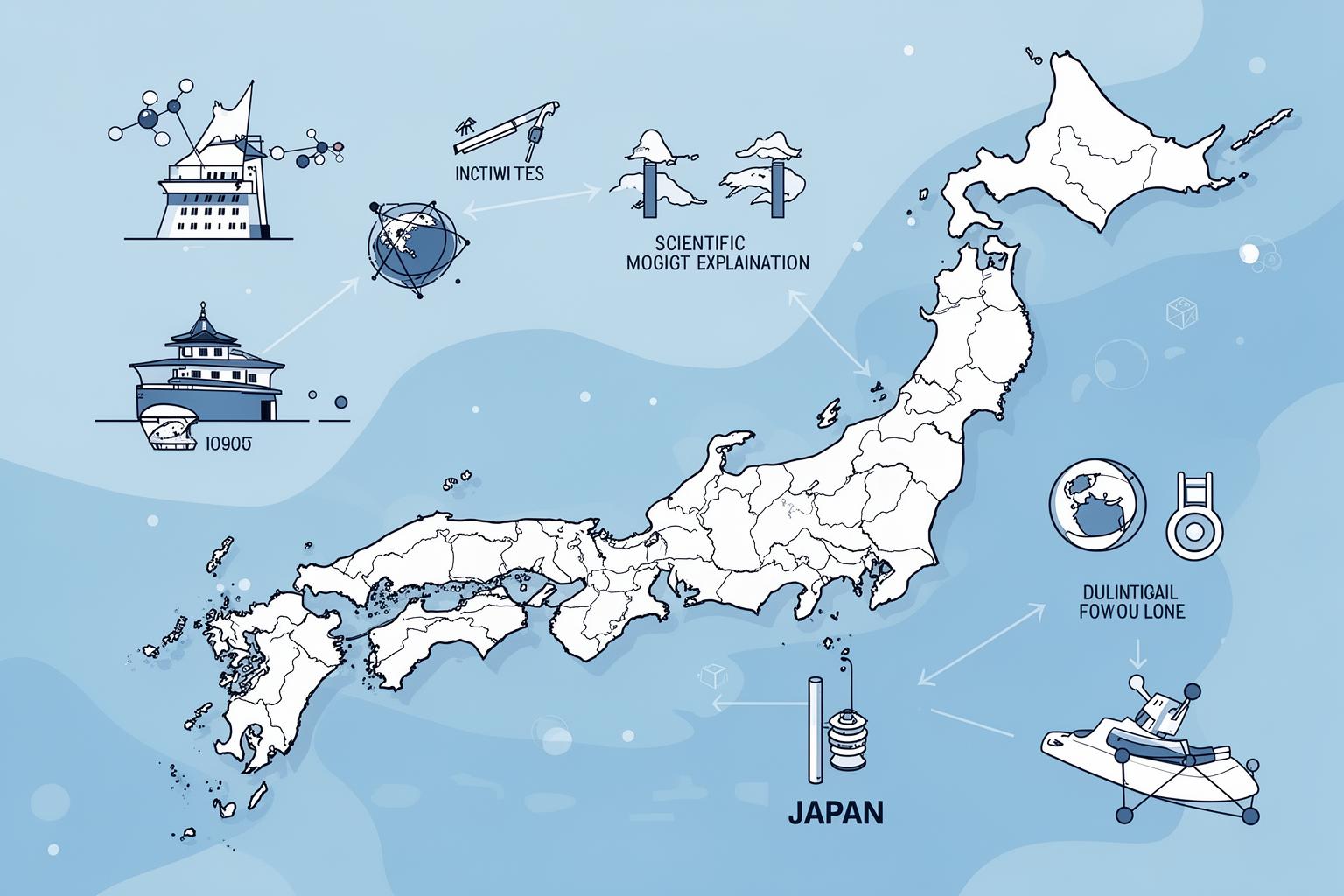
While the notion of nature’s restorative qualities is intuitively appealing, the Japanese approach was not only to promote it but also to scientifically validate it. Following government endorsement, a vigorous field of scientific research developed to examine the physiological and psychological effects of forest bathing. This research transformed shinrin-yoku from a simple leisure activity into a legitimate, evidence-based therapeutic practice.
One leading figure in this area is Dr. Qing Li, a professor at Nippon Medical School in Tokyo. His research, along with that of others, has uncovered several key mechanisms by which forest environments positively influence human health. Perhaps the most important discovery concerns airborne chemicals called phytoncides—antimicrobial volatile organic compounds released by trees and plants to defend themselves against germs, insects, and fungi. When people walk through a forest, they inhale these compounds.
Dr. Li’s studies demonstrated that breathing in phytoncides significantly increases both the number and activity of a crucial type of white blood cell known as Natural Killer (NK) cells. These NK cells play a vital role in our immune system by targeting and destroying infected or cancerous cells. Notably, research showed that a multi-day forest visit could enhance NK cell activity by up to 50%, with this boost lasting for as long as a month after returning to urban environments. The forest was not only calming people but actively strengthening their immune defenses.
In addition to immune benefits, researchers regularly observed other positive physiological changes. Time spent in forest settings was linked to lowered levels of the stress hormone cortisol, reduced blood pressure, and a slower heart rate. It stimulated the parasympathetic nervous system, the body’s “rest and digest” mode, which counters the sympathetic nervous system’s “fight or flight” response prevalent in our stressful daily lives. Psychologically, study participants reported decreases in anxiety, depression, anger, and confusion, along with increases in vigor and overall well-being. This research provided solid evidence validating the 1982 initiative: the forest is indeed a potent form of medicine.
A Cultural Blueprint: Nature and Shintoism
For shinrin-yoku to become deeply ingrained in the national consciousness, it needed a fertile cultural foundation. In Japan, this foundation has been nurtured for centuries. Although the practice itself is modern, the profound respect for nature it draws upon is ancient and deeply rooted in cultural DNA, primarily through Shinto, Japan’s indigenous animistic religion.
Shintoism lacks a single founder or a central holy text like the Bible or Quran. Its worldview embraces the idea that the divine is not separate from nature but is present within it. Gods, or spirits called kami, are believed to inhabit natural objects and phenomena—mountains, rivers, waterfalls, storms, and particularly trees and forests. A notably ancient or majestic tree, often marked with a sacred rope called a shimenawa, is regarded as a shinboku (神木), a divine tree serving as a vessel for a kami.
This is why Shinto shrines are almost always situated within natural surroundings, frequently nestled among groves of old trees. The path to a shrine, the sandō, acts as a transitional space, guiding visitors from the ordinary, human-made world into the sacred realm of the kami. Passing through the torii gate means entering the forest, and entering the forest means entering the presence of the divine. The ritual of cleansing one’s hands and mouth with water before approaching the main shrine is an act of purification, preparing one to engage with the pure, unblemished world of the kami.
This deeply rooted cultural connection of forests with purity, spiritual power, and refuge meant that when the government introduced shinrin-yoku, it was not presenting a foreign idea. People already intuitively understood that forests were special places. They did not need to be persuaded that forests were places of healing and restoration; they had sensed it deeply every time they visited a local shrine. Shinrin-yoku simply offered a new, secular, and scientific framework for expressing an ancient, sacred feeling. It transformed a spiritual impulse into a medicalized concept, making it accessible and acceptable as a mainstream health practice in a modern, secular society.
Shinrin-yoku in Practice Today
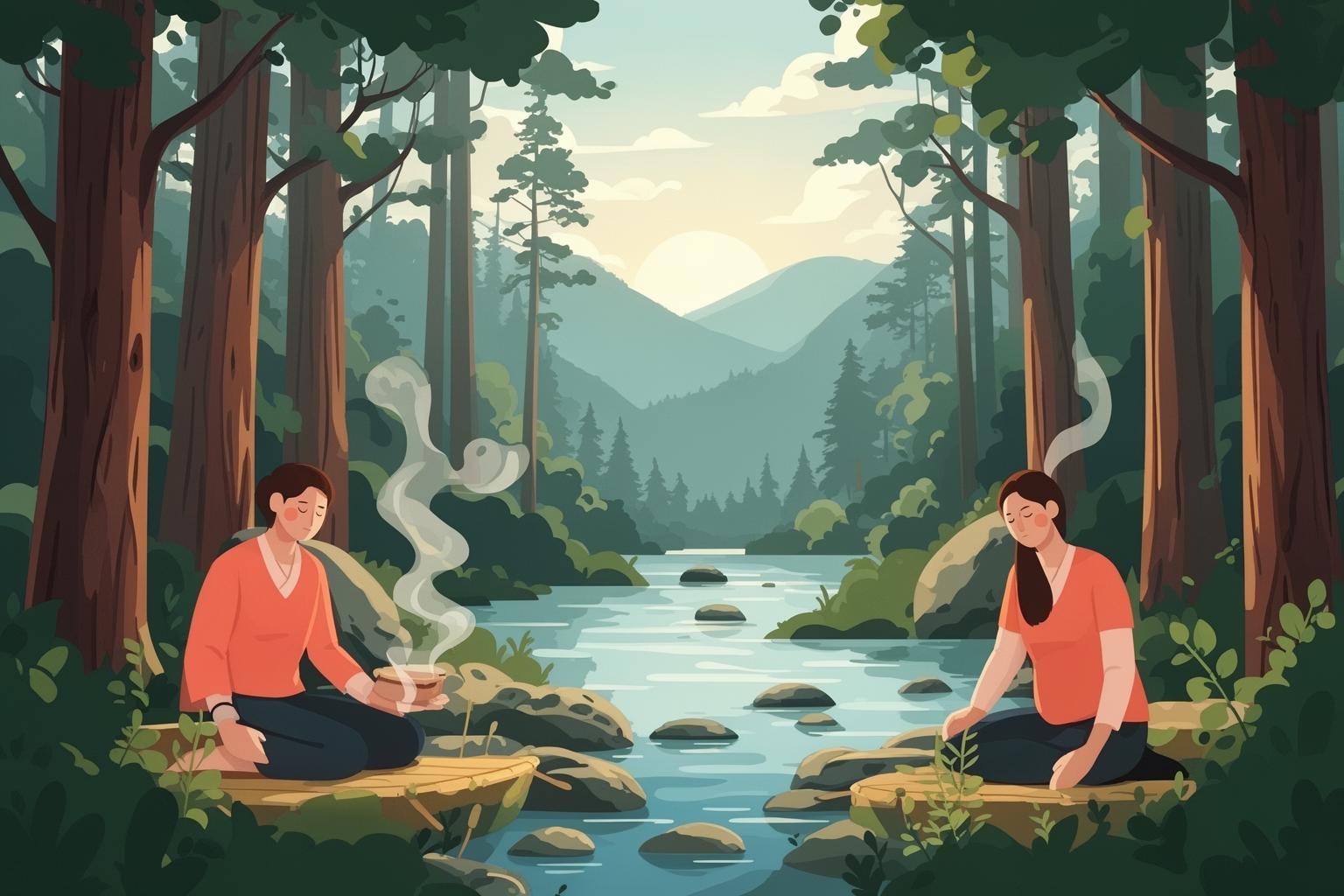
What started as a government initiative has grown into an integral part of Japan’s wellness and healthcare landscape. Today, the nation boasts a network of certified “Forest Therapy Bases and Trails.” These are no ordinary wooded areas. To earn certification from the Forest Therapy Society, a forest must be scientifically demonstrated to provide relaxing and healing effects. Researchers visit these sites and conduct experiments on human participants, measuring cortisol levels, blood pressure, and other biomarkers before and after spending time in the specific forest.
These therapy trails are designed for both accessibility and sensory engagement. They typically feature gentle slopes, well-maintained paths, and numerous benches for rest and reflection. Certified guides are trained not only in forest ecology but also in therapeutic techniques that assist visitors in slowing down and connecting with their environment. Doctors can prescribe these programs, and in some cases, they are even covered by corporate health insurance plans.
From the ancient cedar forests of Yakushima Island to the alpine woods of Nagano, these dedicated sites provide immersive shinrin-yoku experiences. However, the practice is not confined to these official therapy bases. The principles of shinrin-yoku can be embraced wherever there are trees. For millions of Tokyo residents, a stroll through the dense woods around Meiji Jingu shrine or the expansive greenery of Yoyogi Park offers a vital urban dose of forest bathing. The essential element is the mindset—the transition from goal-oriented exercise to sensory immersion. It’s about finding a small natural refuge and allowing it to reset your nervous system, even if only during a lunch break.
A Global Export vs. The Japanese Original
In recent years, shinrin-yoku has emerged as a global wellness trend. Guided forest bathing walks, luxury retreats, and certified guides can now be found from California to Finland. The concept has been embraced by a world that, in many ways, is even more digitally saturated and stressed than 1980s Japan. However, as with many cultural exports, something is often lost in translation.
In the West, forest bathing is often promoted as another tool for personal self-optimization—a method to enhance creativity, reduce stress, and improve well-being. It fits seamlessly into the commercialized realm of mindfulness apps, yoga retreats, and organic juice cleanses. Although the benefits are genuine, this framing frequently removes the practice from its original, profound social context.
Shinrin-yoku was not created from an individual’s pursuit of self-improvement. It was a collective, top-down response to a societal crisis. It represented a government acknowledgment that its economic model was harming its people, and that the nation’s natural heritage held the key to their recovery. It was a public health initiative, intended to be accessible and affordable, grounded in a shared cultural understanding of nature’s sacredness. The Western interpretation often encourages escapism for personal gain; the Japanese original was about healing a nation.
This difference is significant. It reminds us that shinrin-yoku is more than just a wellness trend. It is a cultural artifact, born from a specific time and place, reflecting a society’s complex relationship with nature, work, and health. To view it simply as a popular way to unwind is to overlook the deeper narrative it conveys about the challenges of modern life and a nation’s quest for balance.
More Than Just Trees
Ultimately, the story of shinrin-yoku serves as a quiet yet powerful critique of the modern world. It acknowledges that despite our technological progress, we remain biological beings, inherently connected to the natural world from which we evolved. To break that connection, as often happens in our urbanized, indoor lifestyles, is to inflict harm upon ourselves.
In an era that celebrates constant busyness, a practice that embraces aimlessness becomes a gentle form of rebellion. In a culture filled with continuous distractions, an activity that requires only quiet observation feels revolutionary. The true brilliance of shinrin-yoku lies not in any complex secret, but in its profound simplicity.
It suggests that overcoming burnout may not depend on a more efficient productivity method or advanced technology. Sometimes, the solution is simply to step outside, walk among the trees, and recall what it feels like to be part of the living world. It is Japan’s gift to a frantic world—a reminder that healing often comes not from doing more, but from being more. From breathing, listening, and allowing the ancient wisdom of the forest to work its magic.