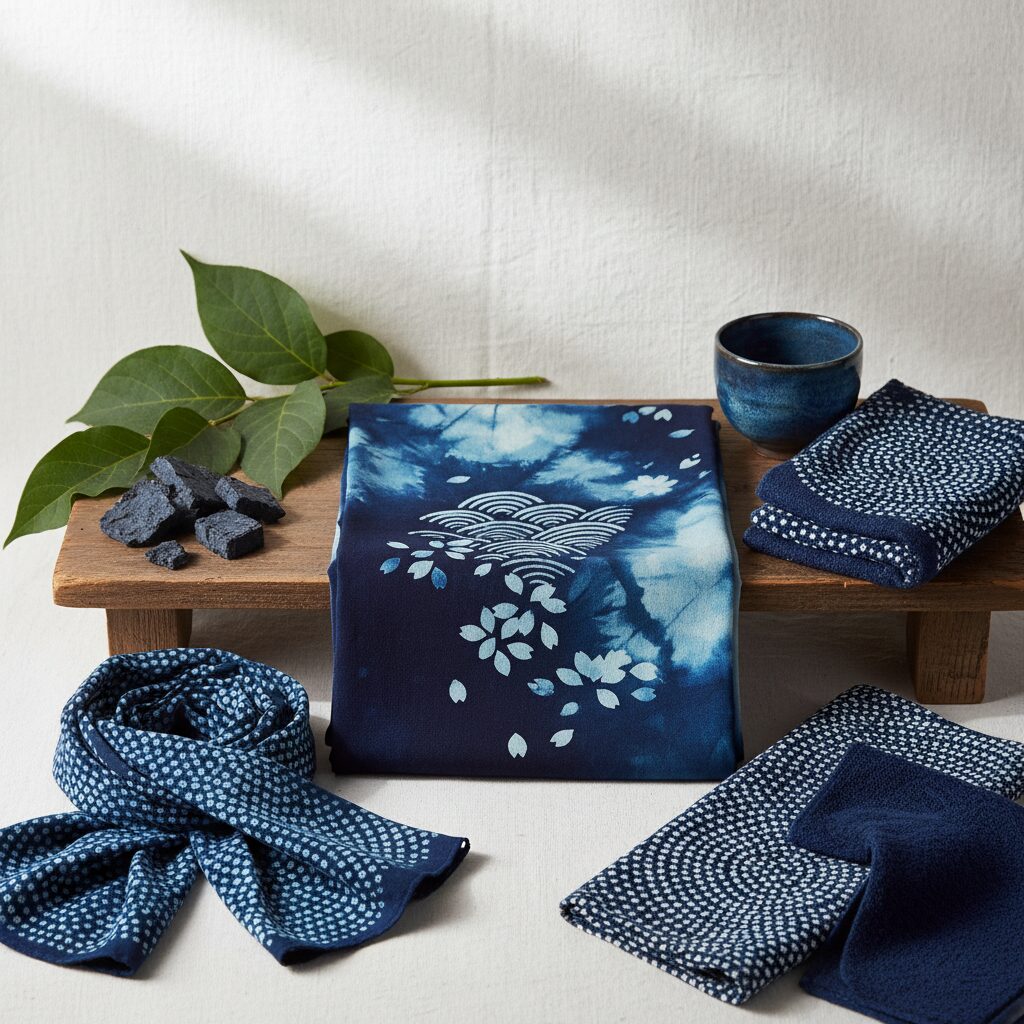
Yo, what’s the deal with Japan? You scroll through your feed and see it all: the neon-soaked cityscapes, the serene temples, the food that looks like straight-up art. It’s a vibe. But then you dig a little deeper and things get… confusing. You see a simple, dark blue t-shirt in a super slick store in Daikanyama. It’s minimalist, it’s clean, it’s… insanely expensive. You check the tag, and it says “Aizome,” or “Japanese Indigo.” You’re thinking, “For real? It’s just blue.” It’s a legit question. In a world of fast fashion and a million shades of everything, why does this one specific blue get treated like royalty? Why is it spoken about in hushed, reverent tones, as if it’s more than just a color? That’s the disconnect, the mismatch between what you see—a blue piece of cloth—and the cultural weight it carries. This isn’t just about aesthetics. It’s not just another dye. Aizome is alive. For real, it’s a breathing, fermenting, living process that’s more like cultivating a sourdough starter or brewing craft beer than just tinting some fabric. To get why Japan hypes this blue so hard, you have to look past the color and into the vat. We’re about to dive deep into the world of an Aizome artisan, to understand the grind, the magic, and the philosophy that makes this blue the soul of Japanese craft. It’s a whole different level of slow living, a connection to nature that’s so deep, you can literally wear it. This is the story of Japan Blue, and trust me, it’s way more than just blue.
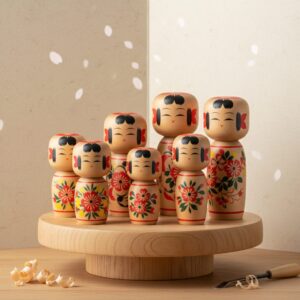
This deep connection to craft and nature is a core part of Japan’s broader artisanal heritage, much like the philosophy behind traditional Kokeshi dolls.
More Than Just Blue: The “Living” Dye That Breathes
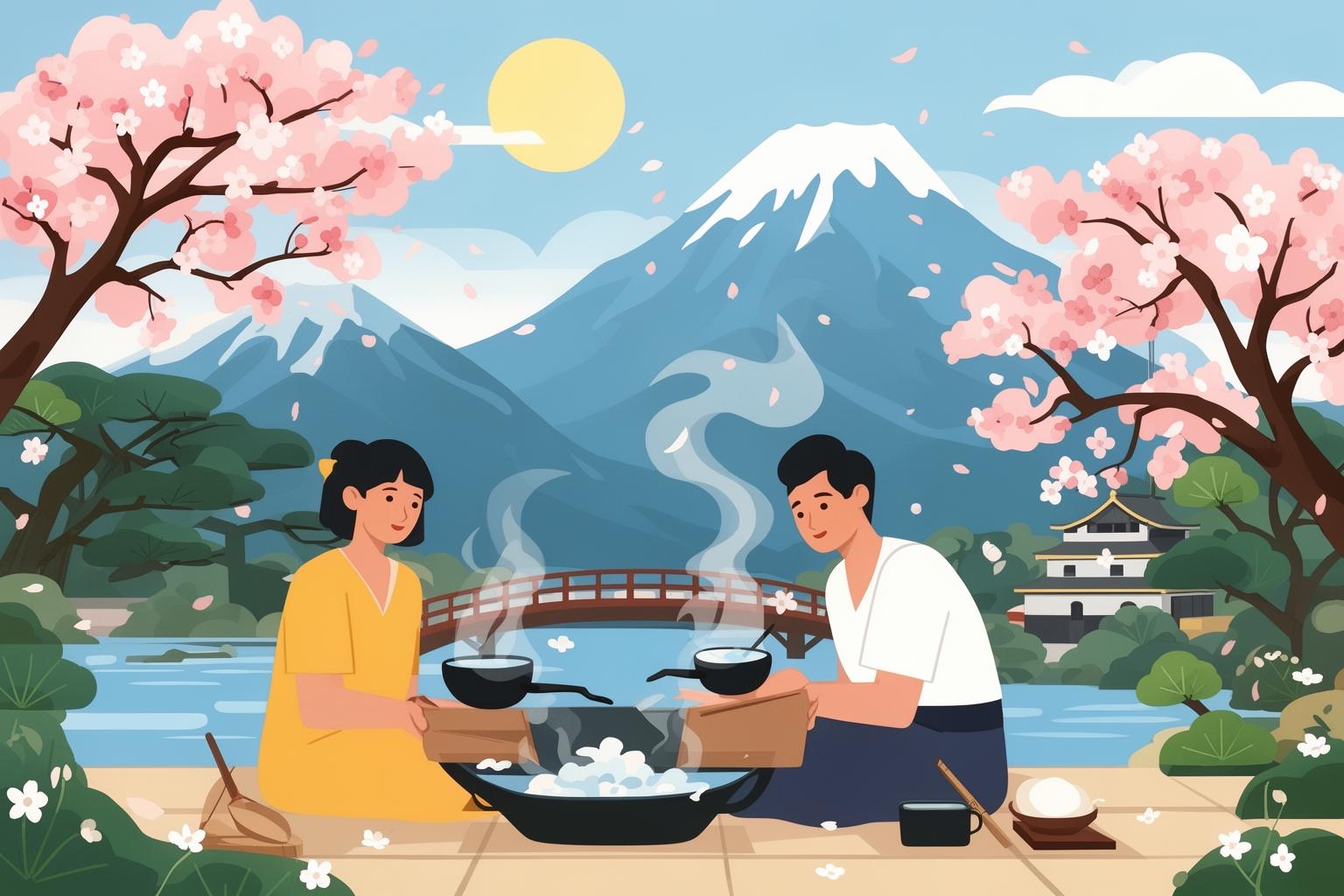
First, let’s clear something up. Aizome isn’t just a powder you toss into hot water—forget that. The entire process is an intense, organic journey that begins in the field. The star here is a plant called tadeai, or Persicaria tinctoria. It appears quite ordinary, just a leafy green plant. But hidden inside those leaves is the potential for the deepest, most electrifying blue you’ve ever seen. The transformation from green leaf to a vat of dye is where the real magic lies, a process of controlled decay and fermentation. It’s genuine alchemy, driven by microbes.
After harvesting, the leaves are dried and gathered into a mound inside a special barn. For about three to four months, this pile becomes the artisan’s whole focus. They meticulously sprinkle it with water and turn it with large rakes, day after day. The pile heats up internally, like a massive compost heap, reaching surprisingly high temperatures. This is fermentation. The leaves break down, releasing the indigo precursor, indican. The barn’s aroma shifts from fresh-cut grass to something earthy, pungent, and vibrantly alive. This fermented leaf paste is called sukumo, the thick, concentrated heart of the aizome craft. Making sukumo is an art itself, maintained by only a few masters in Japan, mostly in Tokushima Prefecture, who still follow the traditional methods. This material is the artisan’s treasure.
However, sukumo alone won’t dye anything. To activate it, a whole ecosystem has to be created in a vat. From this point, the artisan becomes less of a dyer and more of a microbe farmer, mixing sukumo with a few essential ingredients. First comes aku, a lye made from wood ash, raising the pH to create an alkaline environment that bacteria thrive in. Then, the microbes are fed—typically with fusuma (wheat bran) and sometimes even sake. Yes, sake! The bacteria get a feast of wheat and rice wine. This concoction is kept warm, traditionally in large earthenware vats buried in the workshop’s earthen floor to ensure a stable temperature.
Then comes the waiting. The artisan tends the vat like it’s a living being—stirring gently, listening to faint bubbling, and watching the surface carefully. When the bacteria are thriving and fermentation is active, a coppery, iridescent foam forms on top. This is called ai no hana, the “flower of indigo.” It signals that the vat is alive and ready. The smell is pungent, somewhat like ammonia mixed with damp earth, but to a dyer, it’s the scent of success. This whole system is a living, breathing entity with its own mood. Some days it’s lively and strong, others sluggish. The artisan can’t just force it; they must respond, nurture, and coax the color out. This is the essence of what makes aizome so unique. It’s not a chemical reaction controlled by a switch but a biological relationship cultivated through patience. This belief that a process itself can harbor a life force embodies a deeply Japanese spirit, rooted in Shinto, where energy or spirits can exist in anything—from a rock to a vat of dye.
So why go to all this trouble? Historically, this color, often called “Japan Blue,” was more than mere beauty. During the Edo period, when the government often restricted extravagant colors, the deep, modest blue of indigo was one of the few vibrant hues available to common people. It became the color of the working class: farmers and samurai alike. But it was also highly practical. Natural indigo contains compounds known to be antibacterial and insect-repellent. Fabrics dyed with aizome were stronger and more flame-resistant. People wore it for work clothes, bedding, and everything else. It was practical magic—a color that not only looked stunning but also offered protection. It was literally woven into the fabric of everyday Japanese life.
The Maker’s Grind: A Day in the Life of an Indigo Artisan
To fully grasp the experience, you need to envision yourself inside the workshop. Let’s follow Kenji, a master dyer who has devoted his entire life to mastering this single, incredibly intricate color. His hands are forever stained a deep blue, the lines on his palms etched with indigo. This is not a typical 9-to-5 job. It’s a calling, a rhythm that guides his life.
The Morning Ritual: Sensing the Vat’s Condition
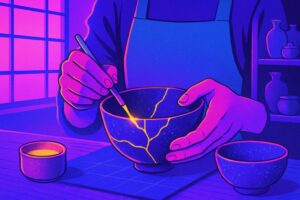
Kenji’s day doesn’t begin with fabric; it starts with the vats. The workshop is cool and dim, the air heavy with the distinctive earthy, ammoniac scent. He doesn’t rely on manuals or machines. Instead, he approaches each vat and performs a sensory assessment. He dips a long wooden stick in, pulls it out to examine the liquid’s consistency and color, watching how the droplets fall. He leans in close, not just smelling but breathing in the very essence of the fermenting mixture to assess its vitality. Sometimes he tastes a tiny drop, his palate finely tuned to detect subtle shifts in the alkaline balance. He listens for the soft puchi-puchi bubbles—the microbes at work. He inspects the ai no hana, the indigo flower on the surface, noting whether it’s a deep, coppery-purple or appears weak and diluted. Using this multi-sensory data, he decides what the vat needs—perhaps more wheat bran to feed bacteria, a dash of sake for energy, or simply a thorough stir to aerate it. This intuition comes from decades of trial, error, and attentive observation. It’s a dialogue. In a world focused on exact formulas and digital readings, this is a profoundly analog and human process. It embodies the spirit of the shokunin, the artisan, who forms a deep, almost spiritual bond with their materials.
The Dyeing Dance: Dip, Oxidize, Repeat
Once the vats are ready, the dyeing begins. The fabric—typically cotton, linen, or silk—is meticulously prepared, washed and scoured multiple times to remove oils or impurities that would hinder even dye absorption. This preparation is crucial; any shortcuts show in the final piece. Kenji takes the pristine white fabric and slowly submerges it into the vat. The liquid is murky greenish-yellow, far from blue. This is because the indigo compound in the alkaline solution exists in a reduced, water-soluble form called “leuco-indigo.”
He holds the fabric beneath the surface, gently moving it to ensure every fiber absorbs the dye, careful not to stir up oxygen. After a minute or two, he lifts it out. At first, the fabric emerges not blue but a vivid, almost ghostly green. Then the transformation begins. As the fabric meets the air, oxygen reacts with the leuco-indigo, causing it to oxidize into its insoluble, blue form—indigotin. Before your eyes, the green shifts to a deep, rich blue—like magic every time. Kenji and his assistants stretch the fabric, flap it in the air, or hang it on bamboo poles to let it breathe, deepening the color as it dries.
But one dip won’t suffice to achieve the profound, nearly black-blue shade Aizome is known for. The color develops in layers—not by leaving the fabric longer in the vat. The process is repeated: dip, squeeze out excess liquid, expose to air to oxidize. Again and again. A light blue may require a few dips; medium blue ten to fifteen; the darkest hues, called kachi-iro (“victory color,” favored by samurai), more than thirty or forty dips. Each cycle adds a translucent layer of indigo to the fibers, creating Aizome’s remarkable depth and complexity. It’s not a flat color but one with luminosity. This ritual is a meditation in patience—a slow, rhythmic dance: dip, squeeze, oxidize. No shortcuts allowed. This dedication to a painstaking, repetitive process reflects a core Japanese aesthetic principle—finding beauty not just in the outcome but in the devotion and discipline of the process itself.
Embracing Imperfection: The Beauty of Mura
If you examine hand-dyed Aizome closely, you might notice the color isn’t perfectly uniform like factory-dyed fabric. Instead, there are subtle variations, resembling a watercolor wash, with slightly darker or lighter streaks following the fabric’s weave. In industrial manufacturing, this would be considered a flaw, rejected by quality control. Yet in Japanese craft, this unevenness, known as mura, is not only accepted—it’s celebrated.
Mura is the mark of the artisan’s touch. It visually attests that the piece was handmade, not machine-produced. It reflects how the fabric was held, folded, and squeezed, telling the story of its creation. This celebration of imperfection directly connects to the Japanese aesthetic philosophy of wabi-sabi, which honors the beauty of things imperfect, impermanent, and incomplete. It values authenticity over artificiality, and humility over grandiosity. The subtle mura in Aizome gives each piece character and soul, making it uniquely one of a kind. So when you pay a premium for an Aizome t-shirt, you’re not buying machine-made perfection—you’re investing in this beautiful, human imperfection. You’re taking home a singular work of art that carries the maker’s touch and spirit.
The Global vs. Local Indigo Scene: What’s “Real” Aizome?
Alright, let’s be honest. When you hear “indigo,” you probably think of your favorite jeans. Indigo is everywhere. So what’s the fuss about the Japanese version? Is it just smart marketing, or is there a real difference? This is where we need to dive into what you’re truly getting when you spot that “Aizome” label. The global denim industry and the small, traditional Aizome workshop operate on completely different levels.
Natural vs. Synthetic: The Chemistry Breakdown
Everything shifted in the late 19th century when German chemist Adolf von Baeyer discovered how to synthesize indigotin, the blue pigment, in a lab. By the early 20th century, synthetic indigo dominated the market. It was inexpensive, consistent, and easy to produce on an industrial scale. This essentially destroyed natural indigo farming and dyeing industries worldwide, including in Japan. Today, most “indigo” clothing—from everyday jeans to designer wear—is dyed with this petroleum-based synthetic dye.
So, what sets them apart? Chemically, the main blue pigment, indigotin, is identical in both natural and synthetic forms. But the similarity stops there. Think of it this way: synthetic indigo is like pure, refined white sugar. Natural sukumo from an Aizome vat is like raw, unprocessed honey. Honey is mostly sugar but also contains pollen, enzymes, minerals, and a host of complex organic compounds from flowers and bees. These “impurities” give honey its unique flavor, aroma, and even health benefits. The same goes for Aizome. Its natural fermentation creates a dye that’s more than just indigotin. It includes a mix of other organic substances from the plant and fermentation process. These compounds add complexity to the color, offering depth and subtlety that synthetic dye can’t match. They’re also behind traditional claims that Aizome is antibacterial, insect-repellent, and odor-resistant. Dyeing with natural sukumo means infusing fabric with a rich organic blend. Synthetic indigo is simply a color. Aizome is an entire ecosystem.
The Fading Story: A Color That Evolves Over Time
Here’s where the difference really shows: how the color ages. Synthetic indigo on mass-produced denim is made to fade fast and dramatically. The dye mostly coats the surface of the cotton fibers and wears off with friction, creating those sharp contrasts that denim fans adore. It looks cool, but it fades quickly.
Natural Aizome acts differently. Because the dye penetrates deeply through many layers, it becomes part of the fibers, not just a surface coating. Therefore, it fades slowly, gracefully, and with much more nuance. Instead of stark white lines, the blue gently softens. Various shades and tones develop over time, reflecting how the garment is used. The knees of Aizome-dyed pants or the elbows of a jacket will gradually lighten, narrating the wearer’s movements and life. This beautiful aging process is called ai-ochi. It’s not about the color breaking down; it’s about its transformation. An Aizome piece isn’t at its best when it’s new and dark; its true charm unfolds over years of wear. It grows with you, becoming a personal record of your life. This contrasts sharply with the throwaway mentality of fast fashion. You don’t buy Aizome for a season—you invest in it for a lifetime. The higher price starts to make sense when you view it not as a purchase but as an investment in a lasting bond with your clothing.
Beyond the Fabric: Aizome as a Philosophy
By now, it should be evident that we’re discussing far more than just a technique for coloring fabric. Aizome is both a practice and a discipline. It embodies a microcosm of several fundamental Japanese cultural values that may appear obscure to outsiders. Grasping Aizome offers a gateway into understanding the Japanese way of thinking.
It serves as a masterclass in patience and process. In today’s culture of instant gratification—next-day delivery, instant downloads, quick opinions—Aizome stands as a radical practice of slowing down. The sukumo requires months to ferment. The dye vat takes weeks to mature. Dyeing a single piece of fabric can take days. The artisan understands there are no shortcuts to achieving quality. The true value lies in the slow, deliberate, and often repetitive journey, not merely in the end product. This mirrors the discipline found in the Japanese tea ceremony, bonsai art, or the many years of repetitive training needed to become a sushi master. For them, the process is the purpose.
It teaches a lesson in harmony with nature. The Aizome artisan is not a chemist who dominates materials with brute force but a collaborator, a partner with nature. They depend on plants, bacteria, wood ash, and wheat. They are sensitive to the seasons, temperature, and humidity. They must work with the living dye, listening to its needs and adapting to its moods. This perspective, deeply shaped by Shinto and Buddhist traditions, views humanity not as separate from or superior to nature, but as an inseparable part of it. The goal is coexistence and balance, not conquest. The Aizome vat symbolizes this harmony perfectly: a carefully balanced ecosystem of natural elements, guided by a human hand.
Lastly, it encapsulates the spirit of the shokunin, the master artisan. A shokunin is more than someone skilled in their trade. They are devoted their entire life to pursuing perfection in their craft, purely for the craft’s sake. It is a spiritual pursuit. They strive to improve daily, not for fame or profit, but for the integrity of their work. Kenji, our fictional dyer, along with his real-life counterparts, are the guardians of an enduring flame, preserving and passing on centuries of accumulated knowledge. They bear the weight of this legacy in their blue-stained hands. Their work is an act of cultural preservation, a quiet resistance against a world of mass production and disposability.
So, reconsider that t-shirt in the Tokyo shop. Why is it so costly? Because you’re not simply buying a shirt. You’re not merely buying a color. You’re purchasing time—the months of fermentation, the weeks nurturing the vat, the days of patient dyeing. You’re acquiring a living ecosystem, a relationship among plant, microbes, and artisan. You’re buying the story held in the shokunin’s hands and the generations of wisdom they carry. You’re investing in a piece of clothing that will live and evolve with you, telling your story through its fading shades of blue. It’s not just an object; it’s a philosophy worn on your body. It is a fragment of Japan’s profound, indigo soul. And once you understand that, you truly get it. The hype is real.