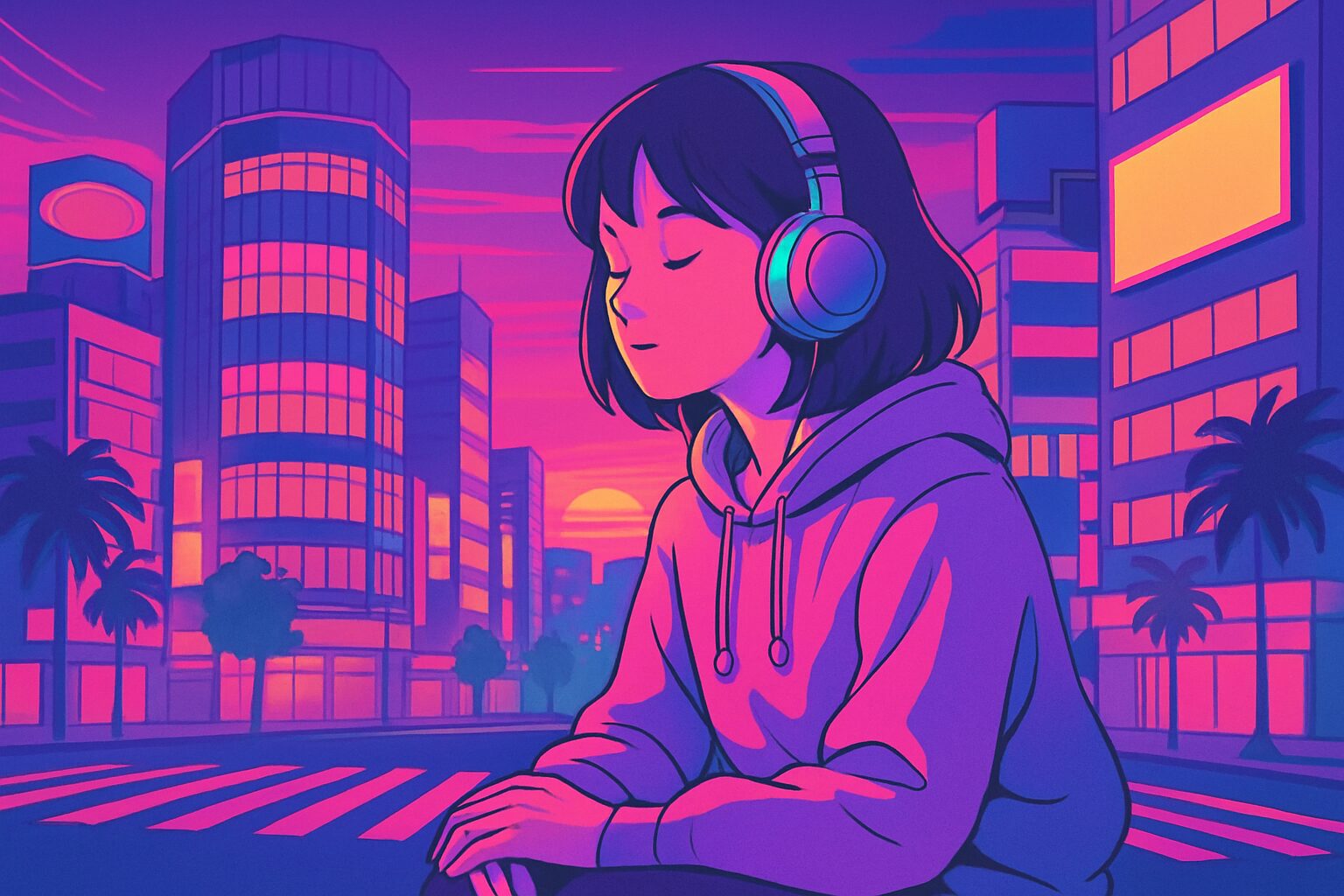
Yo, what’s the deal? Ayaka here, dropping in to talk about a vibe that’s pure magic, a sound that basically defined a whole generation’s aesthetic in Tokyo. We’re talking Shibuya-kei. Even if you’ve never heard the name, you’ve probably felt its influence. It’s that impossibly cool, kinda retro, super smooth sound that makes you wanna sip an iced coffee in a sun-drenched café and just watch the world float by. It’s not just music; it’s a whole mood, a time capsule from 90s Tokyo when the city was buzzing with this low-key, creative energy. Shibuya-kei is the soundtrack to a perfect, lazy afternoon in the world’s busiest city. It’s the ultimate paradox, a chill and zen wave that was born right in the heart of the beautiful chaos that is Shibuya. Think of it as a sonic collage—a bit of French pop from the 60s, a dash of Brazilian bossa nova, some breezy lounge music, and a whole lot of indie spirit, all mixed together with this uniquely Japanese sense of cool. It’s a sound that’s both nostalgic and futuristic, a genre that feels like a well-kept secret whispered between music lovers in the back-alley record shops of its namesake district. So, let’s take a little trip, not just to a place, but to a feeling. Let’s dive deep into the world of Shibuya-kei and figure out how you can build your own personal playlist to score your Tokyo adventure. This is your official invite to find the quiet rhythm in the city’s loud heartbeat.
For a deeper exploration of Japan’s calming soundscapes, discover the soul of Japanese ambient music.
The Anatomy of a Vibe: What Even is Shibuya-kei?
So, Shibuya-kei can’t simply be confined to a single genre category—that’s rule number one. Attempting to do so is like trying to catch smoke with your hands—it’s futile, and you’ll miss the bigger picture. At its core, Shibuya-kei is less a strict musical style and more an aesthetic movement, a subculture that emerged in the early to mid-1990s. The name itself, meaning “Shibuya-style,” highlights its geographical roots. This wasn’t a sound manufactured in a corporate studio; it sprang from DJs, record collectors, and ultra-stylish kids who frequented the record stores, cafés, and clubs of Shibuya. It was a scene, a genuine cultural shift. To understand it, you have to imagine Tokyo in the ’90s. The extravagant, money-fueled “Bubble Era” had just burst, leaving behind a strange mix of economic uncertainty and lingering hope. The internet wasn’t really a factor yet. Discovery happened in the real world. It involved spending hours, sometimes days, digging through dusty crates of vinyl in stores like HMV or Disk Union, which were like sacred temples back then. The DJs and musicians in the Shibuya-kei scene were musical archaeologists, uncovering forgotten treasures from across the globe and giving them new life.
Musically, Shibuya-kei is a brilliant act of curation and collage. The artists acted like sonic chefs, selecting ingredients from an international pantry. The core flavor profile is a polished, breezy pop style. Picture the effortlessly chic yé-yé girls of 1960s France, such as France Gall or Françoise Hardy. Their playful melodies and airy vocals were huge influences. Add to that the smooth, swaying rhythms of Brazilian bossa nova and samba—the sounds of Antônio Carlos Jobim and João Gilberto practically sacred. Blend in the lush, orchestral arrangements of American lounge music and exotica from artists like Burt Bacharach and Martin Denny. The goal was to craft a sound that felt worldly, sophisticated, and somewhat detached from everyday grime. It was aspirational music. It sounded like an endless European holiday, even if you were just riding the Yamanote Line on a rainy Tuesday.
The true brilliance, however, lay in the “cut-and-paste” technique. With the rise of accessible sampling technology, Shibuya-kei pioneers wove intricate sonic tapestries. A groovy bassline from a rare soul 45 could loop beneath a string section borrowed from an old film score, all driven by a breakbeat from a funk record. It was postmodernism you could dance to. Lyrically, the themes often touched on love, modern life, and a kind of whimsical melancholy, but the words usually played second fiddle to the overall vibe. It wasn’t about deep, introspective poetry; it was about how the sound of French or English words played against jazzy chords and funky drums. This eclecticism is what makes it timeless. It’s a genre born from a genuine love of music, a celebration of crate-digging culture, and the thrill of discovering the perfect forgotten tune. It’s the soundtrack of a generation that, facing an uncertain future, chose to build its own impossibly cool, retro-futuristic world. It was a quiet rebellion fought with turntables, vintage synthesizers, and impeccable style.
The Architects of Chill: Your A-List Artists
To truly grasp the essence of Shibuya-kei, you need to know the key figures—the visionaries who created this soundscape from scratch. These were more than just bands; they were cultural curators, each presenting a unique interpretation of this eclectic, stylish world. Exploring their catalogs is like unlocking different levels of the same beautiful, dreamlike video game.
Flipper’s Guitar: The Ground Zero
You can’t discuss Shibuya-kei without beginning here. Flipper’s Guitar was the origin, the big bang. The duo of Keigo Oyamada (who later became the solo artist Cornelius) and Kenji Ozawa were essentially the Lennon and McCartney of the scene. They started as a straightforward indie pop band, heavily influenced by the British “Anorak” scene—jangly guitars, earnest lyrics, that whole vibe. But then something clicked. With their albums Camera Talk (1990) and Doctor Head’s World Tower (1991), they underwent a radical transformation that would define the genre. They became sonic architects, crafting songs from a dizzying mix of samples and influences. Camera Talk is the quintessential Shibuya-kei starting point—bright, breezy, and full of youthful energy. Tracks like “Young, Alive, In Love” are pure pop perfection, blending jazzy piano loops, Motown-style basslines, and a sense of wide-eyed wonder. Listening to it feels like falling in love for the first time on a sunny spring afternoon in Inokashira Park. Then came Doctor Head’s World Tower, their final album and a far more experimental, deconstructed masterpiece. It was their Sgt. Pepper’s, a complex collage of sounds pushing the boundaries of pop music. It included everything from screaming heavy metal riffs to serene ambient passages, often within the same track. It was abrasive to some, but for those who understood it, it was a revelation. Flipper’s Guitar burned bright and fast, splitting up at their creative peak, but they left behind a blueprint that shaped the entire scene.
Pizzicato Five: The International Ambassadors
If Flipper’s Guitar were the introverted geniuses who laid the groundwork, Pizzicato Five were the glamorous, globe-trotting superstars who exported the sound worldwide. Led by the brilliant songwriter and producer Yasuharu Konishi and fronted by the impossibly stylish and charismatic Maki Nomiya, P5 embodied Shibuya-kei’s high-fashion, jet-set aesthetic. Their music is pure, unfiltered fun—witty, danceable, and dripping with retro-cool. Konishi was a master sampler and arranger, a pop art visionary who treated music history as his own playground. He seamlessly blended kitschy ’60s spy themes, groovy soul rhythms, and big band jazz into a cohesive, irresistible sound. Their international breakout album, Made in USA, is a perfect compilation of their best work. Songs like “Twiggy Twiggy” and “Sweet Soul Revue” are infectious pop anthems that feel both instantly familiar and refreshingly new. Experiencing a Pizzicato Five song engages all the senses—you don’t just hear it; you see the sleek modernist furniture, vibrant pop art colors, and chic outfits. Maki Nomiya wasn’t simply a singer; she was an icon, a character who stepped straight out of a Jean-Luc Godard film. Pizzicato Five proved that this niche Tokyo scene had universal appeal. They were the party you always wished to be invited to, and their music was the timeless soundtrack.
Cornelius: The Mad Scientist
After Flipper’s Guitar disbanded, Keigo Oyamada reinvented himself as Cornelius, and that’s when things became truly fascinating. As Cornelius, Oyamada became the Brian Wilson of Shibuya-kei, a studio wizard obsessed with creating intricate, multi-layered soundscapes. If Flipper’s Guitar celebrated the joy of discovery, and Pizzicato Five the joy of the party, Cornelius focused on the joy of sound itself. His masterpiece is arguably the 1997 album Fantasma. Listening to it from beginning to end is an experience—a journey through a candy-colored, hyper-edited world where sounds continuously shift and transform. It’s meticulously crafted, sampling a vast array of sources—old educational films, video games, obscure pop songs—all woven together with live instrumentation to create something completely new. Tracks like “Star Fruits Surf Rider” are legendary. The song builds and collapses, shifts tempos, and morphs in a way that is both disorienting and exhilarating. It’s playful yet deeply complex at the same time. Cornelius’s music is often described as “sound design” as much as songwriting. He manipulates stereo channels, panning sounds from left to right to create a mind-bending headphone experience. He is the experimental, psychedelic core of Shibuya-kei, an artist who demonstrated that pop music could be as intellectually stimulating as it was emotionally moving.
Of course, many other essential artists helped color this world. There’s Original Love, with their soulful, jazz-infused rock; Kahimi Karie, the ethereal muse of the scene whose whispery vocals became iconic; and even groups like Scha Dara Parr, a hip-hop trio who collaborated with Shibuya-kei artists and shared a similarly eclectic, sample-heavy approach. Diving into this universe is like falling down a rabbit hole, but it’s filled with endless treasures. Each artist offers a distinct flavor, a unique perspective on the same core idea—that music is a boundless universe meant to be explored with joy, style, and a touch of playful irreverence.
The Pilgrimage: Hunting for Shibuya-kei Ghosts in Modern Tokyo
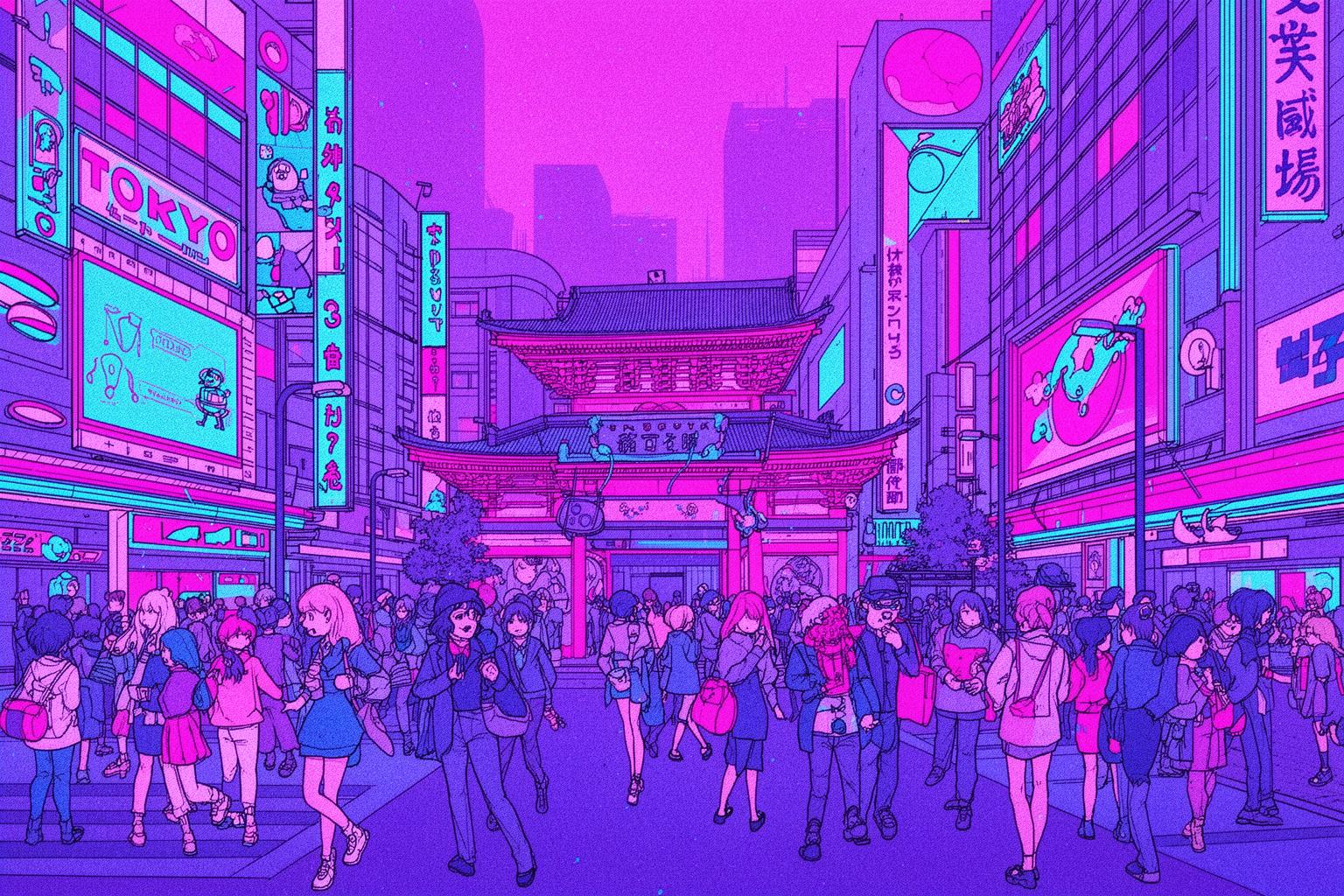
The peak of the movement was in the 90s, but the spirit of Shibuya-kei is far from extinguished. It’s more like a ghost within the machine of modern Tokyo—you can still catch its echoes if you know where to look and, more importantly, where to listen. For a traveler, this means embarking on a pilgrimage, a treasure hunt through the very streets that gave birth to the sound. This isn’t about visiting a museum; it’s about tuning into a frequency that still hums softly beneath the city’s surface.
Udagawacho’s Vinyl Valleys
The undisputed heart of this pilgrimage is Udagawacho, the Shibuya neighborhood that winds up the hill behind the 109 building. This area was, and remains, Tokyo’s record store mecca. In its heyday, it served as the training ground for every Shibuya-kei artist and fan, where they spent entire afternoons with headphones on, uncovering French pop, bossa nova, and rare groove records that became the foundation of their sound. Walking through Udagawacho today feels like stepping back in time.
Your initial stops might be the giants. Tower Records Shibuya is an institution—a nine-story leviathan devoted to physical media. While it’s a modern superstore, its vast size attests to how much the city still values music you can hold. You could easily lose half a day here, browsing the extensive J-pop section, which often features reissues of classic Shibuya-kei albums, or exploring the jazz and world music floors. HMV also boasts a fantastic, dedicated vinyl shop, HMV record shop Shibuya, with a more curated, boutique vibe. Here, staff are genuine music enthusiasts, ready to guide you toward hidden gems. The atmosphere is reverent, filled with the scent of cardboard and possibility.
But the real magic lies within the independent shops, tucked away in basements or on the upper floors of nondescript buildings. Disk Union is the holy grail. It’s not just one store but a collective, with multiple locations in Shibuya specializing in different genres. There’s a floor for soul and blues, another for punk, and, most importantly, a floor dedicated to Japanese indie and pop. This is where you’ll dig for original pressings of Flipper’s Guitar or Pizzicato Five. The thrill of the hunt is palpable. You’ll flip through records alongside seasoned collectors, each lost in their own world, connected by a silent, shared passion. Then there are spots like Face Records and Recofan—smaller stores with highly curated selections, where entering feels like joining a secret clubhouse. The experience is intimate. You might discover a rare 7-inch single propped on the wall, a record you’ve only read about online. This act of physical discovery—pulling a record from its sleeve and placing it on a listening station—is the core ritual of the Shibuya-kei spirit. It’s a meditative act that connects you directly to the source of the genre’s inspiration.
The Cafe Sanctuary
The other half of the Shibuya-kei story lies in cafés. This scene wasn’t forged only in record stores and clubs—it was nurtured within the quiet, contemplative spaces of Tokyo’s countless coffee shops. In the 90s, cafés served as social hubs, places where musicians, designers, and writers met, talked, and exchanged ideas. They were extensions of living rooms, spaces to listen to newly bought records and let inspiration flow. Although many original haunts have disappeared, the culture of the café as a sanctuary remains deeply embedded in Tokyo’s DNA.
To capture the Shibuya-kei vibe, you might want to bypass large, noisy chain cafés and seek out smaller, independent spots or classic kissaten. A kissaten is a traditional Japanese coffee shop—often dimly lit, with dark wood paneling, velvet seats, and an almost library-like quietness. They frequently feature exquisite high-end audio systems, and the owner, or “master,” plays their personal collection of jazz or classical records. Coffee here is a ritual, sometimes brewed using a siphon in a slow, meticulous process that’s mesmerizing to watch. Sitting in a kissaten in a quiet corner of Shibuya or nearby Shinjuku, nursing a cup of coffee while a John Coltrane record plays softly in the background, is about as close as you can get to the contemplative soul of Shibuya-kei. It’s in these moments of stillness, surrounded by the city’s subtle hum, that you can sense the creative energy that fueled the movement.
Even contemporary cafés can evoke this spirit. Look for places with a strong aesthetic, those that care about details—the choice of music, the design of the cups, the quality of light. A spot with a carefully curated soundtrack, comfortable seating, and a window overlooking a quiet street can be the perfect place to put on your headphones, listen to your freshly crafted Shibuya-kei playlist, and let the city wash over you. It’s about finding your own personal sanctuary in the urban sprawl—a practice the movement’s originators perfected decades ago.
Your Personal Soundtrack: A Curatorial Journey
Alright, let’s get practical. You’ve absorbed the history and know the key players; now it’s time to be the DJ of your own Tokyo adventure. Creating a Shibuya-kei playlist isn’t about simply throwing songs together—it’s about crafting a mood, scoring the scenes of your trip. The flow matters most. It should feel like a journey with a beginning, middle, and end, just like a perfect day in the city. Forget algorithms; this is an analog process in a digital world.
Sunrise Session (7 AM)
Picture yourself waking up in your hotel or Airbnb, the morning light softly filtering through the blinds. The city is gently stirring outside. This isn’t the time for heavy beats or complex arrangements. You want something gentle, acoustic, and optimistic to ease you into the day. This is where the softer side of Flipper’s Guitar shines, from their album Camera Talk. A track like “Goodbye, our pastels badges” is ideal—its delicate acoustic guitar, gentle flute melodies, and dreamy vocals feel like a warm embrace. Alternatively, try Kahimi Karie’s cover of “Good Morning World,” where her whispery, almost-spoken vocals over a simple, breezy arrangement create intimacy and calm. This part of your playlist is for brewing your first coffee, planning your day, and watching the city slowly awaken from your window. It’s quiet, personal, and sets a tone of thoughtful exploration for the day ahead.
Afternoon Stroll (2 PM)
By mid-afternoon, you’re deep in the action. Maybe you’re navigating the chaos of Shibuya Scramble Crossing or people-watching from a cafe’s second-floor window. The energy has ramped up, and so should your soundtrack. Now it’s time for groove and infectious, head-nodding beats—welcome to Pizzicato Five’s realm. Queue “Sweet Soul Revue” or “The Night Is Still Young.” These tracks radiate pure, effervescent joy with funky basslines, bright horns, and Maki Nomiya’s effortlessly cool vocals. They make you feel like the star of your own film, strutting through the city streets in style. Another excellent choice is Flipper’s Guitar’s “Groove Tube,” which perfectly captures the feeling of youth and vitality in a bustling metropolis. This music becomes your walking rhythm and confidence booster, transforming a simple city stroll into a cinematic experience—a soundtrack for sunlight glinting on skyscrapers, vibrant fashions flashing by, and Tokyo’s vibrant, pulsing energy in full swing.
Golden Hour Glow (5 PM)
The sun begins to dip, casting long shadows and bathing everything in warm, golden light. The frenetic afternoon energy softens into a more reflective, nostalgic mood. This is the golden hour—a magical, bittersweet moment—and your playlist should mirror that. Enter Cornelius with “Star Fruits Surf Rider.” Its blend of acoustic warmth and glitchy electronic textures perfectly captures the bittersweet sensation of a beautiful day winding down. The song’s dynamic shifts—from quiet moments to soaring crescendos—reflect the emotional highs and lows of a day spent exploring. Another fitting track is “Seppun (Kiss)” by Original Love—a soulful, jazzy, deeply romantic tune that feels like a slow dance at sunset. This is the music for your train ride home after a day trip, watching suburbs blur into city lights, or finding a quiet spot in Yoyogi Park to watch the sky shift colors. It’s introspective, beautiful, and filled with a gentle longing that feels quintessentially Japanese.
Late-Night Lounge (11 PM)
The city has transformed. Neon lights illuminate the streets, and the atmosphere turns sophisticated and mysterious. Whether you’re heading to a cozy, hidden bar for a carefully crafted cocktail or unwinding in your room, the music must suit the mood. Think smooth, jazzy, and a touch seductive. This is Love Tambourines’ territory, especially with their track “Cherish Our Love,” a smooth, acid-jazz-infused tune perfect for a dimly lit lounge. You might also explore Pizzicato Five’s more down-tempo, lounge-style songs like “A Perfect World.” This music is for conversation, reflection, and savoring the day’s last moments. It’s the sonic equivalent of a flawlessly mixed Old Fashioned—classic, cool, and deeply satisfying. It’s the final scene of your daily movie, the credits rolling over Tokyo’s sparkling skyline as you drift off, ready for another day of discovery.
The Ripple Effect: Daikanyama, Shimokita & Beyond
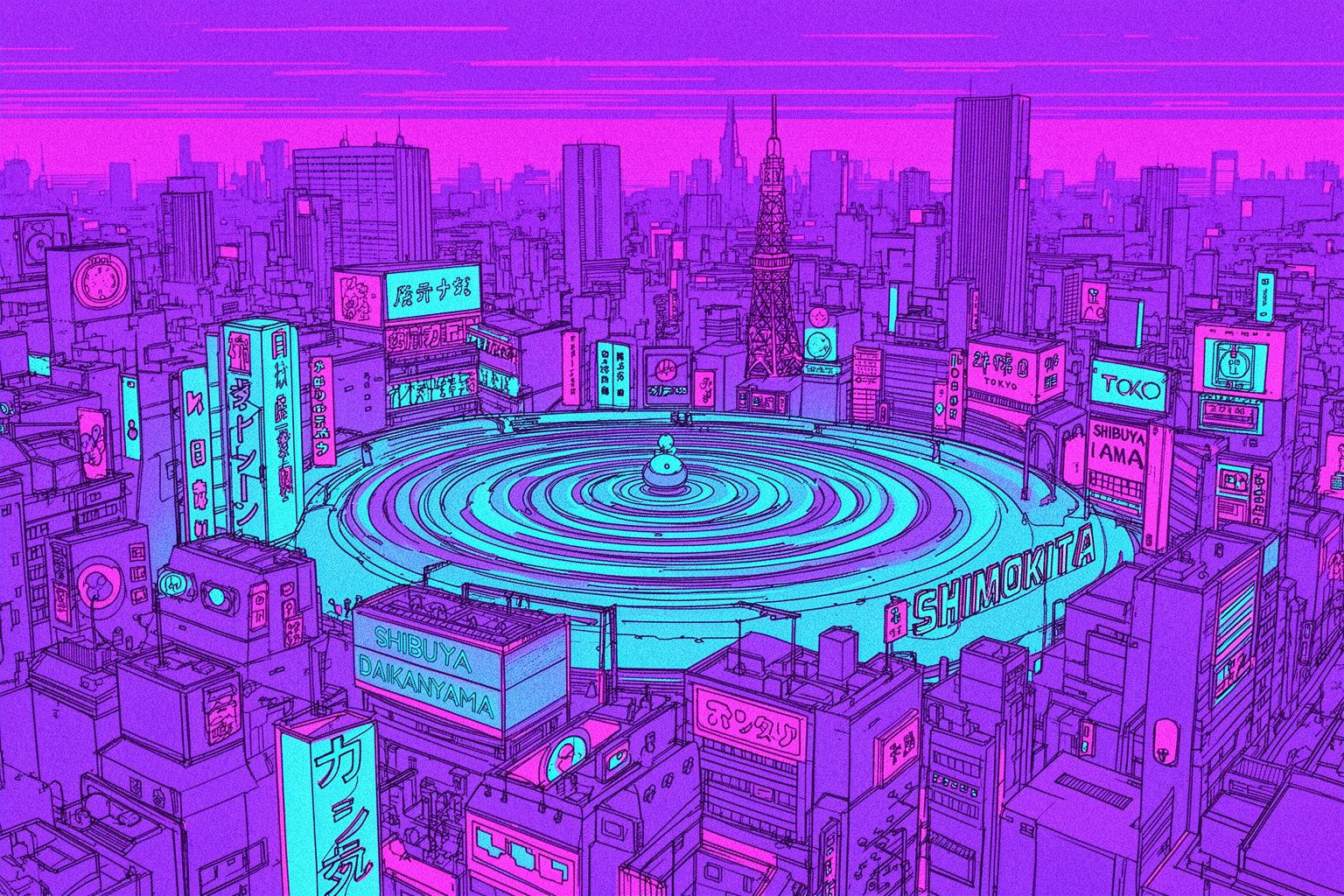
While Shibuya will always remain the genre’s namesake and spiritual heart, the vibe it generated was too powerful to be confined to just one neighborhood. The influence of Shibuya-kei—with its focus on curation, style, and a relaxed approach to urban living—spread outward, shaping the character of other cool, creative hubs throughout Tokyo. Exploring these areas is like experiencing a great remix; the core elements remain, but the rhythm and flavor are entirely fresh. For the modern traveler seeking that chill, neo-acoustic atmosphere, venturing beyond the Scramble Crossing is a must.
Daikanyama: The Sophisticated Sibling
Just one stop from Shibuya on the Tokyu Toyoko Line is Daikanyama. If Shibuya is the energetic, trend-obsessed teenager, Daikanyama is its effortlessly chic older sibling who spent time studying abroad in Paris. The pace here is noticeably slower, the streets wider, and the ambiance more relaxed and refined. Daikanyama represents the sophisticated and worldly aspect of the Shibuya-kei aesthetic. It’s less about frenzied record digging and more about leisurely browsing through high-concept boutiques and art galleries. The crown jewel of the area is the Daikanyama T-Site, a sprawling complex centered around Tsutaya Books. This isn’t just a bookstore—it’s a cultural sanctuary. With its remarkable selection of books, magazines, music, and movies, all housed within stunning modern architecture, it feels like a physical embodiment of the Shibuya-kei ethos of curation and discovery. You can easily spend hours here, sipping coffee at the in-store lounge, flipping through rare art books, and listening to curated playlists on high-end headphones. The rest of the neighborhood is dotted with small, independent fashion labels, stylish homeware shops, and open-air cafes with sunny terraces. A weekday afternoon stroll through Daikanyama, accompanied by breezy, bossa nova-influenced Shibuya-kei tunes, feels like stepping into the idealized lifestyle the music always hinted at.
Shimokitazawa: The Bohemian Heart
Head west from Shibuya on the Keio Inokashira Line, and you’ll arrive in Shimokitazawa—or “Shimokita,” as locals call it. This neighborhood feels like the DIY, indie-spirited cousin of Shibuya. It’s a maze of narrow, winding streets filled with vintage clothing stores, tiny independent theaters, and intimate live music venues known as “live houses.” If Shibuya-kei was about sampling the past, Shimokita is where the past is worn, played, and lived. The fashion here prioritizes unique, self-expressive looks assembled from thrift store finds, rather than high-end labels. The connection to the early, guitar-driven indie pop side of Shibuya-kei is very strong here. The spirit of bands like Flipper’s Guitar can be felt in the numerous small venues where young bands continue to perform jangly, heartfelt pop songs. Spending a day in Shimokita is about the thrill of the hunt—browsing racks of vintage clothes in search of a perfect ’70s band t-shirt or digging through crates of used records in a cluttered, lovingly chaotic shop. The vibe is unpretentious, creative, and fiercely independent. It serves as a reminder that at its core, the Shibuya-kei scene was a subculture, a movement created by kids who loved music and style, and that same spirit remains alive and thriving in Shimokitazawa’s bohemian enclave.
Exploring these neighborhoods offers a deeper understanding of the world Shibuya-kei shaped. It reveals that its influence went beyond music—it was cultural. It crafted a distinct way of experiencing Tokyo, a way of discovering beauty in curation, finding comfort in quiet cafes, and drawing inspiration from the art of the past. It’s a legacy that invites you to slow down, look more closely, and listen attentively to the subtle rhythms of the city.
Final Note
Here it is: a deep dive into a sound that’s far more than just a genre. Shibuya-kei is a feeling, a mindset, a key that unlocks another side of Tokyo. It stands as a testament to a time when a group of music-obsessed kids in one Tokyo neighborhood crafted an entire universe from their record collections. What’s truly amazing is that this universe remains accessible today. It lives on in the groove of a vinyl spinning in a small Udagawacho shop, in the quiet reverence of a classic kissaten, and in the way the city lights glow at dusk when the perfect song plays in your headphones. Building your own Shibuya-kei playlist is like creating a personal map of the city, a way to link your experiences to this rich cultural history. So go ahead, start exploring. Find the tracks that speak to you. Let this be the soundtrack to your wandering, your discovery, your own chill, zen Tokyo story. The beat goes on—you just have to tune in. Peace.