Alright, let’s have a real talk. You’ve done Japan. You’ve scrambled across Shibuya Crossing, caught the golden hour at Fushimi Inari, and maybe even had your mind blown by the robot restaurant. You’ve got the photos, the souvenirs, the stories. But there’s a whisper in the back of your mind, a feeling that there’s another layer to this country, something deeper, quieter, and infinitely more profound. If you’re nodding along, if you’re ready to trade the neon glow for the soft flicker of a lantern and the shinkansen’s whoosh for the resonant chant of a Buddhist sutra, then it’s time we talked about Koya-san. Tucked away in the misty, cedar-covered mountains of Wakayama Prefecture, this isn’t just a destination; it’s a full-blown spiritual pilgrimage. This is the headquarters of Shingon Buddhism, a sacred space founded over 1,200 years ago by the legendary monk Kobo Daishi, also known as Kukai. Forget your typical tourist trail; this is a journey into the very heart of Japan’s spiritual landscape. My trip here wasn’t about simply seeing a new place. It was a quest to experience something truly authentic, to participate rather than just observe. I’m talking about waking before dawn in a traditional temple lodging, joining the resident monks for their morning meditation, and feeling the vibrations of ancient chants rattle your very soul. It’s an experience that’s equal parts humbling, mystifying, and straight-up life-changing. It’s the ultimate Japan deep-cut, a place that recharges you in a way you didn’t even know you needed. So, if you’re ready to level up your travel game and find a peace that will follow you long after you’ve left the mountains, then stick with me. We’re about to ascend to a place that’s quite literally above the clouds.
If you’re seeking another profound way to mend your spirit, consider exploring the art of Kintsugi, where broken pottery is repaired with gold.
The Journey is the Destination: Getting to Koya-san
One of the most poetic aspects of Koya-san is that the pilgrimage begins the moment you decide to embark on it. You don’t simply appear there magically; you ascend. Traveling from a sprawling city like Osaka is a vital part of the experience, a gradual shedding of the everyday world as you climb higher into the sacred realm. It’s a transition you can sense in the air, observe in the landscape, and hear in the shifting sounds around you. Your journey will most likely start at Osaka’s Namba Station, a bustling center of commerce and chaos. Here, you’ll board a Nankai Koya Line train. Don’t just take any train; go for the Limited Express. It costs a bit more, but the comfortable, forward-facing seats are worth it as you watch the cityscape slowly dissolve. The train ride itself unfolds in chapters. The first chapter is pure urban Japan: a dense patchwork of buildings, power lines, and concrete. Gradually, the buildings shrink, giving way to suburban homes with tidy little gardens. Then, the scenery softens further. Rice paddies appear, reflecting the sky. The train begins to wind alongside rivers, and you start to see the dark green foothills of the Kii Mountains rising in the distance. This is where the anticipation truly builds. The air inside the train even seems to shift, the frantic energy of the city replaced by a quiet, shared sense of purpose among the passengers, many of whom are pilgrims themselves. The train’s final stop is Gokurakubashi Station, which means ‘Paradise Bridge Station.’ The name is no coincidence. This is your last stop in the ordinary world. Stepping off here feels like entering a different era. The station is small, nestled in a steep, wooded valley. The air immediately feels cooler, fresher, carrying the scent of damp earth and cedar. You’re no longer just near the mountains—you’re in them. From Gokurakubashi, you embark on the final, most dramatic leg of the journey: the Koya-san Cable Car. This isn’t a gentle tourist tram; it’s a steep funicular railway that climbs 328 meters in about five minutes. As you board the bright red car and it begins its ascent, the angle is so steep it feels like you’re being pulled directly up into the heavens. Look out the window and watch the valley floor fall away beneath you. The trees become a dense, impenetrable sea of green. It’s a breathtaking, slightly nerve-wracking, and utterly exhilarating experience. It embodies the physical leaving of the profane world to enter the sacred. When you finally step out at the top station, Koya-san Station, you have arrived. The air is thin and crisp. A profound silence hangs over everything, broken only by the chirping of birds or the distant tolling of a temple bell. This is it. You’re on holy ground. From the station, a network of buses awaits to carry you to the heart of the small mountaintop town, but pause for a moment here. Breathe it in. The journey was more than transportation; it was a purification ritual, readying your mind and spirit for the profound experiences ahead.
Shukubo Life: More Than Just a Place to Crash
Let’s be clear: staying in Koya-san isn’t about booking a hotel. It’s about the shukubo, or temple lodging. This is the unmistakable, essential heart of the Koya-san experience. Opting for a hotel on the mountain is like attending a legendary concert but listening from the parking lot—you’re missing the whole point. A shukubo is a functioning temple that welcomes pilgrims and visitors, offering you the chance to live, even if only for one night, in the rhythm of monastic life. There are over fifty shukubo available, ranging from rustic and deeply traditional to those with more modern comforts. Booking is easier than ever, with many listed on international booking platforms, but it’s wise to reserve well in advance, especially during the busy spring and autumn seasons. I chose Eko-in, a temple known for its warm hospitality and famous night tour of Okunoin cemetery, but every shukubo possesses its own unique charm. From the moment you arrive, the difference is clear. You slide open a heavy wooden gate and step into a carefully raked gravel garden. A young monk, often wearing simple robes, greets you with a gentle bow. You’ll exchange your shoes for slippers at the entrance, symbolically leaving the dirt of the outside world behind. The air inside is cool and filled with the subtle, calming scent of aged wood and centuries of incense. The corridors are long and dim, made of polished wood that creaks softly beneath your feet. Your room will be an expression of minimalist beauty: tatami mat floors, sliding fusuma doors painted with delicate nature scenes, and a single low table in the center. There’s no TV, no clutter. Your bed, a comfortable futon, will be prepared for you by the monks in the evening while you dine. There will likely be a tokonoma, an alcove displaying a simple flower arrangement or calligraphy. This simplicity is intentional, meant to still the mind and encourage reflection. You’ll also receive a yukata, a basic cotton robe to wear throughout the temple, even during dinner and morning service. Staying in a shukubo calls for a gentle adjustment to a different set of rules and pace. There’s a curfew, usually around 9 or 10 PM, and the shared bathing facilities, or ofuro, have their own etiquette. But these aren’t restrictions; they are invitations to be more mindful and present. This experience isn’t about material luxury. The true luxury is the profound peace, the chance to disconnect from daily noise, and the rare privilege of being a guest in a sacred space. It’s an opportunity to look behind the curtain, witnessing the daily devotion and quiet discipline that have sustained this mountain community for centuries. It’s not merely a place to sleep; it forms the core of your pilgrimage and shapes your entire Koya-san journey.
The Main Event: Morning Meditation and Goma Fire Ritual
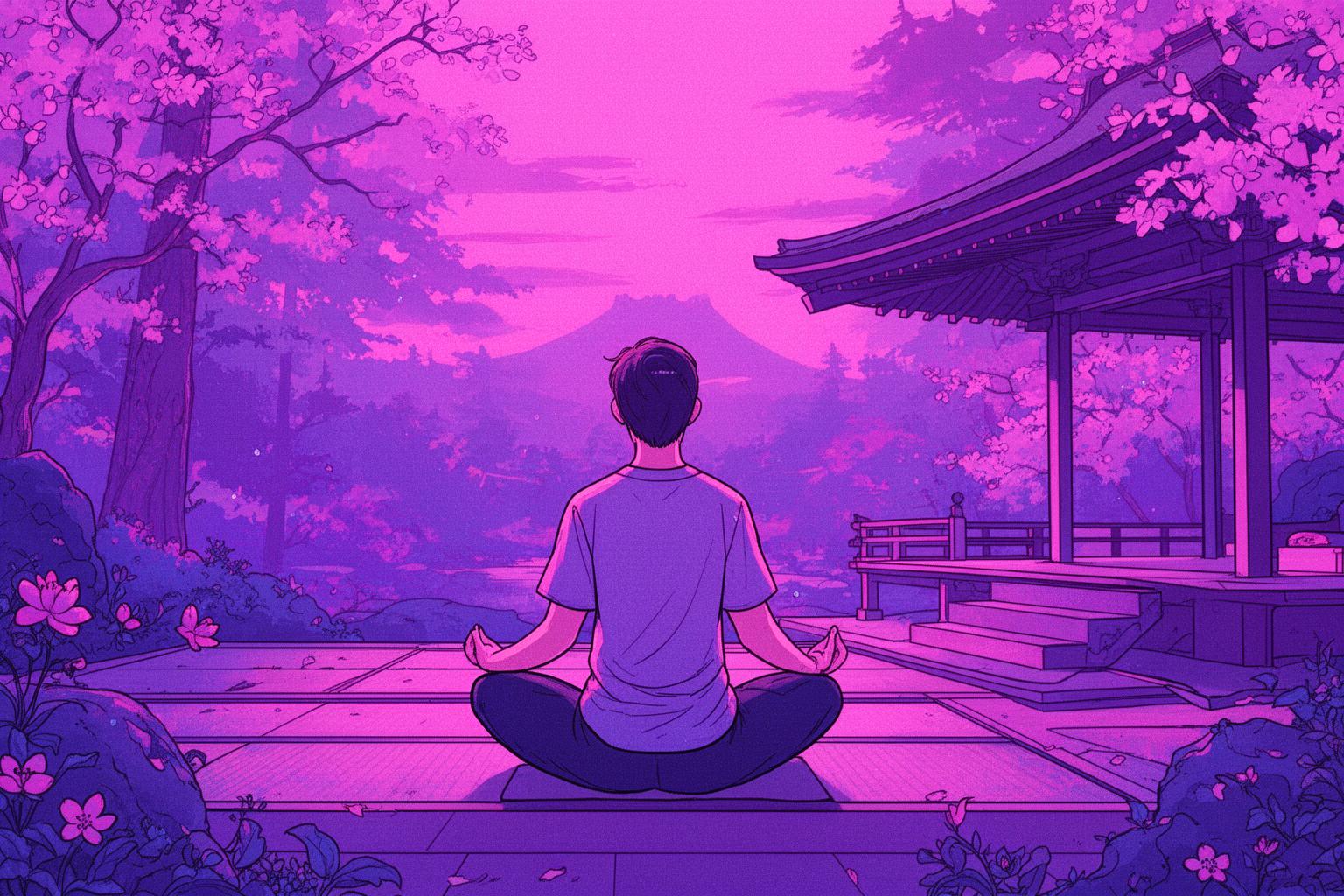
This is why you came. This moment will be etched into your memory long after you’ve left Japan. The morning service, or otsutome, is the spiritual heartbeat of the shukubo, and you are invited to take part in it. The experience begins in the deep, inky blackness of pre-dawn. The wake-up call is early, often around 5:30 or 6:00 AM. There’s no gentle alarm clock—just perhaps a soft knock on your fusuma or the distant tolling of a bell. You pull on your yukata, splash cold water on your face, and shuffle through the silent, chilly temple corridors toward the hondo, or main hall. Alongside you, other guests move with a shared sense of quiet anticipation. Entering the hondo feels like stepping into another world. The hall is vast and dark, lit only by the soft, flickering glow of candles and oil lamps. The air is heavy with the sacred scent of incense. At the front stands the altar—a breathtaking display of gold, intricate carvings, and statues of Buddhist deities whose faces are partially hidden in shadow. You’re instructed to kneel on a cushion, and then a profound silence falls. The only sound is the rustling of robes as the monks enter and take their positions before the altar. Then it begins. The head monk leads the chant, a low, resonant drone that seems to rise from the very foundations of the earth. Soon, other monks join in, their voices weaving into a complex, hypnotic tapestry of sound. The sutras are chanted in ancient Sanskrit and Japanese, words you won’t understand. But that doesn’t matter. You don’t need to understand the language to feel the power. The vibrations fill the room, resonating through wooden pillars, the floor, and deep within your chest. It’s a primal, powerful, deeply centering experience. You close your eyes and let the sound wash over you—a form of sonic meditation that quiets the chatter of your mind. After the main chants, you may be invited to try a simple meditation practice. In Shingon Buddhism, this is often ajikan meditation. A monk offers basic instructions—how to sit, how to hold your hands in a mudra, how to focus on your breath. The goal isn’t to empty your mind—an impossible task for most—but to observe your thoughts without judgment as they come and go. In the profound stillness of the hondo, with the echoes of the chants still lingering, you can reach a level of mental clarity nearly impossible to find in daily life. For a few precious moments, the noise simply stops. But the morning’s climax is often the Goma fire ritual. This powerful esoteric rite, unique to Shingon Buddhism, is a ceremony of purification and prayer. The head monk moves to a specially prepared fire pit in the center of the hall. With focused intensity and a series of mudras and chants, he builds a sacred fire. The chanting quickens, becoming faster and more rhythmic, often joined by the thunderous beating of a taiko drum. You, along with other guests, receive small wooden sticks, or gomagi, on which to write your wishes or prayers. One by one, these sticks are cast into the roaring flames. As the fire consumes the wood, the smoke carries your prayers heavenward. The heat from the fire is intense, its flickering light casting dramatic shadows across the hall. The blend of roaring flames, powerful drumming, and high-energy chanting creates an overwhelming sensory experience. Dramatic, theatrical, and deeply spiritual, it symbolizes burning away your worldly desires and negative karma, leaving you feeling purified, lighter, and spiritually renewed. As the ritual ends and the flames subside, a deep peace settles over the hall. You step out of the hondo into the early morning light, the world now painted in soft hues of dawn. The air is crisp, the birds sing, and you feel… different. Calmer. Clearer. More connected. This isn’t just a religious ceremony you observed; it’s a powerful energetic shift you participated in, and its resonance will stay with you for a very, very long time.
Shojin Ryori: A Feast for the Soul (and Your Taste Buds)
After the profound spiritual nourishment of the morning service, it’s time for a different kind of sustenance. Yet in Koya-san, even a meal is a spiritual practice. This is shojin ryori, the traditional vegetarian—more precisely, vegan—cuisine of Japanese Buddhist monks. And if you think vegetarian food is dull, get ready for your mind and palate to be completely amazed. Shojin ryori is not simply about omitting meat and fish. It’s a highly refined culinary philosophy shaped by centuries of tradition and a deep respect for nature. Its principles are grounded in Buddhist precepts of non-violence and balance. The cuisine excludes not only meat and fish but also the “five pungent roots”—onion, garlic, leeks, shallots, and chives—since they are thought to stimulate the senses and unsettle a calm mind. What remains is a cuisine that honors the pure, subtle, and natural flavors of vegetables, tofu, and wild mountain plants. A typical shojin ryori meal, served in your room or a communal dining hall at the shukubo, is a breathtaking work of art. It is presented as a series of many small, beautifully arranged dishes on a lacquered tray. The meal follows the rule of five: five colors (white, black, red, green, yellow), five flavors (sweet, sour, salty, bitter, umami), and five cooking methods (raw, stewed, boiled, grilled, steamed). This approach guarantees a meal that is not only visually stunning but also perfectly balanced, supplying all the nutrients the body requires. So, what might you actually eat? Prepare to encounter tofu like never before. There’s goma-dofu, a local specialty that is truly extraordinary. It’s made not from soybeans but from sesame paste and kudzu starch, creating a creamy, melt-in-your-mouth custard with a rich, nutty taste, often accompanied by a touch of wasabi and a light soy sauce. It’s unlike anything you’ve tasted before. Then there’s Koya-dofu, freeze-dried tofu with a unique, spongy texture that absorbs the delicious flavors of the dashi broth it’s simmered in. You’ll also enjoy delicate clear soups (suimono) with seasonal vegetables, glistening tempura of wild mountain greens and mushrooms that are incredibly light and crisp, various simmered vegetable dishes (nimono), and a selection of tangy, crunchy pickles (tsukemono) that provide a perfect contrast to the other flavors. Each dish reflects the chef’s expertise, highlighting the natural flavor of each ingredient with minimal seasoning. Eating shojin ryori is, like everything in Koya-san, a form of meditation. You are encouraged to eat slowly and mindfully, appreciating the colors, textures, and subtle tastes of each dish. You reflect on the care taken to grow the vegetables, prepare the meal, and the interconnectedness of nature. This style of eating leaves you feeling satisfied and nourished, yet light and clear-headed. It’s far from a heavy, food-coma-inducing meal. Both dinner and breakfast at the shukubo follow this style, offering a profound appreciation for this remarkable culinary tradition. It will transform your understanding of vegetarian food and provide a delicious insight into the Buddhist way of life. It’s a major culinary revelation and, for many, becomes one of the most memorable aspects of their Koya-san pilgrimage.
Wandering Okunoin: A Forest of Souls
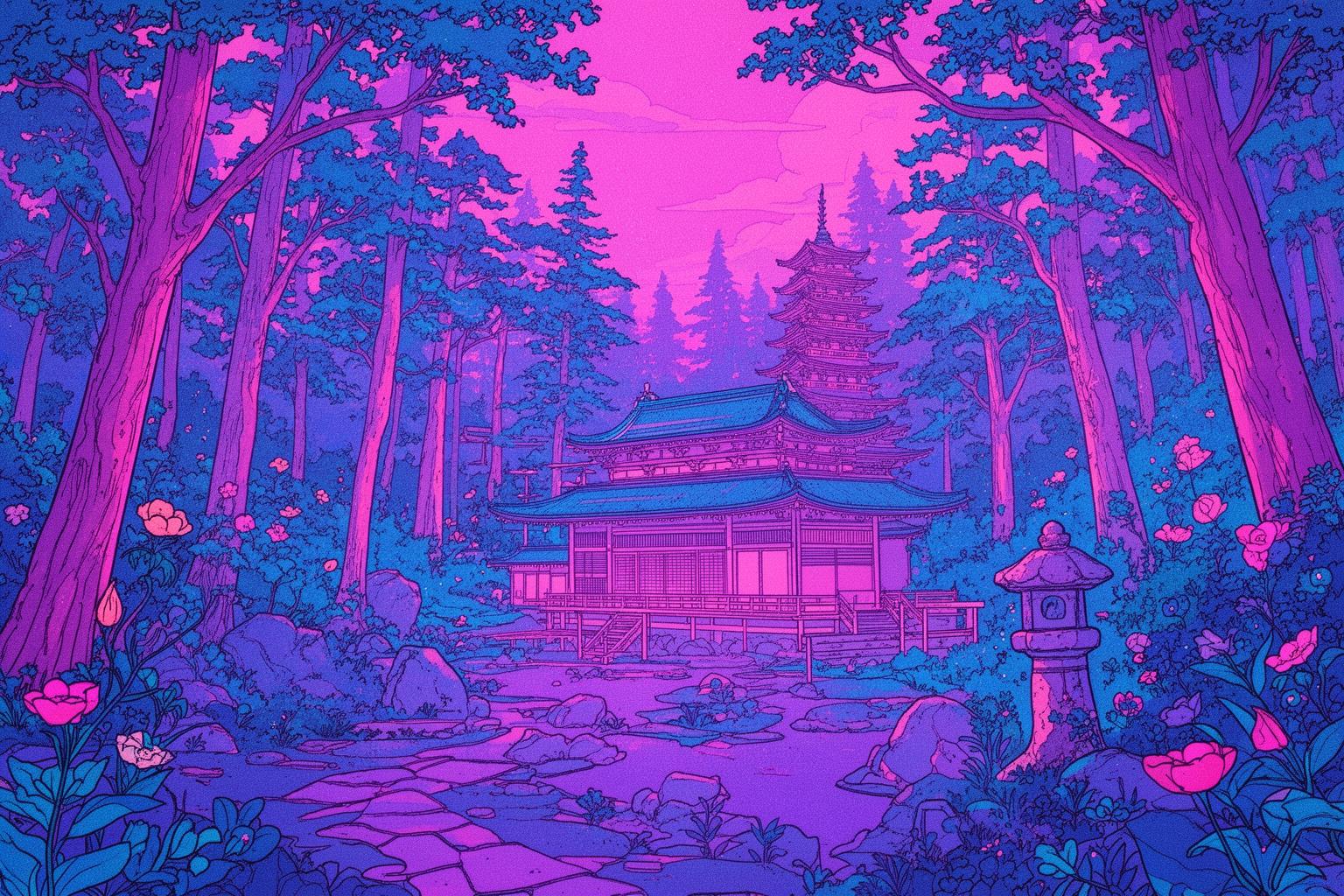
There is no place on Earth quite like Okunoin, and this is no exaggeration. It is Koya-san’s vast, ancient cemetery—the largest in Japan—and the final resting place of Kobo Daishi, the founder of Shingon Buddhism. Yet, to call it merely a cemetery feels utterly insufficient. Okunoin is a living, breathing, profoundly spiritual forest, where the boundary between worlds seems impossibly thin. The main path to Kobo Daishi’s mausoleum stretches for two kilometers beneath a canopy of colossal cedar trees, some over a thousand years old. These towering sentinels make you feel small and humble in their presence. Sunlight barely penetrates the dense canopy, gently illuminating the moss-covered ground and the more than 200,000 tombstones lining the path. These tombstones, or gorinto, with their distinctive five-tiered shapes symbolizing the five elements, stand as a testament to centuries of devotion. They belong to people from every walk of life—from powerful feudal lords and samurai warriors to humble monks and ordinary families. In an intriguing mix of ancient and modern, you will even find corporate memorials from major Japanese companies, paying respects and perhaps seeking spiritual blessings for their businesses. To fully experience Okunoin, you need to explore it twice: once during the day and once by night. By day, the atmosphere is one of serene, timeless peace. You can leisurely wander down side paths, admiring the intricate details of weathered stone monuments, many now cloaked in thick green moss. You will see small Jizo statues with red bibs, protectors of children and travelers, and can participate in the ritual of splashing them with water to offer prayers. Deeper into the forest, the sounds of the town fade, replaced by the whisper of wind through cedar branches and the caw of crows. It’s a deeply meditative walk, a journey through Japan’s history and its profound reverence for ancestors. But at night, Okunoin unveils its true magic. Numerous shukubo, such as Eko-in, provide guided night tours led by monks—an experience not to be missed. With the forest plunged into darkness, the stone path is lit only by the soft, warm glow of traditional stone lanterns placed every few feet. The effect is mesmerizing and otherworldly. The massive cedar trees become dark, silent silhouettes against the night sky. The air grows cold, and every small sound—the crunch of your footsteps on gravel, the hoot of a distant owl—is amplified. Your monk guide leads you with a flashlight, pausing at various points to share stories, legends, and Buddhist teachings tied to the cemetery. The atmosphere is not frightening, despite being in a vast cemetery at night. Instead, it is deeply mystical and incredibly peaceful. All the distractions of the day vanish, allowing a deeper connection with the spiritual essence of the place. Both walks end at the Gokusho Offering Hall, after which you cross the sacred Gobyonohashi Bridge. Beyond this point, photography, food, and drink are forbidden, as you enter the most sacred inner sanctum. This leads to the Torodo Hall, or Hall of Lanterns. Inside this magnificent structure, thousands of lanterns hang from the ceiling, creating a breathtaking sea of light. Two of these lanterns are said to have been burning continuously for over 900 years. The hall is a shimmering, golden tribute to unwavering faith. Behind the Torodo Hall lies the Gobyō, Kobo Daishi’s mausoleum, where he is believed not to be dead but in a state of eternal meditation, praying for the salvation of all beings. You may approach the wooden gates, bow your head, and offer a quiet prayer. The air here is dense with a powerful, palpable energy of reverence and devotion. Whether standing here in the dappled sunlight of day or the lantern-lit enchantment of night, you cannot help but feel you are in the presence of something truly profound. Okunoin is the soul of Koya-san—a place of immense beauty, history, and spiritual power that will remain with you forever.
Exploring the Sacred Heart: The Garan and Kongobuji
While Okunoin serves as the spiritual destination of Koya-san, the Danjo Garan complex stands as its sacred core, the original center established by Kobo Daishi when he founded his monastic retreat over 1,200 years ago. Entering this expansive complex of temples and pagodas feels like stepping into a carefully crafted sacred diagram, a three-dimensional mandala designed to embody the essential teachings of Shingon Buddhism. The first sight to capture your attention is the stunning Konpon Daito, or Great Stupa. This enormous, two-tiered pagoda, nearly 50 meters tall, is painted a vibrant vermilion that contrasts beautifully with the surrounding greenery and the blue sky. It’s an iconic symbol of Koya-san. Yet its appeal goes beyond its exterior. Inside, you encounter a dazzling display of color and symbolism. The interior centers on a statue of Dainichi Nyorai (the Cosmic Buddha), encircled by four other Buddhas. Surrounding pillars feature images of sixteen Bodhisattvas, while the walls are adorned with intricate mandalas. It’s a powerful, immersive representation of the Shingon cosmos, crafted for meditation and contemplation. Nearby stands the Kondo, or Golden Hall—a large, stately wooden structure that serves as the main hall for the Garan complex and hosts most of Koya-san’s major religious ceremonies. Its grand, sweeping roof and dignified presence command reverence. Though perhaps less visually striking than the Konpon Daito, its spiritual significance is profound. Take a moment to stand before it and absorb the serene, powerful energy it radiates. As you explore the Garan grounds, you’ll encounter many other important buildings, including the Fudodo Hall, a designated National Treasure and the oldest surviving structure on Koya-san, whose simple, rustic charm speaks to its long history. A short walk from the Garan complex leads to Kongobuji Temple, the head temple of Shingon Buddhism. It serves as the administrative center for the over 3,600 Shingon temples across Japan and is the residence of the head abbot. Passing through its grand main gate, you enter a realm of refined artistic and spiritual beauty. The temple is renowned for its magnificent fusuma (sliding screen) paintings, crafted by Kano school masters in the 16th century. Moving from room to room, you’ll be treated to exquisite scenes of cranes, plum blossoms, and weeping willows, each rendered with remarkable elegance and skill. These are not mere decorations but masterpieces of Japanese art. However, the true highlight of Kongobuji is the Banryutei Rock Garden. Completed in 1984, it is the largest rock garden in Japan. Its vast expanse of white sand is meticulously raked into intricate patterns symbolizing a sea of clouds. From this sea rise 140 granite stones, arranged to depict a pair of dragons ascending to guard the Okuden, the temple’s most sacred area. It’s a breathtaking sight. Find a spot on the veranda, sit quietly, and simply be. Let your eyes follow the lines in the sand and contemplate the silent power of the stones. This garden is designed to inspire deep meditation and evoke a sense of cosmic scale. The Garan and Kongobuji offer a different yet equally essential dimension of the Koya-san experience. They present the artistic, architectural, and philosophical heart of Shingon Buddhism, enriching the spiritual practices you’ll engage in at your shukubo and complementing the profound natural beauty you will discover in Okunoin. Together, they provide a complete and vivid portrait of this extraordinary mountain sanctuary.
Practical Vibe Check: Your Koya-san Game Plan
Alright, so your soul is ready for the Koya-san experience, but let’s also ensure the practical side of your mind is prepared. Getting the logistics right is essential to fully immerse yourself in the mountain’s relaxed vibe without unnecessary stress. Planning this trip is part of the fun, so let’s dive into the details. First up: when to visit. Honestly, Koya-san has a distinct charm in every season, so the “best” time truly depends on what you’re after. Spring (April-May) offers beautiful cherry blossoms dotting the temple grounds but can be crowded. Summer (June-August) is lush and green, though it’s also the rainy season—expect mist and downpours that add their own atmospheric touch. In my opinion, autumn (October-November) is the absolute highlight. The mountainside bursts into a stunning tapestry of fiery reds, oranges, and yellows. The crisp air is ideal for walking, and the scenery is simply breathtaking. Winter (December-February) is the road less traveled. It gets quite cold, and snow often blankets the mountain in a thick white layer. It’s incredibly serene, quiet, and magical, but be ready for the cold and some smaller paths might be closed. Whatever time you choose, packing wisely is key. Koya-san sits on a mountain plateau at 800 meters, so it’s always noticeably cooler than Osaka or Kyoto. Layers are essential. Even in summer, a light jacket or fleece for evenings and mornings is necessary. In winter, thermal underwear, a warm hat, gloves, and a good coat are must-haves. The most important item is sturdy, comfortable walking shoes. You’ll be trekking on stone paths, gravel, and steps—flimsy footwear won’t cut it. Bringing some cash is smart too. While larger temples and shops accept cards, many smaller places and entrance fees are cash-only. Now for the big ticket: booking and costs. Staying in a shukubo isn’t a budget backpacker option. Think of it as an all-inclusive package: your room, dinner, breakfast, and participation in morning services. Prices usually range from 10,000 to 20,000 yen per person per night, with some temples charging more. Booking in advance is a must, especially for busy seasons like autumn. Reserving a few months ahead is a safe bet. For getting there, check out the Koya-san World Heritage Ticket from Nankai Railway. It covers round-trip train fare from Osaka, the cable car, and unlimited bus travel on the mountain for two days. It’s a great deal and saves the hassle of buying tickets separately. Once on the mountain, the local bus system is your best friend. The buses run a simple loop connecting the station to the town center, the Garan area, and Okunoin’s entrance. They’re frequent and easy to use. That said, the town is very walkable, and wandering between the main sites is one of the joys here, letting you discover smaller temples and quiet spots you’d miss from a bus window.
A Few Pro Tips from Your Boy, Alex
Just a few extra tips to make your trip completely smooth. First, one night is the bare minimum, but it will feel rushed. If you can manage it, stay for two nights. This gives you a full day to explore the mountain at a relaxed pace without constantly checking the time. It lets the deep tranquility of the place really sink in. Second, while many monks (especially younger ones) speak some English, learning a few basic Japanese phrases is very helpful. A simple “Arigato gozaimasu” (Thank you very much) or “Sumimasen” (Excuse me) shows respect and is always appreciated. Third—and this is crucial—remember where you are. Koya-san isn’t a theme park; it’s a vibrant, living center of religious devotion. Be respectful. Move quietly through temple grounds, don’t take photos where signs prohibit it (especially during ceremonies or of sacred objects), and be considerate of monks and worshippers. Your respectful behavior helps maintain the serene atmosphere for everyone. Finally, when wandering through town, keep an eye out for shops selling fresh yakimochi, grilled rice cakes often filled with sweet red bean paste. They make a delicious, warm, and perfect snack for a chilly mountain day. It’s the little things.
The Afterglow: Bringing the Mountain Zen Back Home
Leaving Koya-san is just as much a journey as arriving. As you board the cable car for the descent, you watch the temple roofs and towering cedars gradually shrink, the sacred realm fading as the everyday world reappears. The train ride back to the electric energy of Osaka can feel like a bit of culture shock. The noise, the crowds, the speed—all seem intensified after the profound stillness of the mountain. Yet, something feels different. The noise doesn’t cut as deeply. The frantic energy doesn’t overwhelm as much. You’ve carried a piece of that mountain calm with you. A trip to Koya-san, especially the experience of morning meditation, isn’t something you simply do and forget. It’s a journey that plants a seed of tranquility within. It’s an energetic reset, a spiritual cleansing. In the weeks and months afterward, you may find yourself recalling the chant vibrating in your chest, the scent of cedar and incense in the crisp morning air, or the taste of a perfectly crafted goma-dofu. You might find it easier to pause in your busy day, focus on your breath, or appreciate the simple beauty of a meal. Koya-san offers more than just memories and photos; it provides a tool. It reminds you that peace and clarity are always within reach, that you don’t need to be on a holy mountain to find them. It’s an invitation to nurture that same mindfulness in your life. So, for the traveler who believes they’ve seen it all, for the soul seeking more than just another sight, Koya-san awaits. It’s a challenge, a pilgrimage, and a gift. It’s a chance to go beyond being a tourist and become, even briefly, a seeker. It’s a genuine game-changer and an experience that will continue to enrich your life long after you’ve descended from the clouds.