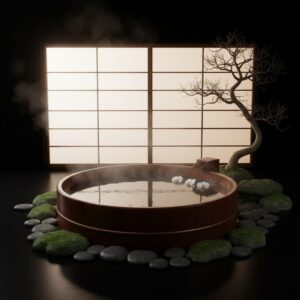
Yo, let’s get real for a sec. When you picture Japan, what’s the first thing that pops into your head? Is it the Shibuya Scramble, a chaotic but beautiful ballet of humanity under a supernova of neon signs? Maybe it’s a sleek Shinkansen bullet train slicing through the landscape, a testament to futuristic perfection. That’s the Japan you see on every screen, the one that’s absolutely lit, no cap. But what if I told you there’s another side to this country? A vibe that’s less about the high-speed hustle and more about the low-key heartbeat of the land itself. A Japan that’s ancient, soulful, and is having a major glow-up right now. We’re talking about kominka—traditional Japanese farmhouses—and trust me, staying in one is the ultimate travel flex. These aren’t just rustic rentals; they’re upcycled, eco-friendly time capsules that offer a deep-dive into the culture. It’s about swapping the city’s relentless buzz for the sound of rustling bamboo, the sterile scent of a hotel lobby for the earthy aroma of tatami mats and woodsmoke. It’s a chance to slow down, to connect with something real, and to experience a side of Japan that is both timeless and totally on-trend. This isn’t about escaping modernity; it’s about finding its roots. It’s the kind of trip that doesn’t just give you fire Instagram stories, it genuinely changes your perspective. It’s the Japan you didn’t know you were looking for, and it’s an absolute game-changer.
If you’re seeking that same profound, soulful connection in an unexpected urban setting, consider the quiet contemplation found at a lonely vending machine on a rainy night.
Decoding the Kominka Vibe: More Than Just an Old House

So, what exactly is a kominka? The term literally means “old folk house,” but that’s like calling a vintage Rolls-Royce simply an “old car.” It doesn’t quite capture the essence. These are architectural masterpieces, crafted by skilled artisans generations ago using brilliant techniques. They were designed to live in harmony with nature, long before “eco-friendly” became a popular term. Think of them as the original sustainable living spaces. Built to adapt to the seasons, withstand typhoons and earthquakes, and serve as the family’s heart for centuries. When you enter one, you’re not just stepping into a building; you’re stepping into a story. You can sense the history in the dark, polished wood and admire the craftsmanship in every joint and beam. It’s a full sensory experience that no modern hotel can replicate. This is about understanding the soul of Japanese craftsmanship from the inside out.
The Crown Jewel: Thatched Roofs and Soaring Beams
The first thing you’ll notice is the roof. Many classic kominka feature a stunning kayabuki roof—a thick, sculptural crown of thatched straw or pampas grass. These are more than decorative; they are functional masterpieces. The dense thatch offers excellent insulation, keeping the house cool in Japan’s humid summers and snug in winter. Designed to breathe, it lets moisture escape, while the steep pitch allows heavy rain and snow to slide off easily. The scent of a thatched roof after summer rain—earthy, sweet, and timeless—is unforgettable. Step inside and look up. Your jaw will drop. The ceiling resembles a cathedral, with massive dark wooden beams known as hari, often made from whole zelkova or chestnut trees. These beams are interlocked with intricate joinery, without a single nail. Smoked over decades by the hearth fire, they turn a deep, glossy black that’s both beautiful and naturally protective against insects and rot. Running your hand along one, feeling the subtle unevenness from original adze marks, is like shaking hands with the carpenter who shaped it two centuries ago. It’s a profound connection to the past.
The Heartbeat of the Home: The Irori Hearth
At the center, you’ll often find the irori, a sunken hearth that was the true heart of the traditional Japanese home. The original open-plan living room. The irori wasn’t just for cooking; it was the gathering place of family life. It provided warmth, light, and a focal point where stories were shared, work was done, and meals enjoyed. A cast-iron kettle or pot would often hang from an adjustable hook called a jizaikagi, sometimes carved into a fish shape for good fortune. The soft crackle of the fire and the gentle bubbling of the kettle form the soundtrack of the kominka experience. Smoke from the irori played an important role, rising to coat beams and thatch, preserving them from within. This is why these old homes have such a distinct, pleasant smoky aroma. Spending an evening around a real irori, grilling fish on skewers stuck into the ash and warming sake, is a timeless, comforting ritual that connects you to a universal human tradition.
Walls That Move and Breathe: Shoji and Fusuma
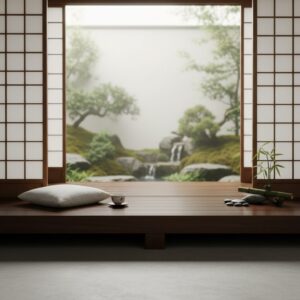
Japanese architecture is celebrated for its flexibility, and kominka exemplify this perfectly. Inside, you won’t find many solid, fixed walls. Instead, space is divided by fusuma and shoji. Fusuma are opaque sliding panels, often adorned with beautiful paintings of landscapes or nature, functioning as doors and walls. They can be removed entirely to create a large open space or closed to form smaller, intimate rooms. Shoji are iconic sliding screens made from delicate wooden lattices covered with translucent washi paper. They don’t block light but diffuse it softly. Sunlight filtered through a shoji screen bathes the room in a gentle, ethereal glow that is calming and beautiful. It blurs the boundary between inside and out, connecting you to the garden and the changing daylight while offering privacy. Living in a space defined by shoji screens encourages mindful movement. Their fragility is a reminder to be gentle and present. The sound of a shoji screen sliding open is one of the most quintessential sounds of traditional Japan.
The In-Between Space: The Engawa Veranda
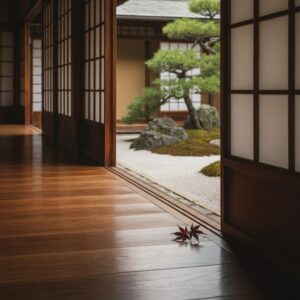
Encircling the house, you often find an engawa, a polished wooden veranda beneath the roof’s eaves. The engawa is a magical, liminal space—neither fully indoors nor fully outdoors. It’s a place to transition, to pause. Here you’d sit to remove your shoes, cool off on a hot summer evening, or simply gaze out at the garden. It’s the perfect spot for morning coffee or an evening beer, a place to watch raindrops fall or listen to cicadas sing their summer song. The engawa beautifully embodies the Japanese love of nature. It invites the outside world in, framing the garden, the borrowed scenery of distant mountains, turning it into a living artwork. Sitting on the edge of the engawa, feet dangling just above the garden stones, is a simple act of mindfulness that feels deeply luxurious in today’s fast-paced life.
The Kominka Comeback: Old Soul, New Vibe
For a long time, these beautiful houses were regarded as relics of the past. As Japan rapidly modernized after the war, people flocked to cities in search of jobs and a more convenient lifestyle. The countryside gradually emptied, leaving thousands of kominka abandoned and slowly deteriorating. Compared to modern prefabricated homes, they were viewed as dark, drafty, and inconvenient. It seemed a cultural tragedy was unfolding. However, something remarkable began to occur. A new generation, along with some visionary foreigners, started recognizing the incredible value and beauty of what was being lost. Pioneers in the preservation movement began purchasing these old houses, not to turn them into sterile museums, but to revitalize them. This was not about retreating nostalgically to the past; it was about creating a forward-thinking fusion. The kominka renaissance is inspired by a philosophy of upcycling. The aim is to preserve the soul of the house—the stunning wooden structure, traditional layout, and handcrafted details—while thoughtfully incorporating modern conveniences. Thus, you experience awe-inspiring architecture and a historic atmosphere alongside a sleek, modern bathroom with a fantastic shower, a well-equipped kitchen, high-speed Wi-Fi, and comfortable heating and air conditioning. It offers the very best of both worlds. This revival is also deeply rooted in sustainability. By restoring and reusing these existing buildings, waste and the carbon footprint associated with new construction are reduced. Many kominka owners are passionate about using local, natural materials for repairs and collaborating with local craftspeople, which helps preserve traditional skills and supports the rural economy. Staying in a renovated kominka isn’t just a cool vacation; it is an act of cultural and environmental preservation. You become part of the house’s ongoing story of revival.
Finding Your Flow: A Guide to Japan’s Kominka Regions

Japan stretches over a long expanse with remarkably diverse landscapes and cultures, and the kominka in each area reflect that variety. Depending on the atmosphere you’re seeking, you can discover a kominka experience that suits you perfectly. From tranquil mountain villages to creative island escapes, the choices are truly extraordinary. This isn’t a one-size-fits-all trip; it’s about crafting your own unique journey into the essence of rural Japan.
The Ghibli Dreamscape: Miyama, Kyoto Prefecture
If your ideal vision of rural Japan is romantic and almost cinematic, it likely resembles Miyama. Nestled deep in the mountains north of Kyoto City, Miyama’s Kayabuki no Sato (Thatched Roof Village) is a stunning hamlet where more than three dozen traditional farmhouses with spectacular thatched roofs have been preserved. This place is the genuine article. Walking through the village, with its meticulously tended vegetable gardens, babbling streams, and cedar-covered mountains as a backdrop, feels like stepping right into a Hayao Miyazaki film. The mood here is one of profound calm and timelessness. The air is crisp and pure, and the only sounds you’ll hear are birdsong, the flowing river, and the distant call of deer. Staying here means renting an entire kominka, often operated by a local family who has lived in the region for generations. Spend your days cycling along narrow trails winding through lush green rice paddies, trying indigo dyeing, or taking a cooking class to master local dishes. A visit to the Miyama Folklore Museum, located in a 200-year-old farmhouse, offers a deeper insight into local life. Food lovers will find Miyama a paradise, enjoying freshly caught river fish, foraged wild mountain vegetables (sansai), and delicious soba noodles made from locally grown buckwheat. The vibe in Miyama is pure tranquility. It’s the ultimate digital detox—a place to disconnect from chaos and reconnect with nature and the gentle, steady pace of country living.
The Art Kid’s Paradise: The Setouchi Islands
For a completely different kominka experience, head to the Seto Inland Sea. On islands like Naoshima, Teshima, and Inujima, a large-scale art project has revitalized a previously declining area into a world-renowned hub for contemporary art. Kominka are central to this transformation. The Art House Project on Naoshima, for example, converts empty houses in a real, living village into permanent art installations. Wander through a centuries-old house to find a mind-bending light installation by James Turrell or a peaceful space featuring works by Tatsuo Miyajima. It’s a surreal and brilliant fusion of ancient architecture and cutting-edge art. Many guesthouses and cafes on these islands are housed in beautifully restored kominka. Imagine waking up in a traditional tatami room, then spending the day exploring museums designed by Tadao Ando and admiring art by Yayoi Kusama. The vibe here is effortlessly cool, creative, and inspiring. It’s where Japan’s rich history meets its innovative future. Renting an electric bicycle is the best way to explore—cruising along coastal roads with breathtaking ocean views, stopping at quiet fishing villages and hidden art spots. The Setouchi experience is ideal for the creative traveler who appreciates the mix of rustic charm and sophisticated culture. It shows that kominka aren’t just about preserving history; they can also serve as canvases for the future.
Walk the Warrior’s Path: Nagano and the Kiso Valley
For those seeking history and adventure, the Kiso Valley in Nagano Prefecture is the place to be. This was along the old Nakasendo, one of the five major Edo-period highways connecting Kyoto and Edo (modern Tokyo). Samurai, merchants, and pilgrims once traveled this route. Today, well-preserved post towns like Tsumago, Magome, and Narai seem frozen in time. The streets are lined with traditional wooden buildings, and daytime car traffic is mostly prohibited, allowing you to fully immerse yourself in the historic ambiance. Many inns, or minshuku, here occupy historic kominka that were once homes of wealthy merchants or artisans. Staying in one feels like stepping into a classic samurai film. Spend your days hiking sections of the Nakasendo trail, walking on the same stone paths that travelers have used for centuries. The trail winds through dense forests of cypress and bamboo, past waterfalls and small roadside shrines. It’s a physical journey that’s also deeply meditative. After a long hike, nothing beats soaking in a local onsen (hot spring) and enjoying a multi-course kaiseki dinner at your inn, featuring local specialties like grilled river trout, Hida beef, and handmade soba noodles. The vibe in the Kiso Valley is historic, rugged, and immensely rewarding. It’s for active travelers who want to experience history not just through observation, but by walking, breathing, and sleeping it.
The Soul of the Deep North: Tohoku Region
For travelers aiming to venture off the beaten path and experience a wild, untamed side of Japan, the Tohoku region is essential. Areas such as Akita and Iwate are famous for heavy snowfall, dramatic landscapes, and rich folk traditions. The kominka here, especially the L-shaped magariya farmhouses of Iwate, were designed to endure harsh winters. These homes traditionally included a family living area and an attached stable under one roof, highlighting the deep bond between people and their animals. Staying in a kominka in Tohoku during winter is a magical experience. Awakening to a world covered in silent, deep snow is unforgettable. Gather around the irori hearth, wrap yourself in a cozy hanten jacket, sip hot amazake, and listen as the owner shares local folktales. This region is known for vibrant and sometimes eccentric festivals (matsuri), like the Namahage festival in Akita, where demon figures visit homes to frighten lazy children. It’s also a center for traditional crafts. You can visit workshops where artisans create kokeshi dolls, beautiful nambu tekki cast iron kettles, or indigo-dyed textiles. The cuisine is hearty and comforting—think bubbling hotpots like kiritanpo nabe, where pounded rice is wrapped around skewers and toasted over fire. The vibe in Tohoku is authentic, remote, and soulful. It’s perfect for adventurous travelers unafraid of snow who want to connect with the deep, mystical heart of rural Japan.
Living the Kominka Dream: A Reality Check
Staying in a kominka is an amazing experience, but it’s important to approach it with the right mindset. This isn’t a standardized, cookie-cutter hotel stay, which is exactly what makes it so unique. It’s about embracing a different lifestyle, even if only for a few days. The experience is immersive, personal, and deeply fulfilling if you know what to expect.
The Welcome Mat: A Personal Touch
Checking into a kominka is rarely an anonymous process. More often, you’ll be warmly greeted by the owner—perhaps a young couple who left the city for the countryside, or an elderly family member whose ancestors have lived in the house for generations. They’ll offer you a cup of green tea and some local sweets, sit with you, and share the history of the house. They may show you how to light the irori, recommend the best local tofu, and point out walking routes with the finest views. This personal connection is a big part of the experience. These hosts are passionate about their homes and communities, eager to share that passion with you. It feels less like being a tourist and more like an invited guest in someone’s home.
The Daily Flow: Embracing a Slower Pace
Life in a kominka follows a different rhythm, guided by the sun, the seasons, and simple daily rituals. You might wake naturally to birdsong drifting through the shoji screens. Mornings could include grinding your own coffee beans and savoring a cup on the engawa while watching mist rise from the valley. The day unfolds unhurriedly—no pressure to rush from one attraction to the next. The goal is simply to be. You might take a long walk, read by the hearth, or help your host harvest vegetables from the garden for dinner. This is slow travel at its essence. It’s about releasing your tightly packed itinerary and tuning into the quiet beauty of your surroundings. It’s an opportunity to reset your internal clock and relearn how to live in the present moment.
Rustic Comforts: Mind Your Head and Step
Though renovated kominka provide modern conveniences, they retain their rustic charm. That’s part of their appeal! Floors might creak beneath your feet, and ancient wooden beams are often low—tall guests will quickly learn to duck. In the countryside, encountering a few friendly local insects is normal. Nights are spent on comfortable futons laid out on tatami mats. This might sound minimal, but it’s surprisingly cozy and beneficial for your posture. It’s important to embrace these quirks: creaky floorboards tell stories, low beams reflect a time when people were shorter, and the futon connects you to a traditional way of sleeping. This is the authentic experience. Here, luxury isn’t about gold fixtures or room service; it’s about authenticity, space, and a link to history.
Farm-to-Table, Truly: Dining Like a Local
Food plays a central role in the kominka experience. Many accommodations offer meal plans where your hosts prepare exquisite multi-course meals using ingredients from their garden or nearby farmers. This is authentic Japanese home cooking at its finest. You’ll eat rice grown in the paddy visible from your window, eggs from chickens next door, and fish sourced from the local river. Regional specialties and unfamiliar vegetables will be introduced to you. It’s genuine farm-to-table dining, without any trendy restaurant hype. Alternatively, if your kominka has a kitchen, a visit to the local market becomes an adventure of its own. You can pick up fresh, seasonal produce and try cooking Japanese dishes in a traditional setting. Eating at a kominka reminds you that the best food is simple, fresh, and deeply connected to the land where it’s grown.
Your Kominka Starter Pack: Pro Tips for Nailing the Trip

Ready to book your trip? Awesome. Here are some tips to ensure your first kominka adventure is smooth, respectful, and truly unforgettable. A little preparation goes a long way in helping you relax and fully absorb the atmosphere once you arrive.
Lock It Down Early
Kominka stays aren’t huge hotel chains with countless rooms. They are unique, often family-run places with very limited availability. The best ones get booked months, sometimes even a year, ahead—especially during peak seasons like cherry blossom time in spring or autumn foliage. Once your dates are set, start researching and make your reservation. This isn’t a trip you can plan last minute.
Pack for the Vibe
Packing for a kominka stay is a bit different from a city trip. Layers are key. Old houses, even renovated ones, can be a bit drafty, so bringing a cozy sweater or fleece is smart, even in warmer seasons. The most essential item? Slip-on shoes. You’ll be taking them off and on constantly moving between indoors and outdoors, so easy-to-wear shoes like loafers, clogs, or sneakers without complicated laces make life much easier. Also, consider bringing a small, thoughtful gift (omiyage) for your host—a specialty from your home country is a nice touch and a lovely way to show appreciation.
Figure Out Your Transport
Kominka are located in beautiful, remote countryside areas, which can sometimes be tricky to reach. While some are accessible by train and bus or taxi, renting a car is often the most convenient and flexible choice. Driving gives you freedom to explore nearby villages, hidden temples, and scenic spots at your own pace. If you rely on public transport, double-check schedules carefully. Rural buses can be infrequent, sometimes only running a few times a day. Plan connections thoughtfully to avoid being stranded.
Respect the House Rules
Remember, you’re staying in a historic home. These houses have stood for centuries and deserve careful, respectful treatment. Take care around delicate shoji paper screens—don’t poke or slam them. Always remove your outdoor shoes in the genkan (entryway) and switch to the indoor slippers provided. There may be specific rules about using the irori hearth or traditional goemonburo bathtub. Listen closely to your host’s instructions and treat the home with the same care you would your own. This respect is a key part of Japanese culture and will be deeply appreciated.
Embrace the Analog Life
Though most renovated kominka offer Wi-Fi, cell service can be spotty in deep rural areas. Don’t see this as a drawback; see it as a gift. This is your official permission to disconnect. Let friends and family know you might be off the grid for a while. Put your phone away and immerse yourself in the surroundings. Listen to nature’s sounds. Chat with your host. Read a book. The best part of a kominka stay is escaping the constant digital noise and reconnecting with the tangible world. Embrace the quiet—a rare and precious luxury.
A kominka stay is so much more than just a place to sleep. It’s an invitation to step off the beaten tourist path and experience a side of Japan that’s calm, profound, and stunningly beautiful. It’s a journey back in time that feels surprisingly contemporary—a perfect blend of rustic charm and modern comfort. You’re not only booking accommodation; you’re supporting cultural preservation, rural revitalization, and sustainable travel. It’s about appreciating the beauty in imperfection—the wabi-sabi of a weathered wooden pillar or moss-covered stone—and connecting with Japan’s true, vibrant heart. So when planning your next trip, look beyond the city lights. A whole other world awaits in the countryside. It’s a vibe. It’s a mood. And it just might be the most memorable part of your entire journey.