Yo, what’s good? Ayaka here. So, let’s spill the tea on something you’ve probably clocked if you’ve spent any time in a trendy Japanese city. You’re wandering through a bougie neighborhood in Tokyo, maybe Kyoto, miles from the nearest beach, and bam—you hit a spot that’s serving major ‘California dreams.’ We’re talking light wood, white walls, tons of succulents, and stylish people sipping on oversized lattes in what feels like a high-end surf shack. This is the world of Ron Herman, and more specifically, the Ron Herman Cafe. It’s this whole ‘Ocean in the City’ vibe that’s low-key everywhere. The question that hits you, and for real, it’s a valid one, is… why? Japan is literally an island nation with thousands of miles of its own, legit beautiful coastline. So why is everyone so obsessed with this specific, imported, almost cartoonish version of a West Coast lifestyle? It feels like a simulation, right? But it’s a simulation that people are lining up and paying good money for. This isn’t just about grabbing a decent cup of coffee. It’s way deeper than that. It’s about aspiration, escape, and the performance of a life that feels worlds away from the daily grind of a Tokyo salaryman. To get it, you gotta unpack the meticulously curated fantasy Japan has built around the idea of the ‘Nishi-Kaigan’—the West Coast. It’s a cultural deep-dive, so grab your lemonade, and let’s get into it. This is the real story behind why a cafe in the middle of a concrete jungle sells the dream of an ocean it can’t see.
This meticulously curated fantasy is part of a broader trend in Japan’s cafe scene, which you can explore further by learning about the Neo-Kissaten Boom.
The ‘Nishi-Kaigan’ Dream: Deconstructing Japan’s West Coast Fantasy
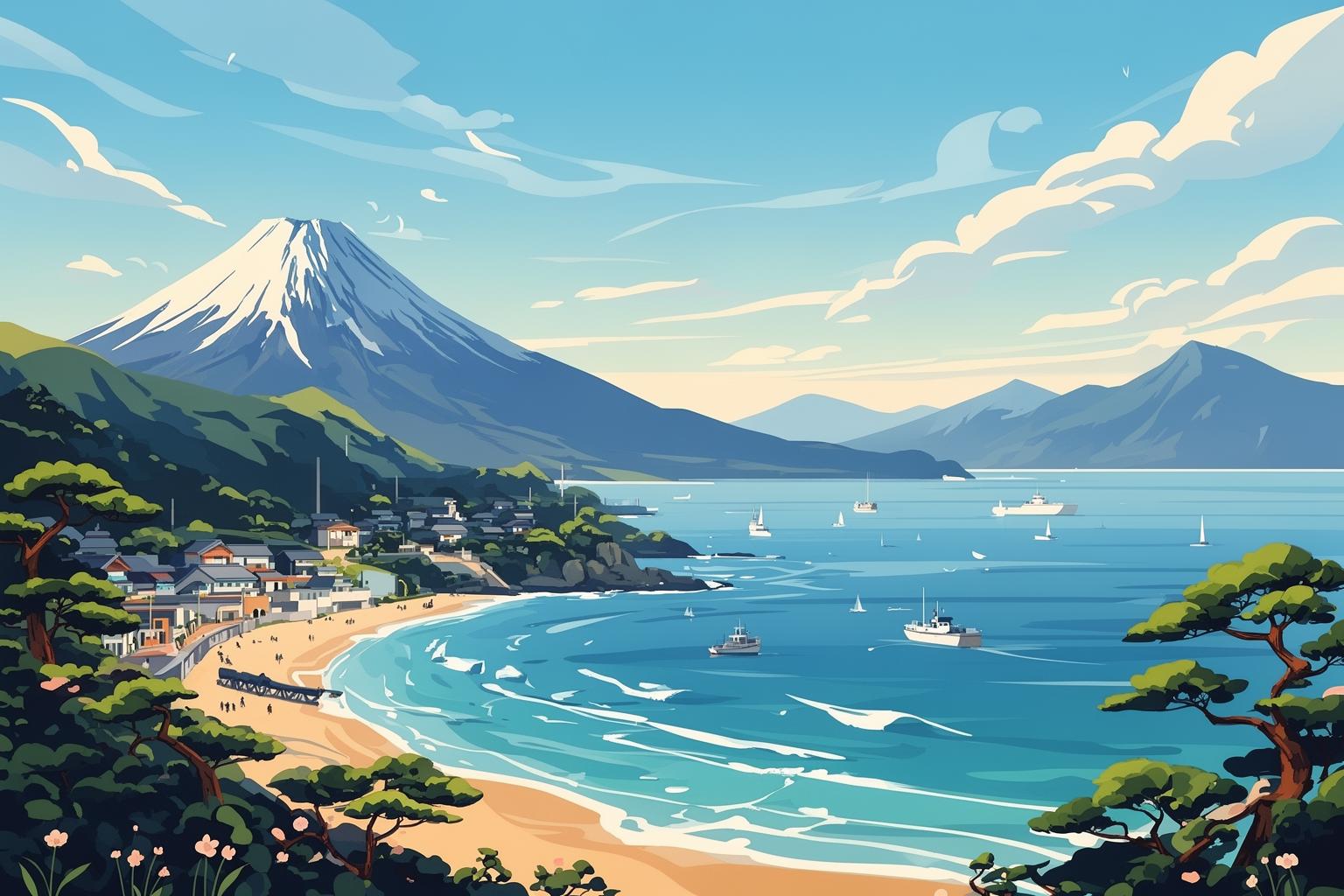
Before we even start discussing the cafes, we need to fully grasp what ‘Nishi-Kaigan’ (西海岸, West Coast) truly signifies in the Japanese cultural imagination. Spoiler alert: it’s more than just a geographic area. It embodies an entire mood, a carefully cultivated aesthetic, and a compelling psychological escape. It’s less about the physical states of California, Oregon, and Washington and more about an emotion—a promise of an alternative, better way of living.
More Than Just a Place: The ‘West Coast’ as a Vibe
In Japan, when someone mentions their affinity for the ‘Nishi-Kaigan’ style, they’re evoking a very distinct image. It’s a world bathed in endless golden-hour light. It’s the sensation of cruising in a vintage station wagon with a surfboard strapped on top, windows rolled down, listening to laid-back acoustic tunes. It’s savoring a fresh, vibrant acai bowl after a morning yoga session by the beach. The aesthetic is unmistakable: natural materials, sun-bleached hues, loose-fitting clothing crafted from linen or soft cotton, delicate silver accessories, and a healthy, sun-kissed complexion. It’s a vibe that feels ‘effortless,’ even though, as we’ll uncover, it requires significant effort to achieve.
This fantasy resonates so strongly because it stands in stark contrast to the day-to-day reality for millions of urban Japanese. Consider a typical routine: waking up in a cramped apartment, squeezing onto an overcrowded train for a long commute, then spending ten to twelve hours in a fluorescent-lit office dominated by conformity and hierarchy. Individuality is often sacrificed for group harmony, or ‘wa’ (和). The pressure to perform, meet expectations, and follow a prescribed life path is overwhelming. Weekends serve as recovery time rather than opportunities for soul-expanding experiences. In this context, the ‘Nishi-Kaigan’ dream transcends a mere style choice; it becomes a subtle form of rebellion. It embodies freedom—the freedom to be casual, to prioritize wellbeing over work, to embrace individuality, and to live in closer harmony with nature and personal happiness rather than corporate obligation. It’s a mental getaway, an imagined alternate reality where the heavy burden of social expectation is replaced by a gentle sea breeze.
The Historical Roots: From Post-War Americana to ‘Heisei’ Cool
This fascination didn’t arise suddenly with Instagram. Its origins run deep, beginning with Japan’s intricate relationship with American culture after World War II. The first wave centered on Americana: blue jeans, leather jackets, rock and roll, and Hollywood icons like James Dean and Marilyn Monroe. America symbolized modernity, power, and a kind of rebellious freedom that captivated a generation rebuilding its nation and identity. This set the stage for a widespread openness to and fascination with American lifestyles.
However, the distinct cultivation of the ‘West Coast’ ideal gained momentum in the 1970s and surged through the Bubble Economy in the 1980s and into the 1990s. The creators of this dream were Japanese lifestyle magazines. Publications like `Popeye`, known for its tagline “Magazine for City Boys,” played a pivotal role. `Popeye` didn’t merely cover U.S. trends; it sent editors and photographers to places like California to analyze the lifestyle and tailor it for a Japanese audience. Entire issues were devoted to themes such as ‘California Style,’ detailing everything from how UCLA students dressed to the types of sneakers worn by skateboarders in Venice Beach. These magazines went beyond fashion reporting; they acted as cultural manuals. They instructed a generation of young Japanese men and women on how to adopt and embody a particular kind of American cool. They marketed not only clothing but the entire fantasy associated with it. Owning a pair of Vans wasn’t just about footwear; it was about embodying the spirit of a Californian skater. This process refined the complex, chaotic reality of American life into a polished, aspirational, and highly marketable product. The West Coast, with its sunny climate, surf culture, and relaxed vibe, became the ultimate emblem of this curated, desirable lifestyle—a perfect fantasy to offer a wealthy, inquisitive, and increasingly style-savvy Japanese audience.
Enter Ron Herman: The Perfect Package for the Aspiration
So, you have a population shaped by decades of media-driven fantasy about a relaxed, sun-soaked coastal lifestyle. The desire simmers just beneath the surface of the demanding urban hustle. The market is primed. Then, a brand appears that doesn’t merely sell fragments of the fantasy but constructs a full, immersive sanctuary around it. That brand is Ron Herman. Ron Herman’s brilliance in Japan lies not only in the products it offers but in the atmosphere it cultivates. It flawlessly captures the elusive ‘Nishi-Kaigan’ spirit and transforms it into a physical, tangible, and shoppable reality.
More Than Just a Store: A ‘Lifestyle Curation’ Space
Stepping into a Ron Herman flagship store, such as the one in Sendagaya, is a sensory immersion. It’s a masterstroke of atmospheric design. The first thing that greets you is usually the scent—a bespoke, clean, subtly oceanic aroma that immediately whisks you away from the city’s exhaust. The color scheme is meticulously curated: vast whites, gentle grays, and natural, light wood tones. Sunlight, natural or cleverly recreated, floods the space, lending it a bright, airy, and uplifting ambiance. You’ll notice thriving fiddle-leaf figs and monsteras in handcrafted ceramic pots. A vintage surfboard may lean artfully against a wall—not for sale, just to set the mood. The music is always a flawless blend of chill indie, acoustic covers, or soulful folk, never overpowering, merely a soothing background hum inviting you to slow down.
This is the pinnacle of the Japanese ‘select shop’ (セレクトショップ) concept. Such a shop’s role isn’t just to sell inventory from one brand. Instead, it acts as a cultural curator. Through the owner or buyer’s ‘taste,’ it assembles a selection—from high-end international designers to niche local artisans, spanning clothing, jewelry, ceramics, books, and beauty products—that all weave together a single, compelling narrative. Ron Herman’s tale is the ‘Nishi-Kaigan’ dream. Every item inside, from a $1,000 cashmere sweater to a $30 organic hand soap, is chosen because it fits within this story. The store communicates, ‘This is how the person you aspire to be lives. Here are the tools to build that life.’ It’s a potent and alluring form of retail that sells identity first and product second.
The Cafe as the Accessible Gateway
This is where the strategy truly shines. The upscale fashion and homewares are aspirational but often financially out of reach. That exquisite hand-knit sweater could cost a month’s rent. Here, the Ron Herman Cafe takes on a vital role. The cafe represents the brand’s democratic heart. It provides a low-cost, low-commitment entry into the Ron Herman world. While the clothes may be beyond reach, almost everyone can afford a slice of their famous lemon cream pie and a latte. For the price of a fancy dessert, you buy a ticket into the fantasy for an hour or two.
The cafe isn’t an afterthought; it’s a central element of both the business model and brand experience. It invites patrons to immerse themselves in the carefully crafted environment, relaxing on custom furniture beneath perfect lighting, literally consuming the brand’s ethos. The menu itself is artfully curated—not traditional Japanese cafe fare like melon soda or curry rice, but a greatest hits of Californian health-conscious cuisine: large, vibrant salads with kale and quinoa, gluten-free pancakes, freshly pressed green juices, and hearty sandwiches on artisanal bread. Even simple dishes like burgers are elevated, served on gourmet brioche buns with impeccably crisp fries. This food is more than nourishment; it’s a prop in the performance of the ‘West Coast’ lifestyle. Eating a kale salad at Ron Herman Cafe feels fundamentally different—healthier, cooler, more virtuous—than eating one at home. Sitting in the cafe transforms you from a mere observer of the ‘Nishi-Kaigan’ dream into an active participant. For that moment, you are living the life. And that experience is worth far more than the price of a coffee.
The ‘Instagrammable’ Factor: Performing the Dream Online

The rise of Ron Herman in Japan alongside the explosion of social media, especially Instagram, is no coincidence. These interconnected phenomena have fueled and amplified one another. The brand’s entire aesthetic appears almost instinctively crafted for the visual language of Instagram. Long before “Instagrammability” became a marketing cliché, Ron Herman was designing spaces and products that were naturally photogenic, helping to cultivate a new form of social currency centered around curating an attractive online persona.
Designing for Instagram Before It Became Popular
Consider the key elements of the Ron Herman aesthetic: bright natural light, clean white and wood backgrounds, minimalist displays, and vibrant pops of color from food or plants. These are precisely the components that make for an ideal, eye-catching Instagram photo. The spaces are intentionally created to serve as beautiful backdrops for everyday life. Large windows, simple yet elegant furniture, and carefully arranged merchandise all come together to form a stage, with customers acting as performers, capturing their moments on smartphones.
This phenomenon gave birth to the cultural concept of `Insta-bae` (インスタ映え), a term that became wildly popular in Japan, meaning “Instagram-worthy” or “shines on Instagram.” For many customers, particularly younger ones, the main reason to visit a place like Ron Herman Cafe isn’t the taste of the coffee or the coziness of the seating—it’s the promise of capturing `Insta-bae` content. Will this cake look good in a flat-lay? Is the lighting right for a selfie? Does the logo on the takeaway cup look stylish? These questions become central to the consumer experience. Businesses in Japan quickly adapted, and soon menus and interiors were explicitly designed with `Insta-bae` in mind. Ron Herman naturally excelled at this—not because it chased trends, but because its core identity perfectly aligned with the concept. The brand’s iconic smiley-face logo, often seen on mugs and plates, turned into a coveted symbol, a simple graphic that instantly conveyed a laid-back coolness to followers.
The Formula of a Ron Herman Instagram Post
Analyzing a typical Instagram post from Ron Herman Cafe reveals a consistent visual style understood by insiders. There’s the classic overhead shot, the “flat-lay,” featuring a slice of cake, a latte with perfect foam art, a smartphone, and maybe sunglasses, all artfully arranged on natural wood. Or a candid shot of a friend laughing, looking away from the camera, bathed in soft window light, evoking effortless joy. Another common image is a subtle lifestyle display: hands holding a coffee cup, clad in a carefully chosen casual sweater with delicate bracelets visible. The background is unmistakably Ron Herman—the white walls, the distinctive wood tone, and a touch of greenery.
This isn’t mere vanity. In a society that often stresses collective identity and conformity, social media offers a vital outlet for personal expression and crafting an individual brand. An Instagram feed becomes a visual résumé of one’s tastes, experiences, and values. A Ron Herman post isn’t just saying, “I had a nice lunch.” It conveys coded messages: “I have refined taste.” “I appreciate quality and design.” “I prioritize self-care and leisure.” “I belong to a fashionable, modern community.” It aligns the poster with the aspirational lifestyle of the ‘Nishi-Kaigan’ ideal—health, relaxation, and effortless cool. By sharing the photo, users briefly merge their identity with the brand’s alluring image, projecting their ideal selves to the world.
The Contradiction: Japan’s Real Coast vs. The Imported Ideal
This leads us to the central paradox: why is there such an intense focus on an imported, idealized coastal lifestyle in a landlocked Tokyo neighborhood when Japan itself is an archipelago boasting nearly 30,000 kilometers of authentic coastline? The answer unveils a compelling divide in the Japanese cultural mindset between the allure of foreign ideals and the reality of the domestic ‘natural’ environment. It’s not that Japan lacks beautiful beaches; rather, those beaches are often burdened with a different cultural context.
The ‘Inaka’ Issue: Why Japan’s Own Beaches Fall Short
For many urban Japanese, the country’s coastline is mentally categorized as `inaka` (田舎), meaning countryside. While `inaka` is sometimes nostalgically viewed for its pastoral charm and slower pace, it frequently carries connotations of being unsophisticated, inconvenient, outdated, and economically stagnant. It’s the place visited once a year for Obon to see grandparents, associated with fishing villages, aging populations, and a scarcity of modern comforts and style. The imagery often involves concrete tetrapods protecting the shore from erosion, rugged fishing boats, and utilitarian guesthouses (`minshuku`). The experience is genuine and authentic, but rarely considered ‘chic’ as the Nishi-Kaigan fantasy is.
Japanese beach culture itself is structured quite differently. Beaches are typically seen as venues for specific, highly seasonal activities rather than year-round lifestyle hubs. During the peak summer months of July and August, designated swimming areas buzz with `umi no ie` (海の家), temporary beach huts selling yakisoba, shaved ice, renting umbrellas, and blasting pop music. While vibrant and fun, this scene is often crowded and commercialized, targeted at families and young groups. Outside this short period, many beaches feel deserted or are dominated by serious, often territorial local surf communities. The concept of a stylish, all-day café culture right on the sand—where one can work on a laptop for hours or enjoy a gourmet lunch—is simply uncommon in most coastal areas of Japan. There are exceptions: the Shonan coast south of Tokyo, including places like Kamakura, Zushi, and Enoshima, has consciously fostered a surf and beach lifestyle approaching the Californian ideal. Yet even Shonan is often presented through the lens of the American West Coast, branding itself as ‘Japan’s answer to California,’ reinforcing the notion that the imported version remains the aspirational model.
The Comfort of a Curated Experience
The allure of Ron Herman and its ‘Ocean in the City’ concept lies in its remarkable convenience and control. It offers a seamless, perfectly curated simulation of the beach lifestyle, free from the messy and inconvenient realities of the actual shore. There’s no need to endure a two-hour train ride, sand in your bag, sudden rain, scorching sun, lack of clean restrooms, or the sense of being an outsider in a close-knit local community. Instead, you enjoy all the aesthetic benefits—the light, the casual atmosphere, the ‘healthy’ food—without any of the drawbacks. It is the idea of the ocean, distilled into its most appealing and marketable elements, conveniently transplanted to a stylish urban neighborhood alongside other high-end stores.
This preference for a curated, controlled version of nature resonates with a deep-rooted Japanese aesthetic principle. Consider the classic Japanese Zen garden (`karesansui`), a highly stylized, abstract representation of nature where raked gravel symbolizes water, and strategically placed rocks stand for mountains and islands. It is not a wild, untamed landscape but nature perfected, managed, and enhanced by human hands to evoke particular feelings or philosophical ideas. In this sense, Ron Herman Cafe operates as a modern, commercial `karesansui`. It is not the real ocean, but an artful depiction of the ocean’s essence, designed to inspire calm, freedom, and beauty within a comfortable, predictable, and air-conditioned urban setting. It offers the psychological benefits of a coastal escape without necessitating leaving the city, making it an ideal solution for a busy, time-constrained, and aesthetically discerning population.
So, What Does It All Mean? The Real vs. The Aspiration
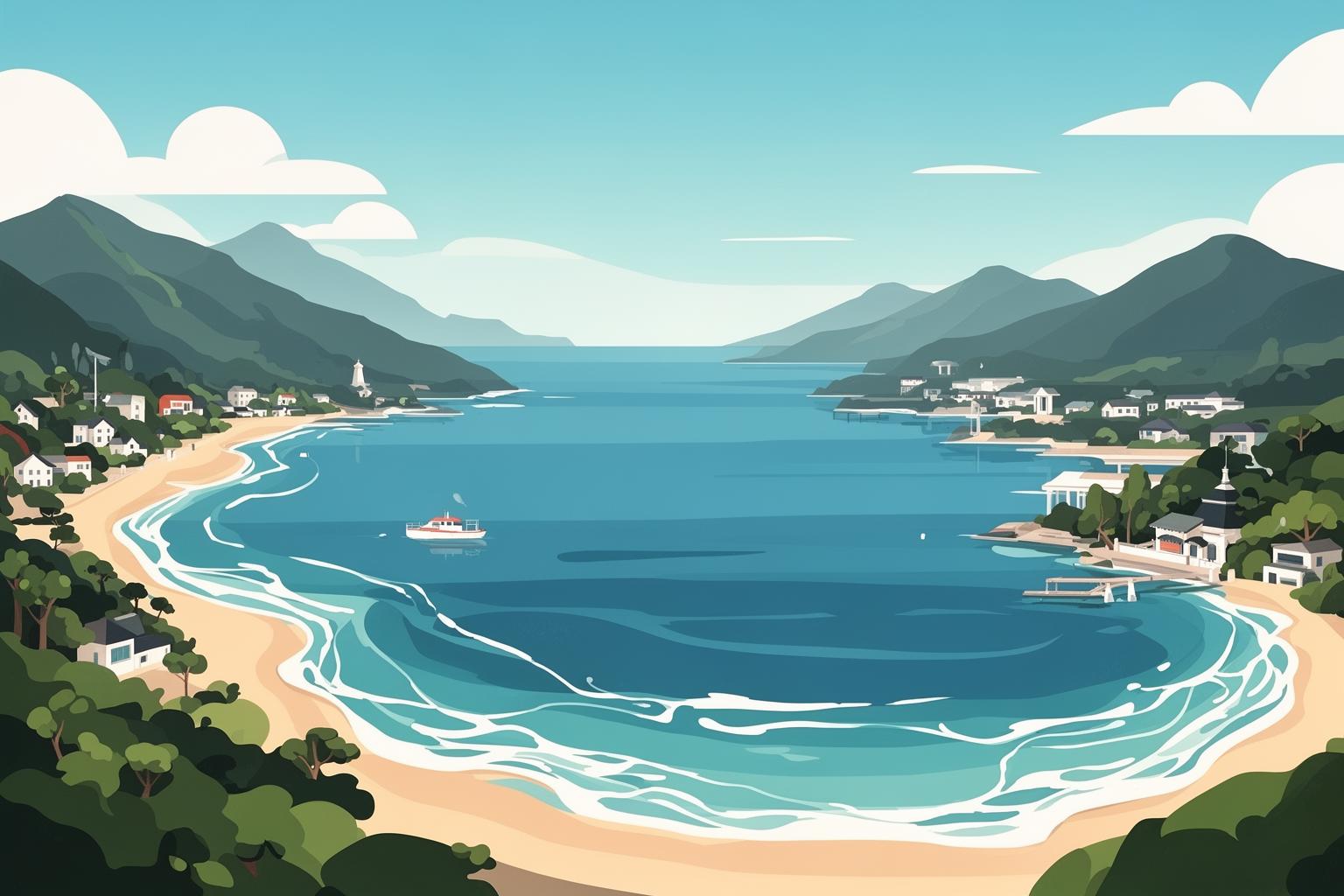
After breaking it all down—the history, the aesthetics, the social dynamics—it’s easy to adopt a somewhat cynical view. You might regard the entire Ron Herman phenomenon as essentially ‘fake.’ It’s a commercialized fantasy, a marketing triumph that sells a sanitized, appropriated version of a lifestyle to people thousands of miles away from its origin. And on one level, that’s accurate. Yet to dismiss it as mere shallow consumerism overlooks the deeper cultural narrative of what this aspiration truly signifies for contemporary Japan.
Is It ‘Fake’ or Simply a Different Kind of ‘Real’?
The key is to recognize that for those involved, the experience is far from fake. The emotions it evokes are completely genuine. When a young professional, worn out from a 60-hour work week, settles in the sunlit corner of a Ron Herman Cafe on her day off, the peace and respite she experiences are real. The brief escape from social pressure is real. The enjoyment she derives from the beauty of her surroundings and the food she consumes is real. The sense of connection she feels being in a space with others sharing her aesthetic values is real. The space serves as what sociologist Ray Oldenburg termed a ‘third place’—a vital social environment separate from the two primary social settings of home (‘first place’) and work (‘second place’). It’s neutral ground where people gather, connect, and, crucially, express a slightly different version of themselves.
In this third place, individuals are free to perform the role of the ‘ideal self’—a version that is more relaxed, stylish, healthy, and less weighed down by duty and obligation. It’s a form of identity play. This performance isn’t necessarily insincere; it’s aspirational. It’s a way of trying on a desired identity and possibly moving closer to embodying it. The cafe becomes a stage, and the carefully curated environment and products act as props and costumes. While the setting may be an artificial construct, the personal and social meanings produced within it are authentic expressions of contemporary desires and anxieties.
The ‘West Coast’ as a Modern Japanese Dream
Ultimately, the persistent fascination with the Ron Herman-style ‘West Coast’ lifestyle isn’t truly about America or a wish to be American. It powerfully reflects a shift in values within Japanese society itself. It’s a dream, a metaphor for a different way of being Japanese. The ‘Nishi-Kaigan’ fantasy symbolizes a longing for a life with a healthier work-life balance—a challenge Japan famously faces. It emphasizes personal well-being, mindfulness, and physical health, pushing back against a culture of corporate self-sacrifice. It celebrates a casual, individualistic style that quietly counters the dark suits and social uniforms dominating much of professional life. It expresses a wish to feel more connected to nature and the outdoors, even if that connection must be simulated within an urban cafe.
Ron Herman and its network of cafes and select shops didn’t create these desires. They existed already, nascent anxieties and aspirations simmering in a society undergoing gradual but significant change. The brand’s brilliance lay in recognizing, packaging, and marketing a beautiful, tangible response to these intangible yearnings. It offered an accessible script and stage for a new Japanese dream. So when you see that ‘Ocean in the City’ vibe, don’t just see a fake beach. See a mirror reflecting a sun-drenched, hopeful, and perhaps more balanced vision of what life in Japan could become.