What’s up, fellow travelers? Hiroshi Tanaka here, your go-to guide for diving deep into the real Japan. Today, we’re ghosting the mainstream café scene, you know, the minimalist white walls and perfect latte art you see all over the ‘gram. We’re on a different quest. We’re time-traveling. We’re chasing a vibe, an aesthetic so thick you can practically taste it. We’re stepping into the world of the kissaten.
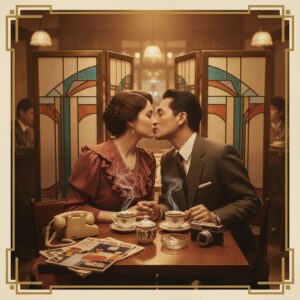
For real, a kissaten isn’t just a coffee shop. It’s a whole mood. It’s a time capsule from the Showa Era (that’s like, the mid-20th century), a sanctuary where time slows down and the air is filled with the scent of dark-roast coffee, old books, and quiet contemplation. Picture this: you push open a heavy wooden door with a little brass bell that jingles, and you’re hit with a wave of cool, dimly lit air. Your eyes adjust to see plush velvet booths, dark wood paneling that’s seen decades of stories, stained-glass lamps casting an amber glow, and a counter where a master, in a crisp uniform, meticulously brews coffee using a siphon that looks like something out of a science lab. This isn’t about grabbing a quick caffeine fix; it’s about claiming a space for yourself, to read, to think, to just be, away from the neon hustle of modern Japan. It’s a subculture, a quiet rebellion against the fast and the new. It’s the ultimate analog escape in a digital world. So, if you’re ready to explore these temples of tranquility and vibe out in some of Japan’s most aesthetic hidden gems, you’re in the right place. Bet. Let’s get this journey started.
If you’re intrigued by Japan’s unique cafe subcultures, you might also enjoy a deep dive into the world of Gothic Lolita maid cafes.
Tokyo’s Time Capsules: Where the Showa Era Never Ended
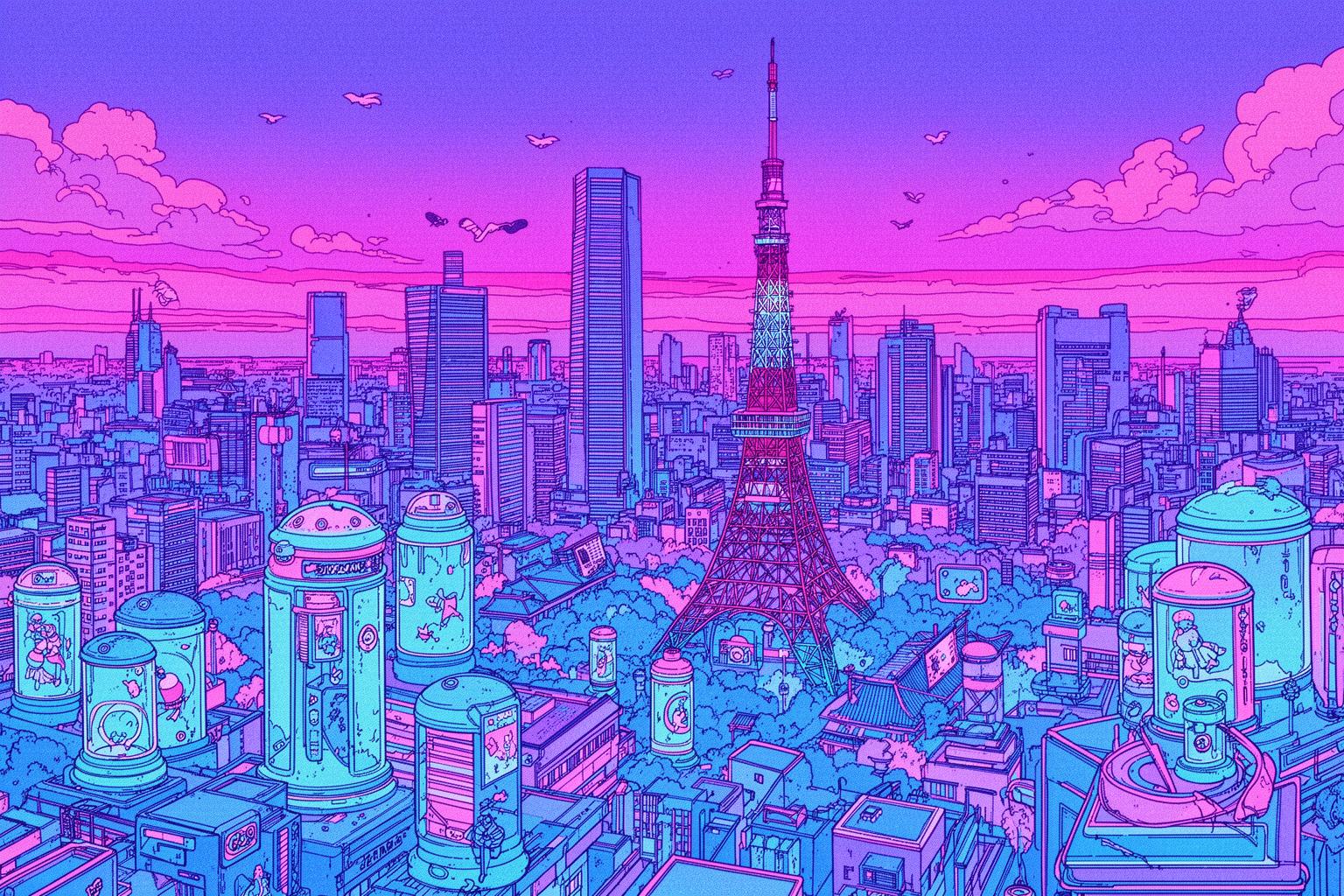
Tokyo, a city heralded as the future, paradoxically serves as the perfect starting point for a journey into the past. Concealed in plain view, nestled between towering skyscrapers and bustling train stations, are kissaten that have endured through decades, utterly untouched by the ever-changing trends outside. These spots are genuine portals—step inside, and the 21st century fades away. It’s truly remarkable.
Jimbocho: A Kissaten Haven for Book Lovers
If any neighborhood can claim the crown for kissaten culture, it’s Jimbocho. Renowned for its staggering number of secondhand bookstores, where there are books, there are places to immerse yourself in them. The kissaten here are more than just cafés; they serve as extensions of the nearby libraries and universities—a sanctuary for students, professors, writers, and anyone eager to lose themselves in a great book alongside a flawless cup of coffee. The atmosphere here is distinct—more intellectual, more purposeful.
Saboru & Saboru 2
Mention Jimbocho and Saboru immediately comes to mind. It’s iconic, legendary, and finding it is part of its charm. Strolling down a main street, you suddenly glimpse a wild, lush canopy of ivy and climbing plants draping over a cabin-like façade. A weathered wooden sign reads ‘Saboru’. This is the one. Duck under the entrance and descend a few steps into what feels like a subterranean cave or a hobbit’s dwelling. The walls are plastered with graffiti and notes left by visitors across fifty years. It’s dark, cozy, and utterly enchanting. The seating is snug, carved from what appears to be a single giant piece of wood. Claim a corner, order their famed strawberry juice—a vivid red, frothy delight served in a chilled glass—and absorb the ambiance. This is a place designed for solitude with your thoughts, not for conversation; it’s about deep absorption.
Next door lies Saboru 2, its sister venue. While Saboru offers quiet drinks and solitude, Saboru 2 is the spot for meals. Slightly brighter and a bit livelier, it’s famed for its hearty, no-nonsense kissaten fare. Their signature dish, Napolitan spaghetti—a uniquely Japanese ketchup-based pasta with sausage and peppers—is pure comfort food, evoking nostalgic childhood flavors. Enjoying a plate here, surrounded by rich wood and evoking nostalgia, is quintessential Jimbocho. The contrast between the two Saborus perfectly embodies kissaten culture, offering both a retreat for introspection and a space for casual, satisfying nourishment.
Ladorio
Just a brief walk from Saboru brings you to Ladorio, imbued with a distinct yet equally rich historical aura. Established in 1949, it claims the title of Japan’s first kissaten to serve wiener coffee (coffee topped with whipped cream). Entering Ladorio transports you to a bygone European intellectual salon. Light filters through stained-glass windows, casting colorful patterns on the dark, polished wood booths. An antique gramophone rests in a corner, while bookshelves groan under the weight of classic literature. Known as a gathering place for renowned writers and thinkers from the nearby Iwanami publishing house, the intellectual energy permeates the room. The wiener coffee is a must—served in a delicate cup, topped with a cloud of freshly whipped unsweetened cream over a deep, robust brew. Sophisticated and soothing. Their curry, a simple yet legendary Japanese classic, warms you from within. Ladorio is where you go to feel intelligent, hold quiet, serious conversations, or write in your journal, channeling your inner post-war novelist.
Milonga Nueva
For a kissaten with a unique and utterly captivating theme, Milonga Nueva is essential. True to its name, it’s dedicated to Argentine tango. From the moment you step in, it’s a full sensory experience. The air vibrates with the melancholic, passionate strains of tango music, continuously played on a vintage sound system. Walls are adorned with old tango records, concert posters, and portraits of legends like Astor Piazzolla. Lighting is moody, with small lamps on each table casting intimate pools of light in an otherwise dim room. It’s one of Tokyo’s most romantic, cinematic kissaten—perfect for a quiet date or when you want a dramatic soundtrack to your inner thoughts. The coffee is excellent—strong and dark—but the true star is the atmosphere. It whisks you away to a smoky Buenos Aires dance hall, tucked away in a Tokyo basement. Iykyk—this place is truly cinematic.
Shinjuku’s Hidden Alleys: Finding Peace Amidst the Frenzy
Shinjuku is a beast. Home to the world’s busiest train station, towering skyscrapers, and the neon-blazed chaos of Kabukicho, it feels like the last place you’d find tranquility. Yet that’s Tokyo’s magic. Tucked away in Golden Gai alleys or on upper floors of nondescript buildings, kissaten stand as defiant pockets of calm, offering an escape from sensory overload.
Coffee Western Kitanosha
Prepare for a full sensory journey. Kitanosha, nestled in the maze east of Shinjuku Station, breaks the typical kissaten mold. Its theme, as the name suggests, is a rustic mountain lodge or Wild West cabin. The interior boasts rough-hewn logs, a stone fireplace, and decor featuring antique clocks, taxidermy owls, and old lanterns. It’s unexpected and utterly cool. You feel transported to a woodland cabin. The specialty is siphon coffee, and watching the craft is theatrical: the glowing burner, bubbling water, and precise, deliberate motions form a captivating ritual. The coffee itself is smooth and clean—a testament to the method. When Shinjuku’s concrete jungle overwhelms, Kitanosha offers the perfect refuge. Sink into a worn leather chair, listen to quiet classical music, and momentarily forget you’re in one of the world’s largest cities. It’s surreal and deeply comforting.
Tajimaya Coffee House
If Kitanosha is a rustic cabin, Tajimaya is a stately old mansion. Situated in Omoide Yokocho’s memory lane, it exudes pure class. From the moment you enter, you’re met with rare reverence. Staff impeccably dressed in vests and ties provide formal yet warm service. The first thing that strikes you is the collection of coffee cups behind the counter—an exquisite array of antique porcelain from brands like Royal Copenhagen and Wedgwood. The best part? You get to select the cup for your coffee, making the experience personal and special. Tajimaya caters to serious coffee lovers, offering an extensive selection of single-origin beans roasted onsite and brewed with meticulous care. Prices are above average, but here you pay not just for coffee, but for atmosphere, service, history, and artistry. It’s a place to indulge in an extraordinary cup and savor refined, uninterrupted peace. The quiet jazz, dark wood, and aroma of roasting beans combine to create a sophisticated calm, a world away from the yakitori smoke and crowds just outside.
Ginza & Ueno: Classic Refinement and Artistic Spirit
These districts showcase two distinct facets of classic Tokyo. Ginza, home to luxury department stores and old money, contrasts with Ueno, the arts and culture hub with its vast park and numerous museums. Their kissaten perfectly mirror these characters.
Café de l’Ambre
Tucked away in Ginza’s backstreets lies a true sanctuary for coffee enthusiasts. Café de l’Ambre is a temple to coffee mastery, long run by the legendary Ichiro Sekiguchi, who continued his craft past his centennial birthday. The focus is clear and unwavering: coffee, specifically aged coffee. L’Ambre houses a cellar with beans aged over 40 years, believed to yield unique, complex flavors. The interior is stark and minimalist—no frills, no plush furniture—just a narrow space with a counter and a few small tables. Dim lighting, intense coffee aroma, and patrons deeply focused—this isn’t a spot for casual hangouts. Don’t expect lattes or pastries here; come to have your coffee perceptions transformed. The menu, featuring beans from varied origins and vintages, can be daunting—simply describe your flavor preferences and the staff will guide you. Coffees arrive in small, potent servings. It’s an intense, reflective experience and more pilgrimage than pastime.
Galant
In stark contrast, Galant in Ueno is like a fabulous, slightly kitschy Showa-era ballroom. Located on the second floor, as you ascend the stairs, the hum of conversation and glittering chandeliers greet you. The décor is a grand throwback: deep red velvet chairs, patterned carpets, sparkling fixtures, and ornate gold trim abound. It’s opulent, a bit gaudy, and utterly delightful. Unlike the hushed solitude of many kissaten, Galant is lively and social—buzzing with groups of friends, shoppers taking breaks, and longtime patrons. The menu offers classic kissaten dishes, but the star is the chocolate parfait: a towering glass layered with ice cream, chocolate sauce, cornflakes, canned fruit, and whipped cream, topped with a pocky stick. It’s a nostalgic indulgence monument. Galant is pure vibe—fun, unapologetically retro, and perfectly capturing the upbeat optimism of the Showa era. It’s the place to enjoy your kissaten with a side of sparkle and people-watching.
Kyoto’s Whispering Corners: Kissaten Culture with a Kyo-Twist
Kyoto, the ancient capital, marches to its own beat. While Tokyo’s kissaten often serve as escapes from the city’s relentless modernity, Kyoto’s kissaten feel like natural extensions of its profound history and artistic soul. They are seamlessly woven into the city’s fabric, occupying old machiya townhouses or buildings rich with their own stories. The atmosphere here is less about Showa retro and more about a timeless, handcrafted elegance.
Downtown Kyoto: Where History Breathes in Every Cup
The area around Kawaramachi and Shijo is Kyoto’s bustling commercial center, but even here, you can find tranquil pockets of kissaten culture that feel worlds away from the crowds.
François Salon de Thé
Stepping into François feels like entering the set of a 1930s European art film. This place is so historically and architecturally significant that it has been designated a Registered Tangible Cultural Property of Japan. Founded in 1934, its mission was to provide a place to enjoy classical music and art in a Western-style setting. The interior is stunning. A magnificent domed ceiling soars above the main room, filled with dark, polished wood, deep red velvet chairs, and soft light filtering through stained-glass windows. The ambiance exudes quiet, dignified luxury. It’s a place that demands reverence. The staff, dressed in classic uniforms, move with silent efficiency, enhancing the refined atmosphere. You find yourself sitting a bit straighter here. They are renowned for their rare cheesecake, richer and denser than the typical Japanese version, and naturally, their coffee is superb. Visiting François is more than a coffee break; it’s a cultural experience—a connection to Kyoto’s pre-war artistic spirit, where you can feel the weight and beauty of history surrounding you.
Rokuyousha
Rokuyousha is a Kyoto institution, but you could easily pass it by if you weren’t aware of it. It has two locations, but the underground one (Chika-ten) near Sanjo has the real cult following. Descend a narrow staircase into a small, warm, inviting space. The heart of Rokuyousha is the long wooden counter, where you sit and watch the master at work. And it truly is work. The focus here is hand-drip coffee, brewed with an almost meditative precision. The master’s movements are economical and exact, a dance of pouring and waiting. The ambiance is intimate and respectful. People don’t come here for loud conversation; they come to appreciate the craft of coffee. Rokuyousha is also famous for its homemade donuts. Simple, slightly crispy on the outside, fluffy inside, and not overly sweet—they’re the perfect match for their deep, flavorful coffee. The combination of a freshly fried donut and a meticulously prepared cup of drip coffee in this cozy basement is one of Kyoto’s purest pleasures. It’s a low-profile spot focused entirely on quality and soul.
Shizuka
For a truly local, unpretentious Kyoto kissaten experience, Shizuka is the place. Located near the Kyoto Imperial Palace, it has served loyal customers for generations. The decor isn’t as grand as François or as trendy as Rokuyousha; it has the warm, lived-in feel of a 1970s family living room. But its charm is undeniable. Shizuka is known above all for one thing: its hotcakes. These aren’t American-style pancakes but thick, fluffy, perfectly golden-brown discs of pure joy, made from a secret recipe and cooked to order on a copper griddle. They have a unique, almost cake-like texture and are served simply with butter and maple syrup. They are, without question, some of the best hotcakes in Japan. Their fruit sandwiches are legendary too, with seasonal fruits and perfectly whipped cream nestled between slices of fluffy white shokupan bread. Visiting Shizuka feels like being let in on a local secret. You’ll be seated alongside grandmothers meeting for their weekly chat and local office workers on their lunch break. It’s a taste of everyday Kyoto life, served with nostalgia and the best hotcakes you’ll ever enjoy.
Nagoya Mornings: The Kingdom of Coffee and Toast
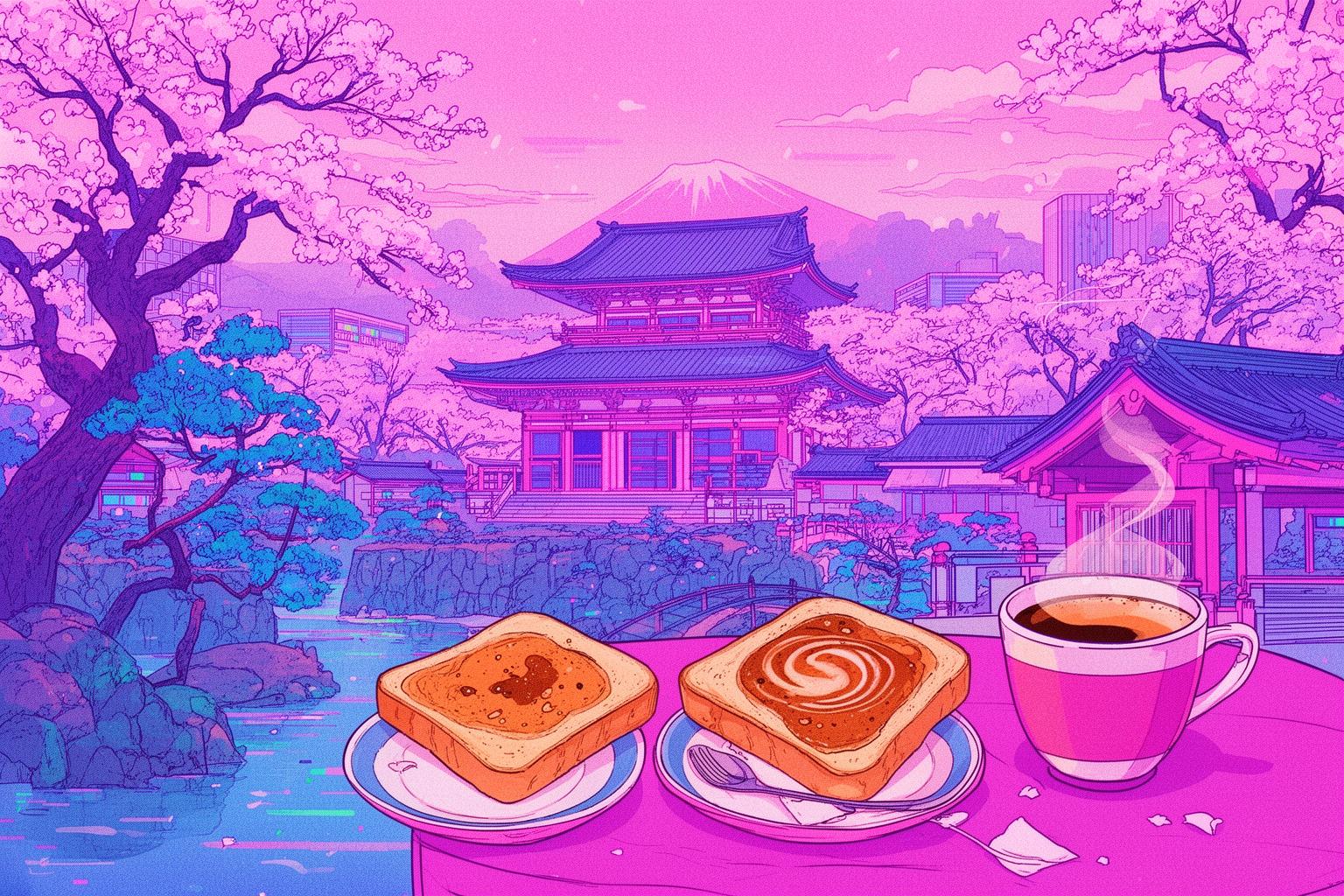
Nagoya is a city powered by a different kind of engine. An industrial powerhouse, its people approach life with practicality and straightforwardness. This mindset is perfectly embodied in its distinctive kissaten culture, renowned for one tradition: “Morning Service.” This isn’t just breakfast; it’s a ritual. Order a coffee in the morning, and it comes with a complimentary breakfast, usually toast and a hard-boiled egg. Some establishments, however, elevate this tradition to another level. Nagoya’s kissaten serve as social hubs and are vital to the daily rhythm of life.
The Origin of “Morning Service”
To truly understand Nagoya, you must grasp the morning kissaten rush. It’s where deals are struck, gossip flows, and plans for the day take shape over coffee and thick slices of toast.
Konparu
Konparu is a Nagoya institution, a chain preserving its Showa-era charm and quality for decades. The most iconic branch is located in the underground shopping arcade linked to Meitetsu Nagoya Station. It’s always lively, filled with salarymen grabbing a quick coffee before work, shoppers taking a break, and tourists seeking its famous dishes. The interior radiates retro charm: red vinyl booths, Formica tables, and frosted glass partitions. Despite the busy atmosphere, the service is quick and professional. Their Ebi Fry Sando (Fried Shrimp Sandwich) is a must-try—a masterpiece of B-kyu gurume (B-class gourmet) cuisine. Three perfectly fried shrimp, a generous serving of shredded cabbage, and a secret blend of egg-and-tartar sauce are sandwiched between toasted bread. It’s exceptionally delicious. Their iced coffee is also distinctive: a cup full of ice, a small pitcher of hot, strong coffee, and another with milk and sugar syrup, allowing you to pour the coffee over the ice yourself, creating a strong, undiluted brew. Konparu is the vibrant core of Nagoya’s kissaten scene—fast, tasty, and deeply satisfying.
Coffee House Kako
While Konparu is the bustling heart, Kako represents the small, artistic soul. Nestled on a quiet street, this ivy-covered café is tiny, with just a counter and a few tables. What it lacks in size, it compensates for with legendary toast. It’s home to the original “shanti” toast. Master Kako crafts edible art on thick toast slices. The classic is ogura-an (sweet red bean paste) toast, a Nagoya classic, elevated here with four types of homemade fruit jam and a swirl of fresh whipped cream (the “shanti”). The result is a flavor explosion—sweet, tangy, creamy, and comforting all at once. Watching the master prepare your toast is part of the charm; he works with intense focus in his small kitchen, a true craftsman. The coffee is a dark, bitter roast, the perfect counterbalance to the sweet toast. Securing a seat at Kako can be challenging, but the experience is so unique and delicious that it’s worth the wait. It embodies the creative, artisanal side of Nagoya’s morning culture.
The Vibe Check: How to Kissaten Like a Local
Alright, so you’re ready to jump in. But before you open that old wooden door, let’s review the unwritten rules and the menu. The kissaten experience is as much about etiquette and atmosphere as it is about the coffee. Respecting the ambiance is essential.
More Than Just Coffee: Unraveling the Kissaten Menu
The menu at a kissaten is a charming time capsule. You’ll encounter a variety of drinks and dishes that aren’t found in modern cafés. It’s an entire delicious world unto itself.
The Drinks
- Blend Coffee: The house blend, the standard cup. Usually a dark roast, it’s crafted to be consistent and comforting — the baseline, and often all you need.
- Siphon or Nel Drip: Many serious kissaten serve coffee brewed with special methods. Siphon brewing is the theatrical style, featuring glass bulbs and a burner, producing a clean, smooth cup. Nel Drip (flannel drip) uses a cloth filter in a pour-over method, yielding a rich, full-bodied coffee with a velvety texture. Spot these, and you know the place takes its coffee seriously.
- Cream Soda: The most visually striking drink on the menu. A bright, almost neon-green melon soda topped with a perfect scoop of vanilla ice cream and a vibrant red maraschino cherry. It’s pure, nostalgic delight in a glass. It’s a knockout.
- Juice Mix: Particularly popular in Osaka, this is a thick, frothy blend of various fruits (like banana, orange, and pineapple) combined with milk. Healthy-ish, tasty, and incredibly refreshing.
- Lemon Squash: Freshly squeezed lemon juice mixed with simple syrup and soda water. Sharp, tangy, and a perfect palate cleanser.
The Food
- Napolitan Spaghetti: The undisputed king of kissaten pasta. Not Italian, but 100% Japanese comfort food — sweet, savory, and terribly addictive.
- Curry Rice: Every kissaten boasts its own secret curry recipe. Generally, it’s a mild, slightly sweet, dark brown curry served over rice. The ultimate one-plate meal.
- Tamago Sando: The Japanese egg sandwich. Often creamy, rich egg salad, though sometimes filled with a thick, rolled omelet (tamagoyaki). Either way, it’s divine.
- Pizza Toast: A thick slice of shokupan bread topped with ketchup or pizza sauce, cheese, bell peppers, and onions, toasted until bubbly. Don’t judge until you try it.
- Parfait: The showstopper dessert. A tall, elegant glass layered with ice cream, fruit, cake, crunchy cornflakes, and topped with a mountain of whipped cream. A true celebration.
The Unspoken Rules
To fully enjoy a kissaten, you need to grasp its purpose. It’s a shared space of calm. Keep these things in mind.
- Take Your Time: A kissaten is the opposite of a grab-and-go coffee shop. You’re expected and encouraged to linger. Bring a book. Write in a journal. Gazing into space is fine. The master isn’t trying to turn tables, but creating a space for you to inhabit. Rushing goes against the spirit of the place.
- Keep It Down: The big one. These are quiet havens. Many patrons come to escape noise. Keep conversations low and phones on silent. If you need to take a call, step outside. Loud talking quickly ruins the vibe for everyone.
- The Smoking Situation: An important heads-up. Many old-school kissaten hail from an era when smoking indoors was common. While Japan’s smoking laws are stricter now, many smaller, older establishments remain exempt. The faint smell of old cigarette smoke is often part of the authentic sensory experience. If you’re sensitive to smoke, look for signs that say ‘禁煙’ (kin’en – no smoking) or opt for a modern spot. If you’re okay with it, consider it part of the nostalgic atmosphere.
- One Order Per Person: A standard rule. Since you’re essentially renting the space and time, each person in your group is expected to order at least one item. It’s considered polite and is the typical business model in these places.
Your Own Kissaten Journey
We’ve traveled from the book-lined streets of Tokyo to the elegant salons of Kyoto and the bustling morning rush in Nagoya. Yet, this is only the beginning. The true charm of kissaten culture lies in the thousands of hidden gems scattered throughout Japan, in every city and small town. Each one boasts its own unique master, history, and distinctive atmosphere.
The best kissaten isn’t always the one featured on famous lists; it’s the one you discover on your own. The one you come across down a quiet side street, with a faded sign and inviting curtains. The one where you instantly feel a connection, where the coffee perfectly suits your taste, and the ambiance seems made just for you. These places are more than coffee shops; they are living museums, quiet keepers of a slower, more intentional way of life. They remind us that sometimes the most beautiful experiences are analog, imperfect, and steeped in history. So next time you’re in Japan, I challenge you to bypass the shiny new cafes. Seek out the old door, listen for the bell’s jingle, and step back into another era. Find your vibe. Find your sanctuary. You won’t regret it.