Yo, let’s get real for a second. You’ve seen it. I’ve seen it. We’ve all been scrolling through our feeds, bleary-eyed at 2 AM, and then it happens. A video drops. Three discs of what looks like edible cloud, stacked precariously. They jiggle. They wobble. They look so impossibly fluffy you question the laws of physics. Someone drizzles an absurdly photogenic stream of maple syrup over them in slow-motion, and you find yourself holding your breath. This is the Japanese soufflé pancake, the final boss of brunch foods, the undisputed king of #FoodPorn. Your first thought is probably, “I need that.” Your second thought, if you’re a bit more skeptical, is probably, “Is this even real? Is it just a clout-chasing dessert? Is it actually worth a two-hour wait and a 2,000 yen price tag?” And that’s the real question, isn’t it? The one that goes beyond the sugar high. What is the deal with Japan’s obsession with these jiggly wonders? It’s not just a food trend; it’s a whole mood, a cultural moment served on a minimalist ceramic plate. This isn’t just about breakfast, fam. This is a deep dive into Japanese aesthetics, the art of perfection, the silent social contracts of urban life, and the powerful engine of social media. It’s a story about how a simple Western dish was adopted, remixed, and elevated into something that’s both a culinary masterpiece and a cultural artifact. So grab a coffee, get comfy, and let’s break down why these pancakes are giving everything they’re supposed to give, and what it all says about modern Japan. We’re going beyond the ‘gram to get the full picture, the real tea behind the fluffy facade. It’s a whole world of meticulous detail and unspoken rules, and once you get it, every jiggly pancake video you see will hit different. Trust. This is the ultimate guide to understanding, not just tasting, the phenomenon.
This meticulous attention to detail and curated aesthetic extends beyond just food, reflecting a broader cultural movement like the rise of zakka-inspired cafes that prioritize a unique, personal atmosphere over cookie-cutter experiences.
From Hotcakes to Hype: The Evolution of a Dessert
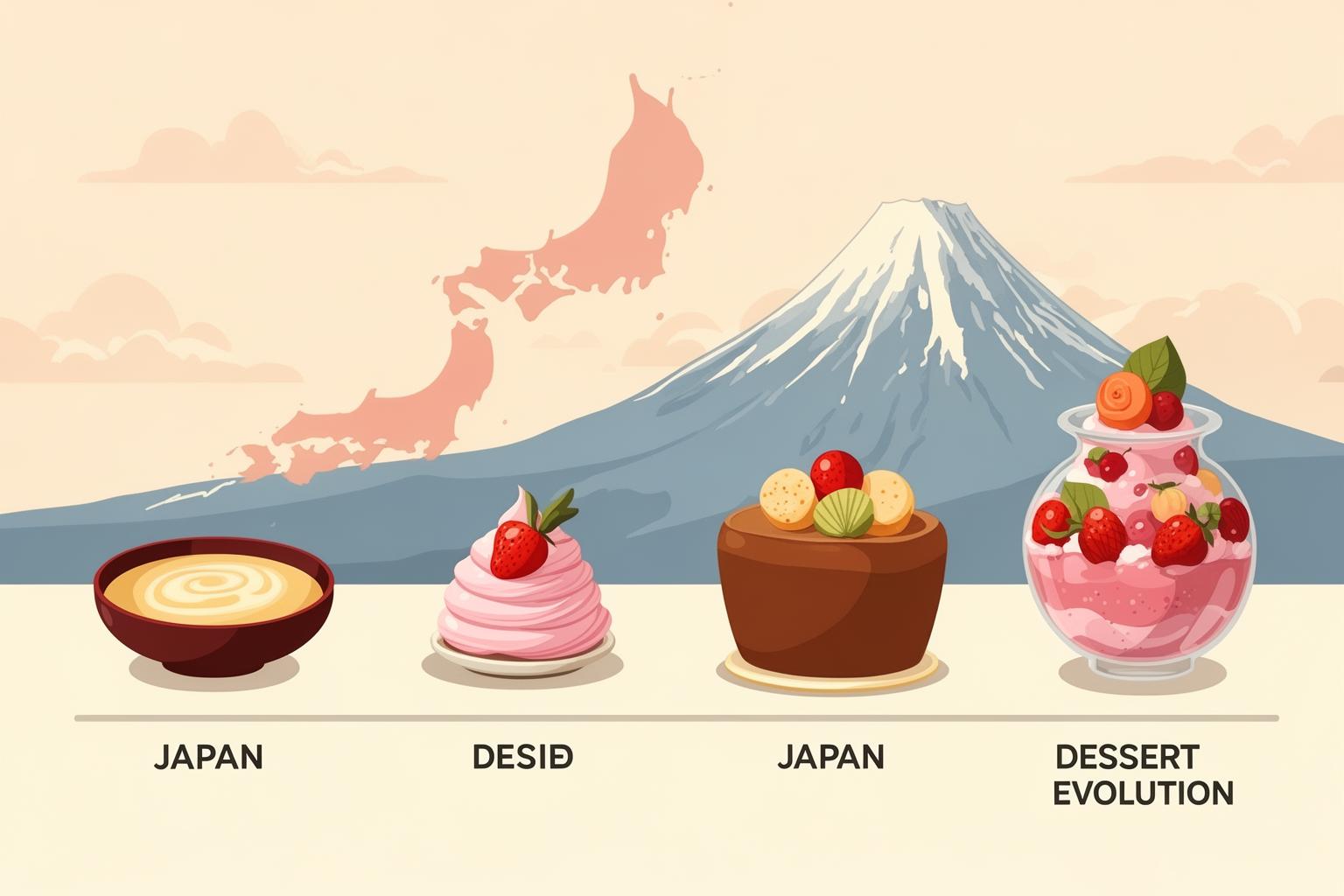
Before we even begin discussing the cloud-like soufflé pancake that occupies a special place in our minds, we need to take a step back. This phenomenon didn’t just materialize out of thin air. It has origins—a history. The pancake’s journey in Japan is a classic narrative of culinary adoption and transformation, a process so distinctly Japanese that it constitutes its own food category. This story begins in the dim, smoke-filled coffee houses of the 20th century and concludes in today’s bright, minimalist cafes. Understanding this progression is essential to grasping why the soufflé pancake is not merely a different recipe but represents an entirely different philosophy.
The Ghost of Hotcakes Past
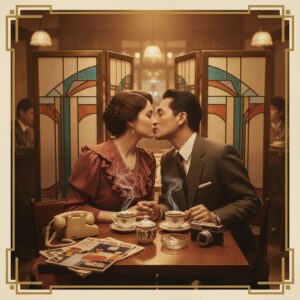
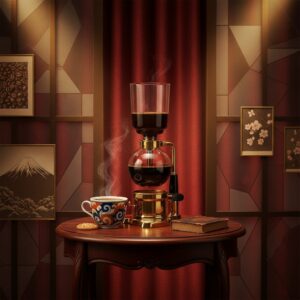
Imagine this: It’s the Shōwa era, perhaps the 1960s or 70s. You step into a kissaten. The air is heavy with the scent of dark roast coffee mingled with a faint trace of tobacco smoke. The lighting is subdued, the furniture dark wood and worn velvet, creating an atmosphere steeped in pure nostalgia. This was the original Japanese café, a refuge for conversation, reading, or simply escaping city life’s hustle. On the menu, nestled between siphon coffee and melon cream soda, you find it: the hottokēki. The Japanese hotcake. Forget everything you know about floppy, irregular American pancakes. The classic kissaten hotcake is a different creature—thick, dense, and almost always perfectly round, often prepared in a special copper mold. Its uniform deep golden-brown surface reveals the skill of the griddle’s keeper. When served, it’s usually a single, substantial disc or a neat stack of two, topped with a pat of butter melting into a perfect circle and accompanied by a small pitcher of syrup. The texture leans more toward a dense, moist cake than a light, airy flapjack. It was, and remains, a comforting food—reliable, unpretentious, and deeply satisfying. It wasn’t meant for photography; it was crafted to be savored slowly, a quiet companion to your coffee and thoughts. The kissaten hotcake emphasizes substance over style, embodying timeless, unchanging quality. It serves as a culinary anchor to a bygone era, a nostalgic flavor still beloved by many. This pancake tradition held steady for decades. It was familiar, stable. And then, everything shifted.
The Soufflé Glow-Up
Jump to the 2010s. The world is online, and visuals hold immense value. The Japanese culinary scene—ever innovative—was ready for a revolution. The soufflé pancake emerged not as a mere evolution of the hottokēki, but as a complete reinvention. It was more than a new recipe; it was a fundamental shift in approach. This exemplifies a key concept in Japanese food culture: yōshoku. Yōshoku literally means “Western food,” but it represents much more than a simple translation. It’s a distinct genre, referring to Western dishes that have been imported, internalized, and meticulously adapted to suit Japanese tastes and aesthetics. Consider katsu curry, omurice, or Napolitan spaghetti—they don’t exist in their Japanese form in the West. They are uniquely Japanese dishes with Western roots. The soufflé pancake is the ultimate 21st-century yōshoku. It takes a familiar Western concept—the pancake—and blends it with a classic French technique—the soufflé. The magic and delicate jiggle come from the meringue: egg whites whipped into stiff, glossy peaks and gently, almost reverently folded into the batter. This process imparts its remarkable lightness and volume. Cooking them requires precision; they are steamed in tall ring molds at a low, exact temperature. It’s a slow, deliberate method demanding great patience and skill. One misstep—over-mixing the batter, prematurely lifting the lid, or a few degrees off in temperature—and the delicate structure collapses into a dense, disappointing puck. This technical challenge adds to its appeal. It’s not a dish you can casually whip up at home. It signifies expertise and dedication. The soufflé pancake’s transformation elevated it from a humble comfort food to a theatrical culinary experience—lighter, taller, visually striking, and infinitely more photogenic. It ceased to be just a snack; it became an event—perfectly crafted for the social media age.
The Art of the ‘Gram: Aesthetics as the Main Course
If you think the soufflé pancake craze is solely about taste, you’re missing the main point. In reality, the visual aspect makes up at least 50% of the experience, if not more. In Japan, aesthetics are never merely an afterthought; they are deeply embedded in daily life and culture. The presentation of food is often just as important as its flavor. This cultural dedication to visual perfection reached its peak with the rise of Instagram. Soufflé pancakes and the cafes that serve them are more than just eateries—they are carefully designed content studios. Every element, from the height of the pancake stack to the texture of the wooden table it’s served on, plays a role in a deliberate aesthetic strategy. To fully appreciate this, we need to grasp a few key Japanese concepts.
Kodawari: The Pursuit of Perfection
To understand why a chef would devote their life to perfecting a jiggle-worthy pancake, you have to understand kodawari. There’s no exact English word for it. It embodies an intense, almost obsessive attention to detail and an unrelenting pursuit of perfection in one’s craft, no matter how small or seemingly trivial. It’s the spirit of a sushi master who spends years perfecting rice before handling fish, or a ceramicist who discards countless bowls to find the one with the ideal flaw. Kodawari is the cultural essence behind Japanese craftsmanship, fully alive in the world of soufflé pancakes. Pancake chefs with kodawari obsess over their ingredients: the exact farm for the eggs, the precise protein content of the flour, the specific butterfat percentage in the milk. They master the art of whipping meringue to the perfect consistency, carefully calibrated to temperature and humidity. They know the precise moment to fold meringue into the batter to retain maximum air. Their griddles are set to maintain consistent temperature down to a fraction of a degree. This kodawari results not just in a delicious pancake, but a statement—a physical embodiment of a philosophy. The perfect stack, the flawless surface, the ethereal, cloud-like texture—all testify to the chef’s unwavering dedication. When eating this pancake, you’re consuming more than eggs and flour; you’re consuming countless hours of practice, refinement, and profound personal commitment. This is why it commands its price. You’re not paying for the ingredients, but for the artisan’s soul.
The Cafe as a Stage: Crafting the Atmosphere
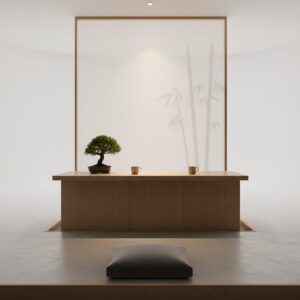
The pancake is the star, but every star needs a stage. The cafes themselves are examples of expert environmental design. Their aesthetics are carefully curated backdrops meant to showcase the food—and by extension, the customer—as attractively as possible. Certain themes are common. There’s the Muji-inspired minimalist look: clean lines, natural wood, white walls, and abundant natural light, creating a simple canvas where vivid pancake colors pop. Then there’s industrial chic: exposed concrete, Edison bulbs, and sleek metal furniture, giving an edgy, urban feel. Some cafes offer a rustic, cozy vibe with plants, vintage furniture, and warm lighting, evoking a comforting, almost Ghibli-esque atmosphere. Control is the common thread. Lighting is always soft and flattering, perfect for photos. Tables are spaced carefully to avoid visual clutter. Tableware is selected with care: matte-finished ceramic plates in neutral tones that don’t compete with the food. Even cutlery is chosen for its photogenic appeal. The entire space is engineered as a seamless, beautiful backdrop for social media content, creating an immersive experience. Upon entering, you step into a carefully curated world. This intentionality reflects a broader Japanese design philosophy that values the container as much as the content. The aim is a harmonious, complete experience engaging all the senses, with a strong emphasis on the visual.
The “Bae” in Insta-bae
Around the mid-2010s, a new term surfaced in Japan and quickly became a cultural phenomenon: insta-bae. A blend of Instagram and haeru (meaning to shine or look attractive), it translates roughly as “Instagram-worthy.” More than mere slang, it became a powerful marketing concept. Products or places deemed insta-bae could guarantee success. Businesses, from cafes to theme parks, began designing products and experiences with insta-bae in mind. The soufflé pancake is arguably the epitome of the insta-bae phenomenon—seemingly engineered for virality. Its jiggle suits video content perfectly. Its height and fluffiness are visually striking in photos. Colorful toppings—seasonal fruits, vibrant sauces, delicate mounds of whipped cream—enhance the appeal. Cafes embraced this trend, offering limited-edition seasonal pancakes, like sakura-themed ones in spring or mont blanc chestnut versions in fall, sparking urgency and exclusivity. This fueled a hype cycle: seeing a limited pancake post sparked FOMO, driving customers to rush before the offer vanished—a self-sustaining loop of desire and content creation. But a critical question arises, often asked by skeptics: does focusing on insta-bae compromise flavor? Sometimes, yes. Some places prioritize aesthetics over taste. However, the truly great pancake shops, those with lasting popularity, produce insta-bae qualities as a natural result of their kodawari, not as the primary goal. Their beauty stems from mastery of the craft. The consumer’s challenge is discerning between fleeting trends and timeless artistry.
The Social Slice: Why We Line Up and Eat in Silence
Alright, so you’ve decided to take the plunge. You’ve discovered a top-notch pancake cafe. When you arrive, you see it: the line. A long, orderly, and surprisingly quiet queue stretching down the street. Your Western mind might shout, “No way!” But in Japan, this is simply part of the process. And once you finally step inside, you may notice the atmosphere. It’s often subdued. People speak in hushed voices, if at all. Many dine alone, absorbed in their phones. It can feel less like a lively brunch spot and more like a library where food is served. This social aspect of the cafe experience can be one of the most puzzling elements for outsiders, yet it reveals a great deal about Japanese social norms and the role of public spaces.
The Queue as a Ritual
In many cultures, a long line signals poor logistics. In Japan, it often signals quality and serves as a shared social ritual. Queuing is deeply rooted in the culture. It’s orderly, polite, and grounded in a fundamental principle of fairness. No one cuts in line. No one complains loudly. There is a patient acceptance of the process. For popular venues, the queue acts as a strong form of social proof. If a hundred people are willing to wait two hours for a pancake, it must be something special, right? The line builds anticipation. It becomes part of the story you’ll tell later. “We waited an hour and a half, but it was totally worth it.” The wait legitimizes the experience and heightens the eventual reward. It also acts as a filter. Only the truly dedicated endure the wait, creating a sense of shared journey among those in line. You are all there for the same reason, part of a temporary community of pancake pilgrims. It’s a strangely communal experience, even if no one speaks. It’s about enduring the wait together—a collective effort that makes the final, fluffy reward taste all the better.
A Shared Private Space
The relative silence inside many Japanese cafes can be startling to visitors used to the loud, lively brunch culture of cities like New York or London. But this quietness is intentional and serves an important social function. Japanese society highly values not inconveniencing others, a concept called meiwaku. Making loud noise in a shared public space would be considered meiwaku. Therefore, the cafe functions as a collection of private bubbles within a shared setting. It’s a place where you can be “alone, together.” This is especially important in a country with some of the highest urban population densities worldwide. Apartments are often small, and true privacy is scarce. The cafe becomes a “third place,” a neutral zone between home and work where one can retreat. You can read, work, or simply scroll through your phone without the need to interact. The quiet atmosphere enables this. It’s a collective, unspoken agreement to respect each other’s personal space and peace. You’re there to enjoy your own experience, while extending the same courtesy to others. It’s not unfriendly; it’s a profound form of civic respect.
The Solo Diner and the Digital Companion
Step into any aesthetic cafe in Japan, and you’ll see many people dining alone. This is completely, one hundred percent normal. Solo dining carries zero stigma in Japan, which can be refreshing for individuals from other cultures. The cafe is an ideal spot for solo diners. It offers a beautiful, comfortable, and safe environment to enjoy a treat on your own. But “alone” doesn’t necessarily mean lonely. In the digital era, the smartphone has become the modern solo diner’s companion. The ritual of eating these pancakes is often intertwined with the ritual of documenting them. Taking the perfect photo, selecting the right filter, crafting a caption, and sharing online is a key part of the enjoyment for many. It’s a way of connecting a personal experience with a digital community, turning a solitary act into a shared one. The quiet of the cafe makes this ideal. It allows the focus needed to capture the perfect shot without feeling self-conscious. The phone isn’t a distraction from the experience; it’s a tool to enhance and extend it. It lets the solo diner curate their own story and share a personal moment of beauty with the world, on their own terms.
Real Talk: Is It Worth the Hype? Navigating the Pancake Scene
So, we’ve explored the culture, history, and aesthetics. Now, for the million-yen question: is it truly worth it? The honest answer is: it depends. It depends on what you’re seeking, your expectations, and the cafe you pick. The world of soufflé pancakes isn’t one-size-fits-all. There are different levels, atmospheres, and philosophies. Navigating this scene takes some savvy. It’s not about finding the “best” pancake; it’s about finding the best pancake for you. Let’s skip the top-ten lists and instead examine the types of pancake cafes you’re likely to encounter.
A Guide to the Vibe: Choosing Your Pancake
Soufflé pancake spots usually fall into a few main categories. Knowing which category you’re dealing with helps set realistic expectations.
The OG Chain (e.g., Flipper’s, Gram Cafe & Pancakes, A Happy Pancake): These giants turned the soufflé pancake from a niche treat into a nationwide craze. You’ll find them in major shopping areas, often with the longest, most steady lines. They offer reliability—you know exactly what to expect: a very good, highly photogenic pancake with perfect fluffiness and jiggle. Masters of consistency, they have perfected recipes and processes replicated across multiple locations. This is a great starting point in the world of soufflé pancakes. The downside? The experience can feel a bit commercial and impersonal due to high customer volume. And the lines can be intense, especially at places like Gram, which famously serve their premium pancakes only at specific times.
The Artisan Hideaway (e.g., smaller, independent shops): Nestled away in residential areas or quiet streets, these spots cater to the true pancake connoisseur. Often run by a single owner-chef embodying the spirit of kodawari, their menus might be minimal, sometimes just one or two pancake varieties, because they have spent years—or decades—perfecting those recipes. Here, the focus is less on viral hype and more on the purity of craft. Flavors tend to be subtle and complex, sometimes featuring special, locally sourced ingredients. The experience is more intimate and personal. Finding these places usually requires extra research (and maybe some Japanese to navigate food blogs), but the reward is an authentic, deeply crafted experience. This is where you go when taste matters more than trend.
The “Too-Pretty-to-Eat” Spot (e.g., cafes collaborating with fashion brands or specializing in elaborate toppings): These cafes prioritize spectacle. They live and die by the insta-bae effect. Their creations often resemble architectural marvels, topped with extravagant heaps of cream, edible flowers, intricate fruit carvings, and sometimes even gold leaf. Visually stunning, they’re designed to grab your attention as you scroll. The audience here seeks a major social media moment. The truth is, flavor can sometimes take a backseat to visuals. The pancakes themselves can be good but often get lost beneath overwhelming toppings. This is where the gap between expectation and reality can be widest. If you’re going for a fun photo and social experience, you’ll enjoy it. But if you want a sublime, life-changing taste, you might be let down. It’s all about knowing what you’re signing up for.
Managing Expectations: Reality vs. Reel
Before spending time and money, keep a few things in mind. First, the jiggle. That mesmerizing wobble in videos? It’s real, but fleeting. Pancakes are at their fluffiest right out of the kitchen. As they cool, air contracts, and they gradually settle, losing their jiggle. So have your camera ready but don’t expect them to wobble throughout your meal. Second, flavor and texture. Soufflé pancakes are incredibly light and airy but also distinctly eggy. The rich egg yolk flavor is dominant, balanced by gentle sweetness. If eggy desserts like custard or flan aren’t your thing, this may not suit your palate. Also, don’t expect them to be as filling as a stack of American buttermilk pancakes—they’re more like a substantial dessert than a hearty meal. Finally, prepare mentally and logistically for the wait. An hour is standard; two hours is not unusual during peak times at popular shops. Wear comfortable shoes. Bring a book or a fully charged phone. View the queue not as a hurdle but as part of an authentic cultural experience. Or, opt for off-peak times, like weekday afternoons, to avoid long lines. Cost is another factor: pancakes typically cost between 1,500 and 2,500 yen or more. You’re paying not just for ingredients but for expert skill, prime cafe location, and the entire aesthetic experience.
The Bigger Picture: What Fluffy Pancakes Tell Us About Modern Japan
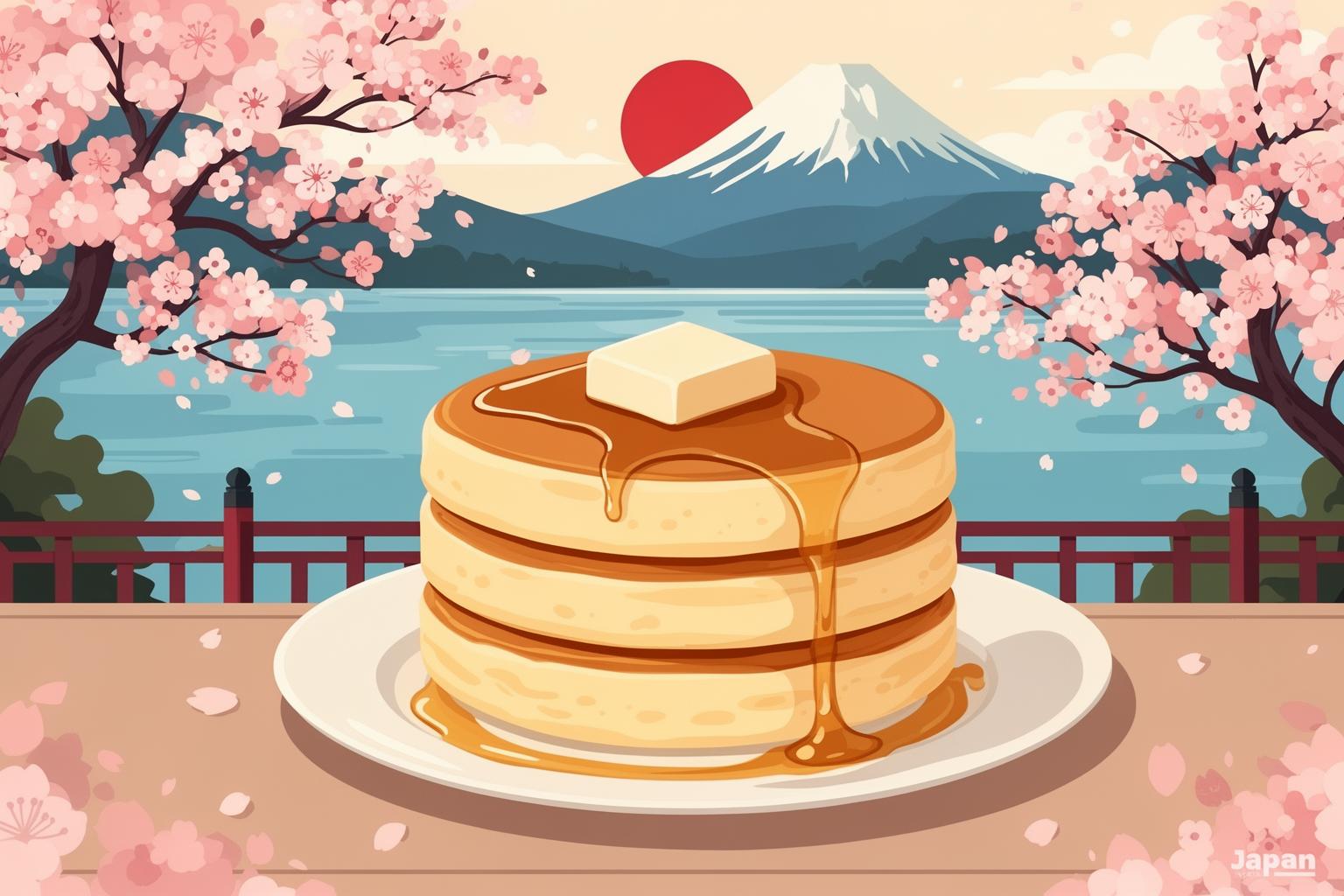
At the end of the day, a pancake is simply a pancake. Or is it? This entire phenomenon—from the meticulous craft to the silent lines and the Instagram craze—serves as a small but perfect microcosm of many aspects of contemporary Japanese culture. It tells the story of a society that deeply cherishes craftsmanship and aesthetic beauty, a place where the traditional artisan spirit of kodawari finds new expression on viral social media platforms. It reveals a culture that excels not just in adopting foreign ideas but in refining and reinventing them into something uniquely Japanese, embodying the legacy of yōshoku. The soufflé pancake craze also sheds light on the social dynamics of hyper-urban living, emphasizing the need for beautiful, quiet, personal sanctuaries—these third places—where people can escape work pressures and the limitations of small living spaces. The solo diners and their digital companions reflect a society exploring new forms of connection and community in an increasingly individualized world. So, are these pancakes just for the ‘gram? The answer is a clear no. They are a complex, multi-layered cultural product—an edible and delicious expression of deeply rooted values, cleverly packaged and presented for a digital generation. They symbolize the seamless, and sometimes peculiar, fusion of tradition and trend, quiet contemplation and global exhibitionism. Whether the wait is worth it is a personal decision, but there is no denying there is more to these jiggly stacks than meets the eye. They offer a glimpse into the soul of modern Japan, one fluffy, perfect, and profoundly intentional bite at a time.