Yo, what’s the deal? Shun Ogawa here, dropping some serious intel from the depths of Japan. Picture this: an island so ancient, its trees are basically the planet’s wise old grandparents. An island where the rain isn’t just weather, it’s a whole mood. A place where green isn’t just a color, it’s a thousand different shades that seep into your soul. This is Yakushima, a UNESCO World Heritage site that’s high-key one of the most magical places on Earth. But hold up, because we’re not just here for the legendary, moss-covered forests that inspired Studio Ghibli’s Princess Mononoke. Nah, we’re going deeper. We’re on a quest for something more elusive, a secret whispered between the thousand-year-old cedars. We’re talking about land art, fam. Ephemeral sculptures and installations crafted from the forest itself, hidden away on trails less traveled. This isn’t your sterile, white-walled gallery experience. This is art that lives, breathes, and eventually, returns to the earth it came from. It’s a next-level collab between human creativity and Mother Nature’s OG artistry. Finding it is a journey, a meditation, a full-on vibe check with the planet. It’s about discovering that in a place this timeless, the most beautiful things are the ones that don’t try to last forever. Get ready to sync up with the rhythm of the rain and the wisdom of the woods, because we’re about to explore the low-key, mind-blowing art scene of Yakushima. It’s a trip that’ll recalibrate your entire perspective. You feel me?
If you’re vibing with the idea of an art pilgrimage across Japan’s islands, you should definitely check out the Setouchi Art Islands.
The Pulse of the Primeval: Catching the Yakushima Vibe
Before you even consider searching for art, you have to tune into Yakushima’s frequency. This island moves to a different clock—a slow, deliberate rhythm shaped by deep time. They say it rains 35 days a month here, and honestly, that’s no exaggeration; it’s the essence. The rain is the lifeblood, the soundtrack, the artist that coats everything with a shimmering sheen of emerald, jade, and malachite. Stepping off the ferry or plane and into the island’s atmosphere feels like passing through a portal. The air is thick, heavy with the scent of damp earth, decaying leaves, and the sharp, clean perfume of towering sugi (cedar) trees. It’s so pure it feels like inhaling life itself. This isn’t just air; it’s a primordial blend of oxygen, moisture, and botanical history. Forget your city hustle, your notifications, your deadlines—they don’t matter here. Your senses get an immediate, profound reboot.
The first thing that strikes you is the green. It’s an overwhelming, all-encompassing green that defies description. There’s the deep, velvety green of moss that carpets literally everything—rocks, tree trunks, fallen logs, forgotten signposts. This isn’t merely moss; it’s a thick, plush kingdom, a miniature forest thriving atop the larger one. Then there’s the electric, almost neon green of new fern fronds unfurling from the forest floor. There’s the dark, shadowy green of the ancient cedar canopy, filtering sunlight into ethereal, god-like rays that blaze through the mist. And there’s the translucent, sea-glass green of the river water, so clear and pure you could drink it straight from the source. It’s a sensory overload—in the absolute best way. You feel yourself shrinking, becoming a small part of this immense, living organism. It’s humbling, a reminder of a world that preceded us and will endure long after.
The silence here is another character in the tale. It’s not an empty silence. It’s a deep, resonant quiet, punctuated by the steady drip-drip-drip of water falling from leaf to moss, the distant rush of a river carving through granite, and the occasional haunting call of a Yakushima macaque or the piercing shriek of a deer. When you pause on a trail and simply listen, you hear the forest breathing. It’s a meditative state that sneaks up on you, quieting the noise in your mind until all that remains is the present moment. This is the canvas. This is the gallery. The raw, untamed, and profoundly spiritual space where the land art awaits. Understanding this atmosphere is not just background info; it’s essential. The art doesn’t exist apart from the forest—it’s a dialogue with it. The artists who come here don’t impose their will on the landscape. They listen to it, collaborate with it, and create works that feel as though they grew there, born from the moss and the mist themselves.
Art in the Wild: The Philosophy of Ephemeral Creation
So, what’s the story behind this land art? It’s not about creating lasting monuments—that would completely miss Yakushima’s essence. The core philosophy draws from the Japanese aesthetic of wabi-sabi—appreciating beauty in imperfection, impermanence, and incompleteness. It’s about discovering profound beauty in life’s fleeting nature, in the cycle of decay and renewal. The artists working here are deeply in tune with this. They use materials found on site: fallen branches, twisted vines, smooth river stones, decomposing leaves, and lush moss. They weave, stack, arrange, and sculpt these organic elements into forms that feel both intimately human and utterly otherworldly, yet somehow perfectly at home.
These creations aren’t marked by signs. There are no plaques explaining the work, no velvet ropes. The art is meant to be stumbled upon. One moment you’re carefully navigating a muddy path, and the next, you glance up and see it: a large sphere of woven branches suspended between two ancient trees, resembling a nest for some mythical forest being. Or you might brush aside a curtain of ferns to reveal a spiral of river stones laid on a mossy bed—a geometric pattern amid nature’s chaos. These encounters are pure magic. It feels less like viewing art and more like receiving a secret message from the forest itself.
Here’s the twist: these artworks are made to vanish. Rain, humidity, insects, and fungi all play parts in the creative process. A piece vibrant and distinct one month might be blanketed in moss the next. A year later, it might have entirely collapsed, its materials gradually absorbed back into the forest floor. This isn’t a loss; it’s the whole point. The beauty of the art lies in its transient life. It imparts a powerful lesson: not everything is meant to endure. Some experiences are precious precisely because they’re fleeting. It urges you to be present, to savor the ‘now’ of the artwork, knowing it’s a singular moment in its lifecycle that won’t come again. You, the hiker, become part of its story, a temporary witness to its brief, beautiful existence.
This idea completely challenges the Western view of art as a preserved, timeless object. Here, art is a process, a dialogue. The artist makes a statement, and nature responds over weeks, months, and years. The piece is never really finished until it’s gone. It’s a profound concept that strikes differently when you stand there in gentle rain, gazing at a delicate lattice of twigs you know is slowly, gracefully surrendering back to the forest. It’s a quiet act of rebellion against permanence, a celebration of the life-and-death cycle that defines Yakushima itself.
The Treasure Hunt: Your Guide to Discovering the Forest’s Secrets
Alright, squad, let’s get tactical. How do you actually track down this stuff? There’s no official map to guide you. That’s what makes it special. It’s an IYKYK (if you know, you know) kind of secret, shared quietly in local cafés or through hiring a guide who’s in on it. But the true excitement lies in the search itself. The journey becomes the destination. You’re not simply hiking to a viewpoint; you’re scanning the forest with fresh eyes, spotting patterns that feel a bit too perfect, shapes that seem too deliberate to be purely natural.
Your quest will probably take you off the beaten paths of Yakushima hiking, away from busy trails like the one to Jomon Sugi. Think about the quieter routes branching off the main ones. Consider areas like the less-frequented sections of the Shiratani Unsuikyo ravine or the forest trails near Mount Miyanoura’s base. Renting a car is key here, giving you the freedom to stop at unexpected trailheads and just start exploring.
Picture a typical hunt. You begin early. The air is cool and wrapped in mist. You’re fully geared—waterproofed from head to toe with sturdy boots ready for slick rocks and deep mud. You choose a trail, maybe one following a rushing river. The path is narrow, enclosed by giant ferns and moss-covered everything. For the first hour, you see only the raw, untamed beauty of the forest. You start to wonder if the art is just a myth. Your focus narrows to the physical act of hiking and the sound of your breath.
Then, you spot it. Just off the path, nearly camouflaged, is a structure. Perhaps a large, humanoid figure crafted from carefully woven vines and branches, seated on a mossy boulder in a meditative pose. Its form is rough, organic, already being reclaimed by nature with tiny green shoots sprouting from its limbs. The effect is stunning. It’s both surprising and deeply peaceful. It feels like you’ve found a kodama, a tree spirit made real. You linger, circling the figure, taking in the intricate weaving and how the light filters through it. No one else is around. It’s a private encounter with a piece of art that feels both ancient and alive.
Encouraged by your find, you press onward. Further down the trail, you come across something entirely different. Crossing a stream, you notice stones on the bank arranged in cascading concentric circles, mirroring the ripples in the water. It’s so subtle you could easily overlook it. This piece feels like a quiet dialogue with the river, a gentle human touch that harmonizes with the natural flow. It doesn’t demand attention; it whispers. As the day unfolds, you might discover more: a curtain of hanging seed pods that chime softly in the breeze, or a pattern etched into the muddy riverbank, destined to be erased by the next big rain. Each discovery sparks joy, a reminder that secrets hide everywhere if you just slow down and observe.
This hunt is a full-body experience. It’s physically tough, pushing you to navigate challenging terrain. But it’s also a workout for the soul. It trains you to be more observant, more present, and more open to wonder. You end the day exhausted yet buzzing with a rare energy—the thrill of the chase mingled with the quiet awe of what you’ve uncovered. You didn’t just see art; you became part of it.
The Island’s Greatest Hits: Yakushima’s OG Attractions
While the land art quest offers a next-level experience, visiting Yakushima means you can’t skip the island’s iconic highlights. These landmarks are what put Yakushima on the map, and their legendary status is well-earned. They provide the essential context for the island’s unique atmosphere and are crucial stops on any itinerary.
First on the list is the king, the original, the Jomon Sugi. This massive cedar tree is estimated to be between 2,000 and 7,200 years old—let that sink in. This tree was already a sapling when the pyramids were being built. It stands as a living testament to nature’s power and resilience. But reaching it is no easy feat. The trek is a grueling 10 to 12-hour round trip, beginning long before dawn. You’ll pass old logging railways, cross suspension bridges over deep ravines, and climb steep trails covered in roots. The journey itself is an epic pilgrimage, pushing you to your physical and mental limits. Yet, when you finally arrive at the viewing platform and see the Jomon Sugi, the experience is profoundly moving. Its enormous, gnarled trunk feels otherworldly, exuding an ancient wisdom. You instinctively feel reverence—it’s a humbling encounter with deep time that puts your own fleeting existence into perspective.
Next is Shiratani Unsuikyo, the Moss Forest. If you’ve seen Hayao Miyazaki’s Princess Mononoke, you’ve already glimpsed this place, as it inspired the film’s enchanted woods. And truthfully, the real forest is even more magical. It’s like stepping into a living fairy tale. Trails wind through a landscape completely covered in thick, lush moss. Ancient, twisted yakusugi trees form a surreal, dreamlike canopy overhead. Sunlight struggles to break through the dense foliage, and when it does, it creates iconic, dramatic beams cutting through the mist. The air is cool and moist, and the silence feels sacred. It’s easy to let your imagination run wild here, half expecting forest spirits to peek from behind huge roots. There are several trails with different difficulty levels, so you can pick your own adventure—from a leisurely hour-long stroll to a tougher hike that links to the path toward Jomon Sugi. Whichever route you choose, you’ll leave feeling like you’ve stepped into another dimension.
But Yakushima isn’t just about its mountain forests. The coastline offers a completely different kind of wonder. Visit Nagata Inakahama Beach, a spectacular stretch of white sand that serves as a prime nesting ground for loggerhead sea turtles. From May to August, guided night tours allow you to witness the awe-inspiring sight of female turtles dragging themselves ashore to lay their eggs. It’s a powerful and primal experience. The island also features natural seaside onsen (hot springs), such as Hirauchi Kaichu Onsen. These pools, nestled in rocky shoreline formations, are accessible only during low tide for a few hours each day. Bathing in the volcanically heated water while waves crash around you is an incredibly cool experience—the perfect way to relax your tired muscles while connecting with the ocean’s energy.
The Game Plan: Nailing Your Yakushima Logistics
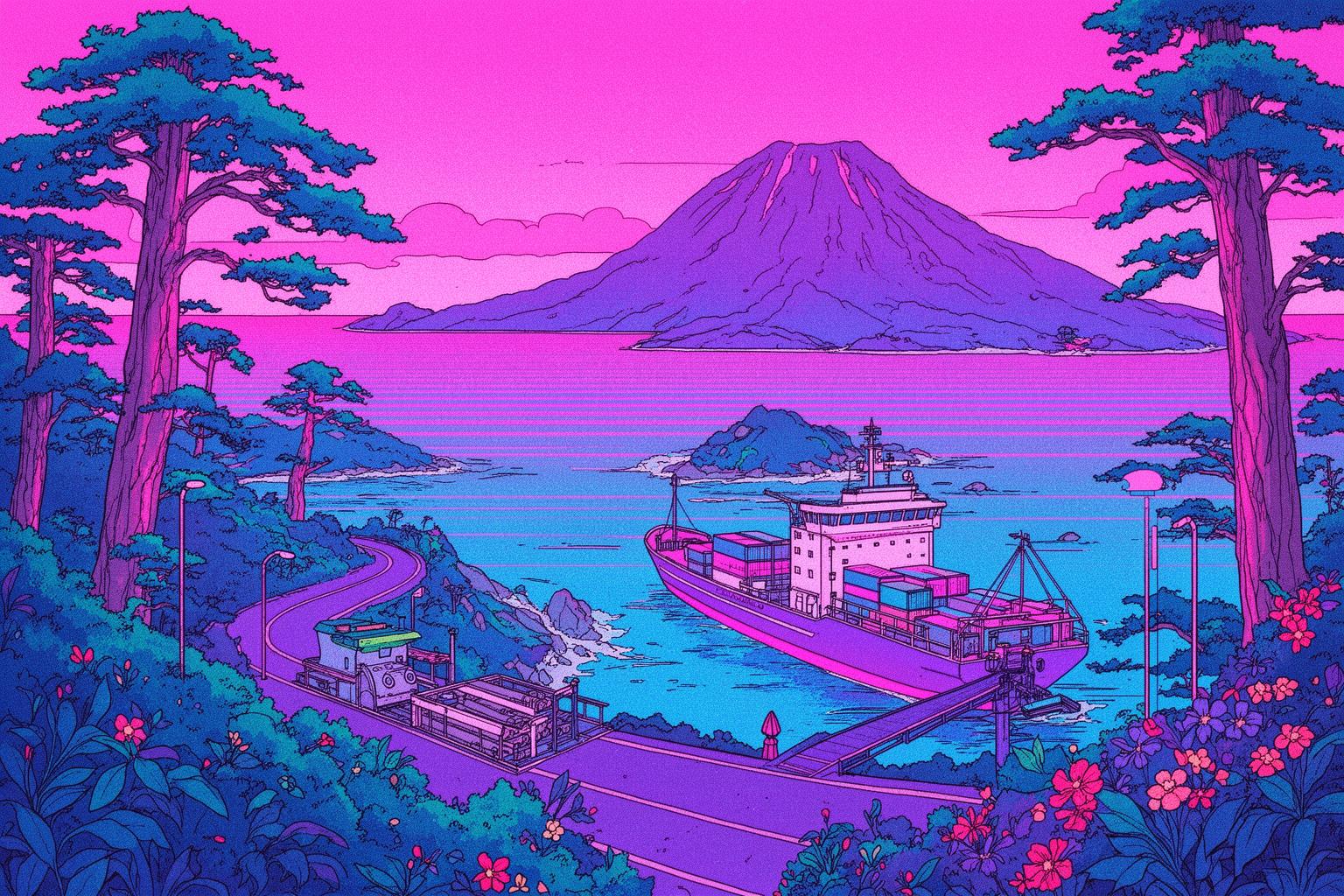
Alright, let’s cut to the chase. Planning a trip to Yakushima takes some serious preparation. You can’t just show up and expect everything to fall into place. The island rewards those who come ready. Here’s what you need to know to make your trip go smoothly.
Getting There
Your trip to Yakushima almost always begins in Kagoshima, the southernmost major city on Japan’s Kyushu island. From there, you have several options.
- By Air: This is the quickest and most convenient way. Japan Air Commuter, part of the JAL group, operates multiple flights daily from Kagoshima Airport (KOJ) to Yakushima Airport (KUM). The flight takes about 35-40 minutes and provides stunning aerial views of the island as you approach. While pricier, it saves a lot of time.
- By High-Speed Ferry (Toppy & Rocket): The most popular option. These jetfoils travel from Kagoshima Port to either Miyanoura or Anbo Port on Yakushima in roughly 2-3 hours, depending on route and stops. They are fast, comfortable, and dependable (weather-permitting). Advance booking is a must, especially during peak periods like Golden Week or summer holidays, as tickets sell out quickly.
- By Car Ferry (Ferry Yakushima 2): The slower, budget-friendly choice. The car ferry takes about 4 hours and runs once daily. It’s cheaper and the only way to bring your own rental car from the mainland. The journey is more scenic and leisurely, giving you time to take in the island’s mystery from afar.
Getting Around
Once you’re on Yakushima, you’ll need a way to get around. The island is larger than it appears, and public transportation is limited.
- Rental Car: By far the best option. Having a car gives you complete freedom to explore at your own pace, stop at random trailheads, chase waterfalls, and cruise scenic coastal roads. Several rental agencies are located near the ports and airport. Make sure you have an International Driving Permit. Book your car months ahead—trust me, they run out fast.
- Bus: There is a bus service, but it’s infrequent and routes don’t cover the entire island. It can work if you’re on a tight budget and carefully plan your days around the schedule, but it’s very limiting. Not ideal for serious hikers or art lovers.
Where to Stay & What to Eat
The two main towns are Miyanoura (the largest port) and Anbo. Both offer a solid range of accommodations, from luxury hotels and resorts to cozy minshuku (family-run guesthouses) and budget hostels.
- Miyanoura: Offers more services, restaurants, and shops. A convenient base if you rely on the ferry.
- Anbo: Smaller and quieter, but closer to trailheads for Jomon Sugi and Yakusugi Land. It has a more local and relaxed atmosphere.
Booking lodging well in advance is essential. As for food, prepare to enjoy fantastic local cuisine. Yakushima is known for flying fish (tobiuo), served grilled, fried, or as sashimi. Don’t miss dishes made with local Tankan oranges, and be sure to try some of the island’s famed shochu, especially Mitake. Many minshuku provide incredible home-cooked meals, which are often a trip highlight.
What to Pack
What you bring can make or break your Yakushima experience. The key is to be ready for rain, regardless of the forecast.
- High-Quality Rain Gear: Waterproof and breathable jacket and pants are crucial. Not just water-resistant, but genuinely waterproof. Umbrellas won’t help on the trails.
- Waterproof Hiking Boots: Good grip and properly broken-in are essential. Trails are rocky, root-filled, and nearly always wet and slippery.
- Layers: Temperatures vary greatly from coast to mountain peaks. Pack quick-drying synthetic or wool layers. Avoid cotton since it stays wet and chills you.
- Daypack with Rain Cover: For water, snacks, extra layers, and a first-aid kit.
- Headlamp: Necessary for early pre-dawn starts on longer hikes like Jomon Sugi.
- Reusable Water Bottle: The mountain water is famously pure and safe to drink. Refill from streams to cut down on plastic waste.
- Portable Charger: Phone batteries drain faster in cool, damp conditions, especially when using navigation or taking photos.
Final Musings from the Mossy Depths
Leaving Yakushima feels like emerging from a vivid dream. The island has a way of creeping under your skin, recalibrating your sense of time and your place in the world. The experience of seeking out the land art serves as a perfect metaphor for the island itself. It’s not about checking items off a list or snapping the ideal Instagram photo. It’s about the journey, the immersion, the quiet moments of discovery that can’t be planned. It’s about learning to appreciate the beauty in imperfection and impermanence.
You arrive expecting to be awed by towering trees, but you depart with a deeper appreciation for the tiny, intricate realm of moss. You arrive seeking adventure, but you leave with a profound sense of peace. You come hunting for hidden art, and you realize that the entire island—every rock, every tree, every drop of rain—is a masterpiece. Yakushima doesn’t just reveal nature to you; it reminds you that you are nature. And that feeling lingers long after the rain has dried on your jacket. It’s a low-key spiritual reset, a reminder that the most incredible art doesn’t need a gallery to be appreciated. You just have to be willing to see it. Peace out.