Yo, let’s get real for a sec. Tokyo is a vibe, a whole electric universe pulsing 24/7. But sometimes, your soul needs to unplug from the matrix, you know? It craves something different, a frequency that hums with the rhythm of the tides, not the subway. That’s when you need to know about the Seto Inland Sea, this unbelievably chill body of water sprinkled with islands, nestled between three of Japan’s main islands. And every three years, this serene seascape transforms. It becomes the canvas for the Setouchi Triennale, one of the most iconic and soul-stirring contemporary art festivals on the planet. This isn’t your typical white-walled, silent gallery experience. Nah, this is a full-blown art pilgrimage. It’s an island-hopping adventure where the journey itself—the salty air on the ferry, the winding coastal roads on a rental bike, the quiet conversations with locals—is as much a part of the art as the installations themselves. It’s about rediscovering a connection, not just with groundbreaking art, but with nature, with communities, and with a slower, more intentional way of being. Forget what you think you know about art festivals. The Setouchi Triennale is a movement, a quiet revolution of regeneration, and honestly, it’s the culture trip that will absolutely change the game for you.
To truly understand the creative spirit that fuels this region, you’ll want to explore the individual Setouchi art islands that make up this unique archipelago.
The Setouchi Vibe: It’s Not Just Art, It’s a Whole Mood
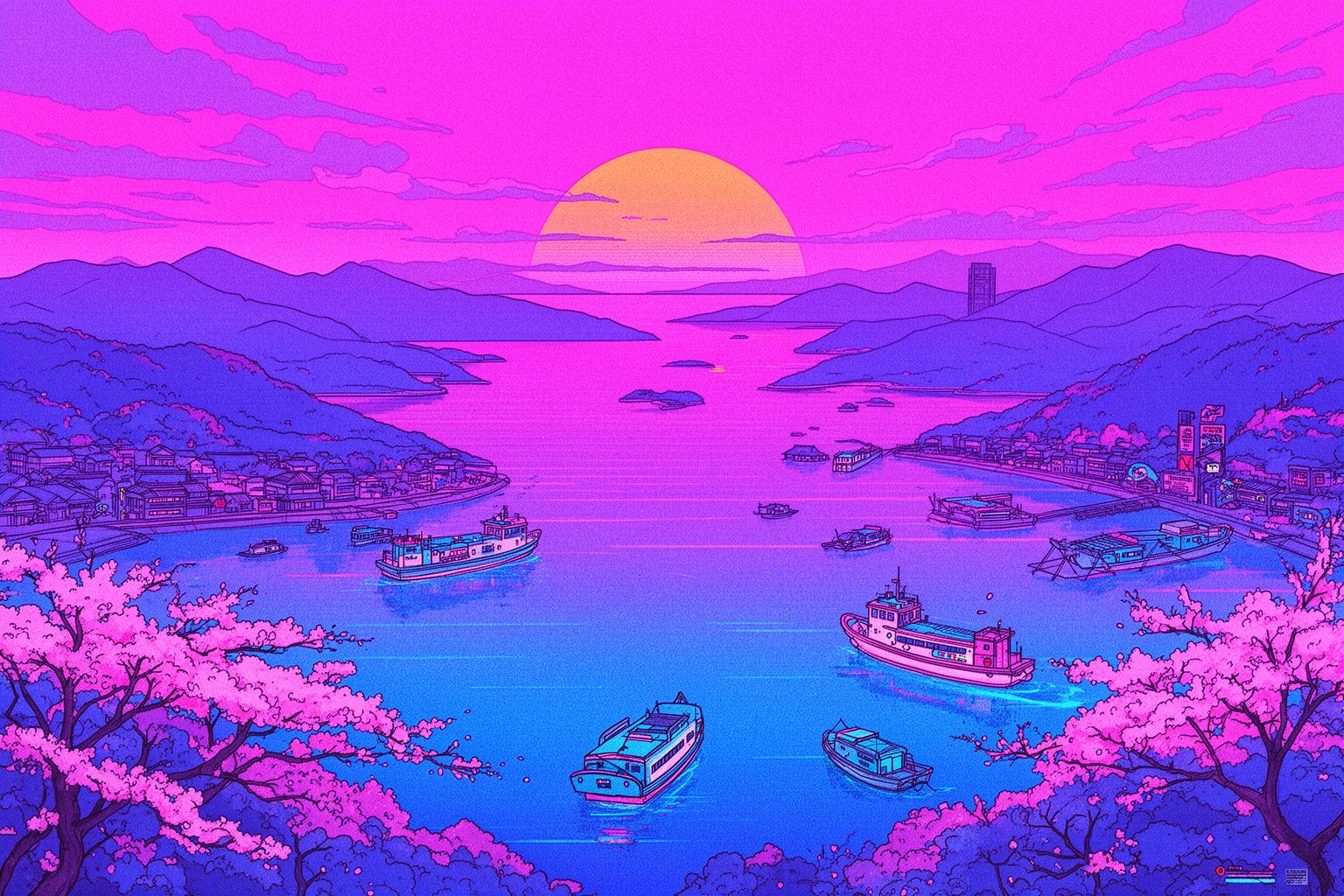
Before we explore the specific islands and Insta-famous pumpkins, we need to focus on the vibe. The Setouchi Triennale is, above all, an experience. It’s the complete opposite of a hurried city escape. The moment your ferry departs from the mainland port—whether Takamatsu or Uno—you can feel your tension ease. Life’s pace slows down to match the boat cutting through the tranquil, blue waters. This festival isn’t something you conquer; it’s something you surrender to. You learn to live by the ferry timetable, which becomes a calming rhythm rather than a stressful deadline. The main sounds are the gentle lapping of waves, the calls of seabirds, and the soft hum of your electric bike. The art doesn’t exist in isolation. It interacts with everything around it: an abandoned house, a terraced rice field, a sparkling coastline, a neglected industrial ruin. You might turn a corner in a tiny fishing village and discover a world-class installation inside a traditional wooden house, its doors thrown open, inviting you in. The boundary between art and life becomes beautifully and wonderfully blurred. Locals, many elderly, often care for these artworks. They’ll greet you with a warm “Konnichiwa,” maybe share a piece of fruit from their garden, and tell a story about the artist who stayed in their village for months to create the piece you’re about to see. This is the heart of the Triennale’s magic: it’s founded on relationships. It’s a festival that aims to heal and rejuvenate, not just exhibit. So when you’re there, drop the checklist mentality. Embrace detours. Miss a ferry deliberately. Sit on a seawall and watch the light change. The true masterpiece is the atmosphere itself—this unique, restorative blend of high art and simple, everyday life. It’s a mood that sinks into your bones and lingers long after you’ve left.
The Main Stage: Your Guide to the Art Islands
The Triennale covers a dozen islands, each with its unique character and artistic style. Attempting to visit them all at once is a rookie error. The savvy approach is to select a few that truly speak to you and explore them thoroughly. Think of it as curating your own personal exhibition. Here’s the rundown on the major highlights and hidden treasures that define the core of the Setouchi experience.
Naoshima: The Original Art Sanctuary
Naoshima is the island that started everything, serving as the blueprint for this entire art haven. In the 1990s, Benesse Corporation and visionary architect Tadao Ando began transforming this formerly industrial island into a world-class art destination. It’s the most famous of the islands—and with good reason. It’s sleek, iconic, and a supreme example of how architecture and art can enhance each other to create something truly transcendent. This is your essential starting point and the foundation of your Setouchi education.
Chichu Art Museum: An Underground Dreamscape
Make no mistake: the Chichu Art Museum is not just any museum. It’s a pilgrimage site for enthusiasts of art, architecture, and light. Designed by Tadao Ando, the building is constructed underground to preserve the island’s natural coastal beauty. You literally descend into the earth to experience the art. From the moment you enter, you’re immersed in Ando’s world of smooth concrete, sharp geometric forms, and meticulously managed natural light. The museum revolves around works by only three artists, creating an intense and focused experience. First, you enter a room filled with ethereal light, surrounded by five of Claude Monet’s “Water Lilies,” designed to be viewed in natural light so the paintings shift with the time of day and weather, almost as if they breathe. Then, Walter De Maria’s installation greets you: a massive, perfectly polished granite sphere centered in a grand hall with steps rising around it, flanked by gilded wooden sculptures. The scale is monumental, almost divine. The highlight, however, is the work of James Turrell. His three pieces here emphasize experience over sight. In “Afrum, Pale Blue,” light seems to take on a solid, geometric shape. In “Open Field,” you step into what looks like a flat blue screen, only to find yourself surrounded by a boundless, disorienting light. Lastly, in “Open Sky,” you sit on a bench in a square room with an open ceiling to the sky, turning clouds and changing light into a living artwork. Tickets must be booked online well in advance, with assigned time slots. Don’t miss this—it’s an experience that will profoundly shift how you perceive space and light.
Benesse House: Living Inside Art
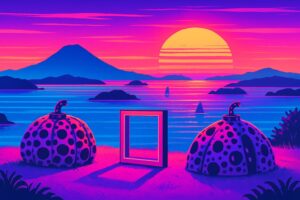
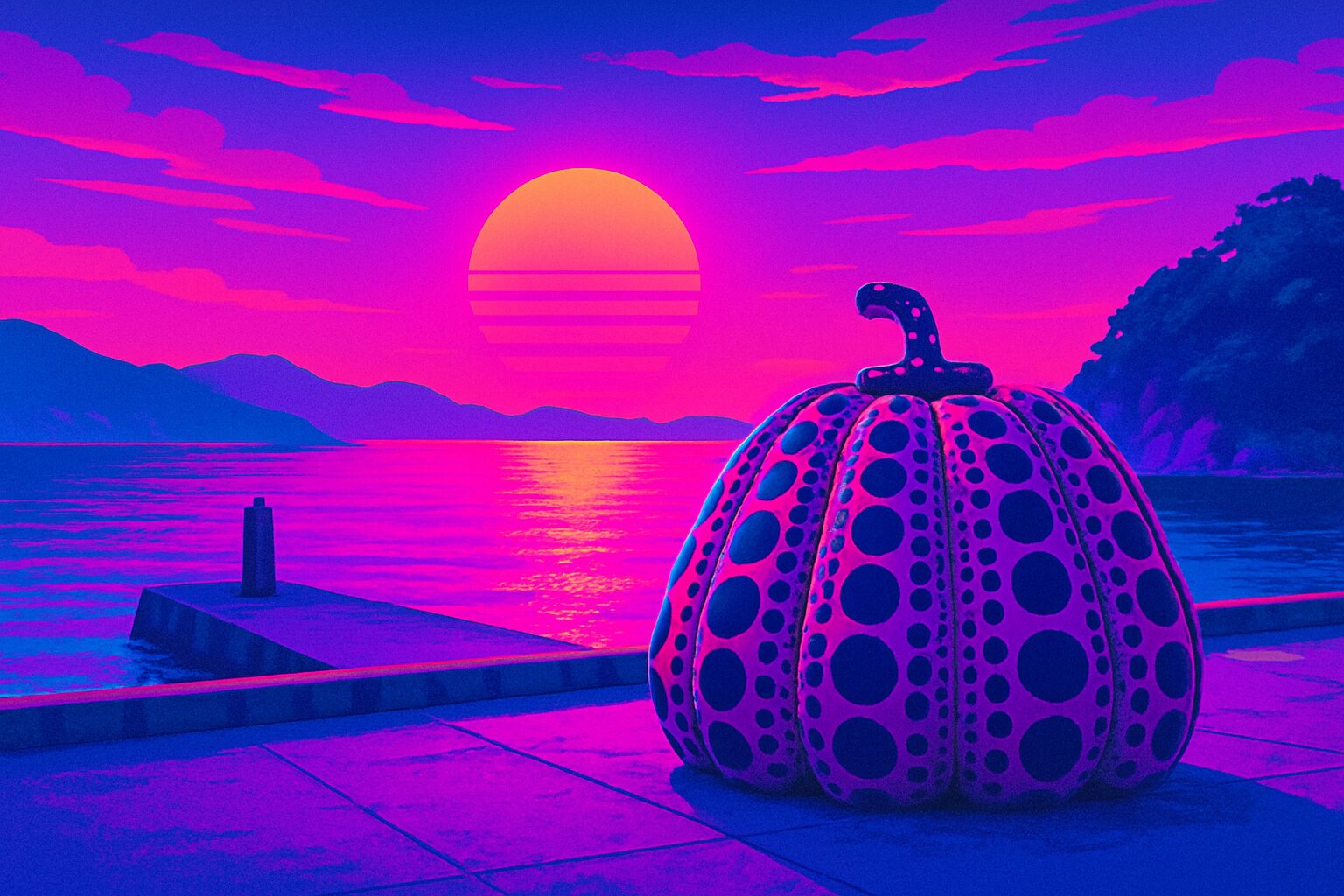
Benesse House is another Tadao Ando marvel—a brilliant fusion of a museum and luxury hotel. The concept is bold: to live enveloped by art. There are four distinct accommodation buildings—Museum, Oval, Park, and Beach—with guests enjoying 24-hour access to the art collections within. The main museum houses incredible post-war and contemporary works, featuring artists like Andy Warhol, Jean-Michel Basquiat, David Hockney, and renowned Japanese masters. The architecture is breathtaking, with expansive windows framing stunning views of the Seto Inland Sea, blurring the boundary between curated interior art and the natural art outside. Even if you’re not staying here, the museum is a must-see. Scattered across the grounds are iconic outdoor sculptures, including the famous Yayoi Kusama’s “Yellow Pumpkin,” boldly perched at the end of a pier. It’s become Naoshima’s symbol—a joyful, polka-dotted beacon against the blue sea and sky. Taking a photo here is a rite of passage, but the real joy comes from watching how the sculpture transforms with the light—from bright midday sun to the gentle glow of sunset.
Art House Project: Infusing Art into Everyday Life
The Art House Project is where Naoshima’s soul truly shines. In Honmura, a charming old fishing village, artists have converted abandoned houses into permanent art installations. Visitors receive a map to wander the narrow, winding streets and discover these hidden gems. Each house offers a unique world. At “Kadoya,” Tatsuo Miyajima’s hypnotic LED installation, “Sea of Time ’98,” floats above a dark water pool, with flashing numbers paced by local villagers—it’s a profound meditation on time and community. At “Minamidera,” housed in a building designed by Ando, you encounter James Turrell’s “Backside of the Moon”—an enveloping darkness where you must feel your way to a bench. As your eyes gradually adjust over 10-15 minutes, a faint blue rectangle emerges. This sensory experience challenges perception and rewards patience. Other houses offer encounters from Hiroshi Sugimoto’s serene Go-Oh Shrine with its glass staircase to Shinro Ohtake’s wildly eclectic “Haisha.” This project exemplifies the Triennale’s ethos: art isn’t to be isolated but lived with and woven into the fabric of a place.
Teshima: The Sound of Water, the Rhythm of the Heart
If Naoshima is Setouchi’s polished architectural intellect, Teshima is its spiritual, beating heart. This larger, more rural island boasts breathtaking terraced rice paddies cascading to the sea. The atmosphere here is quieter and more reflective. Teshima invites you to slow down, listen, and feel. Renting an electric bike is ideal for exploring the island’s hills, with panoramic sea views at every turn, and is an essential part of the experience.
Teshima Art Museum: The Ultimate ASMR Experience
It’s hard to put into words the Teshima Art Museum. Created by artist Rei Naito and architect Ryue Nishizawa, it offers one of the most profound and moving art experiences imaginable. It’s not a traditional museum, as there is only one artwork: the space itself. You remove your shoes at the entrance and step into a large, white, droplet-shaped concrete shell. The building features two large oval skylights, inviting light, wind, rain, and natural sounds inside. The floor acts as a canvas—throughout the day, tiny water droplets emerge through nearly invisible holes, trembling, merging, and gliding silently across the surface in a subtle, ongoing dance. That’s the entire exhibit, and it is utterly mesmerizing. You can sit or lie on the floor for hours, observing this slow, silent performance. The soundscape is incredible—the whispers of wind, birdsong, and the soft plink of water droplets create a sensory space that calms the mind and sharpens the senses. This is a meditation on birth, life, and nature’s quiet, constant flow. Photography is prohibited inside, which is a blessing—you must absorb this experience fully, not through a lens.
Les Archives du Cœur: A Library of Heartbeats
On a remote beach on the island’s opposite side lies another deeply moving installation: Christian Boltanski’s “Les Archives du Cœur” (The Heart Archives). Inside a simple wooden building, you can explore a library of thousands of recorded human heartbeats from around the world. You can search by name or location and listen to the throbbing, steady, or faint pulse of complete strangers through headphones. In the adjacent dark “Heart Room,” a bare lightbulb flashes in rhythm with a randomly selected heartbeat, filling the space with sound and light. It’s an intimate, visceral experience—a reminder of our fragile shared humanity. Visitors can record their own heartbeat for a small fee, adding their unique rhythm to this ever-growing global archive. The installation is both haunting and beautiful—a memento mori that ultimately celebrates life.
Island Kitchen and Coastal Atmospheres
Part of Teshima’s appeal lies in its connection to food and community. “Shima Kitchen,” a must-visit restaurant in the island’s center, doubles as an Art Project. Housed in a beautifully restored old building, it serves delicious, wholesome meals prepared with fresh, local ingredients, often by the island’s “Kitchen Mothers.” This is a place where locals and visitors connect over food surrounded by art, making meals feel like meaningful shared experiences. The island is dotted with small cafés and scenic lookout points, turning travel between art sites into an enjoyable journey.
Inujima: Industrial Ruins Transformed into Eco-Art
Inujima is tiny—you can circle the entire island in about an hour. But despite its size, it delivers immense conceptual impact. Its name means “Dog Island,” and it has a rich history as a copper refining center in the early 20th century. The abandoned refinery left behind crumbling brick smokestacks and skeletal industrial frameworks. Instead of demolishing them, the Triennale used these ruins as a foundation for a brilliant and thought-provoking art project that critiques Japan’s modernization while presenting a model for sustainability.
Inujima Seirensho Art Museum: Reflecting Modernity
The island’s centerpiece is the Inujima Seirensho Art Museum, an exceptionally clever project housed within the old refinery ruins, preserving the striking brick structures. Artist Yukinori Yanagi has installed works featuring Yukio Mishima—a controversial, hyper-nationalist Japanese author—to examine the contradictions and shortcomings of Japan’s rapid, often destructive modernization. You traverse a long, dark, maze-like corridor heated by solar power and cooled by smokestacks, showcasing sustainable architecture. The artworks themselves, incorporating mirrors and reclaimed materials, create disorienting, reflective spaces. This is an art experience that stirs both intellect and senses, offering a powerful critique of industrialization, capitalism, and national identity.
The Art House Project: An Outdoor Gallery
Like Naoshima, Inujima also hosts its own Art House Project, but on a smaller, more intimate scale. Curated by renowned architect Kazuyo Sejima from SANAA, it features several pavilions scattered throughout the small village. These structures, with their futuristic acrylic walls and delicate, petal-like shapes, stand in stark contrast to the traditional wooden houses nearby. Inside, contemporary artworks resonate with the island’s landscape and history. Strolling through the village, where everyday life coexists with high-concept art, is both surreal and charming. This project feels like a gentle artistic intervention that fosters dialogue between old and new, local and global.
Shodoshima: Olives, Soy Sauce, and Expansive Art
Shodoshima is among the largest islands in the Seto Inland Sea, boasting a rich cultural and industrial heritage predating the Triennale. Known as the “Olive Island” for its Mediterranean climate and sprawling olive groves, it’s also renowned for producing some of Japan’s finest soy sauce for over 400 years. Due to its size, the art is spread out, encouraging a road trip-style exploration. Here, art beautifully intertwines with long-standing local traditions.
Beyond the Triennale: Angel Road and Olive Groves
Even without the festival, Shodoshima offers a distinct vibe. Be sure to visit Angel Road, a sandbar that appears twice daily at low tide, connecting the mainland to a small island. Legend says that crossing it hand-in-hand with a loved one will make your wish come true—romantic and stunningly beautiful. The Shodoshima Olive Park is also worth visiting, featuring its iconic Greek-style windmill, a nod to its sister island relationship with Milos, Greece. You can borrow a “magic broom” for photos inspired by Kiki’s Delivery Service, which is great fun. Don’t miss touring a traditional soy sauce brewery, such as Marukin, to see this essential Japanese product made in huge wooden barrels.
Triennale Highlights: Sunlit Gifts and Woven Nests
During the Triennale, Shodoshima comes alive with large-scale, often playful installations. A fan favorite is Choi Jeong Hwa’s “Gift of the Sun,” a shimmering golden wreath made of olive leaves that frames the seaside port view—a beautiful welcome to the island. In Nakayama’s terraced rice paddies, Wang Wen-Chih’s monumental bamboo structures stand out. These vast woven domes, big enough to enter, are built with local volunteer help and evoke organic nests or temples. They’re stunning temporary structures that scent the air with bamboo and cast intricate shadows. Much of Shodoshima’s art celebrates its agricultural roots, deepening appreciation of the connection between land and people.
Ogijima & Megijima: Cats, Ogres, and Radiant Art
These two smaller islands are easily reached from Takamatsu and offer a delightfully quirky and charming day trip. Often visited together, they showcase the Triennale’s community-focused, playful side.
Ogijima’s Walking Ark and Hilltop Delights
Approaching Ogijima, you’ll first notice the port terminal—a beautiful glass and white steel structure designed by Spanish artist Jaume Plensa. Called “Ogijima’s Soul,” its roof forms a constellation of letters from various languages that cast a mosaic of shadows below, setting the tone for this magical island. Ogijima features a hillside village with a labyrinth of narrow paths and is known for its large population of friendly cats, who lounge in the sun and happily pose for pictures. Art installations are scattered throughout the village, often in unexpected spots. Takeshi Kawashima’s vibrant, chaotic works burst from old houses, while Keisuke Yamaguchi’s “Walking Ark” looms on the hillside—a collection of pieces resembling debris washed ashore from a mythic flood.
Megijima’s Cave Chronicles
Megijima is famous as the “Ogre Island” from the classic Japanese folktale Momotaro (the Peach Boy). Its main attraction is a massive cave near the summit, said to be the ogres’ fortress. During the Triennale, the cave transforms into an otherworldly art gallery. Artists install works that engage with the cave’s natural acoustics and eerie atmosphere. A memorable long-term project involved hundreds of local junior high students creating unique “onigawara” (ogre roof tiles) displayed inside. Outside the cave, the island maintains a relaxed beach vibe, with other installations like rows of seabird-shaped wind vanes lining the coast, all turning in harmony with the sea breeze.
The Soul of Setouchi: Art as Regeneration
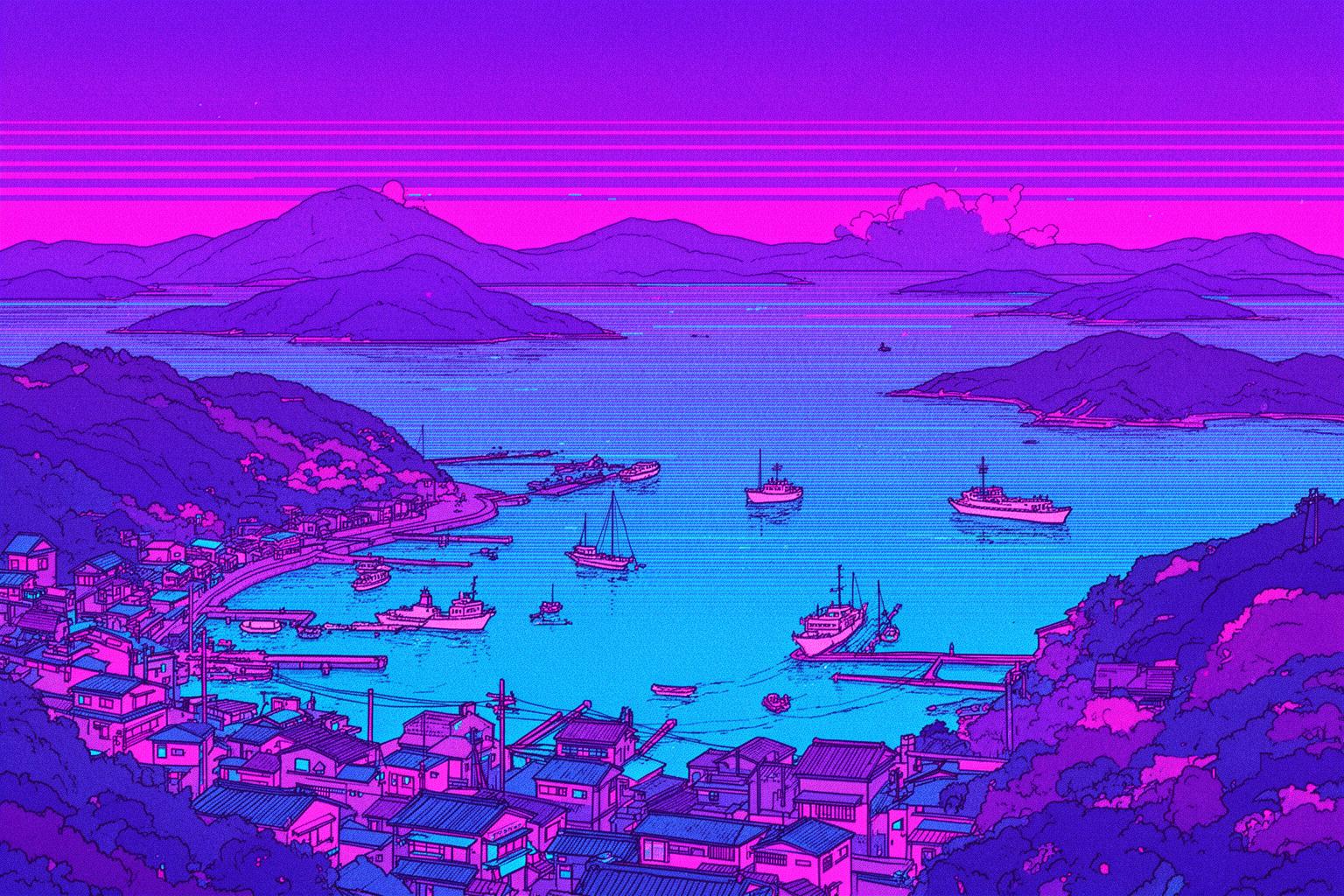
We’ve discussed the stunning art and beautiful islands, but to truly understand the Setouchi Triennale, you need to grasp the why. This festival isn’t simply about placing striking sculptures in a scenic setting. It emerged from a crisis. Like many rural areas in Japan, the Seto Inland Sea islands faced serious challenges: depopulation, an aging populace, and the decline of traditional industries. Young people were moving to the cities, schools were shutting down, and vitality was waning. Under the visionary leadership of Fram Kitagawa (also founder of the Echigo-Tsumari Art Triennale), the Triennale was created as a bold act of revitalization. Its aim was to harness contemporary art to revive energy, pride, and economic opportunities for these communities. This embodies the zero-waste spirit of the festival. The “waste” being reused isn’t only physical materials like the industrial ruins on Inujima; it also includes abandoned houses, closed schools, and forgotten island traditions. Participating artists are encouraged to work with the community, not merely within it. They often stay on the islands for long periods, collaborating with local “ojii-chan” and “obaa-chan” (grandfathers and grandmothers) to create their pieces. The outcome is art deeply connected to its location, telling the story of the island and its people. The festival has generated jobs, restored buildings, attracted international attention, and most importantly, offered islanders a renewed sense of purpose and a way to engage with the wider world. When you visit, you’re more than a tourist or observer; you become an active participant in this ongoing regeneration project. Your visit, ferry ticket, and purchase of the Triennale Passport all contribute to sustaining these communities. This is sustainable tourism at its most impactful—a model showing how art can drive social and ecological change, which is truly inspiring to be part of.
Planning Your Pilgrimage: The Logistics Slay
Alright, you’re inspired and ready to hop on a ferry. Let’s dive into the practical details, because a bit of planning goes a long way to ensuring your Setouchi adventure is smooth and stress-free. Navigating a multi-island art festival might seem overwhelming, but it’s completely manageable once you know the basics.
Timing is Everything: Understanding the Triennale Calendar
First off, the name “Triennale” means the festival occurs every three years. The most recent ones took place in 2013, 2016, 2019, and 2022, so you can expect the next edition in 2025. It’s not open year-round. The festival is split into three sessions: Spring (around March-April), Summer (July-August), and Fall (October-November), each with its own unique atmosphere. Spring offers lovely cherry blossoms and mild weather but can be busy during Golden Week. Summer is hot and humid, yet vibrant with lush greenery. Fall is arguably the best season: crisp, cool weather, stunning autumn foliage, and a festive mood. Some artworks are only accessible during these official sessions. Still, many major sites, such as key museums on Naoshima, Teshima, and Inujima, remain open year-round (usually closed on Mondays, so check their websites). Visiting off-season can provide a quieter, more intimate experience, but you may miss the full festival vibe and some temporary installations. For the complete experience, aim to visit during one of the official sessions.
The Journey In: Access and Island-Hopping Essentials
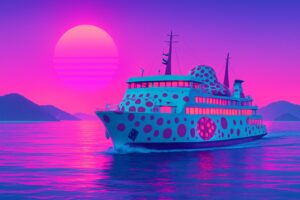
Your two main entry points are Takamatsu Port in Kagawa Prefecture (on Shikoku island) and Uno Port in Okayama Prefecture (on Honshu). Both are easily reached by Shinkansen (bullet train) and local trains from major cities like Tokyo, Kyoto, and Osaka. Takamatsu is a larger city with more accommodation and dining options, making it a popular base. Uno is smaller but offers more direct ferry routes to Naoshima and Teshima. Ferries are your lifeline—frequent, reliable, and part of the experience. The sea journey between islands offers a chance to relax, reflect on the art you’ve seen, and anticipate what’s next. During the Triennale, you can purchase a 3-Day Ferry Pass granting unlimited rides on many main routes. This pass is a game-changer and excellent value if you plan to visit multiple islands. Download the ferry schedules ahead of time or pick up a paper copy, and check them carefully. Missing the last ferry of the day is a classic mistake to avoid. Once on the islands, renting a bicycle—especially electric-assist bikes on hilly islands like Teshima and Naoshima—is the best way to explore at your own pace. Larger islands also have local shuttle buses that coordinate with ferry arrivals.
Where to Stay: From Art Hotels to Local Minshuku
Accommodation must be booked well in advance—especially during an official Triennale session. Booking six months to a year ahead is not too early. The ultimate experience is staying on one of the islands. Benesse House on Naoshima is a dream stay for art lovers but comes at a high cost. For a more authentic and affordable option, seek out “minshuku” (family-run guesthouses) or small inns on the islands. This offers a wonderful chance to meet locals and experience island life firsthand. However, island accommodations are limited and fill quickly. A practical and popular option is to base yourself in Takamatsu or Uno. You’ll find a wider variety of hotels and more dining choices, while still easily making day trips to the islands. This approach offers flexibility and is often easier on the budget.
The Golden Ticket: Your Triennale Passport
If you’re serious about exploring the art, you’ll need the Triennale Passport. This pass grants single entry to nearly all artworks and venues across the islands during one session. While you can pay for individual entries, the passport saves a significant amount if you plan to visit multiple sites. It also includes a map and serves as a fantastic keepsake of your trip. You’ll get it stamped at each artwork you visit, turning it into a personalized record of your art journey. You can purchase it at the main information centers at Takamatsu and Uno ports, as well as on some islands. Don’t hesitate—just get it.
Pro Tips for Your First Setouchi Era
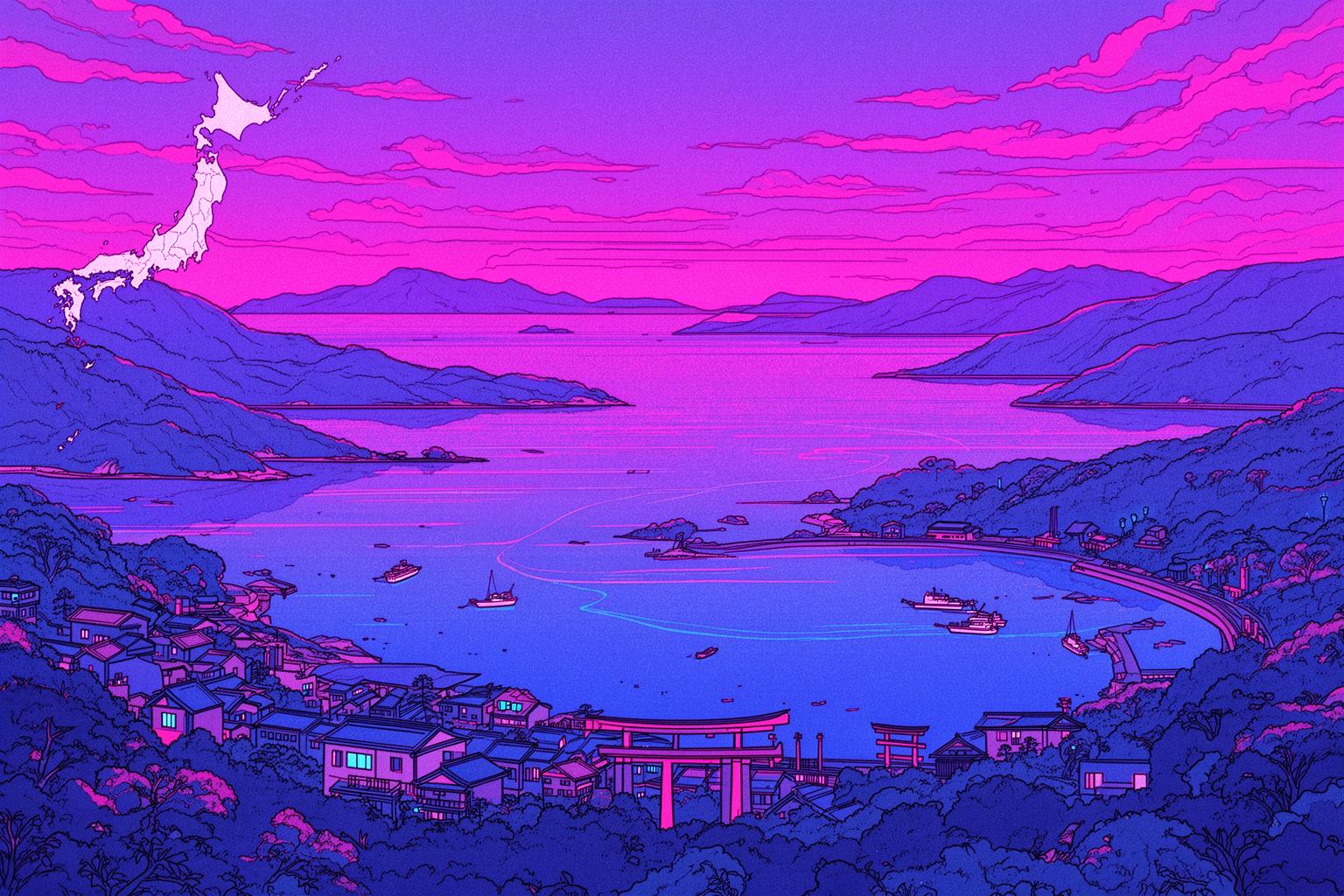
A few final tips to make sure your trip is absolutely perfect. First, comfortable shoes are essential. You’ll be walking, hiking, and cycling much more than you anticipate, so prioritize comfort over style. Second, bring cash. While larger museums and hotels accept credit cards, many smaller cafes, shops, and ticket booths on the islands only take cash. Third, pack a portable battery charger. You’ll rely on your phone for photos, maps, and checking ferry schedules, so don’t risk running out of power mid-island. Fourth, avoid overloading your itinerary. The true charm of Setouchi lies in the quiet moments in between. Allow for some extra time, because trying to do too much will leave you stressed and rushing to catch ferries. It’s far better to fully enjoy two islands than to hurry through four. Finally, embrace the unexpected. Plans might change—a ferry could be full, a bike might get a flat, or a cafe may be closed. Just go with the flow. Often, these detours and surprises become the most unforgettable parts of your journey.
The Afterglow: Taking Setouchi Home with You
Leaving the Seto Inland Sea feels like emerging from a beautiful, strange dream. You return to the mainland with your phone filled with photos, your Triennale passport stamped through and through, and your heart quietly touched by something profound. This isn’t a trip to simply check off a list; it’s an experience that plants a seed. It shifts your perspective on the connection between art and life, progress and nature, the global and the local. You don’t just observe the art in Setouchi; you feel it—in the warmth of a greeting from an island elder, the tang of a locally grown lemon, the silence within the Teshima Art Museum, and the rhythm of the waves against the ferry. It reminds you that beauty and meaning often lie in the most unexpected places—in a forgotten salt field, an abandoned house, a tranquil coastline. It’s a story of hope and renewal, a testament to the healing power of creativity. So go. Let the islands work their magic on you. You’ll return with more than memories; you’ll come back with an entirely new outlook.